
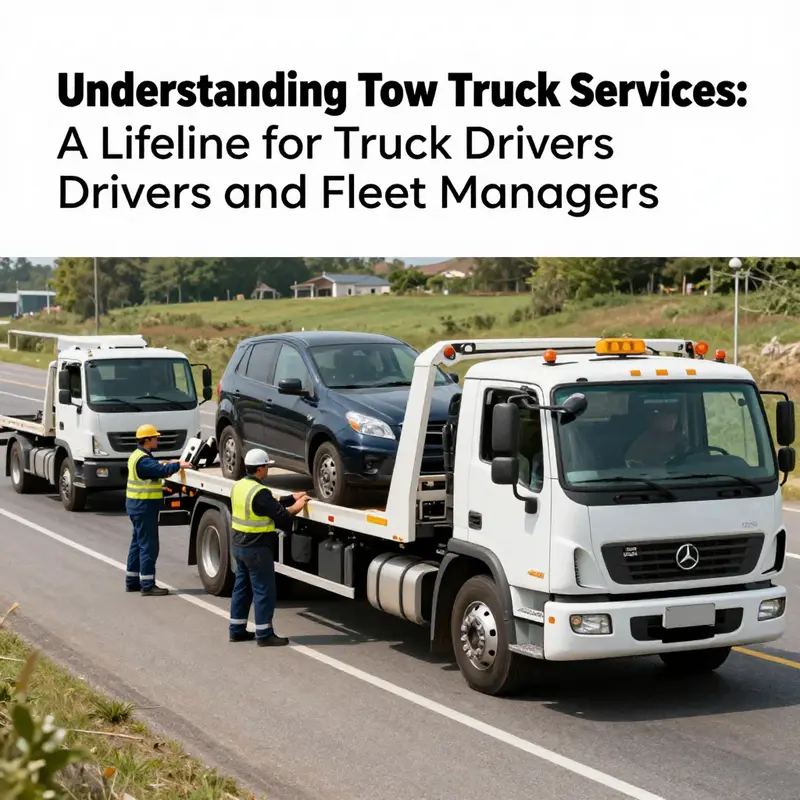
Tow trucks serve as an essential support system for the trucking industry, ensuring vehicles are safely recovered and transported during emergencies and breakdowns. Understanding the types of services provided by tow trucks is crucial, especially for long-haul truck drivers, trucking company owners, fleet managers, and aspiring truck drivers. This article delves into the various services tow trucks offer, the distinct types tailored to specific needs, the crucial safety regulations governing their operation, the economic influence they wield on trucking businesses, and the technological advancements shaping their operations. By the end, you will gain a comprehensive understanding of how tow truck services can enhance safety, efficiency, and reliability on the road.
Tow Trucks in Motion: A Comprehensive Look at the Services They Provide
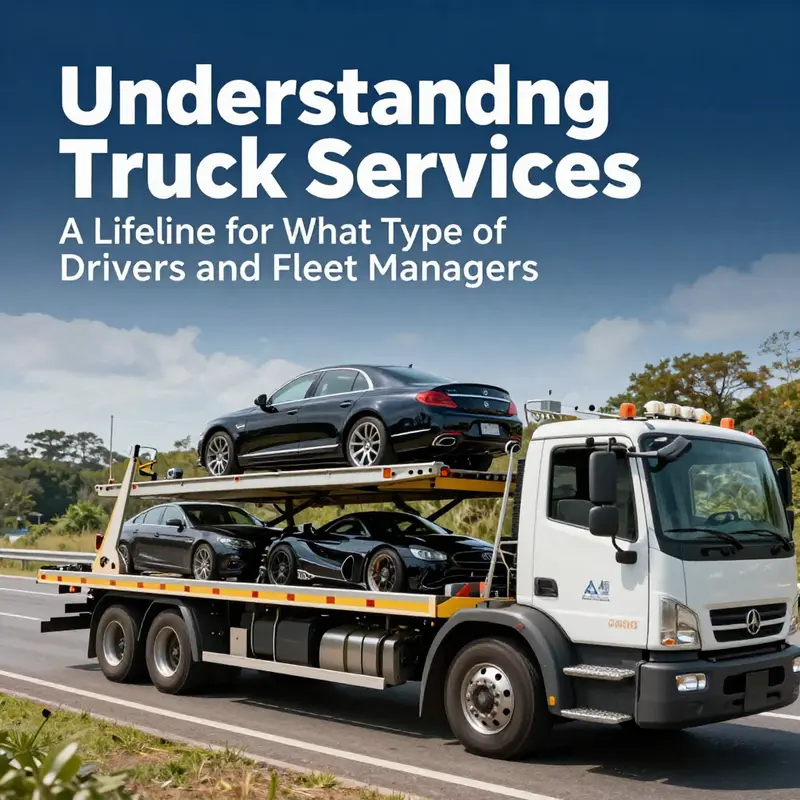
The roadside is a stage where a tow truck acts as more than a recovery vehicle. It is a mobile service hub designed to restore mobility in moments of failure, crash, or constraint. Behind the flashing lights and sturdy winches lies a spectrum of services that connect a stalled or damaged vehicle with safety, repair facilities, and eventual road return. This chapter explores that spectrum in a way that honors the complexity of the work while keeping the narrative anchored in the practical realities drivers and fleet operators face. Tow trucks operate within a broader system of vehicle operation and maintenance, serving as the critical bridge between breakdown and reliable travel. When a car, van, or truck cannot operate normally, towing services step in to minimize further damage, reduce traffic disruption, and streamline the path back to normal use.
In practice, the choice of service and equipment hinges on the scene, the vehicle’s condition, and the destination. A professional operator first assesses what kind of load is present, how the vehicle is likely to respond to lifting or dragging, and what space is available for maneuvering. The decision is not merely about moving a car from point A to point B; it is about preserving safety, avoiding additional wear or harm, and ensuring that the subsequent repair or relocation steps can proceed smoothly. This is why tow services are a core element of emergency response, vehicle maintenance, and insurance processes. They are not auxiliary; they are integral to the management of vehicle life cycles and the realities of modern mobility.
Among the most common and visible forms of tow truck service are the equipment options that dictate how a vehicle is recovered. Flatbed tow trucks carry a hydraulic bed that lowers to the ground, allows the entire vehicle to be rolled or driven onto the bed, and then elevates for transport. This method offers notable advantages for certain vehicle types. Luxury cars, high-end sports cars, and vehicles with low ground clearance or damaged suspensions benefit from a flatbed’s stability and the elimination of wheel or axle contact with the road. The setup takes a bit longer and requires more space, but the payoff is safer handling during loading and a ride that minimizes damage to sensitive drivetrains and bodies. In insecure or delicate recovery scenarios, the flatbed provides a clean, controlled approach that aligns with responsible transport ethics and professional standards.
Wheel-lift tow trucks, sometimes referred to as dolly or lift trucks, use a hydraulic yoke or cradle to lift either the front or rear wheels off the ground. The vehicle is then dragged or rolled onto a sling, after which it is secured for transport. This configuration is typically faster to deploy than a flatbed and remains highly effective for routine towing operations. Wheel-lift systems strike a balance between speed and safety for many everyday needs, including standard breakdowns and non-extreme incidents. They are well-suited to situations where space is limited or where speed to service is a priority, provided that the vehicle’s structure and tires can tolerate partial ground contact during transport.
A third category, though increasingly restricted in many urban environments, is the hook-and-chain towing system. This method represents an older paradigm in which a chain attaches to a frame hook and clamps onto the vehicle’s axle. While it can be quick to set up and cost-effective, the potential for body or frame damage has led to widespread safety concerns. Urban regulations and evolving industry standards have phased out this approach for many applications, reflecting a broader shift toward methods that minimize harm while maximizing reliability. In describing the full landscape of tow truck services, it is important to acknowledge both this historical thread and the contemporary preference for safer, more controlled approaches.
Then there are heavy-duty, high-capacity tow trucks designed for the heavy end of road transport. These 50-ton wreckers and other specialized heavy-duty units are built to handle large commercial trucks, buses, and heavy machinery. They combine winches, cranes, and a suite of mechanical systems that enable complex recoveries on challenging terrain or at accident scenes. The operational complexity of heavy-duty towing demands advanced training, precise risk management, and coordinated traffic control. In large-scale recovery work, these machines are not only about moving weight; they are about orchestrating safety, efficiency, and accountability across multiple stakeholders, including property owners, insurers, and public agencies.
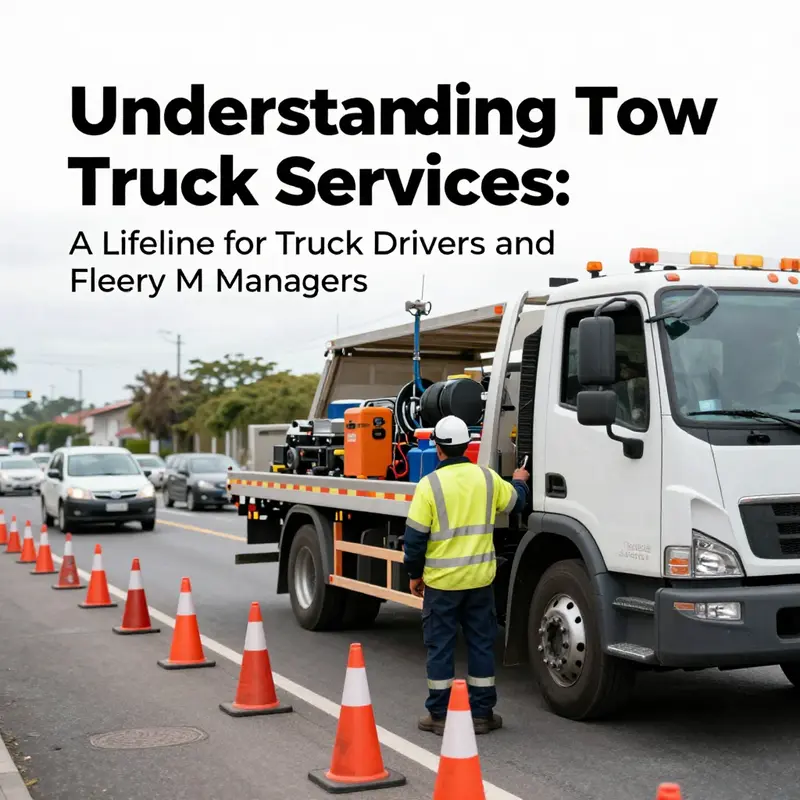
However, the value of tow truck services extends far beyond the moment of attachment or lifting. Roadside assistance often begins with a quick assessment, a few essential maneuvers, and the decision to attempt a temporary fix or arrange transport to a repair facility. Jump-starts, tire changes, fuel delivery, unlocking trapped keys, and on-scene stabilization are all parts of comprehensive service packages. When a vehicle is immobilized by a breakdown, a collision, or a prohibited parking situation, a professional operator uses precise procedures to secure the vehicle, protect bystanders, and prevent further damage. The goal is to return the vehicle to a safe, drivable condition, or if that is not possible, to ensure a safe and predictable handoff to a repair shop or storage facility.
In the context of long-distance towing, the service profile expands to include route planning, insurance considerations, and mid-journey monitoring. Long-distance towing is about more than crossing hundreds of miles; it is about anticipating risk, maintaining chain of custody for the vehicle, and coordinating a delivery window that aligns with the owner’s needs. The process often involves additional value-added elements such as destination delivery confirmation, secure handling, and documentation that supports a smooth insurance or liability claim if something unforeseen occurs along the way. For vehicles that require relocation—such as used cars being moved to a dealer’s lot, a client’s private facility, or a repair center away from the origin—long-distance tow services provide a practical, cost-efficient alternative to self-transport. In many cases, this service is more economical and safer than attempting to drive a disabled vehicle long distances, especially when road conditions, weather, or urban traffic patterns introduce avoidable risk.
Tow services also function within a broader ecosystem of vehicle management and regulatory compliance. They intersect with repairs, insurance, and inspections, forming a coherent service chain that supports ongoing mobility. From a public safety perspective, the prompt deployment of trained tow operators can relieve congestion and reduce the likelihood of secondary incidents caused by stalled vehicles. From an economic standpoint, professional towing helps preserve vehicle value by limiting exposure to further damage and ensuring timely transfer to appropriate care facilities. In this sense, the tow truck is not merely a vehicle mover but a critical partner in the lifecycle management of the automobile, a steward of safety, and a facilitator of efficient travel.
This broader view is echoed in how industry and regulatory bodies describe towing services. In some jurisdictions, towing falls under the umbrella of modern services—a classification that captures specialized operations conducted with professional vehicles and supporting equipment. The framing emphasizes not only the act of transportation but the expertise, risk management, and customer-centric delivery of a defined set of outcomes: safety, reliability, and a clear path to repair or relocation. The shift toward formalized modern-service categorization reflects a mature understanding of the role tow operators play in contemporary transportation systems. It also underscores the importance of professional standards, regular training, and accountability in delivering high-quality service to vehicle owners who depend on timely, responsible assistance during stressful moments.
For readers seeking a broader industry perspective on how service providers position themselves in the trucking and recovery landscape, a narrative about professional towing can be complemented by industry insights such as those found in general trucking service features. This kind of resource highlights how providers frame value, safety, and reliability, reinforcing the idea that tow services are a full-spectrum offering rather than a single function. In practical terms, that means every call to a tow operator is an engagement with a broader service promise: reliable recovery, careful handling, timely delivery, and a clear pathway back to normal road use.
From a policy and regulatory vantage point, the value of towing services also emerges in the way authorities balance speed, safety, and accountability. Regulations surrounding equipment standards, driver qualifications, scene safety protocols, and permissible recovery techniques reflect a shared priority: to protect the road user, safeguard property, and maintain orderly traffic flow. A rigorous framework helps ensure that the people and machines tasked with vehicle recovery operate within defined limits that prioritize human safety and minimize collateral damage to vehicles and infrastructure. In this way, the service is not merely tactical but strategic, aligning roadside support with broader transportation safety objectives while enabling drivers to pursue repairs and onward journeys with confidence.
To connect these ideas back to the reader’s experience, consider how often a tow service appears in practical terms: not just at the moment of a breakdown, but as part of a continuum of care that begins with safety at the scene, continues through transportation to the right facility, and culminates in a successful return to the road. The types of equipment and the breadth of service offered by professional tow operators are designed to adapt to a wide range of situations, from the routine to the extraordinary. The goal remains consistent: minimize risk, protect the vehicle’s value, and restore mobility as efficiently as possible. In this sense, the tow truck embodies a pragmatic synthesis of engineering, logistics, and service excellence—a moving microcosm of modern transportation support.
For readers seeking broader context beyond this chapter, you can explore related perspectives on trucking services and their role in a modern service economy. Discovering the unparalleled services of 5 Star Truck Inc. offers a window into how industry players frame their value proposition, safety commitments, and reliability standards within a broader trucking ecosystem. This internal resource complements the regulatory and practical dimensions discussed here while illustrating how service narratives shape customer expectations. Discovering the unparalleled services of 5 Star Truck Inc.
External regulatory context can also shed light on how tow services fit within national frameworks. For a formal overview of tow truck services and regulations, see the UK government’s guidance, which outlines the regulatory framework and service classifications for tow truck operations, including how they are categorized within modern services and vehicle recovery. This external resource provides a macro view of how policy shapes practice and underscores the standardized expectations placed on professional operators. External resource: https://www.gov.uk/government/publications/tow-truck-services-and-regulations
Tow Trucks in Action: Safe Recovery and Transport
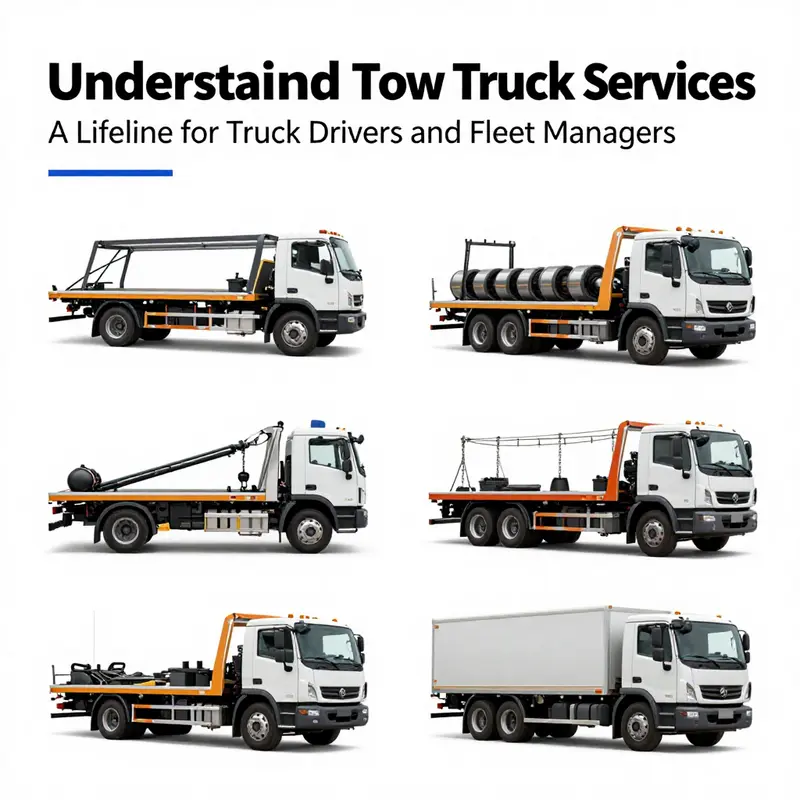
Tow trucks are specialized vehicles designed to recover and transport disabled or damaged cars with safety and efficiency. They come in several configurations, including flatbeds, wheel-lift units, rotators, and integrated wreckers, each chosen to match the scene, vehicle type, and distance to destination. Flatbeds offer a level platform that minimizes damage to the vehicle by loading it completely onto a bed. Wheel-lift units lift one axle off the ground for faster, space-efficient moves on paved surfaces. Rotator wreckers add a rotating crane to reach around obstacles and stabilize loads on uneven terrain. Integrated wreckers combine winch, boom, and lift in a single chassis for quick, controlled recoveries. Heavy-duty wreckers handle large trucks and machinery with additional stabilizers and higher capacities. The common thread across configurations is careful risk assessment, proper rigging, and clear communication to protect people, property, and the vehicle while restoring mobility as safely as possible.
null
null
Tow Trucks at the Economic Crossroads: How Recovery Services Keep Traffic Moving and Markets Growing
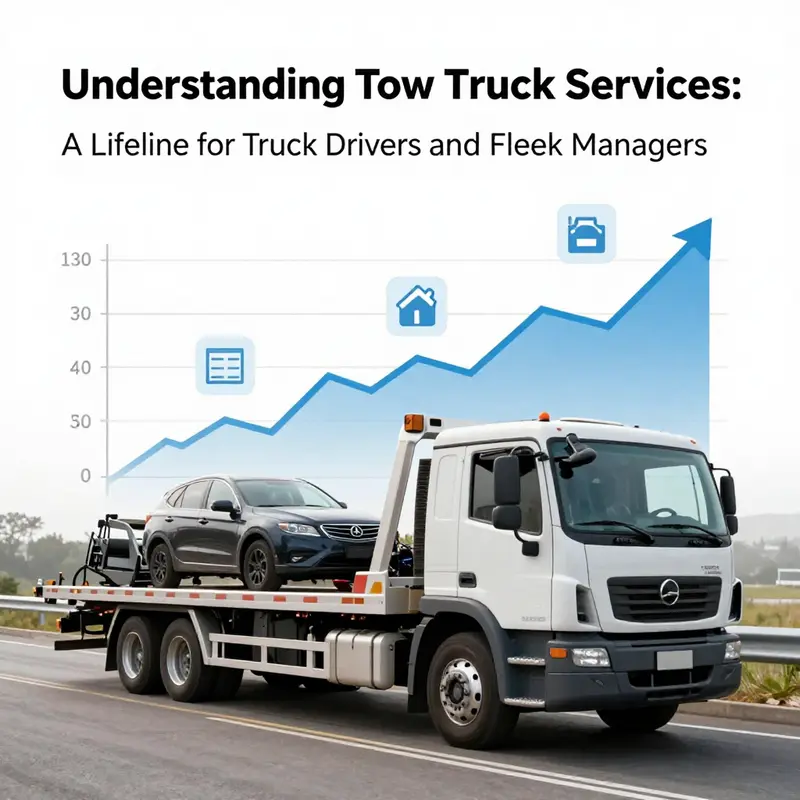
Tow trucks are not mere roadside helpers. They are cogs in a complex machine that keeps traffic, commerce, and communities moving. This chapter looks at the economic footprint of tow truck services, not as a collection of incidents but as a structured industry that connects vehicle recovery with productivity, safety, and growth. The numbers tell a story: the market for tow trucks was valued at 2.3 billion dollars in 2023 and is projected to reach about 3.9 billion by 2033, a compound annual growth rate around 5.4 percent. The companion market for the body of these recovery vehicles stood at 1.2 billion in 2024 and is forecast to rise to 1.8 billion by 2033. These figures are more than statistics; they mark the expansion of a workforce, the deployment of specialized equipment, and the integration of recovery services into broader supply chains.
In explaining why the market is expanding, several forces stand out. First, vehicle ownership continues to grow across many regions, creating more potential breakdowns or immobilizations that require professional help. Second, road networks become more complex and congested, amplifying the value of a rapid recovery to minimize disruption. Third, the demand for efficient roadside assistance has shifted from a discretionary service to a potential determinant of fleet reliability and customer satisfaction. When a vehicle fails, the clock starts. The sooner it is recovered, the more likely a driver can resume work, a delivery can resume, or a commuter can complete a planned trip. The economic consequence of that moment is not merely the price of a tow; it is the difference between a delayed project and a completed one, between a missed contract window and on-time performance.
The effect ripples through businesses that are not immediately on the scene. For logistics operators and freight carriers, a rapid recovery means fewer hours of downtime for a critical asset. Fewer broken pallets, less idle engine time, and tighter route planning all translate into lower operational costs over the life of a vehicle. Insurance providers also feel the impact, since faster recovery can streamline claims processing and mitigate risk by documenting the condition of vehicles quickly and accurately. In turn, repair shops depend on a steady flow of cases that allow them to keep tools and technicians employed, stock essential parts, and maintain a predictable cycle of service work. Across these interactions, the economy gains efficiency, which is the quiet value behind the visible act of pulling a truck upright on a highway shoulder.
The industry itself has diversified to meet different recovery needs. The use of flatbed recovery units, which lift a vehicle completely onto a bed, is essential for high value and low clearance vehicles. Wheel lift units provide a balance of speed and versatility that fits a broad spectrum of everyday incidents. At the same time, heavy-duty wreckers handle the most demanding scenes, from multi-vehicle pileups to the recovery of trucks and machinery. Each specialization carries a price tag in upfront investment and ongoing maintenance, but the payoffs appear in safer recoveries, fewer collateral damages, and the potential to preserve the original value of the vehicle being moved. In markets where liability concerns are strict and safety audits are routine, the economics of these assets often favor organized fleets with formal training and rigorous maintenance programs. The advantage is measurable in the form of lower insurance premiums, higher up-time, and enhanced customer trust.
In this environment, the workforce behind tow services is not incidental. It encompasses drivers who bring skill and calm to high-pressure scenes, technicians who service equipment in the heat of the day and the ice of night, and dispatchers who coordinate complex logistics with precision. Training and certification programs grow in importance as the industry matures; operators aim to minimize risk, to respond quickly, and to communicate clearly with customers who are often stressed by the event that brought them to the roadside. The economic value of this labor extends beyond direct salaries. It feeds education systems, creates opportunities for local apprenticeships, and sustains a network of supporting services, from fuel suppliers to vehicle parts manufacturers and maintenance facilities. The result is a stable, if sometimes cyclical, employment base that anchors communities and contributes to regional development.
Yet the economic narrative of tow services is not limited to private enterprise. Public safety and municipal operations rely on dependable recovery capacity to manage traffic, keep lanes open, and reduce the probability of secondary incidents that can cascade into much larger delays. In dense urban cores, where every minute counts, the ability to remove disabled vehicles promptly improves traffic flow, lowers the incidence of follow-on crashes, and preserves the momentum of daily commerce. In rural corridors or on major trucking routes, the presence of professional recovery partners supports continuity of supply chains that power important sectors such as manufacturing, agriculture, and retail. This connectivity matters because even minor improvements in recovery times accumulate into substantial improvements in system-wide efficiency over weeks, months, and years.
Technology is reshaping how tow services operate and how their economic impact is felt. Digital dispatch platforms, real-time GPS routing, and vehicle telematics raise the precision of field operations. Dispatchers can see, almost instantaneously, where a breakdown has occurred, the most efficient route to the site, and the best method for recovery given the vehicle type and the terrain. For the customer, this translates into clearer expectations, faster service, and greater transparency about ETA and cost. For fleets, data on uptime, maintenance intervals, and driving conditions informs investment decisions, guiding whether to expand or reallocate resources. While this transformation requires capital and training, it also mitigates risk, improves safety outcomes, and enhances consumer confidence in the system as a whole. The result is a cycle of improvement in which better equipment, smarter processes, and more capable personnel collectively raise the reliability and predictability of recovery services.
The broader economic takeaway centers on efficiency, resilience, and shared value. Tow services transform the moment of breakdown into a controlled, managed process that minimizes waste, downtime, and risk. In practical terms, this means fewer hours of lost productivity for workers, shorter downtime for fleets, and a quicker return to normal operations for busy households, businesses, and public institutions. The value extends to insurance claims, repair workflows, and the coordination of multi-party recovery efforts at the site of an accident or vehicle immobilization. In aggregate, those improvements reduce costs across the economy, boost productivity, and contribute to a more robust and adaptable transportation system. As the market dynamics push toward larger volumes of recoveries, the need for skilled labor, reliable equipment, and efficient coordination will continue to grow, creating a foundation for steady economic expansion that aligns with broader trends toward safer roads, smarter logistics, and resilient infrastructure.
In framing the economic impact, it is helpful to remember that tow services do not operate in isolation. They connect with the entire ecosystem of mobility, safety, and commerce, translating technical capabilities into measurable performance gains. The financial health of the sector reflects how well a society can absorb shocks such as severe weather, major accidents, and high traffic demand, while maintaining predictable service levels for essential operations. The projected growth trajectories in market analyses signal not only opportunity for manufacturers and service providers but also a growing expectation among customers for timely, professional recovery. This alignment between supply capacity and demand is the bedrock of a service that many people encounter only in moments of stress, yet whose impact is felt whenever a highway clears, a fleet returns to service, or a critical shipment resumes.
External resource: https://www.marketsandmarkets.com/Market-Reports/tow-truck-market-123456789.html
Tow Truck Technology in Motion: The Digital Rebuild of a Street-Side Lifeline
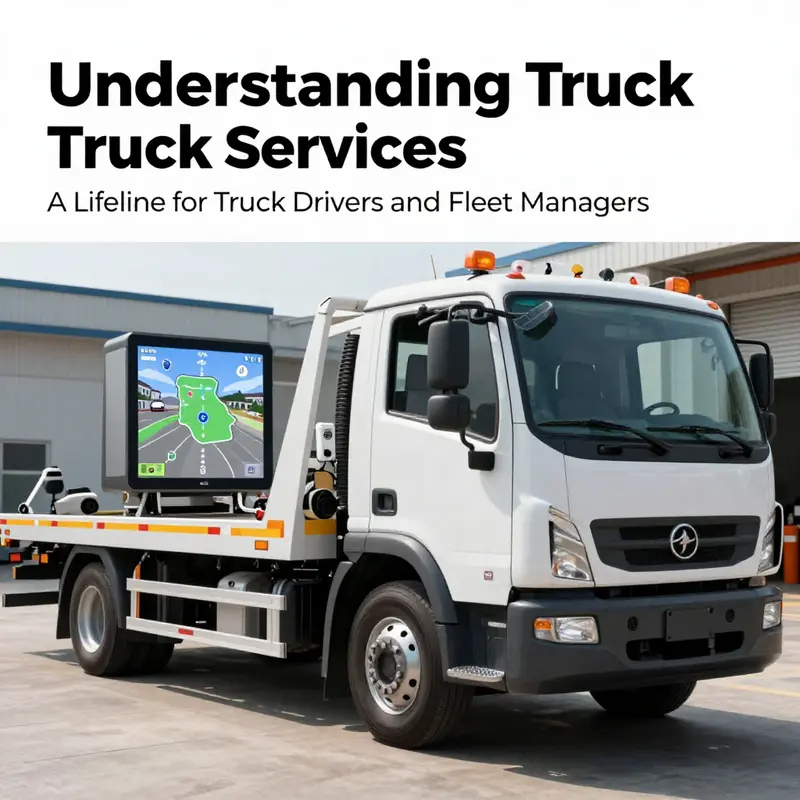
The landscape of tow truck operations has shifted from a purely mechanical craft to a field where digital systems, sensors, and remote control capabilities redefine what it means to respond quickly, recover a vehicle safely, and transport it with minimal risk to people and property. For operators who once relied on stopwatch timing, intuition, and a handful of mechanical levers, the current era brings a constellation of tools that tighten coordination, sharpen precision, and widen the kinds of scenarios a single truck can handle. At the core is a simple idea: when a vehicle breaks down or is involved in an incident, every second is an opportunity to reduce danger and protect what matters on the road. Technology is the multiplier that makes that opportunity more reliable, more repeatable, and less dependent on luck. In practical terms, the modern tow service blends location intelligence, real-time status updates, and smarter lifting systems into a seamless workflow that begins the moment a call is received and ends long after the vehicle has reached its destination.
The most visible change is the integration of sophisticated GPS and dispatch software with fleet operations. Gone are the days when a dispatcher relied on guesswork or a rough sense of geography to assign a truck. Today, fleets operate with live maps that show not only where each unit is but how fast it is moving, what its current task is, and even whether a unit is experiencing a mechanical alert. This visibility translates into quicker response times and smarter route choices. A driver en route to a stranded motorist might be guided through a congested corridor by a dynamically rerouted path that avoids slowdowns, while another unit assigned to a separate incident may be kept on standby in a nearby area to minimize overlap and maximize coverage. The dispatch system becomes not just a routing tool but a command hub, synchronizing field crews, terrain, traffic patterns, and urgency in a way that is nearly impossible with manual coordination.
Alongside positioning, telematics and onboard diagnostics are quietly doing heavy lifting. Telematics collect data about engine health, hydraulic pressures, winch load, stabilizer status, and battery health in real time. When a sensor detects an anomaly, alerts can trigger preemptive maintenance or a temporary service action before a fault becomes a roadside failure. For operators, this means fewer unexpected breakdowns that strand crews and frustrate callers. It also means a maintenance history travels with the vehicle, turning a routine check into a data-informed care plan rather than a calendar-driven routine. The combination of proactive maintenance and real-time situational awareness reduces the risk of in-field breakdowns and contributes to a safer recovery operation, where all equipment is functioning within its designed tolerances.
The winching and hydraulic systems, the engineering heart of any tow truck, have evolved from brute force into controlled, sensor-guided mechanisms. Contemporary winches carry higher tensile strength and more precise control, allowing operators to recover vehicles from challenging positions—whether it is a ditch, a steep incline, or a precarious angle on a roadside shoulder—without the guesswork that used to accompany such maneuvers. Integrated load sensors monitor tension and protect the towed vehicle from excessive strain, while automatic tension controls adjust to changing conditions as the recovery progresses. This is especially important for vehicles with damaged suspensions or delicate frames, where even a minor miscalculation can cause further harm. Operators benefit from haptic feedback and visual cues that translate complex dynamics—like the interplay of gravity, friction, and anchor points—into actionable, safe steps. The presence of these smart sensors also supports better crew communication, since a single dashboard readout can capture what would previously require multiple conversations on-site.
Remote-control capabilities further extend the safety envelope of modern operations. In high-risk environments—whether a multi-vehicle collision on a busy artery or an unstable roadside hillside—remote control allows trained personnel to guide heavy recovery tasks from a safer distance. The operator can initiate winching sequences, adjust line tension, and monitor hydraulic pressures without standing directly in the danger zone. This reduces exposure to hazards such as moving traffic, fuel leaks, or unstable terrain. It also enables more precise maneuvering in tight spaces where a driver’s vantage point might be limited by the vehicle’s dimensions or the geometry of the recovery scene. While the upfront cost and compatibility with legacy equipment pose real hurdles, the long-term gains in safety and efficiency are increasingly compelling for fleets facing crowded urban corridors or high-call-volume areas.
Beyond the mechanical and physical aspects of towing, the informational backbone of modern operations is feeding a broader, smarter ecosystem. Data from recoveries, maintenance events, and vehicle health can be analyzed to uncover patterns that improve reliability and safety. A fleet manager can spot recurring issues with particular hydraulic components or identify peak demand periods that justify repositioning units for faster response. Fleet management platforms also support better coordination with other emergency services when needed, ensuring a cohesive response that respects both the urgency of the moment and the safety of responders and the public. These data-driven insights translate into tangible improvements: fewer broken chains, reduced call-back trips because a vehicle can be prepared for transport in a single maneuver, and more predictable service levels for customers who rely on rapid assistance during a roadside emergency.
The practical implications of these advancements ripple across every type of tow operation. Flatbed trucks, renowned for transporting low-clearance or fragile vehicles, benefit from precise bed positioning and synchronized winching that minimizes wheel engagement until the vehicle is adequately secured. Wheel-lift and dolly systems gain from load-sensing technologies that prevent overloading or misalignment of wheels, an enhancement that matters when the target vehicle is mid-repair and not fully stabilized. Heavy-duty tow trucks, tasked with large commercial recoveries, now rely on integrated cranes, advanced winches, and smarter anchoring methods to manage massive loads with greater control. In all cases, the underlying thread is the same: technology makes the recovery safer, the transport more stable, and the service more reliable for the driver who needs help and the motorist who is watching from the roadside.
There is, of course, an economic and practical balance to strike. Adoption of remote-control systems, electric prime movers, and advanced diagnostic suites is not instantaneous. Fleet owners consider the return on investment, the compatibility of new systems with older vehicles, and the necessary training for personnel. Some agencies may prioritize modular upgrades that can be appended to existing equipment, while others pursue end-to-end overhauls. The dialogue around these decisions often centers on safety outcomes and uptime. After all, the core service a tow truck provides is emergency mobility: the ability to restore a vehicle’s access to the road, or to move it to a safer location, with minimal disruption to traffic and with maximum care for the vehicle’s integrity. Technology, in this frame, is not merely a luxury but a force multiplier that can progressively raise the standard of care across the entire operation.
As the industry experiments with electric prime movers and the associated charging infrastructures, there is a growing recognition that urban deployments require smart planning. Electric powertrains promise lower emissions and quieter operations, which are increasingly valued in dense city environments. Yet charging times, the availability of rapid charging in certain zones, and the need for reliable on-board energy to power winch systems and diagnostic tools present real constraints. Operators are learning to balance immediate service demands with the longer horizon of sustainable fleet modernization. In practice, this means smarter scheduling, opportunistic charging during downtime, and the strategic deployment of hybrid or plug-in options where appropriate. The broader lesson is that technology can broaden the scope of what a tow fleet can do, but it must be integrated with careful logistics and clear safety protocols.
The narrative of progress in tow truck technology is not a single leap but a continuum of improvements—each layer supporting the others. GPS and dispatch intelligence sharpen the timing and routing; diagnostic and load-sensing systems improve safety and reduce unnecessary wear; remote control extends operational reach into hazardous scenes; and long-term data analytics shape maintenance, training, and capital planning. This cadence of advancement foregrounds a simple truth: the best tow operations are those that blend human skill with systematic, data-informed processes. Operators still rely on trained hands to interpret a scene, to manage complex rigging, to read the road’s micro-hazards, and to make judgment calls when conditions shift in the blink of an eye. But the tools they wield have grown richer, turning split-second decisions into consistently safer outcomes and turning a roadside rescue into a coordinated, controlled sequence rather than a high-stakes improvisation.
For practitioners seeking deeper insight into how design and technology intersect in emergency vehicle platforms, a broader conversation about efficiency and integration offers useful context. See, for example, discussions on the design efficiency in emergency services for ideas about how control interfaces, sensor fusion, and human factors can reduce operator fatigue and error while increasing reliability. design-efficiency-in-emergency-services. The same underlying logic—clear interfaces, robust sensing, and dependable power systems—applies to tow operations as they adapt to new tools and workflows.
In sum, the current wave of technological advancement in tow truck operations is not about replacing the craftsman’s expertise but about enhancing it. It is about providing the right information at the right moment, enabling safer handling of difficult recoveries, and ensuring that every vehicle reaches its destination with the least possible risk to people and property. The future of tow services will likely feature increasingly intelligent interfaces, more capable lifting and stabilization systems, and a broader adoption of electric powertrains where urban conditions permit. As the road network grows more complex and the demand for rapid, safe recovery grows, technology will continue to evolve as the critical ally of the roadside technician, turning a difficult job into a sequence of carefully choreographed, safety-first actions.
External reference for further technical insight: https://www.fleetmanagement.com/2026/01/25/technical-overview-of-chinese-prime-mover-truck-specifications-and-applications/
Final thoughts
Tow trucks play a critical role in maintaining the operational efficiency and safety of the trucking industry. By understanding the various services tow trucks offer and their specific applications, long-haul truck drivers and fleet managers can make informed decisions about emergency services and vehicle recovery strategies. The connection between these services and the economic impact they have on the industry highlights their vital place in the logistics chain. Moreover, embracing technological innovations can enhance the effectiveness of tow truck operations, further supporting the vehicles and drivers on the road. An informed approach to tow truck services not only increases safety but also helps optimize fleet management strategies.