

Truck caps, also known as canopies, serve a crucial role in protecting the cargo of long-haul trucks while offering added functionality for trucking companies and fleet managers. Understanding what truck cap services encompass can significantly enhance the performance and durability of your vehicles. We’ll delve into the various facets of truck cap services, focusing on maintenance practices to ensure longevity, installation and repair standards, and evaluating global manufacturing perspectives. This comprehensive look will help long-haul truck drivers, trucking company owners, and fleet managers appreciate the value of well-maintained truck caps, leading to better operational efficiency and cargo protection.
Beyond the Bed: Mastering Truck Caps Through Installation, Care, and Strategic Use

A truck cap sits not just as a shell over the truck bed, but as a practical argument about how a vehicle companions can adapt to a jobs-and-gear world. It is a deliberate choice, born from the need to protect what you move, secure what you carry, and extend the truck’s usefulness beyond what the bare metal and taillights can offer. In practice, a cap is a craft that blends engineering with daily life. It is a small piece of equipment that asks big questions: How weatherproof should the cargo compartment be? How much security do I need against prying eyes or rough terrain? How will the cap influence fuel efficiency, aerodynamics, and access to tools or gear? And perhaps most importantly, how can the cap be integrated into a work routine or a weekend escape without becoming a burden? These questions anchor a broader understanding of what people actually want when they seek truck cap solutions, and they also point to the ways in which maintenance, installation, and customization come together to create real value over time.
At the heart of any discussion about truck caps lies the choice of materials. Fiberglass caps are favored for their durability and resistance to rust and impact. They can be painted to match a vehicle’s color, producing a seamless, showroom-like appearance that belies the rough-and-tumble work they are built to endure. Fiberglass bodies are often praised for their smooth, integrated lines, which can enhance sealing performance and reduce wind noise when paired with a precise fit. Aluminum caps, by contrast, carry a different kind of logic. They are lighter, which matters to the overall weight balance of the vehicle, and they tend to resist dents in environments where the truck regularly encounters rough terrain or busy job sites. This lighter profile makes aluminum caps a practical choice for keepers who shuttle equipment daily and want to maximize payload without overburdening the chassis. Each material brings a distinct set of trade-offs, and understanding those trade-offs helps vehicle owners align their cap with their work rhythm or their trail-ready adventures.
Beyond raw materials, the features that make a cap a robust container are equally important. A well-sealed door system—with an O-ring or compression gasket around doors and windows—prevents water from sneaking inside during a sudden rain squall or a mid-commute splash from a muddy wash. Vent panels positioned to reduce internal condensation can dramatically improve long-term item protection, especially for gear that relies on dry storage or that could suffer from mold or mildew in damp climates. A reinforced mounting system—often built with steel channels or cross-bracing—ensures stability on uneven roads and during heavy use. These elements are not mere add-ons; they are the backbone of a reliable cap that can be trusted to stay put when the wind picks up or when the cap faces a rough highway surface. The car’s body and frame benefit too, because a cap that is properly aligned and securely fastened distributes loads more predictably and minimizes stress signatures that could sway handling.
And then there is the question of customization, which is where the cap moves from protective shell to personal workspace or mobile basecamp. Many providers offer options like tinted windows for privacy and solar light balance, integrated lighting for task visibility without hogging interior cab power, locking mechanisms to deter theft, and interior storage solutions such as shelves or modular organizers. The combination of features can transform a cap from a simple cover into a functional extension of the truck’s interior space. The same logic applies to a camper or overlander who needs a shelter-like environment that can serve as a sleeping area or a quick base of operations. In such setups, a cap’s interior layout becomes as important as its exterior fit, influencing how easily someone can prepare meals, organize clothing, or secure camping gear in a way that keeps the bed area tidy and ready for the next outing. The design choices are not trivial; they map directly to productivity on the job or comfort on a weekend away.
Installation, as much as any manufacturing detail, determines the long-term performance of a cap. A professional installation is not an unnecessary luxury. It is an assurance that the cap will align precisely with the bed rails, seal correctly against the tailgate, and remain tame in the presence of road salt, rain, or dust. The process emphasizes proper alignment, secure fastening, and optimal sealing. If any of these steps are rushed or overlooked, the cap risks leaks, wind noise, or even fatigue on mounting points that could shorten its lifespan. Aligning the cap often requires careful measurement and sometimes adjustments to the bed’s protrusions or the gutter system to ensure a flush fit across the entire perimeter. Once in place, the cap becomes part of the truck’s geometry rather than an afterthought that simply sits on top. The proper seal between shell and bed becomes a line you don’t notice because the cap behaves like a single, integrated unit when you drive, park, or unload.
The service side of the equation—although not a singular, branded procedure—revolves around ongoing maintenance and care. A cap, being a large, semi-permanent attachment to a vehicle, benefits from routine inspection. Cleaning remains a fundamental habit: a simple rinse, gentle soap, and a thorough wipe to prevent the buildup of dirt and grime that can obscure seals or latch mechanisms. The seals themselves deserve periodic checking for wear or cracking. Latches and locking mechanisms require occasional lubrication and inspection to ensure smooth operation, especially in climates with temperature swings that can stiffen hinges or sliders. In places with seasonal changes, vent panels may accumulate condensation that invites mold if left unchecked. Regular attention to these components not only preserves the cap’s protective function but also preserves its aesthetics; a well-maintained cap is easier to keep looking like new, and its resale value or long-term utility is preserved as a result. This maintenance is not merely cosmetic; it is a practical discipline that protects cargo, strengthens security, and keeps the cap functioning as intended through years of use.
For businesses that rely on truck caps at scale, decisions around procurement and quality control become strategic. The global supply chain now makes it common to source caps from manufacturers that operate in regions with mature metalworking and composite capabilities. In such contexts, the emphasis shifts from price alone to a broader set of criteria: supplier reliability, consistent quality control, responsiveness, and transparency of processes. The best partnerships are those that offer a predictable timeline for delivery, detailed specifications for materials and finishes, and a warranty structure that covers both the cap and the mounting hardware. A disciplined sourcing approach helps commercial buyers align cap specifications with fleet maintenance cycles and with the expectations of drivers who rely on the cap every day.
Yet even with strong manufacturing and installation practices, the real-world decision to adopt a truck cap rests on its fit with climate, geography, and daily use. In wetter regions, the emphasis on a robust sealing system and condensation management rises to the top of the priority list. In dusty or sandy environments, the ease of cleaning and the integrity of fasteners become more critical. In urban settings, the cap’s weight, impact on acceleration, and potential interaction with parking structures can influence the choice of material and configuration. For weekend explorers, the decision often hinges on how the cap’s interior can be organized for gear and how the cap can transform into a sheltered sleeping space or a weather-proof staging area for outdoor activities. The most successful setups are those that stay faithful to the vehicle’s baseline strengths while bringing forward a set of tailored enhancements that respond to concrete needs rather than generic trends.
A practical note about sourcing and standards bears repeating. If a business plans to procure multiple caps at scale, it should pursue a supplier program that includes clear quality control metrics, vision for lead times, and a transparent approach to customization. Measurements matter. The bed width, the tailgate height, and the curvature along the roofline all influence whether a cap will sit flush without creating aerodynamic penalties or stress points. A cap that fits well also minimizes future adjustment work and reduces the likelihood of leaks or damage after a rough drive on rural roads or on a road with seasonal potholes. In short, the cap is not just a protective add-on; it is a modular element of the vehicle that must harmonize with the truck’s original design and with the owner’s practical routines.
As you connect these threads—the materials, the features, the installation, and the maintenance—you begin to see why truck cap decisions deserve careful thought rather than casual assumptions. The term “truck cap service” may have appeared as a misnomer or a confusion of terms in some discussions, but the reality is more nuanced. There is a service mindset here, rooted not in a single act but in an ongoing practice: select the right cap, install it correctly, care for it consistently, and exploit its potential to reorganize how you work or travel. This approach reframes the cap from a passive accessory into an active partner in cargo protection, logistical efficiency, and personal versatility. It invites vehicle owners to consider how a single accessory can reframe storage, security, and usability across weather, terrain, and time.
If you want to explore broader thinking about how procurement and service philosophies intersect with vehicle accessories, the 5StarTruckIn blog provides a useful perspective on how equipment and services align with road realities and fleet needs. 5StarTruckIn blog
Finally, for those seeking deeper context on the design and performance implications of truck caps, a respected external reference offers a detailed overview of cap composition and its role across industries. External reference: https://www.ramtrucks.com/truck-caps-guide
Maintenance of Truck Caps: Essential Services for Longevity
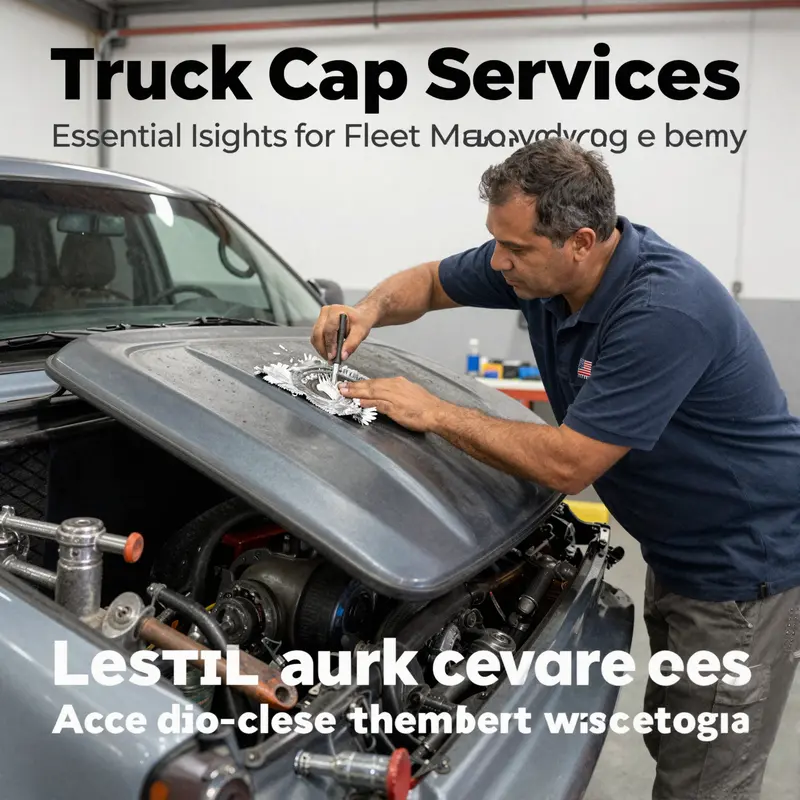
Maintaining a truck cap is essential for protecting cargo and preserving resale value. This chapter outlines a practical approach to cap care, focusing on a simple routine owners can follow: inspect, clean, seal, and test. Regular inspections should review the cap’s frame for corrosion or cracks, verify seals around doors and windows, and check fasteners and hinges for looseness or wear. Cleaning keeps exterior finishes and interior surfaces free of dirt and grime, while resealing around joints maintains a continuous weatherproof barrier. Lubricate hinges and check latch alignment to ensure reliable operation. If insulation or electrical components are present, inspect them for integrity and moisture intrusion. The recommended servicing cadence is at least one annual professional inspection, with additional care after extreme weather or heavy use. By treating the cap as part of the vehicle’s overall health, owners can prevent leaks, protect cargo, and maintain the truck’s value and reliability.
Guarding the Bed: Mastering Truck Cap Installation and Care
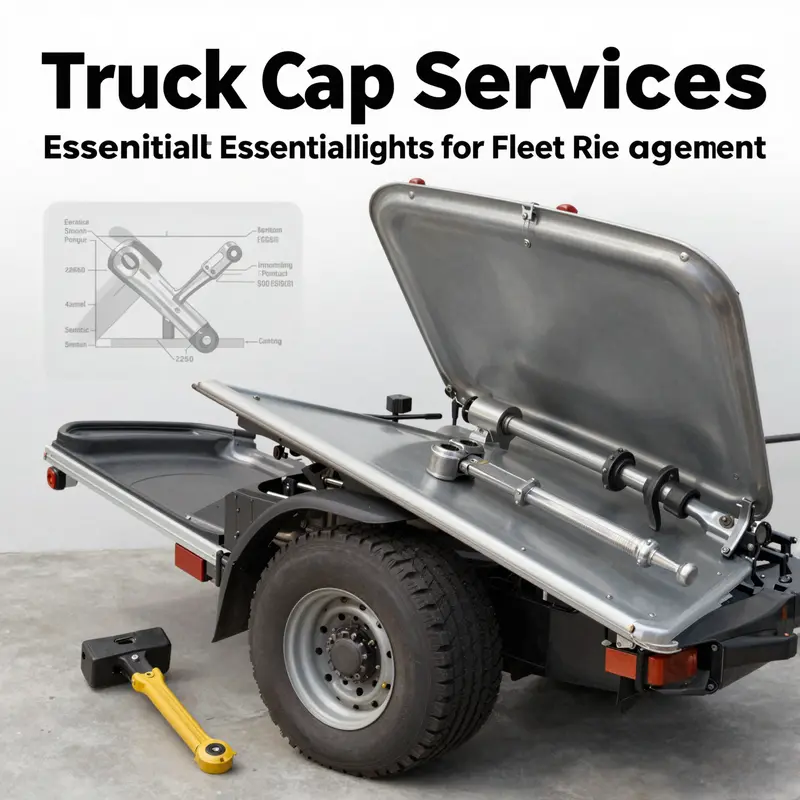
Installing and caring for a truck cap is a distinct maintenance task that sits alongside the vehicle’s own service schedule. Proper fitment depends on compatibility with the truck’s year, model, bed length, and rail system. A cap that does not align can create gaps that invite water intrusion, wind lift, or misclosure. Start with compatibility verification using manufacturer fitment guides, then check that the gasket seats evenly and that rear doors close without binding. The critical first step is to verify compatibility before any tool is touched, because a correct fit determines weather protection, security, and long-term cap integrity.
The installation procedure benefits from careful tool use and a deliberate sequence. Hands-on method and accuracy trump speed. A torque wrench is indispensable because even small over-tightening can stress cap materials such as fiberglass or lightweight aluminum, potentially causing cracks or warping. Conversely, under-tightening invites movement under load, water leaks, and wind noise. Begin with a dry-fit: place the cap on the bed, align front-to-back and side-to-side, and confirm that the hatch or rear door clears all trailing edges. With alignment verified, anchor the cap using the prescribed fasteners in a balanced pattern that distributes clamping pressure evenly. Avoid using power tools for final tightening; they can overshoot torque and distort gaskets or rails, especially on fiberglass or composite caps.
Post-fit alignment checks are essential. Once the cap is secured, a visual inspection should confirm that fasteners sit flush and that the seal is continuous around the perimeter. The gasket or rubber trim is the primary defense against water intrusion and dust ingress. Inspect for cuts, kinks, or compression-set distortions, and replace as warranted. Check that the cap edges meet the body without gaps or high spots. A light spray test or a gentle water rinse from inside the cab can reveal slow leaks or misalignment that a visual check might miss.
Repairing a truck cap is a separate discipline from vehicle maintenance, yet it shares a common emphasis on careful diagnosis, appropriate materials, and proper technique. Minor fiberglass repairs can be addressed with spot repairs using automotive resins and fillers designed for non-structural work. Substantial damage, such as cracks that extend through a panel or warping of the rails, may require a professional assessment and possible partial or full replacement. Seals and gaskets should be replaced to avoid leaks; reassembly should follow the same sequence as installation with careful reseating and re-tightening.
Maintenance and testing keep the cap performing over time. Regular cleaning with mild soap and water, inspection of hardware, and periodic tightening checks prevent looseness and leaks. The sealing system should retain elasticity and uniform compression around the entire perimeter. Weatherproofing benefits the bed’s interior temperature stability and reduces wind noise. Finally, treat cap care as a repeatable process anchored in compatibility, precise installation, seal integrity, and careful restoration when needed. This disciplined approach yields a cap that remains weather-tight, secure, and ready for transport across seasons and miles.
Global Manufacturing of Truck Caps: Market Forces, Materials, and Compliance Shaping Supply and Service

Global manufacturing of truck caps sits at the intersection of functional demand and industrial strategy. What began as a simple shell to protect cargo has evolved into a product category shaped by regional manufacturing strengths, material science, logistics, and regulatory regimes. Understanding how these forces interact clarifies why so many buyers and fleet managers face a complex landscape when sourcing, installing, or maintaining truck caps.
Manufacturing location matters more than many buyers realize. Labor costs, supply-chain resilience, and regional policy all influence price and lead time. Factories clustered in specific provinces and regions benefit from specialized supplier networks that lower component costs and speed production. Those advantages translate into competitive pricing for basic models but can also pressure quality control when demand surges. Conversely, localized manufacturing closer to major markets shortens delivery times and simplifies customization, which matters for buyers who need tailored dimensions, color matching, or specific functional features.
Market growth is driving both consolidation and niche diversification. As demand grows for protective, aerodynamic, and multiuse caps, manufacturers pursue two parallel strategies. One is scale: broad platforms and modular designs that reduce tooling costs and serve many vehicle models. The other is differentiation: specialty products that use advanced materials, integrate storage systems, or support recreational uses such as overlanding. These divergent approaches reflect different buyer priorities. Commercial fleets prioritize durability, lead time, and total cost of ownership. Individual owners often value weight savings, finish quality, and accessory compatibility.
Materials change the equation in profound ways. Traditional materials like steel offered strength but penalized weight and corrosion resistance. Modern offerings lean toward composites and light alloys that deliver a better strength-to-weight ratio. Fiberglass, for example, combines formability with corrosion resistance and is well-suited to custom shapes and paint-matching. Its advantages include low weight and the ability to produce complex contours, which helps with both aesthetics and aerodynamics. Aluminum and similar alloys offer a different balance: structural toughness, recyclability, and resistance to rust, while often enabling lower long-term maintenance costs for heavy-use applications. Manufacturers must weigh raw material availability, fabrication costs, and end-user requirements when choosing a primary substrate.
Innovation does not stop at base materials. Coatings, sealants, and fastening systems are vital to performance in real-world conditions. Long-lasting seals prevent water and dust ingress, while UV-stable finishes preserve appearance and protect underlying composites. Fastening systems must resist vibration, theft, and repeated attachment cycles. Each of these components can be sourced locally or imported, and their quality directly influences warranty claims and perceived brand reliability.
Supply chains are another dominant factor. The modern procurement environment emphasizes both cost efficiency and risk mitigation. Centralized production in cost-advantaged regions can reduce per-unit cost but increases exposure to transportation disruptions, tariff shifts, and political risk. In contrast, geographically distributed manufacturing can reduce lead times and provide redundancy but may raise unit costs and complicate quality standardization. Manufacturers increasingly adopt a hybrid approach: core components are produced where costs are lowest, while final assembly and customization happen closer to the end market.
This fragmentation requires robust logistics planning. Ocean freight, customs processes, and last-mile distribution shape not only price but also inventory decisions. When lead times stretch, dealers and installers must keep larger stock levels or offer fewer configuration options. That trade-off affects customers directly: fleets often prefer standardized, readily available caps that minimize downtime; individual buyers may accept longer waits for highly customized products.
Regulatory compliance is an unavoidable part of global manufacturing. Truck caps interact with vehicle safety systems, lighting, and load securement. When caps are used in commercial contexts—especially those transporting hazardous cargo or heavy equipment—there are strict rules. Compliance spans material testing, mounting integrity, and even how caps affect vehicle aerodynamics and braking. Manufacturers serving international markets must meet multiple standards, including regional safety certifications and transport regulations. Non-compliance risks costly recalls, disrupted shipments, and damage to reputation. For buyers, certified products reduce legal and operational risk.
Market concentration is visible in the manufacturing landscape. A few large suppliers often capture a major share of global volume, creating pressure on smaller manufacturers to compete on niche features, bespoke fitment, or superior service. High concentration influences dealer networks and aftermarket support. A large supplier with wide distribution can offer better spare-part availability and consistent fitment across model years. Smaller makers can win business by offering unique materials or local responsiveness.
Customization is a competitive lever with practical consequences. Buyers look for options: windows, roof racks, interior storage systems, and locking mechanisms. Each option influences production complexity and inventory needs. Modular platforms help by allowing a common shell to accept various accessory packages. Smart design choices that allow bolt-on accessories without major retooling can reduce lead times for custom configurations while keeping costs manageable.
Sustainability is increasingly relevant. Material choices impact not only performance but also lifecycle environmental footprint. Recyclability of metals, energy intensity of manufacturing processes, and the durability that delays replacement all factor into environmental assessments. Buyers with sustainability targets may prefer caps made from recyclable metals or those designed for disassembly and repair. Manufacturers that integrate these concerns into product design and supply-chain transparency gain an edge with environmentally conscious fleets.
Quality assurance and aftercare define long-term value. Even the best materials fail if installation is poor or if seals are not properly maintained. Installers and service centers play a major role in the customer experience. A cap that is difficult to fit or that requires specialized tooling will carry hidden service costs. For fleets, predictable installation times and reliable post-sale support are as important as initial price. Training programs for installers and accessible service documentation reduce warranty exposure and help maintain resale value for vehicles.
The buyer’s perspective matters throughout this chain. Commercial buyers weigh total cost of ownership more heavily. They model the costs of downtime, maintenance, and replacement over many years. Recreational and individual buyers emphasize fit, finish, and feature sets that match their lifestyles. Sellers who can translate manufacturing realities into clear value propositions—that is, who explain how a specific material, mounting system, or regional supply choice impacts the buyer’s experience—build trust and lower perceived risk.
Finally, the lines between manufacturing and service blur. While there is no formal “truck cap service” category in most industries, a range of services naturally support the product: installation, repair, seal replacement, and custom fabrication. These services are essential for long-term satisfaction. An integrated approach—where manufacturers work with a network of trained installers and authorized repair centers—reduces friction and preserves product performance. Buyers benefit when manufacturers disclose service networks and expected lifecycles for key components.
Taken together, these factors explain why the truck cap market is both dynamic and complex. Manufacturing choices—from material selection and production location to supply-chain design and compliance strategy—translate directly into what customers experience: price, lead time, durability, and serviceability. For procurement professionals and individual buyers alike, the smartest decisions come from looking beyond the sticker price to the manufacturing story behind each cap. For those who manage fleets, that story determines uptime, maintenance budgets, and operational risk. For individual owners, it determines how well the cap protects cargo and retains value over time.
For a detailed market analysis and forecast, consult the comprehensive industry report: https://www.researchandmarkets.com/reports/618943/global-truck-cap-cover-market-report-2024
For insights into how a service-focused provider integrates product support with fleet needs, see the article on “Unveiling 5 Star Truck Inc. a Beacon of Excellence in Trucking Services” at https://5startruckin.com/unveiling-5-star-truck-inc-a-beacon-of-excellence-in-trucking-services/.
Final thoughts
In summary, understanding truck cap services is essential for maintaining the efficiency and effectiveness of your fleet. Regular maintenance not only extends the life of the truck caps but also ensures that cargo remains safe and secure. Proper installation and repair procedures are key to achieving these results. Furthermore, by evaluating global manufacturing standards, trucking business owners can make informed decisions about the truck caps they choose for their vehicles, ensuring they are investing in high-quality, durable products. Ultimately, investing time and resources into understanding and properly managing truck cap services will yield substantial returns for truck drivers and fleet managers alike.