
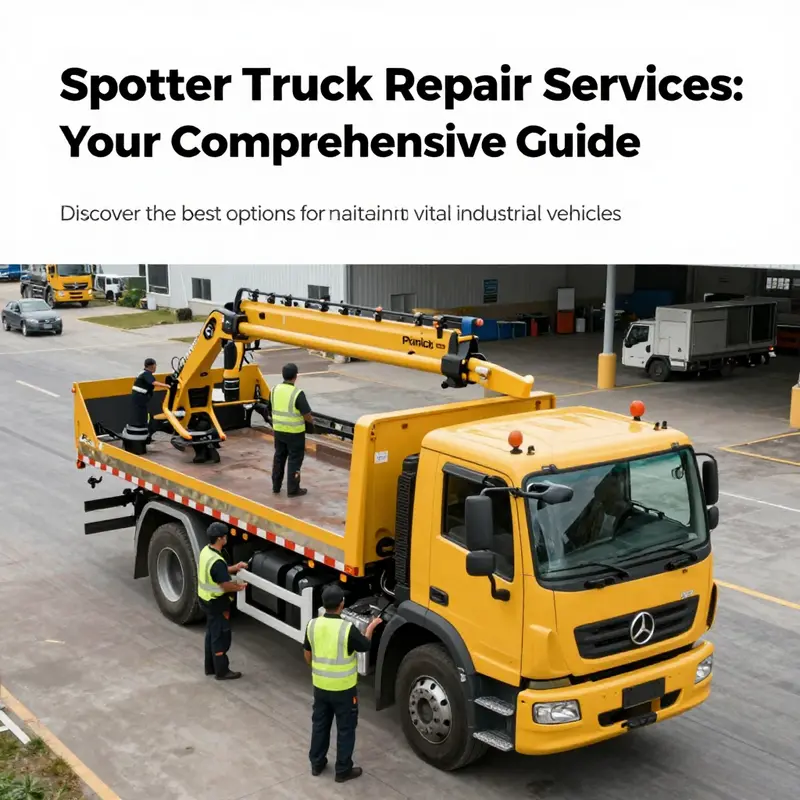
Spotter trucks play a crucial role in industries such as shipping and warehousing, easing operations with their compact and maneuverable design. However, these vital vehicles require specialized repair services to ensure optimal performance. From authorized dealerships to mobile technicians, this guide will help Long-Haul Truck Drivers, Trucking Company Owners, Fleet Managers, and aspiring drivers navigate the available options for spotter truck repairs. Each chapter will delve into different service providers, emphasizing their importance and offering resources to support your maintenance needs.
Authorized Gatekeepers: How Service Centers Keep Spotter Trucks Ready for Industrial Floors
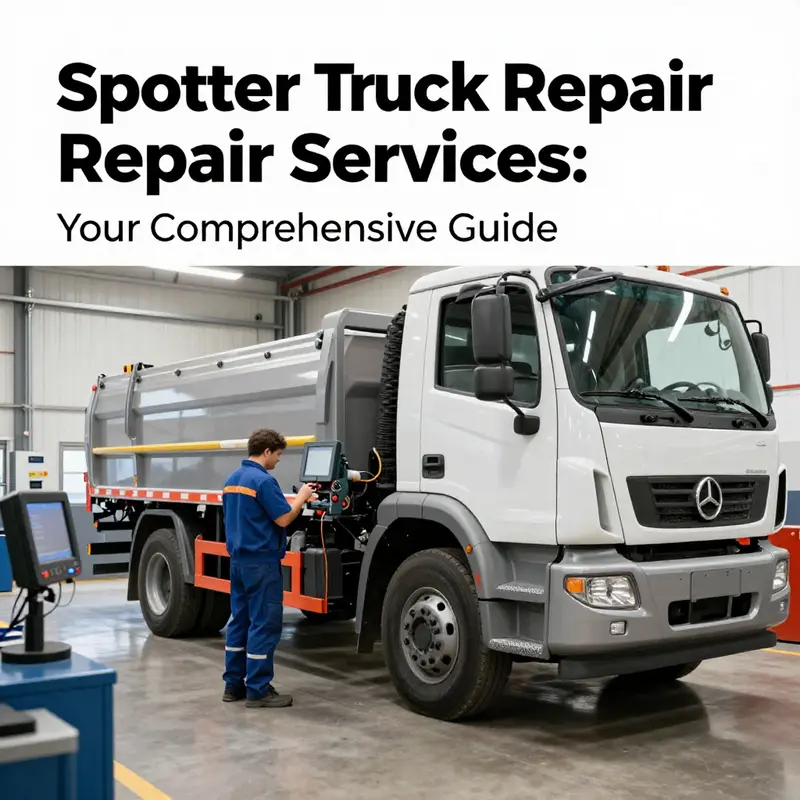
Spotter trucks operate in the tight, flush corridors of warehouses, ports, and manufacturing yards. They are small, nimble, and integral to moving the heavy equipment that actually gets the job done. When a spotter truck falters, the entire line may slow or stop. The high stakes of uptime drive the way fleets approach repairs: they favor providers who can diagnose quickly, source the right parts, and get a vehicle back on the floor with minimal downtime. In this ecosystem, authorized service centers serve as the backbone, offering a blend of OEM alignment, formal certification, and a service lifecycle that small shops or travelers with a van can’t always match. They are not merely repair shops; they are partners with fleets, warranty managers, and safety officers who need predictable outcomes and traceable service histories.
Authorized service centers are defined less by size than by scope. They are built to handle the particular demands of heavy-duty, multi-brand support that includes spotter trucks. Their teams typically include technicians who have undergone manufacturer-specific training, access to official diagnostic software, and the ability to perform complex calibrations and updates that may be required after software refreshes, hydraulic system recalibrations, or brake control module work. The work they perform goes beyond swapping a failed component; it often involves validating the entire control loop that governs steering, signaling, and safety interlocks. This level of depth matters because spotter trucks must respond precisely to operator input, and any miscalibration can create unsafe movements around sensitive yard operations.
On the question of parts and warranties, authorized centers usually have a clear advantage. They can source original parts or authorized equivalents and apply updates that align with the vehicle’s service history. This compatibility matters not only for performance but for warranty coverage and long-term reliability. When a spotter truck is integrated with a larger fleet management system, even the firmware or software patches can ripple through the network. An authorized center understands these ripples and can coordinate with fleet managers to ensure that changes in one component do not destabilize another. They also tend to document each intervention in a standardized service record, a practice that pays dividends when auditors review uptime, maintenance costs, or parts life cycles. The result is a traceable timeline that helps operators justify expenditures and plan capital refreshes without guessing at what was done and when.
That said, the market for spotter truck repair is not limited to the large dealership network. Mobile repair providers offer an indispensable edge when production lines or loading docks demand immediate service. A technician who can reach an active site can perform quick diagnostics, replace a faulty sensor, or run a preventive maintenance cycle right there. The priority is to minimize downtime, and such triage work is highly valued. The trade-off is that some tasks—like a full hydraulic overhaul, deep electrical harness inspection, or a software re-flash—still require a visit to a fully equipped shop. This distinction between on-site triage and comprehensive shop work explains why fleets maintain relationships with both mobile providers and authorized centers.
Independent heavy-duty repair shops fill another essential role. They often bring breadth of experience across multiple brands and a willingness to work with fleets of varying sizes on flexible terms. They can be particularly attractive when a fleet operates a mixed set of vehicles or when an authorized center is far away. These shops may maintain their own diagnostic tools and stock a broad array of components, offering responsive service with less red tape than a large dealership network. They also tend to innovate in ways that smaller fleets value, such as transparent pricing models, streamlined escalation processes, and more aggressive turnarounds for non-critical repair work. For fleets with tight budgets or unusual turnover patterns, such shops can be a reliable backup, ensuring that a spotter truck is not out of service longer than necessary while the preferred authorized provider handles warranty-covered tasks or major overhauls.
Evaluating which path to repair makes a difference in outcomes. The choice hinges on several factors: proximity to the facility, the complexity of the repair, the availability of OEM parts, and the fleet’s own risk tolerance around downtime. An authorized service center brings the benefit of familiar workflows, standardized inspection routines, and proactive maintenance programs anchored in the manufacturer’s guidelines. They can offer scheduled maintenance packages that align with the vehicle’s service calendar, ensuring that critical components are checked before they drift into a problematic state. A mobile repair team excels in incident response, often providing a rapid, triage-first approach that preserves production momentum. Independent shops can provide cost-effective services with flexible hours and a willingness to take on non-standard tasks that might baffle larger networks. The best fleets likely cultivate a hybrid strategy, with a primary authorized center for complex or warranty-related work, a trusted mobile partner for urgent, on-site stabilization, and a reliable independent shop to handle routine or off-brand needs with competitive pricing.
In practice, a strong service ecosystem for spotter trucks reflects a holistic service philosophy. It begins with a clear service level agreement that outlines response times, diagnostic protocols, and escalation ladders. It continues with transparent parts management, so technicians know whether a repair will rely on OEM parts or credible equivalents and what the lead times look like. It includes documentation practices that produce a clean, auditable trail of every intervention. And it embraces safety as a core value, ensuring that any repair preserves the vehicle’s sway, braking, and operator protection features. When a fleet remains vigilant about calibration and validation after any repair that touches steering or signaling, it guards against a cascade of operational risks that could arise from a single misadjustment. The careful handling of electrical harnesses, sensors, and actuators is not merely a technical concern; it is a safety protocol.
For readers seeking practical steps, the path is straightforward but exacting. Start with a local inventory of authorized service centers that are certified to service the vehicle type, then map these centers against your route and dock schedules. Build a short list of mobile repair providers who can respond within a defined window, and keep one independent shop on call for non-standard tasks. When you visit or call, ask the technician to outline the diagnostic sequence, the expected parts, and the typical turnaround. Request a sample service history from the center to understand how they document interventions, and verify that the shop will align with your fleet’s safety and maintenance policies. And remember to factor in the role of training. Maintenance doesn’t end with the repair; it must include ongoing education for operators and technicians alike. See Fire Truck Maintenance Training Importance for a suggested training resource that informs best practices in our broader heavy-duty maintenance ecosystem. Fire Truck Maintenance Training Importance.
As industry players continue to expand their capabilities, a robust directory and licensing framework help fleets make safer, smarter choices. Directory aggregators and professional associations can confirm whether a provider is staffed by qualified technicians, carries the right certifications, and adheres to established safety and environmental standards. These details matter as much as the speed of response, because the cost of downtime is real, and the consequences of rushed or improper repairs can ripple through an operation for months. The National Truck Equipment Association (NTEA) provides a resource backbone for fleets seeking reputable service partners and dependable maintenance programs. Industry professionals often consult its directories and guidelines to verify a shop’s alignment with best practice and to locate nearby specialists who can handle industrial-vehicle troubleshooting with confidence. External resource: https://www.ntea.com
On-Site Masters: How Mobile Repair Technicians Keep Spotter Trucks Moving
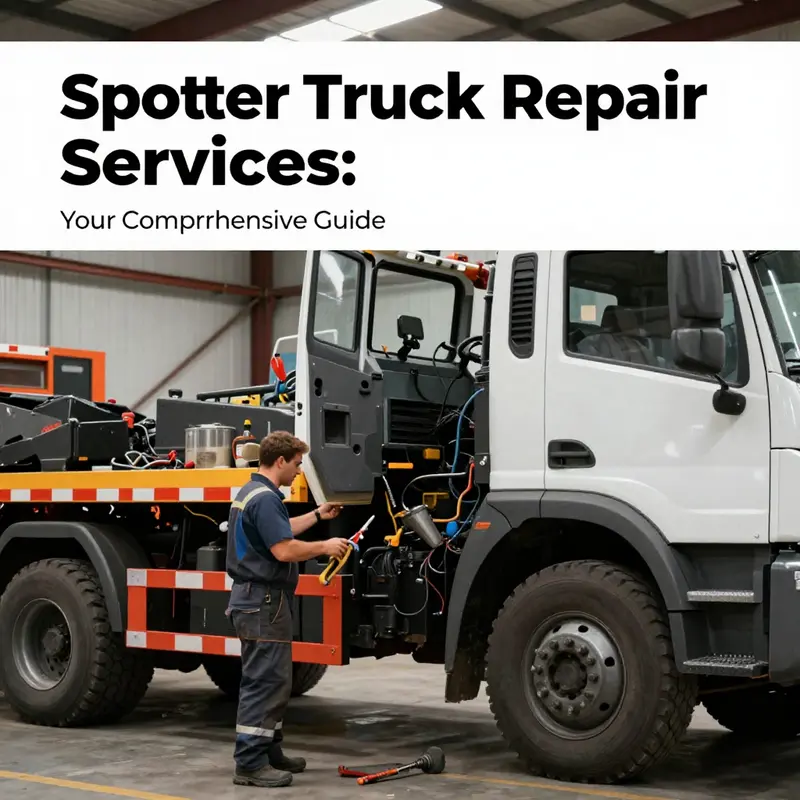
Mobile repair technicians are the frontline solution for keeping spotter trucks operational where it matters most: on the dock, in the yard, or at the loading bay. Spotter trucks serve a focused, high-frequency role in industrial operations. When one fails, the ripple effects hit productivity and safety immediately. Mobile technicians reduce that impact by bringing diagnostic tools, mechanical expertise, and parts to the vehicle instead of moving the vehicle to a shop. This chapter explores how mobile repair services operate, what they offer for spotter trucks, and why they are often the best choice for fleets and facilities that cannot afford extended downtime.
A mobile technician’s value begins with rapid response and flexible reach. Industrial sites are rarely convenient to a traditional repair facility. Moving a disabled spotter truck can be expensive and time-consuming. Mobile teams close that gap by responding to service calls on-site. They arrive with a work plan shaped by remote triage: phone consultations, symptom checklists, and sometimes telematics data. This pre-arrival diagnosis ensures that most visits are productive. Technicians show up equipped to handle the most common failures—battery and electrical issues, brake adjustments, steering and suspension repairs, and basic engine and transmission work—reducing the number of repeat trips needed.
The mobile model also shifts the focus from reactive fixes to practical uptime strategies. Because technicians see vehicles operating in their real environment, they can identify recurring stressors: poor docking practices, inadequate staging areas, or maintenance gaps in daily inspections. A single visit often results in a short-term repair plus a prioritized set of recommendations to prevent repeat failures. Those recommendations typically include a mix of operator training, inspection checklists, and scheduled maintenance intervals tailored to the specific duty cycle of spotter trucks at that site. This approach aligns repairs with operational realities rather than generic service schedules.
Technicians who specialize in spotter trucks bring a compact, targeted skill set. Spotter trucks are smaller, simpler machines than heavy long-haul tractors, but they integrate specialized components—heavy-duty starters, low-speed torque converters, and robust braking systems designed for frequent short moves. Technicians understand these systems and the particular wear patterns they present. They are trained in heavy-duty electrical diagnostics, hydraulic troubleshooting, and brake system rebuilds. Because many spotter fleets include a range of chassis and powertrain platforms, mobile technicians often combine factory-level diagnostic practices with adaptable field techniques to restore service quickly without overcomplicating repairs.
Logistics and parts management are practical strengths of mobile services. Effective mobile repair outfits maintain a curated inventory of common wear parts and consumables. Technicians carry batteries, filters, brake components, and essential electrical supplies to reduce lead time. For components that require shop-level work, mobile teams can perform temporary repairs or secure the vehicle in a safe configuration until a tow or shop visit is feasible. Their supply chains are tuned to the predictable failure points of spotter trucks, which keeps response times short and repair costs lower than repeated emergency interventions.
Safety and compliance are central to field repairs. Mobile technicians operate within the same regulatory frameworks as shop-based services. They enforce proper lockout-tagout procedures, use appropriate containment for fluids, and document repairs with the same rigor as a service center. For industrial operators, this means repairs done on-site can still be tracked in maintenance management systems, ensuring warranty compliance, audit readiness, and consistent maintenance histories. A well-documented field repair prevents surprises during inspections and provides fleet managers with actionable data for lifecycle planning.
Mobile repair services also excel at minimizing operational disruption. They schedule routine maintenance visits during low-activity windows and coordinate with site managers to stage repairs around shifts. When emergency breakdowns occur, they prioritize rapid triage that isolates safety risks first—brake or steering failures—followed by repairs necessary to return the vehicle to minimal safe operation. This tiered response reduces the impact on throughput while ensuring a clear path from diagnosis to resolution.
Choosing a mobile service requires scrutiny. Not all mobile providers have the same capabilities. Fleet managers should evaluate technicians on response times, the breadth of on-hand parts, experience with spotter truck systems, and the ability to document repairs in a way that integrates with existing maintenance platforms. Certifications, references from similar industrial operations, and transparent pricing structures are important indicators of reliability. A strong provider will offer service level agreements that define response windows, parts availability, and communication protocols for escalations.
Technology has widened what mobile technicians can do. Remote diagnostics, telematics, and mobile-enabled repair manuals let technicians step into a virtual shop before arriving. Telematics data can reveal fault codes, operating hours, and patterns that lead to failure. Technicians access this information to prioritize parts and to perform targeted on-site repairs. Remote guidance tools also let specialized shop technicians support field staff in real time, expanding the range of repairs possible on location without sacrificing technical integrity.
The economics of mobile repair are compelling for many spotter truck operators. Direct costs drop when towing is avoided and fewer labor hours are lost to vehicle downtime. Indirect costs fall as well: less disruption to loading schedules, fewer delays in material handling, and reduced risk of cascading safety incidents. For operations with high unit turnover or constrained vehicle pools, mobile repair keeps assets working when every move counts.
Mobile technicians are not a total substitute for shop-based overhauls. Field repairs are inherently constrained by space, tools, and parts on hand. Major engine overhauls, complex transmission rebuilds, and structural frame work typically still require a shop environment. However, mobile services extend equipment life and resilience by handling urgent needs, routine maintenance, and many intermediate repairs that otherwise become burdensome to schedule.
For operations deciding how to integrate mobile repair into their maintenance strategy, a hybrid model often works best. Routine, scheduled maintenance can be balanced between shop intervals and mobile visits, with emergency coverage provided by mobile teams. This model preserves the deep-dive capacity of a shop for major repairs while capturing the uptime benefits of on-site attention. It also allows fleets to scale service according to seasonality, peak demand windows, and shifting operational footprints.
A practical next step for fleet managers is to research regional mobile providers, compare service terms, and request references from similar industrial customers. Inspect the provider’s documentation practices and ask about parts stocking strategies for spotter-specific components. Clarify escalation paths for complex repairs and verify the provider’s safety and environmental procedures for field work. These steps help ensure a dependable partnership that keeps spotter trucks in service and sites running efficiently.
For a regional example of a mobile repair provider offering on-site spotter truck services, see the company profile and service offerings here: https://www.kleynmobile.com/
For further reading on fleet service approaches and the role of specialized providers in maintaining uptime, explore this overview of operational excellence from an industry-focused perspective: https://5startruckin.com/unveiling-5-star-truck-inc-a-beacon-of-excellence-in-trucking-services/
Independent Heavy-Duty Shops: The Quiet Backbone of Spotter Truck Repair Services
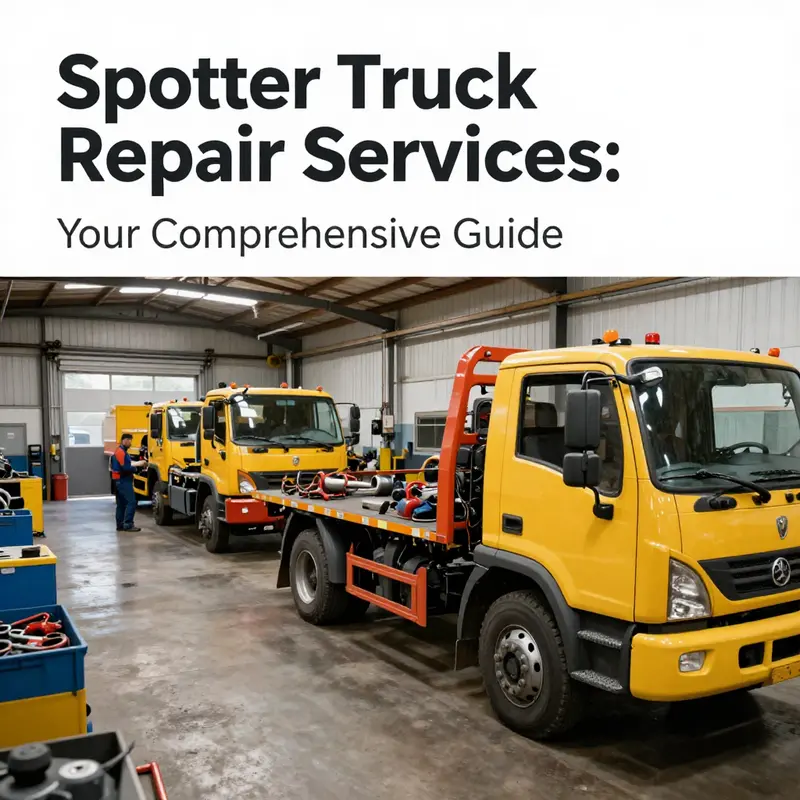
Spotter trucks operate in the shadows of larger industrial activity. They move and guide heavy equipment within crowded yards, docks, warehouses, and processing facilities, where precision and timing matter as much as horsepower. When a spotter truck falters, the ripple effect can halt a whole line of operations. Independent heavy-duty repair shops—local but highly capable facilities that focus on commercial and industrial vehicles—play a pivotal, often underappreciated role in keeping these compact workhorses ready for the next assignment. They are not just repair shops; they are responsive partners in the daily choreography of supply chains, equipment rotation, and on-site emergencies. Their relevance is most felt not in dramatic fixes, but in steady, reliable support they provide to fleets that depend on uptime and fast, accurate diagnostics when a tire rub, an electrical hiccup, or a hydraulic fault threatens to derail a shift. What sets these independent shops apart is their ability to translate broad vehicle knowledge into tailored service for spotter trucks. These facilities typically offer a spectrum of capabilities that overlap with general commercial vehicle maintenance but are honed for the particular demands of compact, high-use support vehicles. Expect comprehensive diagnostics that can distinguish between a misfire caused by a faulty sensor and a failing injector, a brake system that needs a hydraulic overhaul, or a wiring harness that has worn through a high-traffic routing. The best shops approach repairs with a holistic mindset: they inspect drivability, payload handling, steering geometry, and the integrity of the safety systems that keep operators and pedestrians out of harm’s way in a busy work site. In practice, that means a shop will not merely swap parts on a timer; it will diagnose the root cause, correct it, and recheck the system until confidence returns. This level of diligence matters when every minute of downtime translates into delayed loading, reduced throughput, and risk as forklifts and trailers crowd the yard. The service catalog offered by independent heavy-duty shops is both broad and practical. They handle routine maintenance such as oil changes, filter replacements, and brake service, but they also tackle less glamorous tasks that are critical to reliability. Electrical troubleshooting is common, given the proliferation of sensors, lighting, and control modules on spotter trucks. Hydraulic systems—whether for steering assist, lift mechanisms, or auxiliary functions—require careful inspection, precise calibration, and sometimes replacement of seals or pumps. Tire management, including rotation, balancing, and pressure optimization, remains essential in heavy-yard use where tire wear is a constant concern. Towing and recovery services, along with on-site rescue capabilities, form part of the safety net these shops provide for fleets that cannot afford to be stranded after a breakdown. And because spotter trucks operate in environments where dirt, moisture, and temperature cycles challenge mechanical and electrical assemblies, technicians lean on a broad toolbox of preventive maintenance tasks that preempt failures before they arrest operations. The on-site versus in-shop dilemma is a recurring strategic decision for fleet managers. Mobile repair teams—where technicians bring a compact toolbox and the most frequently needed parts to the job—are particularly valuable for urgent repairs in busy yards or at remote port facilities. The advantage is obvious: reduced downtime and minimized disruption to the day’s workflow. Yet there are conditions when transporting the vehicle to a shop is preferable: for extensive diagnostics, comprehensive brake work, or major component overhauls that require a controlled environment and specialized equipment. Independent shops in the field often form a hybrid model, deploying mobile units for quick triage and sending larger jobs to a nearby workshop that can safely accommodate disassembly, parts stocking, and long-duration repairs. In either case, the goal remains consistent: restore reliable operation with a clear plan for follow-up maintenance and documentation that helps the fleet trend reliability over time. A key enabler for these independent shops is the reach of broader service networks that connect thousands of repair outlets across many cities. This infrastructure ensures that shop teams can access quality parts, diagnostic tools, and professional training, even when the local inventory would otherwise fall short. For spotter truck operations—where the fleet might span multiple sites and cross regional boundaries—the advantage is measurable: a shop that can tap into a national or regional parts ecosystem reduces procurement delays and speeds up the repair cycle. The result is a more predictable maintenance cadence and less variance in uptime from one site to another. The scale of these networks translates into practical benefits on the shop floor: technicians can source compatible components more quickly, leverage standardized training in safety and diagnostics, and coordinate with partner outlets to provide continuity of service when demand spikes. In this sense, independent shops serve as the practical backbone of a larger, interconnected system that keeps heavy-yard operations moving. This interconnection is reinforced by training and professional development that flow through the network. Technicians gain access to updated diagnostic methodologies, safety protocols, and repair procedures that align with modern vehicle design without requiring fleets to invest in bespoke software cycles. The emphasis on standardized practices helps ensure that a spotter truck serviced in one town meets the same quality benchmarks as one serviced hundreds of miles away. For fleet managers, this consistency matters almost as much as the raw speed of repair: it reduces variability in maintenance outcomes and supports more accurate budgeting for preventive work. In a field where equipment aging and operator demand can collide to create tight maintenance windows, that reliability is a strategic asset rather than a mere logistical convenience. When fleets consider partner shops, several criteria emerge as decisive. First is the shop’s ability to deliver rapid response, whether through mobile units or a quick-turnaround repair in a nearby yard. Second is the availability of parts, which depends on both the shop’s own stocking and its connections to the wider network. Third is the depth of technical expertise—can the technicians diagnose complex electrical issues, hydraulic anomalies, or steering and suspension concerns with confidence? Fourth is the safety framework and compliance orientation—are technicians trained to operate within the hazardous environments of ports or busy warehouses, and do repairs meet regulatory and industry-standard checks? Finally, the long-term value proposition matters: a repair partner that offers preventive maintenance plans, consistent documentation, and transparent pricing helps fleets optimize uptime and extend the life of their spotter trucks. In the broader ecosystem of repair services, independent shops also interact with global and national suppliers who provide diagnostic tools, testing equipment, and reliable source material. This enables a shop to stay current with evolving vehicle architectures and repair techniques while moderating the total cost of ownership for the fleet. The combination of hands-on skill, flexible service delivery, and access to a larger parts and training network creates a resilient model for keeping spotter trucks in service. In an industry where downtime is not a luxury but a direct cost of doing business, the reliability of these independent shops is a practical form of risk management. They do not promise miracles; they offer disciplined, capable troubleshooting, clear communication, and a pragmatic path back to full operation. For readers who want to explore more on maintenance and the training side of the equation, reference material that discusses dedicated maintenance training for heavy vehicles can be illuminating. See the internal resource on maintenance training for specialized equipment: fire-truck-maintenance-service-training. This resource underscores how targeted, role-specific training elevates technician performance and, by extension, the uptime of the equipment they support. In practice, independent shops that invest in such training tend to deliver faster fault isolation, more accurate parts selection, and more effective preventive care, all of which contribute to steadier service levels for spotter trucks across diverse work sites. The external landscape that shapes these shops’ capabilities is equally important. A broad, national network of repair outlets—interconnected through partnerships with parts distributors, training providers, and safety programs—provides a backbone for service delivery. This network supports independent shops by reducing regional parts delays, enabling standardized service protocols, and offering continuous education that keeps technicians current with evolving vehicle systems and safety standards. While the day-to-day experience of a repair job may feel local, the reliability of the service rests on this wider infrastructure that makes the local shop part of a bigger, consistent, and accountable ecosystem. For fleets and operators, that means fewer surprise outages, more predictable maintenance costs, and a clearer path to maximizing uptime across multiple sites. External resource for broader context and formal networks can be found at the official page of the All-China Federation of Industry and Commerce Automobile Motorcycles Parts and Accessories Trade Association, which documents dozens of thousands of repair outlets and the expansive coverage they provide across cities. This kind of federation-based network illustrates how independent shops can stay connected to quality parts, training, and standardized repair practices, even as they maintain the personalized, responsive service that sets them apart from larger, centralized service centers. To learn more about the scale and reach of such networks, visit: https://www.acfia.org.cn. The combination of local capability and networked support makes independent heavy-duty shops uniquely positioned to keep spotter trucks reliable in the most demanding industrial environments, ensuring that the teams relying on these machines can operate with confidence, day after day, shift after shift.
Uptime in the Tight Spaces: The Vital Role of Spotter Truck Repair in Industrial Operations
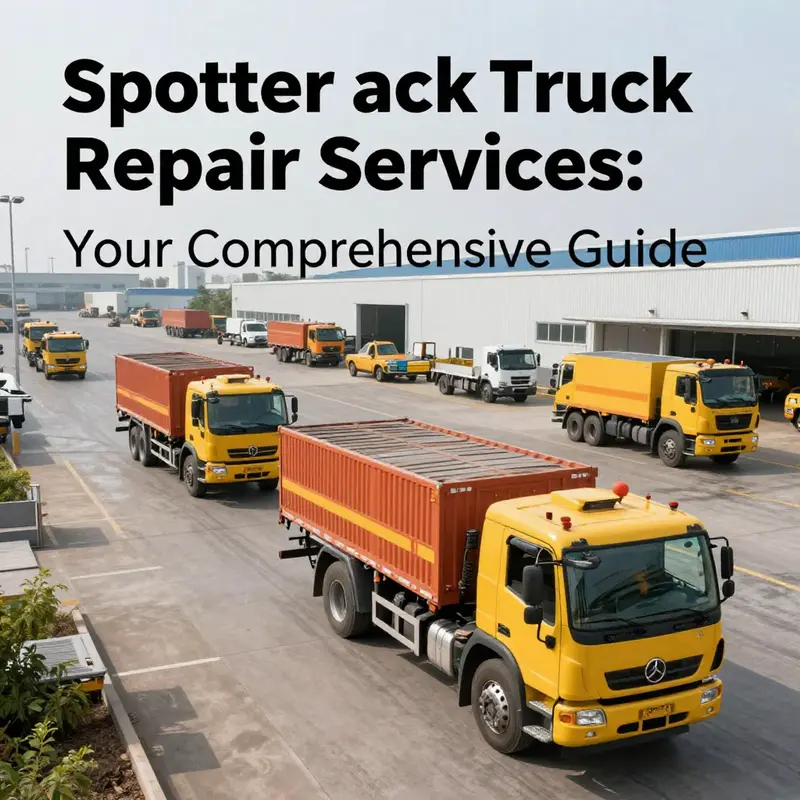
Spotter trucks operate as the invisible guardians of industrial throughput. In yards where fleets weave through narrow aisles, around rolling stock, and beneath the shadow of towering cranes, these compact guides steer the big equipment with precision and calm. Their value is not just in maneuverability but in the safety they provide and the productivity they enable. When a spotter truck is functioning at peak performance, it translates to fewer delays, safer work zones, and a smoother flow of materials from dock to production line. When it falters, the consequences ripple through every downstream process, from loading cycles to maintenance windows, and the costs accumulate in downtime, safety risk, and wasted labor. This is why repair services for spotter trucks—specialized, timely, and technically adept—are not a luxury but a core part of industrial resilience. The question of who offers these services is answered most clearly by recognizing the three primary pathways that have evolved to support the demanding environments in which spotter trucks operate: authorized dealerships and service centers tied to specific manufacturers, mobile repair technicians who bring the shop to the site, and independent heavy-duty repair shops that specialize in commercial vehicles. Each pathway brings a distinct set of strengths, and the best operators build a support network that blends them, preserving uptime while also enabling forward-looking maintenance strategies. Authorized dealerships and service centers are often the first recourse for teams that depend on certified expertise, genuine parts, and access to manufacturer-recommended service schedules. These centers are steeped in the vehicle family’s lineage, their diagnostic tools calibrated to the exact specifications of each model, and their technicians trained to recognize the subtle cues that precede a breakdown. For fleets that lean on particular brands, this alignment provides a direct link to technical bulletins, recall updates, and warranty coverage when appropriate. In practice, this means a repair experience that is predictable, traceable, and, ideally, fast. Yet the downside can be the cost and travel time that sometimes accompany a dealership-driven model, especially in remote industrial sites where the closest authorized center is hours away or where a repair window is constrained by the shift pattern. Mobile repair companies address this friction by delivering the shop to the job site. A skilled technician who can diagnose, repair, and test on location minimizes downtime and keeps critical lines of communication open with site managers. The mobile model shines when a fault is urgent, when equipment must remain in service during a critical production run, or when the terrain makes transport impractical. These on-site teams tend to be nimble, offering rapid response times and the ability to bring specialized tools directly to the cab, the hydraulics system, or the drive train where the problem lives. The flexibility of mobile repair also supports preventive maintenance in between scheduled downtime, catching warning signs before they escalate into costly failures. Independent heavy-duty repair shops complete the triad by bringing breadth of experience to bear. They often work with multiple brands and a wider array of components, enabling cross-model diagnostics and repairs that draw on diverse cases from mining yards to port facilities. For operators seeking a balanced mix of cost efficiency, accessibility, and broad expertise, independent shops can be a compelling option, particularly when a non-standard issue surfaces or when a custom repair path is required. This triad of providers—authorized centers, mobile technicians, and independent shops—reflects the real-world mosaic of how best-in-class spotter truck repair services operate today. The most enduring relationships in this space are built on reliability, transparency, and a shared dedication to safety. Operators who plan for reliability recognize that modern maintenance extends beyond the immediate fix. They invest in proactive diagnostics, remote monitoring, and data-driven scheduling so that spotter trucks remain ready for the next shift change, the next loading window, or the next hazardous maneuver. In this context, the role of tire performance emerges as a central theme. Spotter trucks are small but mighty, and their tires carry a disproportionate share of the risk and reward in harsh industrial settings. The interaction between road surface quality, load distribution, and average travel speed determines wear patterns and the frequency of tire-related interventions. Operators who monitor tire health understand that a minor balance issue or a slow leak can quietly undermine maneuverability, braking efficiency, and stability when guiding a heavy haul or a crane’s load path. This is where technology begins to intersect with repair. A recent development in tire performance management illustrates how modern spotter fleets can stay ahead of problems. SPOTech, a satellite-based monitoring concept, aggregates real-time data on tire temperature, pressure, stride, and load conditions to give operators a clear picture of tire health across a fleet. The practical value lies in predictive maintenance: identifying a developing issue before it forces a downtime event. Integrating such monitoring into the repair and maintenance workflow helps teams schedule service at the optimal moment and allocate repair resources where they will have the most impact on uptime. When combined with skilled on-site or shop-based service, this approach turns repair from an interruption into a strategic capability. Beyond tires, the mechanical backbone of spotter trucks—hydraulic systems, brakes, and steering components—commands equal attention. These systems experience the same demands as the bigger machines they accompany, including exposure to rough terrain, heavy loads, and continuous operation. The hydraulic network must remain leak-free, with pumps, lines, and actuators calibrated to respond with predictable force and speed. Brakes must provide reliable retardation in tight spaces, and steering mechanisms must translate operator input into precise guidance with minimal play. Without routine inspection and timely intervention, minor issues can evolve into failures that stall an operation in a critical moment. Therefore, repair strategies for spotter trucks increasingly blend traditional mechanical service with modern monitoring and planning. Qualified repair services are non-negotiable; teams must employ technicians who understand the particular stresses of spotter duty and who can perform thorough diagnostics, fault isolation, and secure reassembly with the correct torque specifications. A robust repair infrastructure—whether in a shop with heavy-duty lifting equipment or a mobile unit stocked with diagnostic tools—ensures that the moment a fault is diagnosed, a capable crew can mobilize the right parts and the right sequence of steps. This is not simply about fixing something that is broken; it is about maintaining a chain of safety and efficiency that begins with the repair shop and ends with a safer work environment for personnel and a steadier production line for the operation. In practice, operators benefit from a blended approach: have a trusted network of providers that includes an authorized center for complex, time-sensitive repairs and a reliable mobile team for urgent service or after-hours work, with a seasoned independent shop ready to handle cross-brand diagnostics or unusual mechanical issues. Such a network supports preventive maintenance programs that align with production calendars, safety compliance regimes, and budget cycles. It also aligns with the evolving landscape of industrial safety and regulatory expectations, where documented service histories, traceable part replacements, and verifiable maintenance records are part of daily practice. The most durable advantage, however, comes from combining knowledge with proactive strategy. The organization that treats spotter truck maintenance as a core capability—integrating tire monitoring, hydraulic health, brake performance, and steering integrity into a unified repair and maintenance plan—will see fewer unplanned outages and a more predictable operational cadence. For operators, this means making the most of the available providers rather than settling for the nearest service option. It means asking vendors to share diagnostic data, to participate in predictive maintenance programs, and to align with safety standards that protect both people and equipment. It means investing in training and knowledge transfer so that frontline teams can interpret service notes, understand repair timelines, and engage in continuous improvement. A practical bridge to broader maintenance culture can be found in cross-industry training resources. For instance, specialized curricula designed for heavy-duty fleets, such as fire apparatus maintenance programs, offer transferable insights into inspection routines, parts management, and safety oversight that can be adapted to spotter trucks. This cross-pollination reinforces the expectation that maintenance is not an episodic event but a continuous discipline that sustains uptime and preserves the safety margins on which industrial operations depend. As the industry evolves, the integration of advanced diagnostics, predictive tire technology, and a diversified repair ecosystem will continue to shape how spotter trucks are kept ready when and where they are needed most. In this environment, the answer to who offers spotter truck repair services is not a solitary supplier but a resilient network that blends certified expertise, mobile reach, and cross-functional knowledge. Operators who consciously cultivate that network—paired with data-driven maintenance strategies and a culture of safety—will maintain the visibility and guidance that keep large machines moving through tight spaces without compromising people or performance. The ongoing challenge is to translate this networked capability into reliable, measurable outcomes: reduced downtime, safer work zones, and a fleet that remains ready for the next critical maneuver. For teams seeking to deepen their approach, exploring training resources that translate across heavy-duty contexts can be a productive step, and can serve as a foundation for developing a robust in-house capability without losing the advantage of specialized external support. As with any complex industrial system, the key is to balance readiness with resource availability, ensuring that spotter trucks stay true to their core mission: guiding power with precision, protecting the people who work around them, and keeping the entire operation moving forward with confidence. External resource: https://www.bkt-tires.com/news/bkt-introduces-spotech-system-for-improved-tire-performance-in-mining-operations
From Directories to Dock: Navigating Resources to Find Spotter Truck Repair Services
Spotter trucks operate in the narrow corridors of yards, ports, and manufacturing floors, guiding the movement of much larger machines. When they falter, the ripple effects travel quickly—delayed loading, stalled workflows, and increased risk across the shift. Because of that stake in uptime, knowing who offers spotter truck repair services becomes a practical capability rather than a theoretical preference. The answer isn’t a single vendor, but a careful map of providers that can respond with the right kind of expertise—and the right balance of speed, competence, and cost. In practice, this means understanding the ecosystem: traditional dealerships and service centers that cover brand lines, mobile repair companies that come to the job site, and independent heavy‑duty shops that specialize in diagnostics, hydraulics, and electrical systems. Each path has its strengths, and the best choice often hinges on the fault type, the truck’s location, and the facility’s safety protocols. A well‑maintained spotter fleet depends on more than the moment of repair; it relies on a dependable network that can diagnose swiftly, source parts efficiently, and restore operation with predictable downtime. The landscape is navigable when you start with the right sources and a clear set of expectations for what the repair should deliver.
Industry directories and trusted platforms are not just listings; they are signal systems. They help you separate responders who can handle heavy-duty diesel systems from those whose strengths lie in passenger‑vehicle electrical work. They help you identify technicians who routinely encounter spotter trucks’ unique issues—tight steering feedback, hydraulic lift quirks, or wheel‑base constraints that complicate alignment and braking checks. In other words, the goal is not merely to fix a problem but to reestablish reliability so that a spotter can perform in the same corridor it was designed to navigate. To that end, the search strategy should combine a broad sweep of authorities with a sharper eye for credentials and service footprints. Within this framework, the National Truck Equipment Association, or equivalent industry bodies, offers a starting point for verified, industry‑recognized service providers. It is wise to cross‑check any shop’s capabilities against the requirements of spotter trucks’ hydraulic and mechanical subsystems, which often blend with the broader portfolio of heavy‑duty equipment. For practitioners needing immediate answers, the resource pool expands to specialized directories and practical review platforms that emphasize safety records, response times, and the transparency of pricing.
When you outline the options, three main provider types emerge as the backbone of a robust network. Authorized dealerships and service centers tied to specific commercial truck manufacturers tend to offer the most comprehensive coverage. They pull together factory training, access to original parts, and diagnostic tools that are calibrated for the exact series of machines in use at a facility. For spotter trucks, where small mechanical differences can cascade into significant performance changes, that kind of alignment between diagnostic approach and system design matters. However, brand‑specific service can come with constraints in travel distance or appointment windows, especially in remote or high‑volume sites. The second pillar is mobile repair companies. They specialize in bringing the shop to the site, which can dramatically reduce downtime in busy yards. On large campuses or crowded docks, a mobile team can diagnose while the operator coordinates traffic and safety, then perform the most urgent repairs on the spot. This model shines in emergencies or when a critical function—like braking or steering hydraulics—needs fast, on‑premises attention. The third pillar comprises independent heavy‑duty repair shops. These shops often house a broader mix of diagnostic equipment, multi‑brand experience, and flexible staffing models. They excel at complex electrical troubleshooting, hydraulic systems, and mechanical overhauls that don’t neatly fit into a single manufacturer’s maintenance schedule. For operations seeking resilience, a mixed portfolio of providers reduces risk: if one channel experiences delays, another can keep the fleet moving.
To locate credible options, start with established industry directories that emphasize the safety and professionalism of service providers. The National Truck Equipment Association’s resources and member listings offer a vetted starting point for shops that regularly handle commercial vehicles and their specialized needs. Beyond the directory, practical search platforms such as Google Maps can provide location context, user reviews, and current service offerings, helping you gauge proximity and responsiveness. Yet a mere listing rarely captures the competence needed for spotter trucks, whose quirks demand more than generic heavy‑duty know‑how. Here is where credentialed associations and third‑party verifications become crucial. Certification signals that a shop has met minimum standards for repair quality and safety practices. The Automotive Service Association, for example, maintains a nationwide directory of certified shops, with emphasis on commercial vehicles, safety training, and professional ethics. Their searchable database allows you to filter facilities by location and service scope, so you can identify shops equipped to handle the hydraulic and diesel systems typical of spotter trucks. On another front, RepairPal provides a useful layer of transparency by aggregating customer feedback, pricing consistency, and shop certifications to guide you toward the most dependable options. For more specialized needs—like heavy‑duty diesel engine work or hydraulic repairs—RepairPal can help you compare shops that carry proven credentials and a track record for clear communication and fair pricing.
When you start evaluating a candidate shop, you’ll want to anchor your inquiry in a few concrete questions that reflect the realities of spotter truck maintenance. First, ask about the scope of capability: can they handle hydraulic systems, steering, braking, and electrical diagnostics, in addition to routine maintenance? Second, probe the on‑site or on‑the‑road response model: does the provider operate a mobile unit, and what is the typical arrival time if they come to the dock? Third, assess the parts strategy: do they stock common hydraulic components or have rapid access to the appropriate parts to minimize downtime? Fourth, confirm the diagnostic approach: will they use standardized procedures and documented tests that align with the fleet’s maintenance history? Fifth, explore safety and training: what safety practices do technicians follow when working near moving equipment in busy environments, and how do they secure a safe work zone? These questions help you separate shops that can perform surface repairs from those that can deliver comprehensive diagnostics, robust repairs, and durable fixes that stand up to daily use.
Beyond the mechanics of repair, consider the operational framework that supports ongoing uptime. A dependable repair partner does not just fix a problem; they help you anticipate and prevent it. They offer maintenance planning, routine inspections, and condition monitoring that align with the operational rhythms of your site. They can provide guidance on preventive measures—such as lubrication schedules, hose inspections, and valve checks—that reduce the probability of a sudden breakdown. They also translate the repair experience into actionable insights for fleet managers: what components wear fastest under your exact usage profile, what failure modes are most common in your environment, and how the cost of preventive maintenance compares with the expense of emergency repairs. The best practitioners integrate digital tools that record service history, track parts, and schedule follow‑ups, creating a transparent, auditable uptime narrative. In this sense, the process of finding a spotter truck repair service becomes a strategic activity, not a mere sourcing exercise. If you treat it as such, the network you assemble will not only fix problems quickly but also extend the useful life of your equipment and keep your yard, dock, or plant operating with minimal disruption. For practical perspectives on building and sustaining reliable maintenance ecosystems, see the insights at 5startruckin.com/blog.
As you expand your search, keep a balance between breadth and depth. The broad pull provides a safety net against unpredictable downtime, while the deeper, credentialed options bring confidence that the repair will be technically solid and safe. The purpose of directories and third‑party verifications is not to replace judgment but to inform it, offering a curated starting point for conversations with technicians. When you finally reach a shortlist, arrange site visits or virtual tours to observe their workspace, safety practices, and equipment—especially the diagnostic tools and lifting devices that parallel the demands of spotter trucks. A productive site visit is not about showing off flashy gear; it is about confirming that the shop can handle the daisy chain of needs typical on a busy dock or yard, from quick fixes to substantial overhauls. A well‑escalated repair plan will address not only the immediate fault but also the maintenance cadence that will keep the spotter truck reliable for the next several months. This is where the best partners distinguish themselves through clear communication, realistic timelines, and a demonstrated commitment to uptime rather than a one‑time fix.
In the end, locating the right spotter truck repair services is a matter of aligning your operational realities with the right combination of provider types, credentialed assurances, and practical accessibility. Start with an overview via standard industry directories, then narrow to shops with concrete experience in the specific hydraulic, electrical, and mechanical demands of spotter trucks. Use mobile services when downtime is too costly or when the site environment makes a quick on‑site response essential. Favor independent shops with a proven track record in heavy‑duty diagnostics when the fleet requires a flexible, multi‑brand approach. And always, always verify that the chosen partner maintains transparent pricing, documented service histories, and a safety culture that matches the seriousness of working around heavy equipment in active facilities. For ongoing learning and field insights, explore practitioner perspectives at the above blog, and consider the broader industry references that guide professional practice.
External reference: ASA Find-a-Shop resource
Final thoughts
Understanding where to find reliable spotter truck repair services is essential for maintaining the operational efficiency of industrial fleets. From authorized service centers to mobile technicians and independent shops, every option provides unique advantages tailored to specific needs. By leveraging the resources and insights shared in this guide, you can ensure your spotter trucks remain in peak condition, seamlessly supporting your operations.