
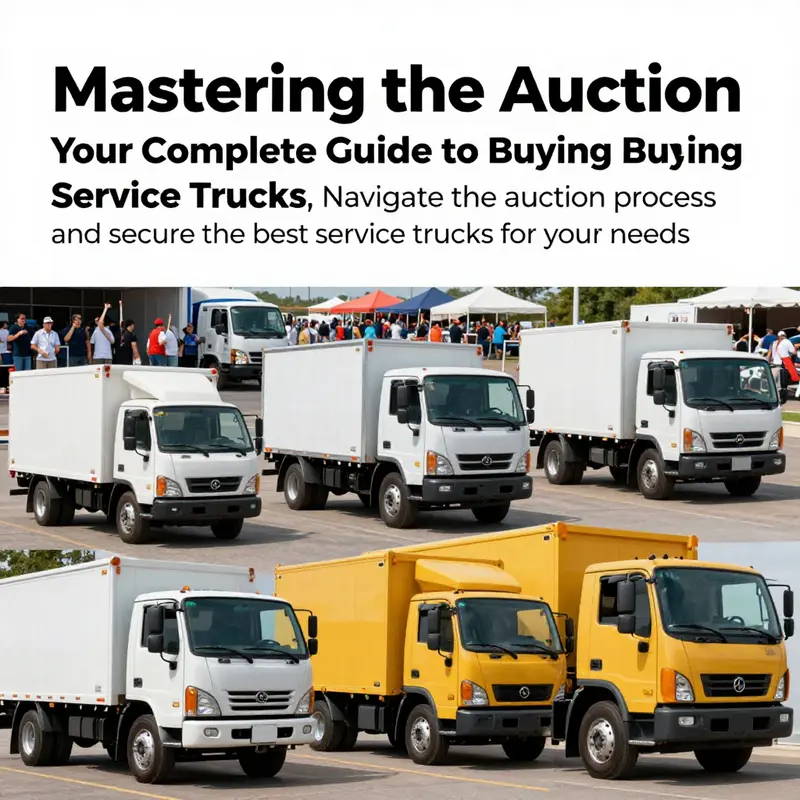
Acquiring service trucks through auctions presents an excellent opportunity for long-haul drivers, trucking company owners, and fleet managers. This comprehensive guide delves into every crucial aspect of the auction process, from the essential research and preparation to understanding bidding strategies. Each chapter builds upon the last, ensuring you’re equipped to make informed decisions and secure reliable trucks that meet your business or personal needs. Let’s embark on this journey to demystify the auction world and help you come away with the best value for your investment.
From Research to Hammer: Thorough Preparation for Acquiring Service Trucks at Auction
Choosing to buy service trucks at auction can unlock remarkable value, but it is a path that rewards careful planning as much as it rewards speed. The decision to pursue auction markets should be rooted in a clear understanding of how these platforms work, what you are truly buying, and how to separate risk from opportunity. The journey from the first listing to the moment the truck is loaded onto a trailer is a narrative of due diligence, disciplined budgeting, and a calm, strategic mindset. When you approach the process with preparation as your constant, you transform an uncertain bid into a confidently sourced asset that fits your fleet and your bottom line.
The backbone of successful auction buying begins with identifying reputable auction houses. A buyer gains a stronger footing when the platform has a track record with commercial vehicles and fleet sales rather than a general marketplace with a scattershot mix of inventory. Look for houses that regularly feature service trucks, vocational fleets, and repair-ready candidates. A trusted operator will publish detailed listings and offer consistent access to vehicle history data. In practice, this means checking for published reports that go beyond a glossy photo gallery and include a clear lineage of ownership, maintenance notes, and any recorded incidents. When you encounter a listing with robust history information, you are seeing the first sign that the house values transparency, not just speed.
Beyond history data, the reliability of an auction site often shows up in how it handles inspections and disclosures. Reputable houses offer pre-auction inspections, whether in person or through a live-streamed walkthrough. They may also arrange independent third-party evaluations, which can be a window into the truck’s true condition that raw listings do not provide. The benefit of this approach is twofold: you reduce the risk of costly surprises and you gain a clearer basis for budgeting your maximum bid. When a listing is vague about engine wear, transmission health, or frame integrity, you should treat it as a red flag and either seek more information or move on. In this context, the process of due diligence becomes a negotiation tool rather than a mere afterthought.
The vehicle history report is a cornerstone of evaluation. You want a clear, verifiable record of ownership, accident history, and service intervals. The mileage on a service truck might suggest a hard life if the wear is concentrated in critical components, or it may reflect efficient maintenance if the truck was mechanically cared for on schedule. A good history report will also reveal whether major repairs were performed and whether any parts were replaced with compatibility issues that could affect future reliability. When you review these reports, you are not just confirming the past; you are forecasting the truck’s future rhythm and the costs you may incur to keep it in service.
As you study the auction catalog, you will become attuned to the details that matter for service trucks. The Vehicle Identification Number (VIN) is more than an identifier; it unlocks a chain of data, including engine type, transmission, and documented service history. Mileage is critical, but so is the kind of work the truck performed. A high-mileage municipal vehicle that saw regular maintenance can be a better bet than a low-mileage truck with hidden issues if the maintenance was comprehensive and consistent. Conversely, a listing that discloses mechanical complaints or structural concerns should prompt a more cautious approach. Every detail you notice and verify in the listing becomes a data point that informs your price ceiling and risk tolerance.
Pre-auction inspections, when feasible, are a decisive step in this process. An in-person visit gives you the chance to look beyond the glossy photos and to hear the engine on a cold start, notice any smoke signatures, evaluate the brake system, and inspect the frame for corrosion or fatigue that could compromise safety in the field. If you cannot inspect personally, a qualified third-party inspector can provide an objective evaluation and document findings in a formal report. This external validation is especially valuable for buyers who are building a fleet on a tight deadline or who lack dedicated maintenance personnel to assess complex mechanical signals in a single visit. The inspector’s notes can reveal the subtleties that often determine whether a truck will deliver predictable uptime or become a recurring maintenance project.
Preparation also means understanding the auction’s rules and how the bidding process works. Terms such as the buyer’s premium and the required deposit shape your total investment and the timing of your cash flow. Some auctions operate on a no-reserve basis, which can amplify value if you bid strategically, but it also requires discipline to avoid overpayting when the crowd grows heated near the end of a sale. Payment windows can be tight, and the logistics of pickup or transport add another layer to plan. A well-prepared buyer maps these operational steps ahead of time, ensuring that the financial commitments, the legal responsibilities, and the physical transfer all align with their fleet strategy.
In this context, a robust due-diligence routine becomes a practical toolkit. Start with a vetted list of candidate auction houses that emphasis commercial vehicles and transparent disclosures. Establish a checklist for each listing, focusing on VIN verification, engine and transmission status, brake and suspension condition, and a careful read of any disclosed mechanical issues. If a listing mentions recent maintenance, you should request a copy of receipts or service logs to corroborate the maintenance claims. Pre-auction inspections should be scheduled early whenever possible, and you should reserve a window for a professional evaluation if you’re uncertain about any critical component.
As you accumulate information, you will begin to translate it into a pricing framework. The most important step here is to define your maximum bid ceiling before the auction starts, based on your budget, the truck’s condition, and the estimated cost of anticipated repairs or refurbishments. A prudent approach is to price in a margin for contingencies—unexpected mechanical issues, transport delays, or title transfer expenses—all of which can erode the savings achieved at auction. This is where the combination of data and discipline comes into play. You may find yourself revising your expected repair costs as you receive more detailed inspection notes, but the fundamental rule remains: don’t chase price in the heat of a live sale. If your value calculus points to a purchase, bid decisively; if not, walk away with your risk protected.
This phase of preparation naturally leads to the broader literature around procurement and fleet sourcing. A comprehensive understanding of how to source equipment efficiently, while maintaining safety, reliability, and lifecycle value, can be found in dedicated procurement resources. These guides emphasize the importance of defining specifications up front, aligning supplier capabilities with fleet needs, and building a process that supports timely, accountable decisions. For readers who want to connect auction strategies with overarching fleet procurement practices, an integrated approach to procurement practices can be especially powerful. For a focused look at this intersection, you can explore related guidance on fire apparatus procurement, which ties into continuous fleet optimization and standardized evaluation criteria. fire apparatus procurement stands as a practical example of how to translate asset acquisition into reliable service delivery and enduring uptime.
When you finally win a bid, the real work begins. The post-auction phase requires careful handling to ensure title clarity, payment, and logistics go smoothly. You will typically sign a purchase agreement and complete the remaining balance through an agreed payment method within a defined window. If the auction offers title transfer support or logistic partnerships, these services can reduce friction and help you move from auction floor to maintenance shop with fewer headaches. You may also leverage additional services such as vehicle inspection, certification, or transport arrangements offered by the auction house. The goal is to ensure that your newly purchased service truck is move-ready and compliant with your internal standards for maintenance and safety.
In the end, the value of buying service trucks at auction rests not merely on the discount the hammer delivers but on the total cost of ownership over the vehicle’s life. A well-prepared buyer enters the process with a clear knowledge base, a rigorous inspection plan, and a disciplined bidding strategy. The steps—from identifying reputable houses and reviewing vehicle history to scheduling inspections and calibrating the budget—are not isolated tasks. They form a continuous workflow that guides you from anticipatory research through to the moment the truck becomes part of your fleet, delivering uptime and dependable service. As you align your auction activity with broader procurement and fleet-management practices, you position yourself to unlock reliable assets that serve your operations for years to come. For readers seeking a broader understanding of fleet procurement procedures, it is useful to keep a finger on the pulse of industry standards and best practices, and to consult established industry resources as you refine your own process. The ongoing effort to improve evaluation criteria, reporting standards, and post-purchase support will pay dividends long after the sale closes.
External resource for broader industry context: https://www.manheim.com/used-vehicles/auctions
Internal resource for aligning auction strategies with procurement practice: fire apparatus procurement
Reading the Fine Print: Mastering Auction Rules and Fees When Buying Service Trucks
Buying a service truck at auction can be a smart move for fleets and independent operators alike, but the real hurdle isn’t the hammer price alone. The rules that govern participation and the myriad fees tacked onto the winning bid can dramatically alter the total cost and the post-sale experience. A seller’s lot may look attractive, with a clean exterior and enticing mileage, yet the true outlay often hinges on how well you understand the auction’s governance and the financial terms that accompany the sale. This chapter weaves together the practicalities of registration, bidding, payment, and the often overlooked but money-sensitive fees, all with an eye toward keeping your purchase predictable rather than a gamble. It’s about reading the auction’s fine print before you lift your paddle, so your next service truck entry is both reliable and financially sound. The goal is not simply to win the bid but to win with clarity, avoiding surprises that can erode value and undermine your procurement strategy.
From the moment you step into the process, the first and most tangible friction is registration. Most auctions require bidders to sign up in advance and to back that registration with a deposit or security bond. The amount varies widely, but a common range is a modest percentage of the estimated value—often around 5% to 10%. The deposit is typically designed to separate serious buyers from casual lookers, ensuring that participants have skin in the game. In some auctions, the deposit is refundable if you choose not to bid after validating your eligibility; in others, the deposit is non-refundable once you win or once the auction closes and the terms are accepted. Either way, the deposit serves as a gatekeeper that helps keep the process orderly and financially serious. When you register, you should also obtain your bidder number and confirm any forms related to payment methods and eligibility. This early stage is more than paperwork; it’s a signal of intent that you’ve done your homework and are prepared to participate in a governed transaction rather than a casual exchange.
Once you are registered, the bidding procedure becomes the arena where preparation meets opportunity. It’s crucial to understand whether the sale is conducted with a reserve or no reserve. A no-reserve sale means the highest bid wins the vehicle, regardless of whether it meets a stated minimum price. Many buyers assume no-reserve is universally favorable, but it carries its own risks—a rising hammer price can outrun the value you have calculated for the truck’s condition and repair needs. Conversely, a reserve price, if disclosed or known to bidders, sets a floor that must be cleared before ownership changes hands, which can temper bidding enthusiasm if you are counting on a certain price point to justify the purchase. The bidding procedures themselves can vary, too. Some houses allow real-time online bidding with instant updates and dynamic increments, while others require in-person participation or hybrid formats that blend live streams with digital pounce moments. A disciplined bidding strategy matters as much as push-to-bid speed, and experienced buyers often set pre-determined bid ceilings that reflect both the truck’s condition and the anticipated maintenance costs once it lands on a shop floor. In all cases, you are buying under a framework where the sale is final when the gavel falls, with limited if any recourse after the fact. This “as-is, where-is” reality should remind buyers to couple optimism with due diligence, particularly because many service trucks arrive with wear that isn’t visible in a glossy listing.
The financial tapestry of an auction extends beyond the hammer price. The buyer’s premium, a fee charged by the auctioneer, adds a predictable but often substantial load on top of the winning bid. Though figures can fluctuate by house and category, a typical premium ranges from roughly 8% to 15%. That spread makes a meaningful difference in total cost. It is essential to factor this premium into your calculations before you place a bid, and to keep a transparent ledger of all costs so you aren’t blindsided by the final total when it’s time to pay. In addition to the buyer’s premium, you’ll encounter title transfer fees that formalize the transfer of ownership, processing charges that cover the administrative labor of closing the sale, and sometimes storage or handling costs if you cannot pick up the vehicle promptly. Some auctions also levy late payment penalties if the balance is not settled within the stipulated window—often 24 to 72 hours after the sale ends. These penalties can creep up quickly if you win a bid but run into financing delays or logistical holdups.
When you win, the post-sale workflow is where the rules become especially practical. You will be asked to sign a purchase agreement and to arrange payment of the remaining balance and any fees that are required. The accepted payment methods typically include wire transfers or cashier’s checks, with some auctions offering limited financing options or escrow arrangements for larger fleets. The logistics of getting the truck from the sale site to your shop or depot are managed through the auction house’s network of transportation partners or through third-party carriers you arrange yourself. It is important to verify what the auction house offers in terms of transport or client-side delivery coordination, because arranging safe and timely transfer is not always straightforward for heavy service vehicles. If the vehicle requires inspection reports or certifications for transfer of title, the auction may provide or facilitate those documents, which can simplify registration with regulatory bodies or state motor vehicle departments. While some vehicles are offered with additional valuation or certification options—such as mechanical condition reports or roadworthy attestations—these services are not universal and should be treated as value-adds rather than default expectations. Always confirm what is included and at what cost before you bid so you understand the effective price you’re committing to pay.
The practical impact of all these rules and fees is magnified if you neglect due diligence. The market often paints a compelling picture with attractive photos and clean maintenance histories, but the reality behind the scenes may reveal engine wear, transmission quirks, rough frames, or tires near the end of their useful life. The default stance in most auctions is “as-is, where-is”—a phrase that should alert buyers to the risk that a truck may require significant post-sale work. This is not to say auctions are risky by default; rather, the risk is well-contained when you combine thorough inspection, independent evaluation where available, and a sober assessment of potential repair costs. Inspections can be physical or virtual, and some auction houses provide third-party reports to supplement the listing. If you cannot attend in person, a live-streamed inspection or a video walkthrough can still deliver critical insights into the engine, transmission condition, braking system, frame integrity, tire wear, leaks, and signs of prior accidents or repairs. Even in absence of a formal report, you can use a structured checklist with your own notes to assess the major systems and to compare several trucks on a like-for-like basis. This disciplined approach helps you decide whether a listed price plus the expected multiple fees aligns with your budget and with the truck’s anticipated service life and maintenance requirements.
An integrated procurement approach should also consider information sources beyond the auction house itself. For buyers who want to broaden their view, consulting procurement-oriented resources and industry guidelines can provide a broader lens on what constitutes fair pricing and reasonable expectations in the service-truck segment. In practice, this means treating the auction as one potential sourcing channel among many, and calibrating expectations based on the maintenance history, known wear patterns, and your planned use case. It also means translating the listing into a true comparative cost by factoring in the premium, title and processing fees, storage, and any required transport. When you do this, you can place bids with a clear ceiling and a strategy that aligns with your financial tolerance and your operational needs. To support proactive exploration of procurement strategies, you can explore internal resources focused on fire-apparatus procurement and best practices fire-apparatus-procurement.
Finally, it is wise to approach the process with a cautious but curious mindset about the long-term value of the asset. A truck that looks like a bargain on day one can incur substantial ongoing costs if maintenance histories are incomplete or if the vehicle has systemic issues that become apparent only after it begins service. Conversely, a higher hammer price might be justified if the truck’s remaining lifespan, recent overhauls, and higher-grade components reduce near-term capex and downtime. The key is to quantify not just the sticker price but the whole ownership delta—the sum of the upfront costs, the ongoing maintenance burden, the potential downtime, and the resale value if you decide to upgrade later. In this light, the auction becomes not a gamble but a disciplined mechanism for aligning asset value with enterprise needs. For additional context on the broader formats and fee structures you might encounter across major online and live auctions, you may review general industry guidance and fee calculators that illustrate how different fee tiers accumulate across the sale spectrum. External resources that discuss these principles in a practical way can be found at industry reference sites.
In sum, understanding auction rules and fees is not a luxury; it is a prerequisite. It ensures you enter the bidding arena with a plan, a budget, and a realistic appraisal of what wins will cost beyond the winning bid. It also helps you navigate the settlement and pickup process with confidence, reducing the risk of costly missteps after the sale. By anchoring every bid to a clearly defined total-cost target and by leveraging independent inspections and documented maintenance histories where possible, you turn auction participation from a test of nerve into a measured, value-driven procurement activity. For readers seeking further transparency on how auction formats and cost considerations play out in practice, a broad external resource offers further detail and context: https://www.copart.com.
The Essential Guide to Vehicle Inspection When Buying Service Trucks at Auction
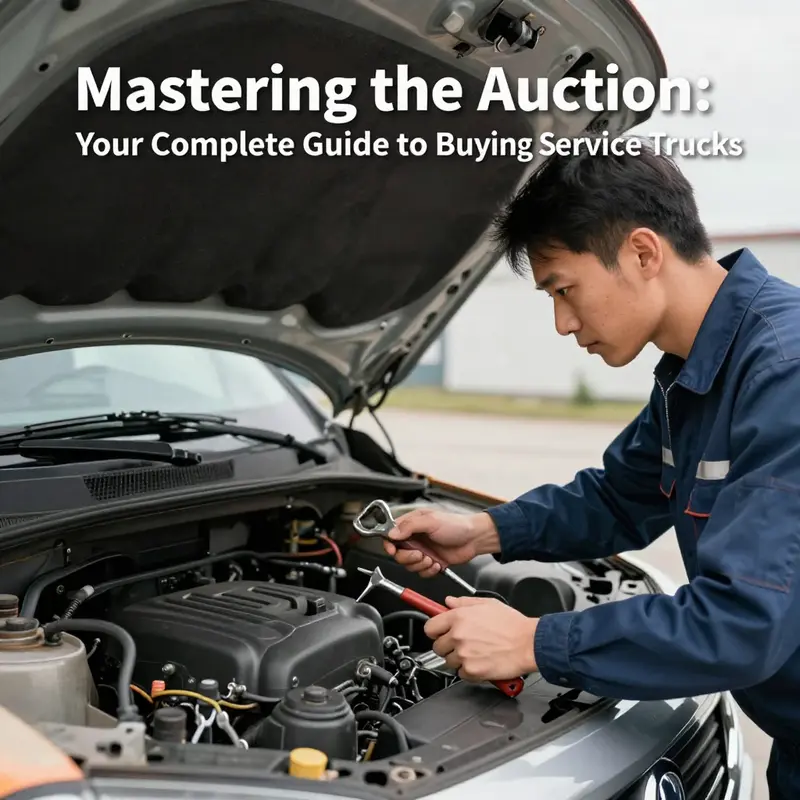
In the world of auction purchases, service trucks bring both opportunity and risk. Whether the auction is virtual, in person, or hybrid, the process moves quickly, driven by momentum and the lure of a bargain. Yet behind every idle engine and grease-stained dash lies a ledger of potential costs that can erode margins and uptime if left unchecked. The inspection, then, is not a nuisance to be endured but the most important instrument in the buyer’s toolkit. It transforms a speculative leap into a calculated investment.
A comprehensive inspection begins before the hammer falls. Listen to the seller’s mileage, maintenance history, and prior use, then verify those narratives against observable reality. In auction settings, listings may emphasize recent maintenance while downplaying hidden wear. An experienced inspector looks for wear on critical systems, the reliability of aging components, and the true condition under load. This is not merely about cosmetics; it is about identifying defects that affect safety, performance, and total cost of ownership.
The mechanical health of a service truck is the most obvious axis of inspection. The engine and transmission deserve scrutiny because failures here ripple through every shift and job. A compression check, a test for unusual startup noises, and a road test under typical loads can reveal issues that a static description misses. The frame and suspension require attention, especially when heavy tool loads or rough terrain have been involved. A crack or deformity in the frame may be invisible at first glance but can undermine structural integrity under long hours of operation.
Beyond general wear, the inspection must verify the condition of specialized equipment: hydraulics, lift mechanisms, winches, and lift gates. Any stiffness or lag, weak hydraulic pressure, or misaligned mounting can erode value. Storage configurations—how tools and safety gear are organized and secured—impact workflow efficiency and on-site safety. A qualified inspector notes wear patterns, alignment, and potential failure modes to ensure the truck will perform as intended in a fleet environment.
Operational history verification matters. A vehicle may have high mileage but strong maintenance, or low mileage with inconsistent service. Independent inspection reports, when available, add credibility and may document fluid analysis, corrosion, and electrical integrity. These reports help calibrate expectations about repairs and ROI. In practice, a good inspection confirms whether the claimed utilization matches visible wear and grounds negotiations in verifiable data rather than optimism.
The safety dimension cannot be overstated. A frame crack or compromised suspension creates risk on every trip, especially with heavy payloads. The inspector searches for signs of past accidents, improper repairs, or hidden issues that could fail under load. Fluids, seals, hoses, belts, and electronic controllers are examined for wear indicators that predict near-term maintenance needs.
The financial logic of inspection is straightforward. When buyers know the true condition, they can distinguish fair premiums for well-maintained assets from speculative bids on liabilities. A detailed inspection report that outlines the scope of work and potential downtime translates into a defensible price expectation and a disciplined bidding strategy.
In a practical, modern context, inspections may include virtual checks—video walkarounds, high-resolution imagery, and remote diagnostics—complemented by a planned physical assessment when possible. Independent verification remains valuable, particularly when the deal hinges on a critical asset.
Finally, paperwork and provenance matter. Title, maintenance records, recalls, and regulatory compliance data should be cross-checked against the listed configuration. Verifying weight capacities and legal operating limits helps prevent non-compliance penalties at scale and during audits.
A disciplined inspection framework turns auction risk into actionable insight. Buyers who insist on thorough inspection combine this diligence with a thoughtful bidding strategy to pursue value-driven acquisitions that support uptime and fleet profitability.
From Registration to Winning Bid: Mastering Registration and Bidding Tactics for Service Trucks at Auction
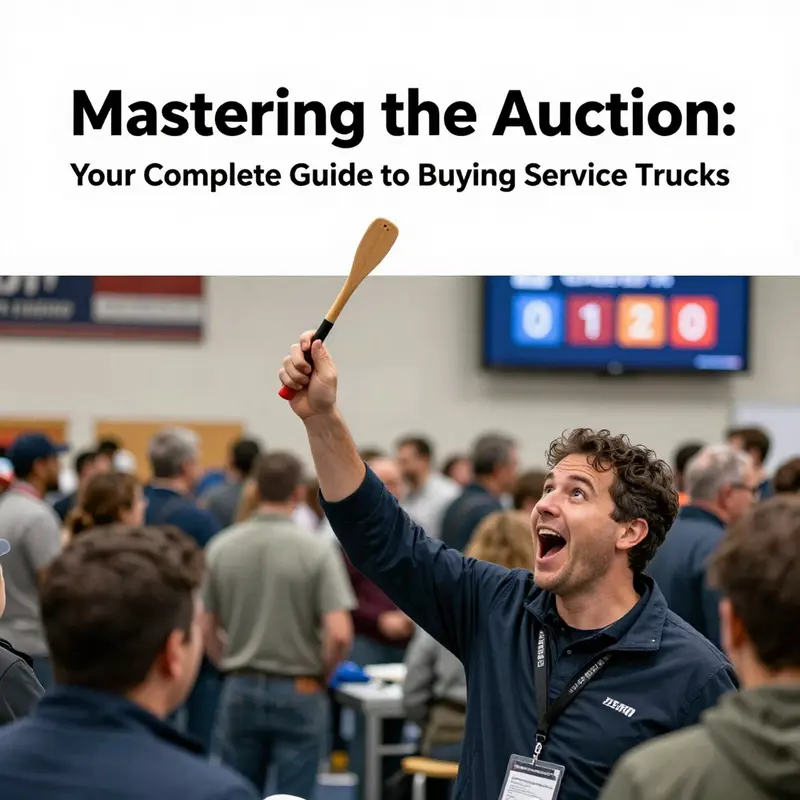
When a fleet manager steps into the world of service truck auctions, the process begins long before the hammer falls. It starts with a narrow but powerful focus: how you register, how you bid, and how you translate a win into a practical, cost-effective acquisition. This chapter threads those elements into a coherent, fluid narrative. The goal is to move you from early eligibility checks to a strategic finish without getting tangled in the noise of auction chatter. In real-world settings, auctions for government and institutional fleets rely on formalities as much as fierce competition. Understanding the registration and bidding rhythm can turn a potential headache into a clean, repeatable process that consistently delivers reliable trucks at responsible prices.
To begin, registration is not merely an entry ticket. It defines who is eligible to bid, what documentation must accompany a bid, and how quickly you can move from “I want this truck” to “I own this truck.” In many major online auction formats, registration requires a real-name account, verified business details, and proof of funds. You may need to designate the bidding entity, provide corporate documents, or attach financial guarantees such as bid bonds or deposits. The objective is twofold: ensure the bidder is legitimate and ensure the seller’s risk is mitigated. If you are bidding as a company, your registration will be evaluated against your business credentials; if you bid as an individual, the platform may require additional identity verification steps. The beauty of this approach is methodical clarity. Once you complete the necessary checks, you can participate with confidence, knowing your bids are backed by a legitimate financial footprint and a compliant, trackable bidding history.
Beyond identity, the deposit or bid bond is a practical gatekeeper. It seals your intent to participate and signals a serious commitment to the process. The amount varies by platform and jurisdiction, but the underlying logic is consistent: secure the auction’s integrity by ensuring bidders have a stake in the outcome. The deposit is typically held in escrow or a designated account and is refundable if you do not win. If you win, the deposit is applied toward the purchase price or the closing fees. A key nuance here is timing. Funds must be mobilized within the platform’s specified window. Delays can disqualify your bid or trigger administrative penalties. As a best practice, align your internal payment readiness with the auction’s payment terms, which usually require settling the balance within a short post-auction window. This alignment reduces the risk of losing a promising truck due to a payment hiccup.
Once registration is complete, you’ll discover that the bidding format itself shapes your strategy as much as the vehicle’s condition. A common arrangement for government and institutional fleets is a sealed-bid, online incremental system. Sealed bids create an environment where information is limited, and the last moments of the auction often decide the outcome. The mechanic favors bidders who prepare thoroughly, not those who stumble into a last-minute sprint. In an incremental format, bids can be placed at any time during the auction window, with the auction advancing in fixed increments or flexible steps based on the platform’s rules. A no-reserve condition—where the highest bid wins regardless of an expressed minimum—adds another layer of urgency. In such cases, the final price is a direct reflection of market demand, and the highest credible bid typically takes the truck home. Knowing whether a listing is no-reserve helps you calibrate risk. If a truck has known issues or a marginal maintenance history, a no-reserve sale may require a disciplined, lower-risk bidding threshold rather than a heroic late-minute surge.
Practical preparation for bidding begins with a meticulous vehicle study. Gather all available information about the truck’s make, model, year, mileage, maintenance history, and any documented inspections. In many government auctions, listings include photos and sometimes inspection reports. The more you know about the truck’s mechanical and structural condition, the more precisely you can model a fair market value and the upper bound you’re willing to pay. For complex assets like service trucks, consider engaging a third-party inspection service if the platform offers it. An independent report can illuminate potential hidden costs related to the engine, transmission, hydraulics, or crane systems, and it helps you decide whether to bid at all or walk away.
With registration and due diligence aligned, you move into the core activity: bidding. A pragmatic approach combines pre-set limits with dynamic listening to the auction’s tempo. Start with a rigorous budget that includes not only the hammer price but all fees that accompany the sale. Buyer’s premiums, which are a percentage of the final price, plus any platform or service fees, can substantially lift the total cost. Don’t rely on the stated hammer price alone when calculating total expenditure. A disciplined rule is to define your maximum total expenditure in advance and to prevent yourself from adding layers of discretionary spending once the bidding starts. For example, if the platform imposes a buyer’s premium of two to five percent and additional service fees, you should factor those into your ceiling. A well-structured budget keeps you from chasing a truck beyond its economic value and protects cash flow for possible post-purchase needs such as maintenance, registration, and initial operational readiness.
A core tactic in online, incremental bidding is timing. Bidders often leverage “sniping”—placing a final bid in the last moments of the auction to outpace competitors who react too slowly. While sniping can be effective, it carries risk. A slight delay in payment processing, a miscalibrated bid, or a sudden platform latency can cost you the truck. A balanced approach blends early clear signaling of intent with a controlled late push. You may set a ceiling and use the platform’s auto-bid feature if available, ensuring your maximum is not exceeded while still preserving the option to step back if the price climbs past your comfort zone. Simultaneously, stay attuned to bidding patterns in the window’s last minutes. A rapid series of small increments can indicate strong competition, and it might be wiser to hold or retreat rather than chase a price that quickly surpasses your calculated value.
Beyond pure price, there are strategic considerations in how you engage with the auction format. In a sealed-bid environment, you can sometimes gain an edge by placing an initial bid that reflects your robust valuation while still leaving room to maneuver. This approach anchors your intent and communicates seriousness, but you must be wary of triggering a protracted bidding war. If you suspect robust late-stage competition, your best bet may be to remain disciplined and avoid emotional escalation. The “as-is” nature of many auction vehicles, especially government fleet trucks, means there are no warranties and limited disclosures. Your bidding decision should be anchored not only in the use value of the truck but also in the expected maintenance burden and lifecycle costs. A well-calibrated bid formula considers the vehicle’s condition, potential repair costs, and the opportunity cost of tying up capital in a single asset.
The path from winning bid to ownership is full of practical steps that students of auctions can master through routine. After you secure a winning bid, you typically execute a formal purchase agreement and submit the balance of payment within the platform’s specified timeframe. The payment method may include wires or other guaranteed transfer methods. Upon payment, you receive the title and related documentation. It is crucial to understand that title transfer often differs from local vehicle registration. In many jurisdictions, you must take the title and a set of sale documents to the local transportation authority to complete the vehicle’s registration and licensing. This separation means you should budget for registration fees, plate costs, and any regional taxes that may apply. The logistics of pickup or freight also require advance planning. Some platforms offer transport arrangements through their networks, while others expect the buyer to organize shipping. If you anticipate a need for delivery services, begin discussions early with logistics partners and confirm the process included in the auction’s ancillary offerings.
To optimize outcomes over time, bring a learning loop to your process. After every auction cycle, document what went well and what did not. Note the accuracy of the vehicle listing versus actual condition, the speed of deposit refunds if you did not win, and the efficiency of the post-sale title transfer. A systematic review helps you refine your budget, your inspection criteria, and your bidding timing. It also keeps your team aligned on roles—who handles registration assets, who monitors the live bids, who processes payments, and who coordinates post-sale registration. In practice, a steady rhythm emerges: verify eligibility and deposit early, study the vehicle, set a hard budget, choose a bidding strategy aligned with the vehicle’s risk profile, and execute payment and registration with disciplined pace. When you follow that rhythm, even an online auction with a high degree of competition becomes a repeatable route to procuring service trucks that fit your fleet’s needs and your organization’s financial planning.
For readers who want to explore a related dimension of procurement strategy, consider the broader discipline of fleet acquisition and how it intersects with specialized equipment procurement. A practical internal resource on fire apparatus procurement offers perspectives on aligning asset specifications, maintenance planning, and lifecycle costs with procurement channels, which can be valuable when you evaluate how a given auctioned truck would integrate into your existing fleet. You can learn more about this approach here: fire apparatus procurement.
As you prepare to navigate the complexities of government or institutional vehicle auctions, keep in mind the core discipline: registration confirms you belong in the room, while bidding strategy confirms you can stay calm, value the asset correctly, and act decisively when critical moments arrive. By mastering both sides of the doorway—the entrance (registration) and the tempo of bids (tactics)—you transform an opaque auction process into a clear, predictable path to acquiring service trucks that advance your operations with reliability and efficiency. The journey from registration to ownership is not a sprint; it is a measured, disciplined process that rewards preparation, integrity, and informed risk-taking.
External reference for a real-world example of auction structure and registration requirements can be found in official vehicle auction notices published by government bodies. The following external source provides context on how registrations and payments are handled in a major online vehicle auction setting: Changshan County Natural Resources and Planning Bureau Vehicle Auction Notice. This notice outlines the steps from account creation to bid bonds, verification, and post-sale payment, illustrating how the process works in a real-world scenario. https://www.taobao.com/auction/123456789
Final thoughts
Securing a service truck through an auction can be a highly rewarding experience when approached with careful planning and strategy. By understanding the detailed processes of research, auction rules, inspections, and bidding techniques, you enhance your chances of making a successful purchase. With the information outlined in this guide, you are now equipped to navigate auctions confidently, ensuring you buy a service truck that meets your operational needs and budget requirements.