
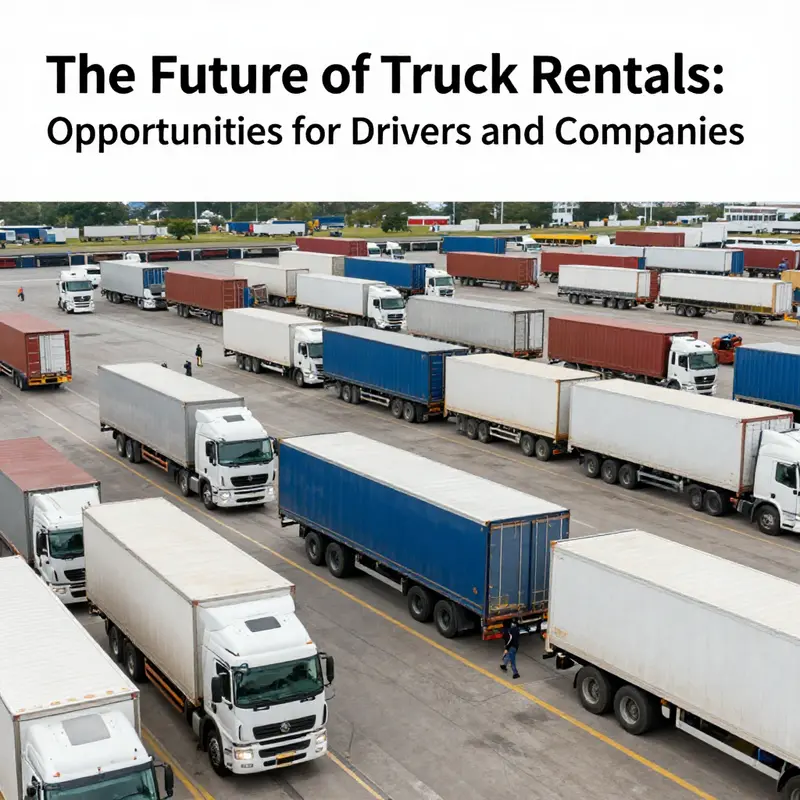
The truck rental service industry is on the rise, shaped by the increasing needs of logistics, e-commerce, and transportation sectors. For long-haul truck drivers, trucking company owners, fleet managers, and aspiring drivers alike, understanding this market is essential to harnessing its full potential. This article delves into the market analysis, benefits of using truck rental services, emerging trends, and a global overview, providing valuable insights for professionals navigating this dynamic field.
Reading the Road Ahead: A Market Portrait of Truck Rental Services
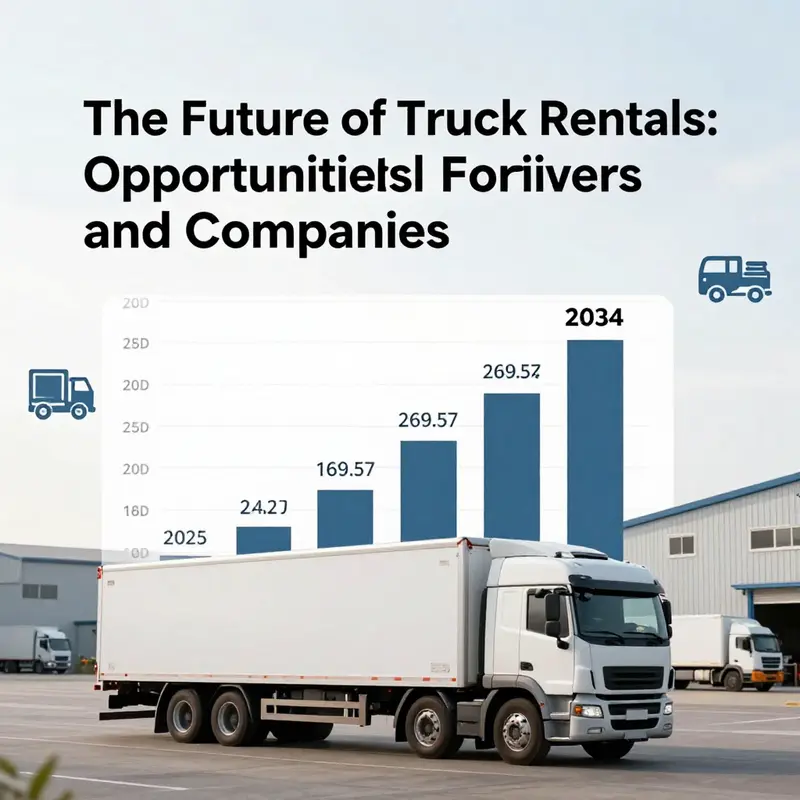
Market dynamics are reshaping how businesses and individuals access truck capacity, turning rental services into strategic assets rather than stopgap solutions. The global truck rental market has matured quickly, reaching USD 140.37 billion in 2025 and projected to nearly double by 2034. This growth reflects more than demand for vehicles; it signals a wider shift in how organizations build logistics capability, manage capital, and meet environmental goals.
Demand drivers are diverse but connected. Fast-growing e-commerce channels create intense pressure on last-mile delivery. Construction and infrastructure projects need flexible access to heavy equipment. Seasonal spikes, project-based work, and unpredictable freight flows make owning a full fleet inefficient. Renting bridges these gaps. It reduces upfront capital commitments and transfers maintenance burdens away from operators. For many firms, rental becomes a tool for risk management and operational agility.
The market segments by vehicle class and end use. Light-duty trucks serve retail deliveries and small moves. Medium-duty trucks handle regional distribution and intermodal transfers. Heavy-duty units support construction, long-haul logistics, and specialized hauling. Each class demands different rental models and support services. Light and medium segments emphasize speed, ease of booking, and short-term flexibility. Heavy-duty rentals require more complex arrangements, professional drivers, and scheduled maintenance solutions.
Geography shapes both demand and service design. Regions with advanced infrastructure and dense urban centers see high utilization of rental fleets for urban logistics. These markets favor rapid digital booking, integrated telematics, and efficient depot networks. Areas experiencing rapid urbanization and industrial expansion exhibit strong volume growth. They often leapfrog older fleet paradigms and adopt shared-use and subscription models. Regulatory landscapes also vary, with emissions rules driving different fleet mixes across regions.
Sustainability is a defining influence on strategy and investment. Companies are transitioning toward lower-emission vehicles to comply with regulations and meet customer expectations. Fleet owners are investing in electric and hybrid trucks, planning charging infrastructure, and redesigning operations for lower carbon intensity. Efficient route planning and load optimization reduce fuel use across diesel fleets now, while electric adoption accelerates in short-range and urban-use cases. These changes reshape procurement and maintenance practices for rental operators.
Technology is another force transforming the market. Digital platforms for booking and billing have become table stakes. Real-time telematics enable renters to monitor vehicle condition, location, and fuel consumption. Predictive maintenance reduces downtime and improves vehicle availability. Integration of routing algorithms and warehouse management systems ties rental fleets into broader supply chains. As platforms mature, rental providers deliver more sophisticated service bundles, such as driver management, insurance solutions, and compliance reporting.
New business models are emerging in response to customer needs. On-demand rentals for short-term spikes remain popular, but subscription offerings are gaining traction. Subscriptions provide predictable access to vehicles for mid-term horizons. They combine consistent monthly fees with inclusive maintenance, insurance, and vehicle rotation. This appeals to companies seeking simplified budgeting and stable operations without owning vehicles. Fleet-as-a-service concepts also appear, where operators manage vehicles end-to-end for large clients that require dedicated capacity without ownership responsibilities.
Operational excellence differentiates successful providers. Availability and location coverage matter, but so do vehicle quality, transparent pricing, and responsive customer service. Maintenance networks, standardized inspection protocols, and clear liability arrangements reduce friction. Data-driven utilization management helps optimize fleet size, lowering idle time and improving return on assets. Operators that integrate telematics, customer portals, and responsive field support can reduce downtime and create loyal customers.
Financial considerations underline the value proposition for renters and providers. For renters, avoiding capital expenditure keeps balance sheets lean. Rentals convert fixed costs into variable ones. This flexibility helps businesses scale quickly and reduces exposure to depreciation. For providers, strong utilization rates and diversified contract types unlock revenue stability. They can leverage economies of scale in procurement and maintenance. Risk management, through insurance and warranty programs, stabilizes margins while protecting both parties.
Regulatory and compliance demands influence fleet composition and operations. Emissions standards in several regions compel a shift to cleaner drivetrains. Licensing, weight limits, and safety mandates shape which vehicles serve which routes. Rental contracts increasingly embed compliance requirements, ensuring renters and providers share responsibility for adherence. Providers that proactively align fleets with upcoming regulations avoid disruption and gain competitive advantage.
Customer expectations now extend beyond vehicles. Renters look for integrated services such as driver training, safety programs, and tailored maintenance schedules. Value-added offerings enhance retention and increase lifetime customer value. Providers that invest in these capabilities develop deeper relationships and a more stable demand base. Partnerships with infrastructure providers, charging network operators, and technology vendors accelerate the delivery of these services.
Risk factors are real but manageable. Macroeconomic slowdowns can reduce freight volumes and demand for rentals. Supply chain constraints affect vehicle acquisition and fleet renewal. Rapid technology shifts require capital investment to stay current. However, the flexibility inherent in the rental model helps many businesses adapt. Providers with diversified customer bases and flexible contract terms weather cyclical downturns better than specialized operators.
Strategic opportunities lie at the intersection of technology and sustainability. Electrification of urban delivery fleets creates a clear niche for short-range rentals. Providers that build integrated offerings—combining electric trucks, charging solutions, and route-optimization tools—can capture city-based logistics work. Meanwhile, medium and heavy segments will benefit from fuel-efficient diesel hybrids and advanced telematics until full electrification becomes feasible.
For operators seeking growth, three practical priorities emerge. First, invest in digital platforms that simplify booking and fleet management. Second, plan a phased approach to fleet decarbonization, starting with urban and short-haul units. Third, expand services beyond vehicle rental into maintenance, compliance, and driver support. These moves increase customer stickiness and diversify revenue.
For renters, the advice is strategic. Match rental types to operational needs rather than price alone. Use telematics and data sharing to gain visibility. Consider subscription models for steady needs and short-term rentals for peaks. Ensure contracts include clear maintenance and liability terms. And prioritize partners that offer both operational support and a pathway to lower-emission options.
Market growth is not evenly distributed, but the trajectory is clear. Advances in telematics, the drive for lower emissions, and the rise of flexible commercial models create multi-year tailwinds. Providers that combine broad geographic coverage, robust digital services, and a pragmatic sustainability roadmap will lead market consolidation. Renters that embrace integrated solutions will convert rental flexibility into competitive advantage.
For readers seeking a practical example of a reputable operator in the trucking ecosystem, see this profile of a well-established company that highlights service quality and reliability: Unveiling 5-Star Truck Inc.: a beacon of excellence in trucking services.
For a detailed market forecast and additional data supporting the trends discussed here, consult the recent industry report referenced in the research. https://www.marketsandmarkets.com/Market-Reports/truck-rental-market-285881119.html
Why Renting Trucks Makes Sense: Financial, Operational, and Practical Advantages for Modern Fleets
Why Renting Trucks Makes Sense: Financial, Operational, and Practical Advantages for Modern Fleets
Choosing to rent trucks rather than buy them shifts the conversation from ownership to outcomes. For many businesses and individuals, a rental model delivers clearer cash flow, quicker access to the right equipment, and fewer headaches tied to upkeep. Rather than treating trucks as fixed assets that demand long-term capital and constant attention, rental arrangements turn vehicles into flexible tools that can be matched to needs and schedules. This chapter examines the full range of advantages that rental services bring, and shows how those advantages translate into measurable gains for operations, budgets, and sustainability targets.
One of the clearest benefits of renting is cost control. Purchasing a truck requires a large capital outlay that ties up funds. Renting spreads that cost over time or turns it into a variable expense charged by the day or month. That structure preserves working capital for core business activities like inventory, hiring, or marketing. It also reduces the risk of being stuck with an underused vehicle when demand slows. For small businesses and startups, this flexibility can make the difference between steady growth and cash-flow stress.
Beyond the initial price tag, ownership brings ongoing costs. Maintenance, insurance, registration, and unexpected repairs add up. When a truck is rented, many of those responsibilities shift to the provider. Reputable rental services maintain fleets to regulatory and safety standards. They handle scheduled servicing, manage recalls, and often provide roadside assistance. That reduces downtime and removes the administrative burden of tracking maintenance schedules and vendor relationships. The net effect is fewer surprises and lower total operating costs than most owners anticipate.
Operational flexibility is another major advantage. Demand for vehicles rarely matches a fixed ownership footprint. Seasonal peaks, special projects, and sudden contract wins all create temporary needs for extra capacity. Rental services allow fleets to scale quickly. You can add medium- or heavy-duty trucks for a construction surge. You can add extra box vans for a holiday shipping spike. When the need ends, you simply return the vehicles. This flexibility prevents idle assets during slow periods and eliminates the inefficiencies that come from oversized permanent fleets.
Access to modern, purpose-built equipment also improves operational performance. Rental companies refresh their fleets frequently. That means renters can use newer, more fuel-efficient trucks. They can also choose specialized equipment for short spans—refrigerated bodies, lift gates, or extended-cab configurations—without having to buy them. Using the right truck for the job improves productivity and lowers operating expenses. Newer vehicles also tend to meet stricter emissions standards, helping companies comply with local regulations and achieve sustainability goals without heavy capital investment.
Risk management and depreciation avoidance are often overlooked advantages. Trucks are subject to wear and tear, market depreciation, and residual value uncertainty. Renting transfers much of that financial risk. The rental provider absorbs the depreciation and many market-value swings. This arrangement stabilizes budgeting and protects balance sheets from sudden drops in asset value. It also reduces exposure to long-term commitments that might become uneconomical as technology and regulations evolve.
Tax treatment is another practical benefit. Rental expenses are typically deductible as operating costs in many jurisdictions. This can simplify accounting and improve year-end financial outcomes. Leasing and ownership come with different tax implications that often require complex accounting. For businesses that prefer straightforward cost recognition, rental fees present a transparent and predictable line item on the income statement.
Support services bundled with rentals add real operational value. Beyond basic maintenance, many providers include 24/7 roadside assistance, emergency repairs, and even driver training. Those services create a more resilient operation. If a truck breaks down in the middle of a route, rapid assistance reduces customer disruptions and keeps schedules intact. For organizations without sophisticated fleet departments, bundled support acts as a virtual operations team. That reduces hiring needs and allows managers to focus on core business tasks.
The ability to trial new technologies without commitment is especially valuable. The industry’s shift toward electrification and telematics is accelerating. Buying into a new drivetrain or telematics platform can be expensive and risky. Renting lets companies test electric or hybrid trucks, evaluate charging workflows, and assess telematics systems before deciding whether to invest. This trial period supports data-driven decisions and minimizes regret when technology standards change.
Environmental benefits come from both fleet age and vehicle choice. Newer rental fleets tend to be more fuel efficient and produce fewer emissions. They also allow companies to choose low-emission or zero-emission trucks for specific routes. That supports corporate sustainability targets and improves community air quality. For projects that require temporary compliance with emissions standards, renting provides an efficient path to meet regulatory demands without long-term capital outlays.
Convenience plays a subtle but important role. Rental providers often offer centralized booking platforms, flexible pick-up and drop-off locations, and digital management tools. Those conveniences speed up logistics planning and reduce administrative friction. Digital platforms can provide real-time availability, instant pricing, and automated paperwork. The result is faster turnarounds and less time spent on procurement tasks.
Subscription and on-demand models add another layer of utility. Some rental services offer subscription-style access to vehicles for set durations. These models combine the predictability of a lease with the flexibility of short-term rental. Subscriptions often include maintenance and support in one monthly fee. That simplifies budgeting and provides a reliable baseline for operational planning.
Choosing to rent also affects workforce and training strategies. When a provider supplies driver training and route-specific familiarization, businesses face lower onboarding costs. Training reduces the risk of accidents and improves fuel efficiency. For employers that operate across multiple equipment types, rental relationships give access to specialized training modules without the cost of an in-house program. For more on maintenance training principles relevant to truck operations, see fire truck maintenance training importance.
Finally, renting supports strategic agility. When markets shift, companies with fleet flexibility can pivot faster. They can expand capacity for a new contract, trial a last-mile strategy in a new market, or adopt electric vehicles in targeted corridors. Renting keeps strategic options open. It also frees management from facing long depreciation cycles if a market move fails.
Taken together, these benefits add up to a compelling case. Rentals conserve capital, simplify operations, and reduce risk. They provide access to modern trucks and technologies, broaden operational choices, and support environmental and compliance goals. For organizations that value agility, predictable costs, and lower administrative load, renting is often the smarter operational choice.
If you want a concise, external perspective on why renting trucks can be the right choice, visit the following resource for further reading: https://www.avis.com/en/trucks
On the Move: Key Trends Reshaping Truck Rental Services
Market Forces and Operational Shifts
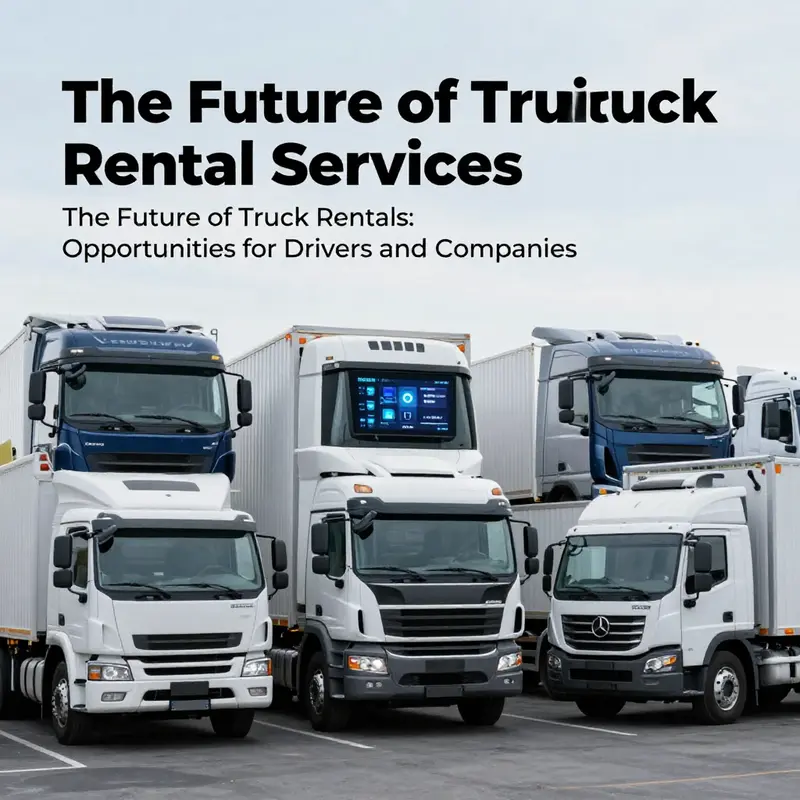
The truck rental sector is undergoing a substantive transformation. Demand from e-commerce, construction, and retail has pushed fleets into new roles. Operators are no longer just offering vehicles; they are providing flexible access to capacity, data, and service. This shift has been driven by several converging trends that change how customers source trucks and how providers manage assets.
A clear pattern is a move toward shorter rental durations. Businesses want the ability to scale quickly around seasonal demand or project-based needs without committing capital. Short-term rentals reduce balance-sheet exposure and free managers from long-term maintenance, depreciation, and obsolescence risks. For a company expanding into a new region for a limited window, a one-month rental with add-on services often beats buying a truck and hiring a maintenance team.
Digital integration underpins this new flexibility. Online booking tools, instant availability checks, and automated pricing make rental interactions faster and more predictable. Real-time vehicle tracking and digital invoicing simplify administration and reduce friction at every stage. Customers expect the same convenience they see in other digital marketplaces: transparency, rapid confirmation, and self-service controls. Providers that streamline the customer journey convert inquiries into bookings more efficiently and lower acquisition costs.
Telematics and fleet management technology are now core capabilities rather than optional extras. GPS tracking, driver behavior analytics, and predictive maintenance deliver immediate value. They allow providers to boost utilization by reallocating underused trucks, reduce downtime through condition-based servicing, and improve safety by monitoring harsh braking or speeding. Those gains translate into lower operating costs and better availability for customers. Data also supports smarter pricing strategies, helping operators match supply to demand in specific lanes or regions.
Sustainability and the electrification of fleets are accelerating. Regulators and large customers increasingly prioritize emissions reductions. Providers are responding by introducing hybrid and electric trucks, and by investing in charging infrastructure and energy management. This creates a new set of operational questions: how to schedule charging without disrupting availability, how to measure total cost of ownership across powertrains, and how to phase renewals to meet sustainability commitments. For many customers, the ability to access low-emission vehicles is becoming a procurement requirement.
A related development is the rise of subscription-based access models. Instead of daily or weekly rentals, some providers offer multi-month subscriptions that bundle vehicle access, maintenance, and telematics. These models sit between traditional rentals and ownership, giving customers long-term certainty without capital expenditure. Subscriptions are attractive for companies seeking operational stability, predictable budgets, and simplified vendor relationships.
Across all these shifts, the underlying theme is that truck rental businesses are evolving from transactional equipment suppliers into service-oriented partners. That change affects product design, pricing, and support models.
How Providers and Customers Adapt
For providers, the new market demands investments in digital tooling, fleet telemetry, and flexible pricing engines. Successful operators structure their fleets to be modular and responsive. That means a mix of light-, medium-, and heavy-duty vehicles, clear visibility into maintenance windows, and robust logistics to reposition trucks quickly as demand changes. Many build partnerships with maintenance networks to keep vehicles serviceable across wider geographies.
Customer expectations have shifted as well. Procurement teams ask for predictable uptime, transparent billing, and data access. They want vehicles matched to specific uses—cargo volume, route profile, or specialized equipment needs—without the friction of lengthy procurement cycles. Risk management now includes vendor performance data and environmental credentials. A procurement manager evaluating rental options will weigh direct costs alongside service-level guarantees, emissions targets, and the partner’s ability to scale.
Pricing strategies are evolving to reflect these priorities. Dynamic pricing tied to utilization and demand peaks is becoming more common. Fleet providers use historic routing patterns, regional demand indicators, and event calendars to set rates that balance utilization with revenue goals. At the same time, bundled offerings that include maintenance, telematics, and insurance allow providers to lock in longer engagements and reduce churn.
Insurance, compliance, and safety are also areas of intense focus. As trucks move between customers and work sites more frequently, liability frameworks must be clear and workable. Providers streamline documentation through digital platforms that capture driver qualifications, proof of insurance, and site-specific requirements. Safety training and standardized maintenance protocols reduce incidents and extend vehicle life.
Operational resilience requires better maintenance planning. Predictive maintenance driven by telematics reduces unplanned downtime. Providers that centralize parts inventories and distribute trained technicians can restore vehicles faster. Training programs for drivers and technicians improve safety and ensure that specialized equipment is handled correctly.
Sector-Specific Drivers and Regional Nuances
E-commerce is arguably the strongest single driver of change. Its growth demands more last-mile capacity, a surge in urban deliveries, and vehicles optimized for frequent stops and cargo handling. Light- and medium-duty trucks designed for quick loading and tight maneuvering are increasingly in demand. For these applications, rental providers that offer modular cargo solutions and urban-friendly vehicle specs capture higher utilization.
Construction and infrastructure projects drive demand for heavy-duty trucks. These customers need trucks for site cycles and seasonal peaks. They value flexible access to specialized chassis and heavy equipment. For providers, this means keeping a portion of the fleet ready for rugged duty and offering tailored service packages to maintain uptime on harsh jobsite conditions.
Regional markets display different preferences. Urban centers prioritize low-emission, compact solutions for congested routes. Industrial corridors require heavy-duty capacity and scheduled availability. Global expansion by major retailers and manufacturers keeps cross-border rental and logistics coordination relevant, creating opportunities for providers that can offer multi-region service guarantees.
Emerging Opportunities and Strategic Moves
A few strategic trends are emerging as differentiators. First, value-added services—such as cargo handling training, route optimization consulting, and integrated logistics solutions—allow providers to move up the value chain. These services turn discrete rentals into multi-layered engagements that deepen customer relationships.
Second, strategic partnerships with energy providers and infrastructure firms are becoming essential. For electrified fleets, access to reliable charging sites and managed energy contracts defines operational viability. Providers that coordinate charging infrastructure and fleet scheduling can offer cleaner fleets without compromising availability.
Third, standardization and modularity reduce complexity. Standard vehicle configurations lower maintenance costs and simplify parts management. Standardized fleets also allow rapid reallocation and easier cross-region servicing. For organizations managing multiple rental relationships, standardization reduces training burdens and improves interoperability.
Fourth, integrating procurement and rental processes with customer ERP and supply chain systems creates seamless operations. Digital APIs that connect booking, billing, and telematics data reduce manual reconciliation and provide better operational alignment. This integration is especially valuable for customers operating large distribution networks or multiple sites.
Practical Considerations for Buyers and Operators
Buyers should evaluate rental offers on three levels: vehicle fit, service guarantees, and data access. Vehicle fit addresses whether the truck matches the operational profile. Service guarantees cover uptime commitments and maintenance response times. Data access ensures customers can integrate telematics and performance metrics into their reporting.
Operators should prioritize investments that improve utilization and reduce downtime. Telematics, robust digital bookings, and responsive maintenance networks yield the fastest returns. Investing in cleaner powertrains should be balanced with charging strategy and total cost of ownership modeling.
Finance teams will find that flexible rental arrangements unlock working capital and simplify tax treatment. Short-term rentals and subscription models keep balance sheets light and provide predictable operating expenses. That flexibility can be decisive when businesses face uncertain demand or rapid expansion.
Looking Ahead
The truck rental market is transitioning from equipment leasing to service orchestration. Providers that combine fleet depth with digital experience, strong maintenance networks, and credible sustainability plans will lead. Customers will increasingly choose partners who deliver uptime, visibility, and environmental alignment. This is a market where operational agility and data-driven decision-making will determine who captures growth.
For a practical look at how a market analysis frames these trends, consult the latest industry forecast and detailed market dynamics from Grand View Research: https://www.grandviewresearch.com/industry-analysis/truck-rental-and-leasing-services-market
For an example of a provider positioning itself as a modern, service-driven partner, see the company profile “Unveiling 5-Star Truck Inc: a beacon of excellence in trucking services” which highlights service excellence and reliability in trucking operations: https://5startruckin.com/unveiling-5-star-truck-inc-a-beacon-of-excellence-in-trucking-services/
Global Currents in Truck Rental: Growth, Platforms, and the Fleet of the Future
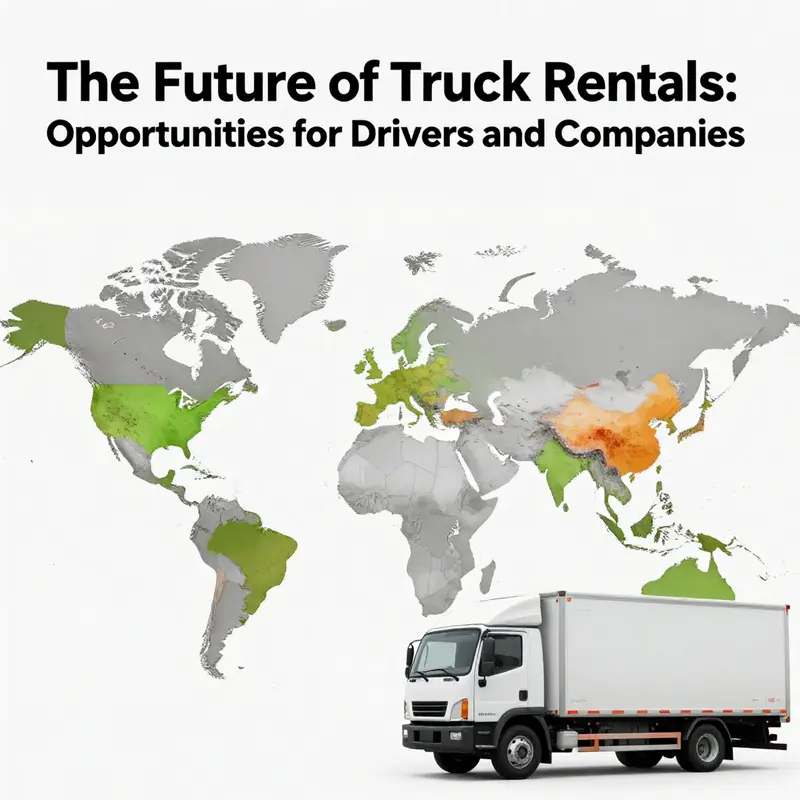
The global truck rental services landscape is shifting from asset heavy ownership to a service led model built on flexibility, data, and integrated offerings.
Market growth is buoyant as e-commerce, construction, and logistics demand increases in needed capacity, with forecasts suggesting continued expansion through the decade.
Platforms that aggregate access to fleets, maintenance, and route optimization are changing the value proposition from owning trucks to owning predictable, connected mobility.
New business models such as subscriptions bundle maintenance, insurance, and upgrades, delivering cost transparency and reduced depreciation risk for customers while smoothing operator utilization.
Regional dynamics vary, with mature ecosystems in North America and Europe and rapid adoption in Asia-Pacific, each shaped by regulation, infrastructure, and digital adoption.
Technology underpins the transition: telematics, GPS routing, predictive maintenance, and data analytics improve uptime and total cost of ownership, enabling end-to-end fleet governance.
Sustainability matters too, with electric and alternative-fuel options increasingly integrated where appropriate, supported by charging networks and lifecycle cost considerations.
The most successful players couple fleet access with services like insurance, cargo protection, and compliance support to create a seamless value chain rather than a transactional rental.
For practitioners, the trend points toward platform-driven procurement, maintenance, and logistics, underpinned by governance, data quality, and clear cost structures.
Final thoughts
The truck rental service market is not just expanding—it’s evolving with new technologies, trends, and approaches to logistics. For long-haul truck drivers, trucking company owners, and fleet managers, there has never been a better time to explore these services. Embracing the benefits of truck rentals can lead to improved efficiency, reduced costs, and greater opportunities in the transportation industry. Understanding the landscape of truck rentals is vital for anyone looking to stay competitive in today’s rapidly shifting market.