

For those who depend on the Ford F-350 Diesel, reliable maintenance and service are paramount. Whether you’re a long-haul truck driver, a fleet manager, or someone aspiring to get into trucking, understanding your service options can directly affect your vehicle’s longevity and performance. This article dives into various service avenues available for your diesel truck: from authorized Ford dealerships offering manufacturer-backed expertise to specialized diesel repair shops and mobile mechanics that bring convenience to your doorstep. By exploring each of these options, you will gain insights into which service route best fits your needs, ensuring your F-350 runs efficiently on the road.
Beyond the Showroom: Navigating Authorized Ford Dealerships for Your F-350 Diesel’s Health and Longevity
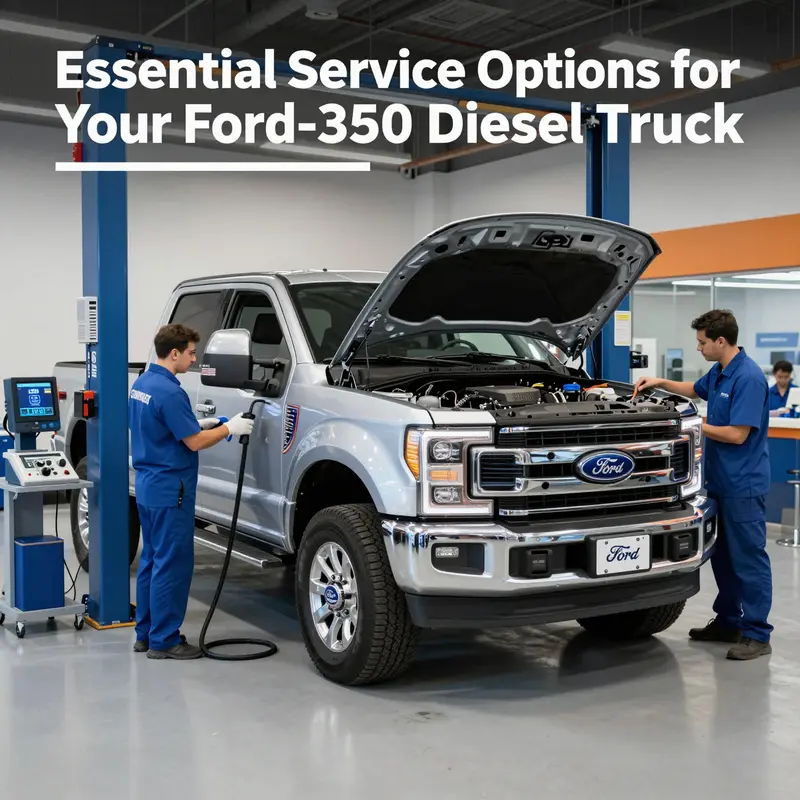
A Ford F-350 Diesel is more than a heavy-duty workhorse; it is a purpose-built machine whose power, durability, and reliability hinge on precise, manufacturer-guided maintenance. When you own a vehicle with a diesel-powered powertrain, the stakes for routine service rise in tandem with the potential consequences of missteps. Fuel economy calculations, emissions compliance, turbocharged air handling, and intricate cooling and electrical systems all depend on the same foundational principle: maintenance must align with the factory specifications and the latest technical data. For most owners, the most straightforward, confidence-boosting path to that alignment is to use an authorized Ford dealership for service. The dealership is not merely a place to have a oil change performed; it is an access point to factory-trained technicians, genuine parts, and diagnostic capabilities that are calibrated specifically for the F-350 Diesel’s Power Stroke architecture. In the long run, that alignment matters as much for uptime as it does for residual value, warranty coverage, and the quiet confidence that the work performed will stand up to scrutiny if a warranty claim or recall arises later. The decision to head to a dealership is more than a preference; it is a strategy for preserving the vehicle’s performance envelope and ensuring that its advanced diesel systems stay in tune with the manufacturer’s evolving service information.
Authorized Ford service centers are designed to support the F-350 Diesel from cradle to grave in a way that other options simply cannot replicate. They operate with access to genuine Ford parts, which are engineered to mesh with the diesel’s high-pressure fuel system, turbocharger, and aftertreatment components. The parts line is chosen not only for compatibility but for durability under heavy use and exposure to harsh operating environments. When you replace a component like a fuel filter, injector seal, or a DEF dosing valve at an authorized center, you’re drawing on a supply chain that has been vetted for the truck’s specific engine and condition. This attention to part quality translates into fewer drivability concerns, less risk of prematurely failing components, and a smoother overall ownership experience. The technicians at these centers also rely on diagnostic tools and software updates that are tailored to Ford’s data. They can pull and interpret Power Stroke-specific fault codes, apply engineering bulletins, and implement updates that address known quirks or performance improvements—updates that independent shops may not have immediate access to or may not apply as part of routine service.
The value of dealer access becomes most evident when the F-350 Diesel shows signs that demand a deeper diagnostic hand. Diesel engines, with their high compression and complex emission systems, can display issues that are subtle in daily driving but indicate more significant wear under certain conditions. A dealer technician knows how to interpret symptoms in the context of engine, fuel, exhaust, and electronic control modules working in concert. They will often begin with a thorough vehicle history review using the VIN-driven service history, which helps to identify recurring faults or service campaigns that may be applicable. This background becomes especially valuable for emissions-related checks, where the timing of an update or a software calibration can affect how the exhaust aftertreatment operates. In practice, this means a dealership can sometimes save owners time and money by avoiding misdiagnosis that might lead to repeated, unnecessary visits. The process is systematic and careful, prioritizing the integrity of critical diesel systems as the primary goal.
Of course, the scope of services at an authorized Ford dealership extends well beyond the obvious maintenance tasks. For diesel engines, routine service often includes more than oil and filter changes. It encompasses coolant system checks for the heavy cooling demands of a turbocharged powertrain, careful inspection of fuel delivery lines and high-pressure components, and tests of the emissions control hardware that keeps the engine compliant with prevailing standards. The dealership will typically verify the operation of the exhaust aftertreatment system, including monitoring sensors and flow paths, and will inspect the diesel exhaust fluid (DEF) system to ensure there are no leaks or contamination that could compromise performance or longevity. When a vehicle is approaching a service milestone, dealership technicians may also recommend preventive measures tied to the powertrain’s known stress points: injector seals and fuel system components that can suffer from diesel fuel quality or aging, turbocharger seals that may degrade after long operating hours, and EGR and DPF systems whose behavior changes as mileage accumulates. In short, the dealership is equipped to manage both the precise, scheduled maintenance that protects uptime and the more nuanced, condition-based interventions that prevent larger issues down the line.
Fuel economy, reliability, and cold-weather readiness also benefit from dealership-level attention to electrical and charging systems. The F-350 Diesel’s under-hood environment is demanding: heavy-duty battery systems, alternators, and wiring harnesses must tolerate frequent start cycles, high power demands from the glow plug system in cold climates, and the electrical load of a modern diesel’s infotainment and auxiliary equipment. Authorized centers have access to OEM diagnostic software that can verify the health of the charging system, test the battery’s cranking capability, and evaluate the alternator’s performance under load. They understand how electrical issues can masquerade as misfires or poor starting, and they address root causes rather than merely treating downstream symptoms. The outcome is more consistent cold starts, steadier idle quality, and a reduced likelihood of sudden, mid-journey breakdowns that can be especially challenging when towing or operating in remote regions.
Owners who intend to keep their F-350 on the job for years often benefit from the dealership’s ability to implement service plans and maintenance schedules designed around Ford’s own recommendations. These plans can provide predictable budgeting and timeframes for maintenance, which is valuable for fleet managers and private owners alike. The dealership can align service timing with the appropriate intervals for oil changes, fuel filter maintenance, and DEF system checks, ensuring that the diesel engine’s tolerances remain within specification. It is also common for authorized centers to perform warranty-related work as part of routine service without complication. If a component covered by warranty experiences an issue, the dealership is typically positioned to document and process that repair in a manner consistent with Ford’s warranty terms. This capability can deliver peace of mind when a repair would otherwise involve intricate documentation and approvals.
For those who want to see hardware and data come together in a concrete way, the FordDealer Locator serves as a direct path to qualified service facilities. The locator is designed to take your ZIP code or city and return a curated list of nearby authorized service centers, each with a clear picture of the services they provide, including diesel engine maintenance, emissions system checks, and warranty work. This tool embodies the reliability of the dealership network: it channels you toward centers that have undergone the franchised standardization steps to ensure consistent service quality across the country. When you use the locator, it helps to look for centers that explicitly mention diesel service capabilities, in-situ access to the latest factory data, and the ability to perform software updates or recalls that may affect your F-350’s powertrain. The search results will typically also indicate whether a location offers loaner vehicles or shuttle services, which can be a practical convenience for daily drivers and fleet operators alike who need to keep uptime high while service is performed.
In the broader decision-making landscape, the dealership option contrasts with specialized diesel repair shops and mobile mechanics. A specialized diesel shop can offer deep experience with fuel injection systems, turbochargers, and exhaust aftertreatment, often at a lower labor rate and with a laser focus on heavy-duty trucks. They can be a strong choice for complex, non-warranty repairs or when you want to support a local business with proven diesel prowess. Yet, for owners who prioritize adherence to factory specifications, warranty integrity, and access to the most current factory software, the authorized dealership remains the most straightforward and comprehensive path. Mobile mechanics can bring service to you for routine tasks or minor repairs, a significant advantage when access to a shop is difficult or time-consuming. Still, their diagnostic tools and parts access may be more limited, and certain diesel-specific calibrations or DEF-system checks may require a dealership-level environment. In practical terms, most F-350 owners find a blended approach works best: routine maintenance at the dealership to secure warranty alignment and OEM knowledge, with a trusted diesel specialist for specialized, non-scheduled diagnostics or repairs when they appear; and a mobile option for urgent, on-site assistance when the vehicle must stay mobile on the job. This approach preserves uptime while leveraging the strengths of each service model.
If you are preparing to visit a dealership for service, a little preparation goes a long way. Start by gathering your vehicle’s VIN and the current service history, if available. A clear log of symptoms—whether you notice hard starting in cold weather, irregular diesel knock, diminished power under load, or unusual exhaust sounds—can guide the technician to the right tests without unnecessary repetition. Bring any relevant maintenance records, including recent oil changes, fuel system work, or DEF-related interventions. Having a printed list of concerns helps you track the service progress and ensures nothing important is overlooked in the limited time of a maintenance visit. It is also helpful to review any outstanding recalls or campaign notices and to ask about the latest factory updates that affect your model year. The dealership will typically perform a multi-point inspection, but being proactive with questions about potential issues—especially those tied to high-mileage operation, towing loads, or severe operating conditions—can help you prioritize what should be checked first and how urgent certain fixes might be.
When you consider the broader ownership experience, the justification for using an authorized dealership becomes clearer. The F-350 Diesel’s capability is built on its reliability, and that reliability is reinforced by service that respects the engine’s design philosophy and environmental controls. The dealer’s trained technicians are not simply applying generic procedures; they are following Ford’s defined service pathways that incorporate the most recent information about the Power Stroke engine, turbocharging behavior, fuel delivery, and emissions systems. In practice, this means that when you drive away after a dealership service visit, you are returning to road conditions with the most current factory calibrations and protective measures in place. It is a form of proactive stewardship that aligns with how Ford envisions the long-term performance of its heavy-duty trucks. If you want to broaden your understanding while keeping the focus on trustworthy, manufacturer-backed maintenance, you can also explore broader maintenance resources and industry perspectives through reputable truck maintenance blogs, such as the 5startruckin blog, which offers general insights into truck care and service strategies. 5startruckin blog
For those who want a clear starting point in locating a qualified service partner, the official dealer locator remains the most direct tool. It provides up-to-date information on nearby authorized centers and highlights those with diesel-specific capabilities, ensuring that you won’t waste time with centers that lack the necessary equipment or training. Moreover, dealer-level service centers often participate in service campaigns, factory recalls, and warranty repairs that may not be readily available through independent shops. This ecosystem—composed of factory data, genuine parts, trained technicians, and an established service process—creates a reliable, accountable path to keep your F-350 Diesel performing as Ford designed it to perform. In sum, if you want to maximize uptime, safeguard the powertrain, and preserve the resale value of your diesel pickup, authorized Ford dealership service is not just a choice; it is a strategic decision rooted in the ongoing care of a sophisticated machine. For direct, location-specific guidance, consult the official Ford Dealer Locator to identify the right facility near you. External resource: Ford Dealer Locator.
Dialing In Peak Strength: Specialized Diesel Repair Shops for F-350 Service
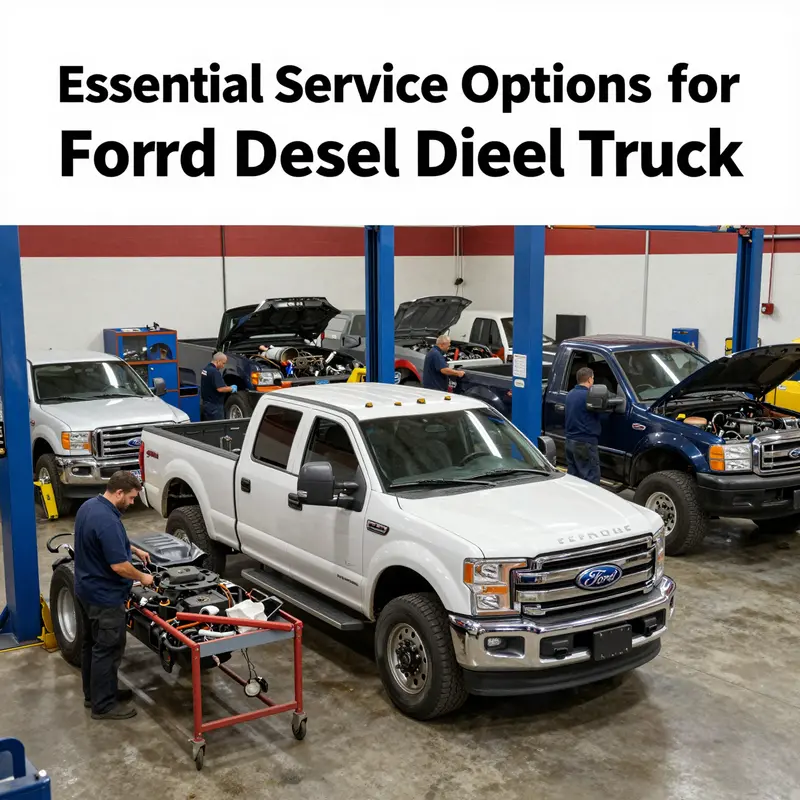
When a heavy‑duty workhorse like the F-350 diesel spends long days towing, hauling, or climbing through extreme temps, it isn’t enough to know where to service it. The vehicle asks for specialists who understand the diesel heartbeat behind that immense torque and the intricate web of systems that keep it running reliably mile after mile. Specialized diesel repair shops play a pivotal role in preserving the F-350’s performance, durability, and long‑term value. They are not just repair bays; they are healthcare centers for a chassis engineered to endure punishment and deliver power on demand. In these shops, technicians bring a depth of experience that general shops rarely possess, because diesel engines demand different diagnostic tools, different approaches to routine maintenance, and a different mindset about parts, heat, and fuel systems. The result is service that doesn’t just fix symptoms but preserves the fundamental resilience that makes the F-350 a trusted work animal for countless applications.
At the core of what makes specialized diesel shops indispensable is diagnostics. Modern diesel engines rely on a network of sensors and control modules that require tools capable of reading proprietary data streams and applying manufacturer‑specific tests. Unlike gasoline engines, diesels demand attention to combustible mixtures, injector timing, rail pressure, and exhaust aftertreatment behavior. A shop with the right diagnostic suite can interpret fault codes in the context of heavy‑duty operation, not just as isolated alerts. They can perform live data analysis to see how fuel pressures fluctuate under load, how intake and EGR flows respond as the engine reaches peak torque, and how cooling and charging systems respond when a diesel engine works relentlessly in demanding environments. The goal is to translate complex data into a clear plan that minimizes downtime and prevents repeat visits. This approach aligns with the experience that diesel technicians bring to the table—the ability to connect the dots between a failing component and the dynamic stress the truck endures during towing, long drives, or cold‑weather startups.
Part of that diagnostic precision flows into injector work, where fuel delivery accuracy matters more than almost any other factor in a diesel’s performance. Replacing injectors is not a routine service to be rushed. It demands meticulous material handling, exact tolerances, and strict cleanliness standards. The best shops treat injector replacement as a carefully choreographed process, including pre‑installation cleanliness checks, proper seating, and verification of rail pressure after installation. The consequences of improper injector work can be immediate—rough idling, misfires under load, or a sudden loss of power—and long‑term issues such as abnormal wear on the high‑pressure system. Experts emphasize material composition, compatibility with rail and fuel system components, and adherence to best practices for assembly and testing. In this space, the shop becomes a partner, guiding a customer through the pros and cons of injector work, the expected service life, and the alignment with the truck’s typical duty cycle.
Another focal point for these shops is engine tuning—not as a gimmick but as a deliberate calibration that balances power, efficiency, and reliability. Heavy‑duty diesels carry a wide envelope of operating conditions: a pickup for a weekend tow, a long haul across variable terrain, or a fleet vehicle that sits in a yard waiting for its next assignment. Tuning, when done by knowledgeable technicians, can optimize fuel temperature control, combustion efficiency, and turbo response so that the engine delivers consistent performance across a broad range of speeds and loads. The right tuning respects the engine’s limits and the cooling system’s capacity, ensuring that added power does not translate into accelerated wear or overheating. The goal is not a one‑time performance spike but a stable, repeatable capability that operators can rely on for the truck’s expected life. In a refined diesel shop, tuning is a collaborative process with the driver or fleet manager, who shares the workloads, altitudes, climates, and road profiles that shape the truck’s day‑to‑day duties.
Engine cooling is a frequent but often overlooked arena where specialized shops make a tangible difference. The F‑350’s diesel engines generate substantial heat under sustained heavy load, and the cooling system has to manage it without faltering. A cooled fuel, a robust radiator core, and an effective fan‑clutch mechanism all contribute to avoiding the dreaded heat soak that can accompany long pulls on hills or extended highway runs in hot weather. In practice, shops focus on validated components and service procedures that maintain proper airflow, reduce parasitic losses, and prevent overheating during high‑demand operations. When a cooling system is maintained with this level of attention, the engine can sustain performance without slipping into limp‑mode or forcing a premature shutdown. In the hands of a skilled technician, cooling system service becomes a preventive discipline rather than a reactive fix—an approach that is especially important for owners who routinely push their trucks to the edge.
Battery health and charging reliability are equally central to dependable operation in harsh environments. Diesel engines demand high starting torque, and heavy cycling—where batteries repeatedly discharge and recharge—tests battery chemistry as much as it tests alternator output. Specialized shops bring expertise in evaluating battery health, choosing high‑performance options that handle cold starts, rapid re‑cycles, and extended idle periods without compromising performance. They also consider charging systems, alternator behavior under heavy load, and the electrical load created by glow plugs, sensors, and aftertreatment systems. In environments with extreme cold, a failing battery can be more than an inconvenience; it becomes a business risk when a vehicle sits on the lot or at a job site. Through careful battery testing, system analysis, and, when necessary, strategic replacements, these shops help ensure that the truck remains reliable when it matters most. The result is not just a crisper start in winter but a more predictable cold‑weather performance profile that reduces downtime and keeps the fleet moving.
For owners who operate in remote or regional markets, the value of mobile service capabilities becomes clear. While brick‑and‑mortar shops provide deep diagnostic and repair capacity, sometimes the best option is a qualified technician who can bring the right tools to a remote location. Mobile diesel mechanics with proven experience on heavy‑duty platforms can perform critical diagnostics, carry out injector tests, or replace components on the spot, sparing the truck from the logistical burden of being towed. The caveat, of course, is that not every mobile technician has the breadth of experience required for the most demanding F‑350 diesel scenarios. When choosing a mobile option, owners should verify that the technician’s credentials cover diesel systems, high‑pressure fuel delivery, EGR and exhaust aftertreatment knowledge, and the ability to perform tests with the right equipment. A well‑operated mobile service can be a lifesaver for urgent repairs, for vehicles stranded in the field, or for fleets that must maintain uptime with minimal disruption to their schedules.
Beyond the technical craft, specialized diesel repair shops carry an ethos of quality parts and documented service. The path from diagnosis to repair hinges on the use of appropriate, high‑quality components and the traceability of work. Shops with a disciplined approach will document parts used, torque specs, service intervals, and post‑repair test results. They will also provide guidance on maintenance schedules tailored to the truck’s specific use and geography. For a heavy‑duty truck that spends long hours under load in hot or cold weather, maintenance planning becomes a strategic tool that reduces risk and extends service life. It is this blend of technical precision, careful part selection, and proactive planning that distinguishes true specialists from general service providers and helps F‑350 owners avoid the recurring cycle of expedited fixes that never fully address the root causes of wear and tear.
The supply chain dimension is not an afterthought in this conversation. In North America, the ecosystem for genuine parts and qualified technicians is supported by a network that includes regional distributors and certified service providers. This network ensures access to parts and knowledge across states such as Michigan, Missouri, Ohio, Indiana, Tennessee, and even into Mexico. For owners, that translates into shorter lead times for parts, more reliable repair turnarounds, and greater confidence that repairs align with the vehicle’s original design intent. It also means that a specialized shop can reasonably support a truck that operates across diverse climates and terrains, from the flatter midwestern corridors to cooler high‑altitude routes, with parts and service that match the rigors of each environment. The practical upshot is less downtime and more predictable maintenance costs over the life of the vehicle, which matters as the fleet grows and the wheel of assignments turns more often than not.
For readers seeking a structured path to planning a visit or choosing a shop, a useful compass is the combination of credentials and proven outcomes. Look for shops that are affiliated with or certified by a manufacturer’s authorized service network—those affiliations often reflect adherence to stringent diagnostic protocols, use of proper tooling, and access to the latest service information. Experience with diesel‑specific components—turbochargers, EGR systems, and exhaust aftertreatment—should be a stated competence rather than an inferred one. Ask about technician certifications, such as recognized industry credentials, and request case studies or testimonials that illustrate successful repairs under conditions similar to your own vehicle’s usage. Finally, inquire about the parts philosophy: do they stock or have rapid access to high‑quality components that meet performance and durability expectations? The best shops treat parts quality as a leadership issue, not merely a cost factor, because the long‑term reliability of a diesel engine is built on the foundation of proper parts and proper installation.
If you are reviewing options with a fleet lens, the decision process is slightly different, as you will balance uptime, maintenance scheduling, and total cost of ownership. Fleet operators often prioritize shops that can service multiple vehicles with consistent standards, allowing for standardized maintenance windows and shared technician knowledge across the fleet. In this context, the ability to coordinate diagnostics, parts procurement, and warranty considerations becomes just as important as the mechanical capability itself. For individual owners, the calculus is similar but more focused on personal availability, transparent pricing, and the confidence that a single shop can grow with the truck through a long ownership arc. Either way, the underlying principle remains the same: trusted specialization delivers durable performance that generalist garages seldom match when the engine is askew from the typical gasoline‑powered paradigm.
To guide your exploration, consider integrating a broader maintenance checklist into your initial conversations with a potential shop. Confirm they can perform comprehensive diagnostics, confirm injector status, assess cooling system health, and evaluate the charging and electrical system under load. Ask about their approach to engine tuning and its alignment with your daily needs—whether you’re chasing marginal fuel economy gains, improved throttle response, or consistent towing capability. Inquire about post‑repair validation steps, such as road testing and data logging, to ensure that the fix holds under the actual operating conditions you face. A detailed, open dialogue with a specialist is as important as the technical skill itself, because it ensures that both parties share the same expectations about performance, reliability, and long‑term care.
For those who want a tangible next step, consider reviewing a trusted industry resource that consolidates diagnostics, maintenance, and repair guidance for F‑series diesel platforms. A comprehensive reference can help you understand the typical service events, the rationale behind them, and the sequence of precautions a shop should take when performing critical work on fuel delivery or aftertreatment systems. As you compare options, keep this principle in mind: the most durable repair response is one that respects the truck’s duty cycle, preserves its core systems, and returns it to service with a clear margin of safety and reliability.
If you’d like a practical starting point for expanding your knowledge beyond local shops, you can explore a broader community resource at 5startruckin.com/blog/. This hub offers perspectives on maintenance and service from practitioners who work with heavy‑duty vehicles in diverse environments. 5startruckin.com/blog/ provides context that can help you frame questions, compare shop capabilities, and understand how different maintenance philosophies translate into real‑world uptime. While the landscape of diesel service is specialized, the guidance these practitioners share can empower you to make a more informed choice that aligns with your truck’s use, weather, and workload.
The journey to finding the right specialized shop for your F‑350 is not simply about locating a technician with a wrench in hand. It is about aligning with a partner who can read the truck’s signals, interpret the data, and map a plan that keeps the engine’s performance consistent across the seasons and miles. In that sense, specialized diesel repair shops offer more than repair work—they provide a framework for sustainable operation, one that honors the unique demands of a heavy‑duty diesel and the owner who depends on it every day. The payoff is measured not only in a successful fix but in the confidence that comes from knowing your truck has a trusted steward for its most critical systems. External guidance remains valuable in this search, and a well‑chosen shop will become part of the vehicle’s extended lifecycle, supporting routine maintenance, addressing surprises, and helping you plan for the future with clarity and assurance.
External resource: Ford F350 Diesel Repair & Maintenance Guide – MotorTrend.
On-Site Expertise for the F-350 Diesel: Navigating Mobile Mechanic Services for Your Heavy-Duty Workhorse
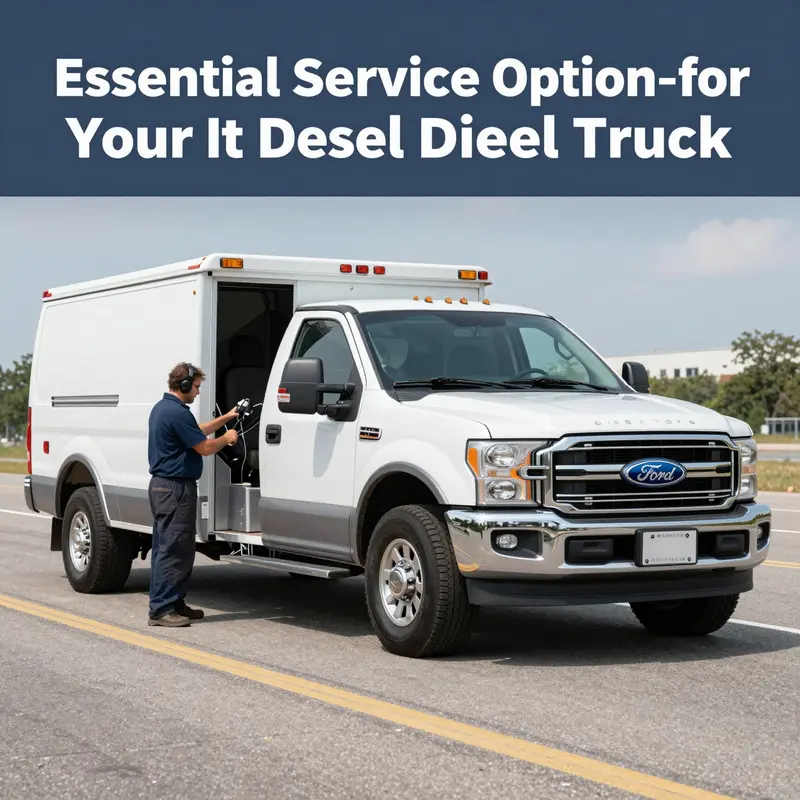
The Ford F-350 Diesel is built to endure long shifts, heavy loads, and variable weather, and it rewards when it receives timely, skilled care. For many drivers, the most convenient path to service is a mobile mechanic who comes to the job site, home, or remote location with factory-style diagnostic tools and the right parts in hand. This approach eliminates the downtime of towing and can be crucial when the truck is the linchpin of a business, a work crew, or a demanding farm operation. A mobile service capability can cover a surprising range of needs, from routine preventative maintenance to urgent engine repairs, electrical troubleshooting, and specialized diagnostics that once required a shop visit. It’s the on-site access that distinguishes mobile options from traditional fixed-location service and makes them especially attractive for F-350 owners who depend on their trucks to stay productive, no matter the hour or the miles between stops. When considering mobile service, the choice hinges on capability, reliability, and the ability to adapt to the PowerStroke diesel’s particular demands—its fuel system, turbocharging, aftertreatment, cooling, and the intricate electrical network that supports modern diesel engines.
The most enduring value of mobile mechanics is their ability to diagnose and address issues without the overhead of transport. An on-site technician who can perform on-the-spot diagnostics with the same level of scrutiny found in a shop means fewer delays for a truck that might be a rolling lifeline for a business. The technician’s toolkit matters as much as the service agreement. A truly capable mobile crew carries advanced diagnostic software compatible with Ford PowerStroke systems, has the know-how to interpret scan data, and can run tests that distinguish engine troubles from sensor faults, wiring harness faults, or charging-system problems. For a fleet or a single owner who runs the F-350 diesel in demanding work cycles, this on-site capability translates into pragmatic efficiency: less downtime, quicker turnarounds for minor fixes, and a clear path to a longer service life for critical components.
Beyond the diagnostic phase, the on-site technician should be prepared to execute a broad range of services. Engine repairs or servicing on a diesel platform require specialized knowledge of fuel delivery, injectors, glow plugs, and the high-pressure common rail systems that power the PowerStroke. An experienced mobile mechanic should be able to perform timing adjustments, valve adjustments where applicable, cooling-system maintenance, and preventative tasks such as oil changes, filter replacements, and coolant analysis. Electrical system troubleshooting on a diesel truck is a field of its own, with modules, sensors, and multiplexed circuits often spanning dozens of control units. A mobile service that can interpret fault codes, isolate nocturnal intermittent faults, and perform wiring repairs at the roadside is offering real value. The practical benefits extend to maintenance scheduling as well. Proactive, on-site service can prevent small faults from turning into costly, time-consuming repairs, and it supports a disciplined maintenance routine that keeps the diesel engine and transmission within manufacturer specifications.
When a buyer evaluates mobile options, several criteria emerge as decisive. Certification matters because it signals a technician’s training and adherence to industry standards. ASE certification, for example, has long been a trusted signal of professional competence. Experience with heavy-duty diesel engines, particularly Ford’s PowerStroke lineage, is just as crucial as general automotive expertise. The ideal mobile provider maintains a well-stocked toolkit, including the parts and fluids appropriate for a diesel engine and the electrical mood of a modern truck. Availability of genuine or equivalent parts is a practical consideration; the last thing a driver needs is a parts shortage turning a service call into a multi-day interruption. The mobile outfit should also demonstrate a transparent process: initial assessment, diagnostic findings, a written estimate, and a clear explanation of the repair path. It helps when the technician can schedule follow-up visits for ongoing maintenance, aligning with a long-term plan rather than a one-off fix.
For F-350 owners who travel or work in rural or suburban environments, mobile services often serve better when the provider can cover hours that fit a shift schedule or critical job deadlines. The value is not limited to convenience. On-site service reduces the risk associated with towing heavy equipment and mitigates the logistical headaches of transporting a large diesel truck through tight access points or unfamiliar routes. A robust mobile option can also provide a broader geographic reach, which is a meaningful advantage for owners who split their time across multiple sites or travel between job boxes. In practice, what makes a mobile service truly reliable is a blend of technical capability and operational discipline: arriving with the right tools, diagnosing with precision, executing repairs correctly the first time, and offering a service plan that respects the truck’s workload and the owner’s schedule.
An exemplar of mobile service in this space highlights the practical benefits of on-site support. A mobile service provider that focuses on diesel and gas engines alike can deliver on-site diagnostics, engine repairs, electrical system troubleshooting, and preventive maintenance with a consistency that matches the needs of a heavy-duty truck. The value proposition grows when the provider can handle both routine tasks and more involved repairs in the field, enabling the F-350 to stay in service rather than sidelined. This approach reduces the risk of downtime that can ripple through a business cycle and helps preserve the vehicle’s resale value by ensuring maintenance remains current and thorough. The right mobile partner also understands the nuances of cold-weather operation, battery performance, and the way harsh climates test the under-hood environment. A high-quality battery is not a trivial accessory for a diesel truck; it is a critical component that affects cold-weather starts, electrical reliability, and consistent charging under heavy loads. In regions with freezing temperatures, drivers should expect mobile technicians to test the battery’s cranking power, verify alternator output, and, if necessary, replace aged batteries with units designed to withstand vibration and temperature swings while matching the factory charging system.
The topic of battery endurance naturally leads to a broader conversation about how diesel engines manage efficiency and emissions under load. In the context of on-site service, it helps to understand what advanced turbocharging can contribute to performance and emissions compliance. Turbochargers in modern heavy-duty diesels like the PowerStroke rely on variable geometry or other sophisticated control strategies to optimize boost across a wide range of engine speeds. The power delivered by a well-tuned turbocharger translates into better throttle response, improved torque at low RPMs, and more efficient combustion over a spectrum of operating conditions. When a mobile technician evaluates turbocharger health or plans a maintenance step that could affect boost behavior, the diagnostic approach stays aligned with emissions requirements and fuel economy goals. This is especially relevant given the role of aftertreatment systems and the importance of maintaining clean exhaust streams in urban areas and at idle. The technician’s ability to diagnose boost-related faults, sensor inputs, and exhaust-management components in the field can prevent performance degradation and ensure compliance with regulatory standards, even outside the controlled environment of a full-service shop.
In conversations about mobile service quality, there is a notable emphasis on the practicality of parts availability and the technician’s capacity to source components quickly. The ideal mobile provider maintains relationships with reputable suppliers and has access to quick-release parts that fit the heavy-duty diesel channel. For the F-350, this means a readiness to address common failure points such as fuel-system wear, glow-plug circuits, or sensor modules, without long downtime. The outcome is a service experience that is less fragmented and more coherent: diagnostic steps, repair execution, and follow-up maintenance that fit within a single visit or a tightly scheduled sequence of visits. From the owner’s perspective, this reduces planning friction, protects job timelines, and preserves the engine’s reliability across seasons of operation.
A practical reminder for readers considering mobile services is to assess the provider’s communication and documentation. A professional mobile outfit will deliver a written diagnostic summary, recommended service plan, and a transparent estimate that breaks down labor, parts, and any contingencies. It should also offer a clear warranty or guarantee on the work performed and on any parts installed. The emphasis on clarity builds trust and makes it easier to coordinate with other service channels when necessary. For drivers who rely on their F-350 for critical tasks, a strong mobile partner can function as a reliable first line of defense, particularly in areas where diesel-specific knowledge is essential and towing capacity is limited or impractical.
The discussion would be remiss if it did not acknowledge that mobile service is not a perfect substitute for every situation. There are scenarios where a fixed-location facility offers advantages, such as when a diagnostic requires disassembly that needs specialized equipment or when an extended repair might demand controlled conditions or a longer parts queue. In those cases, the decision to tow the truck to a dealership or a diesel-focused independent shop remains valid. Yet the growing capabilities of mobile technicians—especially those who specialize in heavy-duty diesel platforms—have made on-site service a credible, often preferred, option for many F-350 owners. The balance between on-site convenience and the assurance of manufacturer-grade specificity remains the central consideration. For many operators, the strategy is simple: reserve mobile service for routine maintenance, initial diagnostics, and time-sensitive fixes, and reserve shop-based work for complex repairs or major component replacements that require a controlled environment and extensive parts inventories.
If you are exploring options, you may encounter a recognized mobile provider that emphasizes nationwide coverage and ASE-certified technicians. The value proposition then expands beyond the single visit: ongoing maintenance plans, remote diagnostic capabilities, and the potential to coordinate with a dealership or a specialized diesel shop if a more complex issue arises. In practice, such a provider can act as a bridge between the predictable schedule of routine service and the occasional need for specialized expertise that a fixed-location facility uniquely provides. The goal is to maintain consistent performance, reduce downtime, and extend the life of the diesel powertrain under demanding conditions. This integrated approach—combining the on-site convenience with the reliability and depth of a shop-based solution—reflects a modern understanding of how best to care for a heavy-duty pickup that is often pressed into service in adverse conditions and long hours.
In the spirit of practical, on-the-ground decision-making, consider this practical takeaway: when you need services performed on your F-350 diesel, a mobile mechanic can be your first line of defense against downtime, especially for diagnostic work, routine maintenance, and electrical troubleshooting in the field. For more complex tasks that demand factory-level training or specialized tooling, coordinating with a trusted dealership or diesel-focused shop remains prudent, but the mobile option can dramatically reduce the time you spend waiting for service. If you are evaluating providers, look for a combination of ASE-certified technicians, field-tested diesel experience, on-site diagnostic capabilities, a transparent pricing framework, and a commitment to keeping parts on hand for the most common repairs. Those traits create a robust service ecosystem around your F-350, ensuring that the workhorse you depend on continues to perform at a high level with minimal interruption.
As one practical reference in the broader ecosystem of truck servicing, consider exploring the quality and reliability of trucking service providers whose reputations extend to on-road performance and uptime. This resource highlights how industry stakeholders assess service quality and reliability, a useful lens when weighing mobile versus fixed-location options for your F-350. The underlying message is straightforward: the best service outcomes come from providers who combine technical competence with reliability, clear communication, and a track record of keeping heavy-duty trucks on the road. For readers who want to see how these principles play out in the real world, a related discussion on the broader ecosystem of trucking services can offer insights into what makes a mobile option particularly compelling when time, location, and workload are at stake.
Internal link for further context: a deeper look into how high-quality trucking service providers approach reliability and on-road uptime can be found in the discussion titled Exploring the Excellence of 5 Star Truck Inc Your Premier Trucking Solution. This resource, while centered on a broader trucking services perspective, reinforces the idea that dependable service hinges on a blend of expertise, readiness, and accountability—principles that mobile technicians can embody when they are properly equipped and backed by a strong support network.
For readers who want a concrete example of a mobile service option that emphasizes on-site diagnostics, engine work, and preventative maintenance, the following external resource provides additional background on the availability and capabilities of mobile service for Ford F-350 trucks. It offers practical context for what to expect from a mobile technician when the goal is to keep your heavy-duty truck performing at peak efficiency. External resources are useful to confirm that a well-run mobile service operation can deliver substantive value beyond a simple roadside visit, particularly for vehicles that serve as critical assets in daily operations.
External resource: https://www.randysmobile.com/ford-f350-service-repair/
Final thoughts
Selecting the right service option for your Ford F-350 Diesel truck is crucial to maintaining its performance and reliability. Authorized Ford dealerships provide expert knowledge and genuine parts, while specialized diesel repair shops offer tailored expertise for heavy-duty trucks. Don’t overlook the convenience of mobile mechanics either, who can meet you right where you are. Each of these options plays a vital role in ensuring that your truck can withstand the demands of the road and perform at its best. By understanding these service avenues, you empower yourself to make informed decisions that enhance your vehicle’s performance.