
In the fast-paced world of logistics and transportation, the significance of trucking services cannot be overstated. For long-haul drivers, trucking company owners, and fleet managers alike, having access to reliable trucking services plays a crucial role in streamlining operations, ensuring timely deliveries, and maximizing productivity. These services not only facilitate efficient load management and route optimization but also provide critical support in maintenance and compliance, which can be a game-changer for those within the industry. Whether you are a seasoned driver tackling the open roads or a manager orchestrating fleet operations, understanding how to apply trucking services effectively can lead to smoother operations and enhanced performance. Embracing innovative strategies supported by experienced providers can transform logistics challenges into opportunities for growth. Discover the unparalleled services of 5-Star Truck Inc. and unlock the potential of your trucking endeavors.
Comparing Different Types of Trucking Services
Choosing the right trucking service can significantly impact logistics, costs, and delivery efficiency. Here’s a detailed table comparing various types of trucking services available in the market, including their key features, benefits, and pricing models.
| Service Type | Key Features (Cargo Type, Transit Time) | Benefits (Cost-Effectiveness, Delivery Speed, Route Flexibility) | Pricing Models |
|---|---|---|---|
| Truckload (TL) | Full truckload of cargo (typically 35,000-45,000 lbs); direct point-to-point delivery; transit time: 1-7 days | High cost-effectiveness for full truckloads; fastest delivery speed due to no intermediate stops; high route flexibility (dedicated route) | Per-mile rate (average $2.50-$4.00/mile in 2023), flat-rate for contract agreements |
| Less Than Truckload (LTL) | Partial shipments (under 35,000 lbs); consolidated with other freight at terminals; transit time: 3-10 days | Cost-effective for small to medium shipments; lower per-unit cost than TL; moderate route flexibility (multiple stops) | Weight-based pricing (average $1.50-$2.50/lb in 2023), accessorial fees for handling and liftgate service |
| Refrigerated (Reefer) | Temperature-sensitive goods (e.g., perishables, pharmaceuticals); maintained at controlled temperatures; transit time: 2-14 days | Ensures product integrity; reliable for time-sensitive perishables; moderate delivery speed | Per-mile rate ($3.00-$5.50/mile in 2023), fuel surcharges, temperature monitoring fees |
| Flatbed | Oversized or heavy equipment (e.g., machinery, steel beams); no enclosed trailer; transit time: 2-10 days | High route flexibility for irregularly shaped or heavy loads; ideal for industrial sectors | Per-mile rate ($2.80-$4.50/mile in 2023), additional charges for loading/unloading |
| Specialized Services | Hazardous materials (HAZMAT), oversized/overweight freight; custom needs; transit time: 3-14 days | Tailored solutions for complex logistics; enhanced security and compliance | Custom pricing models (per-mile, flat-rate, or hybrid); additional fees for permits and inspections |
For more in-depth understanding, you can check out the following sources:
- American Trucking Associations (ATA) – 2023 Industry Data Report
- Freightos – 2023 U.S. Freight Rate Benchmarking Study
- FedEx Freight – LTL & TL Pricing Guide (2023)
- J.B. Hunt – Reefer & Flatbed Service Details (2023)
By understanding these key comparisons, trucking companies, fleet managers, and aspiring truck drivers can make informed decisions that align with their logistical needs and budget constraints.
Choosing the Right Trucking Service
When selecting the right trucking service, several essential criteria should be considered to ensure your needs are met effectively, especially in the competitive landscape of freight transportation.
1. Cost-Effectiveness
Cost is often the first factor to consider. Look for a service that offers transparent pricing structures without hidden fees. It’s beneficial to request quotes from multiple providers and use tools to compare the overall costs including fuel surcharges, accessorial fees, and any applicable discounts. Keep in mind that the cheapest option may not always be the best one in terms of reliability and service quality.
2. Reliability and Timeliness
Reliability is critical in the trucking industry. Investigate the company’s on-time delivery record and overall reputation. A trucking service that consistently meets delivery schedules can significantly impact your business operations. Client reviews can provide valuable insights; consider examining platforms like Indeed Career Insights to see how various companies are rated by their employees.
3. Network Coverage
Assess the trucking service’s network capabilities. Do they cover all areas that you need? A company with extensive national and regional coverage will be better equipped to handle your shipping needs without delays. This includes both urban and rural service capabilities, as having a versatile network can also reduce costs.
4. Reviews and Feedback
Lastly, consider the feedback from past clients. Online reviews can help gauge the quality of service provided. Reputable companies often have many positive reviews, while negative feedback can indicate potential issues. Look for reviews that specifically mention aspects like equipment quality and customer support responsiveness.
Choosing the right trucking service is a critical decision that can enhance efficiency and accuracy in your logistics operations. Doing thorough research based on these criteria can significantly aid in making an informed choice.
How to Apply for Trucking Services: A Step-by-Step Guide
Applying for trucking services might seem daunting, especially for new truck drivers and company owners. However, with the right steps and proper documentation, you can navigate this process smoothly. Here’s a comprehensive guide to applying for trucking services, tailored for long-haul truck drivers, trucking company owners, fleet managers, and aspiring truck drivers.
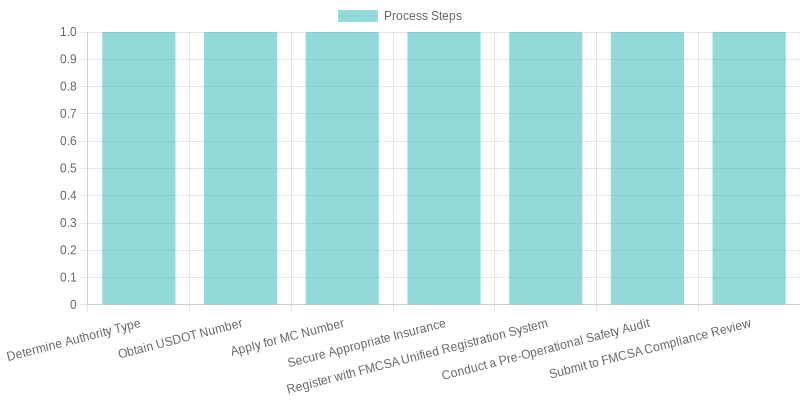
Step 1: Determine Authority Type
- Description: First, decide whether you need to apply as a For-Hire carrier or as an Exempt Private carrier. For-Hire carriers transport goods or passengers for others, while Exempt Private carriers move their own cargo.
- Documentation: No specific documentation is required at this stage; it’s primarily self-assessment.
Step 2: Obtain Your USDOT Number
- Description: The next step is to apply for a U.S. Department of Transportation (USDOT) number via the FMCSA’s SAFER System. This is required if your vehicle has a gross vehicle weight rating (GVWR) of 10,001 pounds or more.
- Required Documentation:
- Business legal name and address
- Primary place of business
- Contact information
- Vehicle identification numbers (VINs)
- Insurance policy details (liability coverage)
Step 3: Apply for an MC Number (Motor Carrier Number)
- Description: If you plan to operate as a for-hire carrier, you will need to apply for an MC number through the FMCSA’s Unified Registration System.
- Required Documentation:
- Completed Form MCSA-20
- Proof of insurance
- State business license or registration
Step 4: Secure Appropriate Insurance
- Description: It’s essential to purchase commercial liability insurance that meets FMCSA minimum standards. This includes coverage for property damage, bodily injury, and cargo losses.
- Required Documentation:
- Certificate of Insurance (COI)
- Policy documents that confirm coverage amounts and effective dates
Step 5: Register with FMCSA Unified Registration System (URS)
- Description: Complete your registration through the URS application to officially register your motor carrier, broker, or freight forwarder. Here, you will update your safety data and compliance status.
- Required Documentation:
- USDOT number
- MC number (if applicable)
- Insurance details
- Safety plan and compliance documentation
Step 6: Conduct a Pre-Operational Safety Audit
- Description: Perform a thorough internal review of your safety policies, driver qualification files, and vehicle maintenance records to ensure compliance.
- Required Documentation:
- Driver qualification files (DQF)
- Hours-of-service logs
- Maintenance records
- Safety training logs
Step 7: Submit to FMCSA Compliance Review
- Description: After verifying all your documents and conducting internal reviews, submit your application for compliance review. The FMCSA may conduct a safety audit or request additional information.
- Required Documentation:
- Completed URS application
- All supporting documents
- Signed compliance statement
Tips for Successful Approval
Gaining approval for your trucking services application depends on several critical factors:
- Driver Qualifications: Ensure all drivers meet the qualifications and standards required by your state.
- Complete Drug Testing: Conduct drug testing for all drivers and maintain records to comply with FMCSA regulations.
- Be Aware of Alcohol and Hazmat Regulations: Follow strict regulations regarding alcohol consumption and the transport of hazardous materials.
- Conduct Regular Vehicle Inspections: Ensure all vehicles are regularly inspected to comply with safety regulations.
- Maintain Accurate Maintenance Records: Keep detailed records of all vehicle maintenance to demonstrate operational safety and compliance.
These steps, along with diligent documentation and attention to compliance regulations, will greatly enhance your chances of successful application approval.
To explore more about the trucking industry and stay updated, check out our blog.
Trucking Service Application Timelines
Understanding the timelines for various trucking service applications can help long-haul truck drivers, trucking company owners, and fleet managers plan effectively. Below is a breakdown of average timelines for different trucking services:
Average Timelines by Service
| Service Type | Time Frame |
|---|---|
| New Freight Shipping Contracts | 1 to 2 weeks |
| Logistics Service Setup | 2 to 6 weeks |
| Equipment Procurement (Standard Trucks) | 4 to 8 weeks |
| Specialized Equipment Procurement | Up to 16 weeks |
| Routine Truck Maintenance | Every 90 to 120 days |
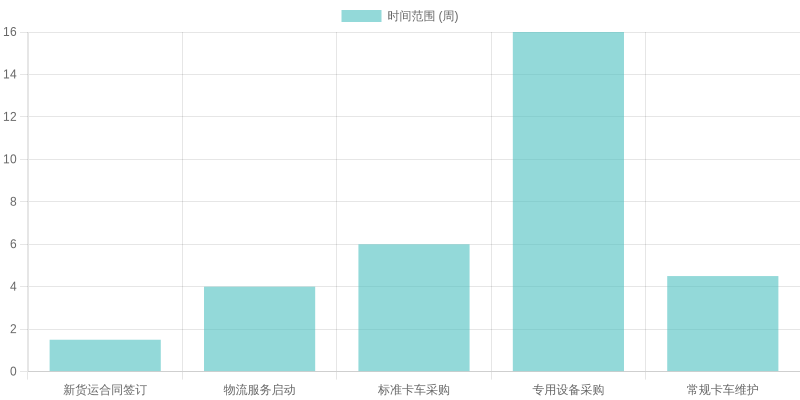
This chart illustrates trucking service application timelines, showcasing how long each application might take for different services.
For further information on maximizing the logistics process, feel free to explore our blog.
“Effective trucking service quotes are more than pricing tools-they are a cornerstone of supply chain visibility. By integrating quote data with tracking and order-level information, companies can achieve full transparency from origin to delivery.” – DHL Logistics Analyst
In the world of trucking and logistics, the effectiveness of services directly impacts supply chain performance. As noted by experts, accurate quotes enable businesses to plan better, meet delivery timelines, and minimize risks. This reliability not only benefits trucking companies but also ensures satisfaction for customers and clients, establishing a naturally efficient operation. For more insights into enhancing trucking services and ensuring reliability, check out 5 Star Trucking’s blog for further resources.
Top Trucking Service Providers in 2023
When it comes to choosing a trucking service provider, several companies stand out for their exceptional services and unique offerings. Here’s a look at the top trucking service providers, focusing on what makes them leaders in the industry:
-
Maersk
-
Strengths: Global leader in container shipping, known for its extensive service network across over 100 countries. Maersk offers integrated logistics solutions, including ocean freight and supply chain management. Their innovation in digital platforms, like Maersk Spot, enhances real-time visibility.
-
UPS (United Parcel Service)
-
Strengths: As the world’s largest package delivery company, UPS boasts a vast global air and ground network. They focus on express services and advanced tracking technologies, and are pioneers in sustainability with initiatives like their electric delivery fleet.
-
J.B. Hunt Transport Services
-
Strengths: An American leader in trucking, recognized for intermodal transportation, J.B. Hunt excels in rail-truck integration and innovative platforms like SmartTruck for improved logistics efficiency.
-
DHL (Deutsche Post DHL Group)
-
Strengths: A global logistics titan, DHL offers comprehensive services across air, sea, and land transport. Their strength lies in customs brokerage and e-commerce fulfillment, supported by one of the world’s largest courier networks.
-
Kuehne + Nagel
-
Strengths: This Swiss-based firm specializes in end-to-end supply chain services with strong digital capabilities, enhancing customer experience through agility and sustainability.
-
FedEx Freight
-
Strengths: Major player in less-than-truckload (LTL) logistics, FedEx Freight is known for operational efficiency and real-time shipment tracking, seamlessly integrating with FedEx’s global express network.
-
BNSF Railway
-
Strengths: Operating over 32,000 miles of track, BNSF is vital for intermodal freight transport in North America, known for reliability and sustainability initiatives.
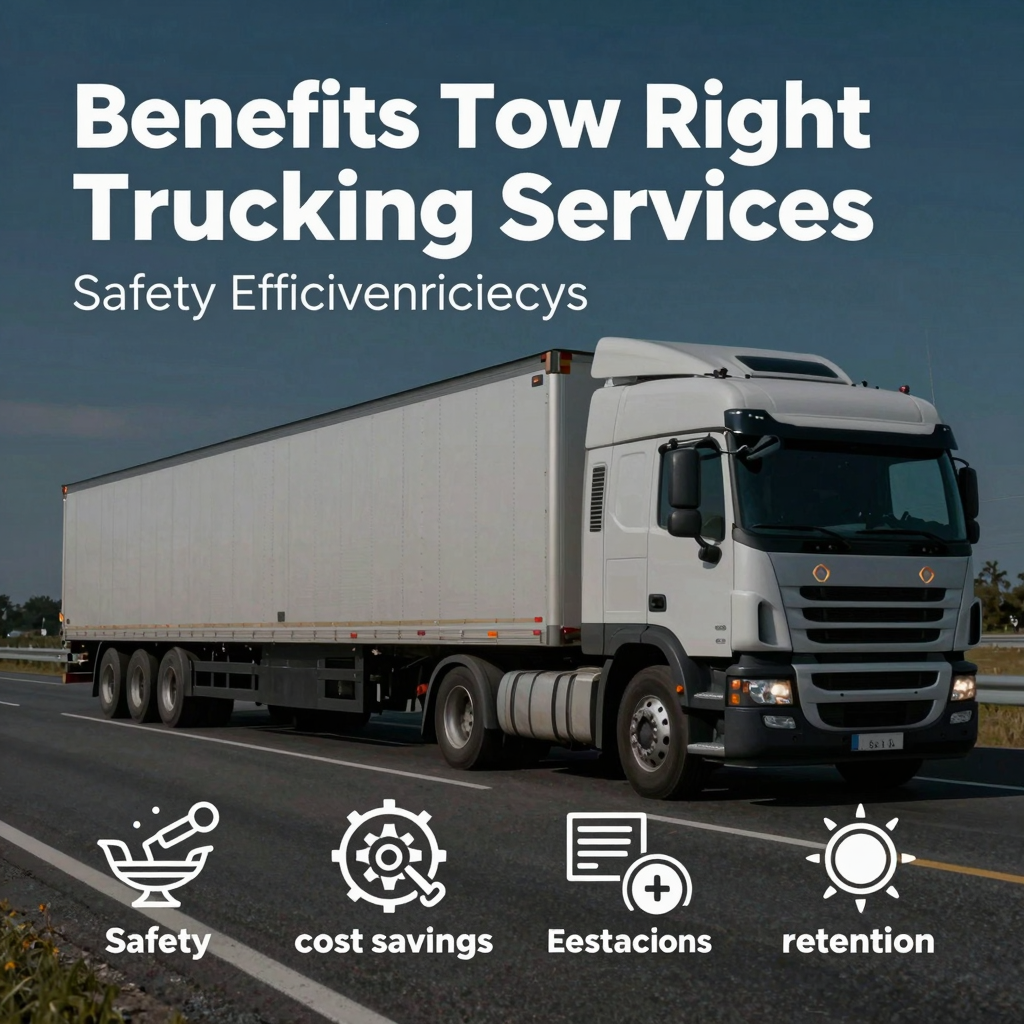
In conclusion, selecting the right trucking services is paramount for long-haul truck drivers, fleet managers, and anyone involved in the transportation industry. As we have discussed, these services not only enhance safety through advanced vehicle technologies but also improve operational efficiency via data-driven insights and digital freight platforms. With these solutions, fleets can reduce empty miles and significantly lower operating costs, often resulting in savings of up to 40% when adopting modern, electric trucks. Furthermore, investment in comprehensive driver support programs plays a crucial role in enhancing driver satisfaction and retention, which is vital in an industry facing workforce challenges.
Engaging with reputable trucking services, like those offered by 5 Star Trucking, means partnering with a company that prioritizes safety, reliability, and efficiency for its clients. For motorcycle enthusiasts, Summit Fairings provides exceptional aftermarket parts that enhance performance and aesthetics. Don’t miss the chance to elevate your riding experience-connect with Summit Fairings today for your motorcycle needs!
Frequently Asked Questions About Trucking Services
1. What types of trucking services are available?
Trucking services can range from less-than-truckload (LTL) to full truckload (FTL) and specialized freight transport. LTL shipping allows you to share a truck with other shipments, making it a cost-effective choice for smaller loads. In contrast, FTL means a truck carries a single shipment, ideal for larger loads that fill the trailer.
2. How can I book a trucking service?
You can book trucking services through logistics companies, freight brokers, or directly with trucking fleets. Many providers offer online booking through their websites or mobile applications for ease of access and real-time tracking. For detailed steps, you can check out the American Trucking Associations (ATA) FAQs.
3. What documentation is required for trucking?
Key documents include the Bill of Lading (BOL), which serves as a shipping receipt, and any permits required for specific freight types. If hazardous materials are involved, additional documentation is necessary to ensure safety compliance.
4. How do I ensure my shipment is compliant with regulations?
Ensuring compliance involves understanding regulations governed by agencies such as the Federal Motor Carrier Safety Administration (FMCSA). Resources like the U.S. Department of Transportation’s guide can provide insights on obtaining operating authority and understanding safety requirements.
5. What should I consider when choosing a trucking company?
Consider factors such as the company’s reputation, safety ratings, insurance coverage, and fleet maintenance practices. Feedback from previous clients can also provide insights into service quality.
6. Are there specialized truck services for different industries?
Yes, many trucking companies offer specialized services for industries such as construction, agriculture, and pharmaceuticals. These services often require customized equipment or training to handle specific loads safely and efficiently.
7. How can fleet managers optimize their operations?
Fleet managers can optimize operations by utilizing modern tracking technology for fleet management, conducting regular maintenance checks, and investing in training for drivers. This enhances efficiency and reduces the likelihood of breakdowns.
Conclusion
Understanding these aspects of trucking services can greatly enhance the application process and improve efficiency for all parties involved. If you have any more questions, feel free to reach out to dedicated trucking service providers or explore more resources on reliable trucking practices.