
Understanding “Out of Service” in Trucking
In the trucking industry, the term “out of service” resonates deeply with drivers and fleet managers alike. It signifies more than just a vehicle being taken off the road temporarily; it represents a crucial point at which vehicles fail to meet safety standards necessary for safe operation. Long-haul drivers, who depend on their trucks to carry not only their livelihood but also valuable cargo, understand that each mile counts. The emotional connection runs deep-an unforeseen breakdown can lead to long hours spent waiting for a tow and can jeopardize on-time delivery to customers. When trucks are deemed out of service due to mechanical failure or safety concerns, it emphasizes the importance of regular vehicle maintenance and meticulous attention to trucking safety protocols. By ensuring vehicles are roadworthy before embarking on long journeys, drivers not only safeguard their equipment but also uphold the trust placed in them by customers and employers. In essence, grasping the implications of being out of service is fundamental for everyone in the trucking community. Explore more about trucking excellence here and see how you can enhance your vehicle readiness.
Reasons a Truck May Be Marked ‘Out of Service’
A truck may be declared ‘out of service’ for a variety of reasons, primarily related to safety and compliance with regulations. Understanding these reasons is crucial for long-haul truck drivers, trucking company owners, fleet managers, and those involved in vehicle maintenance. Here are some of the most common issues:
-
Mechanical Failures:
Common mechanical failures include issues with the: -
Brake System: Faulty brakes are one of the leading causes for trucks being placed out of service.
-
Steering Mechanism: Problems with steering can pose serious risks, warranting an out-of-service declaration.
-
Suspension System: Suspension failures affect handling and can reduce safety significantly.
-
Safety Inspection Failures:
Trucks must undergo regular safety inspections. Failure in any of the following can lead to an out-of-service status: -
Tire Condition: Insufficient tread depth or damaged tires can compromise vehicle safety.
-
Lighting Issues: Missing or malfunctioning lights and reflectors are critical safety concerns that must be addressed.
-
Cargo Securement: Improperly secured loads can jeopardize road safety and lead to fines.
-
Regulations Non-Compliance:
Trucks must comply with several regulations set by the Federal Motor Carrier Safety Administration (FMCSA). -
Logbook Violations: If a driver is found operating under the influence or violating hours-of-service regulations, this can lead to the truck being placed out of service.
-
Missing Safety Equipment: This includes crucial components like seat belts and emergency exits.
-
Preventable Maintenance Issues:
The American Trucking Associations reports that over 80% of vehicle-related crashes involve preventable maintenance issues. A lack of proper maintenance often leads to breakdowns and ‘out of service’ designations.
By staying informed about these potential issues, trucking professionals can ensure that their vehicles remain compliant and safe on the road. For more insights into the importance of regular maintenance, explore the excellence of 5-Star Truck, Inc..
Specific regulations and safety requirements can be found on the FMCSA website.
| Factor | Out of Service | Operational |
|---|---|---|
| Lost Revenue | $1,200 – $3,500 per day | $0 |
| Maintenance Costs | $0 | $150 – $400 per month |
| Repair Costs | $0 | $800 – $2,500 per year |
Sources:
- American Trucking Associations (ATA) – Truck Driver & Fleet Economics Report 2024
- U.S. Bureau of Labor Statistics (BLS) – Occupational Employment and Wages
- National Private Truck Council (NPTC) – Fleet Maintenance Cost Benchmarking Study 2023
Impact of Being ‘Out of Service’ on Trucking Companies
Being ‘out of service’ (OOS) can significantly impact trucking companies, both in terms of logistics and profitability. When a truck faces mechanical failures or compliance issues that render it non-operational, the effects ripple through the entire organization.
Increased Operational Costs
Companies often incur higher costs when trucks are out of service, from emergency repairs and rental fees for replacement vehicles to potential penalties for missing time-sensitive deliveries. For instance, a fleet experiencing mechanical issues may have to pay a premium for expedited shipping to meet customer commitments, drastically reducing profit margins.
Lost Revenue
OOS status means fewer deliveries are completed, leading to lost income from freight charges. According to research, significant downtime can mean that businesses not only miss immediate earnings but can also face penalties for late shipments, further compounding financial losses.
Supply Chain Disruptions
When trucks are OOS, scheduled deliveries are disrupted, causing a domino effect throughout the supply chain. This can lead to inventory shortages and even production delays for downstream manufacturers. Such disruptions might prompt costly emergency purchases or even customer order cancellations, threatening critical relationships and consistent revenue streams.
Reduced Fleet Utilization
Idle trucks represent underutilized assets, which lowers overall fleet efficiency and increases per-mile costs. The longer a vehicle sits unused, the less return on investment it provides, ultimately hampering the company’s financial health.
Labor Productivity Loss
Drivers assigned to OOS trucks may face idle time, which translates into increased labor costs. In some cases, employees are compensated for downtime, exacerbating the company’s financial strain.
Customer Service Degradation
Frequent outages can severely harm customer trust. If a company repeatedly fails to meet delivery timelines, it risks losing valuable contracts and long-term clients. Thus, the implications of being OOS extend beyond immediate operational issues and can influence a company’s reputation and client retention.
Understanding these impacts can help trucking businesses make more informed operational decisions that prioritize maintenance and compliance to minimize downtime, ultimately enhancing financial health and logistics efficiency. For more insights, you can explore the excellence of 5 Star Truck Inc. and discover unparalleled services offered in the trucking industry.
The Importance of Maintaining Truck Readiness
In the trucking industry, ensuring that vehicles remain in a state of readiness is paramount to avoid what’s known as an ‘out of service’ (OOS) situation. This not only enhances road safety but also helps trucking companies avoid costly penalties and operational disruptions. Here are three expert perspectives on the significance of maintaining truck readiness:
1. Proactive Maintenance is Key
According to the American Trucking Associations (ATA), maintaining truck readiness is critical to prevent OOS violations during federal inspections. They emphasize a proactive maintenance schedule that includes daily pre-trip inspections, regular oil and filter changes, and monitoring tire pressure. They state:
“78% of OOS citations stem from preventable mechanical issues, such as faulty lights and brake problems,” underscoring the importance of consistent checks. Learn more about best maintenance practices.
2. Focus on High-Risk Systems
The Federal Motor Carrier Safety Administration (FMCSA) highlights the importance of a preventive maintenance program targeting high-risk systems like brakes and tires. Experts stress that utilizing real-time telematics monitoring can help detect issues before they lead to OOS status. Additionally, they require drivers to complete a comprehensive pre-trip inspection checklist daily. The FMCSA notes:
“Non-compliance with these procedures results in immediate OOS status under the CSA program.” This emphasizes the need for annual reviews of maintenance protocols. Discover more about fleet management guidance.
3. Structured Maintenance Can Reduce OOS Incidents
Moreover, experts from the National Highway Traffic Safety Administration (NHTSA) recommend that fleets implement a structured maintenance plan based on mileage and usage patterns. They suggest conducting oil changes every 10,000 miles and quarterly air brake system tests. NHTSA data indicates that fleets with formal maintenance programs have reduced OOS incidents by up to 60%. They advise that drivers should report even minor issues immediately to maintain vehicle integrity. Explore vehicle maintenance safety guidelines.
Conclusion
These expert insights collectively emphasize that maintaining truck readiness is not just a regulatory obligation but a necessary practice for safety and operational efficiency. Ensuring that all machinery operates optimally not only protects drivers but also fosters a culture of reliability within the trucking industry.
Frequency of Out of Service Incidents in Trucking
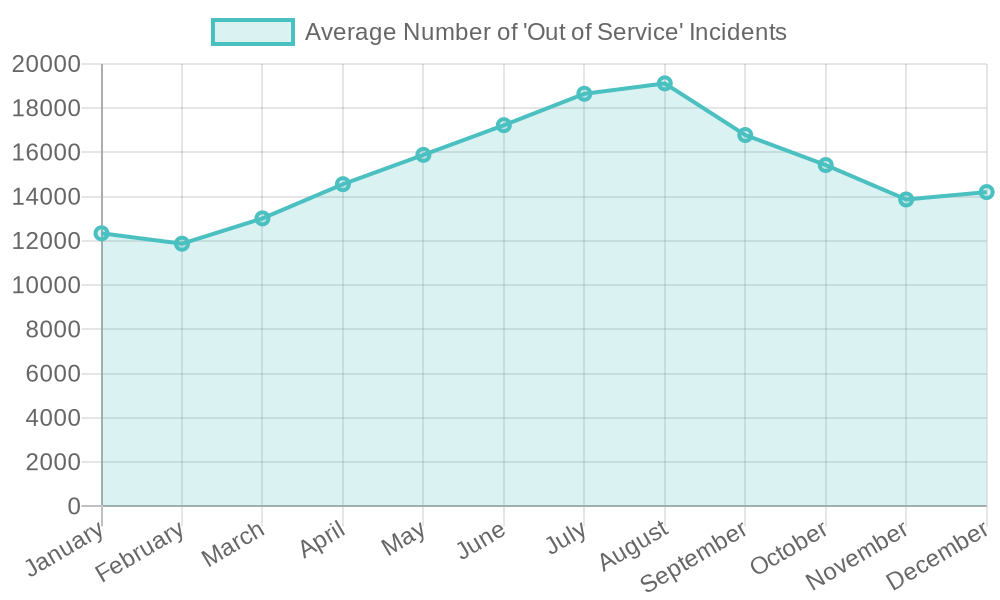
Understanding the frequency of ‘out of service’ incidents is crucial for trucking professionals as it impacts safety, compliance, and operational efficiency. The chart below illustrates the average number of ‘out of service’ incidents reported in the trucking industry over the past year (2023). It highlights monthly trends and helps identify possible seasonal spikes or dips, which can inform maintenance strategies and safety training.
| Month | Average Number of ‘Out of Service’ Incidents |
|---|---|
| January | 12,345 |
| February | 11,876 |
| March | 13,021 |
| April | 14,567 |
| May | 15,892 |
| June | 17,234 |
| July | 18,654 |
| August | 19,123 |
| September | 16,789 |
| October | 15,432 |
| November | 13,876 |
| December | 14,210 |
Source: Federal Motor Carrier Safety Administration (FMCSA) – 2023 Out-of-Service Data Report (https://www.fmcsa.dot.gov/data/2023-out-of-service-data)
Best Practices to Avoid Being ‘Out of Service’
Maintaining compliance and ensuring the efficiency of trucking operations is essential for truck drivers and fleet managers. Here are some best practices to keep vehicles operational and avoid being ‘out of service’:
-
Conduct Regular Inspections: Daily pre-trip and post-trip inspections are crucial. Drivers should thoroughly check brakes, lights, tires, and other critical systems to identify any potential issues before they escalate. Proper documentation of these checks is essential to maintain compliance with FMCSA regulations.
-
Stay Updated on Documentation: Keep all necessary documents such as vehicle registration, insurance, and medical certifications up to date. Expired credentials can lead to immediate out-of-service orders, affecting operational efficiency.
-
Adhere to Maintenance Schedules: Implement a preventive maintenance program that includes scheduled oil changes, brake checks, and tire rotations. Studies show that fleets that follow these schedules can experience up to 30% fewer unexpected breakdowns (see more).
-
Use Technology: Utilize electronic logging devices (ELDs) to accurately record driving hours, ensuring that drivers adhere to Hours of Service (HOS) regulations. This can significantly reduce fatigue-related violations.
-
Promptly Address Defects: Report any vehicle defects immediately and ensure repairs are made before the next trip. Unreported issues can lead to significant penalties or safety hazards.
-
Educate Drivers and Staff: Regular training sessions for drivers on compliance, safety, and maintenance protocols are vital. Ensuring that staff understands the importance of these practices helps maintain a culture of safety and compliance.
By implementing these best practices, trucking operations can enhance safety and efficiency, ultimately leading to greater profitability and fewer disruptions in service.
The Importance of Regular Truck Maintenance
“Proactive maintenance isn’t just about fixing problems-it’s about preventing them before they happen, which saves time, money, and keeps your fleet running efficiently.”
Regular maintenance is crucial for trucking operations. It not only prevents unexpected breakdowns but also significantly reduces operational downtime and enhances safety on the road. By prioritizing maintenance, truck drivers, company owners, and fleet managers can ensure their vehicles remain in top condition, avoiding costly repairs and ensuring compliance with safety regulations.
For those interested in optimizing their maintenance routines, consider exploring 5 Star Truck Inc.’s services to enhance your fleet’s performance.
Conclusion and Call to Action
In summary, understanding what “out of service” means in the trucking industry is crucial for all stakeholders-whether you are a truck driver, fleet manager, or company owner. The implications of a vehicle being deemed out of service can be costly, not only in terms of lost revenue but also in terms of safety. Regular vehicle maintenance is not just a necessity; it is a critical component that protects drivers and ensures the reliability of operations. In 2023, with rising costs impacting the trucking industry significantly – like increasing diesel prices and insurance rates, which have driven many small trucking companies to the brink of closure, regular checks and maintenance have never been more vital.
By prioritizing vehicle readiness and maintenance, you can not only prevent costly downtime but also ensure safety on the road. Don’t underestimate the importance of your truck’s condition and readiness.
We invite you to learn more about the unparalleled services of 5 Star Truck Inc and check out Summit Fairings for premium fairing solutions that enhance vehicle performance. Let’s keep the wheels of the trucking industry rolling safely!