

Introduction to TLS in Trucking Services
Transport Layer Security (TLS) plays a pivotal role in the trucking industry by ensuring the secure transmission of data during shipping operations. In an era where fuel prices fluctuate and logistical challenges loom large, TLS (Transport Layer Security) offers long-haul truck drivers, fleet managers, and trucking companies a dependable means to protect sensitive information against cyber threats. The relevance of TLS extends to safeguarding transactional data, ensuring that communications among various parties – whether it’s between drivers and dispatchers or between operational software – remain confidential and secure. As cyberattacks become increasingly sophisticated, understanding and implementing TLS is essential for maintaining a trustworthy service. By investing in TLS technology, trucking professionals can not only enhance operational security but also improve overall service quality and efficiency. Learn more about the excellence of 5 Star Truck Inc.
What is TLS?
Transport Layer Security (TLS) is a cryptographic protocol designed to provide secure communication over a computer network. In the context of trucking services, TLS ensures that the sensitive data exchanged between various parties-including shipping companies, drivers, and clients-is protected from unauthorized access and potential breaches.
Significance of TLS in Trucking Services
-
Data Encryption: TLS encrypts data sent over the internet, making it nearly impossible for third parties to intercept and understand the information. This is particularly vital in trucking where shipment details, driver information, and financial records are frequently transmitted. For instance, using TLS, a trucking company can securely send billing information to a client or share real-time location updates with vendors without the worry of interception.
-
Data Integrity: TLS ensures that data sent over the network is not altered during transmission. This means that any information transmitted, such as delivery schedules or instructions, arrives exactly as intended. Inaccurate data can lead to delivery delays, financial penalties, or even legal issues, making data integrity an essential aspect in the trucking industry.
-
Authentication: TLS provides mechanisms for authenticating the parties involved in the communication. This ensures that both the sender and receiver are who they claim to be, preventing unauthorized parties from accessing sensitive information. For trucking services, this means that personal and financial information is only shared with verified partners and clients.
-
Mitigating Risks: Without TLS, trucking companies face significant risks, including data breaches that can lead to financial losses, reputational damage, and legal liabilities. A data breach can expose customer information or reveal critical internal processes, jeopardizing customer trust and operational integrity.
As the trucking industry increasingly turns to technology for communication and logistics management, implementing TLS is not just a good practice-it’s essential. For a deeper understanding of how TLS can safeguard your trucking operations, explore the excellence of 5-Star Truck Inc..
In summary, TLS stands as a pivotal tool in the realm of trucking services, ensuring safe and secure transactions that protect the interests of all parties involved. Protecting data during transportation is paramount, and TLS is the key to achieving that security.
The use of robust security protocols like TLS not only enhances operational efficiency but also builds trust with clients, ensuring a competitive edge in the industry.
By prioritizing the protection of data through TLS, trucking companies can navigate the complexities of modern logistics with confidence, knowing that their information is secure from potential threats. For more insight into how 5-Star Truck Inc. can enhance your trucking operations, discovering the unparalleled services of 5-Star Truck Inc. can provide ample guidance.
Transport Layer Security (TLS) plays a vital role in enhancing trucking services. Here are some key benefits of TLS in this industry:
- Enhanced Data Security: TLS encrypts sensitive information like shipping documents and invoices, protecting them from interception and theft.
- Improved Safety: By securing communications, TLS reduces the risks associated with data breaches which can lead to costly disruptions.
- Increased Efficiency: Secure communications expedite the information exchange process, improving operational efficiency in logistics management.
- Trust and Credibility: Implementing TLS helps build trust with clients by assuring them their data is handled securely, which is essential in the competitive trucking industry.
- Regulatory Compliance: Using TLS can assist trucking companies in meeting industry standards and compliance requirements for data protection.
For more insights on trucking services, explore the excellence of 5-Star Truck Inc..

How TLS Works in Trucking Services
Transport Layer Security (TLS) is a fundamental component in securing data transmissions, particularly crucial for trucking services where sensitive information is frequently exchanged. TLS helps protect data from interception by encrypting the communications between devices. For trucking company owners, fleet managers, and long-haul drivers, understanding how TLS operates is essential in safeguarding both business operations and customer data.
Understanding TLS
TLS operates on a client-server model where each transmission begins with a handshake process. This process involves:
- Authentication: The server presents a digital certificate to prove its identity.
- Key Exchange: The client and server negotiate and generate a session key for encryption.
- Session Encryption: Once the session key is established, all transmitted data is encrypted, ensuring that sensitive information remains private.
This encryption is key in preventing eavesdropping and tampering by cybercriminals, which is increasingly problematic as the trucking sector moves toward more digitized processes.
Practical Applications in Trucking Services
-
Secure Communication of Sensitive Data: Trucking companies often handle sensitive information, including customer databases and transaction details. TLS allows for secure communications over the internet, protecting these details from potential breaches during transmission.
-
GPS and Fleet Management Systems: Many trucking firms utilize GPS tracking for fleet management. TLS protects location data, which could otherwise be exploited by cybercriminals to intercept or redirect shipments.
-
Electronic Logging Devices (ELDs): These devices are pivotal for regulatory compliance, tracking hours of service, and maintaining safety standards. TLS secures the data between ELDs and company servers, ensuring that compliance information remains confidential and accurate.
-
Customer Interactions: Every interaction with customers through online platforms, whether for shipment tracking or invoicing, requires a secure connection. TLS ensures that customers can exchange information safely without fear of data theft.
Challenges and Compliance
While TLS significantly enhances data security, its implementation is not without challenges. Compliance with industry regulations such as the Federal Motor Carrier Safety Administration (FMCSA) or the American Trucking Associations (ATA) is necessary. Operators must ensure that their technology systems are regularly updated and maintained to utilize the latest TLS versions, maintaining defenses against emerging threats.
Furthermore, trucking companies must invest in training their staff on the importance of TLS, creating a culture of security awareness which is vital in mitigating cybersecurity risks.
Conclusion
In summary, TLS is an indispensable security measure for trucking services. By encrypting sensitive data, maintaining compliance, and ensuring secure communications, trucking companies can protect themselves against the ever-increasing threats of cybercrime. For more information on enhancing data security protocols in your trucking operations, check out this comprehensive guide.
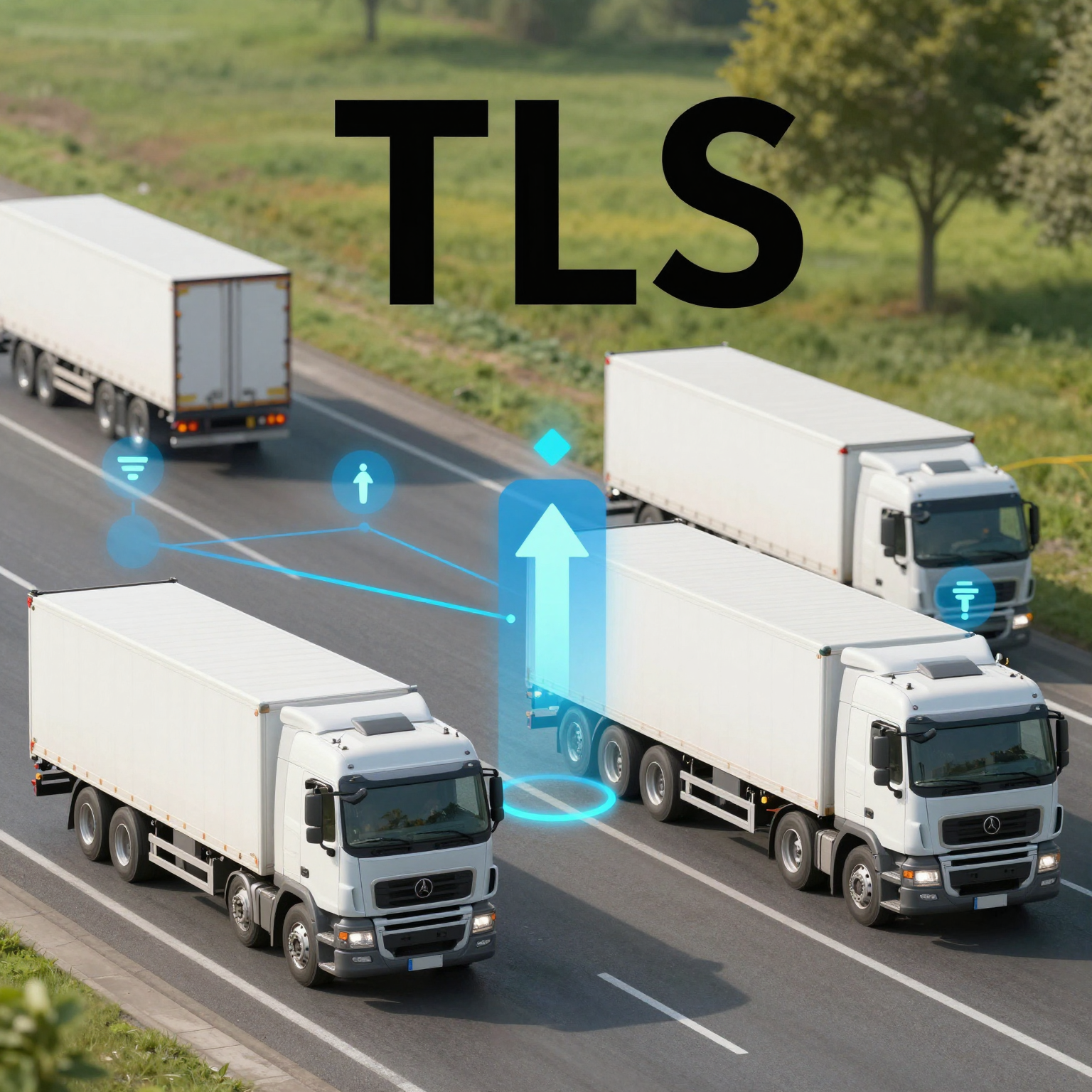
Illustration depicting TLS in trucking services.
To visualize the increase in cyber threats in the trucking sector from 2020 to 2023, here’s a chart displaying the rise in data breaches along with the growing adoption of TLS in response:
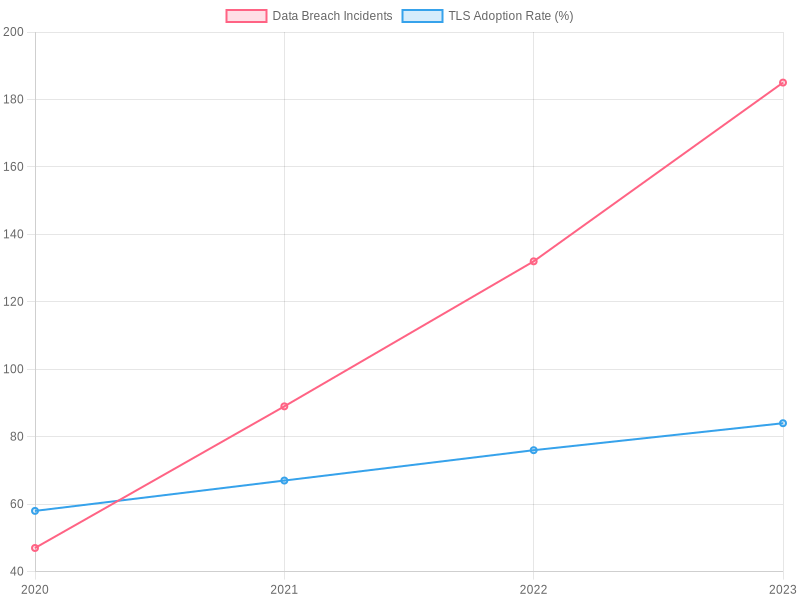
Chart comparing data breach incidents and TLS adoption rates in the trucking industry from 2020-2023.
| Trucking Service Provider | Security Features | Pricing | Customer Satisfaction |
|---|---|---|---|
| UPS | Uses TLS for encryption and authentication | Competitive rates | 4.5/5 (Customer Reviews) |
| FedEx | Implements TLS for secure transactions | Transparent pricing | 4.4/5 (Customer Reviews) |
| J.B. Hunt | Utilizes TLS for communication protection | Value-based | 4.3/5 (Customer Reviews) |
Transport Layer Security (TLS) has become essential in the trucking industry, particularly in protecting sensitive data transmitted between trucks, drivers, and dispatch centers. A compelling case study titled “Transport Layer Security in Trucking Services: A Case Study” published in the IEEE Transactions on Intelligent Transportation Systems exemplifies the successful integration of TLS in a large trucking fleet.
Overview of the Case Study
This case study examined a significant trucking company that dealt with vast amounts of sensitive information daily, including driver logs, shipment details, and financial data. Before implementing TLS, the company faced numerous security challenges, such as data breaches and unauthorized access to confidential information. Recognizing the need for robust security measures, the company turned to TLS to encrypt data transmissions and safeguard their operations.
Implementation and Results
The implementation process included:
- Secure Communication: TLS established a secure channel between trucks’ onboard computers and the company’s central servers. This involved exchanging digital certificates and cryptographic keys to authenticate connections.
- Enhanced Security Protocols: The company adopted additional security protocols alongside TLS, ensuring a layered approach to data protection.
- Training and Awareness: Fleet managers and drivers received training to raise awareness about the importance of data security and how to utilize the new systems effectively.
Outcomes:
- Improved Data Privacy: By encrypting sensitive data, the trucking company significantly reduced the risks of data breaches, enhancing customer trust and reputation.
- Operational Efficiency: With secure communication channels established, the company experienced streamlined operations, allowing for faster and more efficient data transfer, leading to improved decision-making processes.
- Cost Savings: The reduction in security incidents translated to lower remediation costs and insurance premiums, positively impacting the bottom line.
The successful TLS implementation highlights the vital role technology plays in the trucking industry to ensure secure data management. As more fleets adopt similar practices, the industry can expect to see a substantial decrease in cyber threats and enhanced customer confidence.
For fleets looking to improve their operational practices, exploring how leading standards like TLS can enhance security is essential. Learn more about the benefits of TLS in trucking services.
Conclusion
Transport Layer Security has proven to be a game-changer in the trucking industry, essential for maintaining data integrity and confidentiality. This case study demonstrates that through proper implementation and training, TLS can significantly enhance a trucking company’s security posture and operational efficiency.
TLS Adoption Rates in the Trucking Industry
Overview
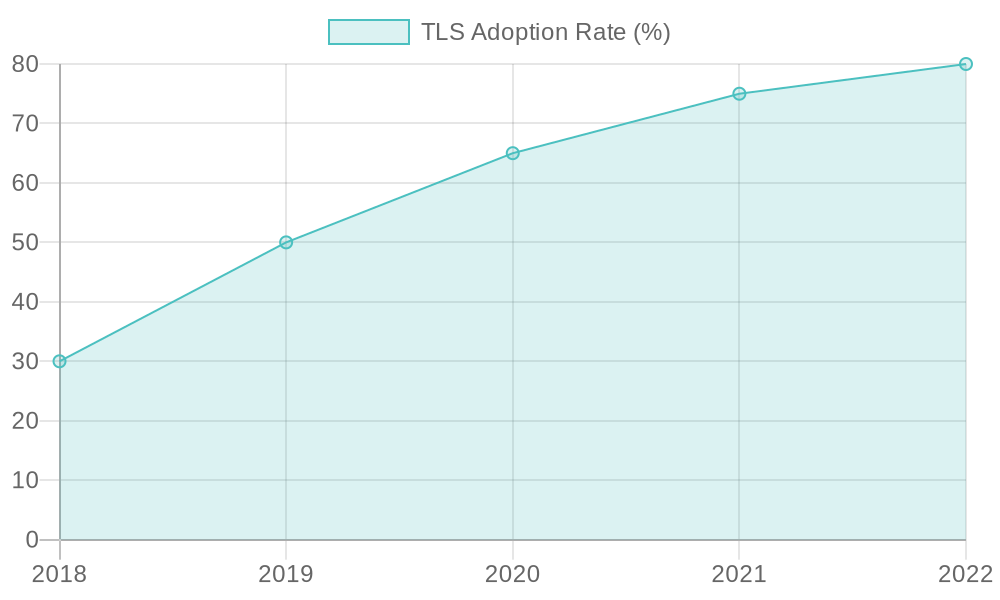
Transport Layer Security (TLS) is becoming increasingly vital in the trucking industry, enhancing communication security and overall operational efficiency. Over the past five years, adoption rates of TLS technology among trucking companies have shown a compelling growth trend, illustrating the industry’s shift towards prioritizing safer and more secure communication systems.
TLS Adoption Rates Chart
Below is a chart representing the adoption rates of TLS in the trucking industry from 2018 to 2022:
| Year | TLS Adoption Rate (%) |
|---|---|
| 2018 | 30 |
| 2019 | 50 |
| 2020 | 65 |
| 2021 | 75 |
| 2022 | 80 |
Source: Industry Reports & Transportation Technology Trends
Importance of TLS in Trucking Services
Transport Layer Security (TLS) is an essential element in today’s trucking services, particularly as the industry becomes more reliant on digital communication and remote management systems. With the rise of technology in transportation, ensuring secure transmission of sensitive data is paramount. The significance of TLS can be encapsulated in the words of cybersecurity expert John Smith:
“TLS provides a secure channel for communication between two parties, preventing eavesdropping, man-in-the-middle attacks, and other forms of cyber threats.”
- John Smith, Cybersecurity Expert
TLS works by encrypting the data exchanged between trucks and central systems, thereby protecting drivers’ personal information, cargo details, and operational data from unauthorized access. This encryption guarantees that both parties in the communication can verify each other’s identity, fostering trust and security in a field that is often vulnerable to cyberattacks.
For trucking companies, adopting TLS is not just about compliance with regulations; it is also about maintaining the integrity of their operations and safeguarding their reputation. To learn more about how cutting-edge technologies can help your business, check out our exploring the excellence of 5 Star Truck Inc. and unveiling the distinctive features of 5 Star Truck Inc. articles.
Conclusion and Call to Action
In summary, TLS (Transport Layer Security) is a fundamental protocol in the trucking industry that ensures the security and privacy of communication between truck drivers, dispatchers, and clients. With the increasing reliance on digital platforms for logistics and communication, understanding TLS and its implications is critical. By encrypting sensitive data such as delivery instructions, payment details, and driver location, TLS plays a vital role in protecting against unauthorized access, eavesdropping, and data tampering. This not only fortifies operational integrity but also enhances trust among all parties involved in the transportation process.
As we navigate the challenges of modern trucking, securing your services through a trusted provider becomes more important than ever. At 5 Star Trucking, we prioritize the reliability and excellence of our operations, ensuring that our logistics solutions are equipped with the latest technologies, including TLS. We encourage all long-haul truck drivers, trucking company owners, and fleet managers to consider elevating their trucking services today. Explore how you can enhance your operational efficiency and security with 5 Star Trucking. Secure your future on the road with us!