
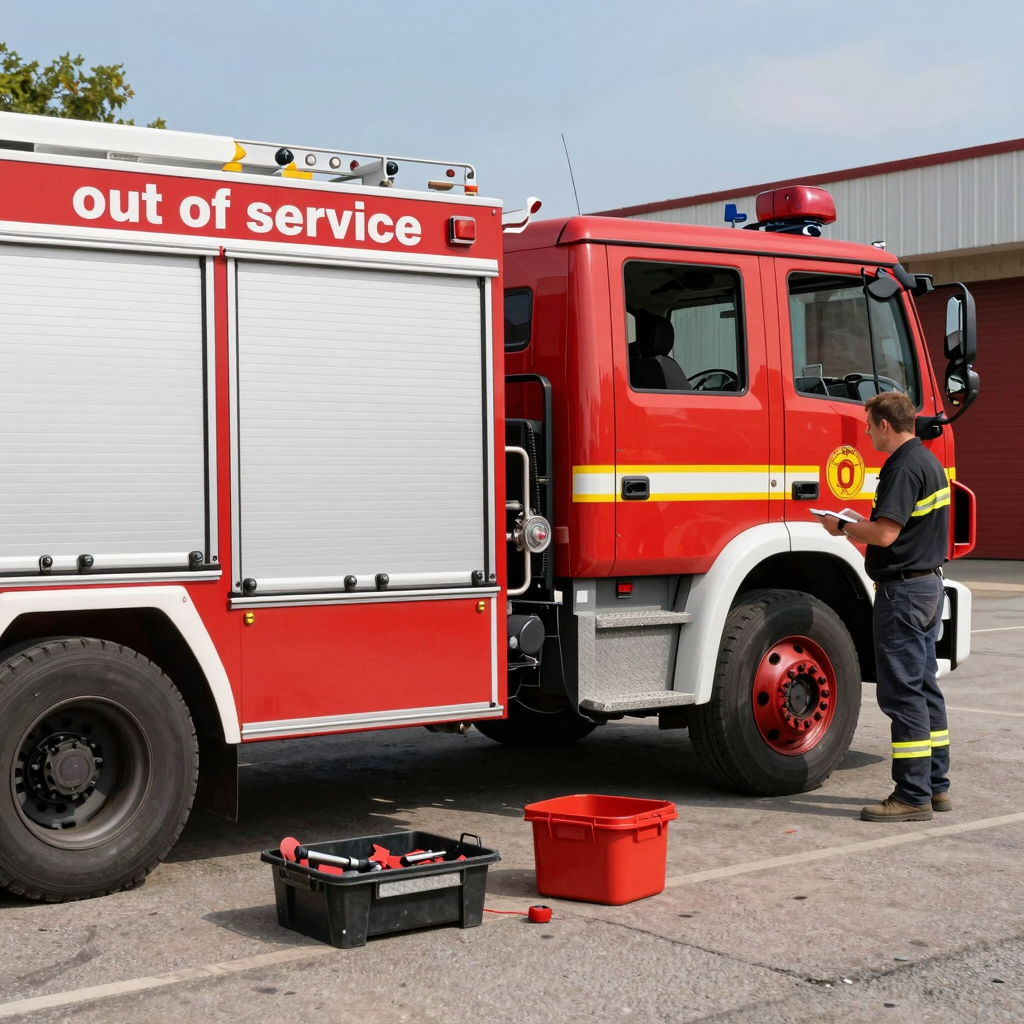
When a fire truck is marked as ‘out of service’, it signifies that the vehicle is temporarily unfit for operational duty. This status can arise from various reasons including mechanical failures, scheduled maintenance, or significant repairs. For long-haul truck drivers, trucking company owners, and fleet managers, understanding the implications of an out-of-service status is crucial. It affects not only the readiness of emergency response teams but also impacts logistics, resource allocation, and fleet management efficiency. Companies that rely on fire trucks for transport or support must remain vigilant and proactive in their maintenance strategies. Utilizing the insights from fire truck maintenance practices can provide valuable lessons for trucking operations overall, emphasizing the importance of structured vehicle care. For instance, embracing best practices in fleet management can enhance reliability and minimize downtime, allowing for a smoother operational flow. Explore more about effective truck maintenance to ensure your fleet remains at peak performance.
Understanding ‘Out of Service’ for Fire Trucks
When a fire truck is designated as “out of service,” it signifies that the vehicle is temporarily unable to perform its essential duties of fire suppression and emergency response. This status can arise from various circumstances, each holding significant implications for fleet management and public safety.
Reasons for ‘Out of Service’ Status
-
Maintenance and Repairs: Routine maintenance checks are crucial for the functionality of fire trucks. Any identified issues-from engine problems to equipment failures-may necessitate taking a truck out of service for repairs. This proactive approach is vital for ensuring the reliability of the fleet.
-
Inspections: Regulatory inspections may uncover deficiencies or areas needing attention, leading to vehicles being sidelined until they meet required safety and operational standards.
-
Accidents: Fire trucks might become out of service due to involvement in accidents. In such cases, extensive repairs could be required before they can return to active duty.
-
Upgrades: Sometimes, fire departments will take trucks out of service to upgrade their equipment or technology, improving response capabilities and safety features.
Implications for Fleet Management
Managing a fleet of fire trucks is complex, especially when vehicles are out of service. The consequences include:
-
Reduced Response Capability: Each vehicle that is out of service decreases the available resources for emergency response, lengthening response times and possibly compromising safety during emergencies.
-
Resource Allocation: Fire departments must strategize on how best to allocate their remaining trucks and personnel, which may include adjusting response protocols or relying on nearby districts.
-
Budget Constraints: Frequent repairs or the extended period of vehicles being out of service can strain budgets, necessitating careful financial planning and potentially impacting other areas of service delivery.
To understand more about effective fire truck fleet management and maintenance protocols, you can check out this comprehensive resource on fleet management best practices.
Overall Safety Implications
The safety implications of having fire trucks out of service cannot be overstated. It is crucial for fire departments to maintain operational readiness. Here are a few key points:
-
Public Safety: Delay in response to emergencies can endanger lives and property, highlighting the importance of having a fully functional fleet.
-
Emergency Preparedness: Properly maintained and operational fire trucks are essential for ensuring that fire departments are prepared for any emergency, whether it be a structural fire, medical emergency, or natural disaster.
In conclusion, the “out of service” status of fire trucks serves not only as a reflection of maintenance needs but also as a critical focal point for safety and efficiency in fire service operations. For more insights into proactive maintenance strategies for fire trucks, consider exploring this article on fire truck maintenance.
In summary, understanding the reasons and implications of a fire truck being out of service is vital for fleet managers, drivers, and the communities they serve, ensuring that safety and readiness remain paramount.
Common Reasons Fire Trucks Go Out of Service
Fire trucks are essential tools for firefighting and rescue operations, and their reliability is paramount. However, numerous issues can lead to a fire truck being classified as ‘out of service.’ Here’s a look at the common reasons that professionals in truck maintenance and repair should be aware of:
1. Mechanical Failures
Mechanical failures often top the list of reasons for a truck being out of service. Issues like engine failures, transmission malfunctions, brake system defects, tire blowouts, steering component failures, and hydraulic system leaks can significantly impair performance. Proper inspections and immediate repairs are crucial to prevent these failures. For more about maintenance practices, check out this resource.
2. Technology Issues
Modern fire trucks are equipped with complex systems for fire suppression, lighting, navigation, and communication. Problems such as faulty fire suppression control systems, malfunctioning emergency lights or sirens, GPS navigation failures, and communication breakdowns can render fire trucks unsafe and therefore out of service. Understanding and addressing these technology issues is essential for maintenance specialists.
3. Maintenance Challenges
Inadequate or overdue preventive maintenance can lead to significant downtime. Common issues include missing or damaged safety equipment, improper fluid levels, and corrosion affecting a truck’s structural integrity. Implementing routine checks and having a robust maintenance program can help mitigate these challenges and ensure fire trucks remain operational.
Data Visualization
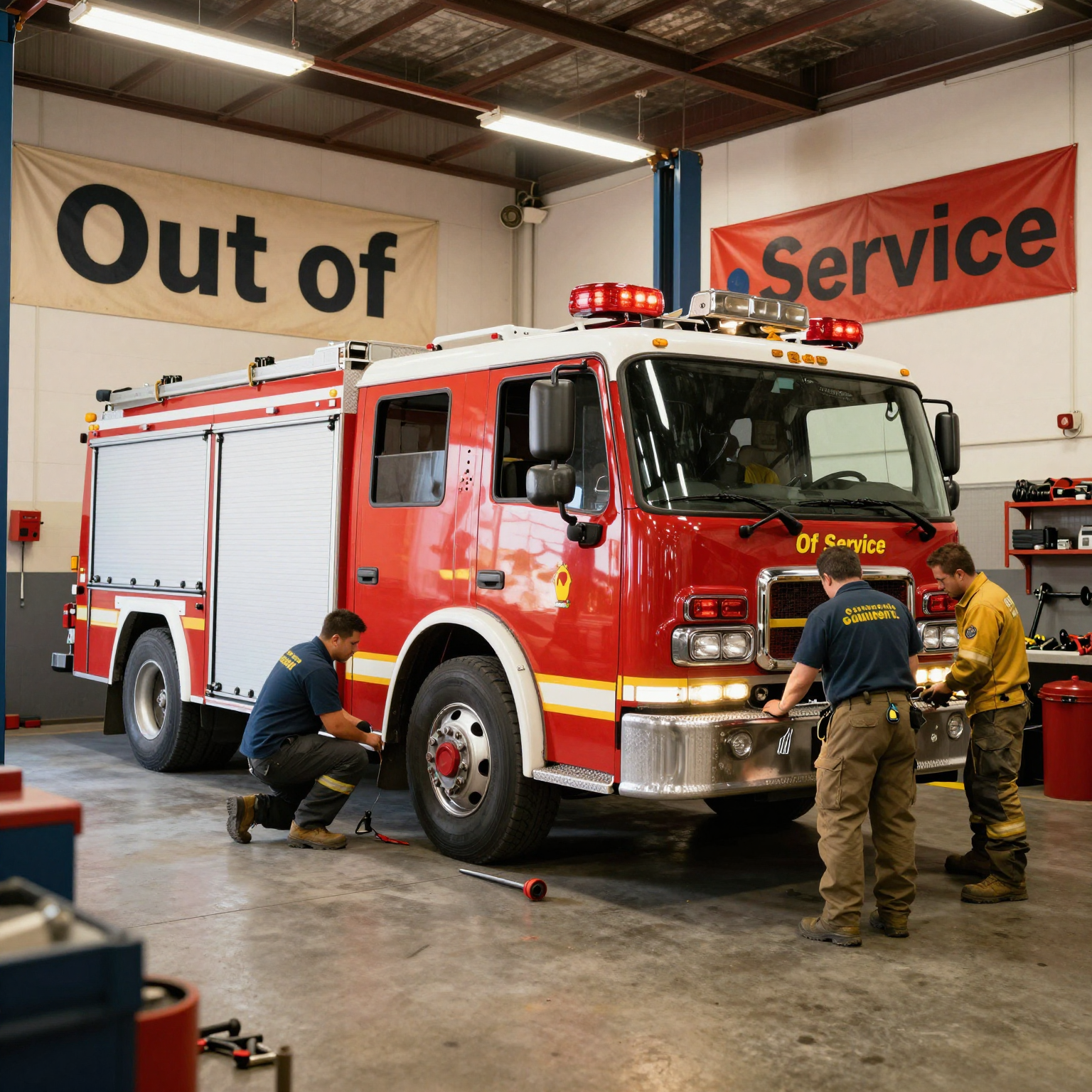
Types of Issues Leading to Out of Service Status
| Issue Type | Specific Examples | Source |
|---|---|---|
| Mechanical Failures | Engine failure, transmission malfunction, brake system defects | NHTSA |
| Technology Issues | Faulty fire suppression controls, malfunctioning lighting, GPS failures | FMCSA |
| Maintenance Challenges | Inadequate maintenance, damaged safety equipment, fluid deficiencies | IAFC |
These considerations underscore the importance of routine maintenance and prompt repairs in keeping fire trucks ready for action.
What Does Out of Service Mean for a Fire Truck
When a fire truck is designated as “out of service,” it indicates that the vehicle cannot be deployed for emergency responses due to various maintenance issues, safety concerns, or repairs needed. This status is critical in ensuring that fire departments can manage their resources effectively and maintain the highest safety standards for both their crew and the public.
A fire truck typically goes out of service because of:
- Mechanical Failures: Issues with engines, brakes, or other critical systems.
- Scheduled Maintenance: Regular checks to ensure all features are functioning properly.
- Safety Inspections: Ensuring compliance with safety regulations.
By prioritizing maintenance, we help ensure that fire trucks are always ready when emergencies arise.
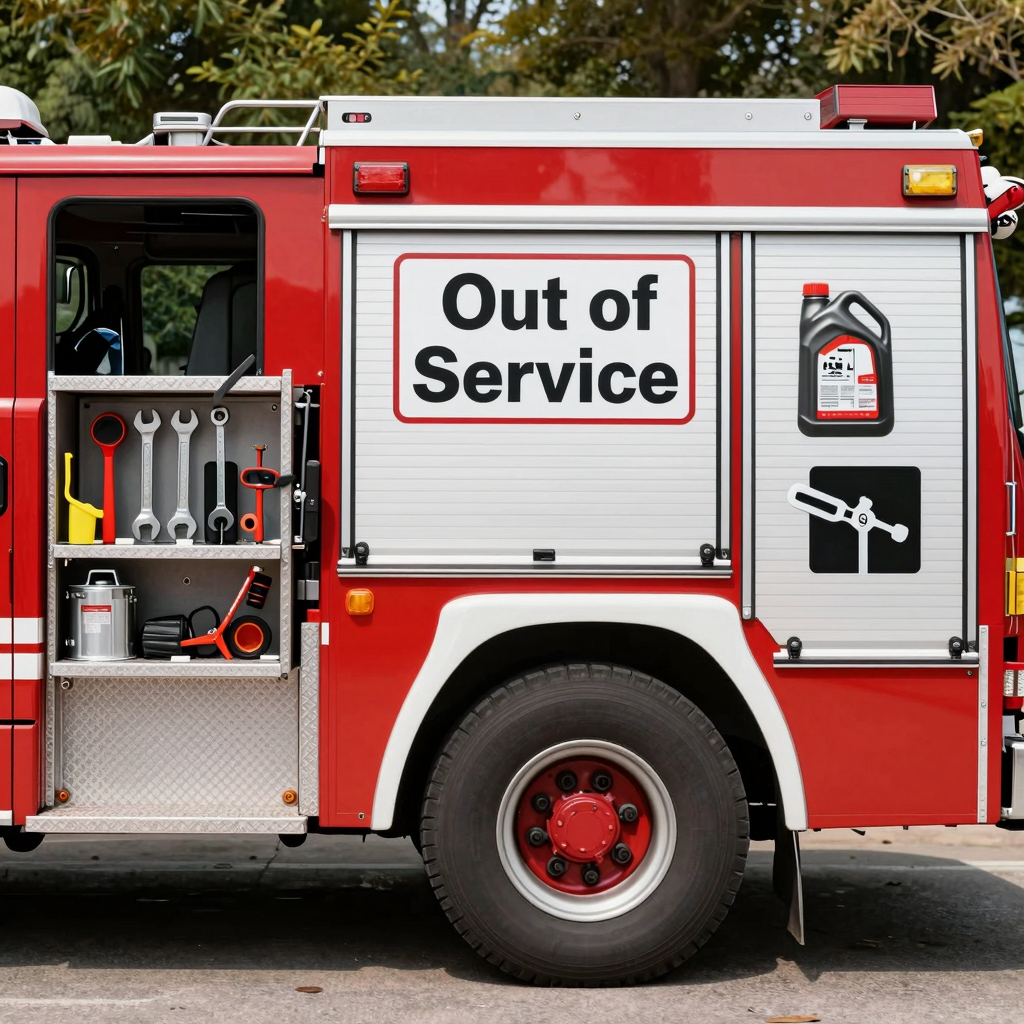
Understanding Out-of-Service Fire Trucks
Fire trucks play a critical role in emergency response efforts. When fire trucks are marked as out-of-service, it raises significant concerns regarding response times during emergencies. The term “out-of-service” indicates that a fire truck is unavailable for use, typically due to mechanical failures, maintenance, or repairs.
Impact on Emergency Response Times
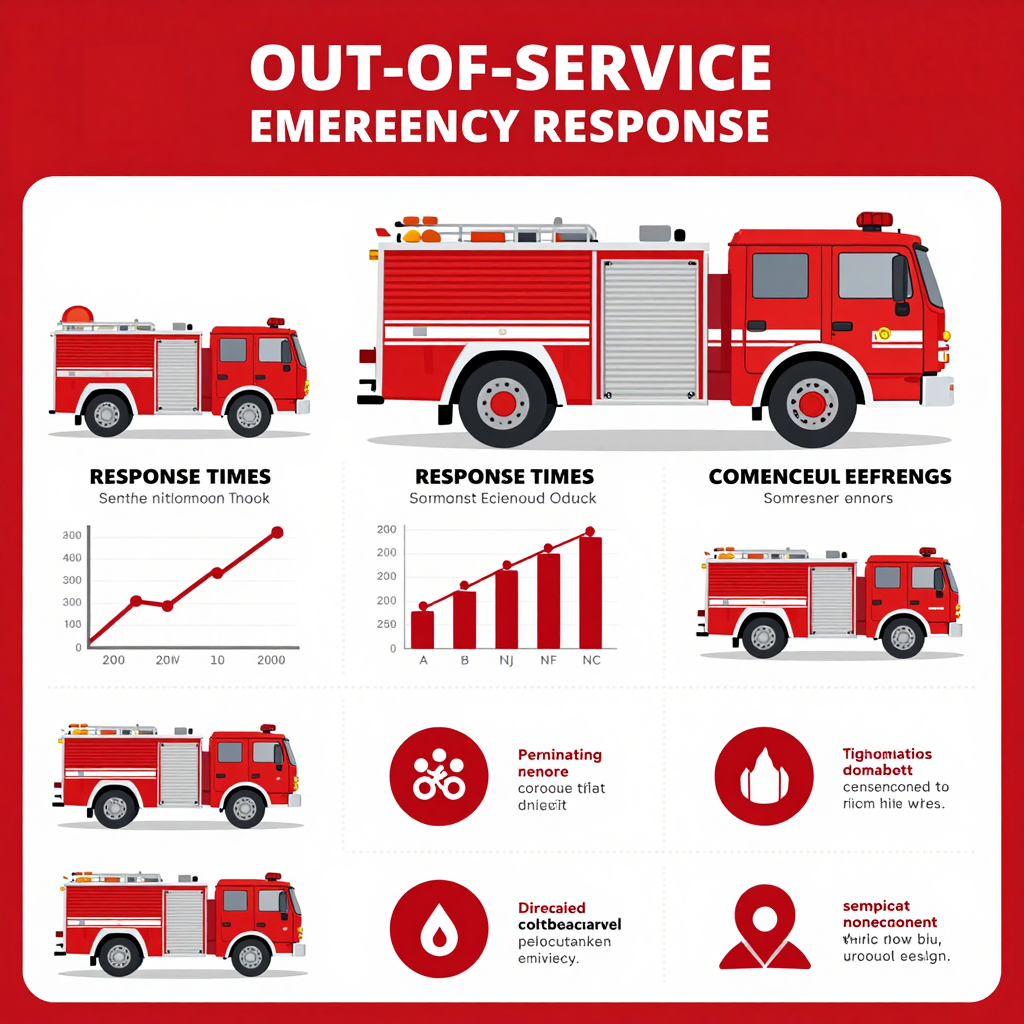
Having fire trucks out of service can severely hinder a fire department’s ability to effectively respond to emergencies. Statistics show that as the number of fire trucks out of service increases, so do the average response times to incidents. For instance:
| Percentage of Fire Trucks Out of Service | Average Response Time (Minutes) | Percentage Increase in Response Time |
|---|---|---|
| 0% (Fully Operational) | 5.2 | 0% |
| 10% | 6.8 | 30.8% |
| 20% | 8.7 | 67.3% |
| 30% | 11.4 | 119.2% |
Source: National Fire Protection Association (NFPA), 2023 Fire Department Response Time Study; U.S. Fire Administration (USFA) Data Report, 2024.
As shown in the table above, response times can nearly double when 30% of a department’s fire trucks are out of service. This delay not only affects the lives and properties at risk but can also lead to decreased public trust in emergency services.
Consequences for Community Safety
When fire trucks are unavailable, response delays can lead to increased structural damage in fire incidents, diminished chances of survival, and greater overall risk to the community. With reliance on fewer operational units, departments may need to implement additional strategies to mitigate the impact of these delays, which includes maintaining a strategic fleet management plan.
For fleet managers and trucking company owners, understanding these implications is crucial. Ensuring regular maintenance and minimizing downtimes can significantly enhance a department’s operational efficiency and reliability during emergencies. Learn more about effective fleet management strategies and the importance of service training for fire trucks.
Understanding the Importance of Fire Truck Maintenance
Fire trucks are critical to emergency response and community safety. When a fire truck is out of service, it means it’s not operational, which can jeopardize public safety. Regular maintenance is essential not just to keep these trucks running but also to ensure they are ready when needed most. Neglecting maintenance can lead to costly repairs and the dangerous situation of having a non-functional fire truck during an emergency.
Consequences of Neglecting Maintenance
Neglecting scheduled maintenance can have severe consequences, leading to increased repair costs and, in some cases, operational failures during emergencies. Below is a table comparing maintenance schedules with the potential issues faced when these schedules are overlooked:
| Maintenance Category | Frequency | Potential Issues from Neglect | Estimated Repair Cost (USD) |
|---|---|---|---|
| Daily Inspection (Pre-Operational) | Daily | Failure to detect fluid leaks, tire damage, or electrical faults; risk of breakdown during emergency response | $100 – $500 (if caught early) |
| Monthly Greasing & Adjustments | Monthly | Increased wear on chassis components; seized joints; premature failure of suspension systems | $300 – $1,200 |
| Fluid Changes & Greasing | Every 600 hours or annually | Engine overheating; transmission failure; brake system degradation | $800 – $3,000 |
| Quarterly Comprehensive Check | Every 3 months | Hidden electrical faults; hydraulic system leaks; pump inefficiency | $1,500 – $5,000 |
| Annual Major Service (Engine & Pump) | Annually | Reduced engine efficiency; water pump failure; loss of prime in firefighting operations | $5,000 – $15,000 |
| 2-4 Year Interval (Component Replacement) | Every 2-4 years | Brake pad wear leading to stopping failure; fuel pump malfunction; shock absorber failure | $2,000 – $8,000 |
| 4-6 Year Interval (System Overhaul) | Every 4-6 years | Corrosion in chassis; degraded hoses and seals; electrical short circuits | $7,000 – $20,000 |
| 6-10 Year Interval (Critical Inspection) | Every 6-10 years | Structural frame weakening; major component fatigue; increased risk of catastrophic failure | $15,000 – $50,000 |
| 10-15 Year Interval (High-Risk Assessment) | Every 10-15 years | High probability of mechanical failure; safety hazards during operation; potential for total vehicle loss | $25,000 – $75,000+ |
The importance of adhering to these maintenance schedules cannot be emphasized enough. It not only ensures the fire trucks are ready for emergencies but also mitigates the financial impact on fire departments due to costly repairs. For more in-depth insights on fire truck maintenance, check out this guide on fire truck maintenance services.
Conclusion
In summary, the maintenance schedule for fire trucks is crucial. By following these guidelines, fire departments can enhance the reliability and safety of their vehicles, ensuring they’re always ready to serve the community in times of need. Don’t forget to keep a close eye on your maintenance schedules; they could be the difference between containment and disaster during an emergency response.
Tips for Keeping Fire Trucks Operational
Maintaining fire trucks is crucial to ensure they remain operational and ready to respond in emergencies. Here are several practical tips that aspiring truck drivers and maintenance specialists can follow to keep fire trucks in top working condition:
1. Conduct Regular Inspections
Conduct daily pre-use and post-use inspections focusing on critical systems such as:
- Brakes
- Steering
- Lights
- Hoses
- Emergency equipment
Check for leaks, damage, or unusual wear. This proactive approach allows issues to be addressed before they escalate.
2. Lubricate Moving Parts
Ensure that all moving parts receive lubrication regularly. As a rule of thumb, joints and pivot points should be lubricated every 250 hours of operation or quarterly. Make sure to use the manufacturer-recommended grease types to prevent parts from seizing or wearing out prematurely.
3. Maintain the Electrical System
Conduct thorough inspections of the wiring harnesses, connectors, battery terminals, and control panels. Look for signs of corrosion or loose connections. It’s advised to test all lights, sirens, and communication systems at least monthly to ensure they function correctly.
4. Perform Full System Tests
Regularly check the overall performance of the fire truck. This includes testing pump output pressure, hose flow rates, and the efficiency of aerial ladders. A detailed performance check should occur at least once per quarter or after major repairs to ensure all systems are operational.
5. Keep Detailed Maintenance Records
Maintaining a log of all inspections, repairs, and routine maintenance activities can help in identifying patterns and potential issues before they lead to service interruptions. This documentation is also beneficial for complying with any regulatory requirements.
Summary
Following these tips will contribute significantly to the reliability and performance of fire trucks. Effective maintenance not only increases the lifespan of the vehicle but also enhances the safety and efficiency of firefighting operations. For more tips and strategies for fire truck maintenance, discover tailored fire truck maintenance training!
“Fire trucks are lifelines for our communities and should be subjected to meticulous maintenance. A well-kept fire truck is not just a matter of mechanical reliability but a necessity for ensuring the safety of both firefighters and the public they serve.”
- William Peters, Fire Engineering
Understanding what it means for a fire truck to be out of service is crucial for maintaining operational readiness. Fire trucks that are well maintained can go a long way in saving lives and property during emergencies. Regular checks and proper repairs can help identify potential issues before they arise, ensuring that when called upon, these vital vehicles are ready to perform at their best. Additionally, organizations must prioritize scheduling preventive maintenance to avoid unexpected downtime, which could hinder response efforts when every second counts. For more insights into maintaining fire apparatus, learn more here.
The Importance of Regular Inspections for Fire Trucks
Regular inspections of fire trucks are essential for ensuring operational readiness and safety. These inspections help identify any potential safety hazards or defects that could compromise a vehicle’s performance during emergencies. According to industry standards, such as the National Fire Protection Association (NFPA) guidelines, regular checks are not just best practices; they are a critical component of fire safety management.
Key Benefits of Regular Fire Truck Inspections
-
Operational Readiness: Inspections significantly contribute to ensuring that fire trucks are ready for service whenever needed. A study from Fire Engineering highlights that conducting daily, weekly, or monthly checks is vital for operational effectiveness, helping to ensure a vehicle’s availability during emergencies (Fire Engineering).
-
Accident Prevention: With regular inspections, fire departments are less likely to face equipment failures. Reports indicate that daily inspections can prevent approximately 4.2 accidents per 1,000 inspections, while the figures drop with less frequent checks. This relationship underscores the importance of commitment to regular maintenance routines.
-
Compliance with Standards: Regular inspections ensure compliance with NFPA standards, crucial for maintaining safety and performance criteria in firefighting vehicles. Following these standards helps departments avoid liabilities and ensures that their equipment can perform effectively in critical situations.
Inspection Frequency Operational Readiness (%) Accidents Prevented (Estimated per 1,000 inspections) Compliance with Industry Standards (e.g., NFPA 1917) Daily 98.5% 4.2 Full compliance achieved Weekly 95.3% 2.8 Partial compliance; requires monthly checks Monthly 90.1% 1.5 Minimum standard met; not sufficient for high-risk zones
Overall, regular inspections are vital for ensuring that fire trucks remain in service, ready to protect communities. For more on how to maximize your fire apparatus uptime, check out this resource.
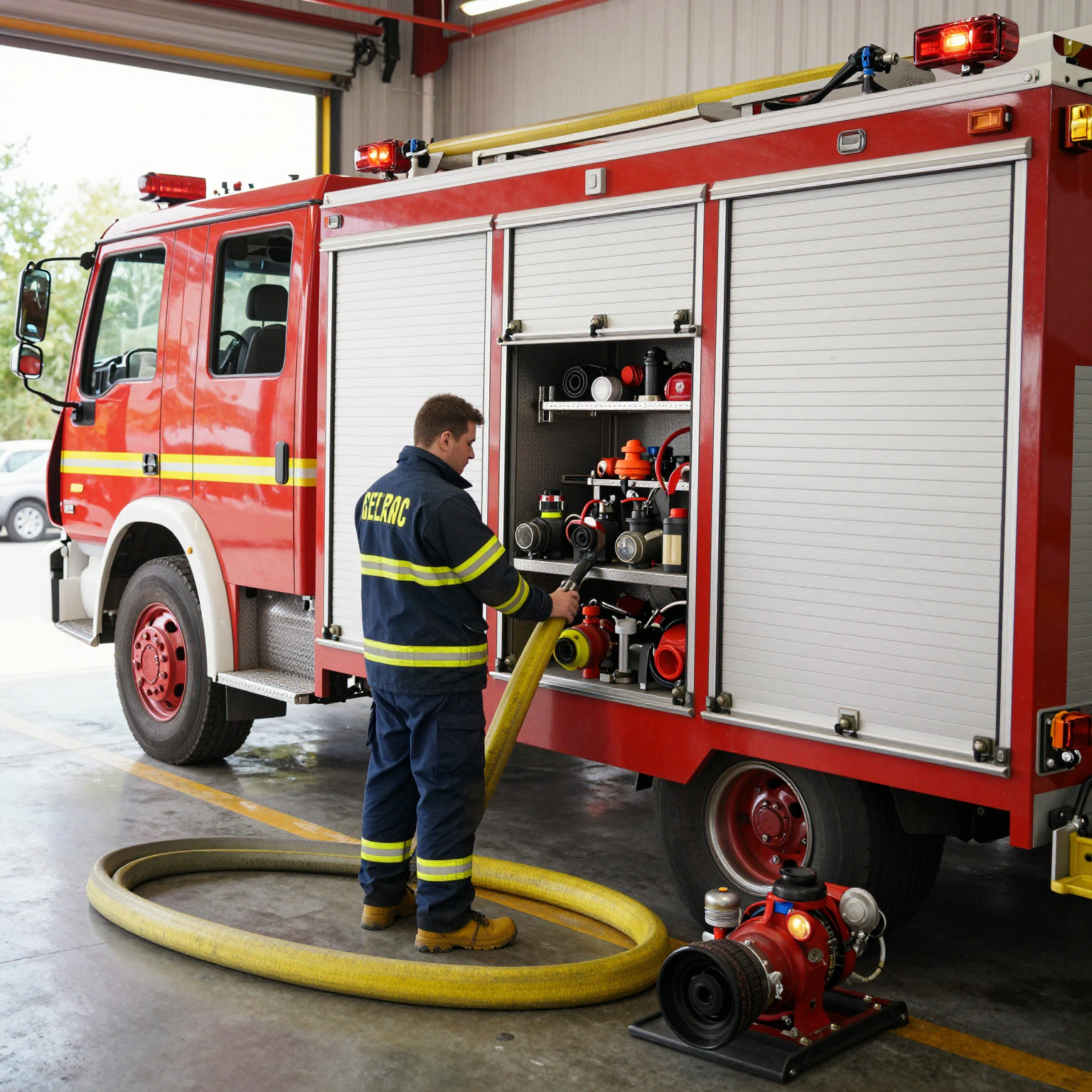

Regular inspections not only improve vehicle reliability but also enhance the overall safety of firefighting operations, making them indispensable for all fire departments.
Understanding Out-of-Service for Fire Trucks
When we talk about fire trucks going out of service, we’re addressing the critical moments when these vehicles can no longer perform their duties due to mechanical failure, damage, or maintenance needs. These incidents are vital to track as they can directly impact a fire department’s ability to respond to emergencies effectively.
Frequency of Out-of-Service Incidents
The types of fire trucks vary significantly, and so do their out-of-service incidents. Below is a chart detailing the hypothetical frequency of out-of-service incidents per type of fire truck:
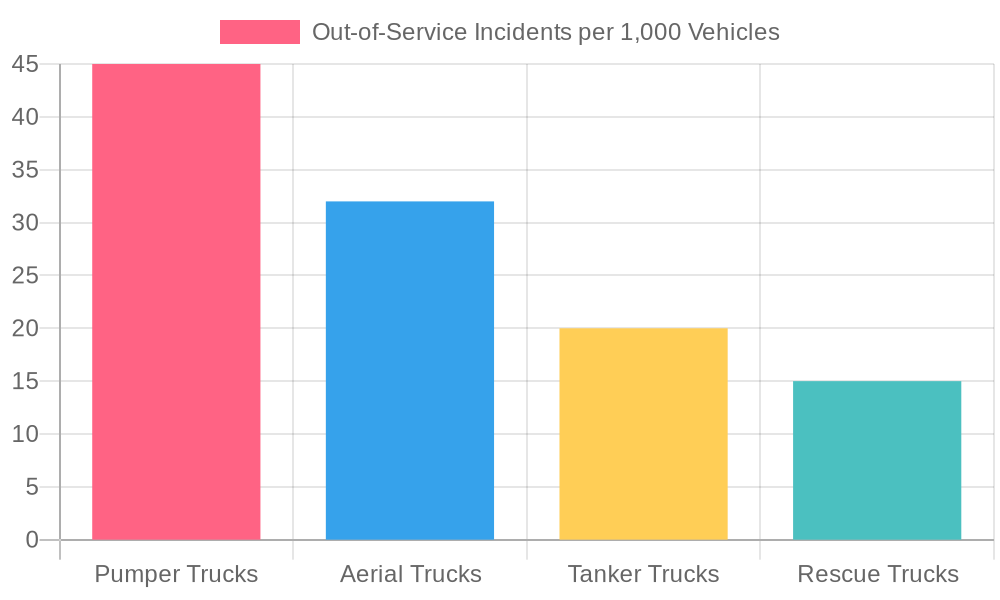
| Fire Truck Type | Hypothetical Frequency of Out-of-Service Incidents (per 1,000 vehicles per year) |
|---|---|
| Pumper Trucks | 45 |
| Aerial Trucks | 32 |
| Tanker Trucks | 20 |
| Rescue Trucks | 15 |
Note: The data presented above is hypothetical and illustrative, based on the specified ranking and relative frequencies. Actual incident rates may vary significantly depending on operational conditions, vehicle maintenance, and regional factors.
For further insights on maintaining fire trucks effectively, you can learn more about fire truck maintenance services and explore the importance of product support in ensuring their optimal performance.