

Introduction
Can you drive a truck without service air brakes? This question is not just a technical inquiry; it’s a matter of life and death on the road. Safety in trucking cannot be overstated, as the consequences of brake failure are catastrophic. Understanding how air brake systems operate is essential for long-haul drivers and fleet managers alike. Proper knowledge and maintenance of these critical systems can prevent accidents, ensure compliance with regulations, and maximize the performance of your fleet. If you are responsible for the care of heavy-duty vehicles or if you are an aspiring truck driver, it’s important to grasp the nuances of braking systems to safeguard yourself and the public. Learn more about the importance of truck maintenance to enhance safety and efficiency in your operations.
Understanding Service Air Brakes in Trucks
Service air brakes are a vital component of heavy trucks, ensuring safe and effective stopping. These systems operate using compressed air rather than hydraulic fluid, making them particularly suited for large vehicles that require substantial stopping power. Let’s dive into how they work, their components, and their significance for safety on the road.
How Service Air Brakes Operate
Service air brakes utilize a series of components that work together to slow down or stop a vehicle. At the heart of the system is the air compressor, which pressurizes air and sends it to the air reservoirs. When the driver presses the brake pedal, this air is released into brake chambers located at each wheel. The expansion of this air pushes a piston that applies pressure to the brake components, causing the vehicle to slow down or stop.
To visualize it-a service air brake system operates like a bicycle pump. When you push the pump, air is forced into the tire; similarly, when you press the brake pedal, air is forced into the brake chambers.
Key Components
- Air Compressor: Generates and maintains air pressure.
- Air Reservoirs: Store compressed air for use when braking.
- Brake Chambers: Convert air pressure into mechanical force to apply the brakes.
- Brake Slinterns and Shoes: Actual components that create friction against the brake drum or rotor, stopping the truck.
Each component plays a critical role. For instance, if the air compressor fails, the system can lose pressure, compromising braking performance, much like a leaky tire doesn’t hold air, affecting its performance.
Significance in Heavy Vehicle Safety
The importance of service air brakes in heavy vehicles cannot be overstated. According to a study, around 15% of truck accidents are attributed to brake failure. Service air brakes are designed for reliability and effectiveness, essential for preventing dangerous situations such as runaway trucks. When functioning properly, they provide the robust stopping power needed to ensure safety on the road, particularly when descending steep grades or maneuvering in challenging conditions.
Imagine driving a truck weighing tens of thousands of pounds without reliable brakes; it’s akin to trying to stop a freight train with a mere push.
Conclusion
In conclusion, service air brakes are an indispensable component of truck safety. Regular maintenance is crucial-not just for safety, but also to comply with regulations. Always stay informed about your vehicle’s air brake system to ensure a safe driving experience. For more insights into maintaining your fleet, exploring the excellence of 5-Star Truck Inc can provide valuable information.
Legal Regulations Surrounding Air Brakes in Commercial Trucking
When it comes to the trucking industry, air brake systems play a crucial role in ensuring safety on the roads. Legal regulations surrounding air brakes are primarily outlined by various federal and state laws in the United States. The Federal Motor Carrier Safety Administration (FMCSA) sets forth these requirements to promote safe operation within the commercial trucking sector. Below is an overview of key regulations, compliance requirements, and the consequences of non-compliance.
Key Regulations
- 49 CFR Part 393 Subpart C: This federal regulation specifies the requirements for brakes on commercial vehicles, including standards for air brakes regarding performance and installation. Learn more about these regulations here.
- 49 CFR § 571.121: This standard provides the performance criteria and equipment requirements for air brake systems. It is essential for any trucking company to ensure their vehicles meet or exceed these specifications. Access the standards further here.
- Annual Inspections: Commercial vehicles equipped with air brakes must undergo regular inspections to ensure compliance with safety standards, checking for proper functionality, wear, and maintenance status.
Consequences of Non-Compliance
Failure to comply with air brake regulations can lead to severe consequences, including:
- Fines: Trucking companies can face substantial fines for violations of federal regulations.
- Liability: In the event of an accident, non-compliance with air brake laws can result in liability claims against the driver or the company, significantly affecting insurance rates.
- Out of Service Orders: Vehicles not meeting safety standards can be placed out of service until the necessary corrections are made, leading to lost revenue and delays.
In summary, adhering to air brake regulations is not just a legal necessity-it is essential for safety on the roads. It is crucial for fleet managers, truck drivers, and trucking company owners to stay informed and compliant to avoid costly repercussions and to ensure their operations run smoothly.

Driving a truck without properly functioning service air brakes poses severe risks that can affect personal safety, financial stability, and legal compliance. Here’s a comprehensive overview of these dangers:
Safety Implications
- Increased Accident Risk: Research indicates that nearly 30% of truck crashes are linked to air brake failures (Mojy Law). Malfunctioning brakes can lead to severe accidents, including rear-end collisions and jackknife situations.
- Inability to Stop: Trucks rely on air brakes to decelerate efficiently. A lack of sufficient air pressure means brakes may fail to engage, leaving drivers unable to respond promptly to sudden stops, which poses a hazard not only to themselves but also to other road users (SAS Law Group).
- Runaway Vehicles: Inadequate brake functionality can lead to runaway trucks, especially on downhill grades. This scenario places all road users at risk and can result in catastrophic accidents (Ried Pecina Trial Lawyers).
- Potential for Fires: Overheating from overuse of air brakes can also lead to engine fires, exacerbating the dangers involved in operating a truck without functioning air brakes.
Financial Repercussions
- Cost of Accidents: Accidents resulting from brake failures can lead to significant liability costs, including vehicle repair, medical expenses, and potential settlements reached with victims or their families. The absence of adequate brakes may increase insurance premiums and financially burden the trucking company.
- Downtime and Wreckage Costs: If a truck is involved in an accident due to brake failure, there will be downtime associated with repairs and legal issues, resulting in lost revenue for trucking businesses (Hellrig Clark Law Firm).
Legal Challenges
- Negligence Claims: Driving a truck with known brake issues can lead to negligence claims from accident victims. Companies and drivers may face serious legal consequences, including lawsuits and fines.
- Compliance Violations: The law requires trucks to be fitted with functional air brakes. Operating a vehicle that does not comply with safety regulations can lead to penalties and sanctions from regulatory bodies (The Terry Law Firm).
- Misinformation Liability: Providing misleading information about the truck’s safety features may result in additional legal penalties.
In conclusion, it is crucial for truck drivers, company owners, and fleet managers to recognize and address the importance of air brakes in ensuring safe operations. Regular maintenance and timely repairs are necessary to mitigate the risks associated with bypassing essential safety systems. For a trusted trucking solution, consider 5 Star Truck Inc to ensure safety and reliability on the road.
The risks associated with malfunctioning air brakes are significant and far-reaching, impacting safety, finances, and legal compliance. Prioritizing air brake functionality is not just about following regulations; it is about safeguarding lives and maintaining the integrity of the trucking industry.
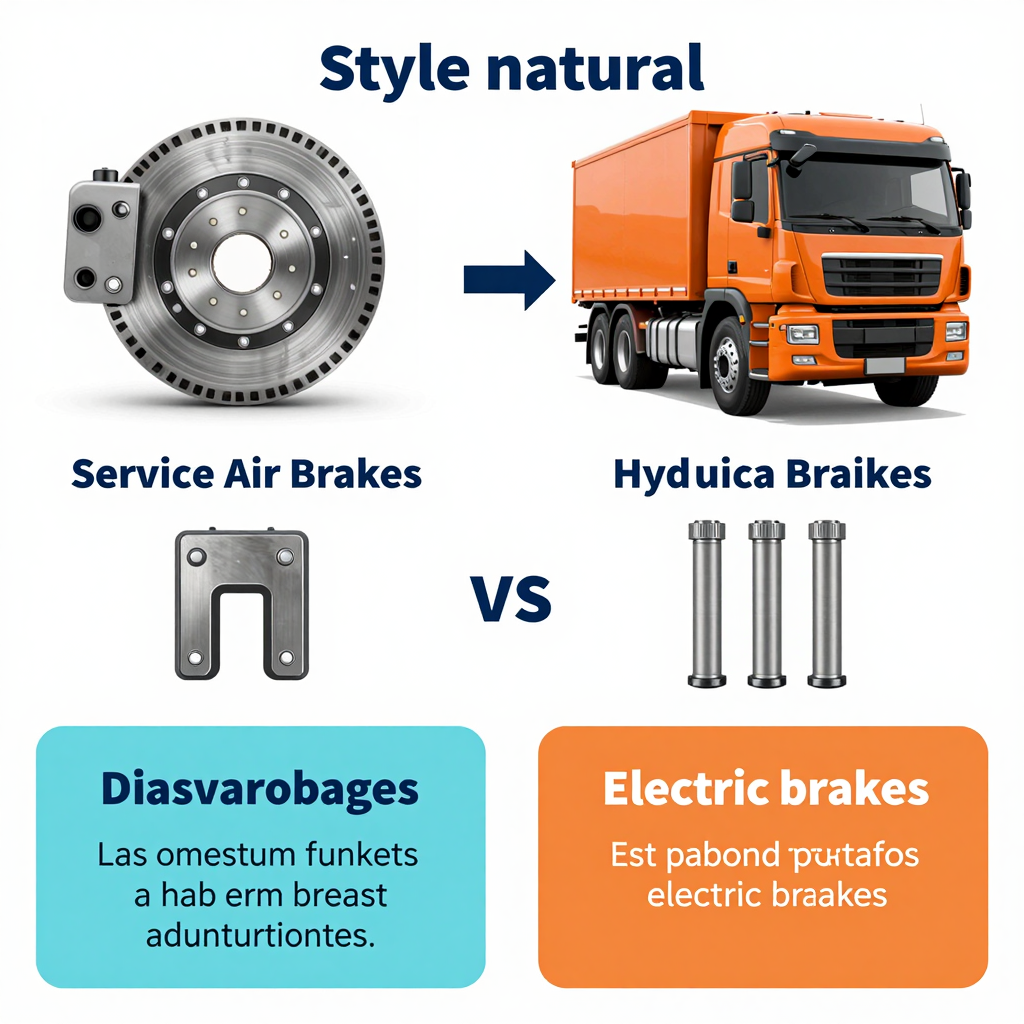
Comparison of Truck Brake Systems
Understanding the different brake systems available for trucks is essential for ensuring safety and efficiency in your fleet. Below is a comparison of the primary brake systems used in trucks, detailing their descriptions, advantages, disadvantages, and suitable truck types.
| Brake System | Description | Advantages | Disadvantages | Suitable Truck Types |
|---|---|---|---|---|
| Service Air Brakes | Use compressed air to operate brakes; commonly found in larger trucks. | Excellent stopping power; reliable under heavy loads; less prone to fading. | Requires constant air supply; more complex maintenance. | Heavy-duty trucks (over 26,000 lbs) recommended for long-haul. |
| Hydraulic Brakes | Use fluid pressure to engage brake systems; suitable for light to medium-duty trucks. | Simpler operation; good performance in moderate conditions; lighter vehicles. | Prone to fluid leaks; less effective under extreme loads. | Light to medium-duty trucks, urban delivery. |
| Vacuum Brakes | Utilize engine vacuum to assist in operating the brakes. | Lightweight mechanism; cost-effective for lighter trucks. | Less effective under heavy loads; reliance on engine power can be an issue. | Light trucks, vans, and smaller vehicles. |
| Electric Brakes | Use electrical signals to engage brakes; commonly found in trailer systems. | Allows for smooth braking; good control over speed and deceleration. | Can be more costly; requires electrical system maintenance. | Trailers, electric vehicles, and hybrid trucks. |
In summary, the choice between these brake systems depends on various factors, including the vehicle’s weight, typical load, and the environment in which the truck operates. For heavy-duty operations, service air brakes are recommended, while hydraulic brakes are more suited for lighter trucks and urban settings.
For those who want to dive deeper into the world of truck services, you can learn more about the services offered by 5 Star Truck Inc..
Maintenance Tips for Air Brake Systems
Ensuring your air brake system is functioning efficiently is crucial for the safety of long-haul trucking operations. Here are some practical maintenance tips:
-
Daily Pre-Trip Inspections: Conduct thorough daily inspections of your air brake system. This should include checking the air pressure, brake functionality, and component integrity. Look for any visible leaks in the air lines or brake chambers.
-
Drain Moisture Regularly: Moisture accumulation can lead to corrosion and brake failures. Manually drain the wet tanks daily to remove any water, and consider using an alcohol evaporator to minimize moisture issues. Learn more about the importance of moisture control in air brakes.
-
Perform Scheduled Inspections: Quarterly inspections are key. Ensure that you check major components like compressors, brake shoes, and chambers. Regular checks will help maintain braking efficiency and reduce the risk of accidents. Explore the essentials of brake system inspections.
-
Use Quality Parts: Invest in high-quality components and consider the use of polyurethane seals which offer better durability. This can significantly increase the longevity of your system.
-
Be Prepared for Seasonal Changes: Adjust your maintenance routine during winter months to ensure that conditions like water ingress from snow and ice do not compromise brake efficiency.
Regular maintenance not only enhances vehicle safety but also prevents costly repairs, making it essential for fleet managers and truck drivers alike.
Understanding Air Brake Components
Air brakes are crucial for the operation of heavy-duty trucks, providing effective stopping power under load. The components of an air brake system work together to ensure safety and efficiency. Key components include:
- Air Compressor: Compresses air to power the brakes.
- Air Tanks: Store compressed air until needed.
- Brake Chambers: Convert air pressure into mechanical force.
- Slack Adjusters: Automatically adjust the brakes to maintain proper function.
- Brake Pads: Create friction to stop the wheels.
To visualize these components and better understand how the air brake system works, refer to the illustration below:
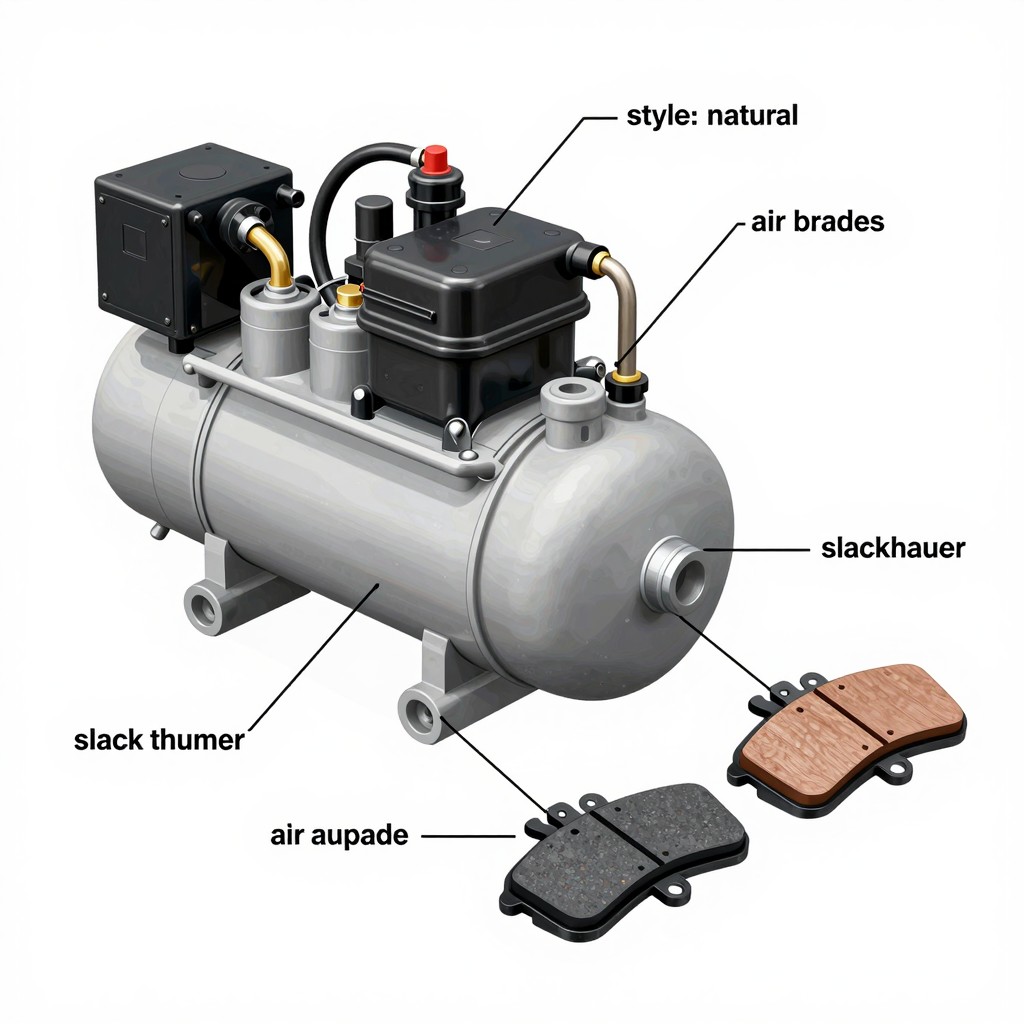
Understanding these components is vital for long-haul truck drivers and fleet managers to ensure safe vehicle operation. For more information about truck systems, feel free to explore our trucking solutions.
Proper maintenance of air brake systems is crucial for ensuring safety in the trucking industry. Several expert opinions and case studies underline the consequences of neglecting this aspect of vehicle upkeep. Below are some significant findings from industry experts that highlight the implications of improper air brake maintenance.
Case Studies and Findings
- Complex Nature of Air Brake Systems
- An article from Atlanta Advocate discusses how intricacies in air brake systems can lead to serious accidents if not properly maintained. The article emphasizes regular inspections and the adoption of maintenance best practices to mitigate the risk of brake failures, which can result in catastrophic crashes.
- Read more here.
- Legal Implications of Brake Failures
- According to the Commercial Truck Accident Lawyer, air brake failures have been central in various legal cases concerning truck accidents. The article suggests that maintenance neglect not only endangers lives but can also lead to costly litigation for trucking companies. Emphasizing proactive maintenance, the article serves as a reminder that maintenance and training are essential for minimizing legal repercussions from brake-related incidents.
- Further details are available here.
- Maintenance Best Practices
- Semi Truck Repair Atlanta offers practical maintenance tips specifically tailored for air brake systems. The article warns against using improper lubricants that might compromise braking efficiency. It advocates for routine checks and piston adjustments to ensure optimal performance.
- For maintenance tips, check this article.
- Overview of Air Brake Failures
- A Robson Forensic overview addresses common air brake failures, providing insights for legal professionals dealing with truck-related litigation. The article contains details on failure types and failure symptoms that can help fleet operators recognize issues early and prevent accidents.
- Learn more from the overview here.
Lessons Learned
From these expert analyses and case studies, several lessons can be distilled:
- Recognize Complexity: The air brake system’s complexity necessitates regular and thorough inspections.
- Educational Initiatives: Training for drivers and maintenance personnel should focus on the importance of air brake functionality and signs of wear or failure.
- Legal Awareness: Trucking companies must understand the legal ramifications of equipment failures, particularly concerning air brakes.
- Proactive Maintenance: Regular maintenance schedules, including checking for leaks, replacing old parts, and confirming proper lubrication, are crucial.
Conclusion
The critical role of air brake maintenance cannot be overstated in ensuring the safety and reliability of truck operations. By applying insights from these expert opinions and case studies, trucking companies can improve safety measures, thus protecting their drivers, the public, and their bottom line. For more information on preventative measures and top-tier maintenance practices, explore the excellence of 5 Star Truck Inc..
This holistic approach not only helps mitigate risks but also builds a culture of safety in the trucking industry, making it a more secure environment for everyone involved.
In conclusion, understanding the importance of service air brakes cannot be overstated for anyone involved in the trucking industry. These critical components ensure safety by providing consistent and reliable stopping power, essential for navigating the demands of heavy-duty vehicle operation. Service air brakes not only enhance road safety but also improve overall operational efficiency, ensuring compliance with industry regulations. Neglecting these systems can lead to significant problems, including brake failure, which poses serious risks to drivers and other road users. Regular maintenance and thorough inspections are vital to prevent costly breakdowns and ensure safety standards are met.
As you prioritize safe and efficient trucking practices, consider partnering with 5 Star Trucking for all your trucking needs. Our expertise in air brake systems and top-quality service offerings are designed to keep you on the road safely and efficiently. Don’t compromise on safety; explore our range of services today!
Truck Accident Statistics Related to Brake Failures
Understanding the statistics surrounding truck accidents related to brake failures emphasizes the importance of regular maintenance and adherence to safety regulations. Here are some alarming figures:
| Category | Percentage |
|---|---|
| Truck accidents due to brake failure | 30% |
| Truck accidents due to failed airbrake systems | 15% |
| Large truck accidents with inadequate maintenance | 45% |
Note: The value for “inadequate maintenance” is estimated based on industry reports indicating that maintenance issues contribute significantly to brake-related failures in large trucks. According to the National Highway Traffic Safety Administration (NHTSA), approximately 45% of large truck crashes involving brakes are linked to poor maintenance practices.
Source:
- National Highway Traffic Safety Administration (NHTSA) – Truck Safety Reports
- Federal Motor Carrier Safety Administration (FMCSA) – Brake System Inspections
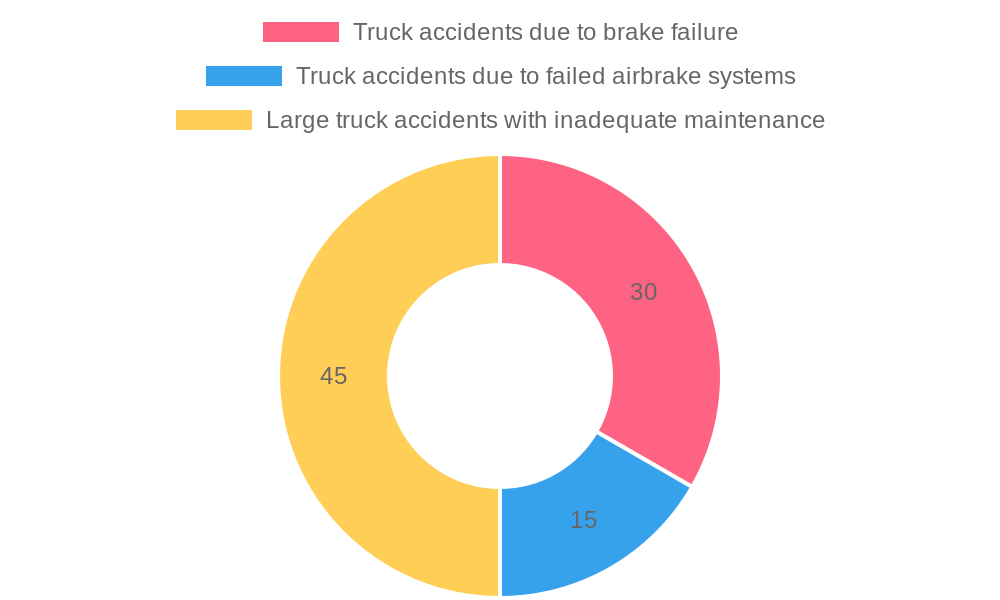
This chart visualizes the proportion of truck accidents attributable to brake failures, including considerations regarding maintenance practices. Data is vital for understanding the implications on safety and improving trucking practices.