

In the bustling landscape of the service industry, trucking plays an indispensable role that often goes unnoticed. With every freight load delivered and every mile traveled, long-haul truck drivers serve as the vital arteries in the economy, ensuring products reach consumers and businesses alike. But this profession is not just about steering a massive vehicle; it’s a blend of unique challenges and rewarding experiences. From navigating complex logistics and tight deadlines to fostering relationships with fleet managers and clients, the trucking profession requires resilience and dedication. As the heartbeat of the service industry, understanding the nuances of trucking not only empowers long-haul truck drivers to excel but also aids fleet managers in optimizing operations. Explore the excellence of 5 Star Truck Inc. enables us to delve deeper into how vital this sector is for the overall economy.
Trucking companies encompass a range of key services that promote effective transportation and logistics in the service industry. These services impact both truck drivers and company owners significantly:
- Freight Transportation: Ensures the timely delivery of goods, crucial for maintaining supply chain integrity.
- Logistics Planning: Employs data-driven strategies for route optimization, which helps minimize costs and improve efficiency.
- Supply Chain Management: Integrates various logistics services to monitor and manage the flow of goods from origin to destination.
- Just-in-Time Deliveries: Reduces inventory costs by synchronizing delivery schedules with production schedules.
- Warehouse Services: Offers storage solutions that can include inventory management, packaging, and order fulfillment.
These services not only enhance operational success but also support the livelihood of long-haul truck drivers by providing stable employment opportunities. Learn more about trucking solutions and discover unparalleled services offered by industry leaders.
Trucking Employment Statistics
The trucking industry is experiencing an unprecedented demand for drivers, marked by significant statistics that illustrate the current employment landscape. According to the U.S. Bureau of Labor Statistics (BLS), truck driving ranks among the fastest-growing occupations in the United States. Here are some key insights:
- Job Openings: As of 2023, there are over 1 million job vacancies for truck drivers in the U.S., a reflection of the severe labor shortages the industry faces.
- Future Growth: The BLS projects a 6% growth in truck driver positions by 2031, surpassing the average growth rate for all occupations.
- Retention Challenges: The trucking industry contends with a high turnover rate, partly driven by unfavorable job conditions, including long hours, time away from home, and insufficient compensation.
Additionally, a report from the American Trucking Associations (ATA) highlights that about 15% of existing drivers are expected to retire within the next five years. This situation creates both challenges and opportunities for new drivers entering the field.
Moreover, factors like the growth of e-commerce and logistics demand are further intensifying the quest for qualified drivers. Companies are responding to this crisis by enhancing payment packages, improving working conditions, and investing in technology to attract talented individuals.
Understanding these employment trends is vital for aspiring truck drivers and trucking company owners to make informed decisions regarding career paths and company strategies.
Comparing Major Trucking Companies in 2023
Understanding the competitive landscape of the trucking industry is crucial for owners and fleet managers. Below, we provide a detailed comparison of three prominent trucking companies: FedEx Freight, XPO Logistics, and J.B. Hunt. This table highlights their services, pricing strategies, and key differentiators to help you make informed decisions.
| Feature | FedEx Freight | XPO Logistics | J.B. Hunt Transport Services |
|---|---|---|---|
| Headquarters | Memphis, Tennessee, USA | New York City, New York, USA | Bentonville, Arkansas, USA |
| Founded | 1986 (as a division of FedEx) | 2000 | 1903 |
| Core Service Focus | Dedicated freight transportation, less-than-truckload (LTL), and supply chain solutions. | Integrated logistics services including trucking, warehousing, and supply chain management. | LTL freight transportation, dedicated contract carriage, intermodal, and supply chain solutions. |
| Key Differentiators | – Operates as a standalone company post-split from FedEx (expected 2026). |
- Strong brand recognition from FedEx parent company.
- Offers specialized services like FedEx International Economy Freight for heavy shipments. | – Global scale with operations in over 40 countries.
- Diversified service portfolio combining asset-based and non-asset-based logistics.
- Known for technology-driven solutions and operational efficiency. | – Long-standing reputation as one of the largest LTL carriers in the US.
- Deep expertise in North American freight networks.
- Focus on customer-centric service and continuous innovation. |
| Pricing Strategy | Competitive pricing based on volume, distance, and service level; strategic pricing to capture market share post-split. | Value-based pricing with emphasis on total cost of ownership and long-term contracts. Flexible pricing models tailored to client needs. | Premium pricing for high-service levels and reliability. Focus on long-term contracts with consistent pricing structures. |
| Recent Developments (2023) | Announced plans to become an independent public company by June 1, 2026. Established a new corporate identity and governance structure. | Expanded its global footprint through acquisitions and partnerships. Invested heavily in digital platforms and automation. | Continued investment in fleet modernization and driver retention programs. Strengthened its intermodal offerings. |
For more insights about FedEx Freight, check out their company overview.
J.B. Hunt Transport continues to innovate in service delivery; learn more here.
Visual Comparison of the Companies
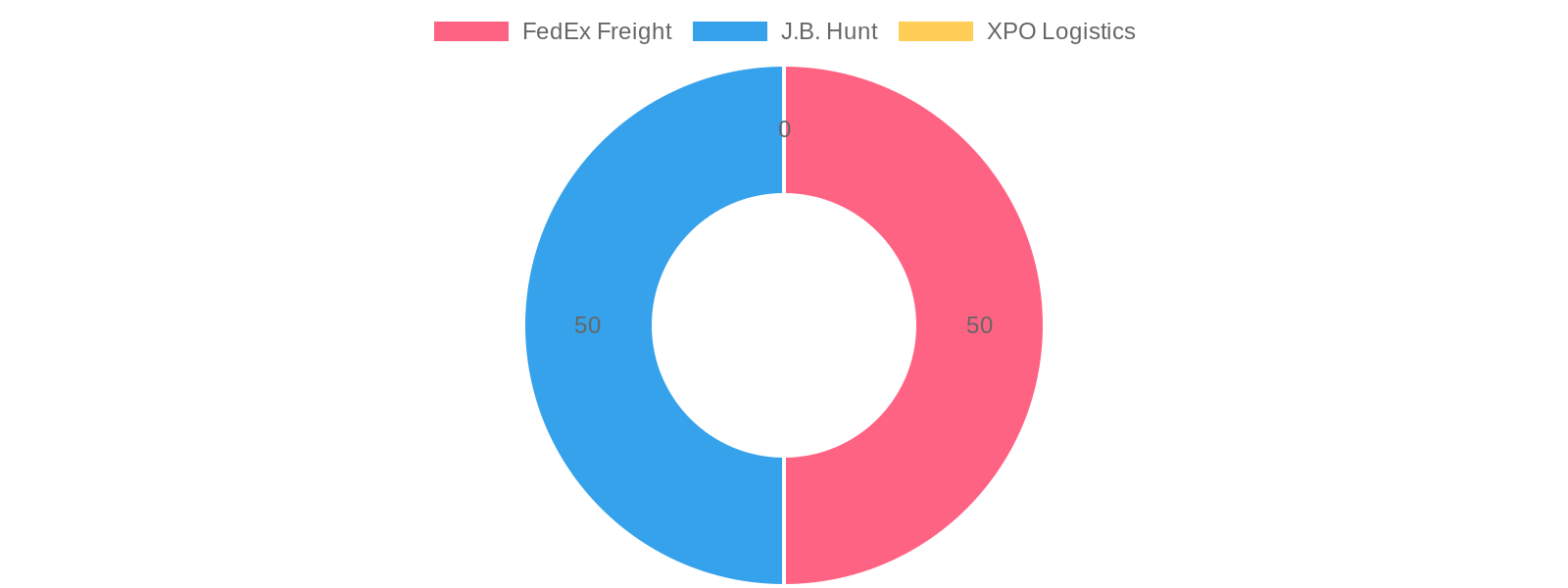
This table and visual comparison can serve as a quick reference for trucking company owners evaluating potential partners or competitors in the service industry.
Challenges Faced by Long-Haul Truck Drivers
Long-haul truck drivers face unique challenges that test their resilience and commitment to the profession. The nature of their work poses numerous obstacles that affect both their personal lives and mental health.
Long Hours and Isolation
One of the most significant challenges is the demanding work hours. Many drivers spend up to 11 hours a day on the road, often for several consecutive days. This relentless schedule can lead to extreme fatigue and burnout. For instance, a veteran trucker might recall a time when they drove for three days straight, after which they felt physically and mentally drained-not just from the hours behind the wheel, but from the isolation of being away from family and friends.
Isolation can be especially difficult. Drivers frequently traverse long distances, leading to feelings of loneliness and disconnectedness from their loved ones. A truck driver once shared how they missed their daughter’s birthday for three years in a row, a poignant reminder of the sacrifices made when choosing this profession.
Vehicle Maintenance and Road Safety
Maintaining a vehicle in optimal condition is crucial for safety yet can be a challenging task, particularly under time constraints. Drivers are often pressed to keep to tight schedules, leaving little time for regular maintenance checks. According to a report by the National Institute for Occupational Safety and Health, insufficient vehicle upkeep can lead to serious accidents and increased fatigue among drivers, adding another layer of stress to their already demanding roles.
Health Issues
The physical toll of long-haul driving cannot be understated. Drivers often contend with health issues such as obesity, sleep disorders, and chronic pain due to prolonged periods of sitting. Research highlights that 18.9% of truck drivers experience chronic fatigue, which is often worsened by poor eating habits and lack of exercise on the road. Additionally, mental health challenges arise, with many drivers reporting feelings of anxiety and depression. A BBC News article notes that the combination of long hours and the stress of being away from home can lead to severe mental health problems, creating a vicious cycle of unhealthy coping mechanisms.
Personal Anecdotes
To contextualize these challenges, many drivers share personal stories illustrating the struggles of their day-to-day lives. For example, one driver described the heart-wrenching feeling of driving through towns where their family vacationed as a child and being unable to stop and spend time with loved ones. Such stories resonate within the trucking community, reminding everyone of the sacrifices these professionals make to keep goods moving across the country.
In conclusion, the challenges faced by long-haul truck drivers are multifaceted, affecting their health, personal relationships, and overall well-being. Understanding these struggles is essential for advocating better support systems and policies within the trucking industry. Learn more about trucking industry insights and how to help drivers manage these challenges.
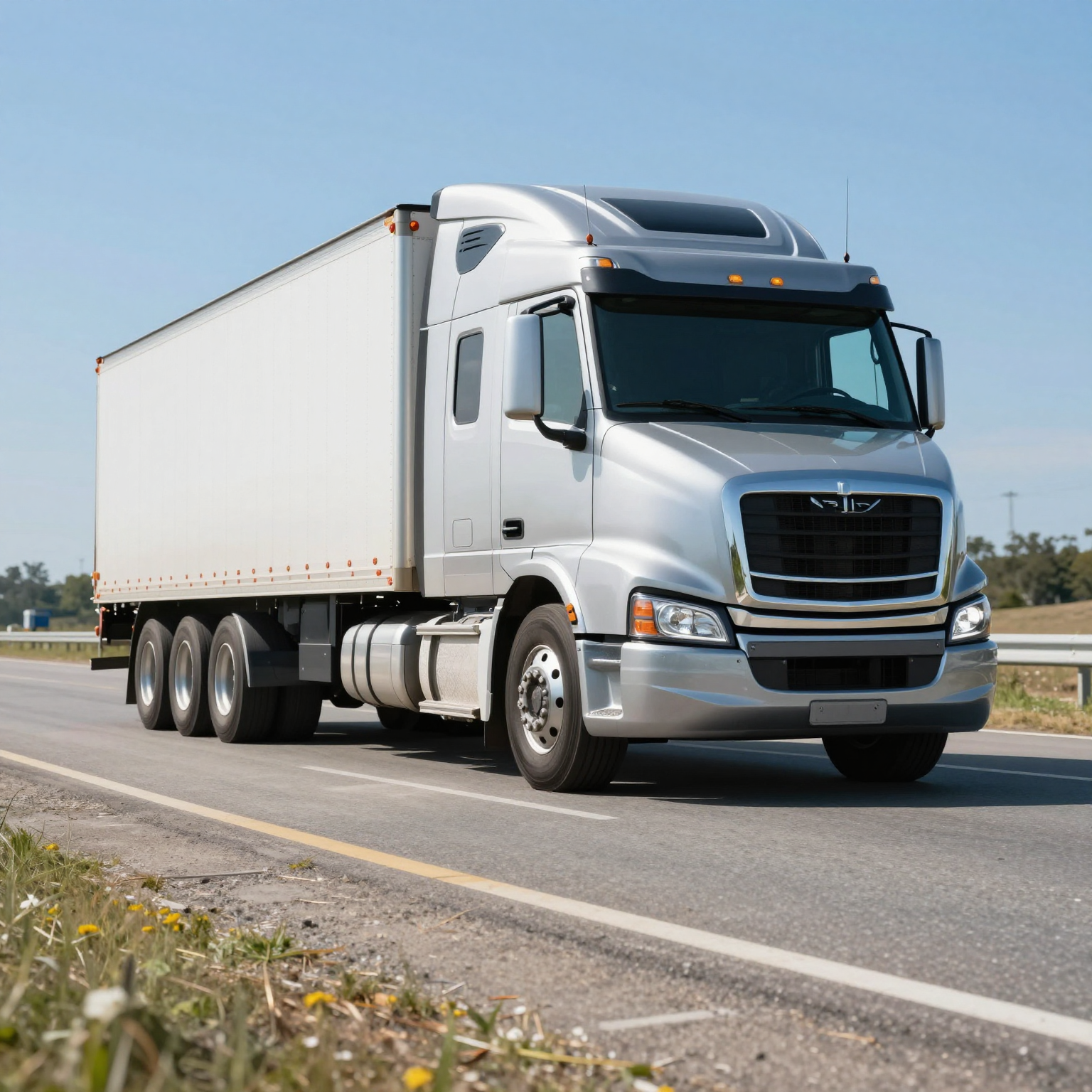
The image above represents a modern truck that embodies durability and style, appealing to long-haul truck drivers and fleet managers. It complements the essence of trucking in the service industry, connecting with the audience’s experiences and aspirations.
“Maersk alone organizes a few million truck transports for its customers every year to keep their supply chains running from factories to end consumers. These figures show that we have a very important but also huge task ahead of us since Maersk has the goal to achieve net-zero emissions by 2040, which also applies to the road transport we operate for our customers.”
- Kenny Kristensen, Global Head of Energy Transition Business Enablement – Landside Logistics at Maersk
This quote underscores the indispensable nature of trucking in maintaining global supply chains and enabling the service industry’s operations.
The Future of Trucking in the Service Industry
As we look ahead, the trucking service industry is poised to undergo significant transformations driven by trends in automation, sustainability, and technological advancements. These changes are not just innovations but necessary adaptations to evolving economic, regulatory, and environmental landscapes.
Automation
Automation is emerging as a hot topic in trucking, with advancements in both autonomous vehicles and AI technologies. Companies are rapidly adopting autonomous trucks, particularly in long-haul operations where they can improve efficiency and reduce costs. A recent report noted that sales of electric heavy-duty trucks skyrocketed by 78% in 2024, partly due to various pilot programs testing self-driving capabilities across the U.S. and Europe. By 2030, it’s expected that over 40% of new long-haul truck sales will be electric or fully autonomous, fundamentally altering the operating landscape for trucking companies and long-haul drivers alike.
Long-haul drivers may face increased job security concerns as automation evolves. While some believe these technologies will eliminate driver positions, others argue that they will create new roles focused on managing automated systems and ensuring route efficiency. As the Federal Motor Carrier Safety Administration (FMCSA) highlights the benefits of automation, fleet managers will need to adapt strategies that prioritize training for emerging technology roles, allowing human drivers to take on supervisory and logistical tasks rather than simply transporting goods on long journeys.
Sustainability
Sustainability has become a crucial pillar for the trucking industry, with new technologies significantly reducing emissions. The International Energy Agency (IEA) reports that innovative approaches, such as hydrogen fuel cell trucks and AI-driven systems that enhance route efficiency, are not only possible but essential for compliance with tighter environmental regulations. As corporations strive to meet their corporate social responsibility goals, sustainability in trucking will mean investing in cleaner, more efficient vehicles, which can reduce long-term operational costs.
Technological Advancements
The integration of smart technology in trucking is transforming fleet management. Advanced telematics systems are helping fleets optimize routes, reduce fuel consumption, and predict maintenance needs before they disrupt logistics operations. This technology not only enhances the efficiency and safety of trucking but also prolongs the lifespan of vehicles-factors that are critically important in an industry that operates on tight margins.
Ultimately, these transformational changes signal that the future of trucking in the service industry will focus on blending human expertise with advanced technology. Trucking professionals will need to embrace this evolution by sharpening their skill sets and adapting to a job market that values flexibility and technological proficiency.
For more insights on trucking excellence and strategies for adapting to these changes, check out 5 Star Truck’s exceptional services and their commitment to innovation.
Trucking Industry Growth Over the Last Decade
The trucking industry in the U.S. has seen substantial growth over the past ten years, characterized by changes in revenue, job demand, and technological advancements. Below, we explore these key elements through a comprehensive chart:
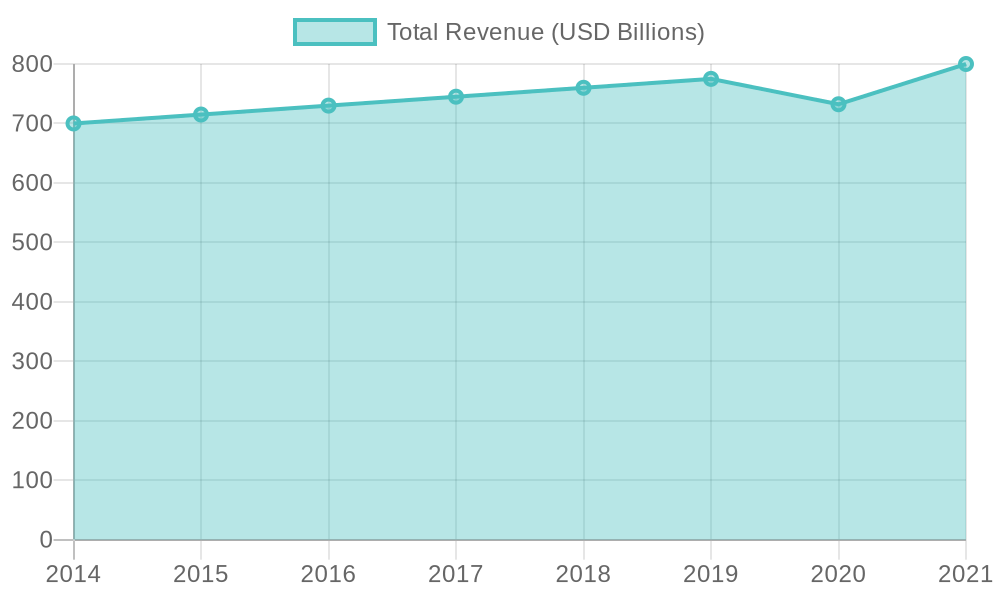
| Year | Total Revenue (USD Billions) | Active Trucking Companies (Change from 2010) | Number of Drivers (Est.) | Key Industry Insight |
|---|---|---|---|---|
| 2014 | 700 | – | ~1.5 million | Industry begins significant growth phase |
| 2015 | 715 | – | ~1.52 million | Steady increase in freight volume |
| 2016 | 730 | – | ~1.54 million | Rising demand for logistics services |
| 2017 | 745 | – | ~1.56 million | Driver shortage becomes apparent |
| 2018 | 760 | – | ~1.58 million | Need for 60,800 additional drivers (ATA) |
| 2019 | 775 | – | ~1.60 million | Employment peaks at 1.86 million (trucking sector) |
| 2020 | 732.3 | +14% (from 2010) | ~1.61 million | Pandemic impact; revenue dip despite driver demand |
| 2021 | 800 | +14% (from 2010) | ~1.62 million | Revenue exceeds 800 billion; continued labor shortage |
Note: Data based on Statista, American Trucking Associations (ATA), and U.S. Bureau of Labor Statistics (BLS).
For those in the trucking industry, it’s essential to understand these trends as they highlight not just the current state but also where investments and opportunities might lie. If you want to delve deeper into industry solutions, explore the excellence of 5-Star Truck Inc. or discover our unparalleled services.
In conclusion, the trucking industry plays a pivotal role in the service sector, acting as the lifeblood of commerce and essential goods transportation. From providing timely delivery of products to facilitating trade across vast distances, trucking ensures that our economy runs smoothly. As we’ve discussed, embracing innovative solutions and maintaining quality service are keys to overcoming challenges faced by trucking companies today. By prioritizing quality, reliability, and safety measures, companies can enhance their fleet’s performance and ensure higher customer satisfaction.
At Summit Fairings, we understand the unique demands of the trucking industry and are committed to delivering solutions that meet these challenges head-on. Our offerings are designed not only to improve efficiency but also to increase the lifespan of your vehicles. If you are a long-haul truck driver or a fleet manager looking to optimize performance and reliability, take the next step toward excellence. Explore the excellence of 5-Star Truck Inc. and see how our tailored solutions can meet your trucking needs today!