
Is a Service Truck a Commercial Vehicle?
Have you ever wondered, “Is a service truck a commercial vehicle?” This question is crucial, especially for those in the trucking industry, from long-haul truck drivers to fleet managers. A service truck, typically equipped with tools and specialized equipment for repairs or maintenance, acts as a versatile asset in various sectors. It often serves as a mobile workshop, enabling technicians to carry out essential tasks on-site, minimizing downtime for other commercial vehicles.
Understanding whether a service truck classifies as a commercial vehicle can impact regulatory compliance, insurance requirements, and operational strategies within the trucking sector. While the answer might seem straightforward, the nuances of functionality, usage, and local laws play a critical role in this classification. Knowing the distinctions allows trucking company owners and maintenance specialists to make informed decisions regarding fleet management, insurances, and optimizing support during repairs.
In this article, we’ll explore the characteristics of service trucks, their importance in the commercial vehicle landscape, and what it means for your operations. By the end, you should have a clearer understanding of the role service trucks play in ensuring the efficiency of the trucking industry. Learn more about the role of service trucks in trucking operations.
Key Characteristics of Service Trucks
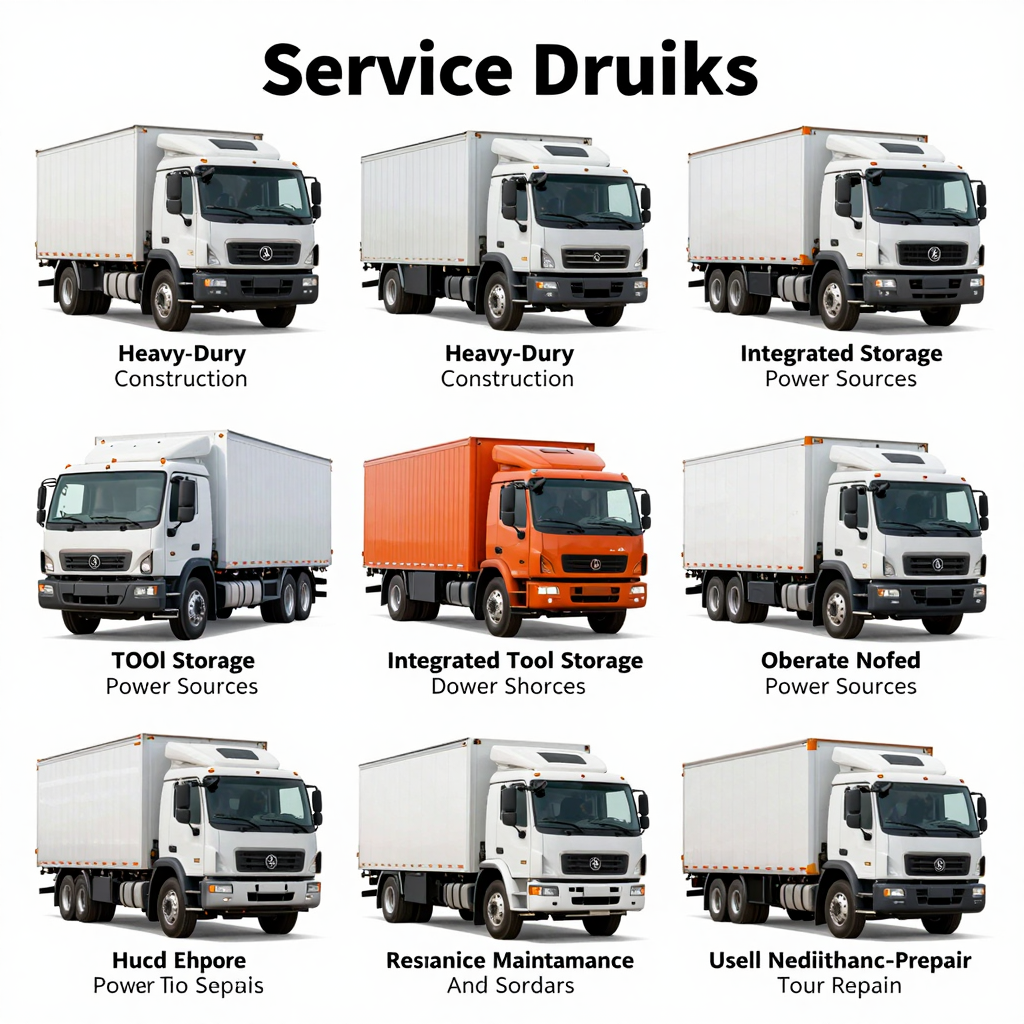
Service trucks are essential vehicles within the trucking industry, specifically designed to provide mobile maintenance, repair, and utility services. Here are some key characteristics that distinguish service trucks from other commercial vehicles:
- Heavy-Duty Construction: Built to withstand rigorous use and rough terrains, these trucks often feature a robust chassis to support the load and equipment.
- Integrated Tool Storage: Service trucks come equipped with various storage options for tools and equipment, such as cabinets, racks, and drawers, ensuring efficient organization and access.
- Onboard Power Sources: Many service trucks have built-in generators or air compressors to power tools and equipment directly at the job site, enhancing their utility.
- Specialized Equipment: These vehicles can be fitted with hydraulic cranes, welding machines, or tire changers, tailored to specific industry needs (e.g., utilities, automotive, construction).
- Modular Design: The customizable layout allows service trucks to adapt to different tasks, whether for roadside assistance or heavy-duty repairs in remote locations.
- High Load Capacity: Generally capable of carrying 11-20 tons, service trucks can accommodate a significant amount of tools and materials.
- Mobility for Field Service: Designed to transport skilled workers along with their equipment, enabling them to perform on-site repairs efficiently.
Understanding these characteristics helps clarify the crucial role service trucks play in the trucking industry. For more insights on the topics of service and reliability in trucking, explore more about our services here.
Understanding Commercial Vehicles
Commercial vehicles are integral to our economy, responsible for transporting goods, people, and providing essential services. At their core, commercial vehicles are defined by their intended use in a business setting, primarily for transporting goods or passengers for commercial purposes. However, the specifics can vary based on industry standards and definitions set by various regulatory bodies.
Key Definitions and Classifications
- Gross Vehicle Weight Rating (GVWR):
- According to the Federal Motor Carrier Safety Administration (FMCSA), a commercial vehicle is any vehicle with a gross vehicle weight rating (GVWR) of 10,001 pounds or more, or designed to transport 16 or more passengers, including the driver. This specification is crucial for determining compliance with federal regulations such as safety inspections and driver qualifications.
- Classification by Weight and Use:
- The National Highway Traffic Safety Administration (NHTSA) classifies these vehicles into categories, ranging from light-duty (under 10,000 lbs) to heavy-duty (over 33,000 lbs). This classification affects regulations regarding emissions, safety standards, and licensing requirements. Vehicles utilized for commercial transport of goods fall under these specified classes based on their weight and configuration.
Types of Commercial Vehicles
Commercial vehicles can be broadly categorized into three main classes based on their weight:
| Classification | Gross Vehicle Weight (GVW) Range | Common Examples |
|---|---|---|
| Light Duty | Up to 10,000 lbs (4,536 kg) | Passenger cars, delivery vans, pickup trucks |
| Medium Duty | 10,001 to 26,000 lbs (4,537 to 11,793 kg) | Delivery trucks, shuttle buses, service vehicles |
| Heavy Duty | Over 26,000 lbs (11,794 kg) | Freight trucks, refuse trucks, cement mixers |
These classifications not only help in routing safety and compliance regulations but also in managing fleet operations effectively.
Importance for Trucking Company Owners and Fleet Managers
For trucking company owners and fleet managers, understanding the definition and classification of commercial vehicles is crucial. It assists in:
- Ensuring compliance with local, state, and federal regulations.
- Selecting the appropriate vehicles for operations based on payload and capacity requirements.
- Planning maintenance and inspections, which are pivotal for safety and reliability in operations.
With ongoing changes in regulations and technological advancements, staying informed about these definitions helps ensure that your fleet operates smoothly while adhering to legal requirements.
For more detailed insights into trucking standards and services that can enhance your operations, explore the excellence of 5 Star Truck Inc..
This understanding is vital for maintaining efficiency and safety throughout your operations, making it a priority for anyone in the trucking industry.
The Benefits of Using Service Trucks for Commercial Purposes
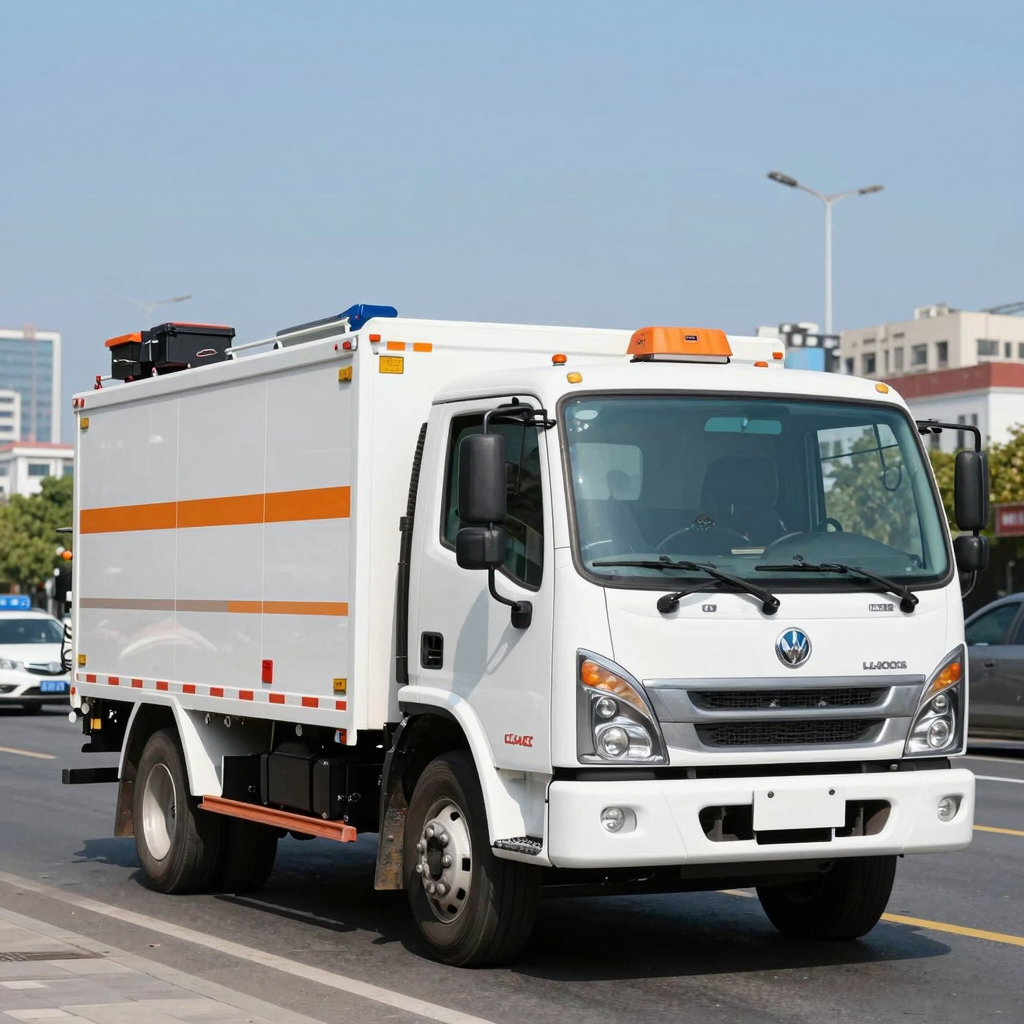
Service trucks are an invaluable asset for commercial fleets, offering numerous benefits that directly enhance productivity, cost-effectiveness, and reliability. This is particularly relevant for fleet managers and maintenance specialists seeking to optimize operations.
Enhanced Productivity
Service trucks enable mobile repair and maintenance capabilities, which significantly reduce vehicle downtime. By providing on-site services, these trucks avoid delays associated with transportation to repair facilities. For instance, mobile units can complete repairs 50% faster than traditional shop-based methods, allowing fleets to maximize operational time and efficiency.
Cost-Effectiveness
Utilizing service trucks can lead to substantial cost savings. By minimizing downtime and transportation expenses, businesses can redirect resources more effectively. Additionally, service trucks equipped with predictive maintenance tools can pre-emptively address mechanical issues before they escalate, cutting repair costs by approximately 30% compared to standard procedures. This proactive approach ensures that fleets operate at optimal performance without the financial burden of frequent breakdowns.
Reliability
The reliability of service trucks is bolstered by the integration of advanced diagnostic tools and real-time data analytics. This technology allows for better monitoring of vehicle health, facilitating timely interventions that reduce the likelihood of unplanned breakdowns. Enhanced reliability contributes directly to the overall availability of the fleet, ensuring that vehicles are ready to meet operational demands consistently.
By incorporating service trucks into their operations, fleet managers can achieve a balance of efficiency and cost savings, while ensuring that their vehicles remain reliable under varying conditions. For further insights into excellent trucking solutions, feel free to explore the services offered by 5 Star Truck Inc..
In summary, service trucks offer a compelling case for improving productivity, enhancing cost-effectiveness, and ensuring reliability within commercial trucking operations, making them essential tools for modern fleet management.
Learn more about the unparalleled services of 5 Star Truck Inc.
Comparing Service Trucks to Other Commercial Vehicles
To better understand how service trucks stack up against other types of commercial vehicles, we’ve created a comparison chart that outlines key differences in three main categories: weight capacity, fuel efficiency, and primary use. These distinctions will help fleet managers, drivers, and trucking company owners decide which vehicle suits their needs best.
Key Differences Between Service Trucks and Other Commercial Vehicles
| Category | Service Truck | Delivery Truck | Tractor-Trailer |
|---|---|---|---|
| Weight Capacity | Medium (typically 5,000-15,000 lbs) | Medium (typically 5,000-15,000 lbs) | High (typically 20,000-80,000+ lbs) |
| Fuel Efficiency | High (optimized for urban driving) | High (designed for city routes) | Low (due to larger engine size and drag) |
| Primary Use | Maintenance and utility work | Local/regional package delivery | Long-haul freight transport |
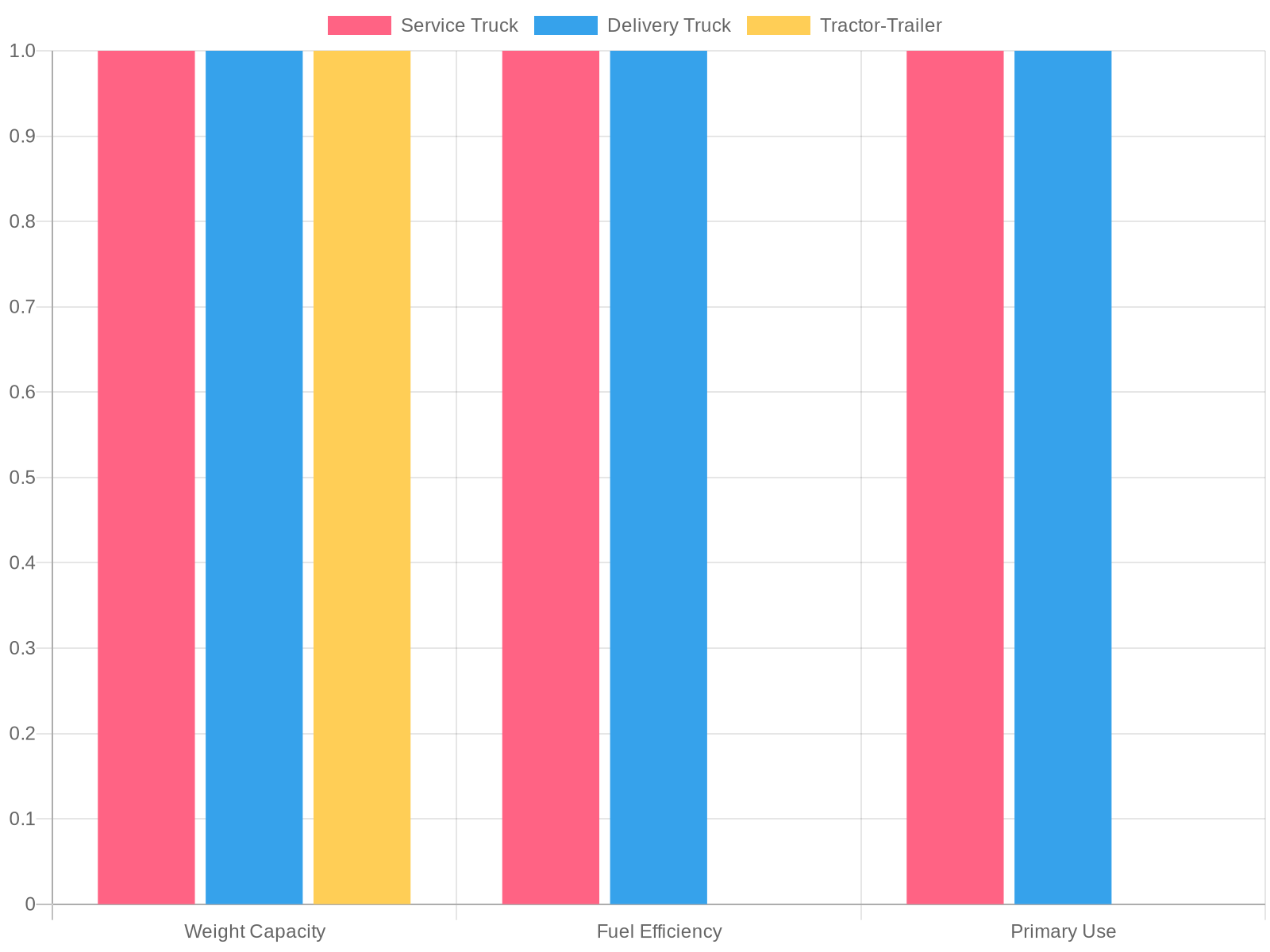
Sources: U.S. Department of Energy, National Highway Traffic Safety Administration, and industry vehicle specifications.
Conclusion
This comparison provides a quick reference for those looking to understand the functional capabilities of service trucks relative to delivery trucks and tractor-trailers. For more on the services provided by 5 Star Truck, Inc., feel free to explore our online resources.
Legal Considerations for Classifying Service Trucks as Commercial Vehicles
When it comes to classifying service trucks as commercial vehicles, there are several legal implications that truck drivers and fleet managers must understand. These implications encompass licensing, insurance requirements, and various regulations governing operations.
1. Licensing Requirements
To operate a service truck classified as a commercial vehicle, drivers typically need a Commercial Driver’s License (CDL). The Federal Motor Carrier Safety Administration (FMCSA) outlines the necessity of a CDL based on the vehicle’s Gross Vehicle Weight Rating (GVWR). Here’s a brief overview of common classes:
| Class | GVWR Range | Typical Vehicle Types | CDL Requirement |
|---|---|---|---|
| Class 1 | Up to 6,000 lbs | Small delivery vans | No |
| Class 2 | 6,001 – 10,000 lbs | Medium service trucks | No |
| Class 3 | 10,001 – 14,000 lbs | Large service vehicles | Yes |
| Class 4 | 14,001 – 16,000 lbs | Construction haulers | Yes |
| Class 5 | 16,001 – 19,500 lbs | Heavy-duty trucks | Yes |
| Class 6 | 19,501 – 26,000 lbs | Large utility vehicles | Yes |
| Class 7 | 26,001 – 33,000 lbs | Trucks over 26,000 lbs | Yes |
| Class 8 | Over 33,000 lbs | Tractor-trailers | Yes |
- State Variations: Different states may impose additional licensing requirements. For example, California requires a CDL for any vehicle over 6,000 lbs with three or more axles. Fleet managers should ensure that all drivers hold the appropriate licenses based on their operational area.
2. Insurance Requirements
Another significant factor is insurance. All commercial vehicles, including service trucks, must have insurance that meets state minimums.
- Liability Coverage: Most states require a minimum of $1 million in liability coverage for larger trucks.
- Additional Coverages: It’s wise to also consider cargo and physical damage insurance. Insurers assess risk based on vehicle type and driver history, affecting premium costs.
3. Compliance with Regulations
Truck drivers must adhere to various federal and state regulations, irrespective of whether a CDL is necessary for their vehicle type. This includes maintaining updated records regarding:
- Vehicle Maintenance: Regular inspections and maintenance are mandated.
- Safety Standards: Compliance with safety standards that pertain to commercial vehicles.
- Operational Compliance: Ensuring adherence to environmental and emission standards, especially in states with stringent regulations.
In summary, classifying service trucks as commercial vehicles comes with significant legal obligations. Fleet managers and truck drivers should familiarize themselves with these requirements to ensure legal compliance and operational efficiency. For further insights on managing your trucking business effectively, learn more about exceptional trucking solutions at 5 Star Truck, Inc.
Expert Opinion on Service Trucks as Commercial Vehicles
“As the commercial vehicle industry evolves, we must prioritize an integrated service ecosystem that moves beyond merely selling products. This shift towards operational services enhances efficiency and meets the pressing demands of safety and cost-effectiveness faced by today’s fleet managers-particularly in service trucks, which play a pivotal role in logistics and delivery.”
- Industry Expert, Source: Frost & Sullivan
This perspective highlights the critical nature of service trucks in the commercial vehicle market, enhancing both operational capacity and safety protocols. They are not just vehicles but integral parts of a comprehensive service delivery system that must adapt to changing market needs.
For insights into how service trucks are adapting to modern challenges, learn more about 5 Star Truck Inc. and their commitment to service excellence.
Conclusion: The Value of Service Trucks in the Trucking Industry
As we draw our exploration of service trucks versus traditional commercial vehicles to a close, it’s clear that service trucks present a myriad of advantages, particularly for long-haul truck drivers, fleet managers, and maintenance specialists. With their dedicated design tailored for on-site work, service trucks are far more than just another vehicle; they are mobile workstations that significantly enhance operational efficiency.
Key Advantages of Service Trucks
- Purpose-Built Efficiency: Unlike traditional commercial vehicles that prioritize cargo capacity and on-road performance, service trucks are finely tuned for fieldwork. According to Fleet Owner Magazine, service trucks reduce job completion times by approximately 30% when compared to ordinary delivery vans.
- Enhanced Durability: With reinforced frames and weather-resistant interiors, service trucks boast lower downtime due to damage, as emphasized in a Transport Topics study which noted a 25% increase in fleet uptime over three years.
- Safety and Comfort: Features like cab-mounted lifts and climate control improve safety and technician performance, with 78% of fleet managers noting decreased tool-related accidents after transitioning to service trucks (Heavy Duty Truck Online).
The functionality and durability of service trucks align seamlessly with the demands of modern trucking operations, making them an essential asset for any fleet aiming to maximize efficiency, safety, and reliability. In industries where rapid response and high-quality service are paramount, these vehicles are invaluable.
A Call to Action
In conclusion, if you’re ready to elevate your fleet’s performance and embrace the operational benefits of service trucks, now is the time to make that decision. Visit 5 Star Trucking to explore our collection of top-tier service trucks that can empower your business operations. Experience the transformation of your fleet with vehicles designed for the demands of today’s work environments. Let us assist you in reaching new heights with our high-quality solutions!
Explore Summit Fairings: Your Path to Enhanced Performance
Are you tired of compromising on the performance and aesthetics of your service truck? Look no further than Summit Fairings, where we specialize in offering custom-fit fairings tailored to meet the unique needs of commercial vehicles. Our fairings not only enhance the look of your truck but also play a crucial role in improving aerodynamics, thereby optimizing fuel efficiency and reducing operating costs.
Why Choose Custom-Fit Fairings?
- Superior Quality: Our fairings are crafted from high-quality materials, ensuring durability and longevity, even in tough conditions.
- Tailored Solutions: Every truck is different, and so are its requirements. Our custom-fit options mean that you get fairings designed specifically for your vehicle, ensuring a perfect fit.
- Affordability: At Summit Fairings, we believe that quality should not come at an exorbitant price. Our competitively priced fairings provide excellent value for money without sacrificing performance.
- Variety of Options: Whether you’re looking for sleek designs or heavy-duty solutions, we boast a wide array of styles and functionalities to choose from.
Don’t let outdated fairings hold you back from achieving your truck’s full potential. By investing in Summit Fairings, you not only enhance your vehicle’s efficiency but also boost its overall market value.
Take Action Today!
Visit Summit Fairings to explore our diverse offerings and discover how our custom-fit fairings can transform your truck. Experience the benefits firsthand and choose affordability and variety that meet your needs!
Make the smart choice for your fleet today!