

Introduction
In the trucking industry, Hours of Service (HOS) rules play a crucial role in ensuring safety, efficiency, and compliance. Originally implemented to combat driver fatigue and protect drivers from dangerous working conditions, these regulations have evolved significantly since their inception. In the past, the lack of standardized rules led to discrepancies that could jeopardize the safety of both drivers and the general public. As a result, federal regulations were established to offer clearer guidelines for maximum driving hours, required rest breaks, and daily limits. The impact of these rules is profound; they not only influence a truck driver’s schedule but also affect the logistics and operational strategies of trucking companies. By understanding the development and importance of HOS rules, stakeholders in the trucking industry can appreciate their significance in promoting safer roads and optimizing transport operations. For a closer look at quality service in trucking, discover the unparalleled services of 5 Star Truck Inc.
Timeline of Trucking Hours of Service Regulations
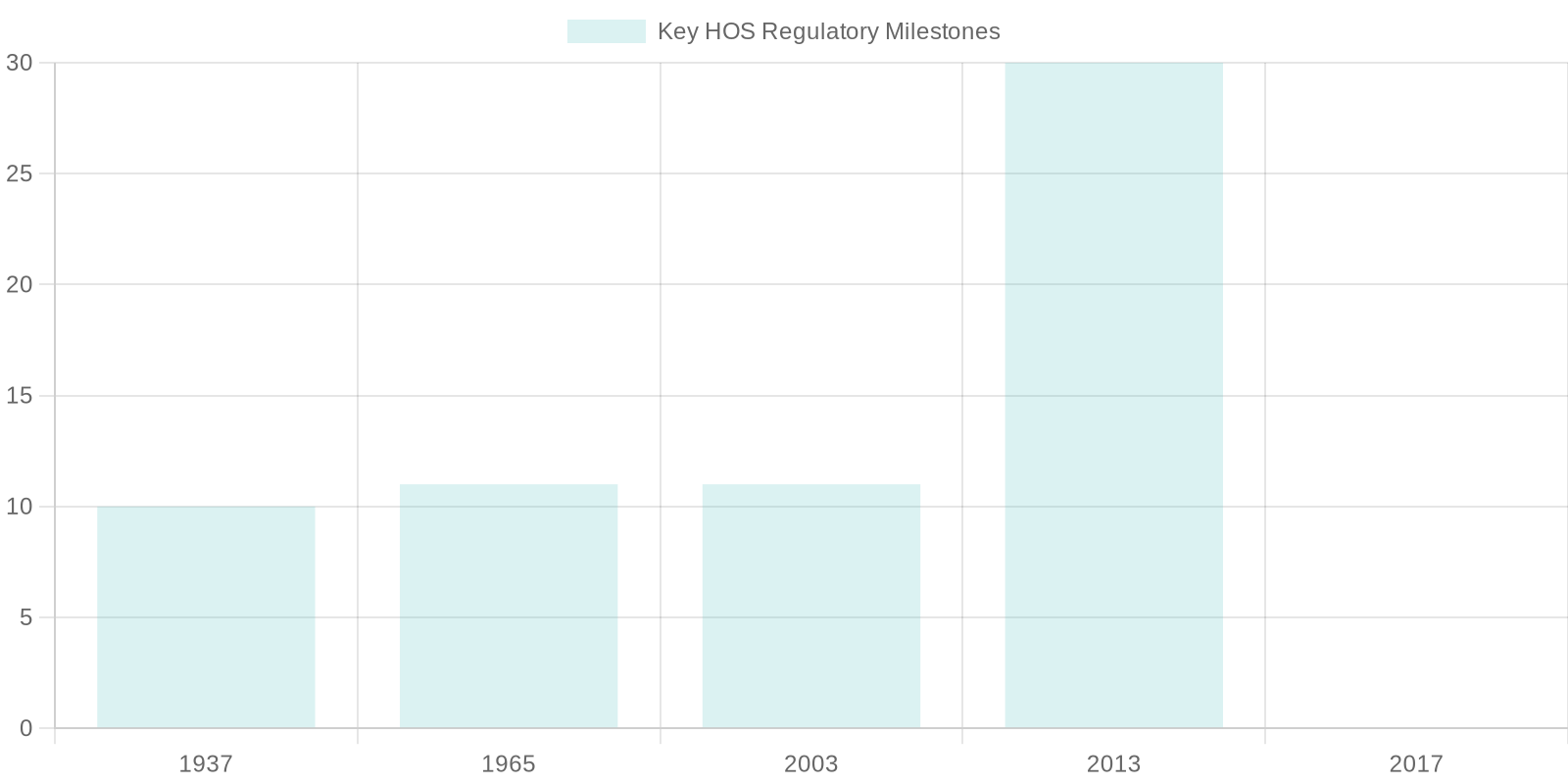
The establishment of Hours of Service (HOS) regulations represents a significant evolution in the trucking industry, aimed at ensuring safety and reducing driver fatigue. Here are the key milestones that transformed the regulatory landscape:
| Year | Key Event | Details |
|---|---|---|
| 1937 | First HOS Rules | The Interstate Commerce Commission (ICC) issued the first HOS regulations allowing a maximum of 10 hours of driving per day. |
| 1965 | Introduction of 11-Hour Limit | A major update introduced the 11-hour driving limit within a 14-hour workday to combat fatigue. |
| 2003 | Stricter Fatigue Management | New HOS rules were enacted to further reduce fatigue, including stricter limits on consecutive driving hours. |
| 2013 | Restriction of 34-Hour Restart | Significant changes mandated a 30-minute rest break after 8 consecutive hours of duty and placed restrictions on the use of the 34-hour restart provision. |
| 2017 | ELD Implementation | The mandate for Electronic Logging Devices (ELDs) was implemented to enhance compliance and efficiency in monitoring driving hours. |
For a more in-depth look at today’s trucking standards, explore the excellence of 5 Star Truck Inc. and discover unparalleled services they offer for fleet owners and drivers alike.
Purpose of Hours of Service Rules
The implementation of trucking hours of service (HOS) rules is primarily aimed at enhancing safety on the roads and ensuring the well-being of truck drivers. These regulations play a crucial role in mitigating the risks associated with fatigue, which is a leading cause of accidents in the trucking industry. By limiting the number of hours drivers can operate their vehicles continuously, these rules help to ensure that truck drivers are alert and capable of making sound driving decisions.
Safety First
One of the main purposes of HOS rules is to reduce the number of fatigue-related accidents. According to studies, stricter adherence to driving limits significantly lowers the incidence of crashes related to driver exhaustion. This not only protects the drivers themselves but also enhances overall public safety by preventing incidents that could involve other motorists and pedestrians.
Driver Well-being
In addition to improving safety, HOS regulations also prioritize the health and well-being of drivers. By enforcing mandatory rest breaks and limiting driving hours, the rules help to reduce stress and prevent burnout. This balanced approach supports a healthier work-life balance for truck drivers, ultimately benefiting their physical and mental health.
Societal Benefits
Ultimately, the implementation of HOS rules leads to safer transportation for everyone. Safer roads mean fewer accidents, reduced medical costs, and overall a more reliable and efficient transportation system, which benefits society at large. For those interested in the trucking industry’s commitment to safety, exploring the excellence of 5 Star Truck Inc. can provide further insights into how responsible practices are implemented in trucking operations.
By recognizing the importance of these regulations, all stakeholders in the trucking industry can contribute to fostering a safer environment on the highways.
Key Changes to Hours of Service Regulations Over the Years
The Hours of Service (HOS) regulations for truck drivers have seen a number of transformative changes since they were first established. Understanding these key milestones can provide insight into how these rules have evolved to better accommodate both safety and operational efficiency. Below is a summary table of significant changes to the HOS regulations, along with their implementation years and a brief description of each change.
| Year | Change Summary |
|---|---|
| 1940 | Initial Regulation: The first HOS rules were enacted, establishing formal limits on driving hours for safety. |
| 1963 | Split Sleeper Berth Provision: Introduction of the option for drivers to split their required off-duty time into two parts. |
| 1996 | Significant Revisions: The Interstate Commerce Commission implemented major changes to enhance driver safety while meeting industry needs. |
| 2003 | Time Increase: Maximum driving time was raised from 10 to 11 hours, with a mandatory 30-minute break after 8 hours of continuous driving. |
| 2020 | Expansion of Short-Haul Exception: Allowed drivers more flexibility by enabling them to operate up to 14 hours on duty within a 150-mile radius without full compliance with standard limits. |
| 2025 | Proposed Legislation: The HOURS Act aims to adjust current HOS rules to improve flexibility in driving windows and short-haul regulations. |
For detailed further information on the evolution of these regulations, you can explore more about how these changes affect trucking services.
Understanding these regulations is crucial for long-haul truck drivers and trucking firms aiming for compliance and efficiency in operations. Keep an eye on proposed changes, as they continue to evolve to meet industry needs and ensure safety on the roads.
Impact of Hours of Service Rules on Long-Haul Truck Drivers
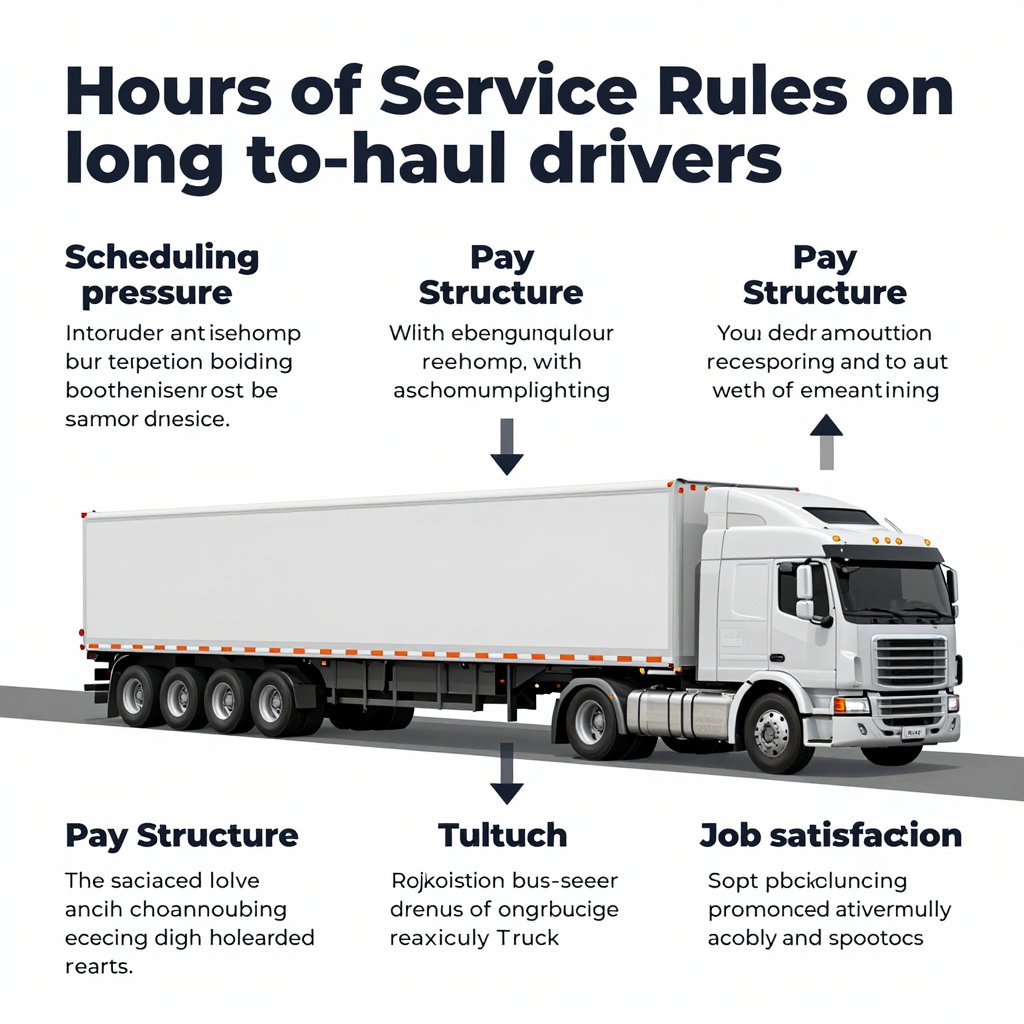
The federal Hours of Service (HOS) regulations significantly influence the day-to-day operations of long-haul truck drivers, affecting their scheduling, pay, and overall job satisfaction. These regulations are designed to enhance safety by preventing driver fatigue, yet they also introduce challenges that can impact a driver’s quality of life.
Scheduling Challenges
Long-haul drivers operate under strict regulations that cap driving time at a maximum of 11 hours within a 14-hour work period, followed by mandatory rest breaks. This rigid scheduling framework often leads to difficulties in meeting delivery deadlines, particularly with unexpected delays such as traffic or loading issues. Additionally, the complexity increases when drivers ship across different time zones, further complicating their schedules and potentially leading to irregular sleep patterns. Consequently, the lack of flexibility can create stress and exhaustion, which may have significant implications on a driver’s health and performance.
Pay Considerations
Compensation for long-haul truck drivers primarily depends on miles driven or the number of completed trips. Unfortunately, many drivers experience reduced pay due to the time spent waiting for cargo or dealing with inspections-periods for which they are typically not compensated. With the potential increase in driving hours under proposed changes to HOS rules, some might see a rise in earnings, but this comes at the risk of increased fatigue, thereby raising questions about safety.
Job Satisfaction
Job satisfaction is often negatively impacted by HOS rules. Drivers express frustration with their spending long hours away from home and the pressures to adhere to unrealistic schedules. The mental and physical toll of managing fatigue coupled with regulatory constraints can lead to feelings of dissatisfaction and burnout. According to research, nearly 37% of long-haul drivers reported sometimes violating HOS rules due to unrealistic delivery expectations, illustrating the tension between compliance and the pressures of the job (source). Accessible support systems and fair pay structures are critical for improving their working conditions and overall satisfaction (learn more about 5-Star Trucking’s services).

Conclusion
In conclusion, while the HOS regulations are crucial for ensuring road safety, they also impose rigid structures that can harm the well-being of long-haul drivers. Addressing these concerns through better working conditions and more flexible regulations may enhance both driver safety and job satisfaction.

Importance of Hours of Service Regulations
In the trucking industry, hours of service (HOS) regulations play a crucial role in ensuring the safety of drivers, the public, and the cargo being transported. These regulations were established to prevent driver fatigue and improve highway safety. According to the Federal Motor Carrier Safety Administration (FMCSA), “Hours-of-service (HOS) regulations are critical for preventing driver fatigue and improving highway safety. The primary purpose is to limit driving time and ensure adequate rest periods, thereby reducing the risk of crashes caused by drowsy driving.”
Such statements underline the importance of adhering to these regulations, as they are deeply tied to operational safety standards within the industry.
For more insights on the trucking services and commitment to safety, learn more about 5 Star Trucking Inc..
If you’re looking for unparalleled trucking services, discover the extensive range of services offered by 5 Star Trucking Inc.
Conclusion
Understanding the origins and significance of HOS regulations not only benefits professionals in the field but also enhances the overall safety of the roads.
Violated Hours of Service (HOS) regulations can lead to severe repercussions for truck drivers and trucking companies. Understanding these implications is crucial for ensuring compliance and maintaining safety on the roads.
Legal Ramifications
When trucking companies or drivers disregard HOS regulations, they subject themselves to a range of legal consequences. The Federal Motor Carrier Safety Administration (FMCSA) enforces HOS rules to mitigate driver fatigue and enhance road safety. Key legal repercussions include:
- Fines and Penalties: Drivers can face fines for HOS violations, which can escalate quickly with repeated infractions. According to the American Transportation Research Institute (ATRI), violations particularly regarding mandatory rest breaks can result in substantial operational costs.
- Out-of-Service Orders: If a driver is found to be out of compliance during a roadside inspection, they can be placed out of service immediately, which prevents them from operating a vehicle until the issue is rectified.
- Criminal Charges: In the most severe cases, if an accident occurs as a result of HOS violations, both drivers and companies can face criminal prosecution.
Safety Risks
Ignoring HOS regulations also poses serious safety risks, both for the driver and for others on the road. Drivers who exceed their allotted driving hours are at a higher risk of fatigue, which can impair their reaction times and judgment. The U.S. Department of Transportation (DOT) highlights that HOS violations can lead to tragic accidents, especially if fatigue results in a loss of control.
Reputational Damage
Beyond legal issues and safety concerns, non-compliance can damage a company’s reputation. Frequent violations can result in poor safety ratings, adversely affecting their business relationships and ability to secure contracts. A poor safety record can deter potential clients, leading to long-term financial implications.
In summary, adhering to HOS rules is not merely a regulatory obligation; it is crucial for legal compliance, operational integrity, and the safety of all road users. Prioritizing adherence can prevent serious legal ramifications and ensure a safe working environment for drivers and others on the road. For more insights on trucking excellence, explore the quality services offered by 5 Star Trucking.
Tips for Managing Hours of Service
Long-haul truck drivers often face challenges when it comes to managing their hours of service (HOS) effectively. Here are some practical tips to help you comply with HOS regulations while optimizing your time on the road:
-
Plan Your Routes in Advance: Use route planning software to factor in rest stops, refueling, and potential delays. This can help you keep within your driving limits and reduce unexpected waiting times.
-
Utilize Electronic Logging Devices (ELDs): These devices automatically track your driving hours, making it easier to stay compliant with regulations. They provide real-time data and insights into your driving patterns, ensuring you adhere to HOS rules.
-
Schedule Regular Breaks: Make a habit of taking breaks. Regular rest helps prevent fatigue, improving your focus and safety on the road.
-
Prioritize Rest: Ensure you get adequate sleep before and during trips. Sleep is crucial to maintaining alertness and overall well-being.
-
Review HOS Regulations: Stay updated on any changes to the HOS rules by referring to resources such as the FMCSA HOS guidelines. Understanding these rules will aid in proper time management.
By integrating these tips into your routine, you can better manage your hours of service, ensuring safety and compliance on the road.
Conclusion on Hours of Service Regulations
Understanding and complying with Hours of Service (HOS) regulations is crucial for truck drivers and the trucking industry as a whole. These regulations not only promote safety on the roads by significantly reducing the risk of accidents caused by driver fatigue but also enhance overall operational efficiency. By adhering to HOS rules, drivers foster a culture of safety and accountability, benefiting their health and well-being while ensuring long-term job satisfaction.
Emphasizing the importance of proper rest and structured driving schedules can lead to fewer accidents and lower operational costs related to injuries and vehicle damage. Additionally, compliance with these regulations boosts driver morale, decreases turnover rates, and improves company reputations within the industry. Learn more about the key features of 5 Star Trucking and how prioritizing HOS compliance can yield substantial benefits.
Ultimately, proactive compliance with HOS regulations is not just a legal obligation but a pivotal element for fostering a safer and more sustainable trucking environment. Explore the excellence of 5 Star Trucking to see how we navigate these challenges effectively.