

Understanding Trucking Service Costs
Imagine you’re a long-haul truck driver, logging miles as you cross breathtaking landscapes and bustling cities. But as you hit the road, an essential question looms in your mind: “What are the trucking service costs, and what affects them?” The costs associated with trucking services can significantly impact your bottom line, making it crucial to understand the underlying factors that drive these expenses.
From fuel prices to maintenance and depreciation, various elements influence the operational costs of trucking. With fluctuating fuel prices, on average, comprising about 40% of the total costs, every penny matters. Add to that the cost of vehicle maintenance, insurance, and compliance with evolving regulations, and the picture becomes increasingly complex. Additionally, factors like market demand, the distance of haul, and the type of cargo being transported play critical roles in shaping your overall expenses.
In this ever-evolving industry, being proactive in understanding these dynamics is key for fleet managers and drivers alike. Whether you’re a seasoned trucking company owner or an aspiring driver dreaming of the open road, grasping these factors can help you manage and potentially reduce your trucking service costs. Learn more about cost-effective trucking solutions to enhance your operational efficiency and ensure that your journey on the road is both profitable and sustainable.
Key Factors Affecting Trucking Service Costs
When examining the trucking industry, understanding what impacts service costs is crucial for long-haul truck drivers, trucking company owners, fleet managers, and maintenance specialists. The following are significant factors influencing trucking service costs:
-
Fuel Prices: One of the most impactful factors, fluctuating fuel costs have a direct correlation with operational expenses. In 2023, diesel fuel prices averaged around $4.25 per gallon, contributing heavily to the overall costs for trucking companies. Ongoing geopolitical tensions and supply chain disruptions continually affect fuel prices, making this a critical consideration for budgeting and operational planning.
-
Labor Costs: With a growing shortage of qualified drivers, salaries in the trucking industry are rising. In recent years, driver compensation has increased by over 15%, significantly affecting overall service costs. The tightening labor market not only drives up wages but also increases recruitment and training expenses, as companies strive to attract and retain talent.
-
Maintenance Expenses: Truck upkeep is essential for safety and compliance. From oil changes to major repairs, maintenance costs can quickly add up. Fleet operators need to allocate funds for regular servicing, unexpected breakdowns, and necessary upgrades to meet regulatory requirements or improve fuel efficiency.
-
Insurance Costs: As trucking companies contend with rising claims and regulatory changes, insurance premiums continue to climb. Comprehensive coverage is essential for protecting assets and addressing liability concerns, but it contributes a significant percentage to overall operating expenses.
-
Regulatory Fees: Compliance with federal and state regulations requires additional investment. This can include costs associated with permits, electronic logging devices, and emission standards. As regulations tighten, companies often face increased fees, which alter their cost structure.
-
Toll and Bridge Fees: Traveling on certain freight corridors incurs tolls and bridge fees, averaging around $0.60 per mile depending on the route. Such costs may vary regionally and should be factored into route planning and pricing strategies to ensure profitability.
-
Infrastructure-related Expenses: Investments in technology and infrastructure such as routing software and fleet management systems are necessary for improving efficiency, but they also add to the overall cost of providing trucking services.
In conclusion, the interplay among these factors creates a complex environment for cost management in the trucking industry. Understanding and proactively managing these costs are essential for sustainable operations. For more insights on exceptional trucking solutions, explore the excellence of 5 Star Truck Inc. or discover the unparalleled services offered.
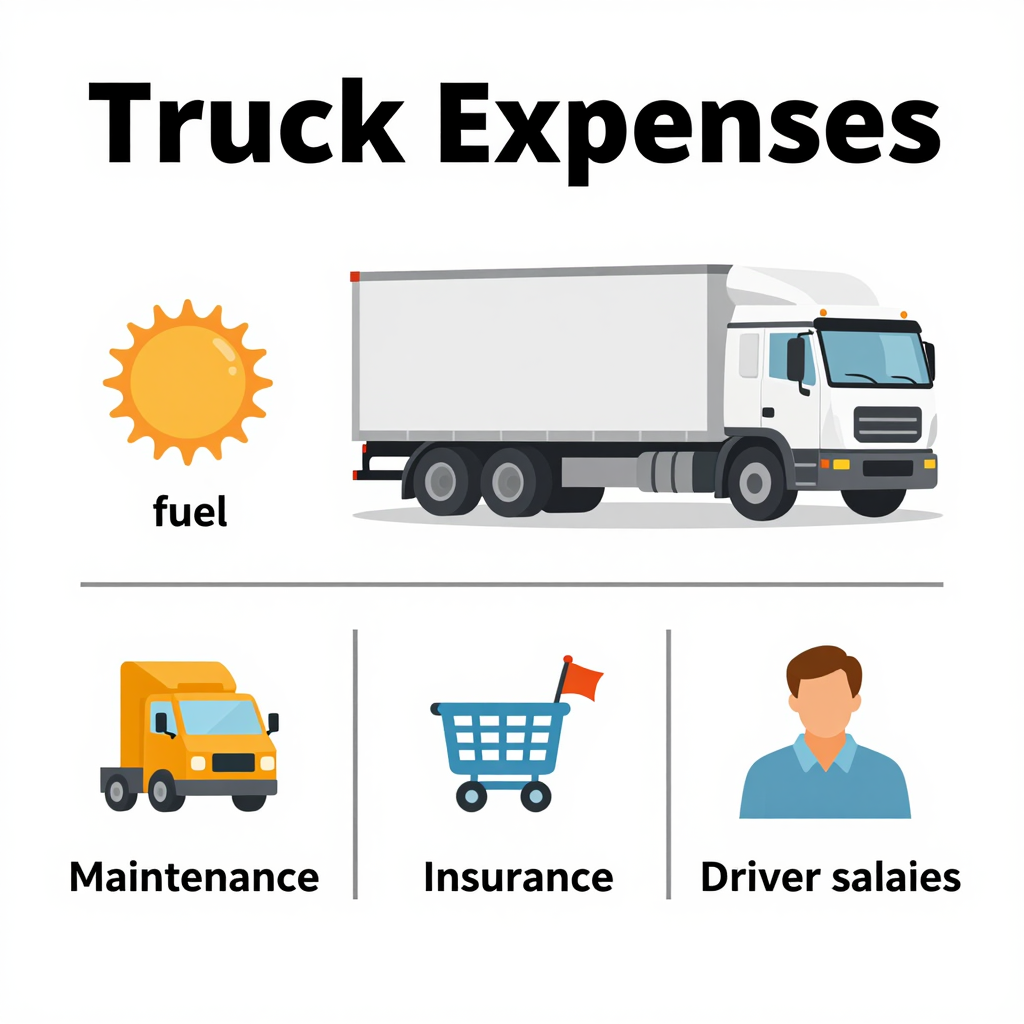
Fuel Costs and Their Variability
Fuel prices significantly impact trucking service costs, as they are one of the largest operating expenses for trucking companies. In 2023, the average price of diesel fuel rose, creating substantial financial challenges for truck drivers and fleet managers alike.
Fuel Price Trends in 2023
According to the U.S. Energy Information Administration (EIA), the average retail price of diesel fuel was approximately $3.97 per gallon in 2023, a notable increase of about $0.50 compared to 2022. Throughout the year, prices fluctuated between $3.50 and $4.20 per gallon, peaking during summer and winter months due to increased demand and geopolitical pressures (source: EIA). A report by the American Trucking Associations found that fuel costs represent over 25% of total operating expenses for many trucking companies, which indicates how critical fuel prices are to the bottom line of trucking operations (source: ATA).
Volatility in Fuel Markets
The trucking industry is not only affected by high diesel prices but also by the inherent volatility in fuel markets. Fluctuations can be attributed to several factors:
- Geopolitical Tensions: Events that affect oil production and distribution directly impact fuel availability and pricing.
- Seasonal Demand: High travel seasons can drive fuel prices up, increasing operational costs for trucking firms.
- Supply Chain Disruptions: Issues like refinery outages or transportation bottlenecks can lead to unexpected price spikes.
In particular, during periods of geopolitical unrest, prices can surge rapidly, complicating budgeting for trucking companies. Fleet managers are often left needing to find ways to mitigate these costs, whether through improving fuel efficiency or adjusting delivery schedules to minimize fuel consumption. For instance, technologies such as route optimization software can help fleets reduce miles traveled and fuel burned, ultimately leading to lower fuel costs.
Understanding the volatility of fuel prices, and its direct correlation to trucking service costs, is essential for truck drivers and fleet managers. For those looking to improve their operational effectiveness, examining resources such as 5 Star Truck Inc. can provide insights into cost-efficient trucking solutions and strategies to maintain operational profitability in challenging market conditions.
Understanding Labor Costs in Trucking
When considering the costs of trucking services, one of the most impactful factors is labor. Long-haul truck drivers play a vital role in the logistics and transportation industry, and their compensation varies significantly across different regions of the United States.
Average Annual Labor Costs
The following table compares the average annual salaries of long-haul truck drivers in various U.S. regions for 2023:
| Region | Average Annual Salary (USD) |
|---|---|
| Mountain West | $84,200 |
| Northeast | $81,700 |
| South Central | $78,900 |
| Midwest | $76,500 |
| Pacific Coast | $75,300 |
These figures reflect not only base pay but also the influence of local economic conditions and demand for qualified drivers.
Bar Chart Representation
To visualize the disparities in average annual salary for truck drivers across regions, refer to the following chart:
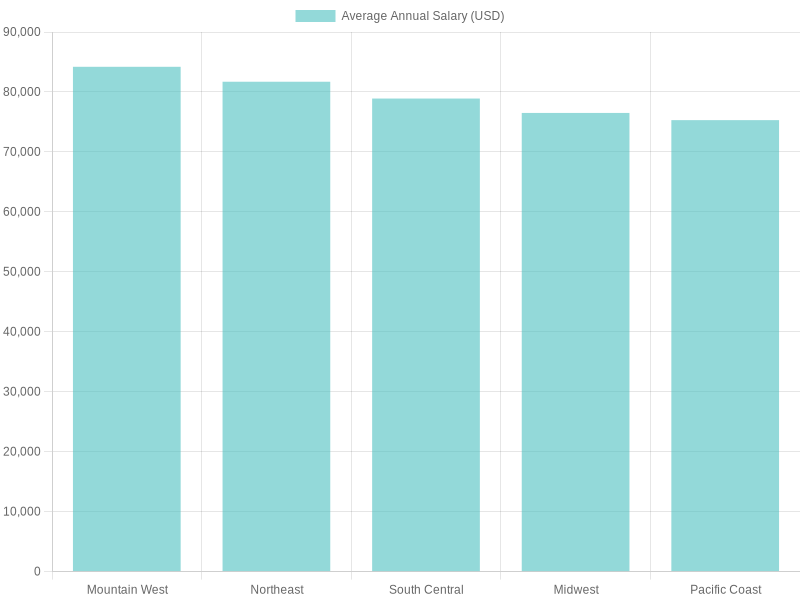
This chart illustrates that drivers in the Mountain West earn the highest average salary, while the Pacific Coast shows a comparatively lower figure, underscoring regional variations in compensation.
Understanding these labor costs is critical for trucking company owners, fleet managers, and aspiring truck drivers, as they directly influence operational expenses and driver recruitment strategies. For more insights on managing these costs effectively, you can learn more about cost management in trucking services.
Conclusion
In conclusion, labor costs are a key factor to consider when analyzing trucking service expenses. The regional disparities in driver compensation highlight the importance of understanding local market conditions and their impact on the overall cost structure for trucking companies.
Stay informed about ongoing trends and developments in the trucking industry to better navigate these challenges and optimize operational performance.
Common Truck Maintenance Expenses and Cost-Saving Practices
Trucking operations face myriad maintenance expenses that are integral to the safety and efficiency of their fleet. Understanding these costs and implementing strategies to control them can lead to significant savings and improved service reliability. Here we break down some common maintenance costs and offer practical cost-saving suggestions.
Common Maintenance Costs
-
Routine Inspections and Preventive Maintenance
Regular inspections are crucial for ensuring that trucks are roadworthy. These costs include oil changes, fluid checks, tire rotations, and brake inspections. Failing to conduct these inspections may lead to severe problems on the road, resulting in costly repairs and downtime. -
Repairs
Unexpected repairs can strain budgets. Common repairs involve engine issues, transmission problems, and issues related to brake systems. According to a report from the American Transportation Research Institute, maintenance costs for trucks have risen significantly over the years, making comprehensive insurance coverage essential. -
Tire Maintenance
Tires account for a significant portion of maintenance and replacement costs. Factors like improper inflation can lead to increased wear and reduced fuel efficiency. Regular rotation and monitoring of tire health are essential practices to minimize these costs. -
Fuel System Maintenance
As fuel efficiency becomes a top priority, investing in fuel system maintenance ensures optimal performance. This includes regular replacements of fuel filters and cleaning injectors.
Why Maintenance Costs are Critical
Maintenance expenses are not merely costs; they are investments into the reliability and productivity of the trucking service. They ensure:
- Safety: Regular maintenance checks reduce the likelihood of accidents caused by equipment failure.
- Uptime: Well-maintained trucks experience fewer breakdowns, keeping loads on schedule and enhancing customer confidence.
- Cost Efficiency: Investing in maintenance reduces the potential for significant repair costs due to neglect, ultimately prolonging the lifespan of the vehicles.
Suggestions for Cost-Saving Practices
To effectively manage and reduce maintenance expenses, consider implementing the following practices:
- Adopt Preventive Maintenance Strategies: As they say, an ounce of prevention is worth a pound of cure. Implement a preventative maintenance schedule tailored to the specific needs of your fleet. This includes regularly scheduled oil changes and inspections, which can help identify potential issues before they become serious.
- Use Technology Wisely: Invest in fleet management software that monitors vehicle performance in real time. This can facilitate timely maintenance, track service histories, and keep detailed logs.
- Driver Training Programs: Educate drivers on efficient driving techniques. Encouraging practices like gradual acceleration and proper gear changes can lead to significant fuel savings and less wear and tear on the vehicle.
- Optimize Routes: Utilizing route optimization software helps reduce travel time and fuel consumption, leading to lower overall maintenance costs.
- Regular Tire Checks: Maintain proper tire pressure and tread depth to enhance fuel efficiency and reduce the risk of blowouts.
In conclusion, understanding and managing maintenance expenses is critical for trucking service operators. By implementing strategic maintenance practices and cost-saving measures, companies can sustain their operations while maintaining profitability. To find out more about optimizing your fleet and ensuring excellence in trucking services, explore 5 Star Truck Inc.’s offerings.
As trucking costs continue to rise, understanding the various components that contribute to these expenses becomes increasingly vital. According to industry expert insights, “The ability to manage the total cost of ownership, including maintenance and labor, is crucial for fleets aiming to enhance efficiency and reduce costs. This comprehensive understanding helps fleet managers make informed decisions that can lead to significant savings and improved operational effectiveness”.
When it comes to controlling costs, maintenance and labor are two areas where smart decisions can yield big benefits. By effectively analyzing these expenses, trucking companies can better navigate financial pressures and maintain a competitive edge in the market. Understanding how these factors play into the cost structure is essential for any trucking company owner or fleet manager.
The Impact of Insurance on Trucking Costs
In the trucking industry, insurance premiums have a significant impact on operating costs, influencing the pricing structure of services offered by trucking companies. High insurance costs can drive up overall operational expenses, which in turn affects the rates charged to customers. This article explores how insurance premiums vary and why different companies may experience different rates based on their fleet and insurance histories.
Understanding Insurance Premiums
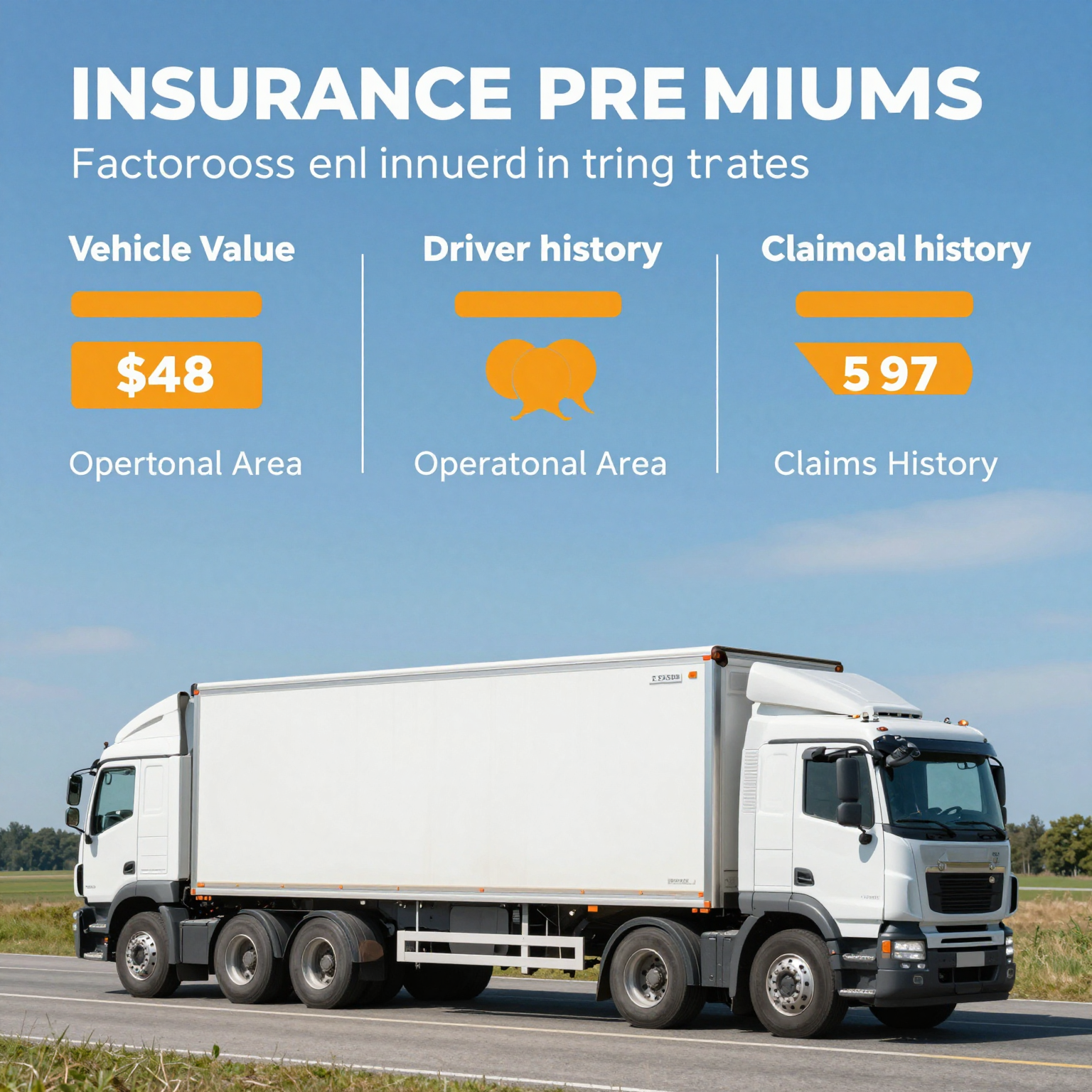
Insurance premiums are the amounts companies pay to maintain insurance coverage. In trucking, these costs are influenced by several critical factors:
- Fleet Size: Larger fleets often face higher premiums due to increased risk exposure and regulatory scrutiny.
- Driver History: A clean driving record for truck drivers can lead to lower premiums, while a history of accidents or claims can cause costs to rise sharply.
- Vehicle Value: The value of the trucks in a fleet also impacts premiums; newer, more expensive trucks generally incur higher insurance costs.
- Claims History: Companies with frequent claims may see their insurance rates increase, reflecting a higher perceived risk to insurers.
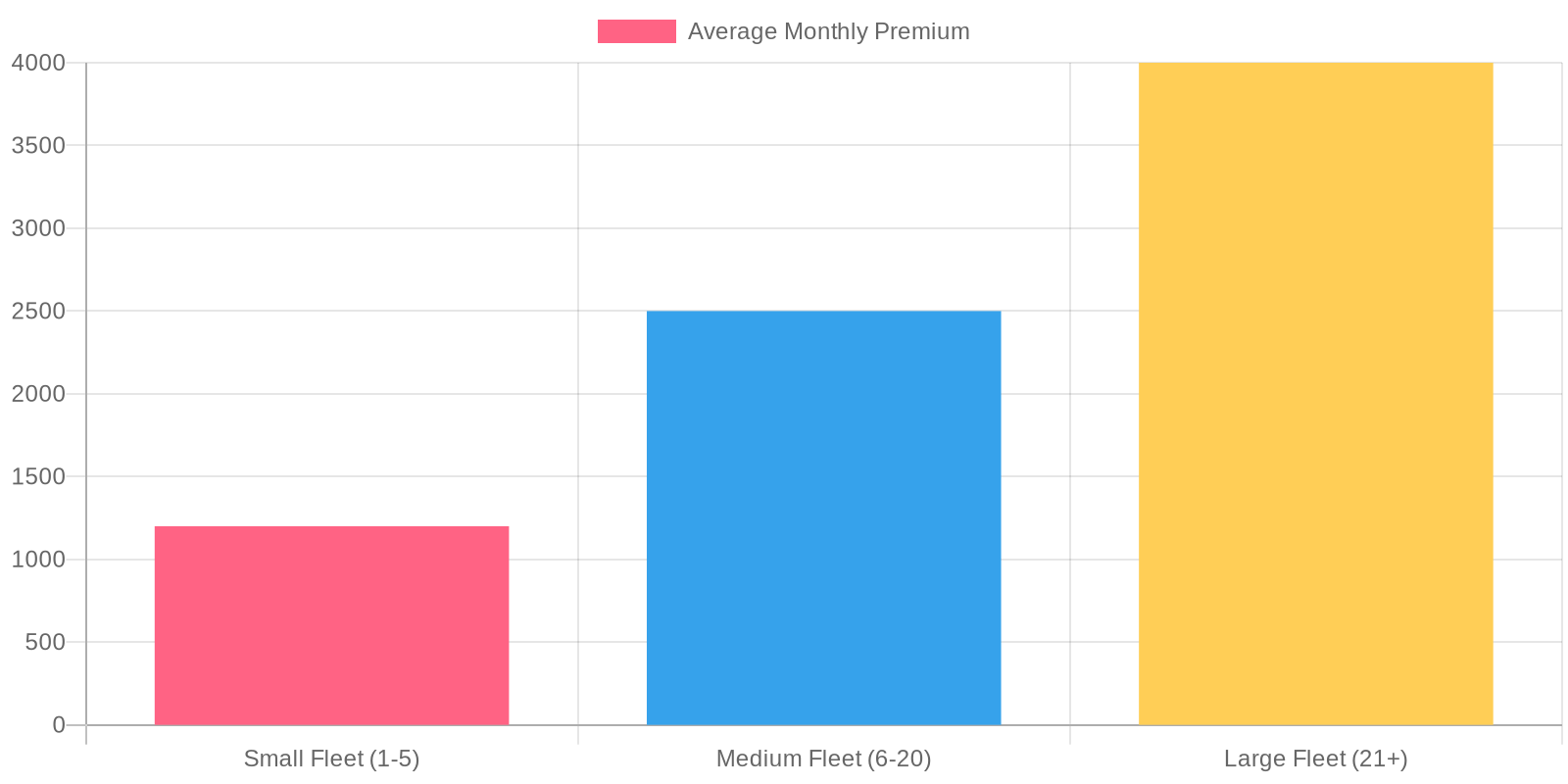
According to a recent report from the American Trucking Associations, the average monthly insurance premium varies significantly depending on the size of the fleet:
| Fleet Size | Average Monthly Premium |
|---|---|
| Small Fleet (1-5) | $1,200 |
| Medium Fleet (6-20) | $2,500 |
| Large Fleet (21+) | $4,000 |
Variability in Rates Across Companies
Trucking companies experience different insurance rates based on their unique situations. For instance:
- A small fleet with a single owner-operator and a spotless driving record may enjoy lower premiums than a large fleet with multiple trucks and drivers who have varied histories.
- Companies operating in high-risk areas may face higher rates due to increased likelihoods of accidents or theft, regardless of fleet size or driver history.
One of the major challenges in the trucking industry today is the consistent rise in insurance premiums. Recent trends reported by industry experts indicate that costs are only expected to increase as insurers react to economic pressures and heightened risks. Trucking firms are now compelled to reassess their operational models and pricing structures to account for these rising costs.
In addition to these direct impacts, the rising costs of insurance can potentially lead to reduced service offerings or higher freight prices, ultimately affecting consumers as well.
Conclusion
Insurance is a pivotal aspect of the trucking industry that greatly influences service costs. Companies must carefully manage their insurance profiles to mitigate expenses. By understanding the factors that determine insurance costs, trucking companies can better navigate the complexities of pricing their services in a competitive marketplace. For more insights into operational excellence in trucking, explore the services offered by 5 Star Trucking.
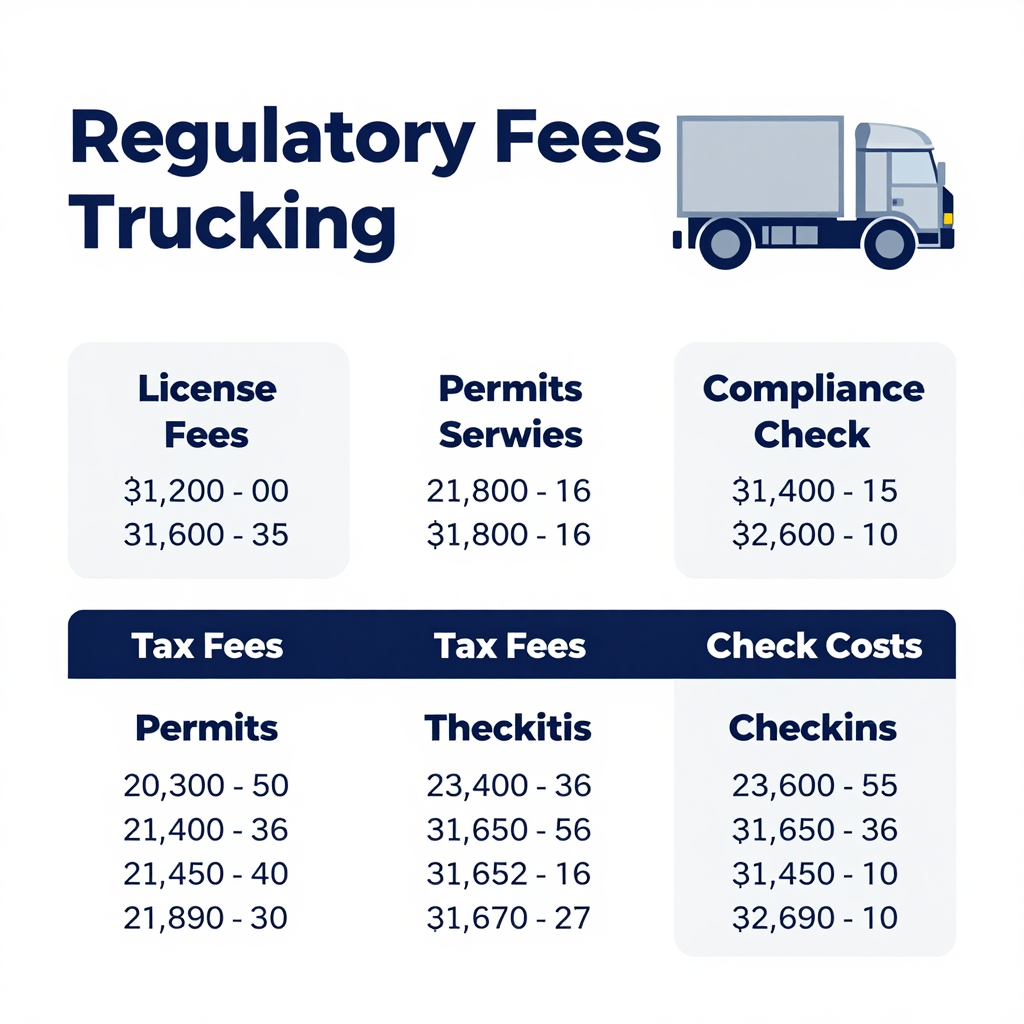
Summary of Regulatory Fees Related to Trucking Services
Regulatory fees play a significant role in determining the overall cost structure of trucking services. Below is a detailed table summarizing the various regulatory fees associated with trucking, including permits, taxes, and compliance checks:
| Fee Type | Description | Cost Range |
|---|---|---|
| License Fees | USDOT Operating Authority | $300/year |
| Hazardous Materials Permit | $500/year | |
| Tax Fees | Heavy Vehicle Use Tax (HVUT, Form 2290) | ~$550/year |
| Fuel Tax (Federal and State) | ~$0.24/gallon | |
| Vehicle Registration Tax | $1,000 – $10,000/year | |
| Compliance Check Costs | Annual Safety Audit Cost | $1,000 – $2,000 |
| Driver Medical Exam | $100 – $200/person/year | |
| Driving Record Check | $50 – $100/instance |
In addition to these primary costs, trucking companies may also incur indirect costs related to maintaining electronic logging devices (ELD), compliance training, and accident reporting. Visit FMCSA for Regulatory Guidelines to learn more about compliance requirements.
In today’s competitive trucking landscape, understanding and managing costs is essential for both truck drivers and fleet managers. Several key factors directly influence trucking service costs, including fuel efficiency, maintenance expenses, and driver retention. Here’s a summary of critical strategies to manage these costs effectively.
Key Factors Impacting Trucking Costs
-
Fuel Efficiency: Fuel is often the largest operational expense for trucking companies, accounting for about 24% of total operating costs. Investing in advanced technologies, such as aerodynamic fairings and improving driving practices, can lead to significant savings. Studies show that aerodynamic enhancements can save up to 10% in fuel costs annually per truck, equating to $1,800 savings for fleets operating 100,000 miles each year.
-
Vehicle Maintenance: Regular maintenance is crucial to maintain fuel efficiency and avoid costly repairs. Predictive maintenance technologies can help in scheduling and preventing breakdowns, thereby minimizing unexpected disruptions.
-
Driver Retention: The cost of losing a driver can be upwards of $12,000, encompassing recruitment, training, and onboarding expenses. Thus, providing competitive wages, improving working conditions, and offering flexible scheduling can enhance driver retention, positively affecting overall operational costs.
Actionable Strategies
-
Invest in Aerodynamic Solutions: As noted, advanced aerodynamic fairings can lead to substantial fuel savings. Investing in such technology not only improves fuel economy but also promotes sustainability, which can enhance your brand image.
-
Optimize Routes: Utilize route planning software to minimize idle time and optimize delivery schedules. This can further improve fuel efficiency and driver satisfaction.
-
Implement Driver Incentive Programs: Reward drivers for fuel-efficient driving practices. Programs focusing on safety and efficiency can reinforce positive driving habits, reducing costs in the long term.
-
Regular Training and Development: Conduct regular training programs focused on both driving techniques and maintenance knowledge to ensure drivers can contribute to keeping costs down through efficient vehicle operation and regular care.
-
Adopt Technology Solutions: From telematics to advanced fleet management systems, employing technology can streamline operations, manage maintenance schedules effectively, and enhance overall fleet productivity.
Finally, integrating products like Summit Fairings can be a pivotal part of this strategy. By utilizing high-quality aerodynamic fairings, trucking companies can not only enhance fuel efficiency but also embrace a sustainable approach to transportation. Learn more about how to gain a competitive edge with Summit Fairings and make a meaningful impact on your bottom line.
In conclusion, managing trucking costs effectively involves understanding the multifaceted landscape of operational expenses. By adopting innovative solutions, investing in technology, and prioritizing driver satisfaction, you can ensure a profitable, sustainable trucking operation for the future.