
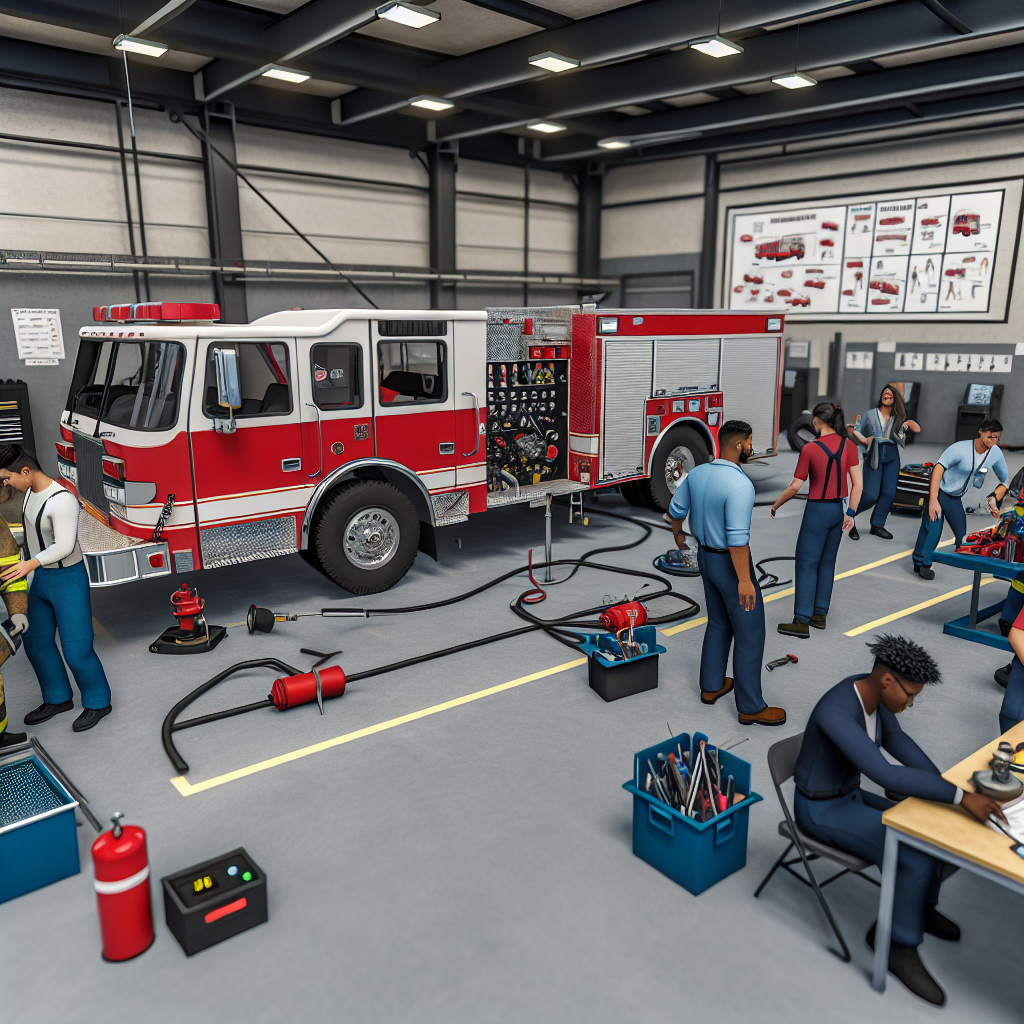
In the high-stakes world of firefighting, the reliability of fire apparatus is paramount. Every moment counts when responding to an emergency, making it essential that fire trucks are in optimal condition. Regular maintenance is not just a routine task; it is a critical component of operational effectiveness that ensures these vital machines can answer the call when lives are on the line.
Herein lies the importance of customized training in fire truck maintenance. Since 1997, Pierce Manufacturing has recognized the unique needs of fire departments and has offered tailored service training programs. Their comprehensive courses blend classroom instruction with hands-on technical training, specifically tailored to the various vehicles and systems at hand.
As one expert noted, ‘A fire apparatus is designed and manufactured to the unique specifications of a fire department — shouldn’t the service and maintenance training be customized for each apparatus?’
This question underscores the necessity for specialized training that aligns with the distinct features and functionalities of each fire truck, ultimately enhancing both performance and longevity.
The Importance of Customized Training for Fire Truck Maintenance
Customized training is a critical element in ensuring that fire department personnel are equipped with the skills and knowledge necessary to maintain fire trucks effectively. Given the unique demands of each fire apparatus, it is crucial that training is tailored to address specific models and systems, thereby enhancing both fire apparatus reliability and emergency response capabilities.
Preventive maintenance is not just a recommended practice; it is an essential strategy that can significantly increase the longevity and reliability of fire trucks. Customized training programs focus on equipping firefighters and maintenance staff with the hands-on skills required to conduct thorough inspections and routine maintenance. This proactive approach reduces the likelihood of equipment failures during emergencies, which can prove catastrophic. As highlighted by industry experts,
“Communities are at risk when fire trucks cannot respond to service calls.”
This stark reality underscores the critical need for proper training that prepares personnel to address potential issues proactively.
Moreover, hands-on training allows personnel to interact directly with the equipment they will operate and maintain. Such experiential learning ensures that they are well-acquainted with the intricacies of each truck, leading to better maintenance practices and quicker diagnostics during emergencies.
In summary, the importance of customized training cannot be overstated. It serves as a fundamental building block in ensuring that fire trucks are not only operational but also optimized for performance when called upon. By investing in such training, fire departments safeguard their communities and enhance their emergency response capabilities.
Components of Effective Training Programs for Fire Truck Maintenance
Effective fire truck maintenance training programs encompass several key components to ensure technicians are well-equipped to maintain and service fire apparatus efficiently. These components include comprehensive technical instruction, hands-on practical experience, and adherence to industry standards, which together bolster both fire apparatus reliability and emergency response training.
Key Components of Effective Fire Truck Maintenance Training Programs:
-
Comprehensive Technical Instruction:
- Electrical Systems: Understanding chassis electrical systems, reading wiring diagrams, and troubleshooting gauges.
- Hydraulic Systems: Learning about different hydraulic systems used in fire trucks, interpreting hydraulic schematics, and troubleshooting.
- Brake Systems: Gaining knowledge of air brake components, system interactions, and troubleshooting procedures.
- Pump Operations: Operating fire pumps using various water sources, including onboard water, external pressurized supplies, and drafting from static sources.
-
Hands-On Practical Experience:
- Engaging in practical exercises such as apparatus inspection, maintenance tasks, and operating fire pumps to reinforce theoretical knowledge.
- Participating in live-fire scenarios and equipment operation drills to simulate real-world conditions related to emergency response training.
-
Adherence to Industry Standards:
- Aligning training content with standards like NFPA 1002, which outlines the performance criteria for fire apparatus driver/operators and ensures fire apparatus reliability.
- Ensuring training programs meet the requirements set forth by relevant authorities to maintain compliance and safety.
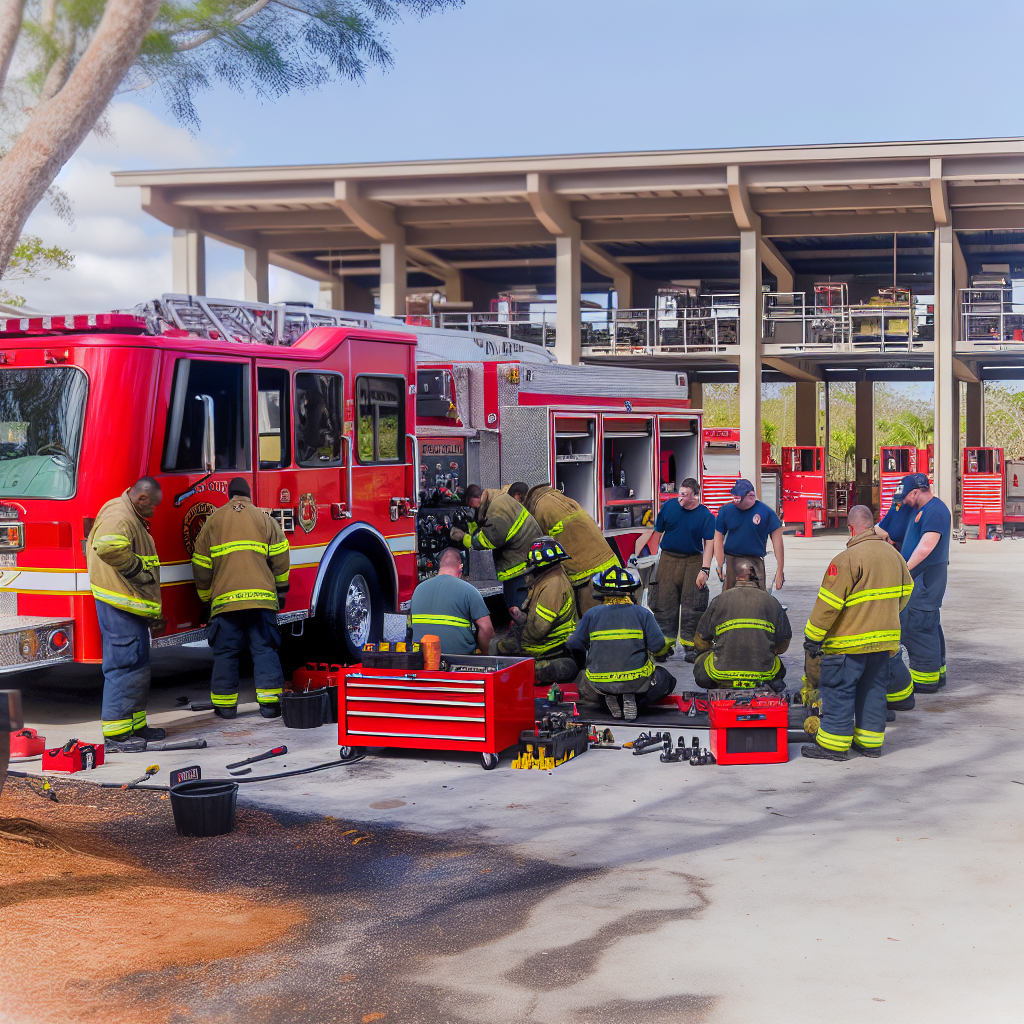
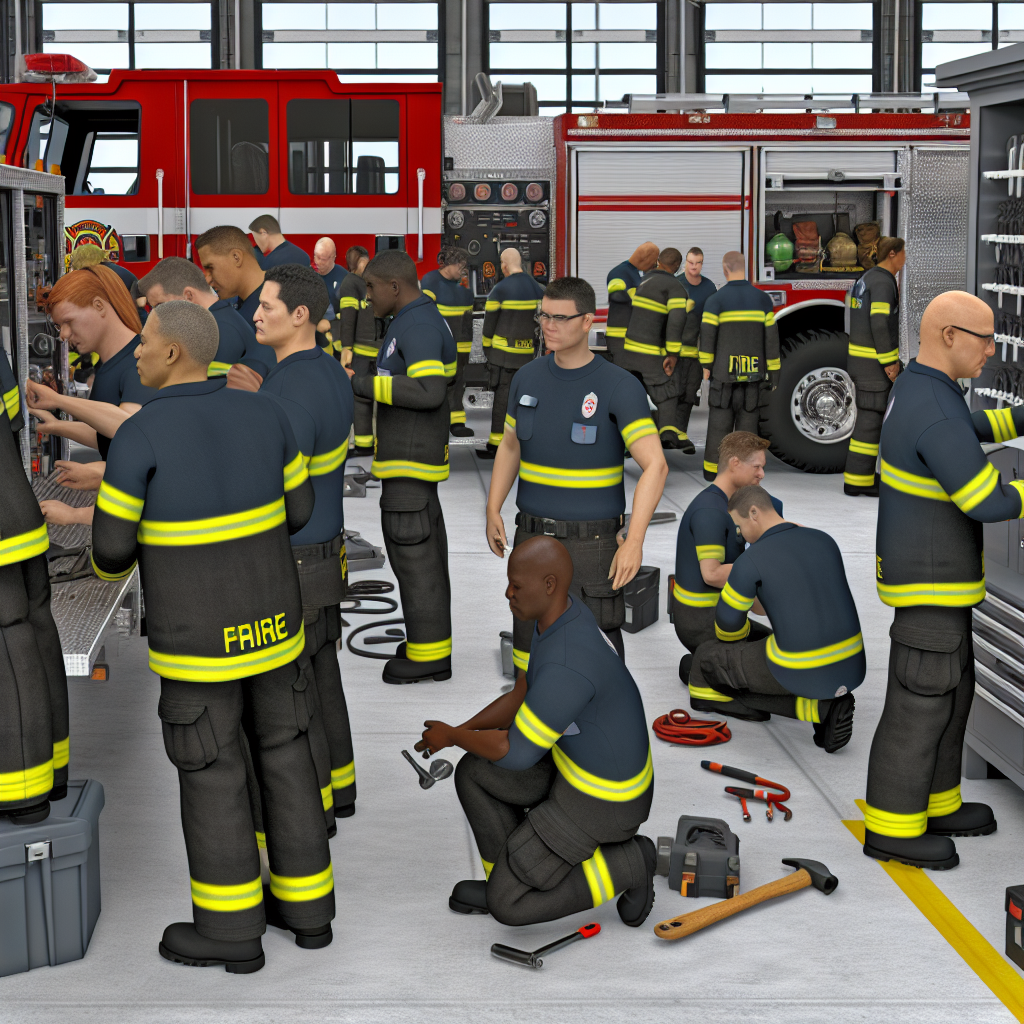
Components of Effective Training Programs for Fire Truck Maintenance
Effective fire truck maintenance training programs encompass several key components to ensure technicians are well-equipped to maintain and service fire apparatus efficiently. These components include comprehensive technical instruction, hands-on practical experience, and adherence to industry standards.
Key Components of Effective Fire Truck Maintenance Training Programs:
- Comprehensive Technical Instruction:
- Electrical Systems: Understanding chassis electrical systems, reading wiring diagrams, and troubleshooting gauges.
- Hydraulic Systems: Learning about different hydraulic systems used in fire trucks, interpreting hydraulic schematics, and troubleshooting.
- Brake Systems: Gaining knowledge of air brake components, system interactions, and troubleshooting procedures.
- Pump Operations: Operating fire pumps using various water sources, including onboard water, external pressurized supplies, and drafting from static sources.
- Hands-On Practical Experience:
- Engaging in practical exercises such as apparatus inspection, maintenance tasks, and operating fire pumps to reinforce theoretical knowledge.
- Participating in live-fire scenarios and equipment operation drills to simulate real-world conditions.
- Adherence to Industry Standards:
- Aligning training content with standards like NFPA 1002, which outlines the performance criteria for fire apparatus driver/operators.
- Ensuring training programs meet the requirements set forth by relevant authorities to maintain compliance and safety.
Training Formats:
Pierce Manufacturing offers a structured approach to training that aligns with the industry’s best practices. Their 16-hour, 2-day classes feature an intensive curriculum that combines classroom instruction with hands-on training, making sure participants engage directly with the equipment they will be using in the field.
The training typically focuses on:
- Duration and Structure: Courses crafted to last two days with a total of approximately 16 hours of combined learning and practical application.
- Curriculum Focus: Important topics like apparatus inspection, maintenance procedures, system troubleshooting, and operational safety.
- Certification: Successful completion often results in certification, validating the technician’s competency in fire truck maintenance.
By emphasizing these components, training programs not only teach theoretical knowledge but also ensure fire department personnel are adept at conducting preventive maintenance and troubleshooting issues effectively, ultimately leading to better operational performance and community safety.
Comparing Traditional Training Methods vs. Customized Training
When it comes to training for fire truck maintenance, traditional and customized methods each have their own strengths and weaknesses.
Traditional Training Methods
Traditional training usually relies on standardized curricula delivered through lectures, manuals, and practical exercises. It prioritizes uniformity and is designed to serve a wide audience.
- Benefits:
- Simplicity and Accessibility: These methods are easy to implement and accessible to many without needing specialized technology.
- Cost-Effectiveness: They generally require lower investments in technology and infrastructure, making them a good option for organizations with limited budgets.
- Drawbacks:
- Limited Engagement: This approach may lack interactive components, leading to disengagement and lower information retention among trainees.
- Scalability Issues: Traditional training can be time-intensive, making it difficult to efficiently train large groups rapidly.
Customized Training Methods
Customized training tailors content and delivery to meet the specific needs of an organization and its personnel, often using advanced technologies.
- Benefits:
- Enhanced Engagement and Retention: Interactive features, like virtual maintenance training, create realistic scenarios that improve learning effectiveness. For example, the U.S. Navy’s Simulated Aircraft Maintenance Trainer increased training capacity and lowered costs compared to traditional methods.
- Flexibility and Relevance: Training can be adjusted to address specific challenges related to fire truck maintenance, helping ensure that personnel are equipped for real-world situations.
- Drawbacks:
- Higher Initial Costs: Building customized training programs often requires significant investment in development and technology, especially for virtual reality or augmented reality training.
- Technical Challenges: Keeping up with advanced training technologies can create technical issues that require ongoing support.
Why Customized Training Leads to Better Maintenance Outcomes
Customized training is effective for fire truck maintenance as it focuses on a hands-on approach tailored to the unique needs of fire apparatus. This targeted training greatly improves the skills and knowledge of fire department personnel, leading to better maintenance practices and fewer equipment failures.
A well-structured customized training program prepares personnel for the specific characteristics of each fire truck and enhances efficiency in maintenance tasks. This ensures that fire trucks operate at peak performance, contributing to the safety of the community.
As industry experts have noted, “Preventive maintenance can improve the longevity and lifespan of an apparatus.” This highlights the need for proactive training methods, which are more easily achieved through customized, hands-on approaches.
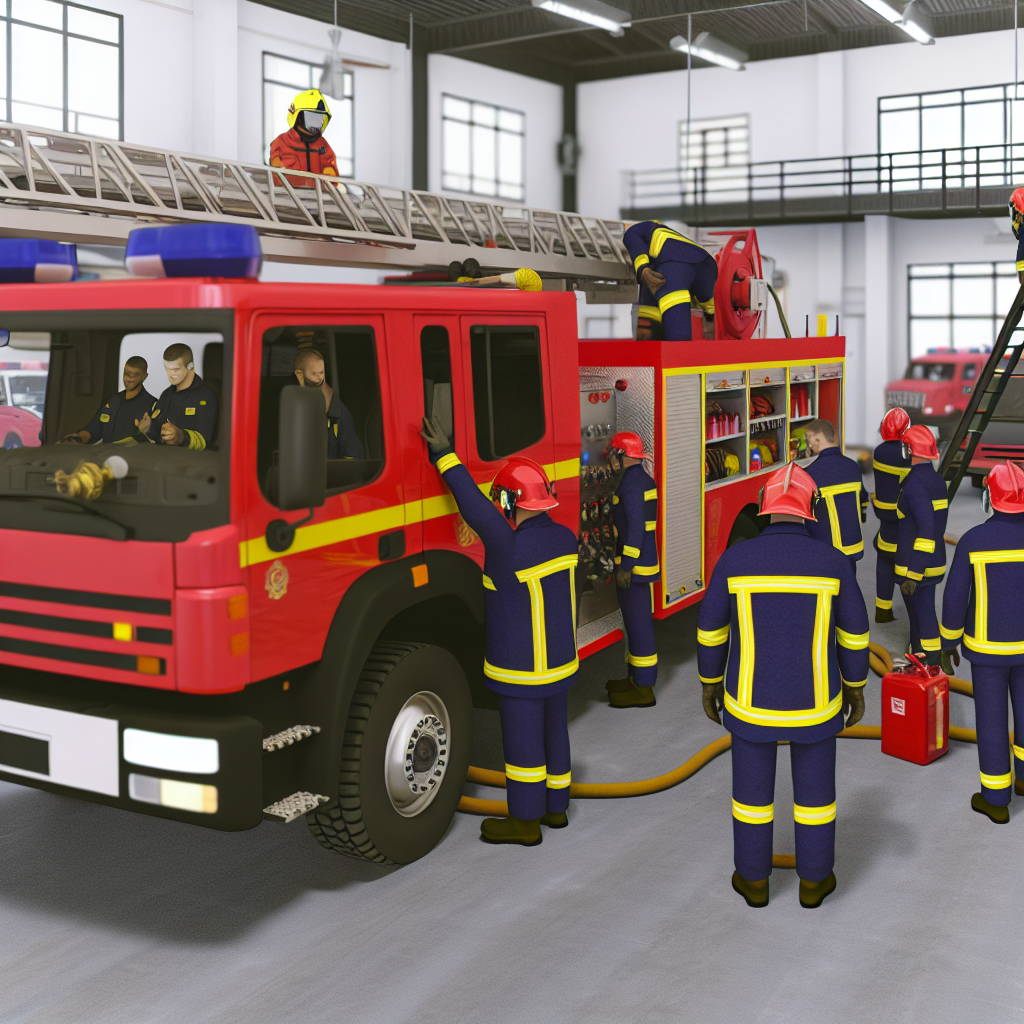
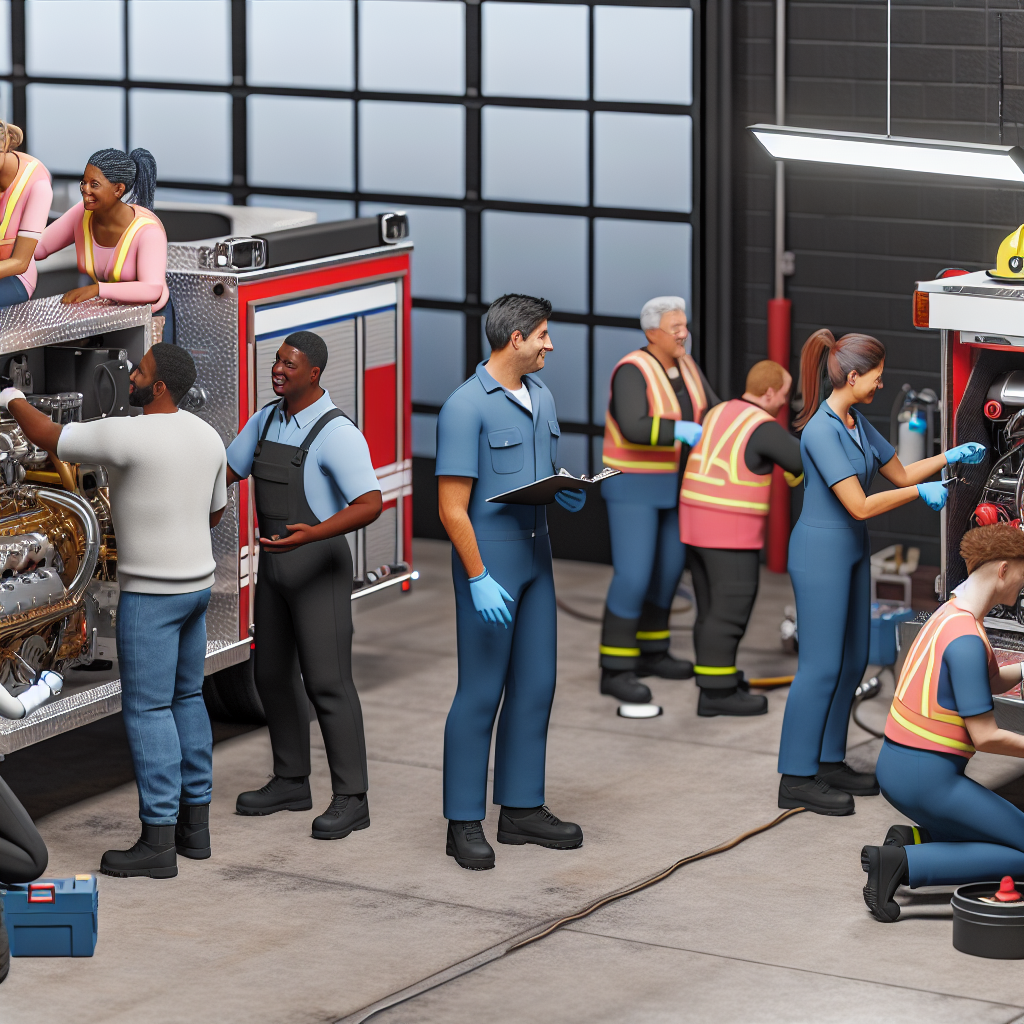
Fire Truck Maintenance Training Images
Training Offerings Comparison
| Training Provider | Class Type | Format | Duration | Specialized Features |
|---|---|---|---|---|
| Pierce Manufacturing | 15 specialized classes on vehicle systems | Classroom + Hands-on | 2 days (16 hours) | Master Technician program, recertification every 5 years, training at regional locations and in-house options. |
| Oshkosh Corporation | Operator training, basic maintenance, advanced overhaul | Classroom + Hands-on + Virtual | 5 days | Customizable e-learning solutions, advanced facilities, real-time virtual training scenarios. |
| Spartan Emergency Response | On-site technician training covering various systems | On-site | 4 days | Personalized instruction, emphasis on chassis components, and up-to-date with product enhancements. |
Success Stories and Impact of Customized Training for Fire Truck Maintenance
Customized training programs for fire truck maintenance have significantly impacted operational efficiency, safety, and vehicle reliability across various fire departments. Here are several compelling success stories and statistics highlighting these enhancements:
-
Prince George’s County Fire/EMS Department
- Through a standardized training program, this department improved operational consistency. Rescue Squad No. 820 responded to over 1,800 emergencies in 2024, demonstrating enhanced readiness due to effective training and maintenance strategies.
Source
- Through a standardized training program, this department improved operational consistency. Rescue Squad No. 820 responded to over 1,800 emergencies in 2024, demonstrating enhanced readiness due to effective training and maintenance strategies.
-
Springfield Fire Department’s Collaboration with Pierce Manufacturing
- By partnering with Pierce Manufacturing for ongoing training, they reported a 30% increase in fire apparatus uptime within a year. This improvement in readiness directly correlated with a decrease in unexpected repairs, showcasing the benefits of a well-structured maintenance training program.
Source
- By partnering with Pierce Manufacturing for ongoing training, they reported a 30% increase in fire apparatus uptime within a year. This improvement in readiness directly correlated with a decrease in unexpected repairs, showcasing the benefits of a well-structured maintenance training program.
-
Evanston Fire Department’s Consistent Training Initiatives
- The department’s focus on mandatory monthly training led to a steady decrease in vehicle accidents: from 20 accidents in 2019 to just 11 by November 2022. This decrease exemplifies the crucial role training plays in reducing mishaps and ensuring safety on the road.
Source
- The department’s focus on mandatory monthly training led to a steady decrease in vehicle accidents: from 20 accidents in 2019 to just 11 by November 2022. This decrease exemplifies the crucial role training plays in reducing mishaps and ensuring safety on the road.
-
National Traffic Incident Management Responder Training
- This initiative resulted in a notable incident where a fire engine’s strategic positioning during a collision protected both personnel and civilians, demonstrating the practical importance of effective training. Following the training, there were only minor injuries reported, indicating a successful application of learned skills.
Source
- This initiative resulted in a notable incident where a fire engine’s strategic positioning during a collision protected both personnel and civilians, demonstrating the practical importance of effective training. Following the training, there were only minor injuries reported, indicating a successful application of learned skills.
Testimonials from Fire Department Personnel
Several fire department representatives have shared their positive experiences with customized training and its impact on their maintenance operations:
- Deputy Chief Mike Glore, City of Reading Fire Department: “The new service truck allows us to enhance our maintenance capabilities, ensuring our fleet is always ready to serve the community.”
- Battalion Chief Eric Gentry, Kissimmee Fire Department: “We found the customized training structure provided the best value for our needs, significantly improving our operational readiness.”
- Second Assistant Chief John F. DeBisschop III, Naugatuck Fire Department: “The training allowed ample time for skill refinement, which has been invaluable for enhancing our operational capabilities.”
- Steve Apple, Fire Chief and Hydraulics Instructor: “Our tanker fills a full minute faster with the new valve, allowing us to improve efficiency and response times significantly. This improvement will lead to plans to retrofit all tankers.”
These success stories and testimonials reflect how customized training not only boosts operational performance but also ensures fire department personnel are better prepared for the challenges faced during emergencies, ultimately leading to improved community safety.
Conclusion
In conclusion, customized training in fire truck maintenance is not just beneficial; it is essential for ensuring the operational readiness and efficiency of fire departments. By tailoring training programs to address the unique specifications of each fire apparatus, fire department personnel are better equipped to conduct preventive maintenance, respond effectively to emergencies, and enhance community safety. As we have seen, the longevity and reliability of fire trucks are directly linked to how well they are maintained, and customized training plays a pivotal role in this process.
The commitment of Pierce Manufacturing to providing specialized training since 1997 exemplifies their dedication to supporting fire departments across the nation. With a range of offerings, including 15 specialized classes and a blend of classroom instruction and hands-on technical training, they ensure that personnel are not only trained but become masters of their craft.
Therefore, we encourage fire departments to consider implementing tailored training programs and engage with Pierce Manufacturing for more information on how they can optimize their fire truck maintenance practices. Reach out today and start ensuring that your fire apparatus are always ready to serve when every second counts. Your community’s safety is worth it!
In the high-stakes world of firefighting, the reliability of fire apparatus is paramount. Every moment counts when responding to an emergency, making it essential that fire trucks are in optimal condition. Regular fire truck maintenance is not just a routine task; it is a critical component of operational effectiveness that ensures these vital machines can respond to emergencies when lives are on the line. Herein lies the importance of customized training in fire truck maintenance and service training. Since 1997, Pierce Manufacturing has recognized the unique needs of fire departments and has offered tailored service training programs. Their comprehensive courses blend classroom instruction with hands-on technical training, specifically tailored to the various vehicles and systems at hand. As one expert noted,
“A fire apparatus is designed and manufactured to the unique specifications of a fire department — shouldn’t the service and maintenance training be customized for each apparatus?”
This question underscores the necessity for specialized training that aligns with the distinct features and functionalities of each fire truck, ultimately enhancing both performance and longevity.
The Importance of Customized Training for Fire Truck Maintenance
Customized training is a critical element in ensuring that fire department personnel are equipped with the skills and knowledge necessary to stay current and maintain fire trucks effectively. Given the unique demands of each fire apparatus, it is crucial that training is tailored to address specific models and systems, thereby enhancing both preventive maintenance practices and emergency response capabilities.
Preventive maintenance is not just a recommended practice; it is an essential strategy that can significantly increase the longevity and reliability of fire trucks. Customized training programs focus on equipping firefighters and maintenance staff with the hands-on skills required to conduct thorough inspections and routine maintenance. This approach reduces the likelihood of equipment failures during emergencies, which can prove catastrophic. As highlighted by industry experts,
“Communities are at risk when fire trucks cannot respond to service calls.”
This stark reality underscores the critical need for proper training that prepares personnel to address potential issues proactively.
Moreover, hands-on training allows personnel to interact directly with the equipment they will operate and maintain. Such experiential learning ensures that they are well-acquainted with the intricacies of each truck, leading to better maintenance practices and quicker diagnostics during emergencies.
In summary, the importance of customized training cannot be overstated. It serves as a fundamental building block in ensuring that fire trucks are not only operational but also optimized for performance when called upon. By investing in such training, fire departments safeguard their communities and enhance their emergency response capabilities.
Components of Effective Training Programs for Fire Truck Maintenance
Effective fire truck maintenance training programs encompass several key components to ensure technicians are well-equipped to maintain and service fire apparatus efficiently. These components include comprehensive technical instruction, hands-on practical experience, and adherence to industry standards.
Key Components of Effective Fire Truck Maintenance Training Programs:
-
Comprehensive Technical Instruction:
- Electrical Systems: Understanding chassis electrical systems, reading wiring diagrams, and troubleshooting gauges.
- Hydraulic Systems: Learning about different hydraulic systems used in fire trucks, interpreting hydraulic schematics, and troubleshooting.
- Brake Systems: Gaining knowledge of air brake components, system interactions, and troubleshooting procedures.
- Pump Operations: Operating fire pumps using various water sources, including onboard water, external pressurized supplies, and drafting from static sources.
-
Hands-On Practical Experience:
- Engaging in practical exercises such as apparatus inspection, maintenance tasks, and operating fire pumps to reinforce theoretical knowledge.
- Participating in live-fire scenarios and equipment operation drills to simulate real-world conditions.
-
Adherence to Industry Standards:
- Aligning training content with standards like NFPA 1002, which outlines the performance criteria for fire apparatus driver/operators.
- Ensuring training programs meet the requirements set forth by relevant authorities to maintain compliance and safety.
Comparing Traditional Training Methods vs. Customized Training
In the context of fire truck maintenance and service training, traditional and customized training methods each offer distinct advantages and challenges.
Traditional Training Methods
Traditional training often involves standardized curricula delivered through lectures, manuals, and hands-on practice. This approach emphasizes uniformity and broad applicability.
Benefits:
- Simplicity and Accessibility: Traditional methods are straightforward to implement and can be easily accessed by a wide audience without the need for specialized technology.
- Cost-Effectiveness: They typically require less investment in technology and infrastructure, making them suitable for organizations with limited resources.
Drawbacks:
- Limited Engagement: These methods may lack interactive elements, potentially leading to reduced engagement and retention among trainees.
- Scalability Issues: Traditional training can be time-intensive and may not scale efficiently, especially when rapid training of a large workforce is required.
Customized Training Methods
Customized training tailors content and delivery to the specific needs of the organization and its personnel, often incorporating advanced technologies.
Benefits:
- Enhanced Engagement and Retention: Interactive elements, such as virtual maintenance training, provide realistic simulations that improve learning outcomes. For example, the U.S. Navy’s Simulated Aircraft Maintenance Trainer (SAMT) increased the number of students trained and reduced training expenses compared to traditional methods.
- Flexibility and Relevance: Training can be adapted to directly address specific challenges and scenarios relevant to fire truck maintenance, ensuring that personnel are prepared for real-world situations.
Drawbacks:
- Higher Initial Costs: Developing customized training programs requires significant investment in development and technology, particularly for incorporating virtual reality or augmented reality solutions.
- Technical Challenges: Maintaining advanced training technologies can introduce technical challenges that may require ongoing support and updates.
Why Customized Training Leads to Better Maintenance Outcomes
Customized training is beneficial for fire truck maintenance as it emphasizes a hands-on, tailored approach that addresses the unique operational needs of fire apparatus. The focus on tailored content significantly enhances the skills and knowledge of fire department personnel, leading to better maintenance practices and reduced equipment failures.
A well-structured customized training program not only prepares personnel for the unique specifications of each fire truck but also leads to improved efficiency in maintenance operations. This ultimately ensures trucks are functioning optimally when needed, enhancing community safety.
As highlighted by industry experts,
“Preventive maintenance can improve the longevity and lifespan of an apparatus.”
This underscores the necessity for training that prioritizes proactive approaches, which are more achievable through customized, hands-on training methods.
Success Stories and Impact of Customized Training for Fire Truck Maintenance
Customized training programs for fire truck maintenance have significantly impacted operational efficiency, safety, and vehicle reliability across various fire departments. Here are several compelling success stories and statistics highlighting these enhancements:
-
Prince George’s County Fire/EMS Department
- Through a standardized training program, this department improved operational consistency. Rescue Squad No. 820 responded to over 1,800 emergencies in 2024, demonstrating enhanced readiness due to effective training and maintenance strategies. (Triplea Truck Wash)
-
Springfield Fire Department’s Collaboration with Pierce Manufacturing
- By partnering with Pierce Manufacturing for ongoing training, they reported a 30% increase in fire apparatus uptime within a year. This improvement in readiness directly correlated with a decrease in unexpected repairs, showcasing the benefits of a well-structured maintenance training program. (5Star Truckin)
-
Evanston Fire Department’s Consistent Training Initiatives
- The department’s focus on mandatory monthly training led to a steady decrease in vehicle accidents: from 20 accidents in 2019 to just 11 by November 2022. This decrease exemplifies the crucial role training plays in reducing mishaps and ensuring safety on the road. (Evanston RoundTable)
-
National Traffic Incident Management Responder Training
- This initiative resulted in a notable incident where a fire engine’s strategic positioning during a collision protected both personnel and civilians, demonstrating the practical importance of effective training. Following the training, there were only minor injuries reported, indicating a successful application of learned skills. (Federal Highway Administration)
Testimonials from Fire Department Personnel
Several fire department representatives have shared their positive experiences with customized training and its impact on their maintenance operations:
- Deputy Chief Mike Glore, City of Reading Fire Department: “The new service truck allows us to enhance our maintenance capabilities, ensuring our fleet is always ready to serve the community.”
- Battalion Chief Eric Gentry, Kissimmee Fire Department: “We found the customized training structure provided the best value for our needs, significantly improving our operational readiness.”
- Second Assistant Chief John F. DeBisschop III, Naugatuck Fire Department: “The training allowed ample time for skill refinement, which has been invaluable for enhancing our operational capabilities.”
- Steve Apple, Fire Chief and Hydraulics Instructor: “Our tanker fills a full minute faster with the new valve, allowing us to improve efficiency and response times significantly. This improvement will lead to plans to retrofit all tankers.”
These success stories and testimonials reflect how customized training not only boosts operational performance but also ensures fire department personnel are better prepared for the challenges faced during emergencies, ultimately leading to improved community safety.
Conclusion
In conclusion, customized training in fire truck maintenance and service training is not just beneficial; it is essential for ensuring the operational readiness and efficiency of fire departments. By tailoring training programs to address the unique specifications of each fire apparatus, fire department personnel are better equipped to conduct preventive maintenance, respond effectively to emergencies, and enhance community safety. As we have seen, the longevity and reliability of fire trucks are directly linked to how well they are maintained, and customized training plays a pivotal role in this process.
The commitment of Pierce Manufacturing to providing specialized training since 1997 exemplifies their dedication to supporting fire departments across the nation. With a range of offerings, including 15 specialized classes and a blend of classroom instruction and hands-on technical training, they ensure that personnel are not only trained but become masters of their craft.
Therefore, we encourage fire departments to consider implementing tailored training programs and engage with Pierce Manufacturing for more information on how they can optimize their fire truck maintenance practices. Reach out today and start ensuring that your fire apparatus are always ready to serve when every second counts. Your community’s safety is worth it!
Validation and Context for Customized Fire Truck Maintenance Training
The significance of customized training programs for fire truck maintenance is underscored by industry experts and successful implementations across various fire departments. Here are some resources that validate the importance of tailored training and its impact on operational efficiency:
-
ISUZU’s Fire Truck Care Program emphasizes the necessity of preventive maintenance and operator training tailored specifically to firefighting vehicles. This initiative highlights how customized training ensures fire trucks remain mission-ready, ultimately enhancing the safety and effectiveness of emergency responders.
Learn more about ISUZU’s commitment to fire truck readiness. -
The Prince George’s County Fire/EMS Department implemented a comprehensive strategy for fleet standardization, focusing on consistent training and maintenance protocols. This led to improved efficiency and quicker response times due to all personnel being familiar with the equipment.
Read more about their approach to fleet standardization. -
Regular maintenance plays a critical role in fire truck reliability. Routine inspections can prevent breakdowns, maintaining fast response times and ensuring crew safety.
Explore the necessity of routine maintenance here. -
Proper training for personnel working on fire apparatus is essential due to the increasing complexity of fire trucks. Properly trained maintenance staff can prevent costly mistakes and ensure the safety and effectiveness of the equipment.
Find out more about the importance of training for maintenance personnel.
By investing in tailored training programs, fire departments can enhance their emergency response capabilities and ensure the operational readiness of their vehicles. Customized training not only leads to better-informed staff but also contributes significantly to community safety.