
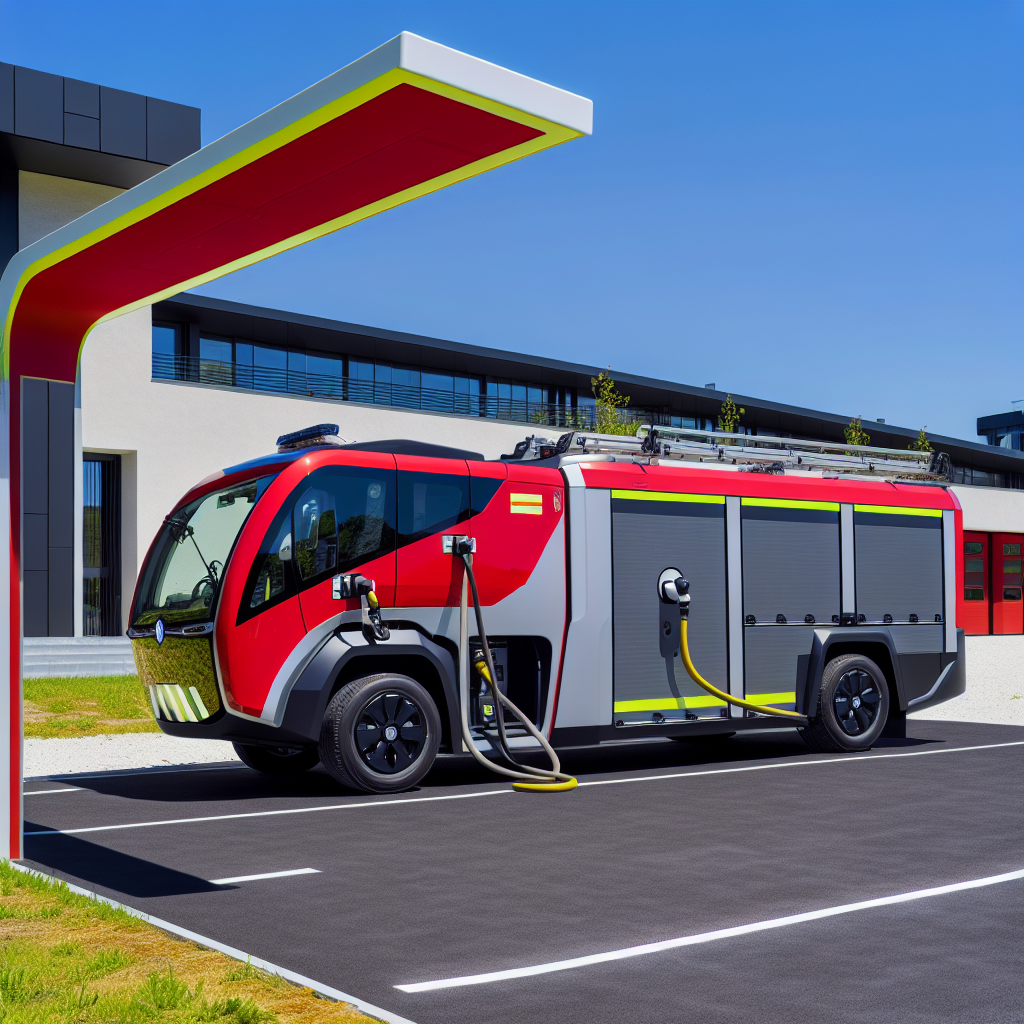
In an era where environmental concerns are at the forefront of urban planning, electric fire trucks equipped with advanced electric vehicle technology are becoming an essential solution for fire departments looking to enhance sustainability. As municipalities embrace greener technologies and sustainable firefighting practices, the integration of electric fire trucks into their fleets presents unique challenges and abundant opportunities.
One of the foremost necessities is robust charging infrastructure that ensures these vehicles can operate efficiently while navigating the complexities of fire station logistics. Departments must consider critical factors such as space limitations for charging stations and the vital installation of 480-volt three-phase power systems. Rest assured, the process of integrating an electric fire truck into your department can run as seamlessly as adding any other type of fire apparatus.
However, this transition can also yield significant advantages, from reduced fuel costs to lower maintenance demands, ultimately fostering a stronger community identity focused on sustainability. As fire departments explore these advancements, the journey toward electrification emerges not just as an operational shift, but as a vital step toward a cleaner future.
Importance of Charging Infrastructure
Charging infrastructure is paramount for electric fire trucks, as it directly affects operational efficiency and readiness. As fire departments shift toward electrification, establishing a dependable and swift charging framework becomes essential to ensure that emergency response capabilities are never compromised. Properly designed charging stations not only minimize downtime but also increase the operational readiness of fire trucks, allowing them to respond quickly to emergencies without waiting for long charging periods.
A critical aspect of this infrastructure is the need for 480-volt three-phase power. This type of power supply allows for faster charging and supports the heavy-duty electrical demands of electric fire trucks. The rigorous nature of fire service operations means that these vehicles need rapid and reliable charging solutions to stay functional, especially during peak operational periods. A robust charging setup can dramatically enhance the rapid turnaround time of fire trucks, allowing fire departments to maintain necessary agility in their response efforts.
Additionally, proper charging infrastructure can lead to cost savings over time. Electric fire trucks are designed for efficiency, and when combined with a well-planned charging scheme, can significantly reduce energy costs associated with their operation. This ensures that fire departments can allocate resources more effectively, investing in other important areas of municipal services while promoting sustainability.
Furthermore, having a reliable charging infrastructure instills confidence in the transition to electric fire trucks amongst stakeholders, including firefighters and community members. With fully functional charging stations in place, fire departments can demonstrate a serious commitment to innovative practices that benefit the environment, realize lower emissions, and enhance public safety—all integral to the modern-day fire service.
Planning Timeline
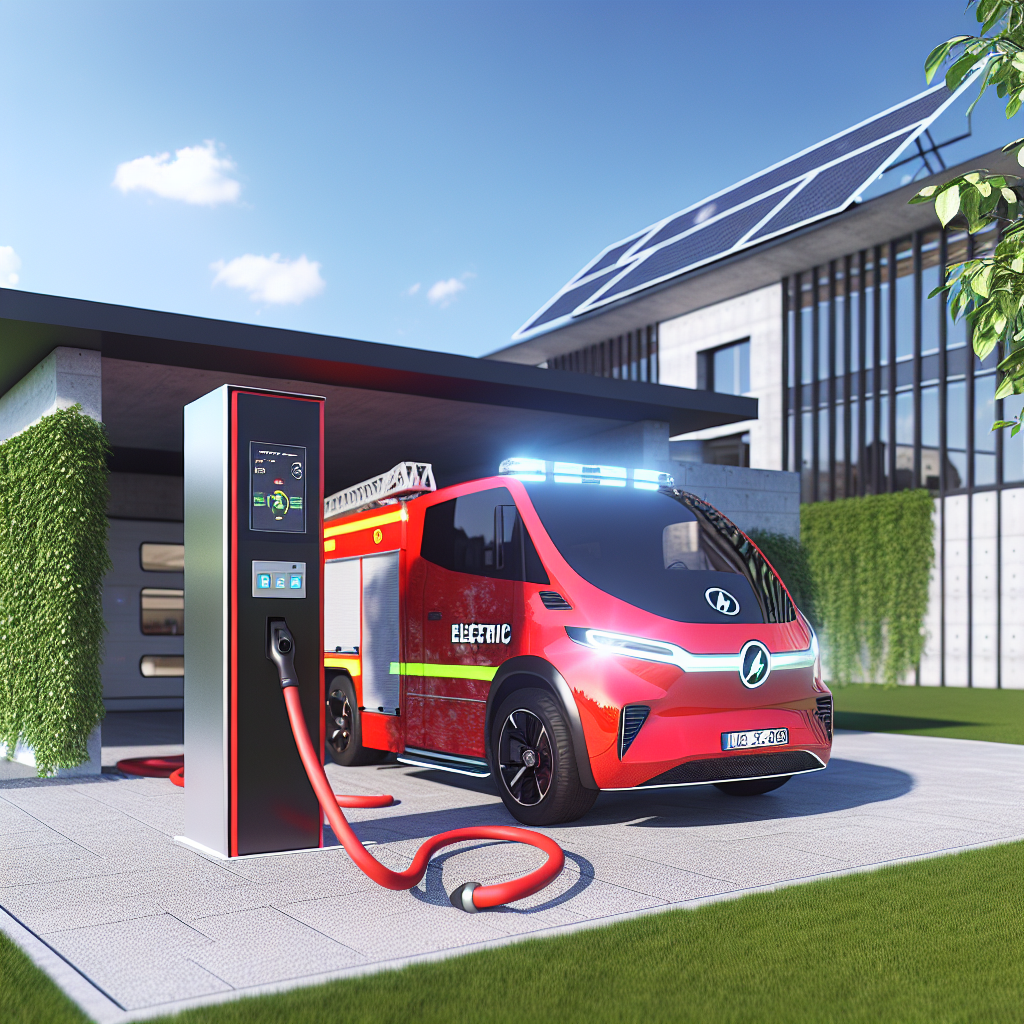
The successful integration of electric fire trucks into a fire department’s fleet requires meticulous planning, especially when it comes to establishing the necessary charging infrastructure. It is crucial to begin the planning process 9 to 12 months before the truck’s expected arrival. This timeline allows adequate time to assess and implement the essential components of charging facilities, ensuring that the trucks are operationally ready upon arrival.
Importance of Early Planning
Starting the planning phase early facilitates the identification and procurement of the required municipal permits. Each municipality has unique regulations concerning the installation of charging stations, which often involve zoning approvals and compliance with safety codes. Understanding these requirements early in the process ensures that there are no unexpected delays that could hinder the timely readiness of the infrastructure when the electric trucks arrive.
Logistical Considerations
In addition to the permit process, logistical considerations must be addressed throughout the planning phase. Fire departments must evaluate the available space for charging stations and determine the necessary electrical infrastructure upgrades, such as installing 480-volt three-phase power systems. This evaluation should consider factors like:
- Physical Space Requirements: Ensure that there is adequate room for the charging stations and maneuvering of fire trucks.
- Accessibility: Position charging stations in locations that allow straightforward access for rapid deployment during emergencies.
- Integration with Existing Infrastructure: Seamlessly fuse new charging installations with current fire station facilities to maintain operational efficiency.
Ultimately, by planning 9 to 12 months in advance, fire departments can reduce potential hurdles, foster a smoother integration process, and assure that the infrastructure is not just ready but optimized for the iconic electric fire trucks. This proactive approach not only minimizes downtime during critical situations but also promotes an effective transition toward sustainable firefighting practices.
| Charging Solution | Pros | Cons |
|---|---|---|
| Overhead Charging Stations |
|
|
| Standard Charging Solutions |
|
|
Maintenance Considerations
Regular maintenance of charging infrastructure is essential to ensure the reliability and efficiency of electric fire truck operations. Just as fire departments routinely service their vehicles, the charging stations that support these vehicles also require periodic checks, repairs, and sometimes even complete renewals to maintain optimal performance.
Importance of Regular Checks
Routine inspections of charging units should be established to monitor for wear and tear. Components such as connectors and cables can experience degradation over time due to environmental exposure, frequent use, and the stresses associated with emergency operations. Scheduling these inspections at least quarterly can help identify issues before they escalate, ensuring that charging stations are always ready for use.
Potential Renewals
In addition to regular checks, fire departments should be prepared to invest in renewals and upgrades for aging infrastructure. As technology advances, the standards for charging capabilities may change, necessitating upgrades to chargers that align with the latest electric fire truck specifications. Investing in newer models can significantly enhance charging speeds and efficiency, which is crucial for meeting the demands of first responders needing quick turnarounds during emergencies.
Keeping Equipment Operational
Maintaining functionality is paramount. A well-kept charging station ensures that fire trucks are ready when needed, minimizing downtime and maintaining optimal response times. Departments must have protocols in place for handling malfunctions, whether that involves in-house technical teams or contracted services for specialized repairs.
Additionally, keeping spare parts on hand can expedite service and reduce delays in emergency situations. Ensuring that technicians are trained in the specifics of the charging infrastructure used by the department can also help mitigate problem resolution times, maintaining overall operational readiness.
In conclusion, establishing a comprehensive maintenance schedule that includes regular inspections and timely updates not only preserves the functionality of charging infrastructure but also supports the effective deployment of electric fire trucks. This proactive approach ultimately facilitates the smooth integration of electric vehicles into fire department operations, demonstrating a commitment to innovation and sustainability in public service.

In conclusion, the path towards integrating electric fire trucks into fire department fleets is both promising and challenging. Effective planning for charging infrastructure emerges as a cornerstone for ensuring operational efficiency and responsiveness. As fire departments navigate this transition, they will need to address the unique requirements of electric vehicles, including adequate power supply and reliable charging solutions, while being mindful of investment costs and infrastructural upgrades.
The potential benefits, such as reduced operational costs and a significantly lower environmental impact, align with the growing emphasis on sustainability within public service. However, the challenges of ensuring that charging infrastructure is ready and operational at the time of the fire truck’s arrival cannot be overstated. Early investment in planning and maintaining these systems is crucial for departments aiming to enhance their response capabilities without compromising on service readiness.
Departments considering the adoption of electric fire trucks should take proactive steps now: engage with manufacturers like Pierce Manufacturing and Oshkosh Corporation to discuss tailored solutions, assess current infrastructural capabilities, and set timelines for upgrades. As Former Fire Chief Michael Benson aptly put it, “There’s no way to have robust charging without a microgrid.” By embracing these electric vehicles, fire departments have the opportunity to lead by example in their communities, demonstrating a commitment to innovative, sustainable practices that enhance public safety and well-being.
User Adoption Data for Electric Fire Trucks
Electric fire trucks are gradually gaining traction among fire departments across the United States, marking a significant transformation in emergency response strategies. Increasingly, departments are recognizing not only the environmental benefits of these vehicles but also their operational advantages.
Notable Case Studies
- Los Angeles Fire Department (LAFD): In 2022, LAFD made headlines by deploying a Rosenbauer RTX electric fire truck, becoming the first major U.S. city to put such a vehicle into active service. This progressive move showcases the department’s commitment to innovation and sustainability.
- Madison Fire Department (Wisconsin): Madison made a landmark decision in June 2021 by adding the Pierce Volterra electric fire truck to its fleet, making it the first U.S. department to operate a zero-emissions pumper. This initiative highlights the drive towards cleaner operations and aligns with community demands for lower emissions.
- Mesa Fire and Medical Department (Arizona): In January 2024, the acquisition of the E-ONE Vector electric fire truck marked Mesa’s commitment to advanced technology, capable of pumping 750 gallons per minute for four hours on a single charge, indicating a practical integration of electric capabilities in emergency situations.
- Portland Fire & Rescue (Oregon): Plans were in place as of spring 2022 to deploy a Volterra pumper at Portland’s busiest station, demonstrating a proactive approach to embracing electric technology in urban firefighting strategies.
Motivations for Transition
These departments have cited various motivations for adopting electric fire trucks, including:
- Environmental Responsibility: A pressing need to lower emissions aligns with broader societal goals focused on reducing carbon footprints and enhancing sustainability within urban environments.
- Operational Efficiency: Electric fire trucks offer reduced fuel costs and require less maintenance than traditional combustion vehicles, leading to increased budgetary savings and operational readiness.
- Community Engagement: As communities increasingly prioritize environmental sustainability, departments adopting electric vehicles can demonstrate leadership and responsiveness to public sentiments.
Conclusion
The transition to electric fire trucks among U.S. fire departments represents a critical move towards sustainable public service. By embracing electric technology, fire departments can modernize their fleets, demonstrate environmental responsibility, and ultimately enhance their operational efficiency. Other departments are encouraged to consider these advancements, assess their infrastructure capabilities, and engage with manufacturers to explore tailored solutions for electrification.
Charging Infrastructure Essentials
Understanding the critical components of electric fire truck charging infrastructure is essential for effective planning and execution. Departments should focus on the requirements for installation, including power specifications and space allocation, to ensure a seamless integration.
Planning Timeline Considerations
With a well-structured planning timeline, fire departments can effectively navigate the complexities of installing and maintaining electric fire truck charging infrastructure. Early identification of municipal requirements and logistical challenges leads to more effective implementation strategies.
Comparison of Charging Solutions
Exploring various charging solutions provides insights into their advantages and disadvantages. Departments can use this information to make informed decisions that align with their operational needs and capacity constraints.
Maintenance Considerations
Regular assessment of the charging infrastructure is key to ensuring reliability and longevity. Departments should prioritize the maintenance check, along with necessary upgrades, to address the evolving demands of electric fire trucks.
Conclusion and Future Outlook
The ongoing transition towards electric fire trucks represents a significant leap in firefighting technology. By fostering robust charging infrastructures and embracing innovative solutions, fire departments can ensure a sustainable future that meets modern operational demands.