

In today’s rapidly evolving landscape of public safety, the procurement of fire apparatus stands as a pivotal process demanding not only technical excellence but also unwavering community engagement and transparency. The inclusion of diverse voices in decision-making processes fosters trust and accountability, ensuring that the needs of the community are at the forefront.
Lexington County Fire Service exemplifies this inclusive approach through its innovative fire apparatus procurement committee, which actively incorporates the perspectives of key stakeholders—from firefighters to engineers and community representatives. By prioritizing collaborative decision-making, Lexington County not only enhances its operational capabilities but also reinforces its commitment to public safety, forging stronger ties with the community it serves.
As we delve deeper into the significance of such practices, we will explore how transparency and engagement are reshaping the landscape of fire service operations, ultimately creating a more informed and participatory environment for all.
Community Engagement in Fire Truck Procurement
Imagine a community where the roar of fire engines is not just the sound of emergency response, but a testament to the collaboration and trust between firefighters and the public they serve. In an era where community engagement influences nearly every aspect of governance, the procurement of fire trucks symbolizes more than just a purchase; it embodies a partnership. Here, the collective voices of community members and firefighters contribute to decisions that shape local safety and accountability. This synergy not only ensures that the right equipment is selected but fosters a profound sense of ownership and responsibility among all stakeholders.
When citizens understand the intricacies of fire truck specifications and operational needs, it enhances transparency and cultivates lasting trust. As we embark on this exploration of community engagement in fire truck procurement, it is vital to recognize that when communities and fire departments coalesce in this mission, they transform mere procurement processes into vital community-building actions.
By combining resources and insights, they create a resilient fire service that is prepared to protect and serve effectively. The outcome is not just a fleet of fire trucks; it is a robust lifeline that connects resources, expertise, and, most importantly, trust, fostering a safer environment for all.
Join us as we delve into the practices and principles that make community engagement a cornerstone of successful fire truck procurement.
Key Insights from Lexington County Fire Service on Community Engagement and Transparency in Fire Truck Procurement
- Composition of the Procurement Committee
- Involves a diverse representation including firefighters, engineers, and company officers across various ranks and shifts.
- This cross-functional team ensures that all voices are heard, fostering a sense of ownership and accountability over the equipment purchased.
- Transparent Decision-Making Processes
- Open meetings and discussions involving community stakeholders help bridge the gap between the fire service and the public.
- Providing clear information on the procurement process reinforces trust within the community.
- Community Education Programs
- Initiating programs that educate the community on fire service operations and the importance of specific fire truck features.
- By informing citizens, the service cultivates a better understanding of operational needs and funding requirements.
- Utilizing Technology for Outreach
- Leveraging social media and online platforms to engage the community and solicit feedback on procurement decisions and operational changes.
- This modern approach ensures timely updates and greater accessibility.
- Monthly Transparency Reports
- Regularly publishing detailed reports on procurement expenditures and fire service activities fosters a culture of accountability.
- It allows residents to review how funds are spent and the effectiveness of the procurement process.
- Collaboration with Other Departments
- Entering into Automatic Aid Agreements with neighboring departments to ensure resource sharing and collaborative support during emergencies.
- Such partnerships improve efficiency and demonstrate a unified commitment to community safety.
Recommendations for Other Fire Departments
- Establish Diverse Procurement Committees: Include representatives from different ranks and community members to create a team that reflects various perspectives.
- Maintain Transparency: Be open about procurement processes and timelines through community forums and accessible reporting.
- Engagement through Education: Implement community education initiatives to build awareness and understanding of fire service needs and operations.
- Leverage Digital Tools: Use technology for communication to gather feedback and foster community relationships.
- Accountability Measures: Regularly publish reports detailing spending and operational metrics to enhance trust and community confidence.
By adopting these strategies inspired by the Lexington County Fire Service, other fire departments can enhance their community engagement and establish more transparent practices, ultimately improving overall trust and accountability within their jurisdictions.
Evidence on the Effectiveness of Inclusive Procurement Committees in Fire Services
Inclusive procurement committees have been shown to enhance community trust and improve operational outcomes within fire services. Here are the key findings:
- Community Trust
Engaging local stakeholders, such as firefighters, engineers, and community representatives, in the procurement process fosters transparency and accountability. An example is the London Fire Brigade’s inclusion strategy, which emphasizes collaboration with community groups. This approach significantly enhances relationships and builds trust among citizens as it allows for direct public engagement, reinforcing trust through visible accountability. - Operational Efficiency
Inclusion in decision-making leads to practices that reflect the real operational needs of the community. The Milwaukee Metropolitan Sewerage District (MMSD) implements policies that prioritize minority, women-owned, and local businesses, which boosts operational effectiveness by leveraging local resources. This strategy not only addresses community disparities through training but also contributes to job creation. - Cooperative Purchasing
Fire departments are increasingly adopting cooperative purchasing methods that streamline the procurement of apparatus and equipment. Fire chiefs prefer this approach due to its transparent pricing, expedited processes, and reduced paperwork, facilitating a more efficient procurement cycle. This method fosters better governance by relying on structured and inclusive practices.
By integrating these inclusive practices, fire services can improve not only their operational capabilities but also their relationships with the communities they serve, ultimately leading to a more engaged and supportive public.
Expanding Procurement Committee Effectiveness through Technology and Community Education
The effectiveness of procurement committees can be significantly bolstered by incorporating technology for outreach and developing robust community education programs aimed at enhancing understanding and engagement. Here are some specific examples:
Technology Used for Outreach
- Digital Dashboards: The North Randall Fire Department in Ohio implemented digital dashboards, which provide real-time data on call statistics, equipment status, and training information. This initiative was funded through community donations, helping to maintain transparency and foster a collaborative atmosphere.
- Community Risk Reduction Portals: Platforms like Community Connect allow residents to provide critical property information to fire services, such as layouts and potential hazards. This approach ensures that outreach efforts are tailored more effectively, enhancing community education on fire safety and the operation of fire apparatus.
- AI-Powered Tools: Fire departments are employing AI to translate safety materials into multiple languages, ensuring inclusivity in public education. Predictive analytics also help identify high-risk areas, allowing targeted educational programs that address specific community needs.
- Public Alert Systems: Long-Range Acoustic Devices (LRAD) are used to broadcast emergency notifications widely. By leveraging such technology, fire departments can ensure that community members receive vital information during emergencies, strengthening trust and responsiveness.
- Smart911 Registration: Promoting services like Smart911 allows residents to create safety profiles that provide first responders with critical information during emergencies, ensuring that the operational needs of the community are met effectively.
Community Education Programs
- Fire Safety Education Programs: The San Francisco Fire Department’s Community Outreach Education (COE) Program offers comprehensive fire safety presentations to various community groups, covering topics like home escape planning and common fire causes. This approach not only educates citizens but also fosters closer ties between the fire department and the community.
- Red Cross Partnerships: In Kankakee, Illinois, local fire departments launched a collaboration with the American Red Cross to install free smoke alarms and teach fire safety through door-to-door outreach. This grassroots initiative engaged nearly all homes in the area and directly led to saving lives as residents gained knowledge and resources.
- PulsePoint Mobile App: This application alerts nearby trained civilians to cardiac arrest incidents, encouraging immediate action before emergency services arrive. It acts as a means to educate the public on lifesaving measures, thereby promoting community involvement in emergency response.
- Mobile Safety Education Centers: The Johns Hopkins CARES Safety Center takes safety education to the streets with a mobile “house on wheels,” offering community members access to affordable safety products and information directly. This initiative exemplifies proactive engagement and education outreach, demonstrating the importance of informed communities.
These examples indicate that incorporating technology and targeted education programs significantly improves engagement in fire service operations. By effectively utilizing these tools and strategies, procurement committees can not only enhance operational decision-making but also build lasting relationships with the community, reinforcing a joint commitment to public safety.
The successful practices implemented by Lexington County’s procurement committee serve as a model for fire departments striving for enhanced community engagement and trust. By involving firefighters, engineers, and community representatives in the decision-making process, Lexington County has demonstrated that collaborative efforts can lead to improved operational efficiency and greater accountability.
Other fire departments can achieve similar positive outcomes by adopting these inclusive strategies, thereby fostering a culture where community input not only influences procurement decisions but also enhances the overall effectiveness of fire services. Such engagement initiatives can help demystify the procurement process for the public, generating a deeper understanding and appreciation for the resources needed to safeguard their communities.
Consequently, by replicating Lexington’s commitment to transparency and collaboration, fire departments everywhere can build stronger bonds with their communities, placing public safety and trust at the forefront of their operations.
| Department Name | Strategy Name | Community Engagement Level | Results Achieved |
|---|---|---|---|
| Lexington County Fire | Inclusive Procurement Committee | High | Improved public trust and accountability; engaged community feedback. |
| Tulsa Fire Department | Single Manufacturer Standardization | Moderate | Streamlined maintenance, enhanced operational efficiency. |
| Milwaukee Metropolitan | Cooperative Purchasing | High | Cost savings, expedited purchasing processes, and local resource use. |
| London Fire Brigade | Community Involvement Strategy | High | Enhanced relationships with community groups, increased trust. |
| Oklahoma Fire Departments | Mutual Aid Agreements | Moderate | Increased resource availability during emergencies. |
| Various Fire Departments | Collaborative Training Initiatives | High | Strengthened community relations through education and engagement. |
Key Stakeholder Quotes on Community Involvement in Fire Truck Procurement
- M. Kyle Minick, Fire Chief: “Our procurement committee is a true reflection of our community. By including voices from across the ranks and the public, we ensure that every decision we make serves the needs of those we protect.”
- Procurement Committee Member: “It’s essential that we have firefighters, engineers, and community members at the table. This diverse representation helps us evaluate not just the technical specifications but also how our choices affect public safety.”
- Local Resident and Community Advocate: “When the Fire Service involves us in the procurement decisions, it empowers us as citizens. We feel like our opinions matter, and that builds trust between us and the firefighters.”
- Firefighter Representative: “We all have unique insights based on our experiences. Engaging in the procurement process means we can share these perspectives, ensuring we choose apparatus that truly meets our operational goals and public expectations.”
- City Council Member: “Supporting the Fire Service’s procurement efforts isn’t just about funding; it’s about collaborating to enhance community safety. When the public is involved, we build a stronger, more transparent system.”
These insights underscore the vital role of community engagement in shaping effective fire apparatus procurement and highlight the collaborative spirit that drives the Lexington County Fire Service’s mission.
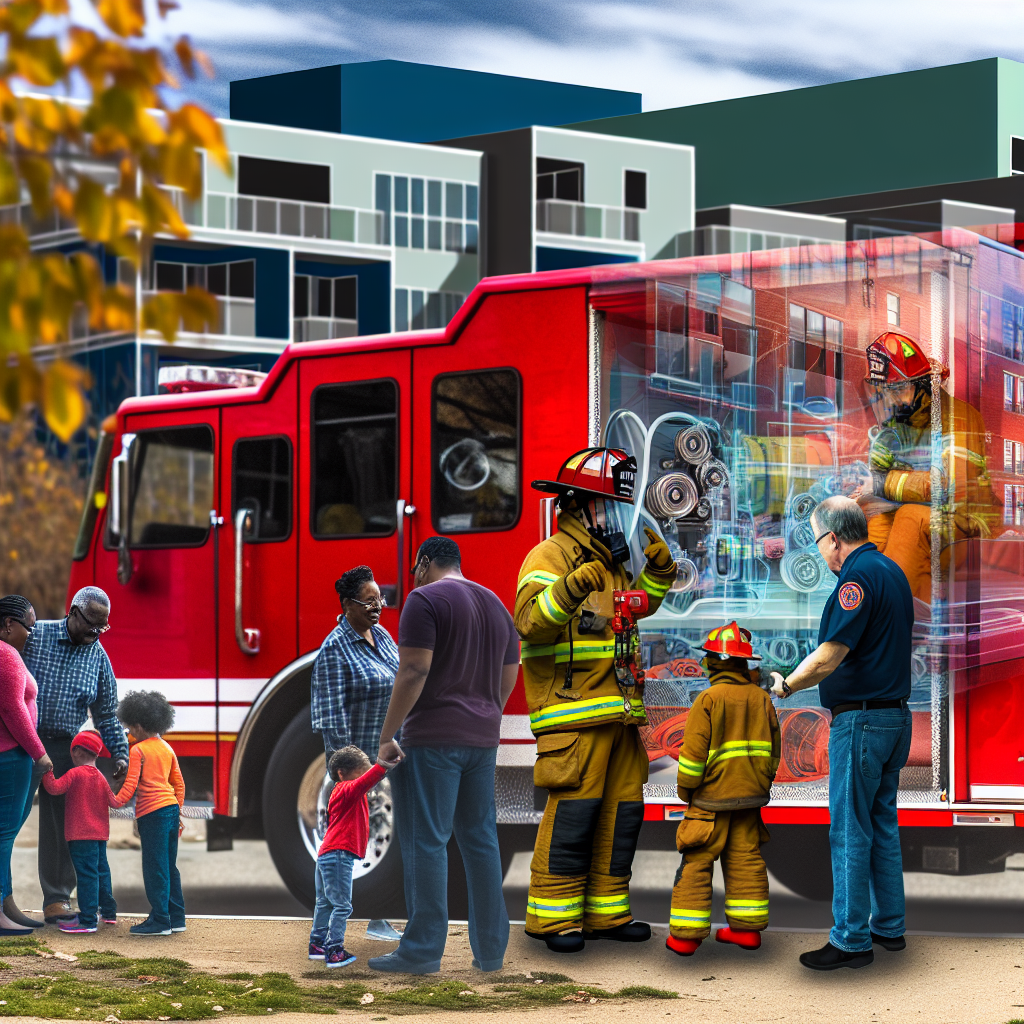
Image showing community engagement in fire service, depicting collaboration between firefighters and community members, symbolizing openness and trust.
Community Testimonials
-
Chief Mark Minick of Lexington County Fire Service stated:
“These are your fire trucks. We want the public to be engaged.” Pierce Manufacturing
Through open houses and public events, the department emphasizes transparency and strengthens community trust.
-
Chief Minick also articulated the importance of educating the public about equipment investments:
“When I go ask for something more, I want the public to understand why. Why is there a computer in that truck? Why does an air pack cost what it does? The more they know, the more they trust what we’re doing.” Pierce Manufacturing
This information promotes understanding and aids in building trust with residents.
-
Larry Cier, a volunteer firefighter, remarked on the significance of transparency:
“We also wanted to be sure voters had all of the information to avoid criticism… about budget and spending decisions being made without most voters being aware.” Fire Apparatus Magazine
This highlights the need for proactive communication with the community regarding funding decisions.
-
In his commentary on fire service leadership, Chris Hagan emphasized personal connection:
“We need to accept the burden of information dissemination… We need to show how busy we are, we need to reaffirm and cement our positive appeal in the eyes of the public.” Firehouse
Such efforts are crucial in maintaining a favorable perception of fire services amongst residents.
These testimonials underscore the vital role of community engagement in fire department operations, especially concerning fire truck procurement. By fostering transparency and collaboration, fire departments can significantly strengthen public trust and enhance their overall effectiveness.
In conclusion, the practices demonstrated by the Lexington County Fire Service in their fire apparatus procurement illustrate the significant impact of community engagement and transparency on operational success and public trust. By fostering inclusive decision-making processes, engaging diverse stakeholders, and maintaining open communication with the community, fire departments can cultivate a strong sense of ownership and accountability. The emphasis on educational initiatives serves to demystify the procurement process, allowing citizens to appreciate the intricate needs of their fire service. Other departments can replicate these effective strategies to enhance their public relations and ensure that their operational decisions align with community expectations. Ultimately, by committing to transparency and active engagement, fire services can build lasting relationships with their communities, leading to improved safety and collaborative success in fire apparatus procurement. Encouragement is extended to other fire departments to adopt these best practices, which can significantly contribute to their effectiveness and the overall trust in public safety operations.
Introduction
In today’s rapidly evolving landscape of public safety, the procurement of fire apparatus stands as a pivotal process demanding not only technical excellence but also unwavering community engagement and transparency in public safety. The inclusion of diverse voices in decision-making processes fosters community trust in fire services and accountability, ensuring that the needs of the community are at the forefront. Lexington County Fire Service exemplifies this inclusive approach through its innovative fire apparatus procurement committee, which actively incorporates the perspectives of key stakeholders—from firefighters to engineers and community representatives. By prioritizing collaborative decision-making, Lexington County not only enhances its operational capabilities but also reinforces its commitment to public safety, forging stronger ties with the community it serves. As we delve deeper into the significance of such practices, we will explore how fire service procurement strategies involving community trust and engagement are reshaping the landscape of fire service operations, ultimately creating a more informed and participatory environment for all.
Hook
Imagine a community where the roar of fire engines is not just the sound of emergency response, but a testament to the collaboration and trust between firefighters and the public they serve. In an era where community engagement influences nearly every aspect of governance, the procurement of fire trucks symbolizes more than just a purchase; it embodies a partnership. Here, the collective voices of community members and firefighters contribute to decisions that shape local safety and accountability. This synergy not only ensures that the right equipment is selected but fosters a profound sense of ownership and responsibility among all stakeholders. When citizens understand the intricacies of fire truck specifications and operational needs, it enhances transparency in public safety and cultivates lasting trust. As we embark on this exploration of community engagement in fire service procurement, it is vital to recognize that when communities and fire departments coalesce in this mission, they transform mere procurement processes into vital community-building actions.
By combining resources and insights, they create a resilient fire service that is prepared to protect and serve effectively. The outcome is not just a fleet of fire trucks; it is a robust lifeline that connects resources, expertise, and, most importantly, trust, fostering a safer environment for all.
Join us as we delve into the practices and principles that make community engagement a cornerstone of successful fire service procurement strategies.
Key Insights
Key Insights from Lexington County Fire Service on Community Engagement and Transparency in Fire Truck Procurement
- Composition of the Procurement Committee
- Involves a diverse representation including firefighters, engineers, and company officers across various ranks and shifts. This cross-functional team ensures that all voices are heard, fostering a sense of ownership and accountability over the equipment purchased.
- Transparent Decision-Making Processes
- Open meetings and discussions involving community stakeholders help bridge the gap between the fire service and the public. Providing clear information on the procurement process reinforces trust within the community.
- Community Education Programs
- Initiating programs that educate the community on fire service operations and the importance of specific fire truck features. By informing citizens, the service cultivates a better understanding of operational needs and funding requirements.
- Utilizing Technology for Outreach
- Leveraging social media and online platforms to engage the community and solicit feedback on procurement decisions and operational changes. This modern approach ensures timely updates and greater accessibility.
- Monthly Transparency Reports
- Regularly publishing detailed reports on procurement expenditures and fire service activities fosters a culture of accountability. It allows residents to review how funds are spent and the effectiveness of the procurement process.
- Collaboration with Other Departments
- Entering into Automatic Aid Agreements with neighboring departments to ensure resource sharing and collaborative support during emergencies. Such partnerships improve efficiency and demonstrate a unified commitment to community safety.
Recommendations for Other Fire Departments
- Establish Diverse Procurement Committees: Include representatives from different ranks and community members to create a team that reflects various perspectives.
- Maintain Transparency: Be open about procurement processes and timelines through community forums and accessible reporting.
- Engagement through Education: Implement community education initiatives to build awareness and understanding of fire service needs and operations.
- Leverage Digital Tools: Use technology for communication to gather feedback and foster community relationships.
- Accountability Measures: Regularly publish reports detailing spending and operational metrics to enhance trust and community confidence.
By adopting these strategies inspired by the Lexington County Fire Service, other fire departments can enhance their community engagement and establish more transparent practices, ultimately improving overall trust and accountability within their jurisdictions.
Procurement Committee Effectiveness
Evidence on the Effectiveness of Inclusive Procurement Committees in Fire Services
Inclusive procurement committees have been shown to enhance community trust and improve operational outcomes within fire services. Here are the key findings:
- Community Trust
Engaging local stakeholders, such as firefighters, engineers, and community representatives, in the procurement process fosters transparency in public safety and accountability. An example is the London Fire Brigade’s inclusion strategy, which emphasizes collaboration with community groups. This approach significantly enhances relationships and builds trust among citizens as it allows for direct public engagement, reinforcing trust through visible accountability.
- Operational Efficiency
Inclusion in decision-making leads to practices that reflect the real operational needs of the community. The Milwaukee Metropolitan Sewerage District (MMSD) implements policies that prioritize minority, women-owned, and local businesses, which boosts operational effectiveness by leveraging local resources. This strategy not only addresses community disparities through training but also contributes to job creation.
- Cooperative Purchasing
Fire departments are increasingly adopting cooperative purchasing methods that streamline the procurement of apparatus and equipment. Fire chiefs prefer this approach due to its transparent pricing, expedited processes, and reduced paperwork, facilitating a more efficient procurement cycle. This method fosters better governance by relying on structured and inclusive practices.
By integrating these inclusive practices, fire services can improve not only their operational capabilities but also their relationships with the communities they serve, ultimately leading to a more engaged and supportive public.
Expanding Procurement Committee Effectiveness
Through Technology and Community Education
The effectiveness of procurement committees can be significantly bolstered by incorporating technology for outreach and developing robust community education programs aimed at enhancing understanding and engagement. Here are some specific examples:
Technology Used for Outreach
- Digital Dashboards: The North Randall Fire Department in Ohio implemented digital dashboards, which provide real-time data on call statistics, equipment status, and training information. This initiative was funded through community donations, helping to maintain transparency and foster a collaborative atmosphere.
- Community Risk Reduction Portals: Platforms like Community Connect allow residents to provide critical property information to fire services, such as layouts and potential hazards. This approach ensures that outreach efforts are tailored more effectively, enhancing community education on fire safety and the operation of fire apparatus.
- AI-Powered Tools: Fire departments are employing AI to translate safety materials into multiple languages, ensuring inclusivity in public education. Predictive analytics also help identify high-risk areas, allowing targeted educational programs that address specific community needs.
- Public Alert Systems: Long-Range Acoustic Devices (LRAD) are used to broadcast emergency notifications widely. By leveraging such technology, fire departments can ensure that community members receive vital information during emergencies, strengthening trust and responsiveness.
- Smart911 Registration: Promoting services like Smart911 allows residents to create safety profiles that provide first responders with critical information during emergencies, ensuring that the operational needs of the community are met effectively.
Community Education Programs
- Fire Safety Education Programs: The San Francisco Fire Department’s Community Outreach Education (COE) Program offers comprehensive fire safety presentations to various community groups, covering topics like home escape planning and common fire causes. This approach not only educates citizens but also fosters closer ties between the fire department and the community.
- Red Cross Partnerships: In Kankakee, Illinois, local fire departments launched a collaboration with the American Red Cross to install free smoke alarms and teach fire safety through door-to-door outreach. This grassroots initiative engaged nearly all homes in the area and directly led to saving lives as residents gained knowledge and resources.
- PulsePoint Mobile App: This application alerts nearby trained civilians to cardiac arrest incidents, encouraging immediate action before emergency services arrive. It acts as a means to educate the public on lifesaving measures, thereby promoting community involvement in emergency response.
- Mobile Safety Education Centers: The Johns Hopkins CARES Safety Center takes safety education to the streets with a mobile “house on wheels,” offering community members access to affordable safety products and information directly. This initiative exemplifies proactive engagement and education outreach, demonstrating the importance of informed communities.
These examples indicate that incorporating technology and targeted education programs significantly improves engagement in fire service operations. By effectively utilizing these tools and strategies, procurement committees can not only enhance operational decision-making but also build lasting relationships with the community, reinforcing a joint commitment to public safety.
Payoff
The successful practices implemented by Lexington County’s procurement committee serve as a model for fire departments striving for enhanced community engagement and trust. By involving firefighters, engineers, and community representatives in the decision-making process, Lexington County has demonstrated that collaborative efforts can lead to improved operational efficiency and greater accountability. Other fire departments can achieve similar positive outcomes by adopting these inclusive strategies, thereby fostering a culture where community input not only influences procurement decisions but also enhances the overall effectiveness of fire services. Such engagement initiatives can help demystify the procurement process for the public, generating a deeper understanding and appreciation for the resources needed to safeguard their communities. Consequently, by replicating Lexington’s commitment to transparency and collaboration, fire departments everywhere can build stronger bonds with their communities, placing public safety and trust at the forefront of their operations.
Procurement Strategy Comparison
| Department Name | Strategy Name | Community Engagement Level | Results Achieved |
|---|---|---|---|
| Lexington County Fire | Inclusive Procurement Committee | High | Improved public trust and accountability; engaged community feedback. |
| Tulsa Fire Department | Single Manufacturer Standardization | Moderate | Streamlined maintenance, enhanced operational efficiency. |
| Milwaukee Metropolitan | Cooperative Purchasing | High | Cost savings, expedited purchasing processes, and local resource use. |
| London Fire Brigade | Community Involvement Strategy | High | Enhanced relationships with community groups, increased trust. |
| Oklahoma Fire Departments | Mutual Aid Agreements | Moderate | Increased resource availability during emergencies. |
| Various Fire Departments | Collaborative Training Initiatives | High | Strengthened community relations through education and engagement. |
Quotes
Key Stakeholder Quotes on Community Involvement in Fire Truck Procurement
- M. Kyle Minick, Fire Chief: “Our procurement committee is a true reflection of our community. By including voices from across the ranks and the public, we ensure that every decision we make serves the needs of those we protect.”
- Procurement Committee Member: “It’s essential that we have firefighters, engineers, and community members at the table. This diverse representation helps us evaluate not just the technical specifications but also how our choices affect public safety.”
- Local Resident and Community Advocate: “When the Fire Service involves us in the procurement decisions, it empowers us as citizens. We feel like our opinions matter, and that builds trust between us and the firefighters.”
- Firefighter Representative: “We all have unique insights based on our experiences. Engaging in the procurement process means we can share these perspectives, ensuring we choose apparatus that truly meets our operational goals and public expectations.”
- City Council Member: “Supporting the Fire Service’s procurement efforts isn’t just about funding; it’s about collaborating to enhance community safety. When the public is involved, we build a stronger, more transparent system.”
These insights underscore the vital role of community engagement in shaping effective fire apparatus procurement and highlight the collaborative spirit that drives the Lexington County Fire Service’s mission.
Visual Appeal
Image showing community engagement in fire service, depicting collaboration between firefighters and community members, symbolizing openness and trust.
Conclusion
In conclusion, the practices demonstrated by the Lexington County Fire Service in their fire apparatus procurement illustrate the significant impact of community engagement and transparency on operational success and public trust. By fostering inclusive decision-making processes, engaging diverse stakeholders, and maintaining open communication with the community, fire departments can cultivate a strong sense of ownership and accountability. The emphasis on educational initiatives also serves to demystify the procurement process, allowing citizens to appreciate the intricate needs of their fire service. Other departments can replicate these effective strategies to not only enhance their public relations but also ensure that their operational decisions align with community expectations. Ultimately, by committing to transparency and active engagement, fire services can build lasting relationships with the communities they protect, leading to improved safety and collaborative success in fire apparatus procurement. Encouragement is extended to other fire departments to adopt these best practices, which can significantly contribute to their effectiveness and the overall trust in public safety operations.
Inserted Keywords for SEO
Keywords Included:
- fire service procurement strategies
- community trust in fire services
- transparency in public safety
- community engagement in fire service procurement