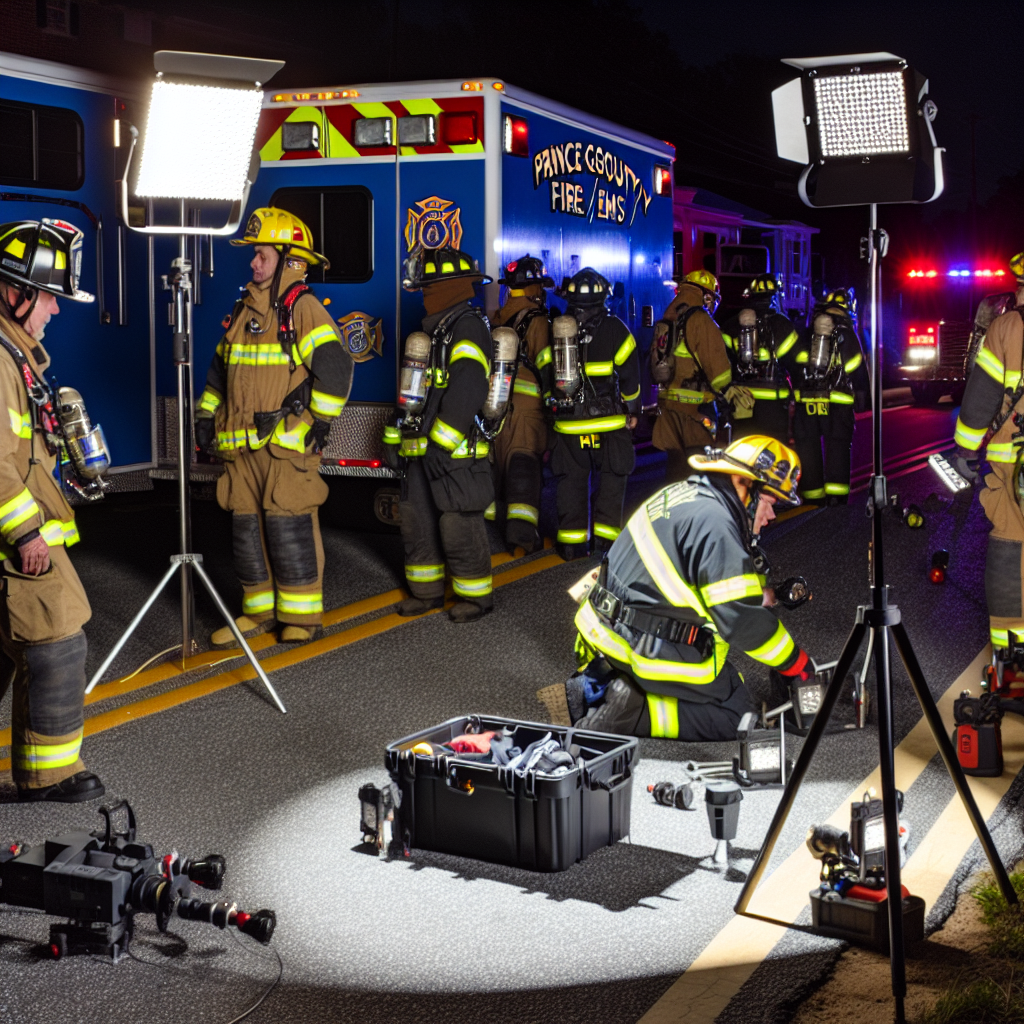
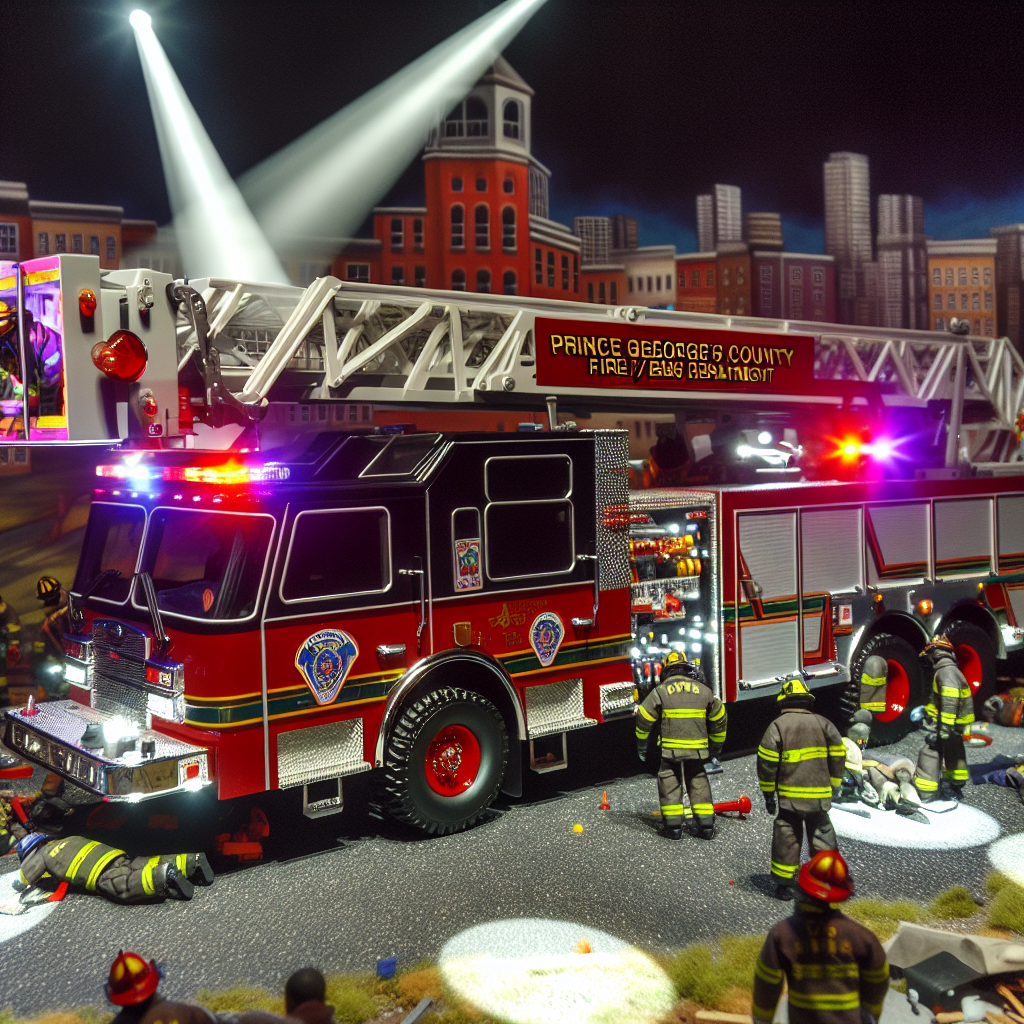
In the high-pressure environment of rescue operations, the importance of fleet standardization cannot be overstated. It ensures that responders have the necessary tools and equipment readily available and familiar, leading to quicker, more efficient responses in critical situations.
The Prince George’s County Fire/EMS Department stands out as a model of innovative fleet management, demonstrating how strategic standardization can enhance both operational efficiency and safety. With a focus on uniformity in their heavy-duty rescue apparatus, they have tailored their approach to meet the specific needs of their community while maximizing the capabilities of their equipment and personnel.
This article will delve deeper into the practices and outcomes of their fleet standardization efforts, providing insights into the remarkable results achieved through their commitment to excellence in rescue operations.
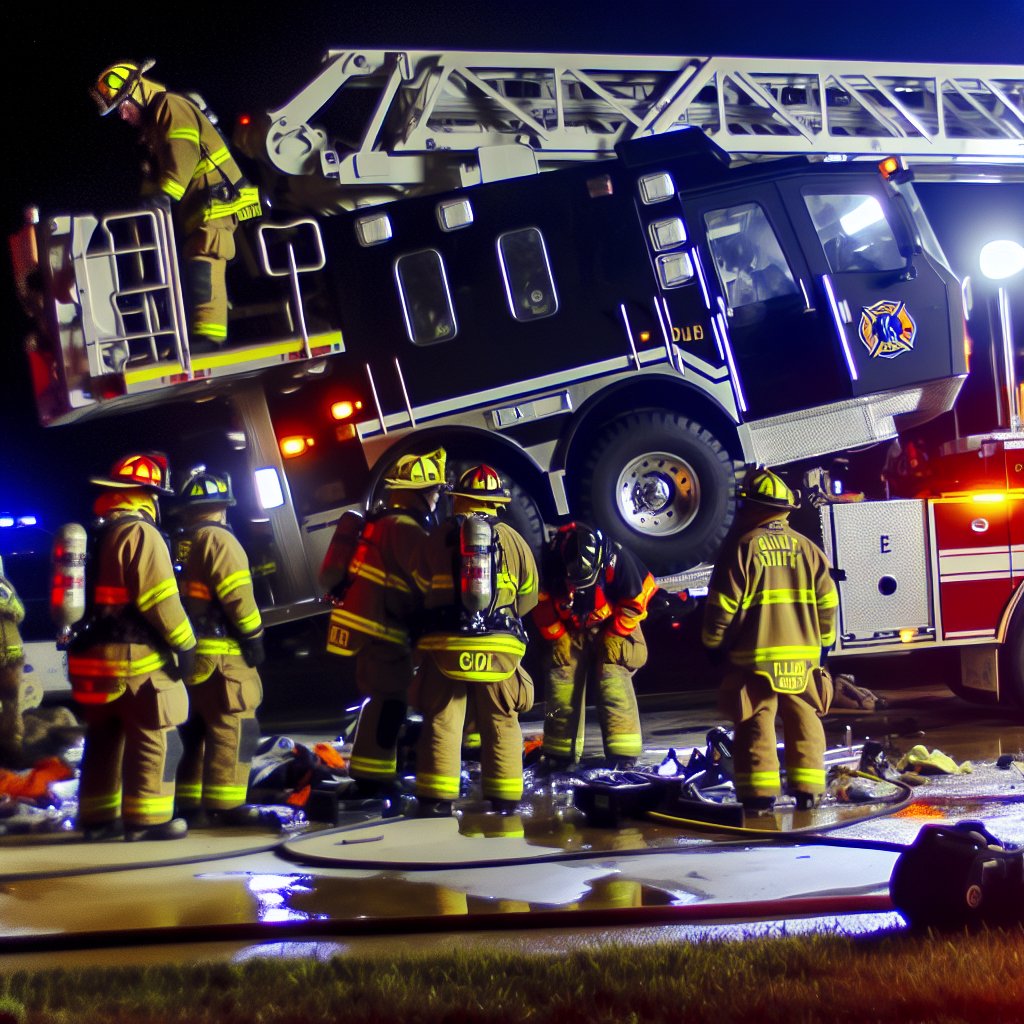
Benefits of Fleet Standardization
Fleet standardization provides several significant advantages for fire and EMS operations, ultimately contributing to enhanced emergency response efficiency. These benefits not only improve operational efficiency in the field but also play a critical role in fire department innovation.
Improved Maintenance
Standardized vehicles consist of a uniform set of parts and systems. This uniformity simplifies training for maintenance personnel and reduces the risk of equipment failures, ensuring that vehicles are operational when needed. Consistent fleet management practices also lead to significant improvements in maintenance efficiency, allowing departments to respond more effectively during emergencies [source].
Enhanced Operational Consistency
When all crew members are familiar with standardized vehicles and equipment, the time required for training and preparation during emergency responses is significantly decreased. This familiarity leads to safer environments where firefighters and EMS personnel can operate vehicles and tools more efficiently, particularly in high-stress situations requiring rescue operations technology. This operational consistency has been linked to improved response times and overall effectiveness in emergency situations [source].
Efficient Inventory Management
Standardizing heavy-duty rescue apparatus streamlines inventory management. Departments can maintain a consistent stock of spare parts and repair kits, which reduces downtime when repairs are necessary and enhances fleet responsiveness. Financially, this leads to major cost savings, enabling fire departments to allocate resources more effectively and consistently [source].
In conclusion, fleet standardization not only improves safety but also maximizes operational effectiveness, enabling fire departments to meet community needs more efficiently.
| Rescue Apparatus | Chassis Type | Winch Capacity | Safety Features |
|---|---|---|---|
| Squad No. 820 | Pierce® Enforcer™ | 15,000 lbs | Advanced stabilization system, LED scene lighting |
| Squad No. 821 | Oshkosh Custom Chassis | 12,000 lbs | Integrated camera system for enhanced visibility |
| Squad No. 822 | Multi-Purpose Chassis | 10,000 lbs | Improved rollover protection and automatic braking |
Case Study: Rescue Squad No. 820
In 2024, Rescue Squad No. 820 of the Prince George’s County Fire/EMS Department achieved an impressive milestone by responding to over 1,800 incidents. This achievement underscores the squad’s critical role in emergency response, particularly in challenging rescue operations that require quick thinking, teamwork, and innovative solutions.
Challenges Faced
The operational environment for Rescue Squad No. 820 is rife with unique challenges, including but not limited to:
- Training Requirements: The crew faces the dual demands of fire suppression and medical emergencies. This necessitates rigorous training programs to maintain high proficiency in both areas, requiring significant time and resources.
- Budget Constraints: The integration of emergency medical services (EMS) into fire operations has led to increased expenditures on ambulances and medical gear, often stretching department budgets thin.
- Burnout Risks: The heavy load of EMS calls can overwhelm personnel, increasing stress and fatigue, which may lead to burnout among firefighters and paramedics.
- Scheduling Difficulties: Ensuring adequate personnel coverage around the clock while adhering to labor laws presents a complex logistical challenge. Balancing the diverse skills required for both firefighting and emergency medical services creates complications in staffing schedules.
- Mental Health Challenges: The demands of rescue operations can take a toll on mental health, resulting in high turnover rates and issues such as PTSD among personnel.
Role of Equipment
The challenges described are effectively managed through the utilization of advanced equipment and robust operational procedures. Rescue Squad No. 820 operates on a Pierce® Enforcer™ chassis, enabling it to handle the dynamic needs of rescue missions. Key features include:
- A 50-inch extension for better reach in complicated rescue scenarios, allowing the squad to access victims more efficiently.
- A 15,000-pound front-mounted winch that provides necessary support during operations involving heavy lifting, showcasing the squad’s capability in extrication situations.
- Advanced stabilization systems and LED scene lighting, which are critical when working under low-visibility conditions, ensuring safety for both the responders and the individuals being rescued.
Richard Riley, the Fire Apparatus Manager, shares his insights, stating, “The traditional walk-in compartment design has proven its effectiveness over decades of rescue operations. For our department, protecting critical equipment combined with the ability to carry more crew made it the right choice. Standardization allows us to respond effectively, knowing that our equipment functions uniformly in high-pressure situations.”
The emphasis on standardization in equipment allows for seamless integration into operational training, promotes efficiency in maintenance, and enhances overall safety. By investing in equipment that aligns with their operational goals, Rescue Squad No. 820 continues to exemplify excellence in rescue operations, thereby reinforcing the importance of preparedness and adaptability in emergency services. This commitment not only improves response times but ultimately leads to better outcomes for the community they serve.
Successful Rescue Operations Through Standardization
Standardization in fire and EMS departments has demonstrably enhanced the efficiency and effectiveness of rescue operations. By implementing uniform equipment and procedures, these departments have achieved significant improvements in response times, maintenance, training, and overall operational readiness.
One notable example is the Prince George’s County Fire/EMS Department, which adopted a comprehensive standardization strategy in collaboration with Pierce Manufacturing. This initiative focused on mechanical consistency, equipment uniformity, and cost savings. By standardizing mechanical components, the department reduced diagnostic and troubleshooting times, allowing mechanics to seamlessly transition between apparatus without relearning system configurations. Standardized emergency equipment, including consistent hydraulic tools and mandated equipment placement, ensured that crews could quickly locate and operate essential tools, even when using unfamiliar apparatus. This approach proved particularly critical during mutual aid operations and personnel transfers, where rapid equipment familiarity directly impacted response effectiveness. Financially, standardization enabled the department to navigate pricing and manage parts procurement efficiently, minimizing apparatus downtime and maintaining optimal fleet readiness for critical emergency responses.
The success of this standardization strategy is evident in the performance of Rescue Squad No. 820, which responded to over 1,800 emergencies in 2024 alone. The introduction of advanced apparatus featuring a robust 15,000-pound winch and the efficient Pierce® Enforcer™ chassis exemplifies how thoughtful design choices, guided by standardization, can enhance response capabilities. By focusing on standardization, the department streamlined training, improved maintenance, and ultimately saved lives, demonstrating a clear commitment to exceeding the demands of modern rescue operations.
Furthermore, at the national level, the Federal Emergency Management Agency (FEMA) established standardized equipment lists for Urban Search and Rescue Task Forces. Each task force maintains a cache of 16,400 pieces of equipment, designed for quick access and transportation. This standardized cache allows task forces to operate independently for up to four days, ensuring readiness and efficiency during large-scale emergencies.
User Adoption of Heavy-Duty Rescue Apparatus
The adoption of heavy-duty rescue apparatus by fire departments across the United States is driven by various factors centered around modern emergency response needs. Specific national adoption rates are not widely published, but identifiable trends and insights illustrate the growing importance of these specialized vehicles in the sector.
Adoption Trends and Market Growth
- Increasing Deployment: Fire departments are progressively integrating heavy rescue units in response to complex emergencies such as natural disasters and hazardous materials incidents. This shift is propelled by a need for specialized equipment tailored to varied challenges. Recent reports indicate a growing trend, with the global market for heavy rescue fire trucks projected to reach $5.8 billion by 2028, reflecting a CAGR of 5.2%. Factors behind this market growth include urbanization, stringent fire safety regulations, and the urgency of replacing outdated fleets.
- Standardization’s Role in Operational Efficiency: The emphasis on standardization within departments leads to operational consistency, allowing crews to respond faster and reduce errors in critical situations. As demonstrated by the Prince George’s County Fire/EMS Department, standardized equipment enhances mechanical consistency and shortens repair times, ultimately contributing to overall fleet efficiency.
Benefits of Standardization
- Training Efficiency: Standardizing apparatus simplifies training, allowing personnel to gain proficiency more quickly due to reduced discrepancies among equipment. This enhanced readiness is vital for effective performance during emergencies.
- Maintenance and Cost Savings: Streamlined parts procurement due to standardization reduces apparatus downtime and lowers maintenance costs. This enables fire departments to maintain their fleets effectively and efficiently, ensuring that resources are utilized to their full potential.
Challenges Faced
- Financial Constraints: The ascent in costs associated with heavy rescue vehicles poses significant hurdles for many departments. For example, the San Antonio Fire Department reported price increases for essential apparatus, which have nearly doubled over a few years, contributing to financial strain.
- Personnel Training Limitations: The intricate nature of operating heavy-duty apparatus necessitates specialized training, which can be resource-intensive. Departments experiencing staffing shortages may find it challenging to allocate personnel for training programs necessary for effective operation.
In conclusion, while the demand for heavy-duty rescue apparatus is on the rise, balancing operational needs with financial and personnel challenges remains a prominent issue for fire departments. However, embracing standardization is critical, leading to enhanced operational effectiveness and improved emergency response capacities.
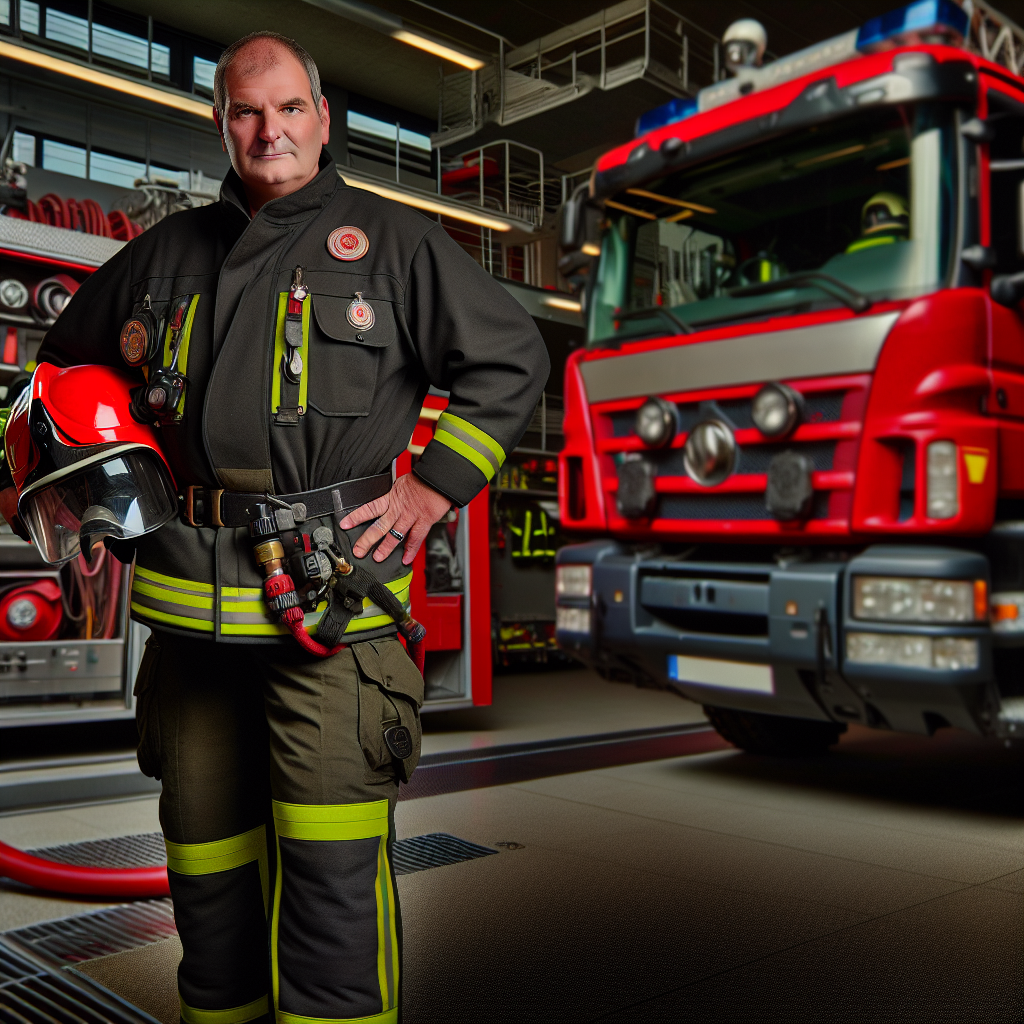
User Adoption of Heavy-Duty Rescue Apparatus
The adoption of heavy-duty rescue apparatus by fire departments across the United States is driven by various factors centered around modern emergency response needs. Specific national adoption rates are not widely published, but identifiable trends and insights illustrate the growing importance of these specialized vehicles in the sector.
Adoption Trends and Market Growth
- Increasing Deployment: Fire departments are progressively integrating heavy rescue units in response to complex emergencies such as natural disasters and hazardous materials incidents. This shift is propelled by a need for specialized equipment tailored to varied challenges. Recent reports indicate a growing trend, with the global market for heavy rescue fire trucks projected to reach $5.8 billion by 2028, reflecting a CAGR of 5.2%. Factors behind this market growth include urbanization, stringent fire safety regulations, and the urgency of replacing outdated fleets.
- Standardization’s Role in Operational Efficiency: The emphasis on standardization within departments leads to operational consistency, allowing crews to respond faster and reduce errors in critical situations. As demonstrated by the Prince George’s County Fire/EMS Department, standardized equipment enhances mechanical consistency and shortens repair times, ultimately contributing to overall fleet efficiency.
Benefits of Standardization
- Training Efficiency: Standardizing apparatus simplifies training, allowing personnel to gain proficiency more quickly due to reduced discrepancies among equipment. This enhanced readiness is vital for effective performance during emergencies.
- Maintenance and Cost Savings: Streamlined parts procurement due to standardization reduces apparatus downtime and lowers maintenance costs. This enables fire departments to maintain their fleets effectively and efficiently, ensuring that resources are utilized to their full potential.
Challenges Faced
- Financial Constraints: The ascent in costs associated with heavy rescue vehicles poses significant hurdles for many departments. For example, the San Antonio Fire Department reported price increases for essential apparatus, which have nearly doubled over a few years, contributing to financial strain.
- Personnel Training Limitations: The intricate nature of operating heavy-duty apparatus necessitates specialized training, which can be resource-intensive. Departments experiencing staffing shortages may find it challenging to allocate personnel for training programs necessary for effective operation.
In conclusion, while the demand for heavy-duty rescue apparatus is on the rise, balancing operational needs with financial and personnel challenges remains a prominent issue for fire departments. However, embracing standardization is critical, leading to enhanced operational effectiveness and improved emergency response capacities.
Conclusion
The Prince George’s County Fire/EMS Department exemplifies how strategic fleet standardization can significantly enhance the effectiveness of heavy rescue operations. Through their commitment to innovative practices and the incorporation of advanced equipment, they have not only improved response times but have also bolstered crew safety and operational efficiency.
Looking ahead, the future of heavy rescue operations in the department is promising, with potential innovations in vehicle technology and improved training methodologies on the horizon. As the demands on emergency services continue to evolve, ongoing improvements in fleet standardization will play a pivotal role in ensuring that responders are equipped with the tools necessary to meet those challenges.
By fostering a culture of adaptability and embracing new technologies, Prince George’s County is well-positioned to lead the way in rescue operations for years to come.