
Have you ever wondered how taxation applies to trucking services in Pennsylvania? As the state gears up for fiscal policies and regulations, many trucking professionals-including long-haul truck drivers, fleet managers, and aspiring truckers-are left asking pivotal questions about what taxes they are liable for. Understanding Pennsylvania’s taxation landscape is crucial for ensuring compliance and making informed financial decisions in the trucking industry. In this article, we will explore the specifics of trucking service taxation in Pennsylvania, including what qualifies as taxable services, the implications for trucking company owners, and tips on how to navigate these regulations effectively. We’ll also examine various exemptions that may apply and guide you through this often-overlooked aspect of the trucking business. Stay tuned as we unravel the complexities of trucking taxation in the Keystone State.
Overview of Trucking Services in Pennsylvania
Trucking services play a pivotal role in Pennsylvania’s economy, facilitating the transportation of goods and materials throughout the state and beyond. Understanding the various types of trucking services available is essential for long-haul truck drivers, trucking company owners, and fleet managers.
Types of Trucking Services
-
Long-Haul Trucking
This service involves transporting goods over large distances, often crossing state lines. Long-haul trucking is crucial for businesses needing to deliver products across the country, and it’s the backbone of interstate commerce. -
Local Delivery Services
Local trucking services cover short distances, typically within a city or region. They cater to businesses requiring timely deliveries to ensure their operations run smoothly. Examples include grocery deliveries and furniture transport. -
Freight Brokerage
Freight brokers connect shippers with carriers. They act as intermediaries, helping businesses find appropriate trucking services without needing to manage fleet operations themselves. This service can streamline the shipping process for businesses, allowing them to focus on their core operations. -
Specialized Freight
This includes services for transporting unique types of goods, such as refrigerated items, hazardous materials, or oversized loads. Specialized freight requires trucks equipped with specific features to ensure that the goods are transported safely and responsibly.
Taxation Status
In Pennsylvania, the taxation status of these trucking services varies, primarily due to the different business structures and types of goods transported:
- Corporate Net Income Tax: Trucking companies are subject to Pennsylvania’s corporate net income tax, which can affect their overall profitability. This tax varies based on revenue.
- Sales Tax Exemptions: Some specialized trucking services may benefit from sales tax exemptions, particularly when transporting goods that are critical to public health or safety.
It’s essential for trucking professionals to stay updated with the state tax regulations and potential incentives that may apply to their specific service types. For more detailed insights into reliable trucking solutions, you can explore the excellence of 5 Star Truck Inc..
Conclusion
The trucking industry in Pennsylvania is diverse, encompassing various services that cater to the needs of different businesses. By understanding the various trucking services available and their taxation status, stakeholders can make informed decisions that benefit their operations.
Understanding Taxable Trucking Services in Pennsylvania
In Pennsylvania, navigating the world of taxation for trucking services can be complex. While many services are generally exempt from sales tax, certain trucking services are taxable under specific conditions. Here’s a look at some key taxable trucking services and their explanations:
1. Transportation of Goods
When trucking companies transport tangible personal property for compensation, these services may be subject to sales tax. For example, if a trucking firm charges to deliver furniture from a retailer to a customer, this service is typically taxable. This includes intra-state and deliveries crossing state lines.
2. Logistics and Freight Brokerage Services
These services involve managing transportation logistics for clients, including coordination with various carriers. If a freight broker charges a fee for these services, they may face sales tax obligations. An example would be a logistics company that organizes shipments for a manufacturing firm and charges a handling fee.
3. Storage and Warehousing Services
If a trucking company offers storage of goods before delivery, this service can be taxable. For instance, if a trucking company provides temporary storage for freight in their warehouse, the storage fees may incur sales tax.
4. Maintenance and Repair Services for Trucks
Servicing trucks-such as repair or parts replacement-performed for compensation is often taxable. For example, a trucking company that maintains its fleet must pay sales tax on repair services incurred.
For more detailed insights on the implications of these taxable services, explore the resources from 5 Star Truckin and the Pennsylvania Department of Revenue.
In Pennsylvania, the taxation rules concerning trucking services primarily focus on sales tax implications. Here’s a breakdown of how different trucking services are taxed based on the latest information available:
| Trucking Service Type | Tax Status | Notes |
|---|---|---|
| General Freight Transport | Taxable | Subject to 6% sales tax if provided for compensation. Charges should reflect this in billing. |
| Specialized Freight (e.g. food) | Generally Taxable | Although specialized freight may not always be taxable, certain conditions apply depending on service nature. |
| Equipment Rental (Trucking-related) | Taxable | Equipment rentals related to trucking services are typically subject to the same sales tax rates. |
| Hauling for Exempt Entities | Potentially Exempt | Services performed for government or non-profit organizations might be exempt from sales tax. |
| Repairs and Maintenance | Taxable | Services provided for the maintenance and repair of trucking vehicles are subject to sales tax. |
Understanding Tax Exemptions
While most trucking services are taxable, certain exemptions may apply based on various criteria, including the type of freight transported or the entity contracting the service. For detailed guidance on specific exemptions, it may be worthwhile to consult the official resources from the Commonwealth of Pennsylvania.
Conclusion
Understanding the tax status of trucking services in Pennsylvania is vital for both trucking company owners and fleet managers. The 6% sales tax on most services can significantly impact operational costs, influencing how companies structure their pricing and operations.
For further insights into quality trucking services, you can explore 5 Star Trucking’s premier offerings.
Are Trucking Services Taxable in Pennsylvania?
In Pennsylvania, trucking services are subject to various taxes, which can be complex and vary depending on the type of service provided. The primary taxes that trucking companies or independent truckers may encounter include the Turnpike Tax, Vehicle Registration Tax, Fuel Tax, Sales Tax, and the Local Business Privilege Tax. Here’s a summary of these key taxes:
| Type of Tax | Rate | Regulatory Body |
|---|---|---|
| Pennsylvania Turnpike Tax | $0.25 per mile | Pennsylvania Turnpike Commission |
| Vehicle Registration Tax | Varies by vehicle type | Pennsylvania Department of Transportation |
| Fuel Tax | $0.62 per gallon | Pennsylvania Department of Revenue |
| Sales Tax | 6% | Pennsylvania Department of Revenue |
| Local Business Privilege Tax | Varies by locality | Local municipalities |
The Turnpike Tax is specifically targeted at vehicles using the Turnpike, contributing to the maintenance of these highways. The Vehicle Registration Tax is an annual cost and varies based on the type and weight of the vehicle, while the Fuel Tax applies to fuel purchased for commercial use. Additionally, trucking services may be subject to Pennsylvania’s 6% sales tax on transportation services, differentiated by local regulations that may impose a Local Business Privilege Tax based on where the business operates.
Recent Changes to Tax Regulations
In light of recent economic adjustments, Pennsylvania has implemented relaxed trucking tax rules. According to a report from Trucking Dive, Virginia and Pennsylvania have followed Maryland in waiving certain tax requirements under emergency declarations concerning transportation to or from seaports. This indicates a responsive strategy to assist trucking businesses during fluctuating economic conditions.
“Taxation regulations affecting trucking are crucial for businesses to understand, including what deductions can be claimed and how regulations vary by locality. Navigating these rules can significantly impact profitability.” – ExpressTruckTax
Conclusion
Understanding the taxable framework surrounding trucking services in Pennsylvania is essential for long-haul truck drivers, company owners, and fleet managers. Company owners and independent operators must stay informed and compliant to maximize efficiency and minimize tax liabilities while navigating these complex regulations.
Exceptions and Exemptions in Pennsylvania Trucking Services
In Pennsylvania, trucking services are generally subject to tax; however, there are several notable exceptions and exemptions that can benefit trucking companies and drivers. Understanding these can lead to significant cost savings.
Key Exemptions
-
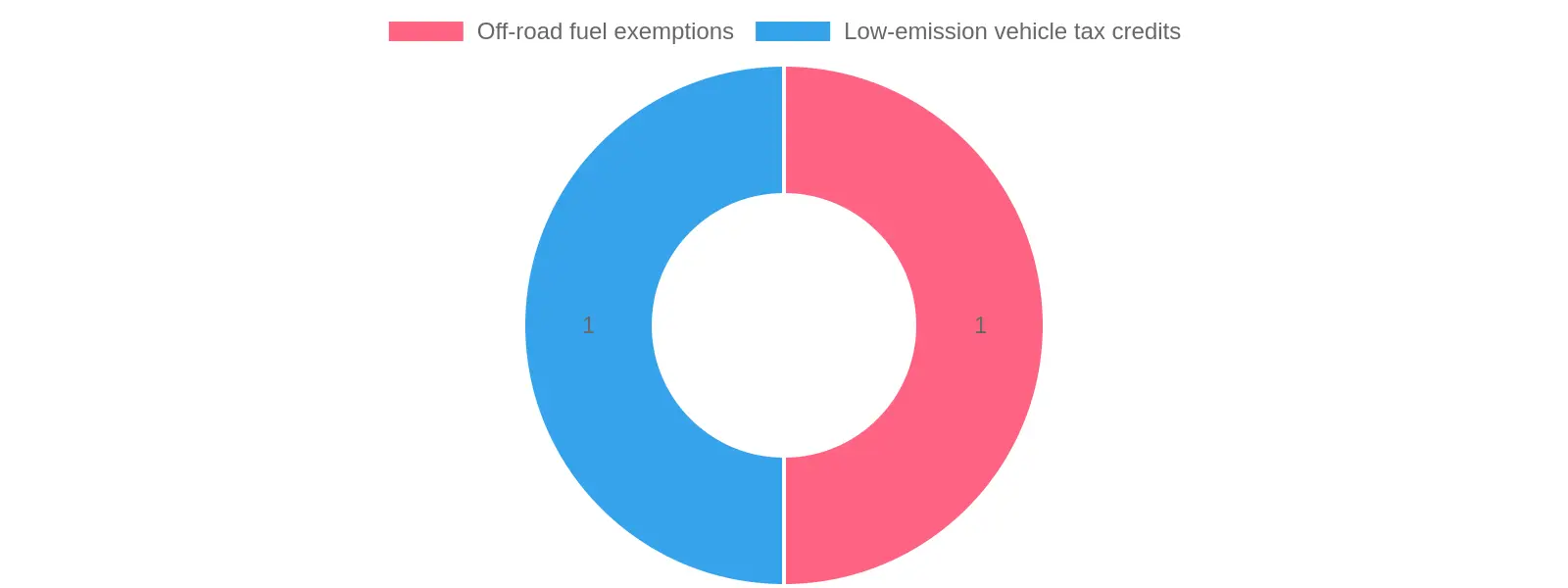
Off-Road Fuel Exemptions
Trucking companies using fuel for off-road purposes can qualify for exemptions. This includes diesel fuel that is not subject to road taxes, providing a substantial advantage for trucking operations in agriculture and construction sectors. Refunds may be available for taxes paid on off-road diesel usage, offering financial relief to eligible trucking services. -
Low-Emission Vehicle Tax Credits
Pennsylvania offers tax credits for low-emission vehicles. Trucking companies that operate vehicles meeting certain environmental standards may qualify for these credits, promoting greener transportation options within the state. This is especially relevant as the trucking industry increasingly recognizes the importance of eco-friendly practices. -
Emergency Exemptions
During declared emergencies, certain trucking regulations may be temporarily relaxed. For instance, the Federal Motor Carrier Safety Administration (FMCSA) has provisions that allow for a 30-day extension of emergency exemptions, which can significantly impact trucking operations during times of crisis. This adjustment can provide much-needed flexibility for long-haul drivers and operators transporting essential goods.
How Exemptions Apply
These exemptions are particularly crucial for trucking businesses focused on transportation efficiency and cost control. Companies are encouraged to maintain accurate records of fuel usage and to apply for relevant exemptions in order to maximize their operational efficiency and minimize tax liabilities. Additionally, new operators should consult the Pennsylvania Department of Revenue or a tax professional to fully understand eligibility requirements and proper documentation needed to claim these exemptions.
For more details on excellent trucking services in Pennsylvania, check out 5 Star Truck Inc.’s premier trucking solutions which can assist in navigating these complexities.
Visual Overview
The following chart illustrates the key tax exemption types available for trucking services in Pennsylvania:
The Impact of Taxes on Trucking Businesses in Pennsylvania
Taxation plays a significant role in shaping the financial landscape of trucking businesses in Pennsylvania. The state’s trucking industry is a vital component of its economy, generating approximately $60 billion annually and supporting over 200,000 jobs directly. However, the tax structure can also pose challenges and costs that impact profit margins and operational efficiency.
Tax Revenue from Trucking Industry
In 2023, trucking companies in Pennsylvania contributed approximately $1.5 billion in state tax revenue. This contribution underscores the importance of the trucking sector not just in terms of logistics but also in providing crucial financial resources to state operations. The overall revenue generation per $1 billion invested in trucking translates to about $2.5 billion in economic activity.
Despite these contributions, trucking businesses also face various taxation-related costs, estimated at around $250 million in operational costs directly associated with taxes. Such costs can stem from several categories of taxes, including:
- State and Federal Income Taxes: Depending on the business structure (e.g., sole proprietorships, corporations), trucking companies must adhere to varying tax obligations, which can affect overall financial performance.
- Sales and Use Tax: Applied to the sale of goods and services, trucking businesses must account for applicable sales taxes on maintenance supplies and vehicle purchases.
- Heavy Vehicle Use Tax (HVUT): This federal tax applies to certain heavy vehicles used on public highways, which trucking companies frequently utilize, imposing further tax burdens.
Economic Contributions and Implications
The trucking industry’s contribution to Pennsylvania’s economy is immense, reflecting the interconnectedness between transportation and local business growth. Effective management of tax obligations can enhance this economic interaction. The Pennsylvania Motor Truck Association (PMTA) emphasizes that each billion dollars invested in trucking yields substantial economic returns, reinforcing the need for supportive tax policies that allow trucking companies to thrive.
Compliance Challenges
For trucking companies, tax compliance remains a perennial challenge. Navigating state-specific tax laws can be complex, especially with varying requirements for record-keeping and reporting. Resources such as Navigating State-by-State Trucking Tax Laws detail essential strategies for managing tax-related issues. Additionally, adhering to organized filing habits is vital for staying out of tax trouble; as discussed in the article, The Filing Habits That Keep Trucking Businesses Out of Trouble.
Conclusion
The impact of taxes on trucking businesses in Pennsylvania extends beyond immediate fiscal responsibilities; it shapes operational strategies and the overall viability of companies within this sector. Understanding the complexities of tax obligations while maximizing revenue generation remains crucial for trucking firms aiming for sustained success in an ever-evolving market.
Additional Insights

Overall, while the trucking industry in Pennsylvania faces notable challenges related to taxation, its contributions to the economy are substantial, requiring careful navigation of tax structures to support continued growth and profitability.

In conclusion, understanding the tax regulations applicable to trucking services in Pennsylvania is of utmost importance for long-haul truck drivers, trucking company owners, fleet managers, and even aspiring drivers. Navigating through the complexities of Pennsylvania’s tax laws can often be daunting, but it ensures compliance and maximizes potential financial benefits.
Key points discussed include the specific taxable services in the trucking industry, which vary from logistics to delivery operations. We also highlighted the importance of remaining informed about local, state, and federal regulations that can influence tax obligations. Moreover, recognizing potential exemptions can significantly enhance operational savings.
By staying updated and adhering to the correct tax practices, trucking professionals can not only avoid penalties but also foster business growth and sustainability. To learn more about the exemplary services provided by 5 Star Truck Inc., consider exploring the various resources available that can further assist you in understanding the intricacies of the trucking industry.
Upgrade Your Trucking Experience with Summit Fairings
Are you looking to elevate your trucking experience? Look no further than Summit Fairings! Our stylish and durable fairings not only enhance the aesthetics of your truck but also provide unmatched aerodynamic performance, improving fuel efficiency and reducing operational costs.
Imagine driving across the country with the confidence that your truck is equipped with high-quality fairings designed to withstand the rigors of the road. With Summit Fairings, you get both style and substance.
Why wait? Upgrading your fairings is a smart investment that will not only enhance your truck’s appearance but will also contribute to your bottom line. Take the plunge and join a growing community of truck drivers who are experiencing the benefits of our exceptional products.
Explore our selection today and discover the unparalleled services that Summit Fairings has to offer. Your truck deserves the best; make the choice to upgrade now!