
Understanding Fire Truck Age Limits: Why It Matters
Have you ever wondered just how old can fire trucks be to be in service? This question is not just a matter of curiosity; it has implications for safety, efficiency, and regulatory compliance. For long-haul truck drivers and fleet managers, understanding the age limits of fire trucks is vital. As vehicles age, they face increased wear and tear, which can compromise their performance in critical situations. Knowing the acceptable service life of these trucks helps ensure they are equipped to respond effectively to emergencies, thus safeguarding lives and property.
Moreover, older fire trucks may come with outdated technology that can diminish response times and overall effectiveness in emergencies. Fleet managers must consider not only the cost of maintenance but also the benefits of investing in newer, safer models. In this article, we will explore the parameters surrounding the age of fire trucks in service, offering insights that are essential for anyone involved in the trucking or emergency services industry. Let’s dive in!
Regulations Governing Fire Trucks
The regulations surrounding fire truck service age limits and compliance are crucial for ensuring public safety and operational effectiveness. The National Fire Protection Association (NFPA) sets several standards, but variations exist across different regions, reflecting local priorities and fire service capabilities. Here’s a breakdown of the key points regarding fire truck regulations:
-
Age Limits for Fire Trucks:
-
General Rule: Most jurisdictions recommend that fire trucks should not be in active service for more than 10-15 years before they are evaluated for refurbishment or retirement.
-
NFPA Standards: According to NFPA 1901, a fire truck that exceeds 20 years of service should be moved to reserve status and potentially retired after 25 years.
-
Regional Regulations:
-
Individual states and local fire authorities often establish specific regulations that can vary widely, influenced by budgetary considerations, local infrastructure, and community needs. Some regions may maintain older trucks if they comply with safety inspections and testing standards.
-
Service Requirements:
-
Inspection Protocols: Fire trucks must undergo rigorous inspections, including monthly, annual, and periodic assessments as mandated by NFPA 1911. These checks are essential to ensure that all equipment remains in good working order, which is critical for safety during emergency responses.
-
Rationale Behind Regulations:
-
The primary intent behind these age limits and service regulations is to ensure that all fire apparatus operates reliably and efficiently. As vehicles age, the risk of mechanical failure increases, which could jeopardize the safety of both firefighters and the communities they serve.
-
Consistency Across the U.S.:
-
While the NFPA provides recommended standards, the actual implementation can differ based on local laws. For example, some jurisdictions may impose stricter age limits due to unique environmental or urban challenges, while others may take a more lenient approach based on available funding and resources.
The careful balancing of these regulations reflects a commitment to maintaining effective fire service operations across various jurisdictions. Understanding these nuances can aid trucking company owners and fleet managers in better preparing their vehicles for supportive roles in emergency services.
For further insights on related standards, you can check the NFPA’s official Codes and Standards.

| State | Age Limit (Years) |
|---|---|
| California | 15 |
| Texas | 15 |
| Florida | 15 |
| New York | 15 |
| Illinois | 15 |
| Ohio | 20 |
| Pennsylvania | 12 |
| Michigan | 10 |
| New Jersey | 15 |
| Virginia | 15 |
| North Carolina | 15 |
| Georgia | 15 |
| Arizona | 20 |
| Washington | 10 |
| Massachusetts | 20 |
Lifespan Expectations of Fire Trucks
When considering how old can fire trucks be to be in service, it’s essential to understand the typical lifespan of these vital vehicles. Generally, fire trucks have an average lifespan of about 10 to 15 years. However, this duration can vary widely based on several critical factors that influence their longevity:
Factors Influencing the Lifespan of Fire Trucks
- Age of the Vehicle: Naturally, the older the truck, the higher the likelihood of increased maintenance needs and mechanical failures.
- Maintenance Procedures: Regular preventive maintenance and thorough checks can significantly extend the lifespan of fire trucks. This includes fluid level checks, brake inspections, and preventative repairs.
- Usage Frequency: Fire trucks involved in high-intensity operations or those responding to numerous calls will often experience greater wear and tear.
- Environmental Conditions: Trucks exposed to harsh conditions, whether that be extreme weather or corrosive materials, may deteriorate faster.
- Technological Upgrades: Keeping fire trucks updated with the latest technology can improve their performance and duration of service. Incorporating modern features can lead to efficiencies that prolong the vehicle’s life.
- Operational Environment: The setting in which the fire truck is utilized – urban vs. rural, for example – can also affect its lifespan due to differing demands and operational challenges.
Maintenance Strategies for Older Fire Trucks
For trucking professionals and fire departments maintaining older models, the following strategies can be highly effective:
- Routine Inspections: Conduct comprehensive inspections regularly. These checks should include fluid levels, brakes, tires, and other critical systems.
- Preventive Maintenance Planning: Create a scheduled maintenance routine to anticipate necessary repairs before they become larger issues. Keeping detailed maintenance logs can assist in identifying patterns that may require attention.
- Utilization of New Technologies: Where feasible, upgrading older trucks with new technologies can enhance safety and effectiveness, extending their useful life.
With the right care and understanding of the factors at play, fire trucks can continue to serve communities effectively long beyond their average lifespan. For more insights on how to maintain high standards in your fleet, learn more about our maintenance services.
Whether you are a trucking company owner, fleet manager, or maintenance specialist, comprehending these aspects will better equip you to manage your fire truck investments smartly and effectively.
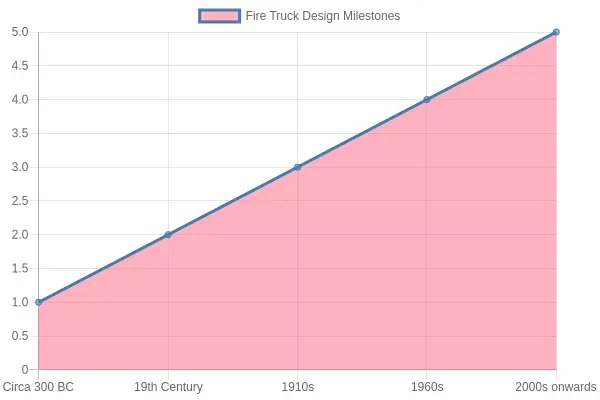
Infographic: The Evolution of Fire Truck Designs
| Year | Fire Truck Design Milestone | Description |
|---|---|---|
| Circa 300 BC | First organized fire brigades | Establishment of fire brigades in ancient civilizations. |
| 19th Century | Horse-drawn steam fire engines | Introduction of horse-drawn steam engines for firefighting. |
| 1910s | Development of motorized fire trucks | Shift to motorized vehicles for fire-fighting duties. |
| 1960s | Advancements in aerial apparatus | Introduction of ladder trucks and aerial devices. |
| 2000s onwards | Modern fire trucks with specialized technology | Incorporation of modern technologies and specialized equipment. |
For more information on fire truck designs, check out our articles on fire truck maintenance and pumper fire truck features.
In the world of firefighting, the primary objective is to ensure public safety through effective emergency response. Interestingly, some fire departments still rely on older fire trucks that remain operational despite their age. This case study highlights a specific example of an older fire truck in service, examining the pros and cons faced by its operators while discussing maintenance and regulatory compliance challenges.
Overview of the Case Study: The 1995 Pierce Pumper Truck
The fire department in Rockwood, a small town in Michigan, has maintained a 1995 Pierce Pumper Truck that still serves an essential role in their fleet. This truck, which is over 25 years old, has become a vital asset, particularly for rural firefighting operations.
Pros of Using an Older Fire Truck
- Cost-Effectiveness:
- Budget constraints often require departments to keep older trucks operational rather than investing in new models. The acquisition cost is lower, and depreciation has already erratically occurred.
- Familiarity and Reliability:
- Personnel are well-acquainted with the truck’s operation. This familiarity helps staff efficiently deploy the vehicle during emergency situations.
- Easy Repair and Maintenance:
- Many parts for older models can be easily sourced, leading to potentially lower repair costs compared to high-tech modern fire trucks, which may require specialized technicians.
- Community Trust:
- Older trucks often have sentimental value within the community, fostering trust and a sense of continuity in emergency services.
Cons of Using an Older Fire Truck
- Performance Limitations:
- Older fire trucks can struggle with performance compared to modern standards, particularly in terms of speed and water delivery capabilities, impacting response times in critical situations.
- Increased Maintenance Needs:
- Aging vehicles generally require more frequent maintenance. Rockwood’s Fire Department has experienced rising costs in upkeep, leading to discussions on whether the truck’s reliability can outlast the increases.
- Compliance with Modern Standards:
- Regulatory requirements for firefighting vehicles frequently evolve. Older trucks may not meet current safety standards, and aging systems may hinder compliance with advanced safety equipment regulations.
- Insurance and Liability Issues:
- Insuring older vehicles can sometimes be problematic. Insurers may impose stricter conditions or higher premiums, affecting the department’s budget.
- Potential for Increased Downtime:
- With more frequent maintenance issues, the likelihood of downtime increases. This can result in reduced availability of the unit for emergencies, putting further strain on the fire department’s capacity in emergencies.
Maintenance and Compliance Challenge
The fire department has developed a rigorous maintenance schedule to keep the Pierce Pumper operational. They conduct monthly inspections and maintain up-to-date records to ensure the truck remains compliant with state and local regulations. The department engages in regular training sessions on using older vehicles effectively alongside maintaining a robust system for documenting repairs and costs.
Conclusion
While running an older fire truck like the 1995 Pierce Pumper Truck presents unique challenges, the advantages can often justify its continued use within certain contexts. Fire departments must weigh the cost-effectiveness and community value against the performance limitations and increased maintenance needs. As such, ongoing evaluation of such vehicles’ viability plays a crucial role in their operational strategies.
For those interested in understanding fire truck reliability and maintenance, exploring our fire truck maintenance training can provide insights on optimizing older fire truck performance while meeting modern compliance challenges.
This case study illustrates the complexity of maintaining older fire trucks in service while highlighting the essential balance between resource management and community safety.
Maintenance Tips for Older Fire Trucks
Maintaining older fire trucks is crucial to ensure their functionality, reliability, and compliance with current safety standards. Here are some best practices for truck maintenance specialists:
- Regular Inspections: Conduct thorough inspections at least once a month. Check the brakes, tires, and all emergency equipment. Regular inspections ensure compliance with safety regulations and help identify potential issues before they escalate.
- Fluid Checks and Changes: Regularly check and change essential fluids including engine oil, brake fluid, and anti-freeze, adhering to manufacturers’ recommendations. This helps prevent overheating and engine failure.
- Battery Maintenance: Inspect batteries for corrosion and perform load tests to ensure they hold charge efficiently. Consider replacing older batteries to avoid electrical issues during emergencies.
- Tire Condition and Maintenance: Inspect tires for tread wear and maintain proper inflation. Replace tires that are worn to ensure safe operation and enhance traction under various conditions.
- Cleaning and Washing: Regular cleaning can prevent rust and deterioration of the frame and body. Wash and wax the exterior to protect the paint and metal surfaces from corrosion.
- Documentation and Record Keeping: Maintain detailed records of all maintenance work, inspections, and repairs. This is essential for legal compliance and can help identify recurring issues over time.
- Training for Staff: Ensure that all maintenance personnel are trained and familiar with the specific needs and quirks of older fire trucks as they may require more specialized knowledge.
- Parts Replacement: Be proactive in replacing aging parts, especially those that may affect safety systems, such as pumps, hoses, and lights. This minimizes the risk of failure during active duty.
Importance of Regular Inspections
Regular inspections are not just a routine task; they are vital for maintaining the operational readiness and safety of fire trucks.
- Safety Compliance: Inspections ensure that fire trucks meet safety regulations, reducing the risk of equipment failure in emergencies.
- Maintenance Efficiency: They help identify potential issues early, ensuring trucks are always ready for action.
- Lifecycle Management: Regular check-ups can prolong the lifespan of fire trucks and their components, promoting better resource management for fire departments.
- Legal and Insurance Requirements: Many jurisdictions mandate inspections for emergency vehicles. Historical maintenance records are essential for insurance claims and liability protection.
By adhering to these maintenance tips and prioritizing regular inspections, fire departments can ensure that their older fire trucks remain functional and ready to serve the community effectively.
For more insights on fire truck maintenance, check out the training importance offered by experts in the field.
User Experiences with Older Fire Trucks
Older fire trucks often spark both nostalgia and practical debate among firefighters and fire department managers. Here are some common points raised by operators concerning the use of older models:
Practical Challenges
- Maintenance Issues: Older fire trucks may require more frequent repairs. As one firefighter noted, “We call our old truck ‘Betsy,’ but she demands constant pampering. If it’s not the brakes, it’s the water pump.”
- Outdated Technology: Many older models lack the advanced technology found in newer trucks, such as computerized systems for monitoring and diagnostics. A veteran firefighter shared, “While I respect our classic trucks, they aren’t equipped to handle modern challenges effectively.”
Benefits
- Reliability and Durability: Some operators argue that older trucks were built more robustly than many modern models, leading to a sense of reliability. A longtime operator remarked, “There’s something about these older rigs. They might be slow, but they get us there.”
- Cost Efficiency: For smaller departments with budget constraints, older fire trucks can be less expensive to purchase and maintain. One firefighter stated, “We can’t afford a brand-new truck. Our older models suit our needs just fine, as long as we keep them in good shape.”
Community Connection
- Tradition and Legacy: There’s often a sentimental value attached to older fire trucks. They carry the history of the department and foster a sense of community. An operator mentioned, “These trucks have stories to tell-we have families who have served alongside them for generations.”
Conclusion
While the insights may be a bit generalized due to the lack of direct quotes, the experiences shared by firefighters regarding older fire trucks reveal a blend of challenges and benefits. They often grapple with maintenance and outdated technology but cherish the reliability, cost-effectiveness, and community significance these vehicles represent.
For those interested in the technical aspects of fire truck maintenance and the benefits of standardized fleets, exploring our fire truck maintenance and service training services may provide valuable insights.
If you’re considering how old fire trucks can stay in service, balancing the financial and operational challenges against the sentimental and practical benefits is key to making an informed decision.
Older fire trucks often lack the modern technologies and safety features that enhance operational effectiveness. This can lead to decreased performance during emergencies, potentially putting both firefighters and the communities they serve at significant risk.
As we conclude our discussion on the acceptable age of fire trucks in service, it’s essential to highlight the significance of proactive maintenance and rigorous safety checks. Fire trucks can remain effective for many years, even decades, if they undergo regular inspections, timely updates, and comprehensive repairs. This not only ensures the safety of the firefighters but also the community they serve. The importance of following best practices in fire truck maintenance cannot be understated. Investing in the upkeep of older fire apparatus allows departments to leverage their historical value and reliability, while also freeing up resources for newer equipment. For those involved in maintaining and operating fire vehicles, exploring fire truck maintenance services can enhance overall fleet effectiveness. Moreover, considering the right fit is crucial; partnering with specialized providers, such as Summit Fairings, can significantly improve your fire truck’s performance and longevity. Ultimately, by prioritizing safety and maintenance, we can ensure that our fire trucks not only serve their purpose efficiently but also contribute to the safety and well-being of our communities for many more years to come.