
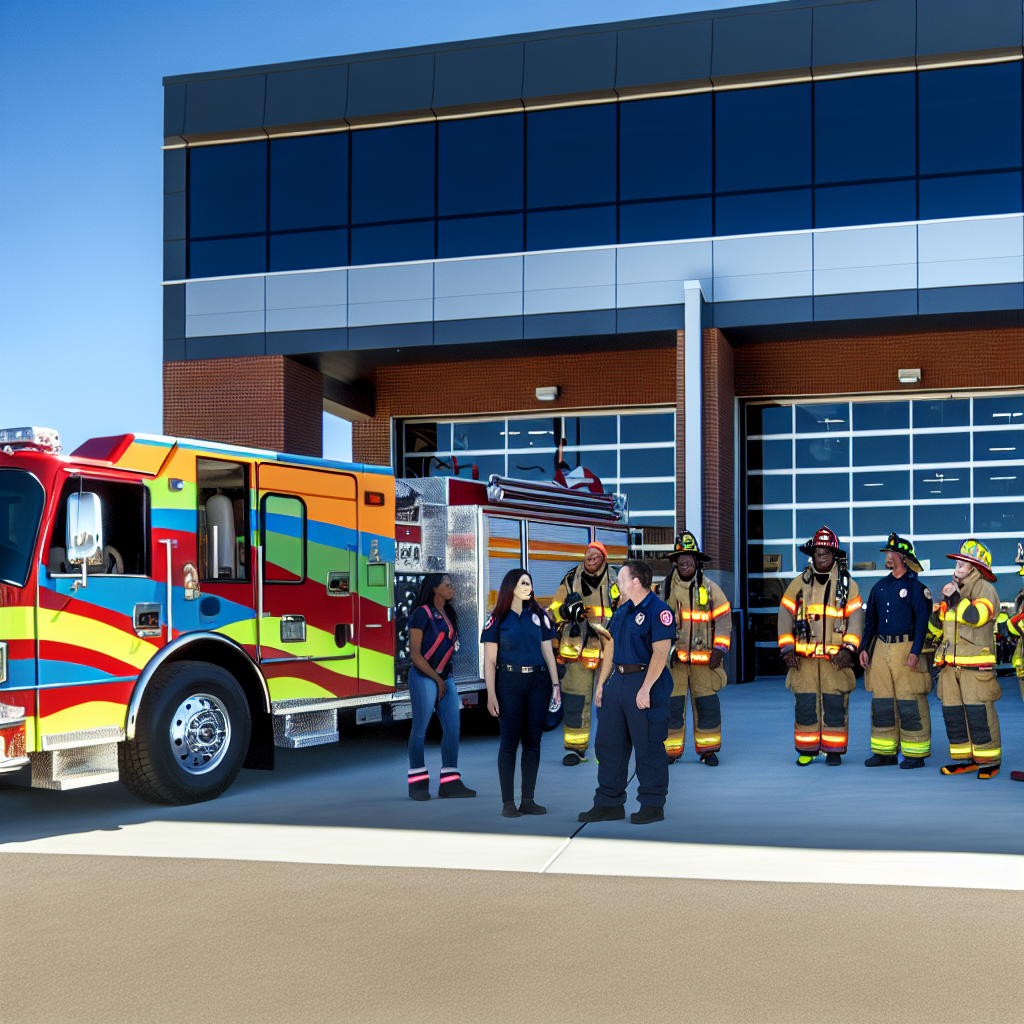
In the world of firefighting, timing and efficiency can mean the difference between life and death. Pumper fire trucks are crucial frontline responders during emergencies, carrying the necessary equipment and resources to combat fires and save lives. However, the effectiveness of these vehicles hinges not just on their basic specifications, but on the careful customization to meet the unique operational needs of individual fire departments. Each department faces different challenges, from the types of incidents they encounter to the terrain they navigate, necessitating a tailored approach to design. The importance of features such as pump capacity, water tank size, and equipment storage cannot be overstated; they are integral to maximizing operational efficiency and ensuring firefighter safety. Therefore, understanding the specific requirements of a fire department is paramount in the design of a pumper fire truck. In this article, we will explore the essential elements that contribute to effective pumper fire truck design, emphasizing the significance of customization to enhance each department’s readiness and response capabilities.
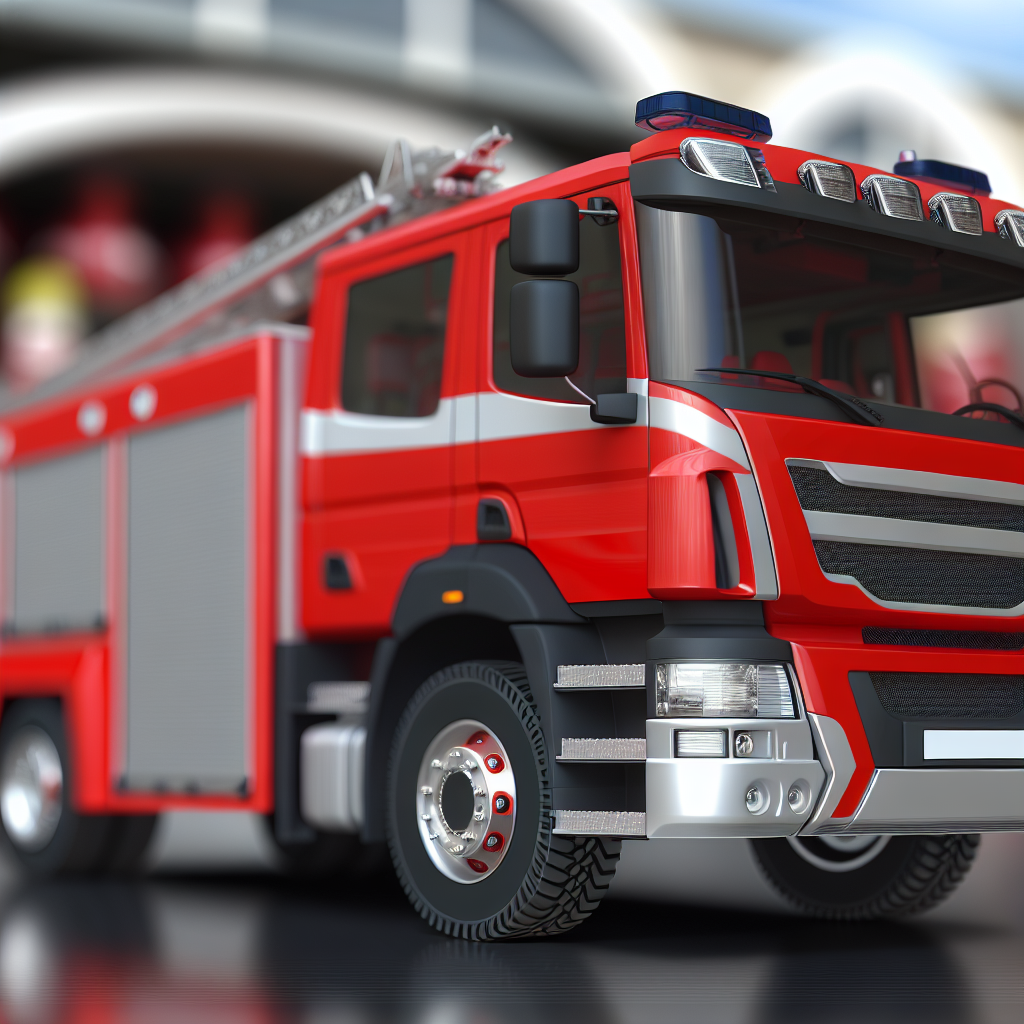
When selecting a pumper fire truck, fire departments should consider several key features to ensure the apparatus meets operational needs and complies with industry standards. The primary aspects to evaluate include chassis selection, powertrain, pump capacity, and water tank size.
Chassis Selection:
- Custom vs. Commercial Chassis: Custom chassis are specifically designed for fire apparatus, offering enhanced durability and larger cabs to accommodate more personnel and equipment. They are typically more rugged but also more expensive. Commercial chassis are generic and used across various applications, making replacement parts more accessible, though they may not be as sturdy as custom options.
- Weight Considerations: The fully loaded and equipped operating weight of the vehicle must not exceed the Gross Vehicle Weight Rating (GVWR) or the Gross Axle Weight Rating (GAWR) as determined by the manufacturer. Proper weight distribution ensures the vehicle is easy to control and operates safely.
Powertrain:
- Engine and Transmission: A robust powertrain is essential for reliable performance. For example, the International CV515 chassis features a 6.6 L diesel engine rated at 350 hp with an automatic transmission, providing sufficient power for various firefighting operations.
Pump Capacity:
- Minimum Requirements: According to NFPA 1901 standards, a standard fire pumper must have a minimum rated capacity of 750 gallons per minute (GPM) at 150 psi. However, modern municipal pumpers often range from 1,000 to 2,000 GPM to meet diverse operational demands.
Water Tank Size:
- Capacity Range: Water tank sizes generally range from a minimum of 300 gallons, as required by NFPA 1901, up to 1,250 gallons on standard single-axle pumpers. Larger tanks, up to 2,000 gallons, are common in rural areas where hydrants are less accessible.
- Construction Materials: Modern water tanks are often constructed from plastic materials to prevent corrosion and reduce weight. These tanks are durable, easy to repair, and can be customized to fit various pumper configurations.
By carefully considering these factors—chassis selection, powertrain, pump capacity, and water tank size—fire departments can procure pumper fire trucks that effectively meet their specific operational requirements and adhere to industry standards.
| Pump Capacity (GPM) | Typical Applications |
|---|---|
| 500 | Small rural departments, initial attack operations |
| 750 | Standard city operations, residential areas |
| 1,000 | Medium-sized cities, typical firefighting scenarios |
| 1,250 | Urban areas with higher demands, additional firefighting capabilities |
| 1,500 | Industrial areas, hazardous materials response |
| 2,000 | Large municipalities, high-rise support operations |
| 2,500 | Major event response, large wildland fires, extended operations |
| 3,000 | Specialized situations, significant industrial fires |
The Importance of Water Tank Size in Pumper Fire Trucks
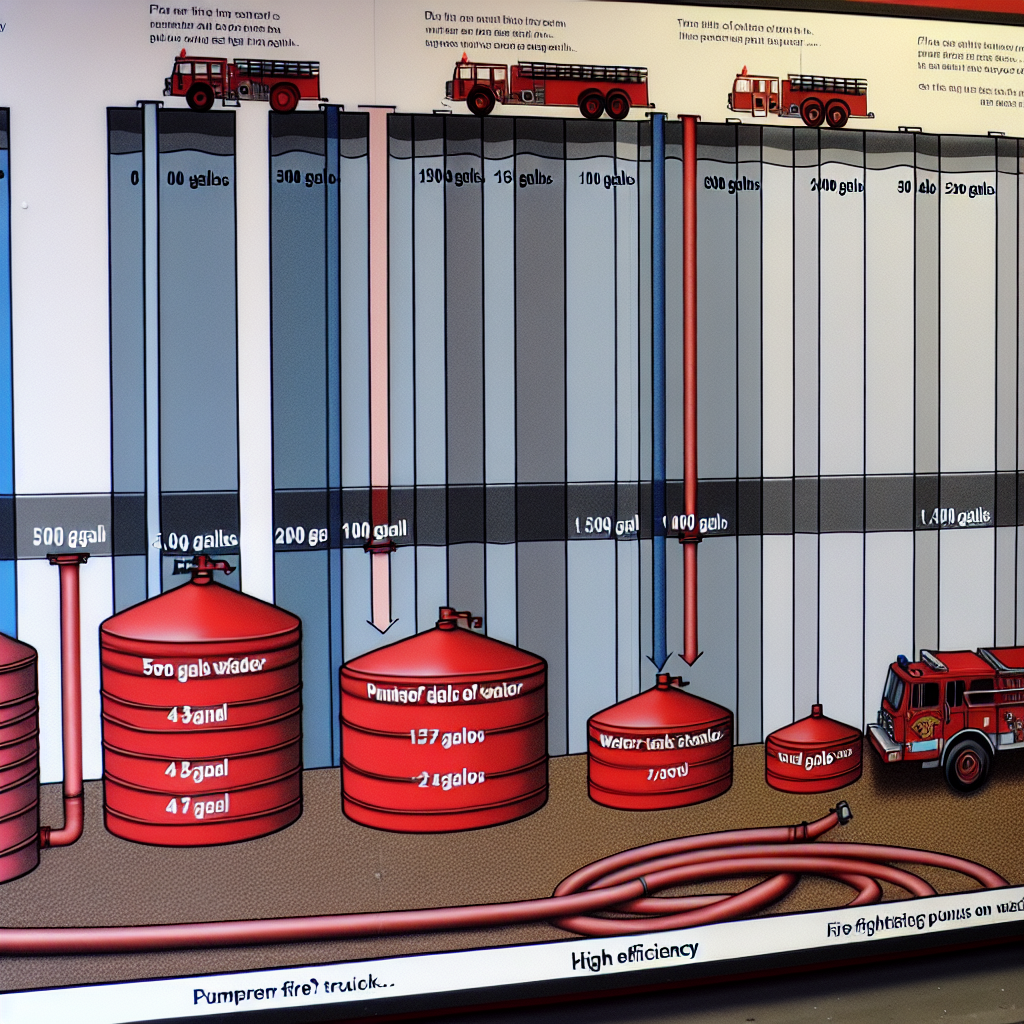
The size of the onboard water tank is essential for effective fire response. Many fire trucks start with a standard capacity of 500 gallons, but this may not be enough for all emergencies. Research indicates that around 30% of incidents result in firefighters running out of water before reaching a hydrant. This highlights the need for a larger water supply.
Increasing water capacity allows better responses in rural or underserved areas with limited hydrant access. Tanks that hold between 750 to 2,000 gallons enable more aggressive fire combat. They allow firefighters to maintain suppression efforts while en route to additional water sources. This can be crucial in time-sensitive situations, potentially saving lives.
Having enough onboard water also improves operational efficiency. It reduces trips to refill, conserving time and minimizing delays from secondary incidents. Larger tanks support continuous fire suppression, enhancing community safety during emergencies.
While there are concerns over weight and vehicle maneuverability with larger tanks, the benefits often outweigh these logistical challenges. Opting for larger water tanks enhances a fire department’s effectiveness, providing essential resources to protect lives and property.
Enhancing Firefighter Safety through Thoughtful Pumper Design
The design of pumper fire trucks plays a crucial role in ensuring the safety of firefighters during emergency operations. Thoughtful design prioritizes not only the vehicle’s performance and reliability but also incorporates features that enhance the safety and effectiveness of the crew. As stated, “Thoughtful pumper design maximizes operational efficiency and firefighter safety.” Here are ways how design contributes to these vital aspects:
- Ergonomic Layout:
A well-organized interior with easy access to equipment improves firefighter efficiency and minimizes the risk of injury during deployment. - Enhanced Visibility:
Design elements that improve visibility, such as strategically placed mirrors and lighting, help firefighters assess their surroundings, thus reducing accidents in chaotic environments. - Advanced Safety Features:
Incorporating safety technologies such as collision detection systems and stability control helps prevent accidents while in transit. - Sturdy Construction Materials:
Using durable and lightweight materials for body construction improves safety by providing structural integrity without unnecessary weight, enhancing handling and maneuverability. - Optimized Weight Distribution:
A thoughtful design ensures proper weight distribution, which is essential for maintaining vehicle control and stability, especially when navigating uneven terrains during emergencies. - Water Supply Efficiency:
Increasing water tank sizes and optimizing pump capacities can prevent scenarios where firefighters run out of water before establishing a hydrant connection, ensuring they can tackle fires more efficiently. - Comprehensive Training Integration:
Thoughtful design incorporates provisions for training tools and simulations, which help new recruits familiarize themselves with the equipment in safe environments, building muscle memory for high-stress situations.
By focusing on these elements, fire departments can ensure that their pumper fire trucks not only respond efficiently to emergencies but also safeguard the lives of their most valuable asset — their firefighters. The integration of safety and operational considerations in the design process fosters a culture of preparedness, ultimately enhancing the effectiveness of firefighting efforts.
Case Studies on Efficient Pumper Fire Truck Design
Recent case studies have showcased how thoughtful design in pumper fire trucks significantly enhances emergency response outcomes. Here are some notable examples:
-
Prince George’s County Fire/EMS Department
The department standardized its fleet with Pierce Manufacturing, which led to mechanical consistency among fire trucks. As a result, the department reported enhanced safety and a reduction in maintenance costs, contributing to improved operational efficiency. In 2024, Rescue Squad No. 820 responded to over 1,800 incidents, demonstrating the effectiveness of their pumper design in high-demand scenarios.
Source -
Graton Fire Department
Their Wildland-Urban Interface (WUI) engine is designed with a 750-gallon water tank and a Pierce Husky™ 12 foam system. This design allows the engine to effectively combat both wildland and structural fires. The incorporation of TAK-4® independent front suspension enhances maneuverability on difficult terrains, proving critical during wildfire responses.
Source -
Advanced Safety Systems in Fire Tankers
A recent evaluation highlighted the implementation of curve speed warning systems. Though the system improved overall driving performance, it indicated a need for better technological refinement to minimize rollover risks, showing how continuous innovation is essential in fire truck safety.
Source -
Optimized Fire Station Locations
By analyzing data on fire station placements, researchers found that strategically optimizing locations led to a statistically significant reduction in emergency response times, especially during extreme demand. This finding emphasizes the crucial connection between vehicle readiness and station management in improving response efficiency.
Source
These case studies illustrate that design advancements in pumper fire trucks—such as standardized equipment, enhanced water capacity, and safety technologies—lead to measurable improvements in emergency response capabilities. The alignment of design features with the operational needs of fire departments fosters a systemic enhancement in safety, efficiency, and performance in firefighting operations.
In conclusion, the design of customized pumper fire trucks is not merely an engineering challenge; it is a critical factor that enhances the effectiveness of firefighting operations. As demonstrated throughout this article, understanding the specific needs of fire departments—from pump capacities to water tank sizes—is essential for tailored solutions. Key takeaways reveal that these vehicles must be equipped to handle various situations while ensuring the safety and efficiency of the firefighters operating them.
Fire departments should prioritize thoughtful design elements, including ergonomic layouts, enhanced visibility, and advanced safety features that foster a culture of preparedness. Additionally, logistical considerations such as vehicle weight distribution and proper equipment storage can greatly impact the operational readiness of pumper trucks. By investing in customized designs, departments can significantly improve response times, reduce maintenance costs, and enhance overall safety in emergency situations.
As fire departments assess their needs, they should engage in discussions about apparatus design that align with their operational requirements. This proactive approach allows for greater adaptability and resilience in the face of growing challenges in firefighting. Ultimately, the importance of customized pumper fire trucks cannot be overstated, as they form the backbone of effective emergency response and community safety.
In the world of firefighting, timing and efficiency can mean the difference between life and death. Pumper fire trucks are crucial frontline responders during emergencies, carrying the necessary equipment and resources to combat fires and save lives. However, the effectiveness of these vehicles hinges not just on their basic specifications, but on the careful customization to meet the unique operational needs of individual fire departments. Each department faces different challenges, from the types of incidents they encounter to the terrain they navigate, necessitating a tailored approach to design. The importance of features such as pump capacity, water tank size, and equipment storage cannot be overstated; they are integral to maximizing operational efficiency and ensuring firefighter safety. Therefore, understanding the specific requirements of a fire department is paramount in the design of a pumper fire truck. In this article, we will explore the essential elements that contribute to effective pumper fire truck design, emphasizing the significance of customization to enhance each department’s readiness and response capabilities.
When selecting a pumper fire truck, fire departments should consider several key features to ensure the apparatus meets operational needs and complies with industry standards. The primary aspects to evaluate include chassis selection, powertrain, pump capacity, and water tank size.
Chassis Selection:
- Custom vs. Commercial Chassis: Custom chassis are specifically designed for fire apparatus, offering enhanced durability and larger cabs to accommodate more personnel and equipment. They are typically more rugged but also more expensive. Commercial chassis are generic and used across various applications, making replacement parts more accessible, though they may not be as sturdy as custom options.
- Weight Considerations: The fully loaded and equipped operating weight of the vehicle must not exceed the Gross Vehicle Weight Rating (GVWR) or the Gross Axle Weight Rating (GAWR) as determined by the manufacturer. Proper weight distribution ensures the vehicle is easy to control and operates safely.
Powertrain:
- Engine and Transmission: A robust powertrain is essential for reliable performance. For example, the International CV515 chassis features a 6.6 L diesel engine rated at 350 hp with an automatic transmission, providing sufficient power for various firefighting operations.
Pump Capacity:
- Minimum Requirements: According to NFPA 1901 standards, a standard fire pumper must have a minimum rated capacity of 750 gallons per minute (GPM) at 150 psi. However, modern municipal pumpers often range from 1,000 to 2,000 GPM to meet diverse operational demands. Modern pumper trucks are typically equipped with centrifugal pumps capable of delivering water at pressures ranging from 1,000 to 2,000 gallons per minute (GPM) or more. [firerescuetruck.com]
Water Tank Size:
- Capacity Range: Water tank sizes generally range from a minimum of 300 gallons, as required by NFPA 1901, up to 1,250 gallons on standard single-axle pumpers. Larger tanks, up to 2,000 gallons, are common in rural areas where hydrants are less accessible. Pumper vehicles carry their supply of water, typically ranging between 500 to 1,000 gallons. [firerescuetruck.com]
- Construction Materials: Modern water tanks are often constructed from plastic materials to prevent corrosion and reduce weight. These tanks are durable, easy to repair, and can be customized to fit various pumper configurations.
By carefully considering these factors—chassis selection, powertrain, pump capacity, and water tank size—fire departments can procure pumper fire trucks that effectively meet their specific operational requirements and adhere to industry standards.
| Pump Capacity (GPM) | Typical Applications |
|---|---|
| 500 | Small rural departments, initial attack operations |
| 750 | Standard city operations, residential areas |
| 1,000 | Medium-sized cities, typical firefighting scenarios |
| 1,250 | Urban areas with higher demands, additional firefighting capabilities |
| 1,500 | Industrial areas, hazardous materials response |
| 2,000 | Large municipalities, high-rise support operations |
| 2,500 | Major event response, large wildland fires, extended operations |
| 3,000 | Specialized situations, significant industrial fires |
When it comes to pumper fire truck design, the size of the onboard water tank is a critical factor that can significantly influence response times and operational efficiency. Traditionally, many fire trucks are equipped with a standard 500-gallon water tank; however, this capacity may not be sufficient for all firefighting scenarios. Research shows that approximately 30% of fire incidents see firefighters running out of water before they can establish a hydrant connection, underscoring the crucial need for enhanced water supply during emergencies. Increasing the onboard water capacity beyond this standard allows fire departments to respond more effectively, particularly in rural or underserved areas where hydrant access may be limited. Larger tanks, ranging from 750 to 2,000 gallons, enable firefighters to combat fires more aggressively and continuously, maintaining effective suppression efforts while en route to the nearest water source. This capability can be the difference between life and death, especially in time-sensitive situations. Moreover, having an ample onboard water supply can enhance operational efficiency by reducing the number of trips that firefighters must make to refill the truck. This not only conserves valuable time but also minimizes delays in response to secondary incidents that may arise in the vicinity of the ongoing fire. The potential for larger tanks to facilitate prolonged initial attack capabilities means that crews are better equipped to handle emergencies, ensuring community safety during critical events.
Ultimately, while there may be logistical considerations such as weight distribution and vehicle maneuverability when increasing water tank size, the trade-off is often justified. Optimizing the tank capacity can improve a fire department’s ability to perform effectively and efficiently, providing the necessary resources to protect lives and property. In a well-designed pumper fire truck, larger water tanks can drastically enhance firefighting potential, allowing crews to act decisively.
Enhancing Firefighter Safety through Thoughtful Pumper Design
The design of pumper fire trucks plays a crucial role in ensuring the safety of firefighters during emergency operations. Thoughtful design prioritizes not only the vehicle’s performance and reliability but also incorporates features that enhance the safety and effectiveness of the crew. As stated, “Thoughtful pumper design maximizes operational efficiency and firefighter safety.” Here are ways how design contributes to these vital aspects:
- Ergonomic Layout: A well-organized interior with easy access to equipment improves firefighter efficiency and minimizes the risk of injury during deployment.
- Enhanced Visibility: Design elements that improve visibility, such as strategically placed mirrors and lighting, help firefighters assess their surroundings, thus reducing accidents in chaotic environments.
- Advanced Safety Features: Incorporating safety technologies such as collision detection systems and stability control helps prevent accidents while in transit.
- Sturdy Construction Materials: Using durable and lightweight materials for body construction improves safety by providing structural integrity without unnecessary weight, enhancing handling and maneuverability.
- Optimized Weight Distribution: A thoughtful design ensures proper weight distribution, which is essential for maintaining vehicle control and stability, especially when navigating uneven terrains during emergencies.
- Water Supply Efficiency: Increasing water tank sizes and optimizing pump capacities can prevent scenarios where firefighters run out of water before establishing a hydrant connection, ensuring they can tackle fires more efficiently.
- Comprehensive Training Integration: Thoughtful design incorporates provisions for training tools and simulations, which help new recruits familiarize themselves with the equipment in safe environments, building muscle memory for high-stress situations.
By focusing on these elements, fire departments can ensure that their pumper fire trucks not only respond efficiently to emergencies but also safeguard the lives of their most valuable asset — their firefighters. The integration of safety and operational considerations in the design process fosters a culture of preparedness, ultimately enhancing the effectiveness of firefighting efforts.
Case Studies on Efficient Pumper Fire Truck Design
Recent case studies have showcased how thoughtful design in pumper fire trucks significantly enhances emergency response outcomes. Here are some notable examples:
- Prince George’s County Fire/EMS Department: The department standardized its fleet with Pierce Manufacturing, which led to mechanical consistency among fire trucks. As a result, the department reported enhanced safety and a reduction in maintenance costs, contributing to improved operational efficiency. In 2024, Rescue Squad No. 820 responded to over 1,800 incidents, demonstrating the effectiveness of their pumper design in high-demand scenarios. [Source]
- Graton Fire Department: Their Wildland-Urban Interface (WUI) engine is designed with a 750-gallon water tank and a Pierce Husky™ 12 foam system. This design allows the engine to effectively combat both wildland and structural fires. The incorporation of TAK-4® independent front suspension enhances maneuverability on difficult terrains, proving critical during wildfire responses. [Source]
- Advanced Safety Systems in Fire Tankers: A recent evaluation highlighted the implementation of curve speed warning systems. Though the system improved overall driving performance, it indicated a need for better technological refinement to minimize rollover risks, showing how continuous innovation is essential in fire truck safety. [Source]
- Optimized Fire Station Locations: By analyzing data on fire station placements, researchers found that strategically optimizing locations led to a statistically significant reduction in emergency response times, especially during extreme demand. This finding emphasizes the crucial connection between vehicle readiness and station management in improving response efficiency. [Source]
These case studies illustrate that design advancements in pumper fire trucks—such as standardized equipment, enhanced water capacity, and safety technologies—lead to measurable improvements in emergency response capabilities. The alignment of design features with the operational needs of fire departments fosters a systemic enhancement in safety, efficiency, and performance in firefighting operations.
In conclusion, the design of customized pumper fire trucks is not merely an engineering challenge; it is a critical factor that enhances the effectiveness of firefighting operations. As demonstrated throughout this article, understanding the specific needs of fire departments—from pump capacities to water tank sizes—is essential for tailored solutions. Key takeaways reveal that these vehicles must be equipped to handle various situations while ensuring the safety and efficiency of the firefighters operating them.
Fire departments should prioritize thoughtful design elements, including ergonomic layouts, enhanced visibility, and advanced safety features that foster a culture of preparedness. Additionally, logistical considerations such as vehicle weight distribution and proper equipment storage can greatly impact the operational readiness of pumper trucks. By investing in customized designs, departments can significantly improve response times, reduce maintenance costs, and enhance overall safety in emergency situations.
As fire departments assess their needs, they should engage in discussions about apparatus design that align with their operational requirements. This proactive approach allows for greater adaptability and resilience in the face of growing challenges in firefighting. Ultimately, the importance of customized pumper fire trucks cannot be overstated, as they form the backbone of effective emergency response and community safety.