

Introduction
Maintaining and repairing service trucks at airports is more than just routine upkeep; it’s a critical responsibility that ensures smooth operations across air travel. These trucks play a vital role in various airport services, from fueling and baggage handling to emergency response. However, the challenges are significant. Long-haul truck drivers and fleet managers face issues such as wear and tear from continuous use, compliance with stringent safety regulations, and the need for quick turnarounds to minimize downtime. Without proactive maintenance and timely repairs, not only do operations suffer, but safety can also be compromised. In this blog, we’ll dive into the strategies for effectively managing service truck maintenance and explore key insights that can help enhance reliability and efficiency in your fleet management. Whether you’re a trucking company owner or an aspiring truck driver, understanding these elements is crucial to keeping the wheels of airport operations turning smoothly. Learn more about effective fleet solutions and how they can make a difference.
Common Types of Repairs for Airport Service Trucks
Maintaining airport service trucks is essential for safety and efficiency in the highly regulated airport environment. Here are some common types of repairs that these trucks typically require:
-
Brake System Repairs: Given the critical role of braking systems in ensuring safety during operations, regular inspections and repairs are mandatory. These can involve replacing brake pads, rotors, and hydraulic systems to prevent failure during critical moments.
-
Engine Diagnostics and Repairs: Service trucks often operate under heavy loads and extreme conditions, leading to potential engine issues. Regular diagnostic checks are needed to identify oil leaks, overheating, or issues with fuel delivery, ensuring optimal performance.
-
Electrical System Repairs: The electrical systems of these trucks control essential functions such as lighting, communications, and various hydraulic systems. Problems can arise from wiring issues, battery failures, or malfunctions in electronic control units.
-
Tire Maintenance and Replacement: Tires on service trucks face wear from constant movement on different surfaces. Regular inspections, rotation, and replacements are crucial to prevent blowouts and maintain traction.
-
Hydraulic System Repairs: Many airport service trucks utilize hydraulic systems for lifting and moving heavy loads. Regular checks for leaks, fluid levels, and the condition of hoses and cylinders are essential to avoid operational failures.
For more detailed insights on keeping your service trucks in top shape, check out this guide on optimal maintenance practices. Additionally, regular training on maintenance procedures is recommended for operators and maintenance specialists to enhance vehicle reliability, as emphasized in handy resources like this guide on airport tug maintenance.
Ensure that your fleet is well-maintained to uphold safety standards and operational efficiency!
Essential Tools for Repairing Airport Service Trucks
Repairing airport service trucks requires a specialized set of tools to efficiently handle their unique maintenance needs. Here’s a clear breakdown of essential tools categorized by type:
Tool Categories and Examples
| Category | Tools |
|---|---|
| Hand Tools | Wrenches, Sockets, Screwdrivers, Hammers |
| Power Tools | Air Compressors, Electric Impact Wrenches, Drills |
| Lifting Equipment | Jacks, Forklifts, Cranes |
| Diagnostic Tools | OBD-II Scanners, Multimeters, Pressure Gauges |
| Safety Equipment | Gloves, Safety Glasses, Ear Protection |
Importance of Each Tool Category
- Hand Tools: These are the basic tools required for any repair job. Having a comprehensive set is essential to address various fasteners and fittings on the trucks.
- Power Tools: Speed up maintenance tasks significantly. Power tools ensure tasks are completed with efficiency, especially in high-volume work environments.
- Lifting Equipment: Essential for access to vehicles’ undercarriages and heavy components. Hydraulic jacks and forklifts allow for safe lifting during repairs.
- Diagnostic Tools: These are critical for modern service trucks equipped with onboard diagnostics. Proper diagnostic equipment can save time and reduce guesswork in repairs.
- Safety Equipment: Safety should always be a priority in any maintenance environment. Equip workers with necessary safety gear to protect against workplace hazards.
Conclusion
In summary, utilizing the right tools effectively can enhance the efficiency and safety of repair work. Each category serves an essential function that supports the operation and maintenance of airport service trucks. For a deeper dive into maintaining service vehicles, you can learn more about 5 Star Trucking’s services.
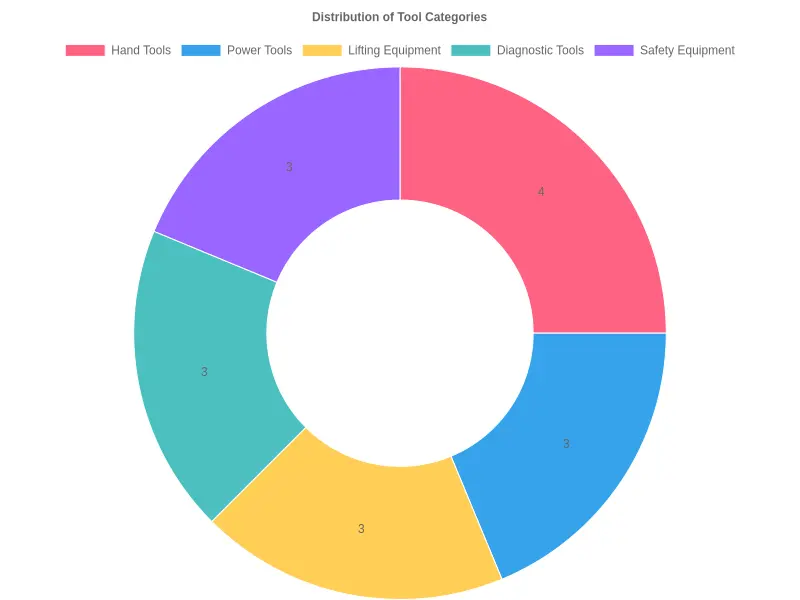
The chart above illustrates the various tool categories alongside their importance levels in repair processes, further emphasizing the need for a well-rounded toolkit in aviation ground support operations.
Sources:
- IATA – Airport Handling Manual
- Field Proxy – Streamlining Airport GSE Maintenance
- Stands Aero – Aviation Ground Support Equipment
Word Count
246
“Regular maintenance keeps the vehicle safe and functional, reducing the risk of costly repairs. Adhering to a preventive maintenance schedule is essential for the longevity of our trucks and the safety of our drivers.”
- Industry Expert, Cadence Petroleum
This insightful remark underscores the pivotal role that maintenance plays in ensuring safety and cost-effectiveness in the trucking industry. For more information on how to implement effective maintenance strategies, explore 5 Star Truck Inc. and their services.
Step-by-Step Guide to Engine Troubleshooting for Service Trucks
For long-haul truck drivers, trucking company owners, and fleet managers, understanding how to perform engine troubleshooting and repair is crucial. Here’s a practical guide to help you manage common engine issues in service trucks effectively.
Step 1: Assess Symptoms
Before diving into repairs, identify the symptoms your service truck is exhibiting. Common signs include:
- Engine misfiring or running roughly
- Unusual noises (knocking, ticking)
- Warning lights illuminated on the dashboard
- Decreased fuel efficiency
- Excessive smoke from the exhaust
Step 2: Conduct a Preliminary Inspection
Perform a visual inspection of the engine bay:
- Check for any obvious leaks (oil, coolant)
- Inspect belts and hoses for wear or damage
- Ensure all connections are tight and secure
Step 3: Check Fluid Levels
Make sure fluid levels are adequate before proceeding:
- Oil: Check the oil dipstick and top up if necessary.
- Coolant: Ensure the coolant reservoir is filled to the recommended level.
- Transmission Fluid: Check transmission fluid levels for optimal performance.
Step 4: Diagnose the Problem
If the symptoms persist, use a diagnostic scanner to check for error codes. Many truck diagnostic tools can interface with the engine’s computer system, revealing specific problems. Look up the codes in your truck’s manual for detailed troubleshooting tips.
Step 5: Isolate the Issue
Common issues include:
- Fuel System Problems: Clogged fuel filters or failing fuel pumps can impede engine performance.
- Ignition Problems: Replace spark plugs or ignition coils if you’re experiencing misfires.
- Exhaust System Blockage: Inspect the exhaust for blockages or damage.
Step 6: Make Repairs
Once you’ve isolated the issue:
- Replace worn or damaged components as necessary.
- Clean fuel injectors or replace clogged filters.
- Repair leaks using appropriate sealants.
- For more major repairs (like engine rebuilding), it might be best to consult a professional, which you can find with 5-Star Trucking.
Step 7: Test the Repair
After completing repairs, start the engine and observe:
- Check for any leaks or unusual noises.
- Ensure the engine runs smoothly without warning lights.
- Take the truck for a test drive to confirm that performance issues have been resolved.
Step 8: Regular Maintenance
To prevent future problems, implement a regular maintenance schedule:
- Perform oil changes every 5,000 miles.
- Regularly inspect all engine components and fluids.
- Consider preventive maintenance services from experts at 5-Star Trucking to keep your trucks on the road and avoid downtime.
By following this step-by-step guide, you can effectively troubleshoot and repair common engine problems in service trucks, ensuring safety and reliability on the road.
Comparison of Repair Tool Brands for Service Trucks
When it comes to equipping service trucks, selecting the right tools from the multitude of brands available is essential. Here’s a comprehensive comparison of three leading repair tool brands: Milwaukee, DeWalt, and Snap-On. This table highlights their average pricing, durability ratings, and user reviews.
| Brand | Average Pricing (Tool Kits) | Durability Rating (1-10) | User Review Summary |
|---|---|---|---|
| Milwaukee | $199 | 9 | Users praise Milwaukee tools for their strength and performance, noting they withstand heavy-duty use effectively. |
| DeWalt | $175 | 8 | Generally well-received for innovative features and ease of use, though some users mention issues with battery life. |
| Snap-On | $300 | 10 | Highly rated for durability and premium quality; users highlight their long lifespan but note the higher price point. |
Summary
- Milwaukee tends to offer robust performance for heavy usage, making it popular among professionals.
- DeWalt is favored for its innovative design and affordability, although users have some concerns about battery longevity.
- Snap-On is seen as the premium option, known for exceptional durability which justifies its higher price.
Choosing the right tools is crucial for maintaining effective repair services for trucks. For more insights into truck maintenance and reliable service, check out 5-Star Truck’s unparalleled services.

Tool Kit Pricing and Durability Ratings
Understanding the strengths and weaknesses of these brands can help service truck operators make informed decisions about their repair tool investments.

Tips for Maintaining Service Trucks
Maintaining service trucks is essential for ensuring safety, efficiency, and longevity, particularly for long-haul drivers and fleet managers. Here’s a collection of practical tips to keep your service trucks in optimal condition:
1. Regular Inspections
Regular pre-trip and post-trip inspections can identify potential issues before they become serious problems. Check vital components such as:
- Brakes
- Tires
- Lights
- Fluid levels
- Wipers
This routine inspection helps prevent breakdowns and keeps drivers safer on the road. For comprehensive truck maintenance programs, consider exploring the excellence of 5-Star Truck Inc..
2. Stay on Schedule with Routine Maintenance
Adhere to the manufacturer’s maintenance schedule for oil changes, filter replacements, and other essential services. A proactive approach reduces the likelihood of unexpected issues. Regular tire maintenance is critical as well, with inspections for tread wear and pressure adjustments to enhance fuel efficiency and safety.
3. Use Technology for Predictive Maintenance
Leverage technology to monitor truck performance and anticipate maintenance needs. Implementing systems for predictive maintenance can minimize downtime and maximize operational efficiency. This is particularly valuable in long-haul operations, where vehicle reliability is crucial. Check out insights on using AI for predictive maintenance here.
4. Focus on Tires
Investing in tire management solutions can extend tire life and improve fuel efficiency. Implementing an Advanced Tire Information System can allow for ongoing tire monitoring and timely interventions, keeping fleets running smoothly and safely. A well-maintained tire can greatly reduce the risk of blowouts and enhance fuel economy.
5. Keep Records
Maintain detailed records of all maintenance and repairs. Documenting service history is vital not only for compliance but also for assessing vehicle performance over time. This practice aids decision-making regarding equipment replacement and maintenance strategies as well.
By implementing these tips, fleet managers and long-haul drivers can enhance the safety and reliability of service trucks, ensuring smoother operations and reducing the risk of costly breakdowns. For more information on service excellence, visit 5-Star Truck Inc..
6. Immediate Repairs
Address any identified issues immediately rather than postponing repairs. Delaying repairs can exacerbate problems and become costlier in the long run.
Incorporating these maintenance strategies will help promote safety, efficiency, and reliability in your fleet operations, creating a more productive working environment overall.
Cost Breakdown of Common Repairs for Service Trucks
Understanding the financial aspects of maintenance and repairs is crucial for truck drivers, company owners, and fleet managers. Below is a visual representation of the cost breakdown for common repairs in service trucks:
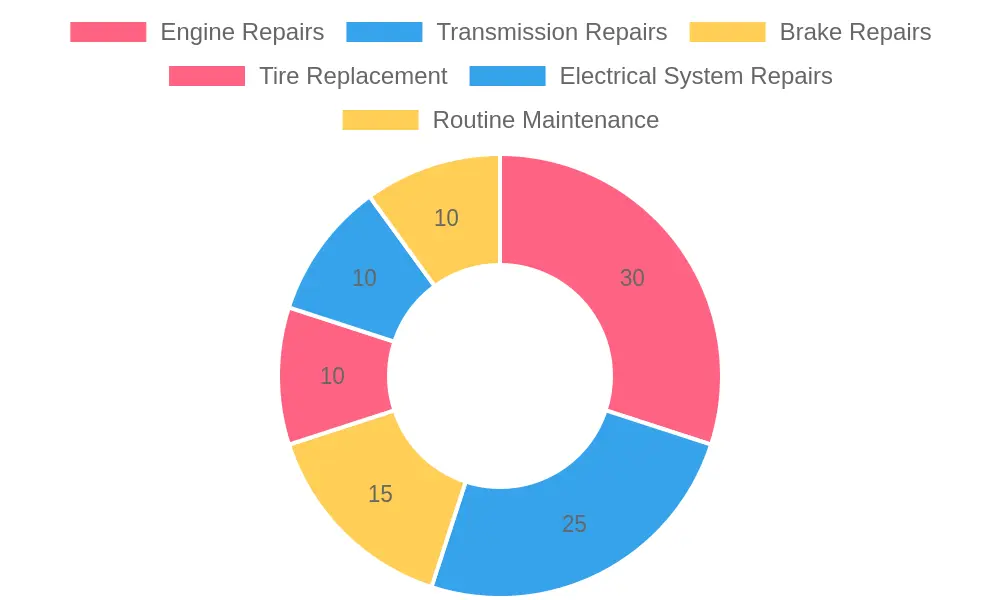
Breakdown of Repair Costs:
| Repair Category | Percentage |
|---|---|
| Engine Repairs | 30% |
| Transmission Repairs | 25% |
| Brake Repairs | 15% |
| Tire Replacement | 10% |
| Electrical System Repairs | 10% |
| Routine Maintenance | 10% |
Understanding these costs can aid in budgeting for fleet management and assessing how to optimize service operations efficiently. For those interested in exploring more about the excellence of truck service, learn more here.
Conclusion
In summary, prioritizing the maintenance and repair of service trucks is vital for ensuring their reliability and efficiency, especially in fast-paced environments like airports. As discussed, regular maintenance helps prevent costly breakdowns, extends vehicle lifespan, and ensures compliance with safety regulations. Whether you’re a long-haul truck driver or a fleet manager, understanding the benefits of proper service truck care cannot be overstated.
Moreover, by investing in a reliable service provider like 5 Star Truck Inc., you can enhance your operational efficiency, reduce downtime, and ultimately improve your bottom line. Don’t wait until there’s an issue; start prioritizing preventive maintenance today to keep your fleet running smoothly and effectively. Explore more about how 5 Star Truck Inc. can support your trucking needs!