
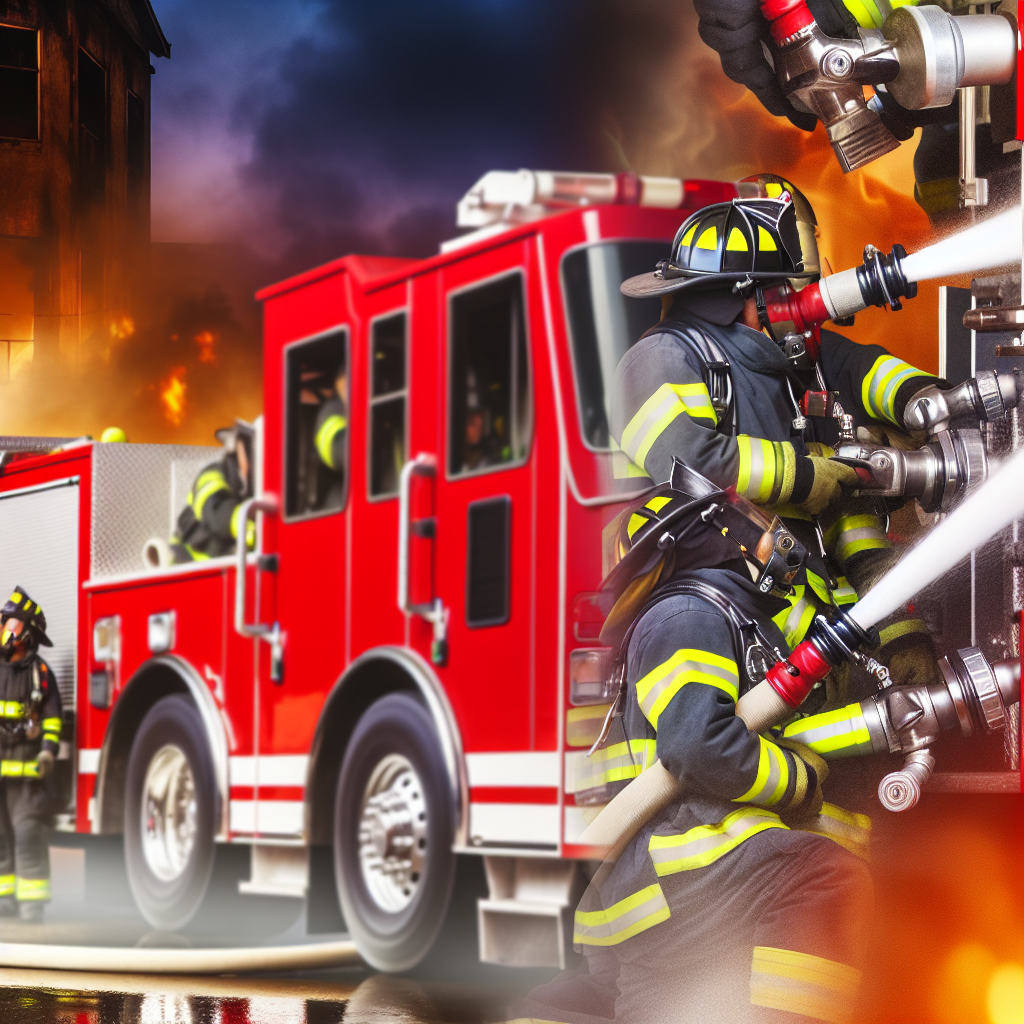
In the high-stakes world of firefighting, the effectiveness of fire trucks hinges significantly on the size of their pumps and tanks. These vital components are not merely numbers on a specification sheet; they play a crucial role in enhancing firefighter safety and operational efficiency. When the pump capacity is optimized and the tank size is appropriate, fire crews can deploy water more effectively, securing the upper hand in battle against blazing fires. Conversely, inadequate pump or tank specifications can lead to disastrous outcomes, including running out of water before reaching a hydrant, thus endangering lives and property. As such, understanding the intricacies of pumper fire truck design, including these factors, is essential for any fire department looking to increase its operational readiness and protect its personnel in the line of duty.
“Thoughtful pumper design maximizes operational efficiency and firefighter safety.”
“Developing the right apparatus starts with asking the right questions.”
| Fire Truck Model | Pump Capacity (GPM) | Tank Size (Gallons) |
|---|---|---|
| Pierce Arrow XT | 2,000 | 750 |
| Oshkosh Striker | 1,500 | 1,000 |
| E-One Typhoon | 1,750 | 1,500 |
| KME Predator | 1,250 | 500 |
| Spartan Gladiator | 3,000 | 1,000 |
The Impact of Tank Size on Firefighting Effectiveness
Tank size is a critical factor that influences the effectiveness of firefighting operations. A well-sized water tank is necessary for ensuring sufficient initial response capabilities when a fire breaks out. Studies have shown that approximately 30% of incidents run out of water before a connection to a hydrant is established, which underscores the importance of adequate tank capacity for pumper fire trucks.
In many cases, fire departments have had to navigate the challenges posed by limited tank sizes, often leading to extended response times and limiting the ability to conduct effective initial attacks. For instance, a standard tank size of 750 gallons is common, but this may not suffice in areas with larger structures or harsher fire conditions. In contrast, units equipped with larger tanks, such as those with 1,000 to 1,500-gallon capacities, can sustain a more prolonged attack on larger or more intense blazes, allowing firefighters to establish a more aggressive counter-strategy right from the start.
Larger tanks afford firefighters the luxury of deploying water more effectively during the critical initial moments of a fire. This not only boosts the chances of suppressing the fire sooner but also minimizes the risk of firefighter injury as they are less exposed to flames and smoke while waiting for additional water supplies. They enable units to stay on-site for longer periods without needing to leave for refills, maintaining a continuous flow of water, which is crucial for managing evolving fire conditions.
Furthermore, tank size also affects resource allocation within fire departments. When fire departments recognize the limitations imposed by smaller tanks, they may be forced to invest in additional resources such as water tenders to shuttle water back and forth. This diverts manpower and equipment from actual firefighting efforts, impacting overall operational efficiency.
In conclusion, adequate tank size is paramount for enhancing firefighting effectiveness. By ensuring that fire trucks are equipped with appropriately sized tanks, fire departments can better position themselves to tackle emergencies swiftly and safely, ultimately leading to improved outcomes in both firefighting efforts and firefighter safety.
Pump Capacity Variations in Fire Trucks
When considering the design of a pumper fire truck, the range of pump capacities available—from 500 to 3,000 gallons per minute (GPM)—plays a crucial role in determining firefighting effectiveness and efficiency. Each range of pump capacity has its own set of benefits and drawbacks that fire departments must weigh in their operational strategies.
Small Capacity Pumps (500-1,000 GPM)
Small pumps, typically between 500 and 1,000 GPM, offer several advantages; they are generally lighter and more maneuverable. This makes them ideal for urban settings with congested streets or for initial attack apparatuses responding to smaller incidents. Their size enables faster deployment and minimizes the risk of over-budgeting for capabilities that may not be necessary for every situation.
However, these smaller pumps come with their disadvantages. Their limited capacity can lead to inadequate water supply during larger or more intense firefighting scenarios. In critical moments, firefighters may find themselves facing a fire that quickly outstrips their equipment capabilities, leading to a need for quick water sourcing from hydrants or support units. This can delay response times, which is detrimental in emergency situations.
Medium Capacity Pumps (1,100-2,000 GPM)
Medium capacity pumps strike a balance between size and performance. Generally ranging from 1,100 to 2,000 GPM, these pumps are versatile for a range of emergency scenarios. They provide sufficient water for medium-sized fires and allow for longer operation before a connection to a hydrant is necessary. This means fire units can maintain an appropriate level of fire suppression while waiting for backup.
Yet, departments must consider that increasing pump size often correlates to weight and cost. A specialization in firefighting strategies can be required to ensure that appropriate training and equipment are available to support the more significant operational capacity.
Large Capacity Pumps (2,100-3,000 GPM)
For large-scale incidents, pumps in the range of 2,100 to 3,000 GPM can be invaluable. These units allow for rapid water deployment, critical for combating large fires, especially in industrial or densely populated urban areas. They provide substantial hydraulic power and can execute multiple firefighting strategies concurrently, including setting up multiple hose lines and applying foam systems as needed.
However, large capacity pumps also have their drawbacks. The sheer weight can make these units less maneuverable, complicating access to tight locations. Additionally, their higher initial costs might not be justified for smaller departments with fewer large-scale incidents. The logistics of adding such high-capacity vehicles into a fleet can strain budgets and training resources.
In conclusion, the choice of pump capacity requires careful consideration of incident types, available resources, and strategic firefighting needs. Fire departments must ensure that their pump selection aligns with their operational goals, balancing capabilities with efficiency and safety.
Conclusion: The Importance of Proper Pump and Tank Design
In the ever-evolving landscape of firefighting, the significance of well-designed pumps and tanks cannot be overstated. As highlighted throughout this article, the size and capacity of these components are pivotal in determining the operational efficacy of pumper fire trucks. An appropriately sized pump ensures that firefighters can deliver adequate water flow when it matters most, while a well-considered tank capacity secures their ability to sustain initial attack efforts, particularly in the critical moments following a fire outbreak.
Fire departments facing the stark reality that nearly 30 percent of incidents run out of water before reaching a hydrant must recognize how essential maximizing pump and tank design can be to their overall effectiveness and ultimately the safety of their personnel. The right specifications not only enhance firefighting capabilities but also significantly reduce risks to firefighters, enabling them to perform their duties with confidence in high-pressure scenarios.
Therefore, it is imperative that fire departments meticulously evaluate their pump and tank parameters during the design process. Decision-makers should engage with both fire truck manufacturers and their teams to ask the right questions, ensuring that they craft an apparatus that meets the unique challenges they face in their specific environments.
By prioritizing thoughtful design in pump and tank sizes, fire departments can improve their readiness in combatting fires effectively, enhance operational performance, and safeguard the lives of those who bravely battle the flames.
Call to Action
Assess your fire truck specifications today. Are your pump capacities and tank sizes meeting the demands of your operational environment? Engage with your equipment providers to ensure that your firefighting apparatus is adequately equipped for the challenges you face in emergencies.
User Adoption Trends for Pump and Tank Sizes in Fire Trucks
Recent analysis and data reveal significant trends in the adoption of various pump and tank sizes among fire apparatus. Understanding these trends provides valuable insights into the evolving landscape of firefighting equipment and operational effectiveness.
-
Pump Capacities: Approximately 75 percent of fire apparatus purchased are equipped with pumps ranging from 1,250 to 1,750 gallons per minute (gpm), highlighting a strong preference for medium to high-capacity pumps. This allows fire departments to effectively tackle a broader range of firefighting scenarios, ensuring adequate water supply during critical response times.
source -
Future Upgrades: The fire truck manufacturing industry is seeing a shift towards larger pumps, with advancements enabling pumps of up to 2,250 gpm to be integrated into vehicles previously designed for smaller models. This innovation represents a significant step in capacity enhancement while maintaining the design footprint.
source -
Market Share: Data from Pierce Manufacturing shows that about two-thirds of their pumpers produced in the last five years are outfitted with 1,500 gpm pumps. This move toward consistent pump sizes illustrates a standardization of operational needs and expectations within modern firefighting.
source -
Water Tank Capacities: Pumper trucks generally carry water tanks between 500 to 1,000 gallons. Conversely, tanker trucks can accommodate significantly larger capacities of 1,500 to 3,000 gallons, while wildland fire engines are typically equipped with smaller tanks of 300 to 500 gallons. This variety reflects the differing operational needs based on geographic and situational demands.
source -
Versatility in Design: Fire department trends are gravitating towards multifunctional vehicles like pumper-tankers that merge the capabilities of pumpers and tankers. These designs address issues such as staff shortages while maximizing operational effectiveness. By combining firefighting capabilities into a single unit, fire services enhance their response versatility.
source
As fire departments continue to adapt to the challenges they face, these trends and statistics emphasize the critical nature of pump and tank design in improving firefighting readiness and efficiency.
Foam Systems Integration in Firefighting Operations
Foam systems play a crucial role in enhancing water-based firefighting efforts, particularly when it comes to tackling challenging fires involving flammable liquids or hazardous materials. By creating a blanket of foam over volatile substances, these systems can smother flames more effectively than water alone, preventing reignition and allowing for safer, more efficient firefighting operations.
When transitioning from our previous discussion about tank size’s impact on firefighting effectiveness to the topic of foam systems integration, it becomes clear that both elements are interconnected. The size of a fire truck’s tank influences how foam can be effectively deployed during an emergency. Thus, understanding foam systems is not an isolated consideration; rather, it must seamlessly integrate with other components of fire truck design, including pump and tank sizes.
Interaction of Foam Systems with Pump and Tank Sizes
When integrating foam systems into firefighting apparatus, the compatibility between foam delivery systems, tank sizes, and pump capacities is vital. Tank sizes need to accommodate not just water but also sufficient foam concentrate storage to ensure consistent and effective application during firefighting scenarios. Generally, this means that fire trucks with larger water tanks should also consider configurations that allow for larger foam concentrate tanks, enabling the delivery of foam for prolonged attack strategies against aggressive fires.
Additionally, the interaction between pump size and foam delivery systems cannot be overlooked. Foam systems require specific pump configurations to achieve the proper mix ratios for effective foam production. This entails collaborating with manufacturers to ensure that the pump’s flow rate can handle the setup for both water and foam concentrate, which is critical for optimal performance in the heat of action.
Versatility and Strategic Deployment
Fire departments must prioritize versatile foam systems that can be integrated into various configurations of pumps and tanks. This strategic approach allows for flexibility in response to different types of emergencies, ensuring that firefighting crews can deploy foam when necessary, whether it’s in structural fires, vehicle fires, or during hazardous material incidents. The sophistication of these systems fosters adaptability in response techniques, elevating the overall effectiveness of firefighting efforts.
Moreover, it’s important to consider the training aspect for firefighting crews. Effective foam deployment requires specific techniques and understanding of equipment. Departments should invest in training programs that emphasize the correct use of foam systems, ensuring that firefighters can leverage these tools efficiently in high-pressure situations.
In conclusion, integrating foam systems with pump and tank sizes is essential for modern firefighting operations. By fostering a comprehensive understanding of foam technology, tank storage considerations, and pump compatibility, fire departments can enhance their firefighting arsenal, improve response strategies, and ultimately safeguard communities more effectively.
Having laid this foundational understanding of foam systems, we can now explore how varying pump capacities play a critical role in the overall effectiveness of fire trucks in the next section.
Pump Capacity Variations in Fire Trucks
When designing a pumper fire truck, pump capacities significantly impact effectiveness. Pump capacities range from 500 to 3,000 gallons per minute (GPM) and have different advantages and drawbacks.
Small Capacity Pumps (500-1,000 GPM)
Small pumps are generally lighter and more maneuverable. They work well in urban areas with congested streets and for initial attacks on smaller fires. However, their limited capacity often means they cannot handle larger incidents effectively, forcing firefighters to seek quicker water sources. This can lead to delays during critical moments.
Medium Capacity Pumps (1,100-2,000 GPM)
Medium pumps strike a balance between size and performance. They are sufficient for many emergency situations and can maintain operations longer before connecting to a hydrant. Yet, increasing pump size can lead to added weight and expense. Departments need to ensure appropriate training and resources can support this increase in capacity.
Large Capacity Pumps (2,100-3,000 GPM)
Large capacity pumps are vital for significant incidents, providing rapid water deployment. They offer strong hydraulic power allowing multiple strategies at once. However, their weight may hinder maneuverability in tight situations, and the higher costs can strain limited budgets.
Choosing the correct pump capacity is crucial for operational strategies. Fire departments must ensure their selections align with their needs while balancing performance, cost, and safety.
User Adoption Trends for Pump and Tank Sizes in Fire Trucks
Understanding user trends in pump and tank sizes helps fire departments stay effective. Recent analyses show these key trends:
-
Pump Capacities: 75% of newly purchased fire apparatus come with pumps between 1,250 to 1,750 GPM, which indicates a preference for versatile medium to high-capacity pumps during various emergencies.
[source] -
Future Upgrades: The industry is shifting toward larger pumps, with technological advancements integrating up to 2,250 GPM into vehicles designed for smaller systems.
[source] -
Market Share: Approximately two-thirds of Pierce Manufacturing’s pumpers produced recently come with 1,500 GPM pumps, showcasing a trend toward standardization.
[source] -
Water Tank Capacities: Pumper trucks typically hold 500 to 1,000 gallons, while tanker trucks range from 1,500 to 3,000 gallons. Wildland fire engines often possess smaller tanks of 300 to 500 gallons, reflecting varied operational needs.
[source] -
Versatile Designs: Fire departments increasingly favor multifunctional vehicles, such as pumper-tankers. These designs help mitigate staff shortages while maintaining operational effectiveness.
[source]
These trends highlight the vital role of pump and tank sizes in firefighting readiness and efficiency.
In the high-stakes world of firefighting, the effectiveness of fire trucks hinges significantly on the size of their pumps and tanks. These vital components are not merely numbers on a specification sheet; they play a crucial role in enhancing firefighter safety and operational efficiency. When the pump capacity is optimized and the tank size is appropriate, fire crews can deploy water more effectively, securing the upper hand in battle against blazing fires. Conversely, inadequate pump or tank specifications can lead to disastrous outcomes, including running out of water before reaching a hydrant, thus endangering lives and property. As such, understanding the intricacies of pumper fire truck design, including these factors, is essential for any fire department looking to increase its operational readiness and protect its personnel in the line of duty.
“Thoughtful pumper design maximizes operational efficiency and firefighter safety.”
“Developing the right apparatus starts with asking the right questions.”
For more information on fire truck equipment, check out the National Interagency Fire Center and the Kansas Forest Service.
Fire Truck Pump and Tank Size Comparison
| Fire Truck Model | Pump Capacity (GPM) | Tank Size (Gallons) |
|---|---|---|
| Pierce Arrow XT | 2,000 | 750 |
| Oshkosh Striker | 1,500 | 1,000 |
| E-One Typhoon | 1,750 | 1,500 |
| KME Predator | 1,250 | 500 |
| Spartan Gladiator | 3,000 | 1,000 |
The Impact of Tank Size on Firefighting Effectiveness
Tank size is a critical factor that influences the effectiveness of firefighting operations. A well-sized water tank is necessary for ensuring sufficient initial response capabilities when a fire breaks out. Studies have shown that approximately 30% of incidents run out of water before a connection to a hydrant is established, which underscores the importance of adequate tank capacity for pumper fire trucks.
In many cases, fire departments have had to navigate the challenges posed by limited tank sizes, often leading to extended response times and limiting the ability to conduct effective initial attacks. For instance, a standard tank size of 750 gallons is common, but this may not suffice in areas with larger structures or harsher fire conditions. In contrast, units equipped with larger tanks, such as those with 1,000 to 1,500-gallon capacities, can sustain a more prolonged attack on larger or more intense blazes, allowing firefighters to establish a more aggressive counter-strategy right from the start.
Larger tanks afford firefighters the luxury of deploying water more effectively during the critical initial moments of a fire. This not only boosts the chances of suppressing the fire sooner but also minimizes the risk of firefighter injury as they are less exposed to flames and smoke while waiting for additional water supplies. They enable units to stay on-site for longer periods without needing to leave for refills, maintaining a continuous flow of water, which is crucial for managing evolving fire conditions.
Having adequate tank size also affects resource allocation within fire departments. When fire departments recognize the limitations imposed by smaller tanks, they may be forced to invest in additional resources such as water tenders to shuttle water back and forth. This diverts manpower and equipment from actual firefighting efforts, impacting overall operational efficiency.
In conclusion, adequate tank size is paramount for enhancing firefighting effectiveness. By ensuring that fire trucks are equipped with appropriately sized tanks, fire departments can better position themselves to tackle emergencies swiftly and safely, ultimately leading to improved outcomes in both firefighting efforts and firefighter safety.
For more in-depth insights on firefighting water supplies, refer to the Emergency Firefighting Water System and the 30 CFR § 77.1108-1.
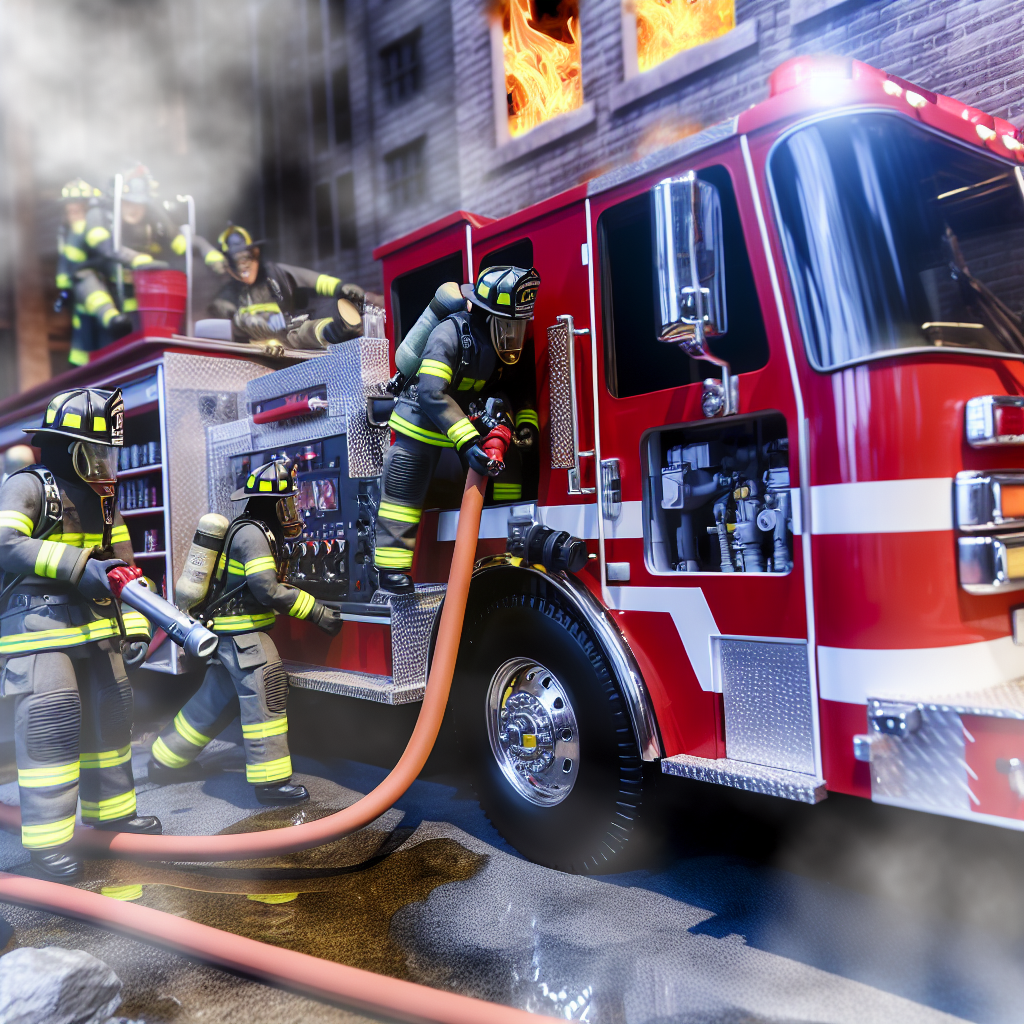
Image of Fire Truck in Action
A fire truck in action showcasing pump and tank size features during an emergency response with firefighters actively using the equipment, surrounded by smoke and flames.
Pump Capacity Variations in Fire Trucks
When considering the design of a pumper fire truck, the range of pump capacities available—from 500 to 3,000 gallons per minute (GPM)—plays a crucial role in determining firefighting effectiveness and efficiency. Each range of pump capacity has its own set of benefits and drawbacks that fire departments must weigh in their operational strategies.
Small Capacity Pumps (500-1,000 GPM)
Small pumps, typically between 500 and 1,000 GPM, offer several advantages; they are generally lighter and more maneuverable. This makes them ideal for urban settings with congested streets or for initial attack apparatuses responding to smaller incidents. Their size enables faster deployment and minimizes the risk of over-budgeting for capabilities that may not be necessary for every situation.
However, these smaller pumps come with their disadvantages. Their limited capacity can lead to inadequate water supply during larger or more intense firefighting scenarios. In critical moments, firefighters may find themselves facing a fire that quickly outstrips their equipment capabilities, leading to a need for quick water sourcing from hydrants or support units. This can delay response times, which is detrimental in emergency situations.
Medium Capacity Pumps (1,100-2,000 GPM)
Medium capacity pumps strike a balance between size and performance. Generally ranging from 1,100 to 2,000 GPM, these pumps are versatile for a range of emergency scenarios. They provide sufficient water for medium-sized fires and allow for longer operation before a connection to a hydrant is necessary. This means fire units can maintain an appropriate level of fire suppression while waiting for backup.
Yet, departments must consider that increasing pump size often correlates to weight and cost. A specialization in firefighting strategies can be required to ensure that appropriate training and equipment are available to support the more significant operational capacity.
Large Capacity Pumps (2,100-3,000 GPM)
For large-scale incidents, pumps in the range of 2,100 to 3,000 GPM can be invaluable. These units allow for rapid water deployment, critical for combating large fires, especially in industrial or densely populated urban areas. They provide substantial hydraulic power and can execute multiple firefighting strategies concurrently, including setting up multiple hose lines and applying foam systems as needed.
However, large capacity pumps also have their drawbacks. The sheer weight can make these units less maneuverable, complicating access to tight locations. Additionally, their higher initial costs might not be justified for smaller departments with fewer large-scale incidents. The logistics of adding such high-capacity vehicles to a fleet can strain budgets and training resources.
In conclusion, the choice of pump capacity requires careful consideration of incident types, available resources, and strategic firefighting needs. Fire departments must ensure that their pump selection aligns with their operational goals, balancing capabilities with efficiency and safety.
Conclusion: The Importance of Proper Pump and Tank Design
In the ever-evolving landscape of firefighting, the significance of well-designed pumps and tanks cannot be overstated. As highlighted throughout this article, the size and capacity of these components are pivotal in determining the operational efficacy of pumper fire trucks. An appropriately sized pump ensures that firefighters can deliver adequate water flow when it matters most, while a well-considered tank capacity secures their ability to sustain initial attack efforts, particularly in the critical moments following a fire outbreak.
Fire departments facing the stark reality that nearly 30% of incidents run out of water before reaching a hydrant must recognize how essential maximizing pump and tank design can be to their overall effectiveness and ultimately the safety of their personnel. The right specifications not only enhance firefighting capabilities but also significantly reduce risks to firefighters, enabling them to perform their duties with confidence in high-pressure scenarios.
Therefore, it is imperative that fire departments meticulously evaluate their pump and tank parameters during the design process. Decision-makers should engage with both fire truck manufacturers and their teams to ask the right questions, ensuring that they craft an apparatus that meets the unique challenges they face in their specific environments.
By prioritizing thoughtful design in pump and tank sizes, fire departments can improve their readiness in combatting fires effectively, enhance operational performance, and safeguard the lives of those who bravely battle the flames.
For additional insights, refer to the Water Supply | Poudre Fire Authority and Course on Alternate Water Supply Planning.