
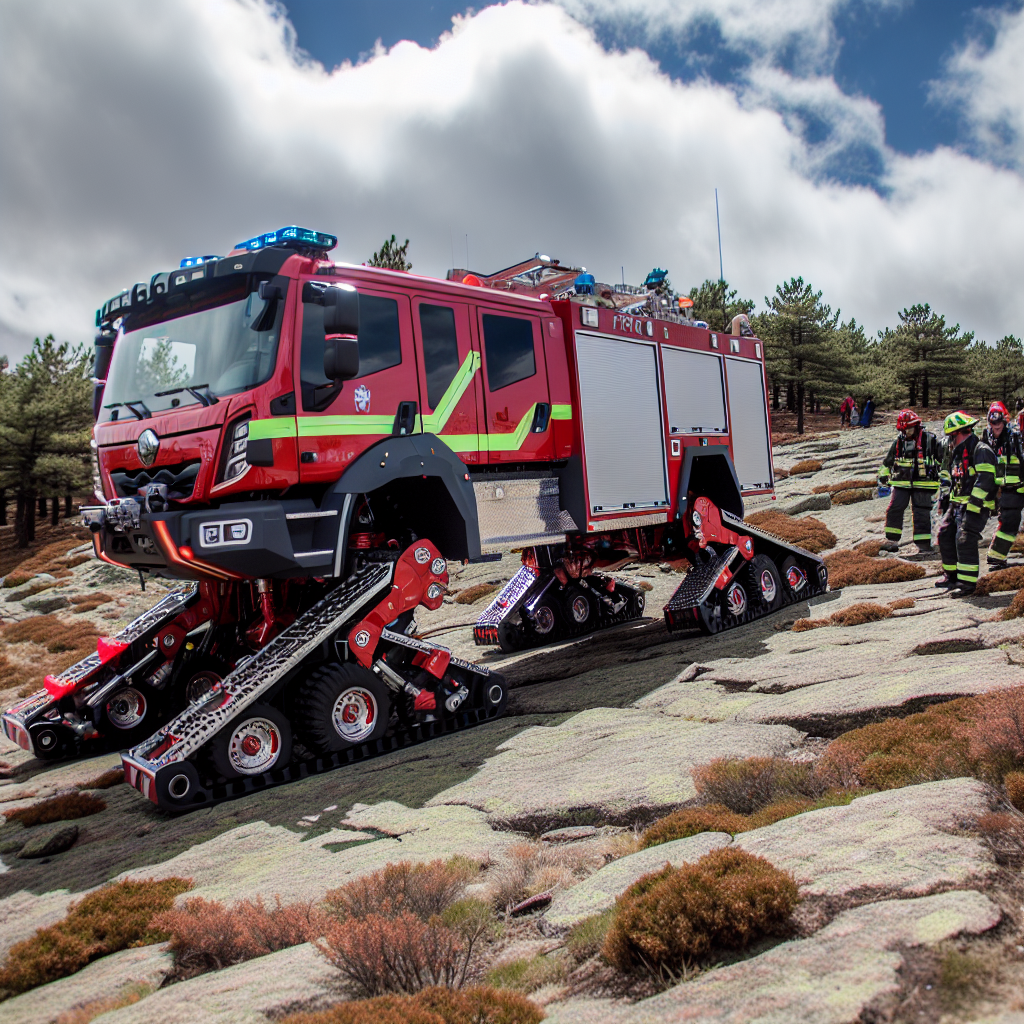
In a world where seconds can mean the difference between life and death, advancements in firefighting technology have become paramount. From cutting-edge fire truck designs to innovative stabilization systems, these developments are reshaping the landscape of emergency response. Imagine a fire truck that not only swiftly reaches the scene but also remains grounded and stable, even in the most challenging terrains. This is not merely a technological upgrade; it represents a leap towards enhanced safety and operational efficiency for firefighters.
Moreover, the integration of the Internet of Things (IoT) has ushered in a new era in firefighting, where wearables like PyroGuardian monitor firefighters’ health metrics in real-time. This technology ensures incident commanders have vital data at their fingertips, promoting safer operational decisions. The introduction of artificial intelligence in wildfire management further enhances efficiency; AI-powered cameras can quickly detect smoke, drastically reducing response times and enabling a more proactive approach to fire prevention.
Drones equipped with infrared cameras provide critical situational awareness, aiding in surveillance and fire detection, especially in areas that are difficult to access. These tools allow firefighting teams to assess fire dynamics from the air, facilitating smarter response strategies. On the frontline, advancements in personal protective equipment (PPE) are also noteworthy, as innovations like smart helmets are being developed to give firefighters real-time data about their environment and health, ensuring they remain safe amidst hazardous conditions.
The significance of these innovations lies not just in their mechanical prowess but in their ability to bolster firefighting operations, allowing crews to focus on what truly matters—saving lives and protecting property. Join us as we explore the dynamic world of advanced fire truck technologies and how they are transforming the way firefighters combat emergencies.
Fleet Standardization in Fire Departments
Fleet standardization in fire departments is integral to enhancing operational efficiencies and ensuring effective emergency response. By adopting uniform vehicle designs, equipment layouts, and standard operating procedures, fire departments can realize numerous benefits:
Mechanical Consistency
One of the primary advantages of fleet standardization is mechanical consistency. When fire departments integrate the same mechanical components across their vehicles, this consistency simplifies maintenance and repair processes. Mechanics become more adept with familiar systems, which leads to quicker diagnostics and reduced repair times. As Richard Riley, Fire Apparatus Manager, states, “The traditional walk-in compartment design has proven its effectiveness over decades of rescue operations. For our department, protecting critical equipment combined with the ability to carry more crew made it the right choice.”
Equipment Uniformity
Uniformity in equipment ensures that all firefighting apparatus carries consistent tools and layouts, allowing firefighters to locate and operate equipment swiftly during emergencies. This is especially vital during mutual aid responses, where familiarity with different equipment can significantly impact operational success.
Cost Savings
Standardization also results in notable cost savings. Departments can leverage bulk purchasing, leading to reduced procurement costs and faster access to replacement parts. As articulated by Richard Riley, “Start by evaluating manufacturers’ capabilities and past projects, then involve both engineers and frontline firefighters early in the specification process.”
In essence, the myriad benefits of fleet standardization enhance not just operational effectiveness but also improve safety and efficiency for fire departments.
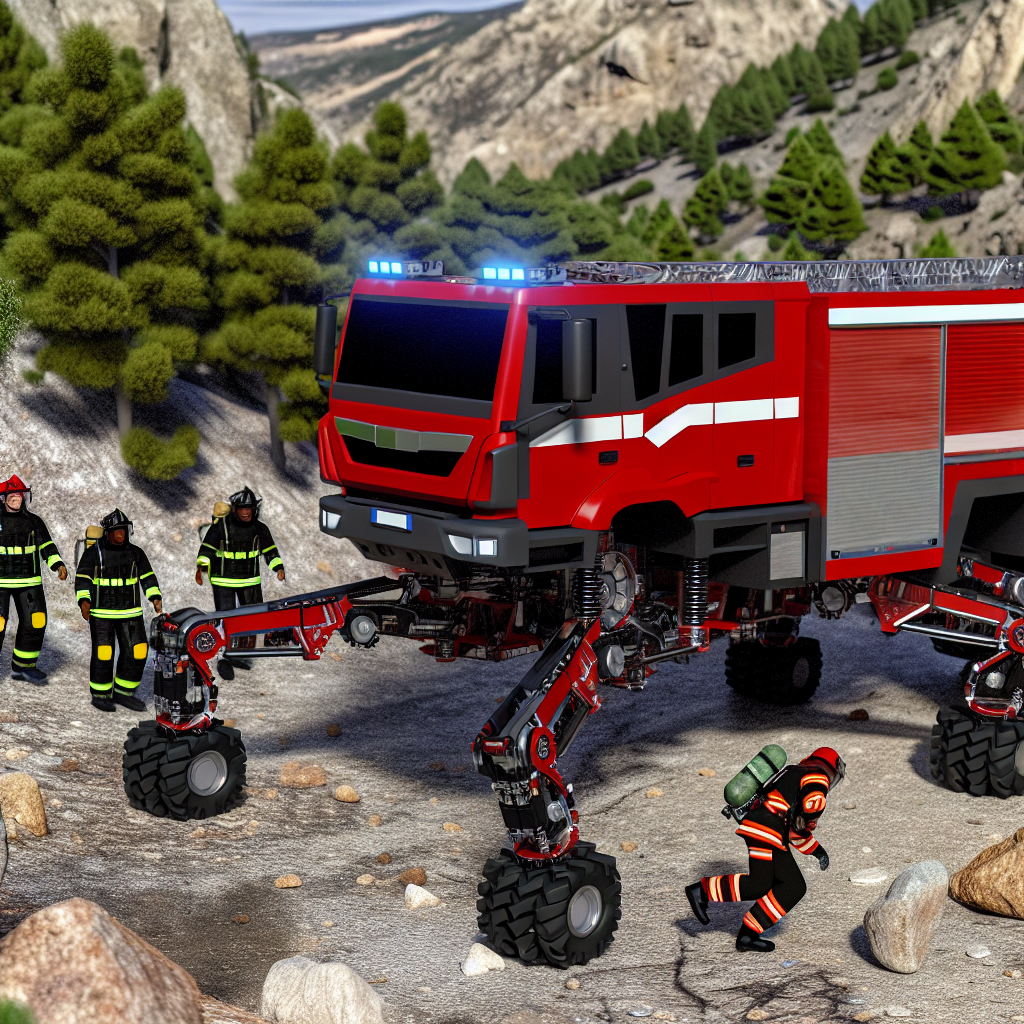
An image of a fire truck demonstrating advanced stabilization technology in action, highlighting its stability features on challenging terrain.
Advanced Stabilization Systems in Fire Trucks
Advanced stabilization systems have become crucial in enhancing the efficiency and safety of fire truck operations, especially in high-stakes situations. These systems are essential for ensuring stability during firefighting and rescue efforts, particularly when operating on uneven terrain or in confined spaces like urban environments.
The Rosenbauer Roll Stability Control (RSC) system is an example of cutting-edge technology that assists operators by automatically managing engine RPMs and applying targeted braking during critical moments, significantly reducing rollover risks. This system promotes safer driving and operation in precarious situations.
Rescue Squad No. 820 from the Prince George’s County Fire/EMS Department utilizes a Pierce® Enforcer™ chassis featuring a “true stubby” design. This setup enhances maneuverability, particularly beneficial on congested thoroughfares and narrow streets. The design’s improved turning radius supports effective navigation around accidents and obstacles, crucial for quick response times.
Furthermore, the squad is equipped with a 15,000-pound front-mounted winch system that not only aids in vehicle recovery but also stabilizes the truck during extrication operations. This winch allows for positioning that minimizes unwanted vehicle movement, enhancing crew safety during critical interventions.
Types of Stabilization Systems
Fire trucks employ various stabilization mechanisms, including:
- H-Style Stabilizers: These offer independent operation and are effective for maximizing stability while allowing operational flexibility in confined spaces.
- A-Frame Stabilizers: Known as X-style stabilizers, these extend outwards to provide a robust base on uneven terrain, facilitating stable operations.
- Underslung Stabilizers: Built into the vehicle’s structure, these stabilize the fire truck without occupying additional space, ensuring quick deployment and efficient handling during emergencies.
- Gull-Wing Stabilizers: These drop straight down from a vertical position, minimizing the horizontal footprint needed for deployment, making them ideal for urban settings.
Each type of stabilization system has its advantages tailored to specific operational scenarios. The technology behind these systems not only enhances the safety of firefighters but also boosts their effectiveness during rescue missions, ultimately leading to improved outcomes on the ground.
| Stabilization System | Key Features | Advantages | Deployment Scenarios |
|---|---|---|---|
| H-Style Stabilizers | Independent operation, flexible configurations | High stability in confined spaces | Urban firefighting and rescue operations |
| A-Frame Stabilizers | Extends outwards, robust base | Excellent for uneven terrain | Rural areas with varied landscapes |
| Underslung Stabilizers | Integrated into vehicle structure | Quick deployment, saves space | Tight urban environments |
| Gull-Wing Stabilizers | Drop vertically, minimal horizontal footprint | Ideal for rapid setup in limited spaces | Densely built-up urban areas |
Innovative Lighting Systems in Fire Trucks
Innovative lighting systems play a crucial role in enhancing safety and operational efficiency for fire trucks, particularly during night operations and rescue missions. These advanced lighting solutions improve visibility for both firefighters and drivers, allowing for quick assessments of hazards and surrounding situations.
Importance of Advanced Lighting Systems
High-intensity scene lighting is essential for ensuring that firefighters can safely operate in low-visibility environments. These lighting systems illuminate the operational area, significantly reducing the risk of accidents and errors. Additionally, advanced lighting options enhance the fire truck’s visibility, making it more noticeable to other vehicles and personnel, thus lowering the potential for collisions.
Features of Modern Fire Truck Lighting
Modern fire truck lighting systems often integrate cutting-edge technologies such as:
- LED Lighting: Bright, energy-efficient, and durable, LEDs are now standard in many fire trucks, offering longer lifetimes and less maintenance.
- Customizable Light Patterns: Many systems allow operators to adjust the lighting configurations to suit specific emergency scenarios, optimizing visibility.
- Directional Scene Lights: Powerful lights that can be directed where needed, providing focused illumination during critical operations.
Examples of Innovative Lighting Systems
Pierce Manufacturing is a leader in this domain, offering various apparatus equipped with advanced lighting options. For example:
- Snozzle High-Reach Extendable Turret: This apparatus includes lighting at the boom end, with options for both LED and HID styles. The versatility in lighting configurations enhances visibility during high-reach operations, ensuring firefighters can operate effectively in difficult conditions.
- Command Zone™ Advanced Electronics System: This innovative system integrates lighting controls with various other technologies to elevate operational efficiency. It features real-time data diagnostics that support firefighting actions, significantly enhancing situational awareness.
Recent Advancements
Recent technological developments in fire truck lighting systems emphasize energy efficiency and improved functionality:
- LED Lighting Solutions: Companies like Fire Research Corporation (FRC) have introduced high-intensity LED scene lighting, which is more efficient, delivers greater illumination, and lasts longer than traditional lights. These LEDs are designed to emit a color temperature close to natural daylight, improving nighttime visibility during operations.
- Infrared Vision Systems: The exploration of infrared camera technology offers exciting possibilities. These systems enhance driver safety, especially in low-visibility conditions such as nighttime or dense fog, by detecting thermal signatures of nearby obstacles.
Ultimately, innovative lighting systems in fire trucks not only bolster safety for firefighters but also contribute to more effective rescue missions. As the industry continues to evolve, these enhancements demonstrate a commitment to improving operational capabilities and protecting those who protect us.
User Adoption of Fire Truck Technologies
The adoption of new fire truck technologies, particularly stabilization systems and advanced features, is increasing, influenced by a strong emphasis on safety, efficiency, and sustainability in firefighting operations.
Adoption of Advanced Stabilization Systems
Modern fire trucks increasingly feature advanced stabilization systems to enhance operational safety and effectiveness. For example, many aerial ladder trucks are now equipped with hydraulic ladders extending beyond 120 feet, significantly improving access to tall structures. These new models often include automated water cannons and smart monitoring tools for better efficiency. Furthermore, real-time telemetry systems are becoming common, allowing for predictive maintenance alerts that help minimize downtime and maximize operational readiness.
Integration of Advanced Features
The fire truck market has seen considerable technological progression between 2023 and 2025, with many manufacturers introducing battery-assist technologies that allow electric pumps to operate for short durations, enhancing energy efficiency. Additionally, prototypes of fully electric fire trucks and those featuring integrated LiDAR systems for obstacle detection are gaining traction.
Firefighter Perceptions
Fire departments prioritize energy efficiency and durability, with an 85% uptake of LED lighting in scene lights by 2023. The shift towards LEDs reflects the demands for sustainability and improved performance in hazardous conditions.
Case Studies
For example, the Prince George’s County Fire/EMS Department demonstrates this trend with their standardized fleet, improving training consistency and overall emergency response capabilities. In 2024, their Rescue Squad No.820 responded to over 1,800 incidents, showcasing the benefits of adopting advanced fire truck technologies.
In summary, the integration of new fire truck technologies represents a significant advancement in the firefighting industry, driven by the dual goals of enhancing operational performance and ensuring firefighter safety.
Impact of Advanced Technologies on Emergency Response
The implementation of advanced fire truck technologies and stabilization systems significantly enhances the effectiveness and efficiency of emergency response. With the integration of these innovations, fire departments are witnessing transformative changes that improve overall operational capabilities, safety, and response times.
Enhanced Safety and Stability
One of the primary benefits of advanced stabilization systems is the enhancement of safety for firefighters. These systems, such as the Rosenbauer Roll Stability Control and sophisticated hydraulic stabilizers, ensure that fire trucks maintain stability even in challenging environments. This stability is crucial when operating on uneven terrain or navigating tight urban spaces where the risks of rollover incidents are heightened.
Speed and Efficiency
The integration of advanced technologies results in quicker deployment times and improved maneuverability. Features like the Pierce Enforcer chassis, with its compact design, allow firefighters to navigate congested areas swiftly, reducing response times during emergencies. Furthermore, additional tools such as automated winch systems not only aid in stabilization but also enhance operational efficiency during rescue missions, permitting quick and safe extrication efforts.
Optimal Resource Utilization
Fire departments adopting these advanced technologies can also achieve better resource management. Standardization of equipment and technology allows for uniform training, making personnel more adept at handling apparatus swiftly. This consistency means that firefighters can focus on executing their tasks without the delays associated with using unfamiliar equipment, ultimately leading to more effective emergency responses.
A Shift Towards Sustainability
Innovations in fire truck design, including advances in lighting systems and potential electric components, reflect a growing trend toward sustainability in emergency services. These energy-efficient technologies not only reduce operational costs but also align with broader environmental goals, demonstrating a commitment to responsible firefighting practices.
In conclusion, the impact of advanced fire truck technologies and stabilization systems is profound. They not only bolster the safety and efficiency of emergency response operations but also contribute towards a more sustainable and effective firefighting approach, ultimately enhancing service to the community.
As we conclude our exploration of advanced fire truck technologies and stabilization systems, it is evident that integrating these innovations is no longer merely a choice but a necessity for fire departments aiming to improve their operational effectiveness and safety. The realities of modern firefighting demand that departments embrace technological advancements, not only to enhance their service delivery but also to protect their personnel and the communities they serve.
We encourage fire departments to invest in these cutting-edge technologies, from stabilization systems that ensure safety on uneven terrains to modern lighting solutions that enhance visibility during operations. By prioritizing innovation, departments will not only optimize their response capabilities but also foster an environment of enhanced sustainability and efficiency.
Now is the time for fire departments to champion change, ensuring they are equipped with the best tools available to face the challenges of firefighting in the 21st century. Together, let us pave the way for a safer and more effective emergency response.
Insights from Richard Riley
Richard Riley, Fire Apparatus Manager, offers invaluable perspectives on fire truck technology and its impact on firefighting efficiency and safety. His insights resonate deeply with the enhancements discussed throughout this article:
“The traditional walk-in compartment design has proven its effectiveness over decades of rescue operations. For our department, protecting critical equipment combined with the ability to carry more crew made it the right choice.”
This quote underscores the importance of maintaining functional designs that prioritize both equipment safety and crew capacity.
Furthermore, Riley emphasizes the significance of evaluating manufacturers:
“Start by evaluating manufacturers’ capabilities and past projects, then involve both engineers and frontline firefighters early in the specification process.”
His advice highlights a collaborative approach to adopting new technologies, ensuring that the equipment meets the needs of those who rely on it most.
Incorporating the expertise of professionals like Richard Riley not only elevates the discussion around fire truck technologies but also reinforces the benefits of advanced features for both firefighter safety and operational performance.
Advanced Fire Truck Technologies and Fire Safety Innovations
In a world where seconds can mean the difference between life and death, advancements in firefighting technology have become paramount. From smart firefighting technologies to innovative stabilization systems, these developments are reshaping the landscape of emergency response. Imagine a fire truck that not only swiftly reaches the scene but also remains grounded and stable, even in the most challenging terrains. This is not merely a technological upgrade; it represents a leap towards enhanced safety and operational efficiency for firefighters.
Moreover, the integration of the Internet of Things (IoT) has ushered in a new era in firefighting, where wearables like PyroGuardian monitor firefighters’ health metrics in real-time. This technology ensures incident commanders have vital data at their fingertips, promoting safer operational decisions. The introduction of artificial intelligence in wildfire management further enhances efficiency; AI-powered cameras can quickly detect smoke, drastically reducing response times and enabling a more proactive approach to fire prevention.
Drones equipped with infrared cameras provide critical situational awareness, aiding in surveillance and fire detection, especially in areas that are difficult to access. These tools allow firefighting teams to assess fire dynamics from the air, facilitating smarter response strategies. On the frontline, advancements in personal protective equipment (PPE) are also noteworthy, as innovations like smart helmets are being developed to give firefighters real-time data about their environment and health, ensuring they remain safe amidst hazardous conditions.
The significance of these innovations lies not just in their mechanical prowess but in their ability to bolster firefighting operations, allowing crews to focus on what truly matters—saving lives and protecting property. Join us as we explore the dynamic world of fire truck technology advancements and how they are transforming the way firefighters combat emergencies.
Throughout this exploration of advanced fire truck technologies, we have seen how innovations shape the operational landscape for fire services. As we transitioned from discussing fleet standardization to detailing advanced stabilization systems, it becomes clear that consistency in design improves both functionality and safety for firefighters. This progression leads us naturally to the critical role of innovative lighting systems; the intersection of visibility and safety cannot be overstated in emergencies.
Moreover, as we delve into user adoption of these technologies, it’s essential to highlight the benefits gained from implementing these advancements. Each technological leap—from the integration of battery-assist systems to the deployment of infrared cameras—directly addresses the pressing challenges firefighters face today.
In summary, each section reinforces the overarching theme: the continuous evolution and adoption of technology in fire trucks not only enhances operational capabilities but also ensures firefighter safety. This synthesis of information lays the groundwork for understanding the broader impact these technologies have in emergency response operations, setting the stage for our concluding reflections on their significance in modern firefighting.