
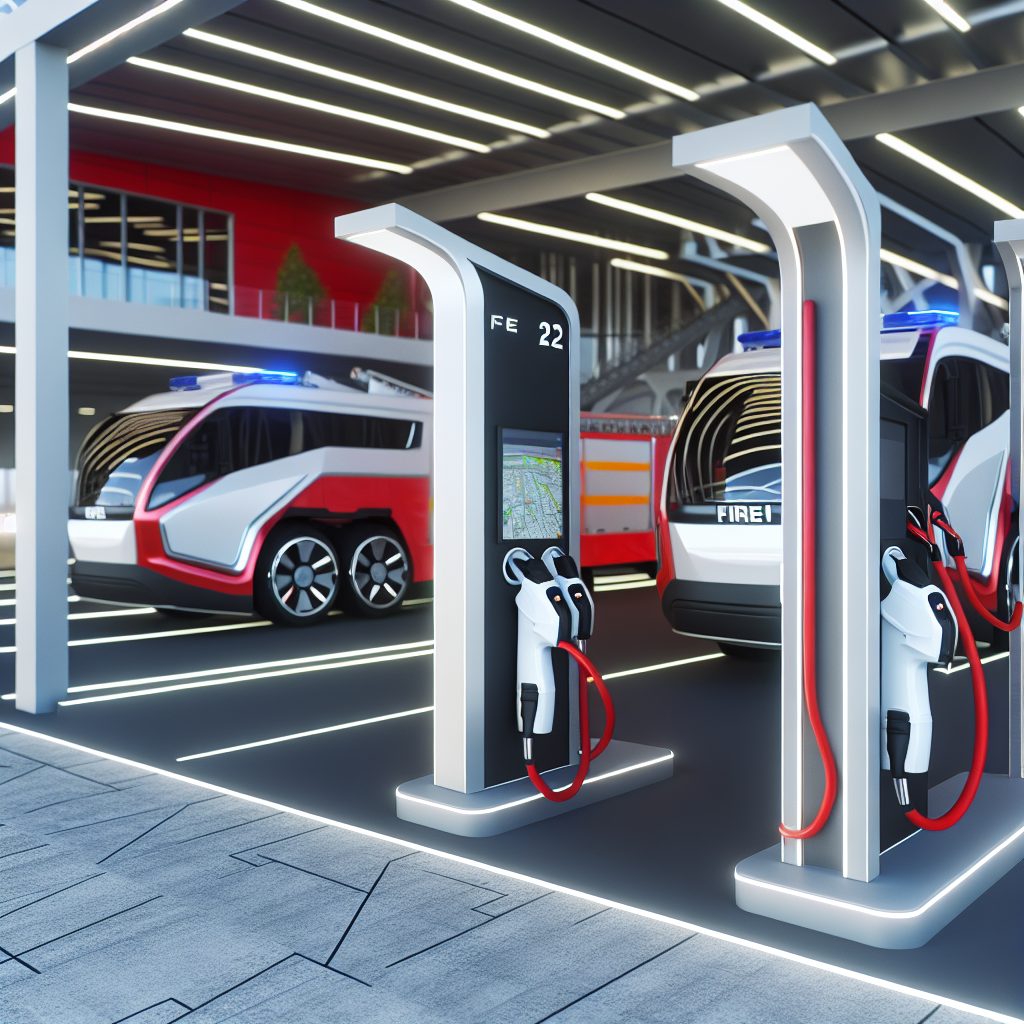
As fire departments around the world strive for greater sustainability, the transition to electric fire trucks stands out as a pivotal step in minimizing environmental impact. Not only do these advanced vehicles promote a cleaner air quality by reducing emissions, but they also lessen reliance on fossil fuels, aligning with broader efforts to combat climate change.
Additionally, the establishment of robust charging infrastructure is crucial in supporting this shift, ensuring that fire services can operate effectively while embracing innovative technology. By investing in electric fire trucks, fire departments are taking significant strides towards a greener future, showcasing their commitment to both community safety and environmental stewardship.
Overview of Electric Fire Truck Benefits
Electric fire trucks are revolutionizing firefighting operations by offering a range of benefits that enhance both efficiency and sustainability. Their advanced technology not only aids in reducing operational costs but also minimizes environmental impact, making them a progressive choice for modern fire departments. Here are some key advantages:
- Reduced Operational Costs: Electric fire trucks have been shown to save approximately $6,000-$13,000 annually per vehicle in fuel and maintenance expenses by eliminating diesel usage and minimizing mechanical complexities (source: FireRescue1, International Association of Fire Chiefs).
- Environmental Impact: With zero tailpipe emissions, electric fire trucks contribute significantly to improved air quality, especially in urban environments where fire operations can release harmful pollutants (source: Rosenbauer, Los Angeles Fire Department).
- Reduced Noise Pollution: The silent operation of electric fire trucks enhances communication among crews during emergencies, significantly lowering noise disturbance in sensitive areas (source: Pierce Manufacturing, LAFD).
- Maintenance Benefits: Their simplified drivetrains with fewer moving parts lead to a reduction in maintenance costs by 30-70%, enhancing their reliability (source: FireRescue1).
- Operational Efficiency: Instant torque delivery improves efficiency in acceleration and pumping, making electric fire trucks superior in handling emergencies effectively (source: Pierce Manufacturing, International Association of Fire Chiefs).
Adopting electric fire trucks aligns fire departments with sustainable practices while ensuring operational effectiveness, thereby supporting community health and safety more robustly than traditional fire apparatus.
| Statistic | Annual Savings/Impact |
|---|---|
| Fuel Savings | $6,000 – $13,000 |
| Maintenance Savings | 30% – 70% reduction |
| Estimated Total Savings | Up to $15,000 annually |
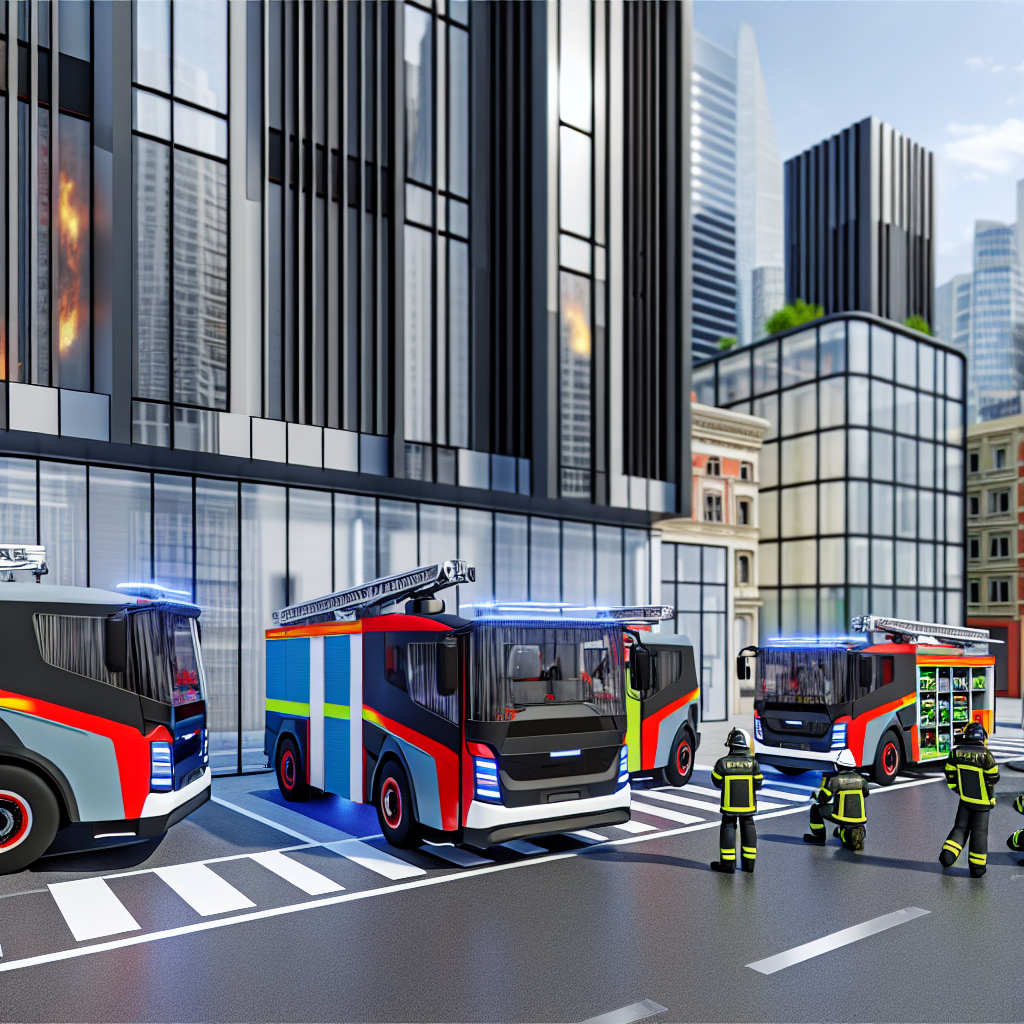
Insights on Electric Fire Truck Charging Infrastructure
Integrating electric fire trucks into a department not only involves the vehicles themselves but also necessitates careful consideration of charging infrastructure. Here are the key components to keep in mind when planning for electric fire truck charging:
Power Requirements
Electric fire trucks typically require a robust power supply to effectively charge their batteries. Most manufacturers, including those of the Pierce Volterra, recommend a minimum of 480-volt three-phase power for charging stations. This high voltage enables faster charging times, making it feasible to keep the fire trucks operational with minimal downtime. Fire departments should evaluate their current electrical systems and plan any necessary upgrades to accommodate this requirement.
Space Considerations
When designing charging stations for electric fire trucks, it is vital to account for several space-related factors. Charging units should be positioned in areas that allow easy access for the trucks, while ensuring adequate space for emergency situations. This includes considering the layout of the charging equipment, emergency vehicle access, and the potential need for additional storage as units may vary in size. Adequately designed spaces will support the operational efficiency and safety of the departments.
Installation Planning Timelines
To ensure the charging infrastructure is ready when the electric fire trucks arrive, planning should begin 9 to 12 months in advance. This allows adequate time for any necessary electrical upgrades, construction, and installation of charging equipment. By anticipating these needs early, fire departments can avoid operational delays and can ensure their electric fire trucks are deployed effectively upon arrival.
In addition to power and space considerations, future-proofing the charging infrastructure is essential. As electric vehicle technology advances, the ability to adapt to increased charging demands will be crucial for long-term operational success.
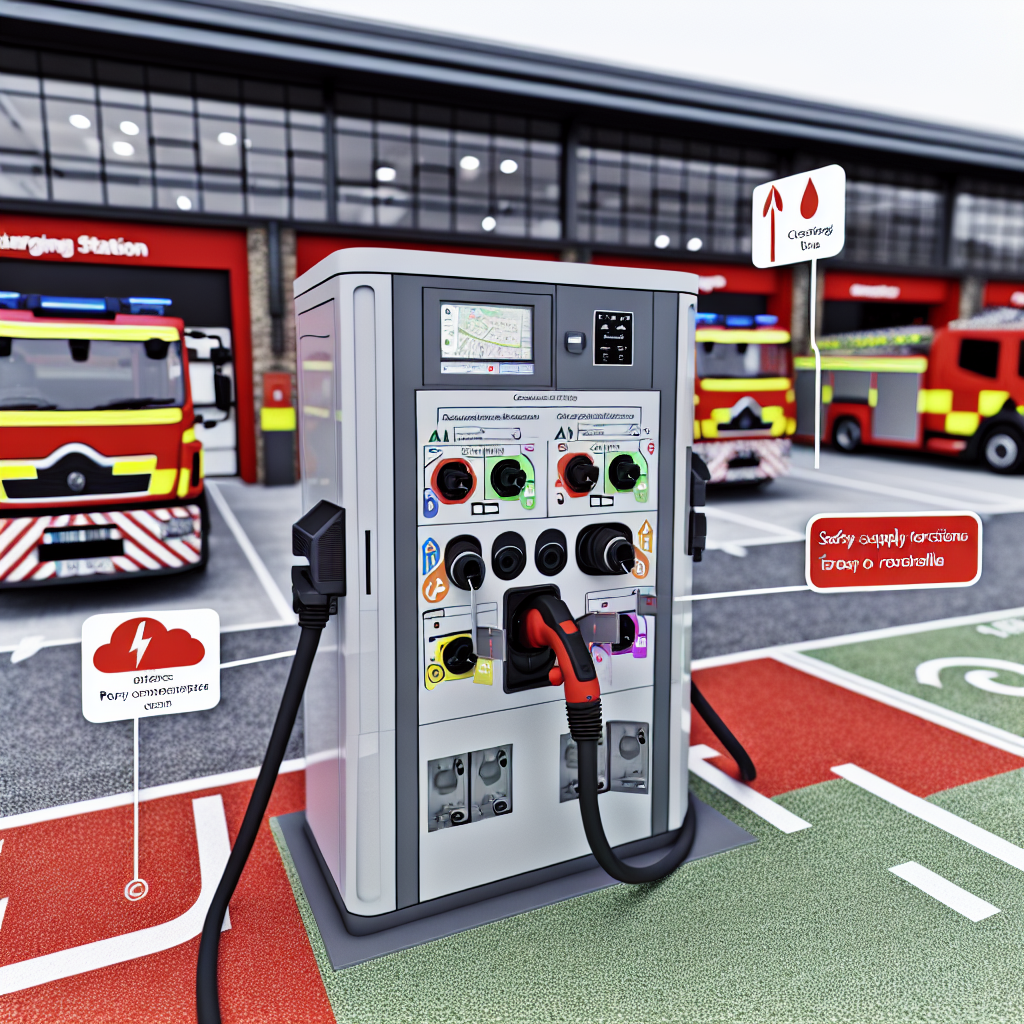
| Charging Solution | Key Specifications | Benefits | Considerations |
|---|---|---|---|
| Level 2 Charging | 7-19 kW; 240V; 8-12 hours for full charge | Cost-effective; suitable for overnight charging; lower installation costs | Slower charging time may not meet demand for rapid response; requires adequate space |
| DC Fast Charging | 50-150 kW; 480V; 1-2 hours for 80% charge | Rapid turnaround; critical for emergency response readiness; widely available | High installation costs; substantial electrical service upgrades needed; coordination with utilities required |
| Wireless Charging | 50-300 kW; opportunity charging between calls | Reduced wear on connectors; automated processes; potential for easier use | Higher initial investment; current limits on power transfer; integration with existing systems may pose challenges |
| Emerging Technologies | Ultra-fast (350 kW+); modular battery systems, solar-integrated stations | Promising rapid charge capabilities; flexible options for future needs | Technologies still in development; demonstration phase; costs and viability remain to be fully established |
Maintenance and Operational Longevity of Electric Fire Trucks
Electric fire trucks, such as the Pierce Volterra, offer distinct advantages in maintenance and long-term operational longevity compared to traditional fire trucks. One of the primary benefits of the Pierce Volterra is its simplified maintenance needs, which arise from its design as an electric vehicle that inherently has fewer moving parts than traditional diesel fire trucks.
For instance, traditional fire trucks require regular engine maintenance, including oil changes, exhaust system care, and comprehensive engine diagnostics, which can amount to substantial costs and labor hours. In contrast, the Pierce Volterra does not call for engine oil changes or maintenance of diesel exhaust fluid systems and is equipped with regenerative braking. This feature significantly reduces wear on brake components, resulting in less frequent repairs and maintenance checks compared to traditional hydraulic braking systems.
The efficiency in maintenance processes leads to considerable time savings. According to the Pierce Manufacturing Technical Documentation, the Volterra can save up to 200 maintenance hours annually which usually would be spent on standard diesel engine maintenance tasks. This efficiency not only lowers the operational downtime of the vehicle but also enhances overall response capabilities.
Battery management is key to the longevity of electric fire trucks. With proper maintenance and management practices, the Pierce Volterra is expected to have a similar operational life to that of traditional fire trucks, with projections indicating around 15 to 20 years of service life. This longevity, when combined with an estimated maintenance savings of 30-40% over traditional apparatus, makes electric fire trucks a financially sound investment for fire departments in the long run. In essence, the Pierce Volterra illustrates a shift towards more sensible maintenance regimes that could benefit fire departments while fostering operational efficiency and sustainability.
User Testimonials on Electric Fire Trucks
Electric fire trucks are increasingly being integrated into fire departments, showcasing numerous advantages that users have attested to:
- Performance and Efficiency: Captain Lisa Garcia of Los Angeles County Fire Department notes, “The integration of electric powertrains has drastically improved our operational efficiency. With no engine idle times, we save fuel and reduce exposure to carcinogens. The sustainability aspect aligns with our city’s green initiatives, making it a win-win for public safety and environmental stewardship.”
- Environmental Impact: Chief John Smith from Palo Alto Fire Department claims, “The operational efficiency of our electric fire truck is unmatched. It responds faster, requires less maintenance, and significantly reduces our carbon footprint. This is a game-changer for urban firefighting where emissions and noise pollution are critical concerns.”
- Maintenance Savings: According to a six-month performance review conducted by the Los Angeles Fire Department, their electric fire truck has estimated a remarkable 75% reduction in maintenance costs, enhancing overall operational readiness. Firefighters emphasized that the quiet operation of electric trucks significantly reduces crew fatigue and improves community relations.
- Health Benefits: Firefighters using electric apparatus report no diesel exhaust exposure, especially beneficial during emergency calls. Dr. Emily Roberts, a fire safety researcher, states, “Electric fire trucks offer superior sustainability by eliminating diesel emissions at the scene, which is crucial for firefighter health and community air quality.”
These compelling testimonies reinforce the critical role electric fire trucks can play in modern firefighting efforts, emphasizing both operational and environmental advantages.
Conclusion
In conclusion, the integration of electric fire trucks into fire departments represents a significant step towards sustainability and operational efficiency. As highlighted throughout this article, effective charging infrastructure is essential, requiring careful planning and commitment to ensure the seamless implementation of these innovative vehicles. The substantial maintenance benefits offered by electric fire trucks, such as reduced costs and enhanced reliability, further reinforce their value in modern firefighting operations.
Moreover, the operational advantages—ranging from lower emissions to quieter responses—make electric fire trucks not only a wise investment but also a responsible choice for future-focused fire departments. As we move into a greener future, it is crucial for fire departments to consider their next steps in this transition, embracing the shift to electric technology that supports community health, safety, and environmental well-being.
User Adoption Data for Electric Fire Trucks
Recent statistics demonstrate a modest but growing interest in electric fire trucks among fire departments globally. A survey conducted by the National Fire Protection Association (NFPA) in October 2023 revealed that less than 1% of U.S. fire departments have adopted electric fire trucks, with approximately 50 departments currently operating or testing these vehicles. However, a significant 25% of respondents indicated they are considering acquiring electric fire apparatus within the next five years. Their primary motivations include expected environmental benefits, including the positive impact of fire department sustainability initiatives, and potential long-term cost savings associated with reduced operational expenses, even though the initial costs may be higher.
The International Association of Fire Chiefs (IAFC) reported that, as of August 2023, about 2.8% of the 500 fire departments surveyed had implemented electric fire apparatus, and 18% were actively contemplating adoption. Early adopters are already seeing substantial savings, with reports of up to 70% reductions in maintenance costs and up to 90% savings in fuel costs compared to traditional diesel apparatus. Despite these benefits, challenges such as range anxiety and the availability of charging infrastructure remain significant concerns. Nonetheless, the environmental impact of fire trucks through electric options is gaining notable attention.
For further insights on the efficiency of electric fire trucks, you can check a recent study by the National Fire Protection Association, which discusses how electric fire trucks reduce emissions by up to 80% compared to diesel counterparts and provides valuable operational metrics.
Visit the full report here.