
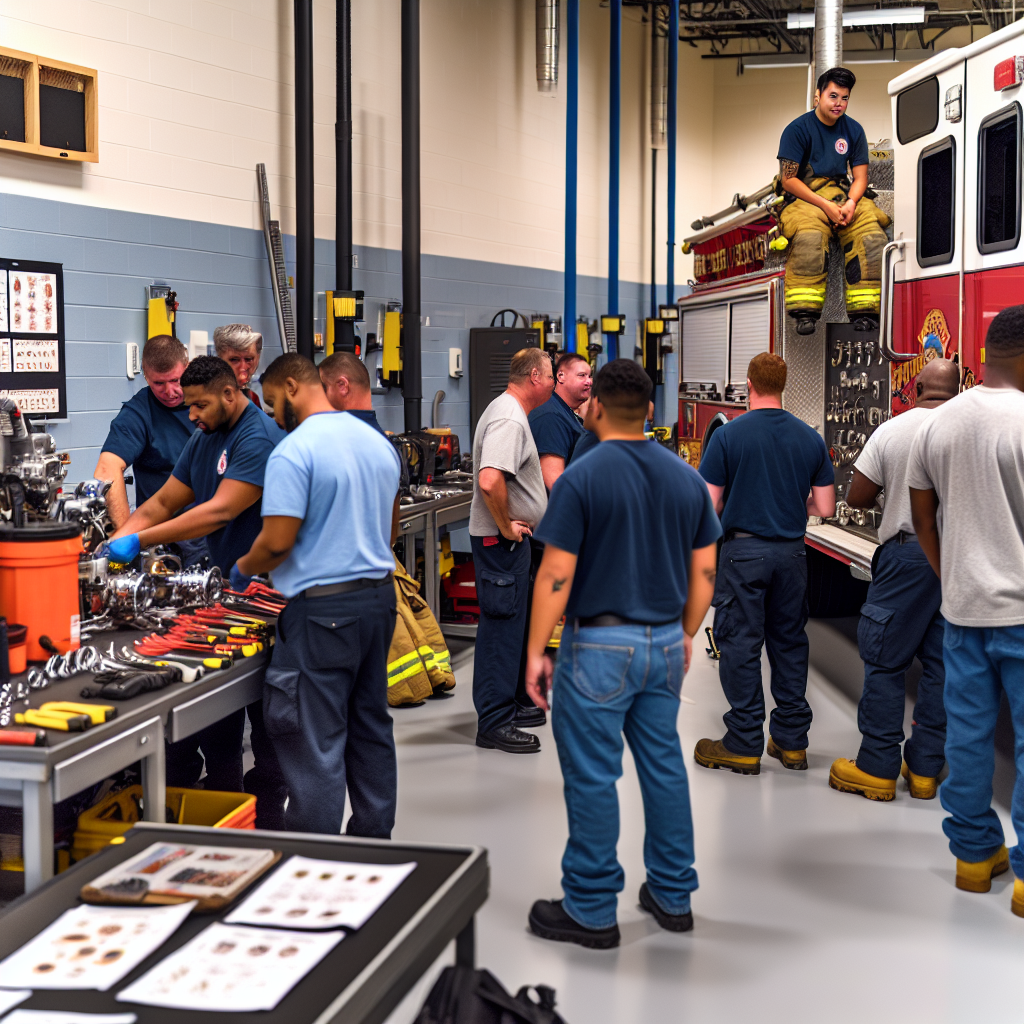
In the world of emergency services, fire trucks are not merely vehicles; they are lifelines that demand unwavering reliability and peak performance. The importance of fire truck maintenance cannot be overstated, as the safety of both firefighters and the communities they serve is contingent on these specialized vehicles operating flawlessly. A well-maintained fire truck ensures that crews can respond to emergencies with speed and confidence, mitigating the risks associated with equipment failure under pressure.
However, maintaining fire apparatus is a meticulous endeavor that goes beyond routine checks. It requires a deep understanding of each vehicle’s unique features and capabilities. This is where customized service training proves invaluable; it equips technicians and firefighters with the specific knowledge they need to address the intricacies of various fire apparatus effectively. Specialized training not only enhances the skill set of service personnel but also fosters a culture of safety and performance excellence within fire departments.
By investing in tailored training programs, departments can ensure that their firefighters are prepared for the challenges they face, allowing them to protect lives and property more effectively.
Best Practices in Fire Truck Maintenance and Service Training
Fire departments have recognized the need for strong maintenance programs to ensure their fire trucks are safe and dependable. Here are some key practices to consider:
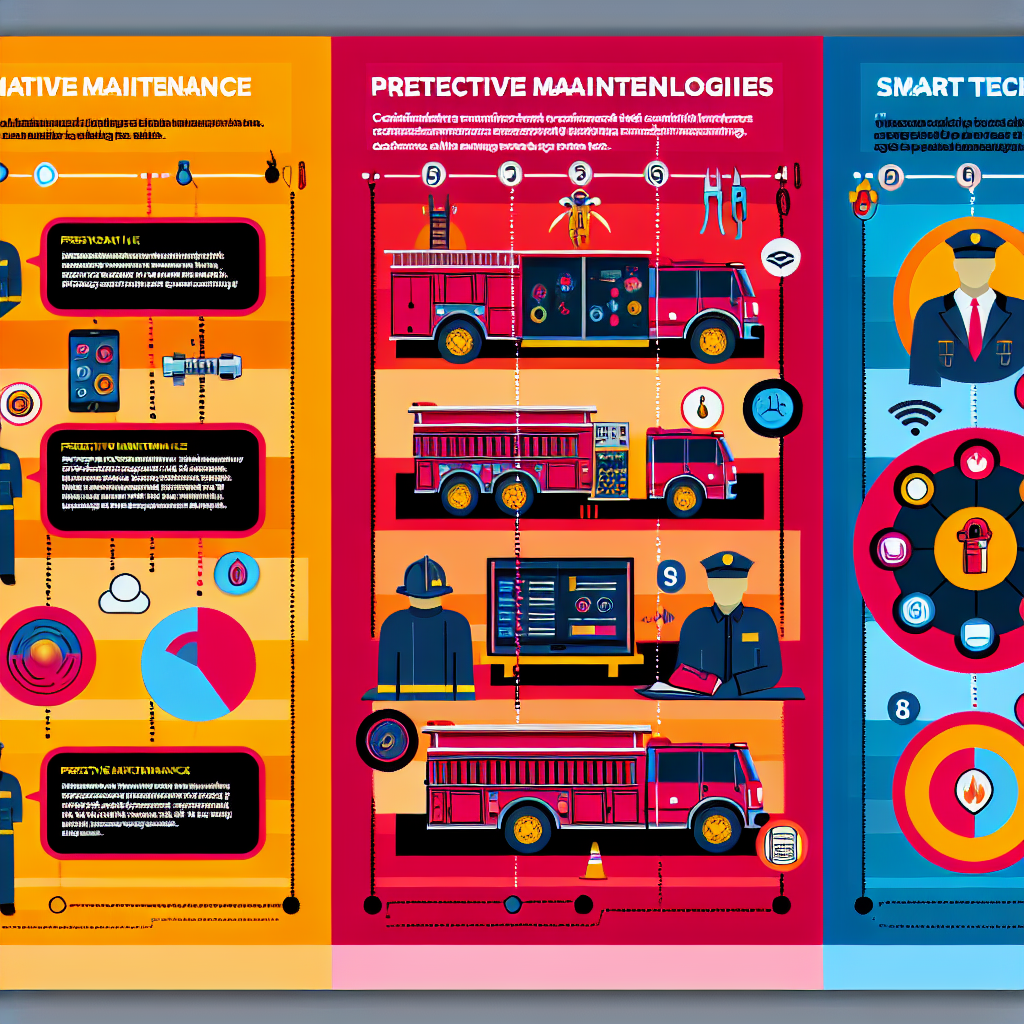
- Preventive Maintenance: The National Fire Protection Association (NFPA) offers guidelines in NFPA 1911 for regular inspections and maintenance. Departments are adopting detailed schedules, with checks happening daily, weekly, monthly, and annually. This approach identifies problems early, preventing performance issues.
Learn more about NFPA 1911 here. - Predictive Maintenance Technologies: Many leading departments are using predictive tools such as vibration analysis and thermal imaging to detect potential failures before they occur. These methods improve reliability. Fleet management software also helps manage maintenance schedules based on real-time data.
Explore preventive maintenance best practices. - Certified Technician Training: The Fire Department Safety Officers Association offers advanced training programs that cover modern fire apparatus technologies, including hybrid and electric vehicles. These programs focus on safety protocols and hands-on experiences with current equipment.
Find out more about their training programs. - Smart Technology Integration: New approaches include using IoT sensors for real-time truck monitoring and automated service scheduling. These technologies help simplify maintenance and ensure fire trucks are always ready. Virtual reality training is becoming more popular, enhancing learning outcomes for technicians.
Read about global innovations in maintenance. - Safety Initiatives: The U.S. Fire Administration encourages maintenance and inspection procedures to maintain the reliability of fire apparatus. They provide checklists for various types of apparatus and recommend training for maintenance staff, boosting safety standards.
Access the Emergency Vehicle Safety Initiative.
Implementing these best practices enhances the reliability of fire trucks and promotes the safety of firefighting teams and the communities they serve.
| Training Class Name | Duration | Focus Areas |
|---|---|---|
| Fire Apparatus Maintenance Basics | 2 days | Overview of maintenance practices |
| Advanced Pump Operations | 1 day | In-depth knowledge of pump systems |
| Aerial Apparatus Training | 2 days | Operation and maintenance of aerials |
| Rescue Vehicle Operations | 1 day | Techniques for rescue vehicle use |
| Foam Systems Training | 1 day | Implementation of foam technology |
| Preventive Maintenance | 3 days | Best practices for ongoing maintenance |
| Electric Vehicle Integration | 2 days | Unique challenges with electric vehicles |
| Custom Pumpers Training | 1 day | Focus on the specific features of pumps |
| Safety Protocols Training | 1 day | Safety measures and inspection standards |
| Master Technician Program | 4 days | Advanced skills for experienced techs |
| Routine Maintenance Practices | 3 days | Regular checks and service schedules |
| Hands-on Training | 2 days | Practical applications of theory |
| Inspections and Quality Assurance | 1 day | Ensuring apparatus meets operational standards |
| Customized Training Solutions | Varies | Tailored training based on departmental needs |
The Importance of Preventive Maintenance
Preventive maintenance refers to the systematic approach of regularly scheduled servicing of fire apparatus to maintain optimal performance and extend the lifespan of equipment. While fire trucks are engineered for reliability, without regular checks and upkeep, they can become susceptible to unexpected failures. For fire departments, the implications of equipment malfunction during emergencies can be dire, potentially leading to delayed responses and compromised safety.
Statistics underline the critical role of preventive maintenance in the fire service. A study published by Fire Apparatus & Emergency Equipment Magazine highlighted that departments with comprehensive preventive maintenance programs experienced 40-60% fewer unexpected apparatus failures. Moreover, those with scheduled PM programs reported an average reduction of 3.5 days of vehicle downtime per apparatus annually, with maintenance costs running 25-35% lower than reactive approaches.
Similarly, data from the National Fire Protection Association (NFPA) indicated that fire departments with documented preventive maintenance plans saw 72% fewer equipment-related response delays. These departments had 45% fewer mechanical failures during emergency operations. Research suggests that every $1 invested in preventive maintenance can save approximately $4 in emergency repairs and downtime costs.
In a broader analysis, the International Association of Fire Chiefs found that organizations employing structured preventive maintenance enjoyed a remarkable 98% apparatus availability rate compared to the 85-90% availability seen in departments relying solely on reactive maintenance. Furthermore, such programs were associated with a 67% reduction in unexpected breakdowns and extended service life of apparatus by 3-5 years.
In conclusion, the emphasis on preventive maintenance not only fosters greater reliability and efficiency in fire department operations but also significantly enhances the safety of both firefighters and the communities they protect.
User Adoption Data for Fire Truck Training Programs
Recent case studies reveal significant improvements in fire rescue operations following the adoption of specialized fire truck training programs:
- High-Tech Digital Platforms: A fire rescue team introduced a digital fire service platform that integrated smart smoke detectors and monitoring systems. As a result, rescue response times reduced by nearly four minutes, achieving an average emergency response time of under nine minutes from alert to extinguishing flames. This rapid response capability has been credited with preventing larger incidents and improving community safety.
- IoT Integration: In a targeted effort to enhance fire safety in elderly care facilities, a fire department implemented Internet of Things (IoT) modules. This initiative led to an 80% improvement in hazard detection efficiency as the system automated the monitoring and alerting of potential threats, significantly elevating the overall readiness of the facilities involved.
- Smart Data Platforms: A social welfare institution upgraded its operations through a smart firefighting data platform. This upgrade improved emergency response efficiency and ensured better equipment availability, resulting in faster incident resolution and improved firefighter safety.
- Innovative Management Systems: The implementation of a “one code management” system by a fire rescue branch streamlined safety management processes across 1,651 key facilities. By optimizing inspection protocols and enhancing emergency response processes, the department successfully fortified fire safety measures.
- Digital Firefighter Training: Lastly, advancements in rural-urban fire prevention strategies through digital technology have bolstered the preparedness of firefighters. These integrations have significantly ensured readiness and facilitated quicker deployment during emergencies.
These examples underline the crucial role of tailored fire truck training programs in improving operational effectiveness, enhancing vehicle readiness, and ensuring the safety of communities.
“Train like your life depends on it, because it does.” – Unknown
This powerful quote emphasizes the critical importance of service training in the fire service, reminding fire professionals that their skills and preparedness can make the difference in life-or-death situations.
Conclusion
In summary, effective fire truck maintenance and tailored service training are essential for ensuring the operational reliability of fire apparatus. The importance of a robust maintenance program cannot be understated, as it directly impacts the safety and effectiveness of fire departments. By adopting best practices such as preventative and predictive maintenance, alongside engaging certified training programs in fire safety technology, fire departments can enhance their operational efficiency and readiness for emergencies.
Additionally, customized training solutions offered by Pierce Manufacturing play a pivotal role in addressing the unique needs of each department, empowering technicians and firefighters alike. We encourage all fire service professionals to explore Pierce Manufacturing’s training offerings and invest in their departments’ future success by equipping their teams with the knowledge and skills they need to protect their communities effectively.
Investing in fire safety technology will yield long-term benefits, ensuring a safer environment for both firefighters and the community they serve.
Key Takeaways on Customized Service Training for Fire Apparatuses
- Tailored Training Programs: Customized service training is designed to meet the specific needs of different fire apparatuses, helping technicians understand the unique features and requirements of each vehicle.
- Enhanced Performance: Proper training of firefighters and mechanics leads to improvements in the operational readiness and reliability of fire trucks, enabling them to respond efficiently in emergencies.
- Risk Mitigation: By investing in tailored training, departments can significantly reduce the risk of equipment failure, which is crucial for the safety of both firefighters and the communities they serve.
- Ongoing Support: Pierce Manufacturing offers 24/7 support from mechanics and master technicians, ensuring that any training gaps are addressed continuously.
- Expansion of Skills: Training sessions often cover a variety of topics, from preventative maintenance to safety protocols, equipping participants with a comprehensive skill set.
The Role of Master Technicians in Fire Truck Maintenance and Training
The role of master technicians in fire truck maintenance and training is critical for ensuring the reliability and efficiency of fire systems. Here, I will outline their unique qualifications, responsibilities, and contributions to enhancing service department capabilities. Master technicians are experts with extensive training and experience in complex maintenance systems and systems operations. Their qualifications often include advanced certifications, such as Emergency Vehicle Technician (EVT) certifications, and specialization in fire apparatus technologies.
Master technicians not only perform high-level maintenance and repairs but also play a vital role in training other technicians and firefighters. They develop and deliver customized training programs that focus on specific apparatus and may include hands-on demonstrations and simulations. This mentorship is crucial for building a skilled workforce capable of handling the challenges associated with maintaining fire trucks.
Moreover, master technicians assist in establishing maintenance protocols, ensuring that safety standards are met, and that equipment is always ready for emergency response. Their contributions extend to advising fire departments on best practices, thus enhancing the overall service department capabilities.
In summary, the role of master technicians is pivotal in fire truck maintenance and training, as they combine technical expertise with training delivery, guidance in maintenance practices, and a commitment to enhancing departmental efficiency. They ensure that fire departments are equipped to respond effectively in emergency situations.
The Importance of Preventive Maintenance
Preventive maintenance refers to the systematic approach of regularly scheduled servicing of fire apparatus to maintain optimal performance and extend the lifespan of equipment. While fire trucks are engineered for reliability, without regular checks and upkeep, they can become susceptible to unexpected failures. For fire departments, the implications of equipment malfunction during emergencies can be dire, potentially leading to delayed responses and compromised safety.
Statistics underline the critical role of preventive maintenance in the fire service. A study published by Fire Apparatus & Emergency Equipment Magazine highlighted that departments with comprehensive preventive maintenance programs experienced 40-60% fewer unexpected apparatus failures. Moreover, those with scheduled PM programs reported an average reduction of 3.5 days of vehicle downtime per apparatus annually, with maintenance costs running 25-35% lower than reactive approaches.
Similarly, data from the National Fire Protection Association (NFPA) indicated that fire departments with documented preventive maintenance plans saw 72% fewer equipment-related response delays. These departments had 45% fewer mechanical failures during emergency operations. Research suggests that every $1 invested in preventive maintenance can save approximately $4 in emergency repairs and downtime costs.
In a broader analysis, the International Association of Fire Chiefs found that organizations employing structured preventive maintenance enjoyed a remarkable 98% apparatus availability rate compared to the 85-90% availability seen in departments relying solely on reactive maintenance. Furthermore, such programs were associated with a 67% reduction in unexpected breakdowns and extended service life of apparatus by 3-5 years.
In conclusion, the emphasis on preventive maintenance not only fosters greater reliability and efficiency in fire department operations but also significantly enhances the safety of both firefighters and the communities they protect.
User Adoption Data for Fire Truck Training Programs
Having established the critical role preventive maintenance plays in ensuring safety and reliability, it becomes evident that this foundation seamlessly transitions into the effectiveness of specialized training programs. Recent case studies reveal significant improvements in fire rescue operations following the adoption of specialized fire truck training programs:
- High-Tech Digital Platforms: A fire rescue team introduced a digital fire service platform that integrated smart smoke detectors and monitoring systems. As a result, rescue response times reduced by nearly four minutes, achieving an average emergency response time of under nine minutes from alert to extinguishing flames. This rapid response capability has been credited with preventing larger incidents and improving community safety.
- IoT Integration: In a targeted effort to enhance fire safety in elderly care facilities, a fire department implemented Internet of Things (IoT) modules. This initiative led to an 80% improvement in hazard detection efficiency as the system automated the monitoring and alerting of potential threats, significantly elevating the overall readiness of the facilities involved.
- Smart Data Platforms: A social welfare institution upgraded its operations through a smart firefighting data platform. This upgrade improved emergency response efficiency and ensured better equipment availability, resulting in faster incident resolution and improved firefighter safety.
- Innovative Management Systems: The implementation of a “one code management” system by a fire rescue branch streamlined safety management processes across 1,651 key facilities. By optimizing inspection protocols and enhancing emergency response processes, the department successfully fortified fire safety measures.
- Digital Firefighter Training: Lastly, advancements in rural-urban fire prevention strategies through digital technology have bolstered the preparedness of firefighters. These integrations have significantly ensured readiness and facilitated quicker deployment during emergencies.
These examples underline the crucial role of tailored fire truck training programs in improving operational effectiveness, enhancing vehicle readiness, and ensuring the safety of communities.
Outbound Links for Further Reading
Fire Safety Technology
- Building Fire Safety Code 2023 – This article outlines advancements in fire safety regulations, emphasizing the integration of AI and automation for enhanced fire control and prevention strategies.
- Fire Equipment Innovation 2023 – Discusses developments in fire safety technology involving web connectivity and AI-driven systems that have improved response times significantly.
Emergency Response Training
- Top 10 Emergency Management Best Practices for 2023 – Highlights the latest integration of technology in emergency management, focusing on predictive analytics and cross-agency collaboration during crises.
- Innovations in Emergency Response Training: VR, Drones, and More – Explores modern training techniques, including virtual reality and drone usage in emergency response training scenarios.
- FEMA’s Updated Best Practices for Emergency Preparedness Drills – Provides official guidance on inclusive planning for emergency preparedness and the incorporation of community partners in drills.
- How Technology is Shaping the Future of Emergency Response Training – Discusses how augmented reality and cloud-based platforms are transforming the training landscape for emergency responders.
- Best Practices in Multi-Agency Emergency Response Exercises – Focus on the importance of cross-agency exercises and debriefings to enhance emergency response strategies.