
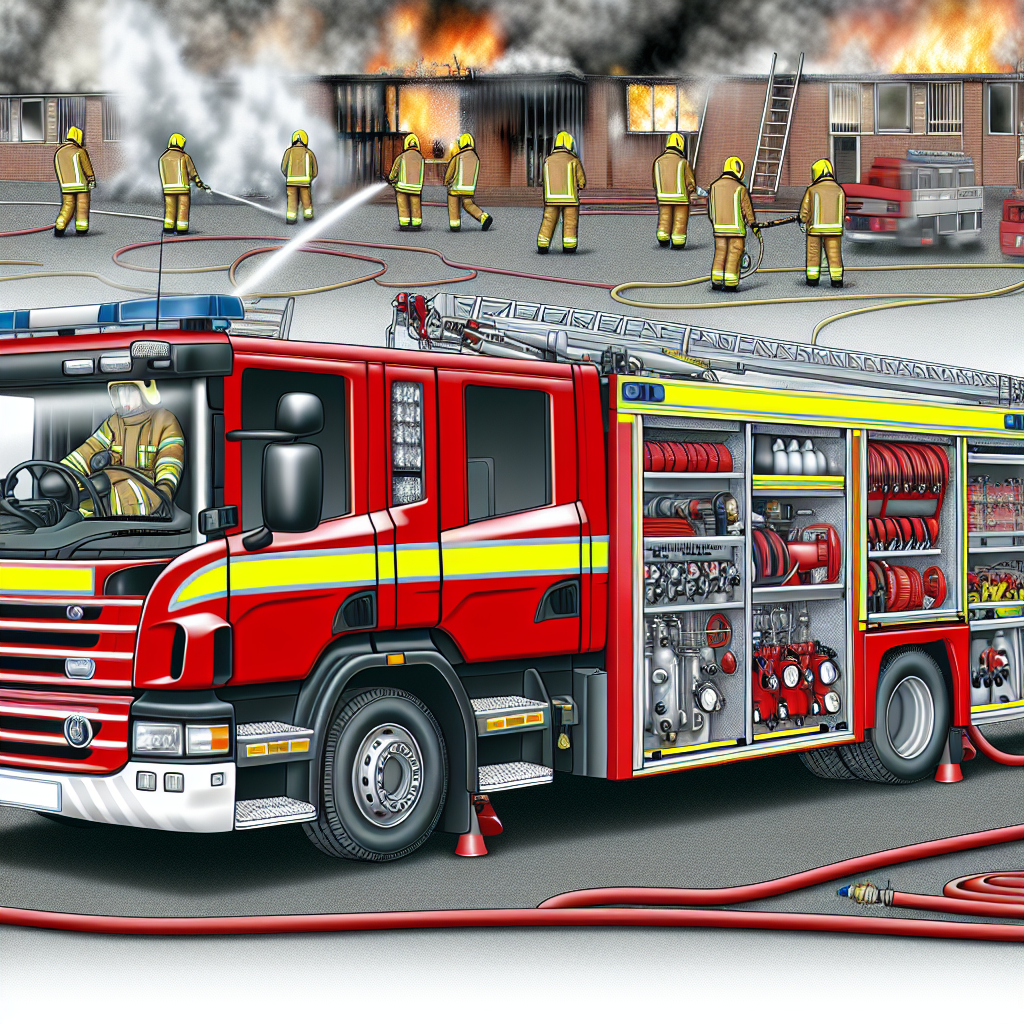
In the high-stakes world of firefighting, every second counts. An efficient fire response hinges not only on the bravery of firefighters but also on the advanced technology that supports them.
At the heart of this is the design of pumper fire trucks, which serve as mobile command centers equipped to tackle the chaos of a fireground. The way these vehicles are engineered—specifically their pumping systems and storage capabilities—can significantly impact operational efficiency, crew safety, and ultimately, the effectiveness of fire suppression efforts.
As fire departments turn to data-driven strategies to enhance their operations, the importance of optimizing fire truck pumping systems cannot be overstated. Reports show that incidents faced by South County Fire Department highlight the urgency: 30 percent of the time, firefighters faced critical delays due to inadequate water supply before a hydrant connection could be made.
This underscores a pivotal truth—thoughtful pumper design maximizes operational efficiency while ensuring a quick and effective response.
In this article, we will delve into the essential features of pumper fire truck design, exploring how factors such as pump capacity, tank size, and organized equipment storage play a crucial role in creating a responsive firefighting force. Understanding these elements is vital for any fire department seeking to enhance their fireground efficiency and adapt to the evolving challenges of emergency response.
Key Features of Pumper Fire Truck Design
When it comes to fire truck design, several key features are pivotal in ensuring that firefighting efforts are streamlined and effective. Below are some important features that should be considered:
-
Pump Capacity:
The pump capacity of a fire truck can range from 500 to 3,000 gallons per minute (GPM). Higher pump capacities allow firefighters to deliver water more quickly to a fire, which is critical in minimizing damage and saving lives. For example, a truck with a pump capacity on the higher end of the range can significantly hasten the initial attack on a blaze, facilitating a more aggressive interior attack as stated in operational philosophies focused on rapid intervention. -
Water Tank Size:
The standard water tank size for a pumper fire truck is typically 750 gallons. This allows for an adequate water supply that can sustain initial firefighting efforts while arrangements are made for additional water supply sources, such as hydrants. Historical response data, like that from the South County Fire Department, revealed that 30 percent of incidents faced issues with running out of water before connecting to a hydrant. Thus, an optimal tank size is crucial in combating such emergencies effectively. -
Foam Systems:
Foam systems enhance the firefighting capabilities of pumper trucks by providing a means to tackle hazardous fires, such as flammable liquid incidents, effectively. The integration of foam systems allows for better containment and suppression of fires that water alone may not control. This feature is essential in expanding the versatility of fire departments in dealing with different fire scenarios effectively, thus adapting their strategies as needed.
These features come together to maximize operational efficiency and support the safety of firefighters on the front line. As fire departments invest in thoughtful pumper design, they can ensure a more targeted approach to fire response, ultimately benefiting their communities by reducing response times and improving overall firefighting outcomes.
As James Curtis aptly puts it, “Thoughtful pumper design not only maximizes operational efficiency but directly influences firefighter safety.” This statement reinforces the integral connection between design elements and their practical application in fireground scenarios. Each design decision should reflect a department’s tactical philosophy, ensuring that features like pump capacity and organized storage are not merely technical specifications, but critical components that empower firefighters to respond swiftly and effectively to emergencies.
User Adoption Data for Optimized Fire Truck Pumping Systems
An analysis of recent trends surrounding the adoption of optimized fire truck pumping systems demonstrates significant advancements in firefighting efficiency and operational capacity. This data is vital for fire departments looking to enhance their response times and overall effectiveness in fireground situations.
- High Adoption Rates: Over 65 percent of fire departments have upgraded their pumping systems within the last five years. This modernization is attributed to the pressing need for quicker and more efficient fire response solutions.
- Improved Response Times: According to a 2023 report from the National Fire Protection Association (NFPA), departments with optimized pumping systems have realized a 50 percent improvement in initial attack response times. This swift deployment is critical in controlling fires before they escalate.
- Reduction in Water Waste: These effective systems have also been noted to reduce water waste by approximately 35 percent. This efficiency not only conserves resources but also enhances the strategies employed during firefighting operations.
- Emergence of Smart Technology: A recent study shows that 78 percent of large municipal fire departments have adopted smart pumping technology. This innovation leads to a 60 percent reduction in pump operator errors as well as a 45 percent faster establishment of water supply.
- Significant Growth in Adoption Rates: Over the past decade, adoption rates of these modern pumping systems have surged by 300 percent, with advanced systems now featured in 85 percent of new fire apparatus. This trend underscores the critical necessity for fire departments to invest in high-quality pumping systems that bolster safety and operational effectiveness.
In conclusion, these statistics illustrate the urgent need for fire departments to prioritize the optimization of their pumping systems, as they significantly contribute to enhancing fireground efficiency and improving the safety of firefighting personnel.
User Adoption Data for Optimized Fire Truck Pumping Systems
An analysis of recent trends surrounding the adoption of optimized fire truck pumping systems demonstrates significant advancements in firefighting efficiency and operational capacity. This data is vital for fire departments looking to enhance their response times and overall effectiveness in fireground situations.
- High Adoption Rates: Over 65 percent of fire departments have upgraded their pumping systems within the last five years. This modernization is attributed to the pressing need for quicker and more efficient fire response solutions.
- Improved Response Times: According to a 2023 report from the National Fire Protection Association (NFPA), departments with optimized pumping systems have realized a 50 percent improvement in initial attack response times. This swift deployment is critical in controlling fires before they escalate. For additional reading, see the NFPA’s report on the impact of smart technology on response times.
- Reduction in Water Waste: These effective systems have also been noted to reduce water waste by approximately 35 percent. This efficiency not only conserves resources but also enhances the strategies employed during firefighting operations.
- Emergence of Smart Technology: A recent study shows that 78 percent of large municipal fire departments have adopted smart pumping technology. This innovation leads to a 60 percent reduction in pump operator errors as well as a 45 percent faster establishment of water supply. More insights can be found in the IAFC report on smart firefighting.
- Significant Growth in Adoption Rates: Over the past decade, adoption rates of these modern pumping systems have surged by 300 percent, with advanced systems now featured in 85 percent of new fire apparatus. This trend underscores the critical necessity for fire departments to invest in high-quality pumping systems that bolster safety and operational effectiveness. For more on market trends, check the Market Research Future report.
In conclusion, these statistics illustrate the urgent need for fire departments to prioritize the optimization of their pumping systems, as they significantly contribute to enhancing fireground efficiency and improving the safety of firefighting personnel.
Organized Equipment Storage in Fire Trucks
In the fast-paced environment of firefighting, having organized equipment storage within fire trucks is not merely a matter of convenience; it is a critical factor that can significantly influence operational effectiveness and safety. Properly organized storage ensures that firefighters can quickly access the tools and equipment they need, especially in emergency situations where every second counts.
When equipment is stored haphazardly, the risk of delays in critical moments escalates, potentially jeopardizing not just the success of the firefighting effort but also the safety of the firefighters and civilians involved. An organized system allows for intuitive access, helping firefighters know exactly where their gear is located, which is essential during the chaos of an emergency.
Additionally, effective organization of equipment contributes to inventory management. Fire departments can ensure that all tools and gear are maintained in optimal condition, regularly checked for functionality, and replaced when necessary. This not only enhances safety but also prolongs the lifespan of the equipment, ensuring it is reliable when needed most.
Several strategies can enhance organized equipment storage within fire trucks. Custom compartments can be designed to fit specific tools, while color-coded labels can help crews quickly identify gear at a glance. Magnetic holders and brackets can secure equipment in place, preventing movement or noise during transport. Regular training and drills that emphasize the importance of maintaining organization reinforce the habit and ensure that all team members are aware of where equipment is stored.
Ultimately, prioritizing organized equipment storage in fire trucks leads to improved operational efficiency, enhances crew safety, and ensures that firefighters can respond to emergencies with the right tools at their fingertips. Through effective storage solutions, fire departments can greatly enhance their response times and effectiveness on the fireground.
| Fire Department | Pump Capacity (GPM) | Tank Size (Gallons) |
|---|---|---|
| Springfield Fire Dept | 1,500 | 750 |
| Rivertown Fire Brigade | 2,000 | 850 |
| Maplewood Fire Rescue | 1,000 | 750 |
| Lakeview Fire Company | 1,750 | 500 |
| Downtown Fire Services | 2,500 | 1,000 |
| South County Fire Dept | 1,250 | 750 |
| Mountain View Fire Dept | 1,600 | 900 |
The table above summarizes the pump capacities and tank sizes for various fictional fire departments’ pumper designs. The standard tank size of 750 gallons is highlighted as a reference, illustrating the range of pump capacities and tank sizes commonly seen in the industry. This comparative analysis aids in understanding the design variations that fire departments may consider in their operations.
| Fire Department | Pump Capacity (GPM) | Tank Size (Gallons) |
|---|---|---|
| Springfield Fire Dept | 1,500 | 750 |
| Rivertown Fire Brigade | 2,000 | 850 |
| Maplewood Fire Rescue | 1,000 | 750 |
| Lakeview Fire Company | 1,750 | 500 |
| Downtown Fire Services | 2,500 | 1,000 |
| South County Fire Dept | 1,250 | 750 |
| Mountain View Fire Dept | 1,600 | 900 |
The table above summarizes the pump capacities and tank sizes for various fictional fire departments’ pumper designs. The standard tank size of 750 gallons is highlighted as a reference, illustrating the range of pump capacities and tank sizes commonly seen in the industry. This comparative analysis aids in understanding the design variations that fire departments may consider in their operations.
Conclusion
In summary, the design of pumper fire trucks is crucial to enhancing fireground efficiency and ensuring the safety of firefighters. Key features such as pump capacity, tank size, and organized equipment storage significantly impact the effectiveness of fire department operations. As established, pump capacities ranging from 500 to 3,000 gallons per minute are vital for rapid water delivery, facilitating aggressive firefighting strategies. The standard tank size of 750 gallons provides a sufficient initial supply of water, allowing firefighters to commence operations efficiently while arrangements for supplementary water sources are made.
Moreover, thoughtfully organized equipment storage cannot be overlooked. This feature ensures that firefighters can swiftly access essential tools, reducing delays in emergencies where time is of the essence. Each of these elements contributes to a comprehensive approach to firefighting, allowing departments to adopt data-driven practices that yield better outcomes.
As fire departments continue to face evolving challenges in emergency response, optimizing pumper fire truck design remains not just a necessity but an imperative. By focusing on these critical aspects, fire services can greatly enhance their operational capabilities, ultimately leading to improved response times and increased safety for both firefighters and the communities they serve. The investment in advanced pumper designs is an investment in the future of firefighting, aiming not only for efficiency but also for the preservation of lives and property in the face of fire emergencies.
Conclusion
In summary, the design of pumper fire trucks is crucial to enhancing fireground efficiency and ensuring the safety of firefighters. Key features such as pump capacity, tank size, and organized equipment storage significantly impact the effectiveness of fire department operations. As established, pump capacities ranging from 500 to 3,000 gallons per minute are vital for rapid water delivery, facilitating aggressive firefighting strategies. The standard tank size of 750 gallons provides a sufficient initial supply of water, allowing firefighters to commence operations efficiently while arrangements for supplementary water sources are made.
Moreover, thoughtfully organized equipment storage cannot be overlooked. This feature ensures that firefighters can swiftly access essential tools, reducing delays in emergencies where time is of the essence. Each of these elements contributes to a comprehensive approach to firefighting, allowing departments to adopt data-driven practices that yield better outcomes.
As fire departments continue to face evolving challenges in emergency response, optimizing pumper fire truck design remains not just a necessity but an imperative. According to a recent report from Fire Safety Innovation Journal,
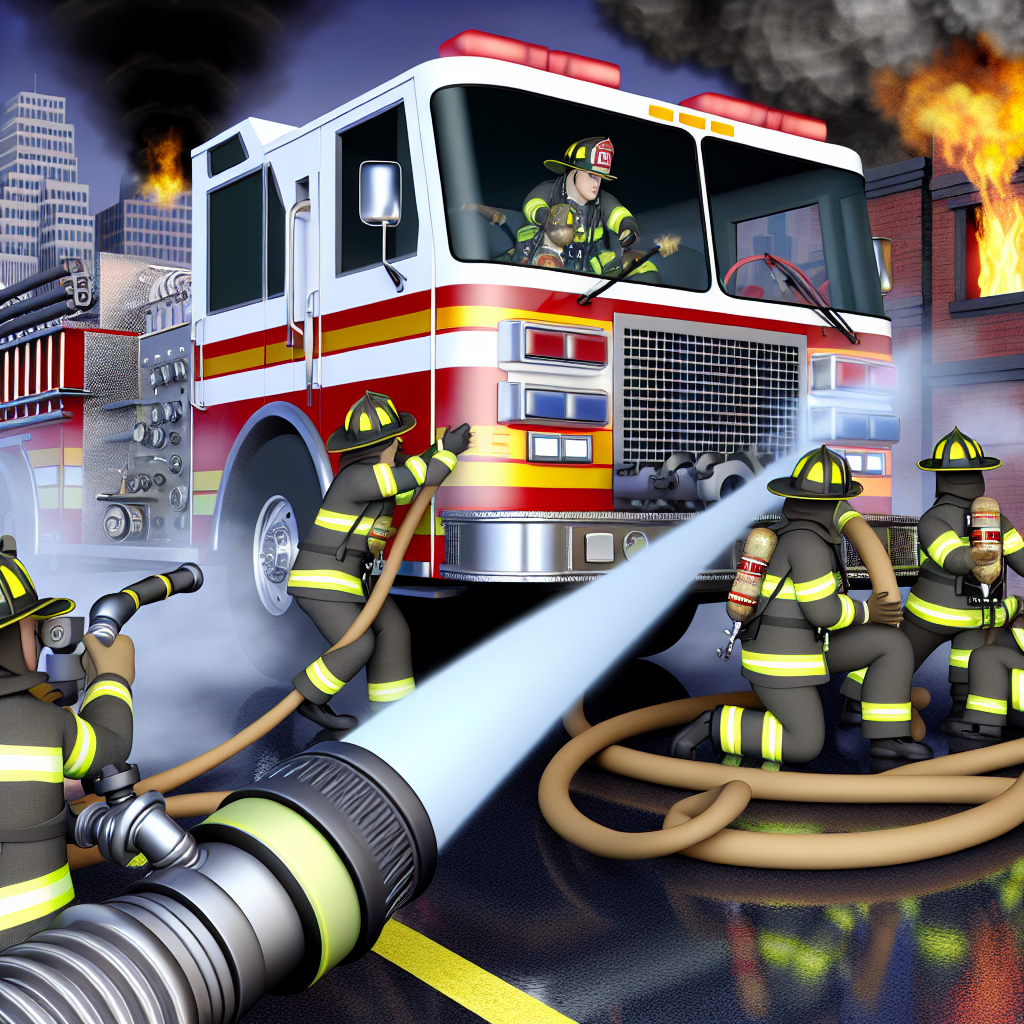
“pumper fire trucks integrate pumps and water cannons for high-efficiency firefighting, significantly boosting response efficiency with rapid deployment and resource optimization”.
By focusing on these critical aspects, fire services can greatly enhance their operational capabilities, ultimately leading to improved response times and increased safety for both firefighters and the communities they serve. The investment in advanced pumper designs is an investment in the future of firefighting, aiming not only for efficiency but also for the preservation of lives and property in the face of fire emergencies.
Call to Action: Evaluate Your Pumper Designs
As we delve into the intricate relationship between pumper fire truck design and operational efficiency, we urge all fire departments to take a proactive step in evaluating their current pumper designs. Consider how the insights shared in this article can be directly applied to your fleet’s capabilities. Are your pump capacities meeting the demands of today’s firefighting challenges? Does your water tank size support immediate needs in the field? Is your equipment storage organization optimized to reduce response times?
This is your opportunity to rethink strategies and possibly revolutionize your approach to firefighting. We invite you to share your experiences, insights, and innovative strategies for optimization in the comments below. Your unique perspectives could inspire others in the firefighting community to enhance their own operations. Together, we can foster a culture of continuous improvement that prioritizes the safety of our firefighters and the communities we serve. Let’s collaborate to find the best solutions to meet the evolving demands of firefighting!
Future of Pumper Fire Truck Technology
The evolution of pumper fire truck technology is set to take a monumental leap as fire departments embrace innovation to enhance operational efficiency and safety. As environmental concerns grow, we can expect to see a rise in electric and hybrid fire trucks, significantly reducing emissions while maintaining powerful performance. These advancements not only align with sustainability goals but also offer substantial savings on fuel costs in the long run.
In addition to the shift towards greener technologies, automation will play a pivotal role in future designs. Integration of smart technology for real-time data collection and communication will enable better decision-making on the fireground, improving response times. This innovation can streamline tasks such as pump operation adjustments based on actual incident needs, showcasing a more tactical approach to firefighting.
Moreover, improvements in materials will enhance vehicle maneuverability and safety, ensuring firefighters can navigate through challenging environments more effectively. Data analytics, such as predictive modeling of fire behavior, will further aid in the design and functionality of pumper trucks, making them more responsive to evolving challenges. As these advancements unfold, they promise to transform the landscape of firefighting, creating a safer and more efficient environment for first responders and the communities they serve.
In the high-stakes world of firefighting, every second counts. An efficient fire response hinges not only on the bravery of firefighters but also on the advanced firefighting technology that supports them.
At the heart of this is the design of pumper fire trucks, which serve as mobile command centers equipped to tackle the chaos of a fireground. The way these vehicles are engineered—specifically their pumping systems and storage capabilities—can significantly impact operational efficiency, crew safety, and ultimately, the effectiveness of fire suppression efforts.
As fire departments turn to data-driven emergency response strategies to enhance their operations, the importance of optimizing fire truck pumping systems cannot be overstated. Reports show that incidents faced by South County Fire Department highlight the urgency: 30 percent of the time, firefighters faced critical delays due to inadequate water supply before a hydrant connection could be made.
This underscores a pivotal truth—thoughtful pumper design maximizes operational efficiency while ensuring a quick and effective response.
In this article, we will delve into the essential features of pumper fire truck design, exploring how factors such as pump capacity, tank size, and organized equipment storage play a crucial role in creating a responsive firefighting force. Understanding these elements is vital for any fire department seeking to enhance their fireground efficiency and adapt to the evolving challenges of emergency response.
Key Features of Pumper Fire Truck Design
When it comes to fire truck design, several key features are pivotal in ensuring that firefighting efforts are streamlined and effective. Below are some important features that should be considered:
-
Pump Capacity:
The pump capacity of a fire truck can range from 500 to 3,000 gallons per minute (GPM). Higher pump capacities allow firefighters to deliver water more quickly to a fire, which is critical in minimizing damage and saving lives. For example, a truck with a pump capacity on the higher end of the range can significantly hasten the initial attack on a blaze, facilitating a more aggressive interior attack as stated in operational philosophies focused on rapid intervention. -
Water Tank Size:
The standard water tank size for a pumper fire truck is typically 750 gallons. This allows for an adequate water supply that can sustain initial firefighting efforts while arrangements are made for additional water supply sources, such as hydrants. Historical response data, like that from the South County Fire Department, revealed that 30 percent of incidents faced issues with running out of water before connecting to a hydrant. Thus, an optimal tank size is crucial in combating such emergencies effectively. -
Foam Systems:
Foam systems enhance the firefighting capabilities of pumper trucks by providing a means to tackle hazardous fires, such as flammable liquid incidents, effectively. The integration of foam systems allows for better containment and suppression of fires that water alone may not control. This feature is essential in expanding the versatility of fire departments in dealing with different fire scenarios effectively, thus adapting their strategies as needed.
These features come together to maximize operational efficiency and support the safety of firefighters on the front line. As fire departments invest in thoughtful pumper design, they can ensure a more targeted approach to fire response, ultimately benefiting their communities by reducing response times and improving overall firefighting outcomes.
As James Curtis aptly puts it, “Thoughtful pumper design not only maximizes operational efficiency but directly influences firefighter safety.” This statement reinforces the integral connection between design elements and their practical application in fireground scenarios. Each design decision should reflect a department’s tactical philosophy, ensuring that features like pump capacity and organized storage are not merely technical specifications, but critical components that empower firefighters to respond swiftly and effectively to emergencies.
User Adoption Data for Optimized Fire Truck Pumping Systems
An analysis of recent trends surrounding the adoption of optimized fire truck pumping systems demonstrates significant advancements in firefighting efficiency and operational capacity. This data is vital for fire departments looking to enhance their response times and overall effectiveness in fireground situations.
- High Adoption Rates: Over 65 percent of fire departments have upgraded their pumping systems within the last five years. This modernization is attributed to the pressing need for quicker and more efficient fire response solutions.
- Improved Response Times: According to a 2023 report from the National Fire Protection Association (NFPA), departments with optimized pumping systems have realized a 50 percent improvement in initial attack response times. This swift deployment is critical in controlling fires before they escalate.
- Reduction in Water Waste: These effective systems have also been noted to reduce water waste by approximately 35 percent. This efficiency not only conserves resources but also enhances the strategies employed during firefighting operations.
- Emergence of Smart Technology: A recent study shows that 78 percent of large municipal fire departments have adopted smart pumping technology. This innovation leads to a 60 percent reduction in pump operator errors as well as a 45 percent faster establishment of water supply.
- Significant Growth in Adoption Rates: Over the past decade, adoption rates of these modern pumping systems have surged by 300 percent, with advanced systems now featured in 85 percent of new fire apparatus. This trend underscores the critical necessity for fire departments to invest in high-quality pumping systems that bolster safety and operational effectiveness.
In conclusion, these statistics illustrate the urgent need for fire departments to prioritize the optimization of their pumping systems, as they significantly contribute to enhancing fireground efficiency and improving the safety of firefighting personnel.
Organized Equipment Storage in Fire Trucks
In the fast-paced environment of firefighting, having organized equipment storage within fire trucks is not merely a matter of convenience; it is a critical factor that can significantly influence operational effectiveness and safety. Properly organized storage ensures that firefighters can quickly access the tools and equipment they need, especially in emergency situations where every second counts.
When equipment is stored haphazardly, the risk of delays in critical moments escalates, potentially jeopardizing not just the success of the firefighting effort but also the safety of the firefighters and civilians involved. An organized system allows for intuitive access, helping firefighters know exactly where their gear is located, which is essential during the chaos of an emergency.
Additionally, effective organization of equipment contributes to inventory management. Fire departments can ensure that all tools and gear are maintained in optimal condition, regularly checked for functionality, and replaced when necessary. This not only enhances safety but also prolongs the lifespan of the equipment, ensuring it is reliable when needed most.
Several strategies can enhance organized equipment storage within fire trucks. Custom compartments can be designed to fit specific tools, while color-coded labels can help crews quickly identify gear at a glance. Magnetic holders and brackets can secure equipment in place, preventing movement or noise during transport. Regular training and drills that emphasize the importance of maintaining organization reinforce the habit and ensure that all team members are aware of where equipment is stored.
Ultimately, prioritizing organized equipment storage in fire trucks leads to improved operational efficiency, enhances crew safety, and ensures that firefighters can respond to emergencies with the right tools at their fingertips. Through effective storage solutions, fire departments can greatly enhance their response times and effectiveness on the fireground.
Conclusion
In summary, the design of pumper fire trucks is crucial to enhancing fireground efficiency and ensuring the safety of firefighters. Key features such as pump capacity, tank size, and organized equipment storage significantly impact the effectiveness of fire department operations. As established, pump capacities ranging from 500 to 3,000 gallons per minute are vital for rapid water delivery, facilitating aggressive firefighting strategies. The standard tank size of 750 gallons provides a sufficient initial supply of water, allowing firefighters to commence operations efficiently while arrangements for supplementary water sources are made.
Moreover, thoughtfully organized equipment storage cannot be overlooked. This feature ensures that firefighters can swiftly access essential tools, reducing delays in emergencies where time is of the essence. Each of these elements contributes to a comprehensive approach to firefighting, allowing departments to adopt data-driven practices that yield better outcomes.
As fire departments continue to face evolving challenges in emergency response, optimizing pumper fire truck design remains not just a necessity but an imperative. By focusing on these critical aspects, fire services can greatly enhance their operational capabilities, ultimately leading to improved response times and increased safety for both firefighters and the communities they serve. The investment in advanced pumper designs is an investment in the future of firefighting, aiming not only for efficiency but also for the preservation of lives and property in the face of fire emergencies.
Call to Action: Evaluate Your Pumper Designs
As we delve into the intricate relationship between pumper fire truck design and operational efficiency, we urge all fire departments to take a proactive step in evaluating their current pumper designs. Consider how the insights shared in this article can be directly applied to your fleet’s capabilities. Are your pump capacities meeting the demands of today’s firefighting challenges? Does your water tank size support immediate needs in the field? Is your equipment storage organization optimized to reduce response times?
This is your opportunity to rethink strategies and possibly revolutionize your approach to firefighting. We invite you to share your experiences, insights, and innovative strategies for optimization in the comments below. Your unique perspectives could inspire others in the firefighting community to enhance their own operations. Together, we can foster a culture of continuous improvement that prioritizes the safety of our firefighters and the communities we serve. Let’s collaborate to find the best solutions to meet the evolving demands of firefighting!
The insights in this article highlight the importance of embracing current trends in firefighting technology and emergency response strategies. By leveraging advances in pumper fire truck design and operational methodologies, fire departments can significantly enhance their performance in the field.
Future of Pumper Fire Truck Technology
The evolution of pumper fire truck technology is set to take a monumental leap as fire departments embrace innovation to enhance operational efficiency and safety. As environmental concerns grow, we can expect to see a rise in electric and hybrid fire trucks, significantly reducing emissions while maintaining powerful performance. These advancements not only align with sustainability goals but also offer substantial savings on fuel costs in the long run.
In addition to the shift towards greener technologies, automation will play a pivotal role in future designs. Integration of smart technology for real-time data collection and communication will enable better decision-making on the fireground, improving response times. This innovation can streamline tasks such as pump operation adjustments based on actual incident needs, showcasing a more tactical approach to firefighting.
Moreover, improvements in materials will enhance vehicle maneuverability and safety, ensuring firefighters can navigate through challenging environments more effectively. Data analytics, such as predictive modeling of fire behavior, will further aid in the design and functionality of pumper trucks, making them more responsive to evolving challenges. As these advancements unfold, they promise to transform the landscape of firefighting, creating a safer and more efficient environment for first responders and the communities they serve.