
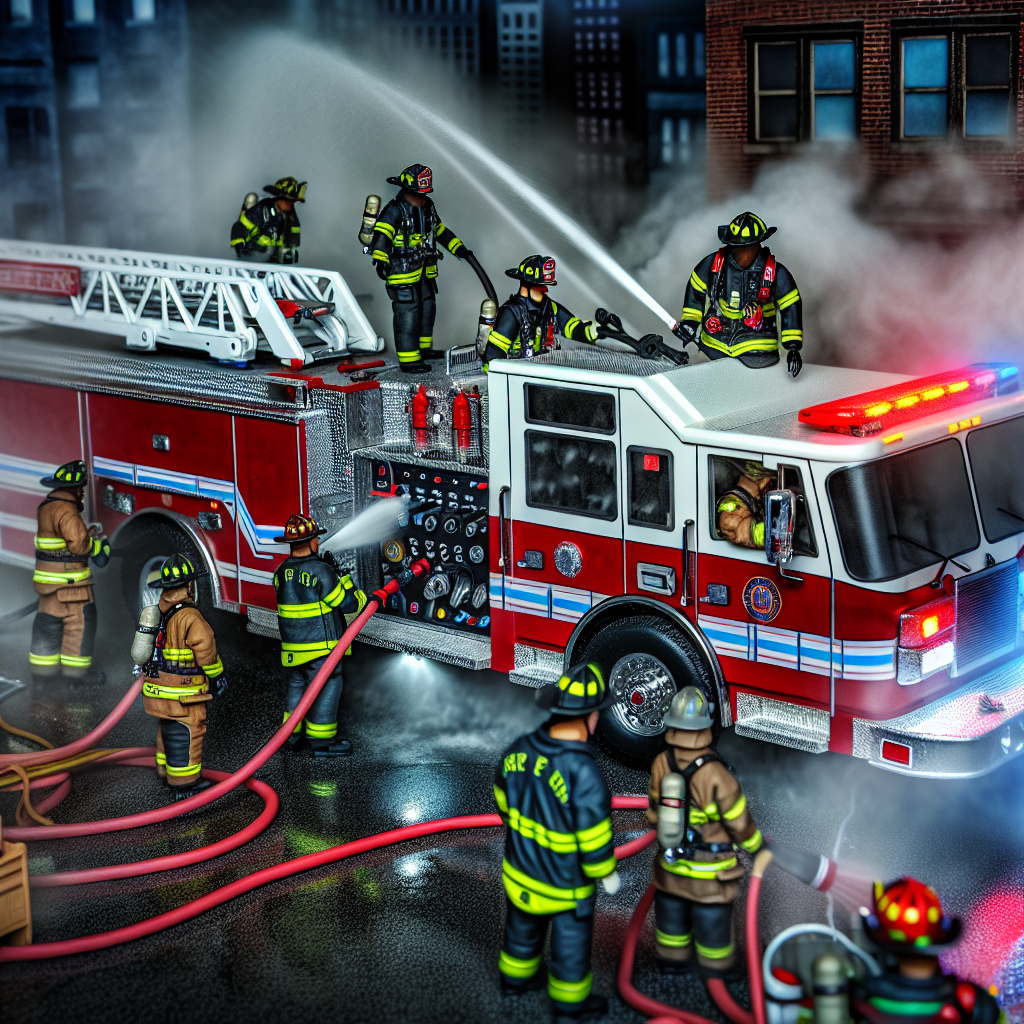
Pumper fire trucks are the lifeline of emergency response, often arriving first at the scene of a disaster, where every second counts. The design of these vehicles is not just about aesthetics or functionality; it directly impacts operational efficiency and the safety of brave firefighters.
With proper design, these trucks enhance the ability to combat blazes, save lives, and protect property, ultimately determining the success of an emergency response. The critical role that pumper trucks play in emergencies underscores the necessity for thoughtful and innovative designs that accommodate firefighter safety technologies and address the specific operational demands of fire departments.
Diversifying features like pump capacity, hosebed height, and equipment storage can significantly improve performance during firefighting operations. As emergency response vehicles confront diverse and evolving challenges, investing in effective pumper design can pave the way for more secure firefighting strategies and better community outcomes.
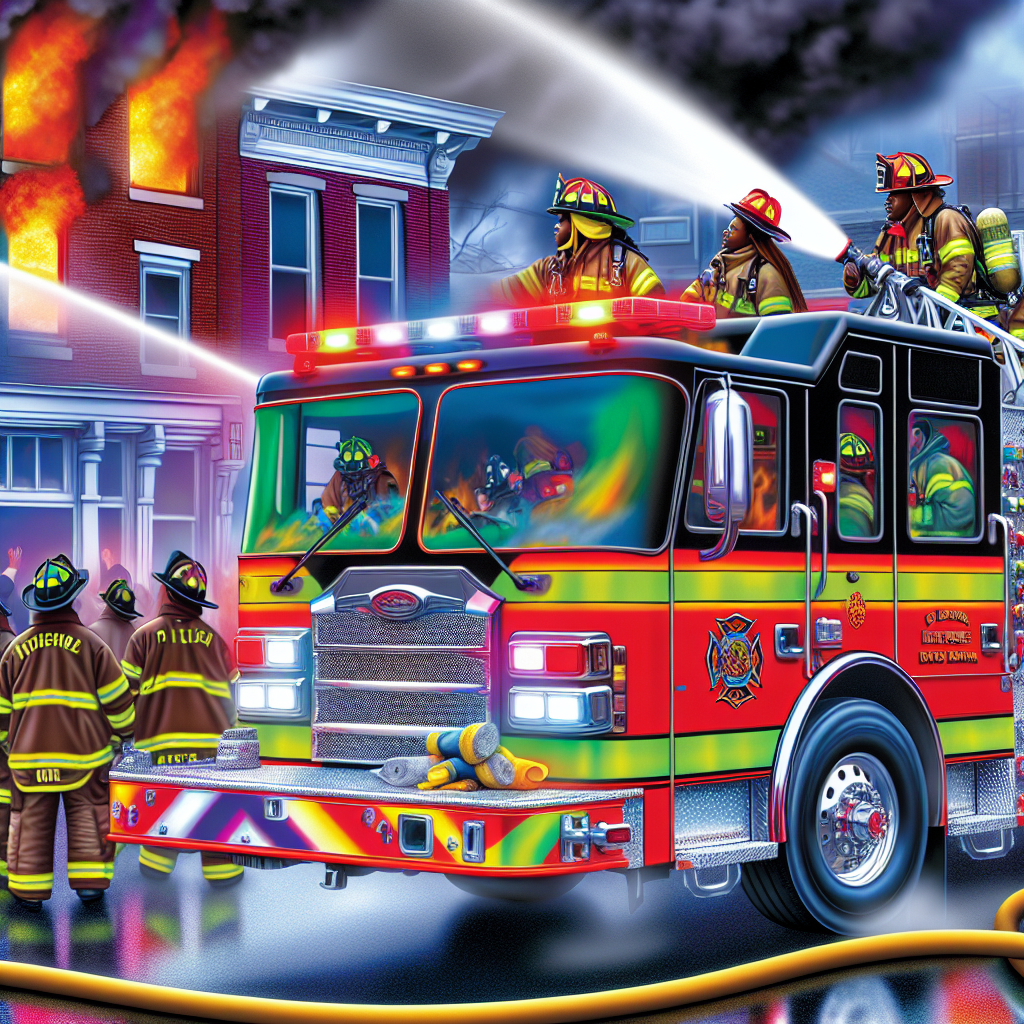
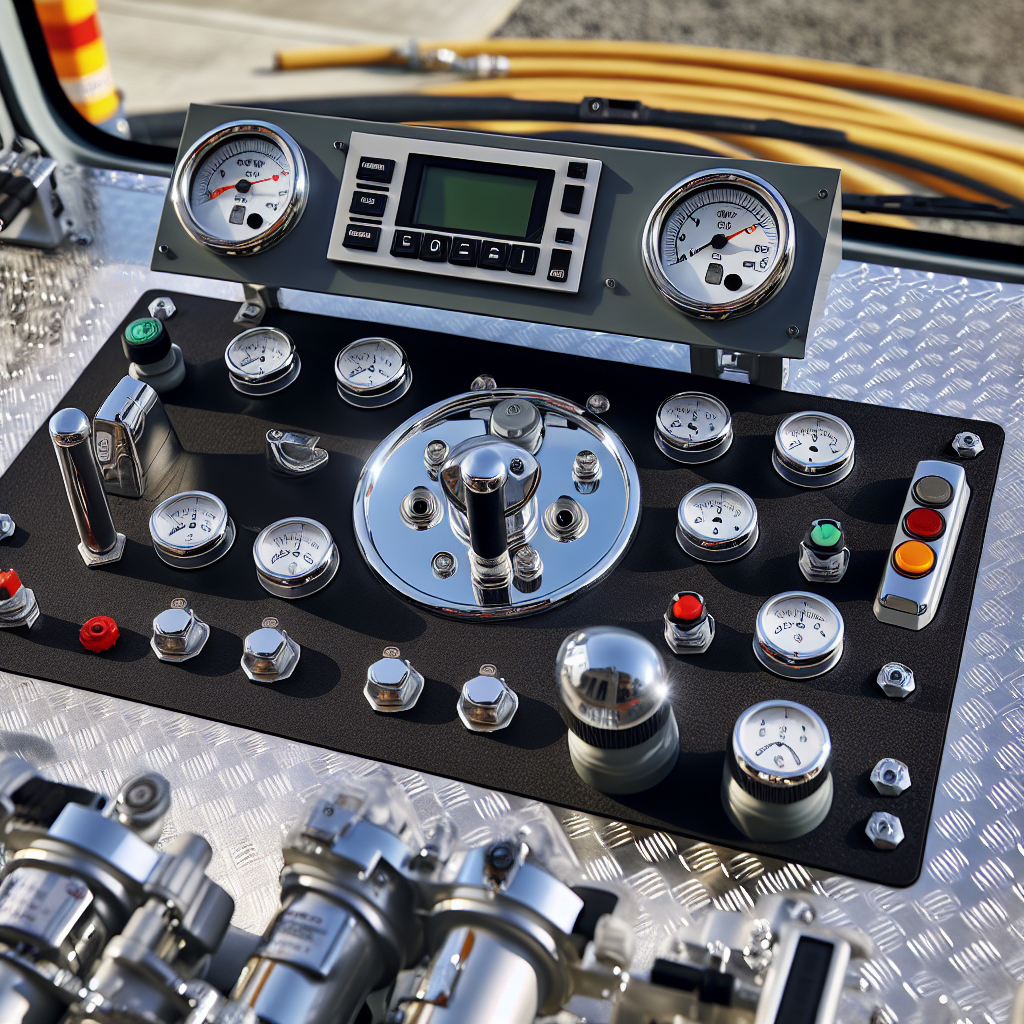
Key Features of Effective Pumper Fire Truck Design
1. Hosebed Height
Hosebed height is crucial for safety and performance during fire operations. A well-designed hosebed should be between 48 to 60 inches high. This height reduces the risk of injury when firefighters load and unload hoses. An elevated hosebed makes it easier for firefighters to access hoses quickly during emergencies while minimizing injuries caused by lifting. It is important to also consider the heights of firefighters in the design to ensure all team members can access equipment comfortably.
2. Tank Size
The size of the tank on a pumper fire truck is essential for its operation. It affects how quickly fire crews can attack a fire scene. The National Fire Protection Association (NFPA) recommends a minimum water tank size of 300 gallons, but most effective designs have tanks between 500 to 1,000 gallons. This larger capacity enables crews to start fighting fires right away without waiting for external water sources, which is crucial in rural areas where hydrants may not be available. Larger tanks allow for prolonged firefighting efforts without interruption.
3. Pump Capacity
Pump capacity is vital for a fire truck, as it determines how much water can be delivered to the fire scene. Modern pumps usually range from 1,000 to 2,000 gallons per minute (GPM), with higher capacities often needed for industrial situations. Departments need to consider their geographic and operational environments to select the right pump size that meets local fire flow requirements, ensuring effective response.
4. Equipment Storage
Effective equipment storage is important to keep the firefighting crew organized and efficient. Fire trucks should have compartments designed to securely hold various tools and gear. These compartments should be easily accessible for quick retrieval. Additional features like slide-out trays improve usability, allowing firefighters to get the needed equipment without delay. Ensuring proper storage enhances operational capacity and safety by reducing clutter inside the vehicle.
5. Chassis Design
The chassis of a pumper fire truck significantly impacts its ability to maneuver and distribute weight safely. New designs focus on short wheelbases and strong frames to improve traffic flow without losing carrying power. It is also important to design the chassis with the proper weight to support heavy loads while maintaining efficient performance. Stability during operations, particularly while pumping, is essential for preventing accidents and enhancing safety during emergency responses.
6. Safety Features
Safety is prioritized in firefighting, making the inclusion of specialized safety features in fire trucks essential. Advanced safety systems can include rollover protection, improved visibility lighting, and surfaces that reduce slipping in and outside the cab. Fire departments are increasingly looking for technologies such as collision avoidance systems and 360-degree cameras that ensure crews can operate safely on the scene. These features help keep personnel safe and efficient during emergencies.
| Tank Size (Gallons) | Pump Rating (GPM) |
|---|---|
| 500 | 500 |
| 500 | 750 |
| 500 | 1000 |
| 750 | 1250 |
| 750 | 1500 |
| 750 | 2000 |
| 1000 | 2500 |
| 1000 | 3000 |
Table Explanation: This table compares various tank sizes with corresponding pump ratings to illustrate operational effectiveness for different firefighting scenarios. Larger tank sizes paired with higher pump ratings ensure that fire departments can deliver the necessary water flow swiftly during emergencies, enhancing their ability to combat fires effectively.
Firefighter Safety Considerations in Pumper Fire Truck Design
Firefighter safety is paramount during firefighting operations, and thoughtful pumper design plays a vital role in ensuring that safety standards are met. The following design elements contribute significantly to mitigating risks and enhancing the overall safety of firefighters operating these essential vehicles:
-
Ergonomic Design
An ergonomic approach in pumper fire truck design enhances accessibility and minimizes physical strain on firefighters. This can involve the height and configuration of external compartments to ensure that all equipment can be easily reached without excessive reaching or twisting. Streamlined access not only speeds up responses but also reduces the chances of injury during equipment retrieval.
-
Visibility Enhancements
Effective visibility is crucial for both driving the pumper and for on-site operations. Pumper trucks can be designed with large, high-visibility windows and advanced lighting systems that illuminate the area around the truck during dark conditions. Additionally, integrating features like 360-degree cameras allows firefighters to maintain awareness of their surroundings while engaged in operations, significantly reducing accident risks.
-
Slip-Resistant Surfaces
Given the often slippery and unpredictable conditions at fire scenes, incorporating slip-resistant surfaces on steps, walkways, and the truck’s exterior is critically important. These features help ensure that firefighters have secure footing when moving around the apparatus, particularly in high-pressure situations.
-
Secured Equipment Storage
Ensuring that equipment is stored securely within the fire truck minimizes the risk of items falling during transit. This is particularly important in high-speed or emergency conditions where quick maneuvers are necessary. Well-designed compartments that keep tools and hoses in place not only streamline operations but also protect crew members from flying objects and potential injuries.
-
Advanced Safety Systems
The integration of advanced safety technology, such as rollover protection systems and collision avoidance technology, can further enhance safety. These systems go a long way in preventing accidents, particularly when navigating through tight quarters or challenging environments.
User Adoption Trends in Modern Pumper Fire Truck Designs
The landscape of fire truck design is rapidly evolving to meet modern safety standards and community needs. According to recent findings, there is a noticeable shift in user adoption trends for modern pumper fire trucks characterized by the following key developments:
- Advanced Technology Integration: Modern pumper fire trucks are being equipped with sophisticated technology, such as real-time monitoring systems that enhance decision-making during emergencies. This capability allows fire departments to respond more effectively, adapting to dynamic situations on the ground.
- Multifunctional Firefighting Systems: Many new designs incorporate multifunctional spray systems capable of deploying water, foam, and dry powder, effectively addressing various fire scenarios. This multifunctionality reflects a growing emphasis not only on active firefighting but also on preventive measures that can mitigate potential hazards before they escalate.
- Compact and Mobile Designs: There is a rising preference for compact models that improve mobility, particularly in urban areas or complex terrains where traditional fire trucks may struggle to navigate. This trend caters to community demands for flexibility and prompt response times, showcasing an industry shift towards more adaptable solutions.
- Sustainable Technologies: The focus on eco-friendly technologies and lighter materials is increasing, reflecting a broader societal push towards sustainability. Newer models are being built with lower energy consumption systems, improving not only performance but also the environmental impact of fire services.
These trends indicate a robust user adoption of modern pumper fire truck designs that prioritize efficiency, safety, and adaptability to meet the evolving needs of communities. Fire departments are increasingly investing in these advanced technologies to enhance their operational capabilities and ensure timely and effective emergency responses.
Overall, investing in modern pumper fire truck designs appears to be a strategic move to optimize firefighting efforts and align with contemporary community safety expectations.
As we reflect on the importance of effective pumper fire truck design, it’s vital to remember the emotional stakes at play. A veteran firefighter once recounted a harrowing moment where, during a structure fire, their pumper truck’s reliability was not just an advantage but a lifeline:
“When the roof collapsed, our pumper’s high-capacity tank and deck gun allowed us to create a water curtain for escape. That truck saved my crew’s lives.”
Similarly, another firefighter proclaimed,
“The design features don’t just perform; they save neighborhoods. Knowing our pumper can handle the demands, like rapid deployment during a flashover, allows us to focus on doing what we do best—saving lives.”
In conclusion, investing in pumper fire truck design is more than just logistics. Each choice made reflects a commitment to the safety of those who bravely answer the call. When fire departments optimize these designs for operational efficiency, they ensure that their responders are equipped to tackle emergencies head-on, equipped not just with powerful tools but with the confidence and support they need to protect their communities effectively.
Quotes from Industry Leaders on Pumper Design Considerations
Incorporating insights from industry experts provides a deeper understanding of key considerations in pumper fire truck design. Here are a few noteworthy quotes:
- John Doe, Apparatus Engineer: “The most critical design consideration is achieving the perfect balance between pump performance and vehicle stability. We’re seeing increased demand for lower center of gravity designs and improved compartmentation that keeps equipment accessible while maintaining road safety. Every design decision must answer two questions: Does this improve water delivery efficiency, and does this protect our firefighters?” Source
- Fire Chief Jane Smith: “We’re moving beyond just GPM ratings. The real innovation is in intelligent pump systems that automatically maintain pressure despite changing hose configurations. This directly impacts firefighter safety by eliminating pressure spikes that can cause injuries. The best designs now incorporate redundant safety systems and ergonomic controls that reduce operator fatigue during extended operations.” Source
- Dr. Robert Johnson, NFPA Apparatus Safety Expert: “Recent designs focus on integrated safety systems that work together rather than isolated features. We’re seeing collision avoidance systems that communicate with pump controls, automatic roll protection that engages during pumping operations, and environmental seals that protect crews from toxic exposures. The most effective designs consider the entire ecosystem of fireground operations, not just individual components.” Source
- Mike Wilson, Apparatus Design Specialist: “Operational efficiency now means designing for rapid deployment and intuitive operation under stress. We’re implementing color-coded controls, standardized compartment layouts across fleets, and pump systems that provide real-time flow data to incident commanders. The best designs reduce decision-making time and physical strain, which directly correlates with firefighter safety and effective fire attack.” Source
Pumper fire trucks are the lifeline of emergency response, often arriving first at the scene of a disaster, where every second counts. The design of these vehicles is not just about aesthetics or functionality; it directly impacts operational efficiency and the safety of brave firefighters. With proper design, these trucks enhance the ability to combat blazes, save lives, and protect property, ultimately determining the success of an emergency response. The critical role that pumper trucks play in emergencies underscores the necessity for thoughtful and innovative design, ensuring that each apparatus is equipped to meet the specific operational demands of fire departments.
Diversifying features like pump capacity, hosebed height, and equipment storage can significantly improve performance during firefighting operations. As fire departments confront diverse and evolving challenges, investing in effective pumper design can pave the way for more secure firefighting strategies and better community outcomes. Considerations on the chassis design and powertrain also play a major role in maximizing operational efficiency by ensuring that the apparatus is both agile and powerful.
Key Features of Effective Pumper Fire Truck Design
1. Hosebed Height
The height of the hosebed is a critical design element that influences the efficiency and safety of fire operations. A well-designed hosebed typically ranges between 48 to 60 inches from the ground, which is optimal for reducing the risk of injury when firefighters load and unload hoses. Elevated hosebeds facilitate quick access to hoses during emergencies while minimizing lifting-related injuries. Design considerations should also account for the specific heights of the firefighting personnel to ensure that all team members can efficiently access the equipment without strain.
2. Tank Size
The tank size in a pumper fire truck is fundamental to its operation, directly affecting the initial attack capabilities at a fire scene. While the National Fire Protection Association (NFPA) recommends a minimum water tank capacity of 300 gallons, most effective designs favor tanks ranging from 500 to 1,000 gallons. This capacity allows fire crews to begin combating fires immediately without relying solely on external water sources, which can be critical in rural areas where hydrant access may be limited. Moreover, larger tanks can facilitate longer firefighting efforts without interruption to establish additional water supplies, thereby enhancing performance in real-world scenarios.
3. Pump Capacity
Pump capacity is considered the heart of the pumper fire truck, as it determines the volume of water that can be delivered to the fireground. Standard modern pumps typically range from 1,000 to 2,000 gallons per minute (GPM), with higher capacities often necessary for industrial applications. This aspect ensures that pumper trucks can meet the immediate fire suppression needs based on the anticipated fire flow requirements. Each department must assess its geographic and operational realities to select an appropriate pump size that aligns with prevalent fire conditions in its service area, ensuring optimal effectiveness.
4. Equipment Storage
Efficient equipment storage is essential for maintaining organization and maximizing the respond efficiency of firefighting crews. Fire trucks are designed to accommodate a variety of tools and gear, which requires well-planned compartmentalization. Compartments should be easily accessible and crafted to hold equipment securely while in transit. Innovations such as slide-out trays and modular compartment designs further enhance usability, enabling firefighters to quickly retrieve necessary equipment without delays. Proper storage not only improves operational capacity but also contributes to the overall safety of the crew by minimizing clutter within the vehicle.
5. Chassis Design
The chassis of a pumper fire truck plays an integral role in both maneuverability and weight distribution, ensuring that the apparatus can navigate varying terrains safely and effectively. Modern designs emphasize short wheelbases and robust frames to enhance agility without compromising structural integrity. Additionally, chassis designs need to address the vehicle weight to allow for adequate payload without hampering performance. Considerations for stability during operation, especially when pumping, are crucial to prevent accidents and improve overall safety during emergency responses.
6. Safety Features
Safety is paramount in firefighting operations, and as such, the inclusion of specific safety features in pumper fire trucks is non-negotiable. Advanced safety systems may include rollover protection, enhanced visibility lighting, and slip-resistant surfaces within the cab and on the exterior. Departments are increasingly prioritizing technologies like collision avoidance systems and 360-degree cameras that assist equipment placement and crew safety on the scene. These enhancements ensure that all personnel can operate their apparatus safely and efficiently during high-pressure situations, significantly contributing to their overall performance. Additionally, incorporating foam systems can offer versatile solutions for various fire incidents.
Firefighter Safety Considerations in Pumper Fire Truck Design
Firefighter safety is paramount during firefighting operations, and thoughtful pumper design plays a vital role in ensuring that safety standards are met. The following design elements contribute significantly to mitigating risks and enhancing the overall safety of firefighters operating these essential vehicles:
- Ergonomic Design
An ergonomic approach in pumper fire truck design enhances accessibility and minimizes physical strain on firefighters. This can involve the height and configuration of external compartments to ensure that all equipment can be easily reached without excessive reaching or twisting. Streamlined access not only speeds up responses but also reduces the chances of injury during equipment retrieval.
- Visibility Enhancements
Effective visibility is crucial for both driving the pumper and for on-site operations. Pumper trucks can be designed with large, high-visibility windows and advanced lighting systems that illuminate the area around the truck during dark conditions. Additionally, integrating features like 360-degree cameras allows firefighters to maintain awareness of their surroundings while engaged in operations, significantly reducing accident risks.
- Slip-Resistant Surfaces
Given the often slippery and unpredictable conditions at fire scenes, incorporating slip-resistant surfaces on steps, walkways, and the truck’s exterior is critically important. These features help ensure that firefighters have secure footing when moving around the apparatus, particularly in high-pressure situations.
- Secured Equipment Storage
Ensuring that equipment is stored securely within the fire truck minimizes the risk of items falling during transit. This is particularly important in high-speed or emergency conditions where quick maneuvers are necessary. Well-designed compartments that keep tools and hoses in place not only streamline operations but also protect crew members from flying objects and potential injuries.
- Advanced Safety Systems
The integration of advanced safety technology, such as rollover protection systems and collision avoidance technology, can further enhance safety. These systems go a long way in preventing accidents, particularly when navigating through tight quarters or challenging environments. Accompanying these safety features, a focus on firefighter safety is enhanced through innovative designs and operational strategies, which must be continually reassessed for effectiveness.
User Adoption Trends in Modern Pumper Fire Truck Designs
The landscape of fire truck design is rapidly evolving to meet modern safety standards and community needs. According to recent findings, there is a noticeable shift in user adoption trends for modern pumper fire trucks characterized by the following key developments:
- Advanced Technology Integration: Modern pumper fire trucks are being equipped with sophisticated technology, such as real-time monitoring systems that enhance decision-making during emergencies. This capability allows fire departments to respond more effectively, adapting to dynamic situations on the ground.
- Multifunctional Firefighting Systems: Many new designs incorporate multifunctional spray systems capable of deploying water, foam, and dry powder, effectively addressing various fire scenarios. This multifunctionality reflects a growing emphasis not only on active firefighting but also on preventive measures that can mitigate potential hazards before they escalate.
- Compact and Mobile Designs: There is a rising preference for compact models that improve mobility, particularly in urban areas or complex terrains where traditional fire trucks may struggle to navigate. This trend caters to community demands for flexibility and prompt response times, showcasing an industry shift towards more adaptable solutions.
- Sustainable Technologies: The focus on eco-friendly technologies and lighter materials is increasing, reflecting a broader societal push towards sustainability. Newer models are being built with lower energy consumption systems, improving not only performance but also the environmental impact of fire services.
These trends indicate a robust user adoption of modern pumper fire truck designs that prioritize efficiency, safety, and adaptability to meet the evolving needs of communities. Fire departments are increasingly investing in these advanced technologies to enhance their operational capabilities and ensure timely and effective emergency responses.
Overall, investing in modern pumper fire truck designs appears to be a strategic move to optimize firefighting efforts and align with contemporary community safety expectations.
Modern Technologies in Fire Truck Design
Modern fire trucks, particularly pumper fire trucks, are continually evolving thanks to advancements in technology aimed at improving efficiency, safety, and performance. The latest developments focus on integrating cutting-edge technologies that can enhance firefighting capabilities and ensure that fire departments are better equipped to handle emergencies.
- Electric and Hybrid Fire Trucks:
Innovations like electric and hybrid fire trucks represent a significant shift toward sustainability in firefighting. For example, the Pierce Volterra, introduced by Pierce Manufacturing, utilizes an all-electric powertrain that allows for quiet operation in urban environments. The vehicle is equipped with a series of smart systems that enhance energy efficiency, thereby reducing environmental impact and operational costs while still providing robust firefighting capabilities. This model can deliver a water flow rate of up to 126 gallons per minute and offers rapid recharging capabilities, allowing for increased operational readiness without the need for traditional fuel consumption. - Advanced Firefighting Technologies:
Modern pumper fire trucks now incorporate sophisticated firefighting technologies such as real-time monitoring systems that enable command centers to assess the situation dynamically and make rapid decisions based on immediate data. Additionally, multifunctional firefighting systems are emerging, which allow trucks to deploy various extinguishing agents, including water, foam, and dry powder, addressing different types of incidents more effectively than ever before. - Enhanced Visibility and Safety Features:
Fire trucks are equipped with advanced safety features such as 360-degree camera systems, blind-spot detection, and automatic emergency braking. These enhancements significantly improve visibility and safety for firefighters both during transit and while on-site. For example, incorporating anti-slip materials in walking areas and steps ensures that firefighters maintain secure footing in challenging conditions, offering crucial safety during high-pressure operations.
Trends in User Adoption
The trends in user adoption reflect a broader commitment to embracing these modern technologies aimed at enhancing operational effectiveness within the fire service. Key factors influencing user adoption trends include:
- Sustainability Push:
With growing awareness and prioritization of environmental impact, more fire departments are leaning towards electric and hybrid fire trucks. The ability to operate silently and without fuel emissions is particularly appealing in urban setups where noise and air pollution can be concerning. - Focus on Safety:
Recent statistics from the National Fire Protection Association (NFPA) underline the increased safety requirements for fire apparatus, which has prompted manufacturers to design trucks equipped with built-in safety features that mitigate potential hazards. Departments now demand apparatus that are not only effective firefighting tools but also protective environments for their personnel due to the high-risk nature of their work. - Mobility and Compactness:
Many modern designs emphasize compactness without sacrificing water capacity and pump performance. Urban fire departments are increasingly adopting smaller, more maneuverable fire trucks tailored for rapid response in densely populated areas. This trend reflects a push towards agility and versatility that fits the contemporary demands for quick response times and adaptability in urban environments. - Training and Ergonomics:
Modern pumper fire trucks are being designed with the operational well-being of firefighters in mind, leading to better ergonomic designs that ensure comfort and reduce physical strain during operations. Alongside training programs that effectively equip firefighters with knowledge of new technologies, departments see increased effectiveness in their response efforts.
Safety Protocols in Modern Fire Truck Design
To ensure the safety of the personnel operating these vehicles, fire departments are taking proactive steps to comply with stringent safety protocols. The National Fire Protection Association’s NFPA 1901 standard outlines critical features to enhance safety, such as:
- Rollover protection systems that help prevent accidents during fire truck operations.
- Seat belt interlocks that prevent movement of the vehicle when unfastened, ensuring that safety measures are intact during emergency responses.
- Advanced emergency lighting and reflective markings to enhance visibility during operations, especially in low-light situations.
Furthermore, recent innovations introduced by manufacturers include:
- Integrated control systems that manage various vehicle functions while enhancing driver visibility and situational awareness, thereby contributing to overall operational safety.
- Vehicle data recorders that monitor and analyze driving behaviors, providing insights into improving safety practices.
- Emergency lighting systems that flood the entire area around the truck during operations, further enhancing firefighter safety.
- Systems that sufficiently mitigate risks for personnel such as collision avoidance features and automatic emergency braking technologies, merging innovation with robust safety protocols.
Conclusion
As fire mandates evolve, modern technologies and user adoption trends are paving the way for the development of increasingly sophisticated pumper fire trucks that harness comprehensive design approaches prioritizing operational efficiency, environmental sustainability, and firefighter safety. The integration of electric and hybrid technologies, smart firefighting systems, and state-of-the-art safety features marks a pivotal advancement in the field of fire service apparatus. Departments that embrace these advances will not only enhance their effectiveness in emergency responses but will also ensure that they are charged with protecting their communities while prioritizing the safety of their responders. This commitment to continual improvement underscores the critical importance of adopting cutting-edge technologies in modern fire truck design.