
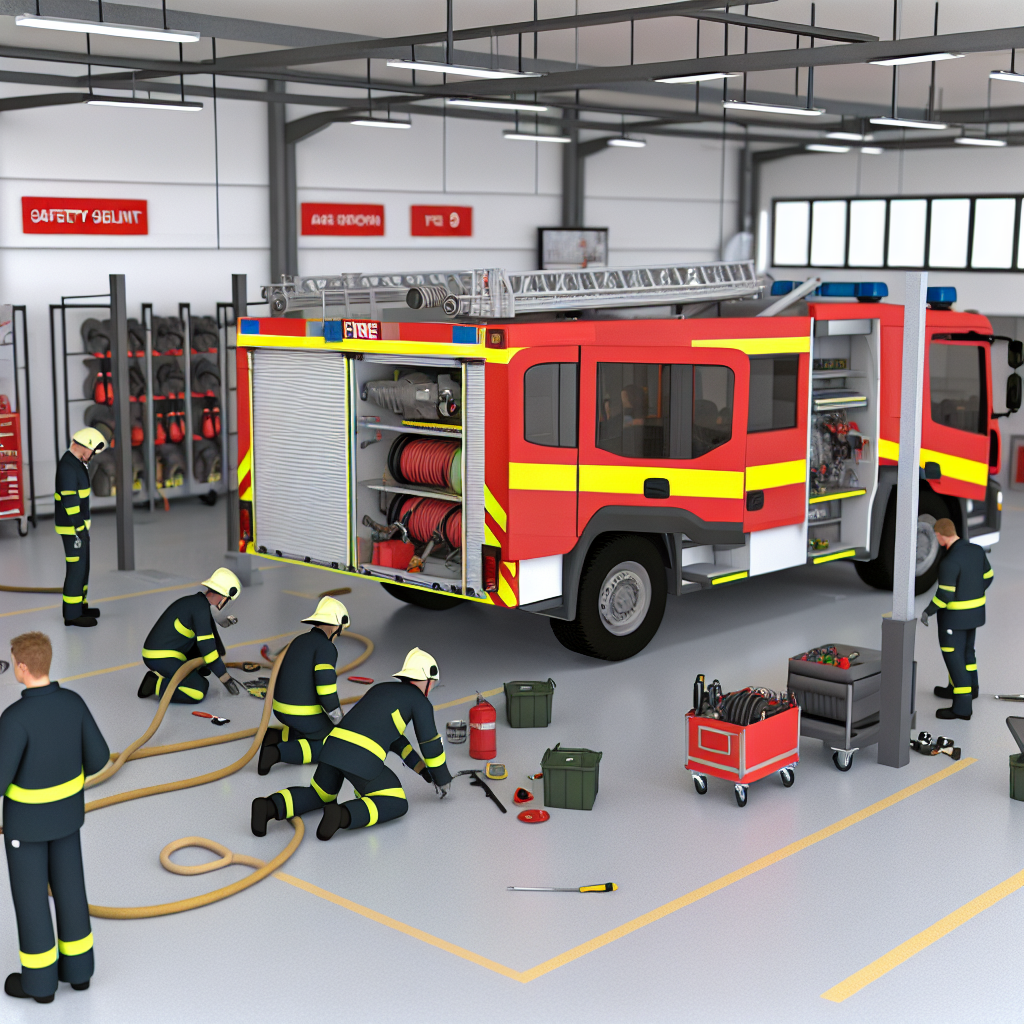
Fire trucks are not just vital assets for firefighting, but they also represent a significant investment for fire departments. To ensure that this investment serves its purpose effectively, regular and thorough fire truck maintenance is crucial. Proper maintenance not only extends the lifespan of a fire apparatus but also guarantees that it operates at peak performance when emergencies arise. However, the effectiveness of maintenance heavily relies on the knowledge and skills of the personnel handling these vehicles. This is where Fire Truck Maintenance Training comes into play.
Customized training programs provided by industry leaders like Pierce Manufacturing equip fire department personnel with the expertise to understand their specific fire apparatus’s unique characteristics. By investing in tailored training, teams can significantly enhance their operational efficiency and safety, leading to improved outcomes in emergency situations.
Key Facts About Pierce Manufacturing’s Training Programs
- Class Offerings: Pierce Manufacturing offers 15 different training classes. These classes cover many topics in fire truck maintenance tailored to different departments.
- Training Sessions: Typically, training is held in a 16-hour, 2-day format. This format includes hands-on practice, which is vital for grasping the workings of complex fire trucks.
- Custom Training History: Pierce has provided customized service training since 1997. This reflects their commitment to understanding that each fire apparatus is unique, necessitating specialized training.
These key facts highlight how Pierce Manufacturing’s training programs equip fire department personnel. They ensure everyone is ready to perform maintenance and inspections effectively.
The unique specifications of fire apparatus play a critical role in the operational readiness and safety of fire departments. Each fire apparatus is tailor-made to meet the specific requirements of a department, incorporating features like pump capacity, water tank size, and specialized rescue equipment. Understanding these distinctions is essential for maintenance personnel, making it clear that service and maintenance training should be customized for each type of apparatus.
“A fire apparatus is designed and manufactured to the unique specifications of a fire department — shouldn’t the service and maintenance training be customized for each apparatus?”
This approach not only enhances the effectiveness of maintenance efforts but also ensures that the personnel are adept at handling the distinct challenges posed by different vehicles in their fleet.
Trends in Fire Truck Maintenance and Training
Recent trends indicate a growing emphasis on customized training programs for fire departments focusing on the specific needs of their fire apparatus. Customization enhances the effectiveness of maintenance and ensures personnel are adept at handling unique features present in each fire truck.
- Client-Specific Training Needs: The necessity for tailor-made training becomes clear as fire apparatus are not only varied in design but also in function, depending on the operational landscape of the fire department. For instance, departments with specialized vehicles, such as aerial ladder trucks or foam tenders, require training that addresses the nuances of these designs.
- Increased Demand for Emergency Vehicle Technicians (EVTs): As fire apparatus become more advanced, the role of Emergency Vehicle Technicians has gained prominence. They are essential in maintaining the reliability and operational efficiency of fire trucks. Fire departments increasingly recognize that EVTs must possess a deep understanding of the technology integrated into modern fire vehicles.
- Routine Maintenance Schedules: Routine inspections and systematic maintenance schedules are becoming streamlined. Fire trucks are now subject to rigorous standards that include daily checks of critical components and periodic servicing tailored to their specific design and use conditions.
These trends highlight the importance of ongoing education and skills development tailored to fire departments’ unique requirements for optimal performance and safety.
In conclusion, customized maintenance and service training for fire trucks plays a pivotal role in ensuring these essential vehicles operate at their best while extending their lifespan. By providing tailored training that aligns with the unique specifications and functions of each fire apparatus, fire departments can equip their personnel with the necessary skills and knowledge to perform effective maintenance and repairs.
This targeted training approach not only enhances the overall performance of fire trucks but also contributes to the safety and reliability of fire services during emergencies. Ultimately, investing in customized service training means investing in the longevity and operational readiness of invaluable fire equipment, ensuring that departments are prepared to respond to any situation with confidence and efficiency.
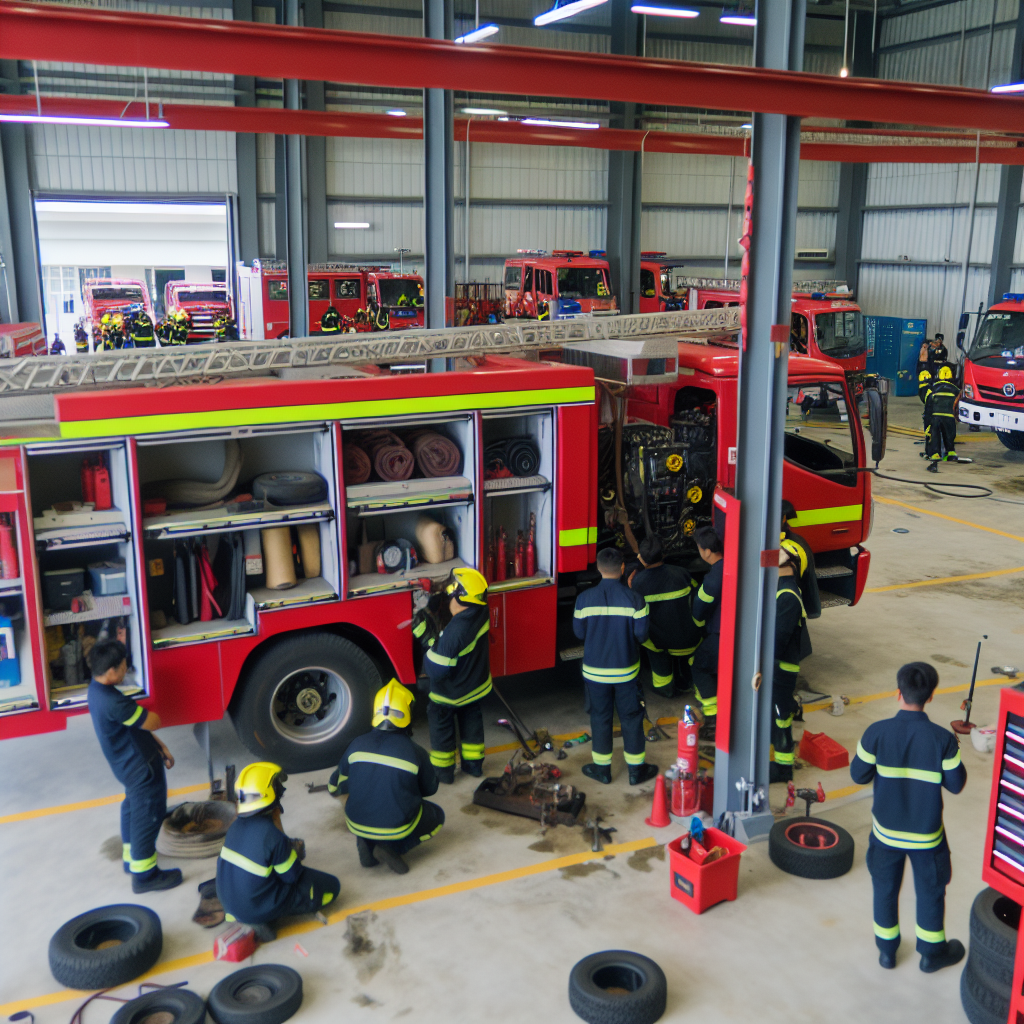
Comparison of Fire Truck Maintenance Training Offerings
| Training Provider | Class Duration | Topics Covered | Certification Types |
|---|---|---|---|
| Pierce Manufacturing | 1 to 5 days | Electrical systems, pump operations, aerial device maintenance, chassis-specific training | Completion certificates, Pierce Certified Technician programs |
| Oshkosh Corporation | 2 to 5 days | Vehicle electrical systems, pump and plumbing maintenance, aerial operations, proprietary chassis systems | Course completion documents, Oshkosh Factory Trained Technician status |
| Enshi Emergency Management Bureau | 3 days | Maintenance of fire truck equipment, hydraulic systems, braking components | Completion certificate |
| Guang’an Fire Department | 1 week | Fire truck construction principles, operational standards, maintenance protocols | Completion certificate |
| Zoomlion | Varies | Daily inspections, engine upkeep, hydraulic system maintenance | Maintenance guide document |
Participant Testimonials from Pierce Manufacturing’s Training Programs
- John D., Fire Chief: “The customized training we received from Pierce completely transformed our maintenance approach. The instructors tailored the sessions to our specific fire apparatus, allowing us to dive deep into the unique features we use every day. Our team is now more confident and efficient in handling our equipment, which has significantly improved our response times in emergencies.”
- Sara M., Lead Mechanic: “I was particularly impressed with the hands-on training. It was invaluable to learn from experts who truly understand the intricacies of our fire trucks. The real-world scenarios we practiced prepared me to troubleshoot issues effectively, and I feel empowered to maintain our fleet to the highest standards.”
- Mike R., Maintenance Technician: “Participating in Pierce’s training helped me to comprehend the advanced technology in our fire trucks. The knowledge I gained about inspection protocols ensures that I can keep the vehicles in top shape. I now feel a greater sense of responsibility for our equipment’s performance.”
- Emily T., EMT: “The impact of this training on our team has been profound. Not only did we learn about maintenance best practices, but we also built a stronger team dynamic. Knowing that we are all equipped with the same knowledge boosts our morale and trust in one another during emergencies.”
Case Studies of Successful Implementation of Customized Fire Truck Training
Phoenix Fire Department
In 2021, the Phoenix Fire Department developed a comprehensive customized training program for their fleet of 120 vehicles. The training focused on hands-on technical skills tailored specifically to their unique apparatus. Key aspects of the program included manufacturer-specific troubleshooting and detailed preventive maintenance procedures. As a result of these tailored trainings, the department recorded a 35% reduction in unscheduled maintenance, a 28% decrease in vehicle downtime, and significantly improved technician confidence when addressing complex mechanical issues. Detailed coverage on their initiative can be found in Fire Apparatus & Emergency Equipment Magazine here.
FDNY (Fire Department of New York)
The FDNY sought to enhance machinery management through a customized training curriculum aimed at their fleet of over 400 apparatus. By establishing partnerships with manufacturers for specialized training and introducing virtual reality simulations for complex repairs, the department achieved remarkable outcomes. They experienced a 42% reduction in major repair costs, extended the lifespan of their apparatus by 2 to 3 years, and saw an impressive 98% of vehicles consistently available for emergency responses. More information can be found in their official report here.
Fairfax County Fire and Rescue Department
In November 2020, the Fairfax County Fire and Rescue Department implemented an apparatus-specific maintenance training regimen designed for their diverse fleet. The training consisted of customized checklists and diagnostic procedure training and included cross-training between mechanics and firefighters. This approach led to a 55% reduction in diagnostic time, a 40% decrease in road calls due to mechanical failures, and promoted better communication within the department. As a long-term impact, Fairfax developed internal training experts that laid the foundation for a maintenance training academy intended for nearby regional departments. More details on their transformation are provided by the International Association of Fire Chiefs here.
Seattle Fire Department
The Seattle Fire Department launched an innovative competency-based training program designed to tackle the challenges posed by hybrid and electric fire apparatus. Collaborating closely with manufacturers, this program adopted augmented reality troubleshooting guides, alongside performance metrics tracking. The outcomes reflected a 60% improvement in first-time repair success and a 45% reduction in costs associated with outside vendors. The success of this training program has positioned Seattle’s training model as a benchmark for other fire departments confronting similar obstacles with modern fire apparatus. Insights into their innovative strategies are available on Fire Engineering here.
These case studies accentuate the undeniable benefits of customized maintenance training for fire departments. The tailored approaches not only enhance technical skills and knowledge but also significantly improve overall operational efficiency and safety outcomes. By learning from these successful implementations, other departments can adapt similar strategies to optimize their fire apparatus maintenance procedures and training programs.
Enhanced Fire Truck Maintenance and Training Insights
Integrating aspects of fire safety training into the existing training programs not only enhances the overall skill set of fire department personnel but also directly impacts the effectiveness of fire truck maintenance. Fire departments are encouraged to adopt a multi-faceted training approach that aligns with established fire department inspection protocols. These integrations allow for a comprehensive review of equipment and familiarize staff with specific maintenance needs related to their fire apparatus.
The emphasis on fire department inspections can be further enhanced through structured inspections aligned with the educational aspects of fire safety training. Engaging fire crews in routine inspections and cultivating a strong maintenance culture ensures that potential equipment issues are identified and addressed promptly.
Significant Impacts of Fire Safety Training on Equipment Maintenance
Research indicates that well-implemented fire safety training improves maintenance outcomes significantly:
- Firefighters who undergo regular training are more proficient in identifying equipment defects during inspections.
- Departments focusing on a comprehensive training program experience fewer equipment failures during emergencies.
- Enhanced documentation practices stemming from training allow for better tracking of maintenance needs and inspection protocols.
Current Trends in Fire Safety Training and Inspections
Recent Findings:
- Integration with Technology: Many departments are turning to technology-enhanced training solutions, such as virtual reality simulations to provide realistic training scenarios that reinforce the importance of inspections.
- Advanced Standards: New standards regarding equipment maintenance and inspections, including guidelines from NFPA, emphasize the importance of regular and thorough checks to improve overall safety.
Conclusion
By integrating focused fire safety training with regular fire department inspections, fire departments can ensure their personnel are equipped with the necessary skills and knowledge to keep their equipment maintained and operationally ready. The dedication to ongoing education and training not only enhances safety and operational efficiency but also fortifies the trust the community places in their fire services, ultimately leading to better preparedness and response during emergencies.
As the fire service landscape evolves, so too does the necessity for specialized training that keeps pace with emerging trends. The insights from the customized training approach underline the relevance of developing tailored programs that respond to the unique requirements of each apparatus.
Therefore, understanding the current trends in fire truck maintenance and training becomes crucial, as it not only reflects shifting needs but also enhances the effectiveness of maintenance initiatives within fire departments.
For further insights on the significance of fire truck training, you can refer to FireRescue1’s article on the importance of firefighter training. It discusses how comprehensive fire truck training is crucial for ensuring firefighter safety and operational effectiveness during emergencies.