
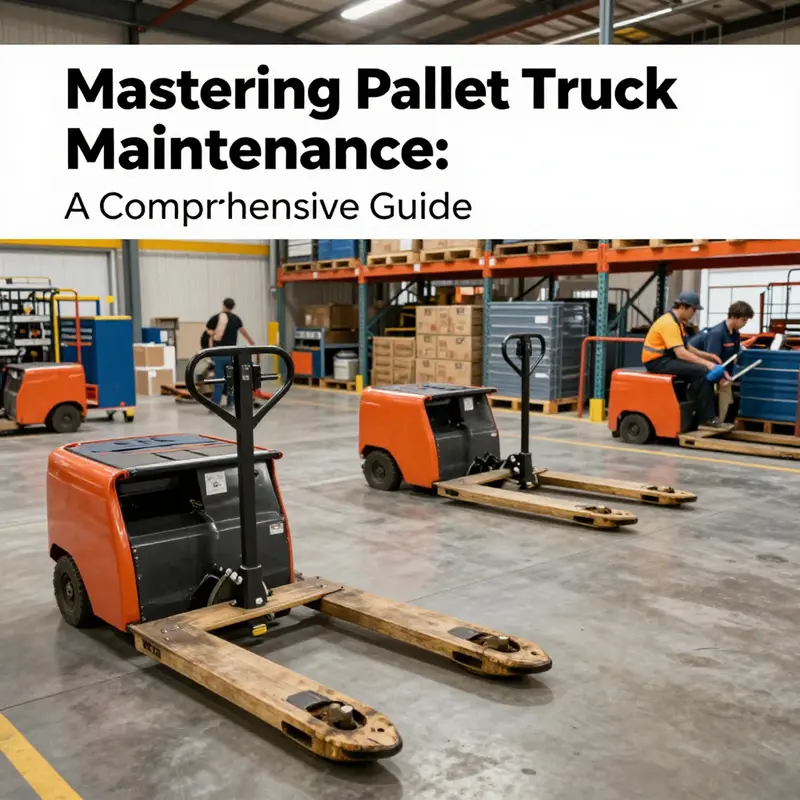
Maintaining a pallet truck is vital for operators, fleet managers, and trucking professionals alike. Not only does routine servicing enhance safety, but it also extends the life of your equipment and boosts its overall performance. This guide delves deep into four pivotal chapters: Regular Inspections illuminate how to detect potential issues before they escalate, Cleaning Techniques emphasize the importance of cleanliness in machinery upkeep, Lubrication Practices highlight how proper lubrication can reduce wear and tear, and Battery Maintenance is crucial for electric models, providing comprehensive insights on how to keep these systems running optimally. Each segment builds on the previous to offer a holistic approach to pallet truck servicing.
null
null
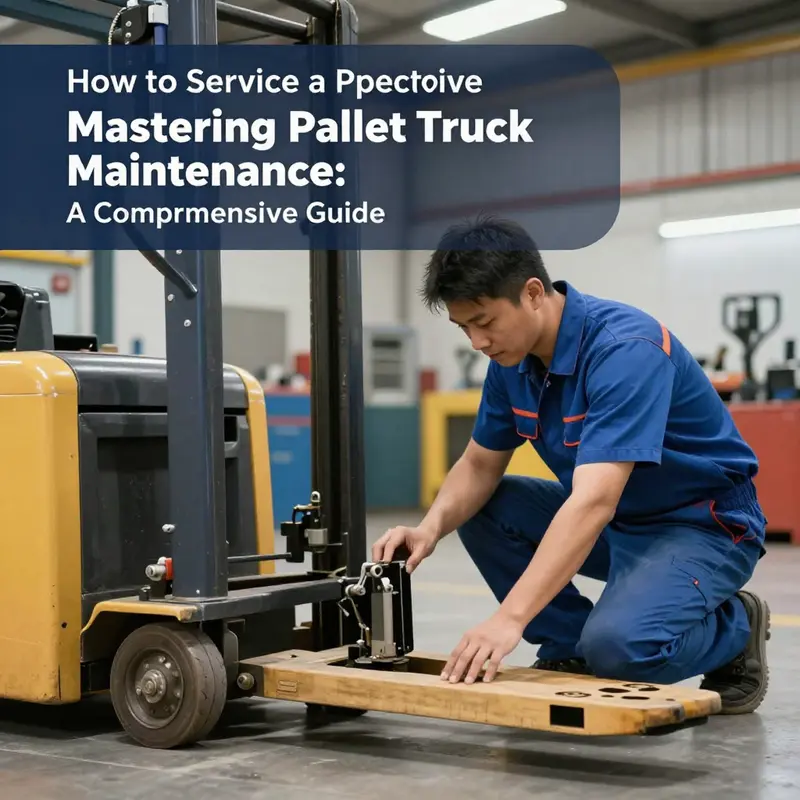
Under the Hood of a Pallet Truck: Integrating Cleaning with Comprehensive Servicing for Safe, Lasting Performance
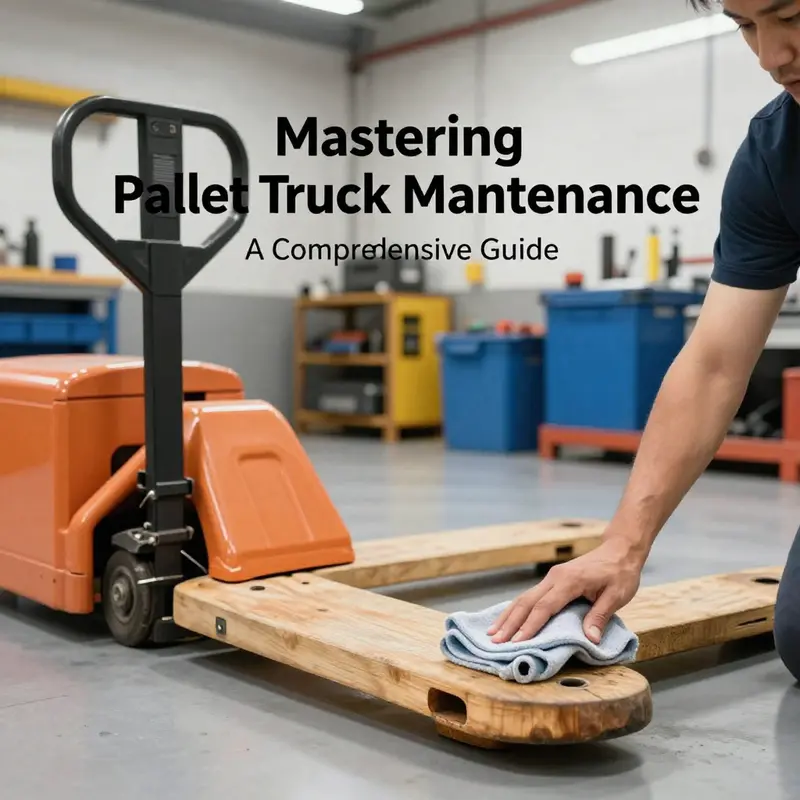
A pallet truck is a workhorse that quietly bears a heavy burden day after day. Its value is not measured by flashy features but by the steadiness of its performance and the predictability of its failure-free operation. Servicing it well requires more than a rushed checklist; it demands a mindset that treats cleaning, inspection, lubrication, and component checks as an integrated rhythm rather than discrete chores. When maintenance is approached this way, the truck remains reliable, downtime is minimized, and the overall safety of the work environment improves. The following narrative threads together the essential practices for all pallet trucks—manual, electric, and foldable—while recognizing the small but meaningful differences each type presents. By aligning cleaning with the broader servicing routine, a facility turns routine care into a discipline that extends lifespans and supports safe material handling across shifts and teams.
At the heart of every servicing session is a regular visual inspection. This is not a ceremonial ritual but a focused examination that asks practical questions about the truck’s integrity. Are there any new cracks or dents in the forks or the frame? Has an obvious bend appeared in any structural component after a heavy lift or a minor collision with shelving? The forks are pivotal; if they are damaged or misaligned, the truck’s load can tilt, creating hazardous conditions. The wheels deserve equal attention. A wheel that wobbles or shows visible wear can alter steering feel and increase rolling resistance, which in turn strains the hydraulic system and drive components. For manual and foldable models, the hydraulic cylinder and hoses are prime suspects for leaks or corrosion. A small leak may hint at a sealing fault or a worn pump seal, and even a tiny drip can degrade performance over time if not addressed.
This visual discipline naturally leads to a broader cleaning mindset. Cleaning is not simply about appearance; it is about reducing the environments that foster grime and corrosion, which in turn protects bearings, seals, and moving joints. When you clean, you clear away dirt that can trap moisture and promote rust, especially in the wheel hubs and pivot points. For electric models, it is vital to keep the control panels and switches dry and free of dust that could short or obscure indicators. A damp cloth with mild detergent is usually sufficient for most surfaces. Avoid spraying water directly onto the unit or using high-pressure jets, which can force moisture into bearings, gears, or electrical enclosures. After wiping down, take a moment to dry all exposed surfaces, including the hydraulic area where fluid residue may accumulate. A clean unit is easier to inspect, and a clean work area communicates care to the team—an important safety signal in busy warehouses.
Lubrication sits at the crossroads between cleanliness and performance. It is a precision step rather than a blanket spray. For manual and foldable trucks, lubricate the pivot points of the lifting mechanism, the steering column, and the wheel axles with a light oil or grease recommended by the manufacturer. The aim is to reduce resistance without attracting excess dust and grime. Over-lubrication is a common misstep; it creates a slick surface that gathers dirt and can attract grit into joints. Electric pallet trucks require more restraint. Only lubricate the parts specified in the manual, and never lubricate the motor, drive chain, or enclosed gears unless the manufacturer explicitly instructs you to do so. This distinction is critical because improper lubrication can cause overheating or contamination of sensitive components, undermining reliability and safety. The broader principle is simple: lubrication is about controlled, periodic care that respects the design boundaries of each model.
Fluid levels are another pillar of reliable operation, especially for hydraulic manual and foldable trucks. If the hydraulic system uses fluid, check the level regularly and top up with the correct type as recommended by the manufacturer. Low fluid levels can reduce lifting efficiency and increase pump wear. In a busy facility where trucks are used across multiple shifts, a quick daily check can catch subtle declines before they become performance issues. For foldable trucks, pay particular attention to the hydraulic fluid in the fold mechanism as well, since improper fluid levels can impair the smoothness of the fold and unfold actions. When top-ups are necessary, use the specified hydraulic fluid and follow the manufacturer’s procedures for bleeding air from the system if required. These steps help ensure consistent lift height and stable fork alignment, which in turn reduces the risk of dropped loads or misloads that threaten worker safety.
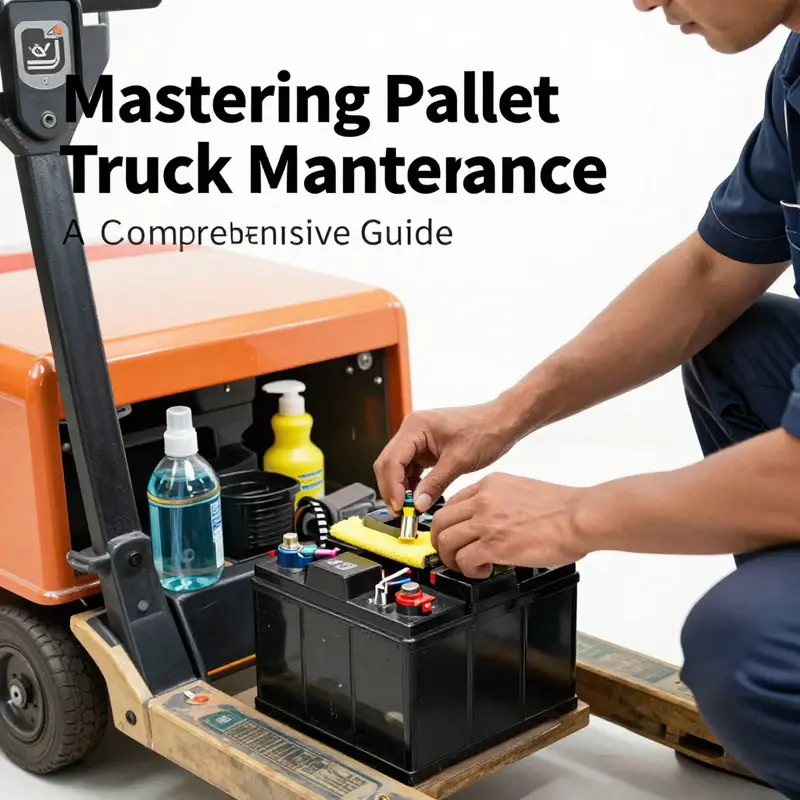
Battery health often defines the difference between a productive shift and a stalled one for electric pallet trucks. Battery maintenance is not just about charging; it is about safeguarding longevity and reliability. Always use the charger specified by the manufacturer and adhere to the recommended charging schedule. Some environments benefit from charging after every shift, while others might follow a shorter or longer cadence based on duty cycles and available power. Battery storage matters too. When the truck is idle for extended periods, store the battery in a cool, dry place away from direct sunlight. If the unit will rest for weeks, plan for a periodic recharge to prevent sulfation and capacity loss. Terminal cleaning is a simple but effective practice; periodically wipe terminals with a dry cloth to prevent corrosion that can disrupt charging and motor performance. The energy heart of the electric pallet truck demands careful attention, because a well-maintained battery translates into longer runtime and fewer interruptions in flow.
Tightening fasteners is a quiet but essential maintenance act. The vibrations inherent in forklift-style operation can loosen bolts and nuts across the frame, forks, wheels, and control handles. During servicing, a quick pass with a torque wrench or a simple hex key check is often enough to nip developing issues in the bud. This practice protects the structural integrity of the unit and helps prevent misalignment that could impact fork travel, steering response, or hydraulic connections. A consistent fastener-check routine also reduces the risk of sudden component failure during a shift, which can be dangerous in a live operation. The goal is not to over-tighten, but to maintain proper preload and ensure that fasteners stay within specified tolerances as the machine experiences daily vibration and fluctuating loads.
After these core activities, the true test begins: a controlled operational check. A test lift on a flat surface followed by a careful movement through a short dynamic cycle can reveal issues that static inspections miss. Listen for noises such as grinding, squeaks, or irregular clunks, and note any hesitations or jerks in steering and lift. If something feels off, it is crucial to pause, re-check the relevant components, and correct any misalignments or wear before resuming work. The test is a practical assurance that the combined effects of cleaning, lubrication, and part maintenance have been realized in real-world motion. It is not merely about passing a quick test; it is about confirming that the unit remains predictable, safe, and efficient under load.
In a broader sense, the servicing routine should reflect the type of pallet truck in use. For electric trucks, monitoring battery health, the controller, and the motor is essential. A noticeable drop in runtime or power delivery, or the appearance of error codes, warrants consultation with a technician who can interpret the diagnostics and recommend corrective actions. For foldable pallet trucks, special attention goes to the folding mechanism. The lock must engage securely in both folded and unfolded positions, and any wear to hinges and locking pins should be addressed promptly. These distinctions do not undermine a single philosophy of care; they simply tailor the routine to the unique mechanical realities of each model.
A well-run servicing program extends beyond the physical unit. It creates a culture of safety and reliability that informs how teams approach daily tasks. Documentation matters because it builds a history of the truck’s condition, the maintenance performed, and any recurring issues. A simple maintenance log can reveal patterns—a bolt that tends to loosen in a particular location, or a hydraulic fitting that consistently shows minor seepage after a certain number of hours. With such records, preventive actions can be scheduled instead of reactive repairs. When teams share knowledge and align on standards, the warehouse operates with less downtime and fewer surprises. The discipline also supports training initiatives, as operators and technicians can rely on documented procedures and observed performance to guide future servicing sessions. The practical outcome is a safer workspace, a more efficient material flow, and a longer service life for the pallet truck.
In this light, cleaning becomes more than removing dirt. It is an integral part of the service that makes inspection possible, congestion-free operation possible, and lubrication more effective. A clean unit is not a luxury; it is a functional prerequisite for dependable performance. The practice ties into ongoing training and discipline. For teams that seek to elevate their servicing standards, integrating formal training with hands-on practice helps embed best practices into daily routines. For example, the example of disciplined maintenance training is echoed across industries that rely on mobile handling equipment. You can explore related training avenues such as dedicated maintenance programs that emphasize routine care and diagnostics by following the pathway referenced in industry-focused material like fire-truck maintenance training, which emphasizes reliability, safety, and uptime as core performance metrics. The goal is not to imitate a different vehicle but to adopt a mindset of proactive care, meticulous inspection, and consistent follow-through that translates to pallet trucks.
For ongoing learning and disciplined maintenance practices, many facilities connect with structured training resources such as fire-truck maintenance service training, which emphasizes the same underlying principles of reliability, safety, and uptime in a broader mobility context. This kind of cross-industry learning encourages teams to think beyond a single model and adopt a universal approach to upkeep: anticipate wear, document conditions, and act promptly when something deviates from the expected pattern. It is this shared language of care that helps maintenance teams move from reactive repairs to proactive optimization, ensuring that pallet trucks contribute to a smooth and safe workflow rather than becoming an unexpected bottleneck. To support this continuous improvement, it is advisable to consult the manufacturer’s manual for model-specific instructions, but the overarching framework remains consistent: inspect, clean, lubricate, monitor fluids, care for the power system, tighten fasteners, and verify operation through a test run.
As you close a servicing session, you gain a sense of confidence that the machine is ready for the next shift. The work may be routine, but its impact is significant. A pallet truck that is clean, well-lubricated, and mechanically sound helps protect workers from injury, reduces the likelihood of load mishaps, and stabilizes the overall material flow. The chapter’s guiding thread is clear: cleaning is not an isolated chore but a catalyst for better inspection, safer handling, and longer equipment life. By embracing a holistic maintenance mindset, you turn every servicing moment into an investment in safety, efficiency, and reliability. For teams that want to deepen their practice, a blend of practical hands-on maintenance and formalized training provides a pathway to higher uptime and safer operations across the warehouse.
For a practical reference on improving maintenance discipline across mobility equipment, teams may find it useful to explore related maintenance training resources such as fire-truck-maintenance-service-training, which highlights how structured programs can elevate reliability and safety. This cross-pollination of maintenance thinking reinforces the principle that the pallet truck, though smaller in scale, benefits from the same careful, deliberate care that drives uptime in larger equipment fleets. The result is a cleaner, safer, and more dependable tool that serves workers and operations every day.
External resources and standards provide a broader safety context that reinforces these practices. When incorporating cleaning into a servicing program, it is wise to align with established occupational safety guidelines and maintenance standards to ensure compliance and best practices across the organization. For general safety standards and maintenance considerations, consult reputable sources such as the Occupational Safety and Health Administration (OSHA) for forklift and material handling safety guidelines: https://www.osha.gov
Smooth Moves: Mastering Lubrication as the Central Cord in Servicing a Pallet Truck
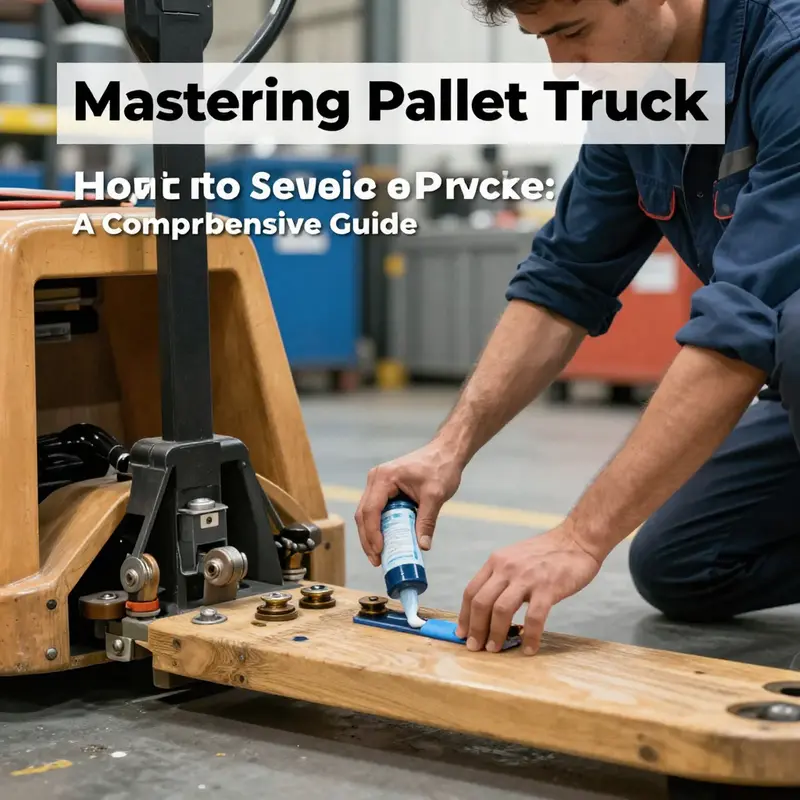
Lubrication is often the quiet hinge on which the whole pallet truck service turns. It is not the flashiest part of maintenance, but it pays back in smoother operation, reduced wear, and safer handling. When you service a pallet truck, you are not merely keeping it functional for today; you are extending its life and reinforcing the safety net around every lift and glide. Across manual, electric, and foldable variants, the same core principle applies: moving parts must move with minimal resistance, yet without letting grime collect in places that should stay clean and covered. In practice, that means starting with a disciplined approach to where you apply grease, how you apply it, and how often you revisit those points.
The most critical zones for lubrication are the surfaces that bear the brunt of use. The hydraulic system on manual and foldable models is a prime target because the piston rod and cylinder seal endure repeated cycles of pressure, loading and unloading. If the hydraulic rod wears its seal or if a small amount of grit penetrates the seal, you will hear grinding or feel a stiff resistance during lifts. The fork lift mechanism—the joints that raise and lower the forks—also needs attention. The swivel points and pivot joints where the forks meet the carriage accumulate dust and debris and are subjected to side loads as the operator steers and maneuvers. Even the wheels and their bearings deserve careful lubrication, especially in environments with grit, dust, or moisture, which can wash away or degrade existing grease and accelerate wear.
A disciplined lubrication routine begins with a thorough inspection. Before any oiling, wipe away dirt and inspect for damage. Look for nicks on the piston rod, scratches on the cylinder, or worn seals that might allow contaminants to ride in with every cycle. Check the pivot points on the forks, the steering stem, and the wheel axles. A visual scan can reveal signs of misalignment, metal-to-metal contact, or loose fasteners that would undermine the effectiveness of lubrication. If you detect a hydraulic leak or any corrosion around joints, address that defect first, since clean surfaces provide the best environment for lubrication to do its job.
Choosing the right lubricant is not a matter of preference but of specification. In general, use a high-quality grease that suits the operating conditions—industrial-grade grease for harsh shop floors, or food-grade options where the truck operates in environments with incidental contact with food or packaging materials. The guiding rule is simple: the lubricant should form a protective film that resists shear forces during lifting, yet does not attract excessive dust or debris. Avoid over-lubricating. A heavy film can trap dirt and grit, turning a routine lubrication into a magnet for wear particles that accelerate corrosion and create a functional drag on moving parts.
Intervals matter as much as the product itself. The literature on pallet truck maintenance tends to hinge on hours of operation and environmental conditions. A practical cadence is to check and reapply lubrication every 50 to 100 hours of use, or during routine inspections when you notice any stiffness, squeaks, or resistance. In dusty or damp environments, more frequent attention is warranted. The goal is not to swamp joints but to keep a thin, consistent film on the surfaces most exposed to friction and impact. Wipe away old buildup before reapplying; clean surfaces accept new grease more effectively and extend the life of seals and bearings.
When you apply lubricant, focus on the high-stress zones with precision. For the hydraulic system, lightly grease the piston rod and the face where the rod seals contact the cylinder. These are the locations where the seal surfaces experience the most movement and friction. On the fork lift mechanism, center your attention on the swivel joint and the pivot points where the forks rotate and tilt. These joints bear the brunt of steering and load transfer, and a small amount of grease here can prevent seizure and uneven fork movement. For the wheel axles and bearings, apply a thin coat that covers the bearing surface without pooling. Wheels that rotate freely are essential for smooth operation, and well-lubricated bearings reduce the chance of uneven wear and the onset of wobble that can destabilize a lift.
Preparation is essential. Begin by cleaning the surfaces to be lubricated. Remove dust, old grease, and any contaminants that might contaminate a fresh layer. If you encounter a sticky buildup around the hydraulic area, a light solvent wipe followed by thorough drying helps the new lubricant perform better. Then, select the appropriate grease and apply it in a steady, controlled manner. A small bead along the piston rod, a light dab at the pivot joints, and a thin film along the wheel axles can be enough. The emphasis is on even coverage, not on flooding the components. After lubrication, rotate the wheels and manipulate the forks through their full range of motion to spread the grease evenly and to verify there is no binding or abnormal resistance.
In manual and foldable variants, the hydraulic system is the most sensitive. Seals, rods, and the cylinder area benefit from consistent care because a leak here is not just a maintenance issue; it is a safety and performance concern. If you notice a drop in lifting capacity or a slower return to neutral position, recheck seals and the hydraulic hose integrity. In foldable models, pay special attention to the folding mechanism during lubrication. The hinges and locking pins should not only be lubricated but also checked for wear. A hinge that sticks or a pin that loosely moves can compromise the safe folding and unfolding of the unit, presenting a risk during storage or deployment.
The sequencing of maintenance matters too. Do not lubricate a hot unit or one that has recently been exposed to high temperatures. Heat can thin lubricants and cause leakage or pump cavitation, while cold can make the grease stiff and less effective in coating narrow tolerances. Allow the unit to reach a stable operating temperature before starting lubrication, especially in environments with large temperature swings. In electric models, the lubrication plan must be aligned with the manufacturer’s manual. Do not lubricate the motor or drive chain unless explicitly instructed. Instead, focus on the non-electrical movement points that influence mechanical efficiency and operator control. In all cases, avoid lubricants near electrical connections, control panels, or battery compartments unless the manufacturer specifies safe compatibility.
An important but often overlooked component of lubrication is its integration with the broader servicing routine. Lubrication does not stand alone; it complements checks of fluid levels, hose integrity, and fastener tightness. In manual trucks, hydraulic fluid levels may factor into how easily the system lifts and holds a load. In foldable trucks, the hydraulic system and locking mechanisms must be in harmony; fluid efficiency can affect how smoothly the lock engages in both folded and unfolded positions. In electric models, lubrication supports the smooth operation of moving components, which in turn reduces electrical load and heat generation that could affect batteries and controllers. In short, lubrication is a performance multiplier: when done correctly, it reduces resistance, extends part life, and enhances operator safety.
Documentation matters, too. Always consult the maintenance manual for model-specific lubrication points, recommended grease types, and interval schedules. If you have access to formal maintenance training, consider following the guidance offered in relevant training resources. For broader context on maintenance training and uptime, you might explore resources such as fire-truck maintenance service training, which, while not pallet-truck-specific, emphasizes methodical maintenance planning and execution that can translate to any heavy-duty handling equipment. You can refer to resources like fire-truck-maintenance-service-training for a framework of best practices, discipline, and documentation that support reliable upkeep in any heavy equipment program.
The practical payoff of disciplined lubrication shows up in several tangible ways. First, you experience smoother lifts and more stable load handling. The forks rise and descend with less resistance, and the steering responds with more predictability. Second, components last longer. Seals stay intact longer, pivot pins wear more slowly, and wheel bearings maintain their roundness and tolerance. Third, downtime decreases. A well-lubricated machine spends less time out of service for sticky joints or squeaks, and operators can move confidently with a consistent feel. Finally, safety improves. When moving parts operate within their intended tolerances, the risk of sudden binding, misalignment, or unexpected fork movement diminishes. Lubrication thus becomes a core safety measure—quiet, invisible, and essential.
Incorporating lubrication into a broader maintenance routine also means recognizing when to escalate issues. If you notice persistent squealing, grinding, or a loss of hydraulic efficiency after re-lubrication, there may be an underlying wear problem that lubrication cannot fix alone. In such cases, it is prudent to consult the applicable maintenance manual or seek qualified service assistance. Well-maintained pallet trucks reflect a culture of care in a workspace where every lift and movement contributes to productivity and safety. When operators understand the role of lubrication and observe a consistent routine, they participate in a chain of practices that protect people and property as a shared value rather than a mere obligation.
To close the loop, remember that lubrication is one element of the servicing continuum. It should be performed alongside regular cleaning, inspection, and calibration checks. The goal is not to treat lubricant as a temporary patch but as a lasting stewardship of the equipment’s moving parts. In a sense, the pallet truck’s performance echoes the care you invest in it. When the surfaces that meet friction are well cared for and protected by a careful film of lubricant, the entire unit moves with a quiet confidence that echoes through the warehouse floor—every lift smooth, every return precise, every journey safer for the people who rely on it. For those who manage fleets of these machines or repeatedly engage with different models, a simple, repeatable lubrication routine becomes a cornerstone of reliability and safety that supports the broader maintenance philosophy described throughout the servicing chapter.
External reference: High-Strength Hydraulic Hand Pallet Truck details and related maintenance considerations can be found at https://www.alibaba.com/product-detail/High-Strength-Hydraulic-Hand-Pallet-Truck-for-Goods_1600578294543.html
null
null
Final thoughts
Regular servicing of a pallet truck is not just an obligation; it is essential for ensuring smooth operations in any fleet. By adhering to a routine that includes visual inspections, thorough cleaning, proper lubrication, and diligent battery maintenance, you can significantly reduce the risks of equipment failure, enhance safety, and prolong the life of your pallet trucks. In essence, investing time in maintenance is synonymous with investing in the productivity and safety of your operations.