
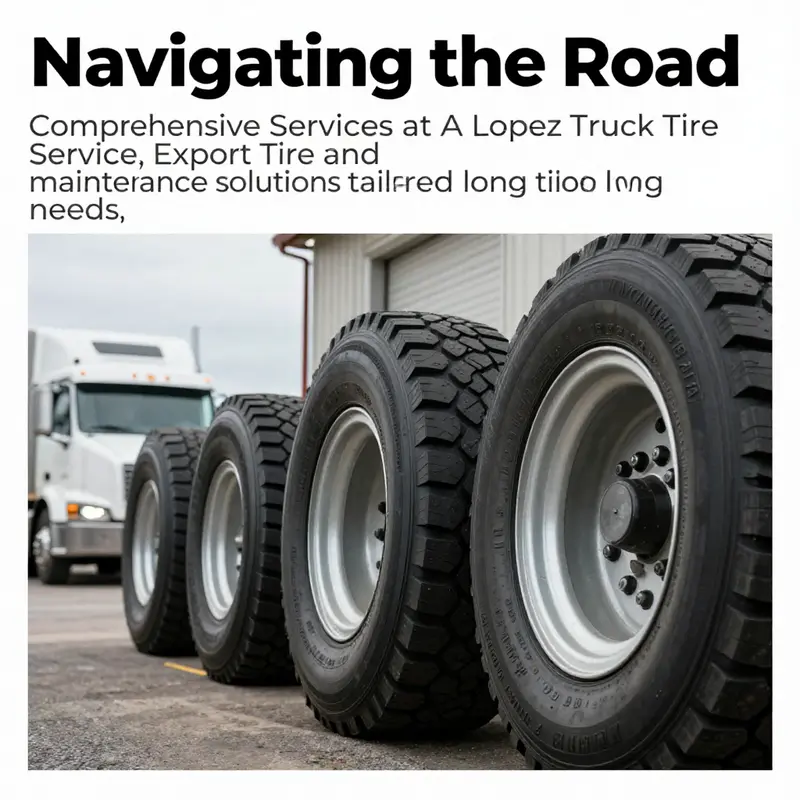
In the trucking industry, efficiency and safety are paramount, and at A Lopez Truck Tire Service, those principles drive every service offered. Located conveniently at 3401 S Cicero Ave, Cicero, IL, this establishment specializes in tire maintenance for trucks and commercial vehicles, ensuring your long-haul journeys are as smooth as possible. In the chapters that follow, we will delve into the specialized tire services available, explore the critical role of preventive maintenance, and also discuss the operational hours and location advantages that make A Lopez an ideal choice for trucking company owners, fleet managers, and aspiring drivers alike.
Steering Toward Safer Miles: Tire Care and Fleet Reliability at A Lopez Truck Tire Service
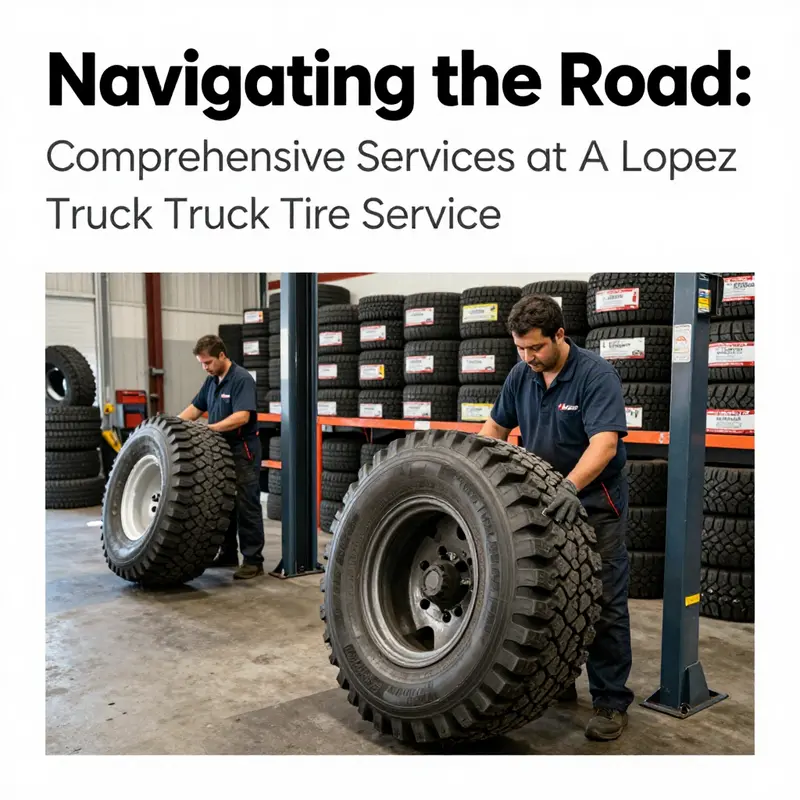
The first light of dawn finds the streets around Cicero Avenue alive with the steady rhythm of commerce, a corridor where freight moves from warehouses to highways with a cadence that depends as much on steady tires as it does on skilled drivers. In Cicero, Illinois, a particular shop at 3401 S Cicero Ave has earned a reputation not merely for mending tires but for sustaining journeys. A Lopez Truck Tire Service stands as a dedicated hub where the tire becomes the primary instrument of safety for a fleet, a critical component that translates hours on the road into miles that count toward reliability and continuity for every delivery, every route, and every logbook that keeps a fleet compliant and efficient. The shop’s reputation rests on something more durable than rubber: a commitment to preventive maintenance for semi-trucks that treats tires as a living part of the vehicle’s system, integrated with other essential maintenance tasks that fleets depend on to stay on schedule and within safety standards.
From the moment a driver pulls into the shop’s lot, the scene communicates a clear message: tire care for heavy-duty vehicles requires expertise and a structured approach. The location itself—an accessible anchor in a densely trafficked area—signals reliability, but it is the people and the process inside that truly define the experience. The technicians who staff the facility bring a focus on trucks and commercial vehicles, translating the general principles of tire care into actions that respect the demands of long-haul routes, urban distribution, and everything in between. In a business that operates Monday through Friday from early morning to late afternoon, the window to prevent a tire-related failure is not generous; it is part of a larger discipline that keeps fleets moving and drivers safe. The operating hours themselves matter—an extended day that fits the realities of fleets with tight schedules, where a few hours of downtime can ripple into delays across a fleet’s entire plan. The choice to service trucks with a tire-centric lens reflects a broader philosophy: the road is unforgiving, and the tire is the only contact point that connects road to vehicle to load.
The heart of A Lopez Truck Tire Service’s offering rests on a simple premise: tires are more than rubber. They are the primary interface between a heavy vehicle and the pavement, translating weight, speed, and weather into traction, steering response, and braking. When a fleet manager considers preventive maintenance, tire care sits at the center of a larger ecosystem of safety, efficiency, and regulatory compliance. The shop’s approach begins with a careful assessment of tire condition and tread depth, but it does not stop at a visual inspection. Experienced technicians look for subtle wear patterns that hint at misalignment, improper inflation, or suspension concerns. They understand that a tire’s life is shaped not only by its own construction but by how the vehicle it supports interacts with the road under varying loads and temperatures. Even wear, consistent performance, and predictable handling are the through-lines that connect routine maintenance to fewer roadside calls and lower total operating costs.
A Lopez Truck Tire Service presents itself as more than a transactional tire shop; it functions as a dedicated service center for semi trucks, recognizing that the fleet’s health depends on a balanced, integrated maintenance strategy. In the span of a single visit, a team can address tire procurement needs, inspect the mounting and seating of tires, and perform checks that extend beyond the tires themselves. The facility’s capability to buy and sell semi truck tires underlines a practical reality for fleet operators: the path from inventory to installation can be streamlined, reducing the time a vehicle spends in a shop while ensuring the tires chosen meet the vehicle’s specifications, weight ratings, and expected duty cycle. For fleet managers who must balance capital expenditure with reliability, that one-stop capability reduces administrative complexity and accelerates the chain from decision to deployment. In this sense, tire care becomes a strategic lever rather than a mere maintenance cost.
The work at this shop embodies a philosophy of careful preparation and methodical execution. Before a tire ever touches a wheel, technicians review the vehicle’s service history, weigh the intended duty cycle, and consider the regional climate. The Chicago area—with its mix of urban corridors, highway stretches, and winter hazards—places unique demands on fleet tires. In winter, traction and the ability to maintain grip on slick roads become paramount; in summer, heat and high-speed operation test a tire’s endurance and heat dissipation. The installer’s art is to align these conditions with a tire that can deliver consistent performance, even wear, and predictable behavior under load. The team’s attention to inflation is not a footnote; it is a core practice that influences rolling resistance, fuel efficiency, and tire wear. Proper inflation interacts with payload, axle configuration, and even the vehicle’s braking dynamics. When done correctly, it reduces heat buildup, preserves tread, and protects wheel assemblies from unnecessary stress. The technicians’ focus on seating and balancing ensures that vibration does not translate into fatigue for drivers or undue wear for the tire casing. Their work is not merely mechanical; it is about harmonizing several interacting variables so that every mile is safer than the last.
In practice, tire care at A Lopez Truck Tire Service translates into a rhythm that fleets come to rely on. The shop offers the opportunity to install new tires with precision, ensuring proper bead seating and even contact with the wheel. They also check for proper tire rotation patterns—an approach that promotes even wear across all tires on a multi-axle vehicle. The aim is not just to maximize the life of a single tire but to optimize the life of an entire set, which is the engine that powers long-term fleet reliability. The outcome is measurable in lower maintenance downtime, steadier performance, and improved road handling, especially when the truck is negotiating turns, merging onto crowded expressways, or braking through wet or icy patches.
Consider a fleet that travels through the dense corridors around the Midwest. Each truck carries a combination of tires that must function as a system, balancing load distribution with traction and heat management. When tires are properly installed and maintained, they contribute to uniform wear across the fleet. Uniform wear means a predictable replacement cycle, fewer unplanned substitutions on the road, and less risk of a sudden tire failure. For drivers who operate within tight schedules, that predictability translates into fewer delays, greater on-time performance, and improved morale. For fleet managers, it translates into budget predictability and stronger safety records, both of which matter when negotiating contracts and securing favorable terms with customers and insurers.
Everything about the shop’s approach points back to the broader purpose of preventive maintenance. The idea is to catch developing issues before they manifest as road-side emergencies. A Lopez Truck Tire Service does not simply patch a problem; it aims to understand its roots. A tire that shows abnormal wear could indicate an underlying axle misalignment, a suspension irregularity, or a misadjusted steering geometry. The technicians’ trained eyes and hands are attuned to these signals, allowing them to guide the vehicle back to a state of balanced performance. In turn, this careful diagnosis helps avoid cascading consequences that can arise from a single point of failure: a blown tire can cause a chain reaction of delays, damaged cargo, and safety risks for other road users. By weaving tire care into a comprehensive preventive maintenance program, the shop helps fleets maintain uptime and reduce the total cost of ownership.
That integrated mindset also informs how the shop interacts with fleet operators and drivers. In the hectic pace of freight delivery, communication matters as much as the work itself. Road-ready tires require not only sound technique but also clear guidance about when to replace tires, how to manage tread depth thresholds, and how to monitor the impact of weather and load on tire performance. The technicians at this service center explain the rationale behind each recommendation, translating technical detail into actionable steps that fleet managers can incorporate into their maintenance calendars. They recognize that every fleet has its own rhythms, its own peak periods of demand, and its own budget constraints. The best tire care becomes a collaborative process, where technicians listen to drivers’ feedback about ride feel, noise, and vibration and then pair that input with objective measurements gathered during inspection. When fleets experience this level of collaboration, the relationship between tire care and operational performance deepens, and the road ahead becomes more predictable.
The practical realities of tire procurement at a dedicated truck tire service center also deserve attention. For fleets operating multiple routes, the ability to purchase tires on-site eliminates a layer of administrative friction. The shop’s capacity to source tires that meet the vehicle’s load ratings and duty cycle reduces the risk of mismatches and poor performance caused by generic replacements. It also enables faster response times during busy seasons when demand for tires spikes. In this context, the tire shop becomes not only a service provider but a strategic partner that contributes to a fleet’s overall resilience. The procurement process is conducted with an eye toward long-term reliability, recognizing that the first installation is only the beginning of a tire’s journey. Subsequent inspections, careful tracking of wear patterns, and timely replacements keep the fleet steady on its course, minute by minute, mile by mile.
To widen the perspective beyond the shop’s walls, consider how a strong tire program interacts with other elements of fleet maintenance. A tire that performs well under load supports safe braking and stable steering, conditions that are also influenced by brake systems, axles, and suspension components. The tire’s condition can reflect broader health in the truck’s drivetrain and chassis. When technicians communicate findings and recommendations with fleet managers, the result is an ecosystem in which tires act as diagnostic indicators and performance enablers. The goal is not simply to replace worn tread but to enhance the vehicle’s reliability, reduce the likelihood of unexpected downtime, and keep drivers focused on the road rather than the next tire check.
In a world where freight moves through a dense network of routes and regulations, the role of a tire-focused service center takes on a larger significance. It becomes a stabilizing force in a system that must continually balance speed, safety, and cost. The tires stand at the center of this balance, and the shop that treats them with respect—through careful installation, thoughtful inspection, and proactive maintenance—helps keep trucks moving efficiently and safely. The customer, whether a single-owner operator or a large fleet manager, benefits from a service model that recognizes tires as a dynamic part of the vehicle’s performance profile, not as a disposable component to be replaced only when failure becomes obvious. In this light, tire care is not a one-time event but a sustained practice that shapes a fleet’s reputation, reliability, and readiness for the road ahead.
As readers reflect on the broader landscape of trucking services, a relevant perspective can be found in industry discussions about quality and reliability on the road. For a broader view of how dependable service platforms shape trucking outcomes, consider exploring one of the industry voices that frame service excellence in a broader trucking context: exploring-5-star-truck-inc-quality-service-and-reliability-on-the-road. This cross-pertilization of ideas helps connect the tire-focused discipline at A Lopez Truck Tire Service to the larger ecosystem of fleet maintenance, procurement, and operations that ultimately determine how smoothly goods move through the country.
The narrative of tire care at this Cicero shop is not about a single service event but about forming a durable habit. It is about the quiet confidence a driver feels when the tires are balanced, the load is secure, and the vehicle responds with predictable precision to steering input and road conditions. It is about the fleet manager knowing that the tires, chosen for their duty cycle and material composition, will perform reliably across the season’s varying demands. It is about a maintenance calendar that slots tire inspections and replacements into a disciplined routine that minimizes downtime and maximizes uptime. And it is about a local business that has learned to see tires not as a single-line item in a budget but as a continuous thread in the fabric of safe and efficient trucking. In such a framework, A Lopez Truck Tire Service becomes more than a contact in a Google listing; it becomes a partner in the ongoing endeavor to keep heavy vehicles on course and on time, with safety and compliance as constant companions on the road ahead.
External resource: https://www.google.com/maps/place/A+Lopez+Truck+Tire+Service/@41.8629368,-87.9189557,15z/data=!4m2!3m1!1s0x880c0e6f3a8d3b3f:0x7f31f561a9a81c59?hl=en&entry=ttu
Steering Toward Reliability: Preventive Maintenance at A Lopez Truck Tire Service
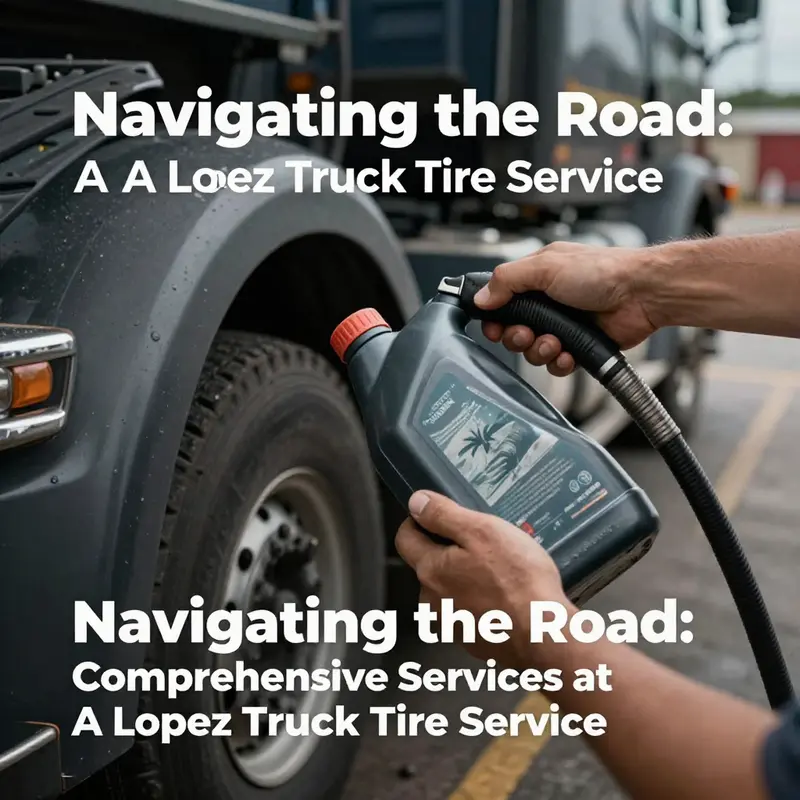
In the distance, the highway seems endless, a ribbon of steel and sky. Up close, the health of every mile traveled depends on a different kind of attention: preventive maintenance. For heavy-duty fleets, this discipline is less a choice and more a prerequisite for safety, uptime, and profitability. At A Lopez Truck Tire Service, preventive maintenance isn’t a ritual performed once in a while; it sits at the core of daily operations. The shop, located along 3401 S Cicero Ave in Cicero, IL, has built a practice around anticipating problems before they derail a schedule, a cost, or a driver’s day. Its focus on semi-trucks and commercial vehicles positions maintenance as a partnership with fleet operators, not merely a series of isolated repairs. The philosophy is simple but powerful: catch the small, early signs of wear or misalignment, implement precise corrective steps, and keep the fleet rolling with minimum disruption. This approach does more than preserve assets; it protects lives, sustains productivity, and reinforces a culture of responsibility for every mile driven.
From the first interaction, the Lopez team treats preventive maintenance as more than a checklist. It is a living process that blends traditional wear-and-tear awareness with modern diagnostics, neighborly accountability, and a clear understanding of a fleet’s unique rhythm. The shop’s schedule—Monday through Friday, 7:00 am to 5:00 pm—reflects a recognition that fleets operate on tight windows. When a dispatcher calls with a critical need, the response is not to push back but to coordinate. The aim is to minimize downtime, which for a long-haul operation translates into fewer missed deliveries, less idling, and a smoother cash flow for a business that runs on time. In this context, preventive maintenance becomes a form of operational insurance, protecting the integrity of drivers, equipment, and schedules alike.
A Lopez Truck Tire Service offers a comprehensive suite of preventive services designed to sustain performance across the life of a truck. The repertoire includes regular oil changes, tire rotations, and precise truck alignments, all calibrated to the vehicle’s operating profile. These core services may read like a straightforward trio, yet their cumulative effect is anything but simple. Oil changes remove contaminants and maintain lubrication between engine components; tire rotations promote even wear across the tread and extend tire life, which matters as tires represent a substantial portion of a fleet’s ongoing costs. Precise truck alignments go beyond steering ease; they influence tire wear patterns, steering stability, and fuel efficiency. Each service functions as a diagnostic tool in its own right, a way to verify that the vehicle’s subsystems are aligned with the demands of the road, the load, and the route.
Proactive issue identification sits at the center of Lopez’s preventive maintenance philosophy. The shop’s technicians are trained to look beyond the mere surface of a tire or a wheel. Worn tread, uneven wear, or slight deviations in alignment can signal deeper problems—imbalances in suspension components, issues with wheel hubs, or aging oil that no longer protects engine internals as it should. By identifying these cues early, Lopez’s team can stage a targeted intervention before a minor fault evolves into an unscheduled downtime event. This forethought is not about creating alarm but about maintaining predictability. Fleet operators who partner with the shop learn to view maintenance as a guardrail that keeps their operations from slipping off course during peak seasons, heavy freight periods, or adverse weather windows.
The safety implications of preventive maintenance are particularly salient in long-haul operations where a single tire issue, a misalignment, or an oil anomaly can cascade into a roadside emergency. Regular checks provide a consistent, structured opportunity to verify braking performance, tire integrity, and drivetrain stability. A tire with compromised tread or a sidewall defect can unpredictably fail under load, posing risks not only to the truck and its driver but to surrounding traffic. When Lopez technicians perform tire rotations and alignments, they’re not merely maintaining the vehicle’s geometry; they’re stewarding the vehicle’s capacity to navigate highways with stability and confidence. In this sense, preventive maintenance is a direct investment in safety—one that pays dividends in reduced accident exposure, steadier handling, and a more composed driver experience.
The service lineup at A Lopez Truck Tire Service extends beyond the visible tread and the steering wheel. Tire sales and purchases are part of the preventive framework, ensuring that fleets can replace worn components with tires matched to the vehicle’s weight, axle configuration, and typical routes. The emphasis remains relentlessly practical: choose tires that can withstand the road’s demands, rotate them to equalize wear, and monitor pressure and temperature to maintain optimal footprint. This is not about chasing the latest bling in tire technology; it’s about aligning equipment choices with actual operating conditions and the fleet’s service goals. The shop’s preventive program also integrates routine oil changes as a matter of course, because clean lubrication is a quiet but essential safeguard against heat buildup, friction, and premature component fatigue. When combined with responsible alignment practices, oil health and tire integrity together form a holistic shield that helps fleets stay in motion rather than stuck on the shoulder.
What makes Lopez’s preventive approach distinctive is the way it treats maintenance as a living relationship rather than a one-off service. The team prioritizes proactive conversations with fleet managers. They review duty cycles, load profiles, and typical routes to tailor maintenance intervals that reflect reality rather than generic schedules. A truck that runs shorter legs with light loads in an urban corridor may need a different oil-change cadence and tire-rotation pattern than one that traverses open interstates with heavy freight. By listening closely to operators, Lopez aligns maintenance milestones with the fleet’s operational tempo. This collaboration creates a feedback loop: data and experience inform adjustments, and adjustments yield more reliable performance over time. The effect is a win for everyone involved—drivers experience fewer interruptions, dispatch can promise more predictable service windows, and the fleet owner gains a clearer sense of total cost of ownership.
The practical execution of preventive maintenance at Lopez is anchored in disciplined workflow and precise diagnostic technique. When a truck arrives, the technician conducts a holistic inspection that includes tire condition, tread depth, inflation pressures, and the presence of any sidewall damage or puncture risks. A careful assessment of wheel alignment involves measuring toe, camber, and caster to ensure that the front axle sits at the correct angles for the vehicle’s geometry and load. This diagnostic step is critical because even subtle misalignment can cause accelerated tire wear, reduced fuel economy, and erratic handling under highway speeds. If anomalies are detected, the technician explains the likely causes, the expected impact on performance, and the proposed corrective action. Fleet operators appreciate this transparent, education-forward approach because it helps them understand the tradeoffs involved and the rationale behind each maintenance decision.
The bookends of Lopez’s preventive service—scheduled maintenance and timely interventions—play a major role in reducing unscheduled downtime. This is especially valuable for fleets that depend on predictable delivery windows and tight turnaround times. A routine oil change performed on time reduces the risk of engine wear, while tire rotations help ensure even wear across axles, lowering the probability of premature tire failure. Precise alignments reduce steering drag and minimize tire scrubbing, which can otherwise sap fuel efficiency and shorten tire life. The cumulative benefit—more miles between major repairs, steadier fuel performance, and a more reliable driver schedule—translates into tangible bottom-line advantages. In a market where every hour counts, preventive maintenance acts as a cost-control mechanism that keeps revenue-generating activity on track while also enhancing safety margins for everyone on the road.
To appreciate the broader significance of preventive maintenance in trucking, it helps to consider industry-wide patterns. Preventive practices do more than avert breakdowns; they shape a culture of safety and efficiency that permeates every level of a fleet’s operations. When maintenance becomes a habitual discipline, managers think in terms of risk reduction, reliability metrics, and uptime guarantees. Training and standard operating procedures reinforce this mindset, ensuring that technicians, dispatchers, and drivers speak a common language about what is essential and why. The ultimate payoff is not just a truck running smoothly today but a fleet that can adapt to tomorrow’s challenges with less friction. As a public resource for understanding the value of preventive maintenance in trucking, authorities emphasize the same ideas—regular inspections, timely service, and data-informed decisions—that Lopez incorporates into its daily practice. See the broader conversation about safety and maintenance at the industry reference https://www.truckingsafety.org/.
For teams seeking to strengthen the human element of maintenance, the knowledge base extends beyond the shop floor. The discipline of preventive maintenance benefits from structured training, hands-on practice, and collaborative learning across roles. The Lopez team integrates formal competencies with practical wisdom gained from field experience. They also recognize that technicians must stay current with evolving safety standards and mechanical practices. To illustrate how ongoing, task-focused training translates into better outcomes, consider the value of programs that emphasize fault recognition, diagnostic reasoning, and repair sequencing. A resource that mirrors this spirit—specifically in the maintenance context for complex vehicles—can be found in the Fire Truck Maintenance Service Training program, which offers insights into disciplined maintenance workflows and performance-focused service delivery. This reference underscores a shared truth across heavy-duty vehicle maintenance: a well-trained technician is the most reliable instrument for safeguarding uptime, safety, and cost effectiveness. Fire Truck Maintenance Service Training.
In the everyday rhythm of operational life, Lopez’s preventive maintenance framework also recognizes the practical realities of a busy fleet schedule. The shop’s location in Cicero places it within a network of distribution channels that handle everything from regional hauls to cross-country journeys. The value proposition rests on more than technical skill; it rests on reliable scheduling, transparent communication, and a respect for the operator’s time. A typical engagement begins with a transparent intake process: the dispatcher and the technician agree on the scope of work, the expected turnaround, and the critical maintenance items that demand immediate attention. If a tire condition or oil condition triggers a recommended intervention, Lopez presents a clear plan—why the service is necessary, how it will improve performance, and what the next recommended interval will be. This clarity helps fleet managers align maintenance with procurement, budgeting, and driver scheduling. It also reinforces trust between the service provider and the operator, a trust that translates into fewer disputes, more collaborative problem solving, and a shared commitment to safety on the road.
The long view matters in preventive maintenance as well. Lopez understands that a truck’s health is a projection of its future reliability. By treating current wear as a predictor of upcoming needs, the shop positions itself as a partner in planning rather than a vendor of quick fixes. This forward-looking stance informs inventory decisions, ensuring that the right tires, the right seals, and the right lubricants are readily available when a vehicle returns to service. It also supports fleet managers who must balance maintenance spending with capital planning. A well-executed preventive program reduces the probability of emergency repairs, which can disrupt routes, erode margins, and strain driver morale. When drivers see a well-maintained vehicle performing consistently, they gain confidence, which in turn translates into safer driving behavior, fewer avoidable mistakes, and a more positive day-to-day experience on the road.
As with any specialized service, success hinges on clear metrics and disciplined execution. Lopez tracks indicators such as tread depth, tire pressure consistency, alignment accuracy, and oil condition across the fleet they serve. These data points are not abstract numbers; they reflect the real-time health of equipment and the reliability of operations. The shop uses these metrics to adjust maintenance intervals, refine service recommendations, and tailor programs to the specific needs of each fleet. Over time, the cumulative effect of attentive maintenance becomes a measurable advantage: lower maintenance costs per mile, reduced downtime, and improved on-time performance. For operators, this translates into a predictable service chain where vehicles are in the right place, at the right time, with the right level of readiness to meet the demands of the route.
In this sense, preventive maintenance at A Lopez Truck Tire Service is not a static program but a dynamic partnership. It requires ongoing communication, a willingness to adapt, and a shared commitment to safety and efficiency. The shop’s approach demonstrates how a focused set of services—oil changes, tire rotations, and alignments—can be leveraged to deliver broad operational benefits. It also shows how training, process discipline, and customer collaboration elevate maintenance from a cost center to a strategic driver of uptime and reliability. For operators who want to translate these lessons to their own fleets, the path is clear: embed preventive maintenance into the daily routines of drivers, technicians, and managers; invest in accurate diagnostics and high-quality service; and treat uptime as a collective objective that benefits every mile traveled.
As the landscape of trucking continues to evolve—with changing routes, new materials, and increasingly complex vehicle configurations—the core principle remains unchanged. Preventive maintenance is a discipline of foresight. At A Lopez Truck Tire Service, it is practiced with professionalism, empathy for the driver’s realities, and a relentless focus on roadworthiness. The road will always test a fleet, but with preventive maintenance as its compass, a fleet can meet that test with confidence, safety, and the steady momentum that keeps goods moving and communities interconnected. For those who want to explore the broader safety dimensions of maintenance in trucking beyond a single shop, the industry resource cited earlier offers a comprehensive overview of how preventive practices support safer, more efficient operations across the sector.
External reference for further reading: https://www.truckingsafety.org/
On the Clock and on the Road: How Hours and Location Shape A Lopez Truck Tire Service’s Reach
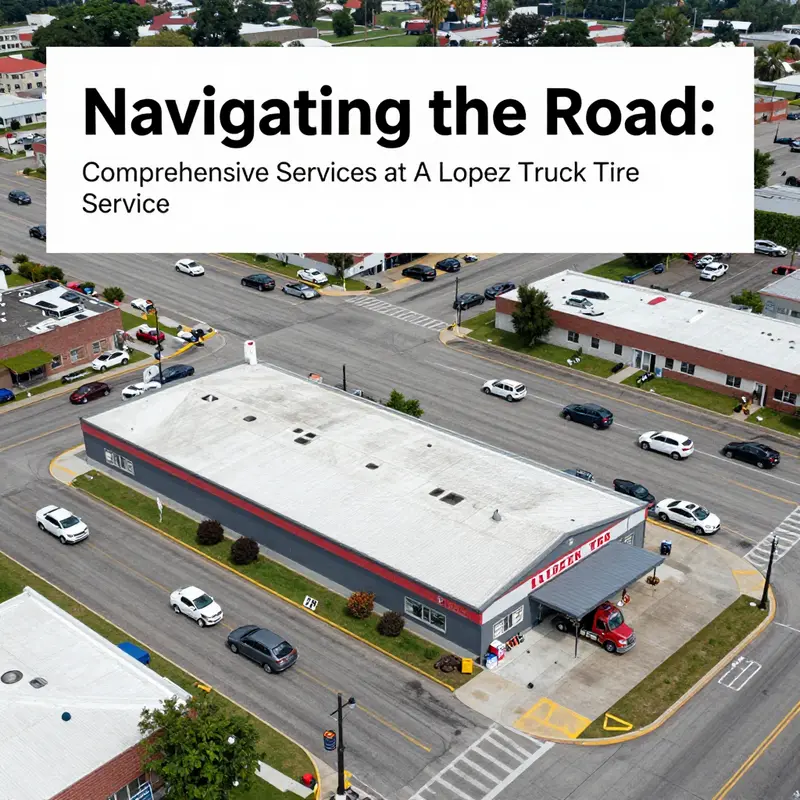
The cadence of a tire service that caters to trucks and commercial fleets is more than a simple schedule. It is a strategic heartbeat that drives reliability for drivers, fleet managers, and dispatchers who depend on every mile covered without unnecessary downtime. A Lopez Truck Tire Service sits at a pivotal intersection of timing and geography, where the daily open doors at 7:00 in the morning and the steady rhythm of a five-day workweek meet the realities of heavy-duty logistics. The address in Cicero situates the shop within a web of corridors, industrial activity, and routes that move goods across regions. This confluence of hours and location does more than attract customers; it creates a service flow that reduces downtime, smooths dispatch planning, and anchors a reputation for dependable uptime in a fiercely competitive sector. To trace how this dynamic unfolds, one can imagine the day starting before dawn for a fleet that has already mapped its routes, fuel stops, and maintenance windows. The shop’s early opening is not a mere convenience. It is a nod to the way logistics operates in real life, where the first hours of the day often determine whether a truck will be rolling on time or idling at a loading dock, waiting for a window to slide open. In practical terms, 7:00 a.m. means technicians can begin with tire inspections and pressure checks before the majority of deliveries begin to move. It means the shop can greet a steady stream of pre-shift service requests, aligning tire condition with route plans that must stay on schedule. The early morning access also creates an opportunity for preventive maintenance to be embedded into the day’s first leg, allowing fleets to depart with confidence that the most vulnerable part of their drivetrain—the tires and wheel assemblies—has been evaluated, rotated if necessary, and prepared for the day ahead. In a business where every hour saved translates into more efficient deliveries, the value of that opening hour compounds across an entire fleet. The late-afternoon window, closing at 5:00 p.m., completes a second, essential arc. It is the window for last-minute checks, quick fixes, and the kind of micro-adjustments that prevent a minor issue from becoming a major delay the next morning. A tire not inflated to the correct pressure at the end of the day can lead to subtle heat buildup on a long run, diminishing tread life and increasing the risk of a blowout on a busy corridor. The ability to address these concerns before the end of the shift means drivers can park with a plan rather than a problem. The service center’s hours, therefore, are not merely a timetable; they are a promise to a logistics ecosystem that relies on predictable, rapid service. The five-day week matters because it reflects the operational rhythms of the regional economy. Saturday and Sunday may see lighter traffic, but the heavy lifting for fleets, shippers, and logistics hubs often occurs in the workweek when orders, dispatches, and replenishments peak. By maintaining a consistent five-day schedule, the shop ensures a predictable pattern for customers who manage multiple vehicles and drivers. Consistency becomes a form of reliability, a signal that the shop is prepared for routine maintenance and for the occasional urgent repair that can ripple into a fleet’s schedule if neglected. This consistency matters in a region like Cicero, which sits near dense freight activity and industrial zones. The proximity to major freight corridors means that the shop is not simply a destination on a map but a waypoint in the flow of goods. When a dispatcher plans a route, the possibility of diverting a truck to a nearby tire service for a quick tire rotation, a pressure check, or a patch can save hours on a long-haul day. The physical location thus becomes a logistic asset, shortening travel time for vehicles that might otherwise need to detour to farther facilities or wait in line at larger, less specialized shops. The net effect of location is twofold: it lowers the likelihood of roadside downtime and it increases the probability of repeat business from fleets that appreciate the convenience of a nearby, capable partner for tire-related needs. In the case of A Lopez Truck Tire Service, the strategic placement in Cicero, Illinois, is more than a convenience; it is a localized hub that feeds into a network of regional operations. The shop’s geographic advantage is reinforced by its operational footprint. The site is designed to handle a steady stream of commercial vehicles with the efficiency that larger centers sometimes struggle to deliver. The goal is not to be the biggest tire center in the region but to be the most dependable one for fleets that depend on precision, speed, and a precise understanding of how tires perform under load, heat, and constant vibration. The combination of hours and location helps create a predictable service proposition. Fleet managers value predictability. They want to know that when a truck pulls into a shop, the team there will quickly identify issues, propose a plan, and execute with minimal disruption to the day’s schedule. The hours give technicians a window that aligns with the natural working rhythms of drivers and dispatchers. The location gives the truck an accessible midpoint somewhere along the often-tangled routes that cross the region. This alignment supports not only the mechanical work but also the broader culture of maintenance that a modern fleet must uphold to stay compliant and competitive. Tire maintenance is a cornerstone of fleet uptime, yet it is only one piece of a broader preventive maintenance philosophy. In practice, that philosophy means tire inspection, proper inflation, and timely tire purchases, but it also encompasses related services that help keep trucks on the road. Oil changes, for example, while not as visually dramatic as a tire rotation or a patch, play a crucial role in engine health and long-term reliability. When a service center can weave together tire work with routine fluid checks and quick alignments within the same visit, it offers a one-stop solution that saves time and reduces the number of stops a fleet has to make. This integrated approach becomes especially valuable for operators managing multi-vehicle fleets, where the cumulative time saved across a day, a week, or a month translates directly into improved on-time delivery metrics and reduced operational risk. The way a shop organizes its workflow around the day’s hours also signals a commitment to efficiency. A Lopez Truck Tire Service is likely to structure its schedule so that tire service tasks that require specialized equipment—such as wheel balancing, alignment verification, or patch and repair—are clustered into blocks that minimize repeat traffic in and out of the bays. This reduces the time drivers spend waiting and gives technicians a cohesive set of tasks that can be completed with practiced precision. In addition, the shop’s location near dense industrial zones supports a steady stream of customers who come to the center for recurring maintenance rather than one-off emergencies. The cycles of demand shape staffing, inventory, and the kinds of solutions that the shop emphasizes. For example, a core part of preventive maintenance for semis and other commercial vehicles involves ensuring that the tires are appropriate for the load, terrain, and climate. The hours allow for proactive evaluations—checking tread depth, assessing wear patterns, and planning tire purchases ahead of schedule. This proactive stance is essential because it helps fleets avoid the sudden, disruptive costs of tire failure on the highway. When drivers know they can rely on a shop that opens early and stays open through most of the day, they also know there is a resource they can count on in moments of uncertainty: a tire decision that aligns with the day’s route and the week’s delivery windows. The operational narrative also gains texture from the staff who navigate the day. Technicians who start early learn to read tire wear patterns quickly, identify issues that may not be obvious from a casual inspection, and communicate with fleet managers in concise, actionable terms. The ability to explain the risk of underinflation, the implications of uneven wear, or the benefits of a quick tire rotation in plain language helps build trust. The human dimension matters because uptime is as much about clear communication as it is about parts and tools. It is worth noting that the operational philosophy at A Lopez Truck Tire Service—its cadence, its location, and its day-to-day rhythm—amps up the value of preventive maintenance as a shared discipline between shop and fleet. When a fleet foregoes routine checks, the risk compounds over time, and the consequences can include increased fuel consumption, uneven wear, and shorter tire life. But when the shop couples its hours with accessible proximity, fleets gain a reliable partner that makes maintenance less punitive and more predictable. The geographic advantage is especially evident when one considers the typical travel patterns of drivers who begin their routes in the early morning, cross suburban and urban corridors, and then push toward industrial hubs or distribution centers that demand constant tire performance. A Lopez Truck Tire Service stands as a local node in a broader network of service opportunities that spans the region’s trucking ecosystem. The shop’s hours act as a guarantee that, within a defined window, drivers can receive the essential care their tires require. The location acts as a convenience that reduces travel time to and from the shop, ultimately translating to less idling, quicker turnarounds, and more on-time departures. It is a compact but powerful combination: hours that match the workday, and a site that sits where the demand is most intense. In a market that prizes uptime and reliability, such alignment becomes a differentiator, a quiet but persistent advantage that fleets remember when they are evaluating which service partners to entrust with their tire and maintenance needs. The practical implications extend beyond the immediate day. Over time, consistent hours and steadfast location translate into stronger relationships with local trucking companies and regional logistics operators. Each service visit becomes a touchpoint, a chance to verify tire condition, to discuss load requirements, and to tailor maintenance plans that reduce risk and extend tire life. The result is a reputation built not on flashy campaigns but on dependable, repeatable performance—a reputation that, in the busy lanes of Cicero and beyond, can be the difference between a delayed shipment and a smooth, on-time delivery. Within this steady narrative lies a core lesson about how small, deliberate choices in hours and geography shape service outcomes. The 7:00 a.m. opening provides a practical head start to the day’s schedule; a 5:00 p.m. close protects the day’s last call for service and the next day’s prep. The Cicero location anchors the shop within the pulse of regional trucking activity, reducing the travel penalties that can erode uptime. Together, these elements help ensure that preventive tire maintenance, tire sales, and related services stay tightly integrated with the operational realities of the fleets that rely on them most. For managers who plan complex routes and multi-day deliveries, the value of a predictable, nearby service partner cannot be overstated. It reduces the cognitive load of maintenance planning, allowing more focus on route optimization, fuel management, and driver scheduling. It also reduces the risk of emergency repairs that can cascade into late deliveries, missed slots, and penalties. The synergy among hours, location, and service mix creates a resilient service proposition. A Lopez Truck Tire Service is positioned not merely to repair tires but to participate in the broader discipline of fleet uptime. The daily rhythm supports early diagnostics, quick interventions, and end-of-day recaps that feed into ongoing maintenance strategies. It fosters a culture in which tire health is treated as a measurable, trackable asset rather than a reactive expense. The depth of this approach is enhanced by the shop’s ongoing engagement with the regional logistics community. The location cultivates relationships built over time, with local fleets that appreciate the convenience of dependable access, and with drivers who value a consistent standard of care that reduces the risk of roadside breakdowns. In a landscape where delays ripple through schedules and budgets, a tire service that aligns with the day’s pace and sits at a strategic crossroads becomes a quiet driver of efficiency. The implications stretch beyond the immediate mechanics of tire work. They touch the psychology of reliability—the sense that a partner can be counted on to be ready when the driver arrives, to communicate clearly about needed interventions, and to complete tasks with speed and accuracy. The result is not simply better tires or longer wear life, but a more predictable and less stressful experience for everyone involved in moving goods. In the end, the story of A Lopez Truck Tire Service’s hours and location is a case study in logistics intelligence. The five days a week, the early morning opening, and the late afternoon close, combined with a Cicero footprint, create a service continuum that respects the flow of freight, supports disciplined maintenance, and earns trust with fleets that need to stay on the move. The broader takeaway for readers who design and operate truck maintenance facilities is clear: uptime is earned through the deliberate orchestration of time, place, and service capability. When a shop like this aligns its operational hours with the workable realities of the road, and positions itself where the fleet traffic is most dense, the outcome is a resilient, repeatable model for keeping wheels turning and cargo arriving on schedule. This is how preventive tire service becomes a pivotal driver of efficiency in modern trucking, a quiet but steadfast enabler of the economy’s obligatory tempo. The address, the hours, and the daily routine all converge to support a simple, powerful truth: reliability in trucking is less about spectacular interventions and more about predictable, professional care delivered where it matters most. Internal colleagues and industry peers who study uptime patterns recognize that the most resilient service networks are often defined as much by their timing and geographic leverage as by the quality of their technical work. In Cicero, a place where traffic and commerce converge, a shop that opens its doors early, remains open through the day, and sits close to the routes that fleets depend on becomes more than a service provider. It becomes a partner, a steady companion in the demanding, time-sensitive world of freight and logistics. That partnership, nurtured by thoughtful scheduling and a strategic location, rests on the simple premise that every tire that rolls off the rack, every wheel that is aligned, and every oil check performed on a truck is part of a larger commitment to keep goods moving and businesses thriving. It is a reminder that, in logistics, the smallest efficiencies—shorter wait times, faster turnarounds, closer proximity—add up to significant competitive advantages over time. The road to uptime is paved with such deliberate choices, and in this case, the choices are embodied in the hours and location of a tire service that understands the stakes of every mile. For readers who want to explore the practical side of this model further, a related resource on industry-maintenance training offers a complementary perspective on how consistent upkeep practices support uptime and reliability across heavy-duty fleets. fire-truck-maintenance-service-training. External reference: https://www.google.com/maps/place/A+Lopez+Truck+Tire+Service/@41.832594,-87.882339,17z/data=!3m1!4b1!4m6!3m5!1s0x880e6d2c8a9b7f31:0x412c4796343f1a2f!2s4950+W+Pershing+Rd,+Cicero,+IL+60804!3m2!1d41.832594!2d-87.882339
Final thoughts
With the demanding nature of long-haul trucking, having a reliable tire service like A Lopez Truck Tire Service by your side is crucial. Their expert tire services, commitment to preventive maintenance, and convenient location ensure that truck drivers and fleet managers can count on streamlined and effective solutions. Prioritizing your truck’s condition is not just smart—it’s essential for long-term success on the road. Choose A Lopez and drive with confidence.