
Starting a truck dispatching service is an industrious endeavor where drivers and fleet managers can turn their logistical expertise into a thriving business. Whether you’re new to the field or seeking to enhance your operations, mastering dispatching is key. This article breaks down essential components, from understanding core dispatching roles to building relationships with fleets and shippers. We’ll explore how technology can streamline your operations and how market research helps define your niche, guiding you through each step to ensure a robust foundation for your dispatch service.
From Complexity to Clarity: Mastering the Core of Truck Dispatching for a New Service
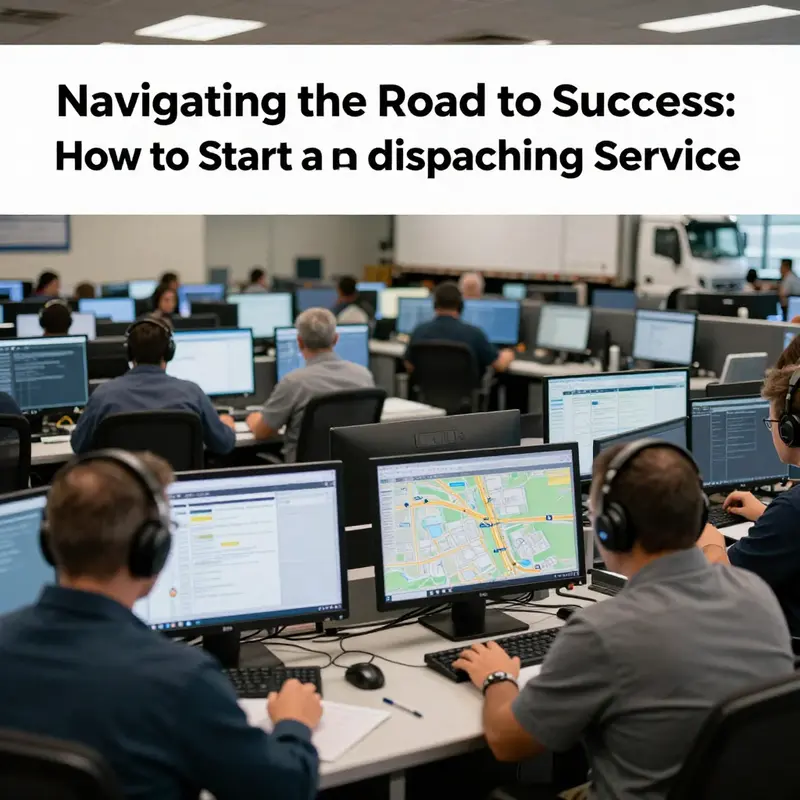
From complexity to clarity: Mastering the core of truck dispatching for a new service begins with a simple premise: freight moves because people decide to move it, and the sooner decisions become predictable, the sooner customers will trust you with their loads. In starting a truck dispatching service, you are not selling software or hardware; you are selling reliability, communication, and the capacity to translate vague requests into concrete actions. The core practice is a continuous loop of planning, monitoring, and adjusting, all anchored by a clear sense of who does what, when, and why. The dispatcher is the hub at the center of a sprawling network—drivers, shippers, receivers, brokers, and the operations team—and the strength of that hub determines the rhythm of every shipment. If you can embed discipline into that hub, you create a platform where good outcomes become the norm rather than the exception.
Three intertwined elements define the core: design, execution, and exception handling. Design means mapping routes and schedules that maximize asset utilization without pushing drivers beyond safe limits. It includes preemptive thinking about potential bottlenecks, such as peak traffic corridors, weather patterns, and loading times, so you can pre-sequence options rather than reacting when a problem arises. Execution is the moment-to-moment activity of turning that plan into action: assigning loads, communicating with drivers, updating customers, and rerouting when conditions change. Exception handling is the art of keeping the system functional under stress: providing alternate loads, arranging backup carriers, and preserving service levels when the unexpected happens. Together, these elements create a fabric of reliability that customers can feel through every status update and every on-time delivery.
Technology amplifies the core, but it does not replace judgment. Real-time visibility, automatic alerts, and data dashboards illuminate the path from plan to performance. Contractors and fleet operators value clear, timely information—knowing where a truck is, what is delaying it, and what the next move should be. You begin with a basic platform that handles core tasks: load intake, driver assignment, route optimization, and proof of delivery capture. As your needs grow, you layer on features that reduce manual touchpoints, such as auto-matching of loads to drivers and alerts when a delivery window tightens. The trick is to use technology to free mental bandwidth for decision-making, not to substitute for it. A dispatcher who interprets data into action—holding a handrail for the road while the vehicle moves—moves from good to excellent.
Compliance threads through every dispatch choice. Hours-of-service rules, mandatory rest periods, and carrier responsibilities shape when and how loads move. The core practice is to build systems that preempt violations rather than react to penalties after the fact. That means scheduling with fatigue in mind, setting reasonable delivery windows, and ensuring that drivers have access to rest opportunities without compromising service. It also means documenting actions—timestamps, route choices, and driver communications—so clients and regulators can trace how decisions were made. In practice, this yields safer operations, fewer disruptions, and a stronger reputation. A service that consistently respects safety and legal boundaries gains not just customers, but long-term trust from carriers who seek dependable partners.
Relationships are the leverage that keeps the network humming. You are not merely a software user; you are a broker of reliability. Your ability to enroll dependable owner-operators and small fleets gives you options when demand shifts. Equally important are shippers and receivers who rely on regular scheduling and transparent status updates. The more you communicate, the more your clients experience certainty about when their freight will move and where it stands. This is the social capital of a dispatch operation: the trust that results when promises are kept, questions are answered promptly, and issues are acknowledged with clear next steps. Networking becomes practical: timely rate quotes, upfront capacity commitments, and consistent, accurate updates that reduce anxiety for all parties involved.
SOPs convert tacit knowledge into repeatable results. They spell out how a request lands in the queue, how loads are brokered to drivers, how routes are generated, and what steps follow if a truck breaks down or a load is delayed. The real purpose of an SOP is not rigidity but reliability under pressure. When a disruption occurs, a well-documented process provides a consistent response that keeps shipments moving. An SOP ecosystem also invites feedback: every deviation, every successful workaround, becomes data to refine the next cycle. In a scaling scenario, this is the anchor that prevents growing pains from turning into chaos. You can add layers of automation in time, but the core decision points remain grounded in established procedures.
Where the core truly reveals itself is in the balance between efficiency and resilience. Asset utilization matters because every idle hour costs money and reduces profitability. Yet speed must never outrun safety or compliance. The most effective dispatchers learn to read signals that indicate a latent capacity—an extra trailer that could pick up a late load, a short-haul lane that can be consolidated with another shipment, a carrier who can handle a last-minute reroute. This is where niche focus pays off. By serving a defined segment with specialized knowledge, you can deliver consistent results, win repeat business, and create a scalable blueprint that rivals mid-market dispatch outfits without requiring outsized capital.
Data is the navigator, not the destination. Each dispatch is a small experiment in optimization: which route reduces idling today, which driver shift aligns with a customer’s delivery window, what weather pattern signals a growing backlog tomorrow. The most effective teams embed feedback loops into their culture: post-delivery debriefs with drivers to capture on-the-road realities, and quick check-ins with shippers to confirm expectations and adjust service levels. The insights from these conversations feed back into plans, routes, and schedules, turning reactive firefighting into proactive planning. Over time, this practice builds a repository of playbooks that shrink decision time and raise consistency across multiple customers and markets.
Hidden in plain sight is the human dimension—the drivers who carry the loads, the clients who rely on timely execution, and the staff who keep the gears turning when issues appear. A dispatcher who communicates with clarity, honesty, and respect earns loyalty that money cannot buy. That means setting realistic expectations, explaining delays with candor, and showing appreciation when teams hit targets. It also means offering constructive feedback, coaching where needed, and recognizing excellence in performance. When people feel understood and supported, the entire operation becomes more adaptable. The reliability you cultivate extends beyond a single shipment; it builds a reputation that draws better opportunities and more capable partners.
For an entrepreneur entering this space, the ascent is a disciplined, iterative climb. It starts with understanding the hub-and-spoke design of the dispatcher role, then building a workflow that turns uncertainty into predictable steps, and finally expanding by refining SOPs, strengthening carrier networks, and selecting technology that scales with demand. Early wins come from a handful of steady lanes and a trusted shipper base, not from chasing every possible client. Those wins compound as you prove your reliability, creating a magnet effect where word-of-mouth accelerates growth. In that sense, the core remains constant even as your business expands: reduce idle time, improve on-time delivery, and maintain safety and compliance. When you embody that discipline, you’re not just dispatching loads; you’re orchestrating dependable movement that underpins a healthy, growing enterprise.
To deepen your understanding of the dispatcher’s craft, you can explore practical resources that illuminate what the role entails and what skills matter most. While this chapter focuses on the core, many practitioners emphasize route optimization, real-time management, and transparent reporting. In addition, the evolving landscape of the industry rewards those who can translate data into actionable decisions and clear client communication. For a broader view of the profession, you might visit the 5startruckin blog to read about the practical realities of trucking today. the 5startruckin blog.
Finally, for readers seeking a concise compilation of dispatcher responsibilities and the skills it takes to succeed, consult external resources that demystify the job. A widely cited overview describes how dispatcher decisions influence delivery times, fuel efficiency, and driver welfare. The core claim is simple: guiding movements with foresight and accountability beats ad hoc task assignment every time. The best practice is to couple fast, reliable decisions with consistent documentation so clients see a professional, dependable operation when they choose your service. For broader context, you can review the external article on dispatcher roles and responsibilities. https://www.zippia.com/truck-dispatcher-jobs/
null

null
Laying the Legal Groundwork: Building a Legitimate, Scalable Truck Dispatching Service
When you start a truck dispatching service, the toughest work happens before the first load is matched. Legal and business setup is not a flashy sprint; it is the steady, invisible backbone that determines whether you can operate without interruptions, earn client trust, and scale with confidence. A dispatch operation sits at the intersection of compliance, professional conduct, and practical logistics. Getting these foundations right from the outset reduces risk, clarifies expectations for drivers and shippers, and creates a framework you can grow within. The path forward is not about chasing every latest trend in the field; it is about establishing a credible, legally sound structure that supports steady service, clear contracts, and disciplined operations. When done well, the paperwork and protocols you implement become a quiet competitive edge, signaling to fleets and brokers that you are a trustworthy partner who protects everyone’s interests, from cargo integrity to regulatory compliance.
Choosing the right legal structure is the first essential decision. For many small dispatch operations, an LLC offers a prudent balance of liability protection and tax flexibility without the complexity of a full corporation. It provides a shield between personal assets and business liabilities, which matters when you are coordinating multiple drivers, ships, and payment terms. A sole proprietorship is simpler to set up but exposes your personal assets to business obligations, while a corporation can support rapid growth and investor needs but brings greater administrative demands. The key is to align the structure with your growth trajectory and risk tolerance. Even before you hire staff or sign contracts, a properly formed entity signals to customers and carriers that you operate with intent and accountability.
With structure in place, the next step is formal registration. This typically starts with securing a unique business name in your state, followed by obtaining an Employer Identification Number (EIN) from the Internal Revenue Service. A dedicated business bank account keeps finances clean and auditable, a practice that pays dividends when you file taxes, prepare financial statements, or navigate audits. Setting up a business bank account might seem routine, yet it is the practical delimiter between personal and business risk. It also helps you manage cash flow—crucial when you are paying drivers, covering fuel advances, and handling client invoicing on a predictable schedule. When you build this separation early, you create a traceable financial trail that makes growth less painful and more transparent for everyone involved.
Licensing and permits form another foundational pillar. Dispatching in itself does not require a universal federal license, but the landscape changes quickly if you shoulder freight payments or act as a broker. In those cases, you’ll need regulatory credentials such as a USDOT number and a broker designation, along with access to the appropriate registration portals. A common requirement is the MCS-150 registration, which FMCSA handles, and which broadly enables access to critical compliance resources and load boards. Even if you begin as a pure dispatch intermediary, understanding these requirements prepares you for future expansion. It buys time later by reducing late-stage obstacles should you decide to broaden your services or enter interstate operations. The reality is that the broker registration process, once completed, becomes a reliable signal to carriers and shippers that you operate within a transparent regulatory framework.
Another non-negotiable piece is the surety bond. In many jurisdictions, brokers must maintain a surety bond—often around seventy-five thousand dollars—to cover potential claims from carriers or shippers. This bond acts as a financial guarantee that you will fulfill obligations and resolve disputes fairly. The bond is not merely a compliance checkbox; it is a trust instrument. It reassures stakeholders that your business can absorb risk without passing the burden to others. The requirement also aligns with industry expectations: reputable brokers maintain financial safeguards that protect the broader transportation ecosystem. When you budget for the bond and treat it as a battery of your business, you reinforce your credibility in the marketplace and improve your opportunities for long-term partnerships.
Documentation is the quiet productivity engine of your operation. Professional contracts with independent owner-operators are not optional; they articulate payment terms, insurance verification, service expectations, and dispute resolution mechanisms. Your dispatch SOPs should describe how you verify load details, confirm driver qualifications, and manage insurance records. You want a clean, auditable trail of communications, load assignments, and delivery confirmations. Electronic tools for dispatch logs, load tracking, and messaging are not flashy features; they are the backbone of reliability. Even in a lean, home-based setup, you should document processes for receiving freight requests, verifying cargo requirements, and aligning loads with available capacity. Clear documentation reduces miscommunication, speeds reimbursements, and enables you to scale without reinventing the wheel every time a new client comes aboard.
Because trust is earned through consistent behavior, building relationships with fleets and shippers is a central, ongoing discipline. Your reputation rests on timely, accurate communications, transparent pricing, and reliable performance. When you present clear terms and adhere to them, you cultivate loyalty among carriers and shippers alike. Industry networks and platforms can help you meet potential partners, but the core currency is trust built through steady performance. As you grow your network, you may find it useful to reference a broad repository of industry insights—inside your own site’s blog or a professional resource hub—to reinforce your commitment to best practices. For those seeking ongoing guidance on industry norms and evolving compliance considerations, the 5startruckin blog offers a steady stream of perspectives that can complement your legal and operational setup. blog
Compliance culture is not a one-time task; it is woven into daily operations. Dispatchers and managers must understand Hours of Service (HOS) regulations, driver qualification requirements, insurance verifications, and state-specific rules that govern freight movement. Training your team to interpret timelines, anticipate rest breaks, and adjust routes without compromising safety is a direct investment in service reliability. A well-designed training approach reduces the risk of regulatory violations, which can carry fines, reputational damage, and operational disruption. In practical terms, this means establishing a simple, repeatable way to check driver logs, confirm load plans before departure, and document any exceptions—such as delays, weather events, or mechanical issues. The more you normalize these checks, the less likely you are to encounter avoidable penalties when a regulator or a client asks for detailed records.
Sometimes the most valuable insights come from looking ahead while staying rooted in solid fundamentals. A practical starting point for a new dispatch operation is to establish a baseline workflow that you can test with a small group of operators and a couple of shippers. Use this pilot to refine your SOPs, confirm your bond status, and validate your ability to manage the end-to-end process—from request intake to proof of delivery. This is where a cloud-based, scalable transportation management approach can be especially helpful. Even if you begin with a lean setup, you can select a flexible system that grows with you, expanding features such as automated load matching, real-time GPS visibility, ePOD, and analytical dashboards as your volume increases. The goal is not to chase every feature immediately but to ensure you can absorb growth without friction. A measured, phased approach helps you avoid overinvesting in technology before your processes are robust enough to leverage it.
As you formalize these steps, remember that legal and business setup is a moving target. You will deepen your compliance posture as you add drivers, broaden routes, or take on more complex freight profiles. Regularly review your contracts, bond status, and licensing requirements to stay aligned with regulatory expectations and market conditions. Keep a running inventory of essential documents: entity formation papers, EIN confirmation, bank account details, insurance certificates, driver qualifications, broker credentials (if applicable), and a current set of SOPs. The discipline you build now will pay off in smoother audits, cleaner financials, and better client relationships. For future chapters, you will build on this base with subject areas like market positioning and performance monitoring, but the core of a durable dispatch operation rests on these legal and organizational foundations.
External resource: for comprehensive guidance on regulations, licensing, and operational requirements, refer to the FMCSA portal dedicated to broker registration and compliance. https://www.fmcsa.dot.gov/brokers-and-carriers/registration
Digital Backbone: Building a Scalable Tech Infrastructure That Elevates Your Truck Dispatching Service
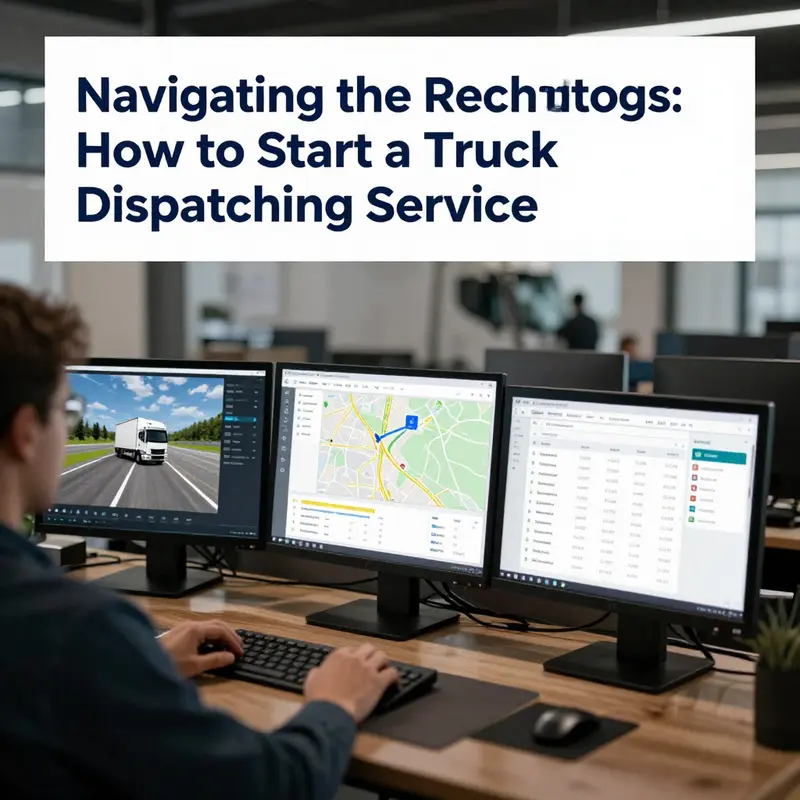
In the world of freight movement, the difference between a good day and a delayed one often comes down to what sits behind the scenes. A truck dispatching service runs on more than schedules and phone calls; it depends on a digital backbone that delivers visibility, responsiveness, and reliability at scale. The technology stack you assemble will determine how quickly you can respond to a late lane, how precisely you can match loads to capacity, and how transparently you communicate with drivers, shippers, and customers. Modern dispatching hinges on integrated systems that blend real-time data from the road with intelligent planning and secure, accessible interfaces for every stakeholder. The aim is not to replace human judgment but to empower it with data, automation, and a governance framework that keeps operations compliant and efficient as you grow. With the right infrastructure, a boutique dispatch operation can rival larger rivals in speed, accuracy, and customer trust.
Real-time monitoring stands at the core of this backbone. Telematics, GPS, and connected devices in vehicles create a continuous stream of location, status, and performance data. Rather than waiting for end-of-day summaries, dispatchers see where each asset is, how its route is unfolding, and which factors could disrupt delivery windows. This immediacy supports proactive decisions: rerouting around a developing traffic snag, reassigning a lull in freight to a nearby truck, or alerting a customer the moment a delay becomes likely. The technology is not a luxury; it is a necessity for maintaining the promise of on-time delivery that carriers and shippers expect today.
A system that truly moves with your business must be fully customizable and accessible across devices. The ability to tailor workflows to your specific operating model is what transforms software from a rigid tool into a strategic partner. Dispatchers should be able to pull up a load, view its requirements, and match it with the most suitable driver or fleet with a few taps on a phone or tablet. This cross-device accessibility is essential for a workforce that may be on the road, in a yard, or working from a remote office. At its best, the interface is intuitive, but the underlying architecture is flexible enough to support evolving needs—whether you’re expanding into temperature-controlled freight, consolidating LTL shipments, or adding regional and long-haul lanes. The core objective is seamless information flow: orders entering the system, loads assigned, routes calculated, and deliveries tracked, all with real-time feedback loops that keep everyone informed.
Yet technology alone cannot guarantee success. IT expertise plays a critical role in selecting, implementing, and maintaining a system that aligns with industry standards, security requirements, and future growth. A technically sound foundation demands more than plug-and-play adoption; it requires governance that defines who can access what, how data is stored, and how backups and disaster recovery are handled. Secure authentication, role-based access, encrypted data in transit and at rest, and regular security audits become part of the everyday operating routine. The people who configure and monitor the system must understand the regulatory landscape, includingHours of Service rules and other compliance obligations that affect how drivers work and how shipments are planned. A well-architected platform also anticipates scalability. As you add more carriers, expand your service area, or introduce new service types, your technology should accommodate higher volumes without sacrificing speed or accuracy.
Another pillar of a robust tech stack is data integration. Modern dispatching relies on the intelligent stitching together of disparate data streams: live vehicle locations, driver status, weather feeds, traffic patterns, fuel usage, maintenance signals, and customer service information. When these streams are harmonized, you gain powerful insights. You can forecast delay probabilities, optimize routes in real time, and perform what-if analyses to compare alternative strategies. The resulting data fabric enables you to present a single, consistent picture to drivers and clients alike, reducing confusion and building trust. While building this fabric, consider the value of open APIs and standards that let you weave together telematics devices, electronic documents, and back-office systems without creating fragile point-to-point integrations.
A practical consequence of a well-designed technology infrastructure is the ability to automate routine, rules-based tasks. Load matching, route assignment, and status updates can be streamlined so dispatchers focus on exceptions—those moments when a truck breaks down, a shipment requests a reroute, or a customer needs urgent visibility. Automation also supports compliance by ensuring that hours of service calculations and rest break requirements are evaluated continuously and flagged for review before violations occur. At the same time, automation reduces the cognitive load on your team, enabling you to scale operations without a proportional rise in headcount. But automation should never replace clear communication. The dispatch platform should preserve human touchpoints where they matter most—informing drivers with precise instructions, notifying clients of critical changes, and providing a reliable audit trail for every decision.
The environment for this technology must be resilient and cost-efficient. Cloud-based platforms offer a practical path for startups and growing businesses alike. They provide predictable subscription costs, easier access to updates, and the capacity to scale rapidly as freight volumes climb. A cloud-first approach also simplifies data security through centralized controls and standardized data governance practices. However, it requires careful planning around data residency, latency, and offline capabilities for situations where connectivity may be inconsistent in remote regions. A thoughtful design balances the benefits of centralized access with the realities of field operations, ensuring that dispatchers and drivers can rely on the system whether they are in the yard, on a highway, or parked at a customer’s facility.
To keep the technology aligned with real-world needs, your team should study and reflect on must-have features in modern dispatching systems. Real-time tracking is non-negotiable, but beyond that, automated load matching, ePOD, driver messaging, and robust analytics dashboards are essential for performance improvement. The ability to monitor delivery status end-to-end, correlate performance with cost and time, and export actionable reports makes it possible to demonstrate value to customers while identifying opportunities to optimize routes, fuel usage, and asset utilization. A well-rounded system also offers strong exception handling: alerts for delays, automatic re-routing, and clear procedures for incident management. This clarity reduces chaos when the road throws a curveball and supports consistent service quality across channels.
As you plan your technology stack, consider the social and operational implications of connected systems. The dispatcher-to-driver dialogue should feel natural and two-way. Drivers ought to receive timely updates about changes in plans, alternative routes, or safety advisories without being overwhelmed by alerts. Clients benefit from a transparent, continuously updated view of status and ETA, which builds confidence and invites longer-term collaboration. The goal is not a glossy demo but a dependable, day-to-day engine that can handle peak periods, seasonal shifts, and geographic expansion without a drop in performance. A crucial, often overlooked consideration is the way data is presented. Clear visuals, intuitive filters, and concise summaries help users quickly interpret complex realities on the road and make informed decisions under pressure.
In this journey, a single principle anchors every decision: technology should amplify human judgment, not replace it. The dispatcher remains the conductor, using data to guide conversations with drivers and customers. The system provides the notes and the map, but the human element decides how to respond when conditions change. When designed with this balance, the technology reduces friction, accelerates response times, and elevates reliability. It also creates a foundation for expanding services, whether you move into intermodal coordination, temperature-controlled freight, or regional-to-national networks. The more robust the backbone, the more confidently you can explore these opportunities, knowing your data flows are secure, your routes are optimized, and your team can scale without rearchitecting from scratch.
For a practical lens on the must-have features and the technical foundations of modern dispatching, consider exploring broader industry guidance on trucking dispatch software features. This resource illuminates what a comprehensive system should deliver—beyond the basics—and helps you prioritize investments that yield measurable benefits. Additionally, the concept of design efficiency in emergency services offers a perspective on how disciplined design choices and streamlined workflows can produce tangible uptime and reliability benefits in high-pressure environments. You can learn more about that approach at the linked resource: design-efficiency-in-emergency-services.
In closing, the technology you choose should be adaptable, secure, and user-friendly, with a clear path for growth. By blending real-time visibility, customizable interfaces, rigorous IT governance, and thoughtful data integration, you create a dispatching operation capable of delivering consistent, high-quality service as you scale. This digital backbone supports the human skills that make dispatching effective: judgment under uncertainty, proactive communication, and a commitment to continuous improvement. With these elements in place, your trucking dispatching service can extend its reach, win more business, and build lasting relationships with carriers, shippers, and customers alike.
External reading for deeper insight into must-have features and fleet-management foundations can be found here: https://www.logisticsview.com/trucking-dispatch-software-must-have-features/ .
Bridge Building on the Road: Cultivating Trust Between Fleets and Shippers in Truck Dispatching

In the landscape of truck dispatching, the quality of your relationships with fleets and shippers often determines the difference between a good operation and a growth machine. Relationships here are not just about moving freight; they are about trust, open communication, and shared goals. A dispatching service that treats partners as collaborators—rather than as mere load sources—positions itself for reliability, repeat business, and positive word of mouth. The most enduring partnerships are built on what professionals in the field term structured dialogue, clear boundaries, and a steady cadence of feedback. From the outset, you want to establish expectations around delivery timelines, vehicle maintenance protocols, and real-time visibility into routes. These are not mere niceties; they are the framework that keeps schedules coherent and operations predictable for both fleets and shippers. A 2026 study underscored this truth: successful partnerships rely on conversations that are regular, constructive, and outcome-focused. The study emphasized that responsibilities must be understood on all sides, and that feedback loops are essential to keep improvement constant. When you define who handles what and how you measure progress, you remove much of the friction that can derail a shipment. The clarity you provide up front is a gift to every stakeholder who must align their own processes around yours. In practice, this means creating a living agreement—one that documents expectations about on-time performance, maintenance responsiveness, and communication norms during delays or disruptions. It also means agreeing on who communicates what, and through which channels, so a driver never feels left behind or a shipper feels ignored when a delay arises.
Technology is not a replacement for human trust but a powerful amplifier of it. Modern dispatch systems, even when used by small startups, enable shared visibility without requiring every partner to surrender their preferred tools. Smart dispatch platforms can automatically record inbound and outbound times at warehouses, track inventory changes, and reflect those changes in load calendars. When fleets and shippers access the same data set, misunderstandings shrink. There is less room for speculation about where a load stands, and more space for collaborative problem solving. The goal is transparency that reduces back-and-forth, cuts idle time, and drives consistency in delivery windows. In building this tech-enabled trust, you should keep a clear boundary between data you own and data you are permitted to share. You can establish a simple rule: share only the minimum data needed for scheduling and exceptions management, and obtain explicit consent for any broader analytics. With this approach, you invite fleets and shippers to participate in a shared discipline—one that aligns incentives around throughput, safety, and cost efficiency. For ongoing insights into industry practices, consult the 5startruckin blog. 5startruckin.com/blog
Trust is cultivated through regular, thoughtful interactions. Frequent check-ins signal that you value the partnership beyond the current load. These conversations should be constructive and forward-looking, not reactive to problems alone. When you initiate a dialogue about performance, start with what went well before addressing what could improve. Recognize fleets for punctual departures or careful handling that protects cargo, and acknowledge shippers who provide clear instructions and timely feedback. Fair treatment matters as a core principle. This means honoring commitments, avoiding surprises in charges, and providing transparent assessments of any service failures. When you encounter a schedule deviation, a proactive approach is to reach out early, outline options, and present a preferred plan with alternatives. That proactive posture reduces tension and demonstrates that you are in control of the situation, not overwhelmed by it. Over time, these practices build loyalty: fleets come to rely on you for steady work; shippers stay because you consistently meet their service levels and keep costs predictable. The discipline of recognition is simple but powerful. It reinforces positive behavior and signals that the partnership is valued beyond the current transaction. In addition to regular check-ins, you should tailor your approach to each partner. Some fleets prefer a structured, spreadsheet-style update, while others respond best to concise text alerts. Some shippers value detailed performance dashboards; others want hands-on, personal communication. Flexibility here sends a strong message: you will adapt to meet their needs while maintaining your own standards. The adaptability you show in routing, scheduling, and even regulatory considerations—such as local traffic rules or permit requirements—demonstrates your commitment to making partnerships work under real-world constraints. The most effective relationships, then, are founded on three keywords: consistency, integrity, and continuous improvement. Consistency means reliable processes and predictable outcomes. Integrity means honoring every commitment, even when doing so requires extra effort. Continuous improvement means always seeking ways to do better, not just preserving the status quo. A 2022 industry report highlighted that freight logistics thrives when firms allocate resources wisely, engage customers actively, and respond rapidly to shifting demand. Those capabilities are grounded in well-managed relationships, where fleets and shippers see you as a partner who helps them plan with greater confidence.
For someone launching a dispatching service, these lessons are not abstract. They translate into practical steps you can implement from day one. Start by mapping the specific needs of your first cohort of fleets and shippers. What routes do they run most often? What are their primary pain points—delays at certain warehouses, or last-minute changes in delivery windows? Create a simple, shared operating framework that covers how you handle load assignments, how you communicate disruptions, and how you document performance. Document a basic escalation path so that if a delay cannot be resolved within a set window, there is a predefined sequence of contacts and decisions. This reduces ambiguity and speeds up resolution.
A core component of your relationship strategy is the establishment of service levels that all partners understand and trust. That begins with clear timelines and reliable maintenance expectations for the equipment involved. It extends to the way you plan routes, the speed at which you respond to inquiries, and the cadence of post-delivery feedback. Your SOPs should embed these norms so they become part of everyday practice rather than occasional exceptions. As you scale, you will refine these standards and expand the circles of partners who share them. The discipline of consistent practice is what keeps your operation cohesive when volumes rise or when new markets come online. It also reinforces your reputation as a dependable dispatcher who respects both fleets and shippers as essential components of a broader supply chain.
Finally, the habit of continuous improvement should permeate both your internal culture and external collaborations. Invite fleets and shippers to participate in regular review sessions where performance against agreed KPIs is discussed openly. Celebrate wins—such as improved on-time rates or reduced dwell time at gateways—and set joint targets for the next quarter. The aim is a learning environment where feedback becomes insight that informs smarter routing, better driver communication, and smarter inventory planning at the shippers’ facilities. In this sense, relationships are not static contracts but living agreements that travel with you as your dispatching service grows. The most robust partnerships survive market fluctuations because they are anchored in mutual respect, tangible results, and a shared commitment to service excellence.
In practical terms for a startup, the trajectory is clear: prioritize relationship-building as a core capability alongside technology, compliance, and market entry. Onboarding with fleets and shippers becomes a structured process of setting expectations, aligning on data-sharing norms, and agreeing on the cadence of updates. Use initial pilots to demonstrate your reliability and your readiness to adapt to varying needs. Build your reputation through consistent performance, transparent communication, and fair treatment. And remember that a well-managed relationship can unlock a steady stream of opportunities. It’s not merely a tactic for getting through a busy season; it is a strategic asset that underpins every shipment, every route, and every client who returns because they know you will deliver on your promises.
External resource: For additional perspectives on building strong partnerships across the industry, see Logistics Management’s insightful piece on fostering trust and collaboration between shippers and carriers. https://www.logisticsmanagement.com/article/transportation/how-to-build-stronger-relationships-with-shippers-and-carriers
Final thoughts
Embarking on the journey of starting a truck dispatching service requires strategic planning and a deep understanding of the industry’s intricacies. By grasping the fundamentals of dispatching, conducting thorough market research, and leveraging technology, you can create a robust business framework. Whether you’re a long-haul truck driver or a fleet manager, your expertise in the field will serve as a solid foundation to build upon. Establishing strong ties with carriers and shippers will further enhance the value of your services, positioning your company for success in the logistics landscape.