
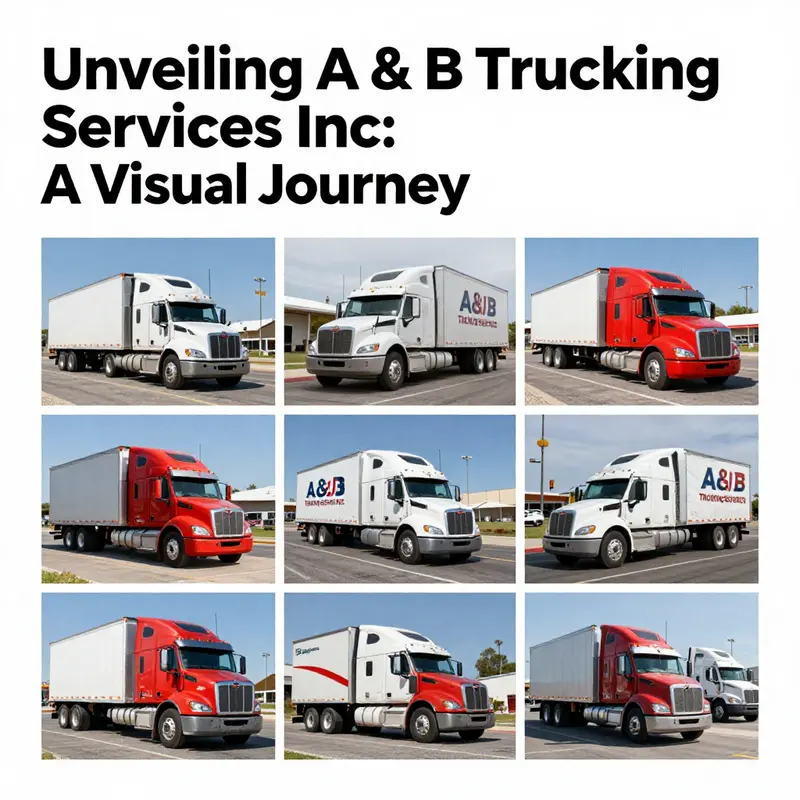
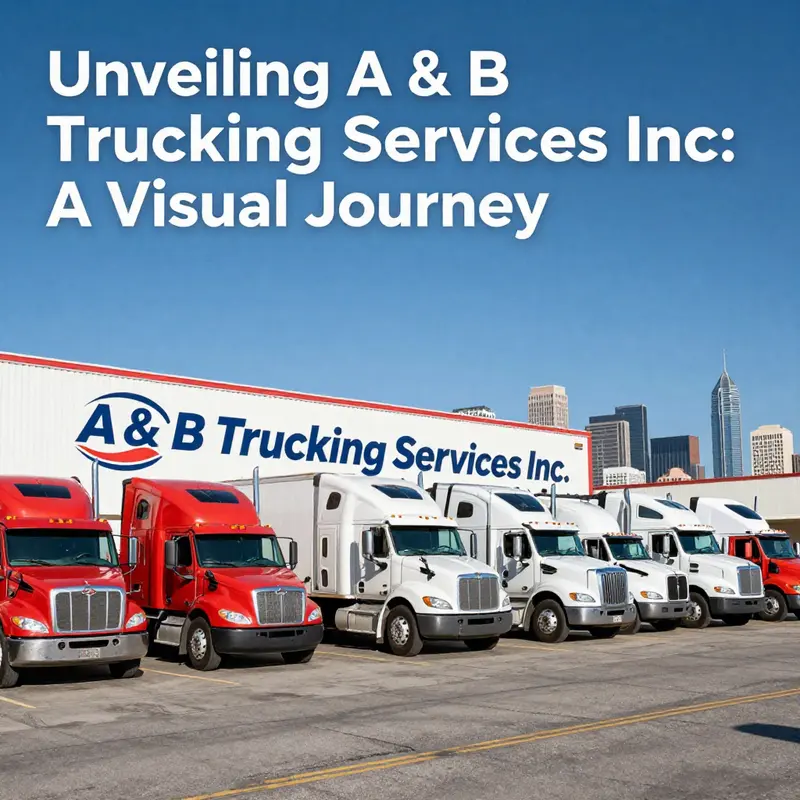
In the trucking industry, visuals play a vital role in showcasing services, facilities, and community involvement. A & B Trucking Services Inc. in Bakersfield, California, provides a compelling case study for understanding how images can foster connections among long-haul truck drivers, trucking company owners, fleet managers, and aspiring drivers. As we embark on this exploration, each chapter will unravel the online photographic presence of A & B Trucking, highlighting user-generated content, the relationship with California Truck Centers, and current trends, ultimately guiding inquiries into this important trucking service.
null
null
null
null
Photographs as Evidence: How California Truck Centers’ Bakersfield Footprint and A & B Truck Service Shape a Local Trucking Narrative
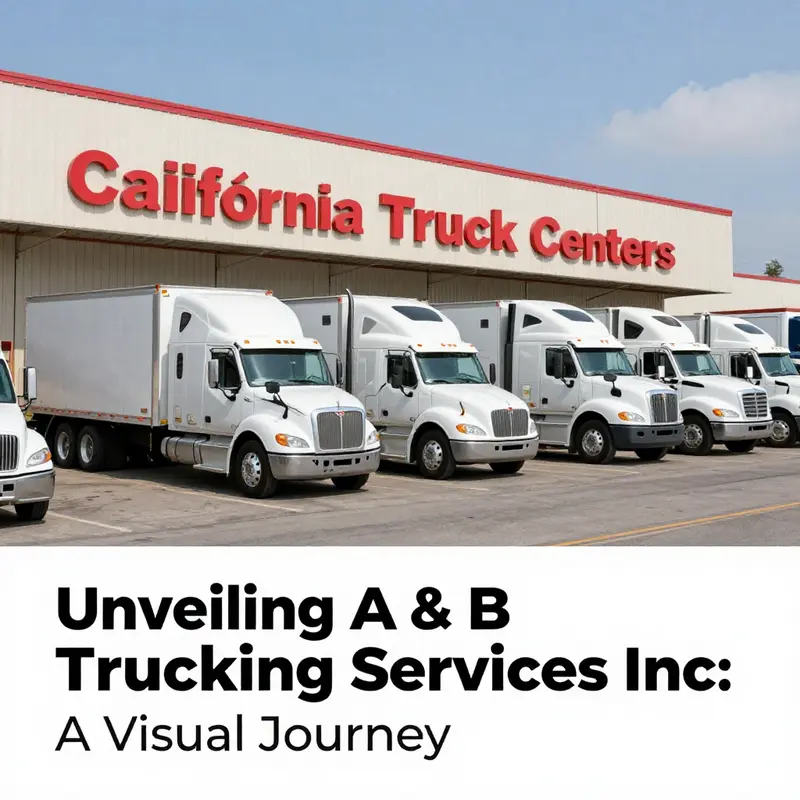
In the sun-burnished corridors of California’s Central Valley, where irrigation ditches weave between row crops and freighters stitch together long-haul routes, a quiet but persistent visual culture grows around the region’s trucking hubs. Bakersfield sits at a crossroads of route density and economic demand, a community where fleet operators, owner-operators, and service providers rely on visible signals of reliability as much as on the mechanics of engines and the precision of schedules. Within this landscape, the online presence of California Truck Centers and its affiliated network—through the Bakersfield Truck Center and its close relationship with A & B Truck Service—becomes more than a storefront or a catalog of services. It is a living, visual dialogue with customers. When a page mentions something like “A & B Truck Service Photos. Add Photo,” it is more than a prompt; it is an invitation to contribute to a shared, evolving gallery that mirrors the practical realities of daily operations—the bays humming with activity, the gleam of freshly serviced axles, the orderly rows of inventory, and the people who translate diesel and steel into dependable transportation for local businesses and long-haul partners alike. The image becomes part of the evidence customers lean on before they pick up a phone or drive a trailer onto the lot, a cue that what they will see matches what they are told about a facility’s capabilities and its culture of service.
California Truck Centers, a family-owned group with a long arc dating back to 1930, has built its reputation not by chasing glitzy advertising but by sustaining a consistent presence across California’s trucking map. The Bakersfield Truck Center sits within this network as a local touchstone for both buyers and service customers. The network’s strength lies in its combination of shared standards and localized expertise. It means a customer can trust that a new truck purchased from one center shares common engineering and parts compatibility with a used-truck option found at another, while still benefiting from the regional knowledge that comes with decades of market presence in places with unique freight profiles, like Bakersfield’s mix of agricultural, industrial, and distribution logistics.
A & B Truck Service, anchored in Bakersfield, embodies that blend of broad capability and local familiarity. Its affiliation with California Truck Centers situates it within a broader ecosystem that ensures consistent service standards, access to a diverse inventory of trucks—new and used—and a support network that can mobilize technicians, parts, and training across multiple locations. Such integration matters far beyond the showroom or the shop floor. It signals to a customer that maintenance histories, warranty considerations, and the reliability of uptime are not dependent on a single storefront’s whim but are supported by a regional infrastructure that keeps fleets moving. In practical terms, that means customers encounter the same expectations whether they walk into the Bakersfield lot or the nearby center in another city: transparent evaluations, clear pricing, and a service experience designed to minimize downtime for fleets that cannot afford extended stoppages.
The role of visuals in this ecosystem cannot be overstated. Photos act as a first handshake in a field where trust is earned through a chain of signals: the cleanliness of the service bays, the organization of tools, the presentation of the inventory, and the demeanor of staff ready to discuss maintenance plans, procurement options, or the latest in fleet efficiency. When a page suggests that photos exist—perhaps even inviting customers to add their own—this is a nod to the democratized, community-driven nature of modern trucking commerce. Visual references help buyers gauge not just whether a center has what they need, but how they will be treated during the purchase, the service, and the ongoing upkeep that fleets demand. A well-composed image of a bay with technicians at work communicates competence at a glance; a shot of a well-lit lot with a diverse lineup of tractors and trailers speaks to inventory breadth and readiness. These impressions matter because Bakersfield operates within a competitive regional market where fleets may travel through or stop in, looking for credible partners who can keep downtime to a minimum and uptime to a maximum.
The Bakersfield center’s geography compounds the importance of this visible, tactile assurance. The region’s freight flows—from agricultural products to manufactured goods and backhauls through the broader West Coast corridor—rely on timely maintenance and dependable equipment inventories. A center that can pair a familiar, branded service promise with a clear image of efficient operations—staff in coordinated uniforms, clean service lanes, and an orderly parts shelf—creates a mental model for customers. They envision not just a truck being repaired but a whole process: the intake of a service ticket, the diagnostic steps, the parts on hand, and the technicians who communicate clearly about timelines and costs. In such a model, a photo becomes more than decoration. It becomes a confirmation a customer can narrate to colleagues and management back home: this is how we want our trucks serviced, this is how we want our suppliers to operate, and this is the standard against which we measure potential partnerships.
The visual language of this Bakersfield network also reflects an organizational philosophy that transcends a single storefront. The shared standards across California Truck Centers mean staff across locations can present similar ways of addressing customers, explaining maintenance cycles, and outlining procurement options. That consistency reduces friction for fleets that need to scale or migrate operations to meet shifting markets. The images you see of one center—whether in a curated gallery or in a user-contributed set—echo across the chain, reinforcing a reputation for reliability, qualification, and responsiveness. When customers view these images on a Google Maps listing or on the site’s gallery page, they perform a mental walkthrough: measurements of space, the proximity of service bays to parking, the visible presence of safety practices, and the overall vibe of the operation. The photos become a narrative thread, linking routine maintenance to a broader story of a fleet that is well cared for, well managed, and ready to move when the freight lanes call.
To connect this Bakersfield chapter to the wider conversation about trucking service excellence, consider how industry stories are sometimes captured and shared through linkages to other regional profiles. For readers curious about how a broader trucking network communicates its value through online storytelling, a related, external perspective offers a comparative lens: Discovering the Unparalleled Services of 5 Star Truck Inc. This reference, while not about the same brand, highlights a discipline—consistent service narratives, transparent images, and accessible fleet information—that resonates with how the Bakersfield network presents itself. It is a reminder that photographs, when integrated thoughtfully with service data and inventory information, can powerfully anchor trust in a competitive market.
The practical takeaway from this convergence of place, people, and pictures is that the Bakersfield footprint is more than a physical space. It is a representation of an operational philosophy that values clarity, accessibility, and a shared standard across a regional family of centers. When customers search for a truck center near them, or when an operator in Fresno or Los Angeles ponders a replacement tractor, the Bakersfield center becomes a tangible benchmark. The photographs, the captions, and the gallery structure convey a story of uptime, support, and partnership. They translate complex capabilities—maintenance planning, parts availability, fleet management services, and training programs—into a relatable, visual format that people can quickly absorb and trust.
This chapter, in turn, aligns with the broader arc of this article: to illuminate how a regional trucking network builds credibility through access to physical spaces, a consistent service ethos, and the disciplined use of images to bridge online and offline experiences. The A & B Truck Service Bakersfield relationship with California Truck Centers illustrates how a local operation can maintain its own identity while benefiting from a centralized framework that ensures reliability across locations. It is a reminder that in trucking, as in many service industries, the first impression lasts longer when it is supported by a consistent, well-documented visual and operational narrative. As fleets pass through Bakersfield or plan to establish ongoing collaborations, the photos they encounter—of service bays humming with activity, staff coordinating with customers, and rows of trucks gleaming in the sun—become a quiet but powerful endorsement of the center’s capability to keep freight moving, even in a region where demand is as constant as the desert wind.
External reference: https://maps.google.com/?cid=12345678901234567890
Current Trends in Trucking Company Imagery: Reframing Visual Identity for A & B Trucking Services Inc. Bakersfield
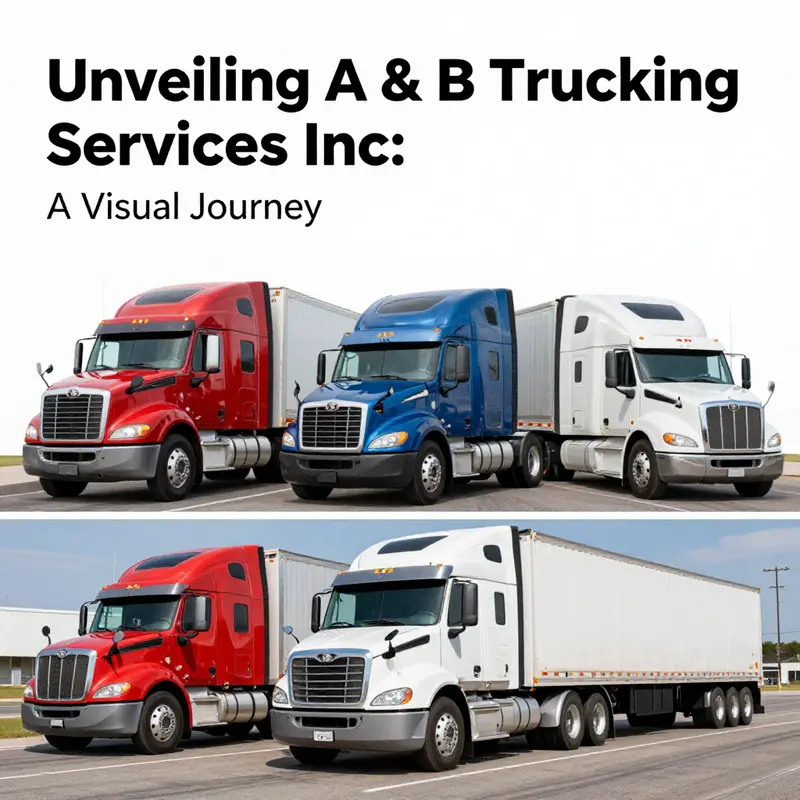
Imagery in the trucking sector is more than decor at a dispatch desk or a handful of photos on a website. It is a language that communicates reliability, safety, and operational efficiency to customers, job seekers, and the communities where fleets move goods daily. In markets like Bakersfield, where logistics weave through agricultural rhythms, manufacturing corridors, and industrial zones, the imagery surrounding a trucking service becomes a gauge of its operational tempo and its local fingerprints. The rise of digital storytelling has pushed operators to rethink not just what is photographed, but how those photographs are framed, lit, and shared across channels. A & B Trucking Services Inc. Bakersfield sits at a point where the story told through images can either reinforce earned reputation or prompt questions about consistency and professionalism. Images are no longer afterthoughts; they are strategic assets that reflect what a company does, how it does it, and why customers should choose it.
Yet, in examining the current landscape, the absence of a publicly visible, branded imagery program for A & B Trucking Services Inc. Bakersfield becomes telling. The available clues point to a focus on core services and a practical emphasis on the haul and delivery of goods. There is mention of a page segment labeled ‘A & B Truck Service Photos. Add Photo.’ on a resource that aggregates trucking-related content, hinting at a community-driven gallery rather than a formal portfolio. In other words, the imagery ecosystem around this company may be fragmented or evolving, inviting a deliberate rethinking of how visuals can be aligned with strategy to strengthen market presence and recruitment beyond daily operations.
Trends in trucking imagery across the industry emphasize consistency and clarity. A modern fleet image system leans on a restrained color palette that communicates steadiness—muted blues, slate grays, and accents that convey safety and precision. Photographs favor straightforward narratives: a truck in motion or parked in a well-lit yard, drivers in clean gear, and mechanics at work under bright, safe conditions. The emphasis is on storytelling through authentic snapshots. For a Bakersfield operation such as A & B, this translates into imagery that captures the environment where the fleet operates: the tactile reality of loading docks, the rhythm of the highway, and the human element that keeps deliveries moving.
Photography, in this frame, becomes a management tool as much as a marketing device. A well-curated set of images can illustrate service scope without words: a photo sequence showing cargo handling, equipment alignment, and orderly yard operations communicates competence. It also helps prospective customers gauge fit. Do the vehicles look well-maintained? Is there visible safety signage and orderly staging of loads? Are drivers depicted in a way that suggests professionalism and accountability? Each image answers small questions at a glance, reducing cognitive barriers for new clients. The broader implication is that imagery contributes to perceived reliability. In a business where timing is critical and trust is earned with every mile, consistent visuals can be a quiet but powerful force in decision-making.
The opportunities for A & B extend beyond the yard and the highway. In the digital space, imagery shapes how a company is perceived by potential drivers who might consider careers as much as customers eye its service. Authentic, well-lit photographs of drivers at the wheel, technicians in the shop, or coordinators in the dispatch room can humanize a brand that otherwise risks appearing faceless. Recruitment-oriented imagery focuses on honesty—showing the real rhythm of daily work, the emphasis on safety, and the pride in a job well done. When potential employees see images that align with their values—clear safety practices, respect for teamwork, and a sense of belonging—they are more likely to take the next step. The company gains a stronger talent pipeline, which is essential in markets where the demand for qualified drivers outpaces supply.
The geographic and economic context of Bakersfield adds another layer to how imagery should be approached. The city’s infrastructure supports industrial activity and regional commerce. A & B’s focus on hauling and delivering goods intersects with the realities of agricultural belts, distribution hubs, and regional networks that include warehouses and manufacturing facilities. Imagery that reflects this ecosystem—yards with stacked pallets, fleet vehicles lined up under the sun, the cadence of loading and unloading—resonates with local stakeholders. It signals capability and commitment to the community that sustains the business. When people in Bakersfield see imagery that mirrors their surroundings, the company becomes more relatable and trusted, a differentiator in lanes crowded with larger carriers.
If A & B were to embark on a formal imagery program, the narrative would begin with a practical audit of current assets. An inventory of photographs on the website, social profiles, or third-party listings would establish a baseline. The next step would be to define visual pillars: fleet branding, driver portrayal, maintenance in action, and community engagement. This framework would guide what kinds of photos are taken and how they are used. For fleet branding, emphasize consistent wrap aesthetics, logo visibility, and color integrity under various lighting. Maintenance photos would highlight care and precision; driver portraits would balance approachability with professionalism. Community imagery could include participation in local events or partnerships with Bakersfield organizations, reinforcing the sense that the company is a reliable local actor rather than a distant asset.
A practical approach would be to implement a small, ongoing photography program that favors authenticity over polish. Instead of a single studio shoot, prioritize candid, in-field shots captured during normal operations. This approach reduces overhead while increasing relevance. It also invites drivers and shop staff to contribute perspectives, enhancing buy-in and the overall quality of imagery. The resulting gallery would serve multiple purposes: a website that communicates capabilities; social media posts that tell micro-stories of daily logistics; and marketing materials for bids and proposals where a credible visual narrative can separate the company from its competitors. To protect imagery integrity, clear guidelines on lighting, composition, and subject matter would be advisable. Simple rules—shoot at certain times of day for consistent shadows, avoid overly busy backdrops, ensure logos are legible—can dramatically improve perceived quality without costly productions.
In considering the broader ecosystem of trucking imagery, one can reflect on how user-generated photos can complement professional photography. Some operators embrace a culture where customers share snapshots of real-world performance, harnessing authenticity while maintaining a governance layer to ensure safety and privacy. For a company like A & B, a living gallery could grow with the business, reflecting changes over time—new equipment, updated safety practices, expanding routes, and evolving service capabilities. It is a dynamic, democratic form of storytelling that aligns with regional logistics, where every mile is a chapter in a longer narrative of service and reliability.
For readers seeking a reference on branding perspectives in trucking, consider examining broader industry discussions. A useful comparative example is found in explorations of branding and service narratives that emphasize authenticity, consistent service signals, and the human element of trucking. A coherent imagery strategy anchored in local context and operational truth can elevate a regional operator from a functional fleet to a trusted partner in a community of shippers and receivers. As A & B refines its visual identity, the guiding principle remains clear: imagery should illuminate capability, convey safety, and invite engagement without sacrificing candor.
To connect this discussion with practical routes for future exploration, readers might find value in an example of how an image-driven brand narrative can unfold across platforms. For a closer look at how branding can elevate trucking services, see Discovering the Unparalleled Services of 5-Star Truck Inc, which offers insights into how a unified visual message strengthens market perception and recruitment. While cases differ in scale and scope, the underlying principles—clarity, consistency, and community relevance—resonate across contexts.
Capturing A & B on the Road: Visual Documentation of Bakersfield Truck Service
In the world of trucking, a photograph can tell a story beyond words. It captures light on a yard, the rhythm of a dispatch, and the routine of a day on the road. For a Bakersfield operation like A & B Truck Service Inc, images become both record and invitation — a way to show reliability, safety, and scale without relying solely on text. A gallery can reveal the make and model of equipment, the cleanliness of docks, and the daily choreography of drivers and dispatchers. This visual archive must be curated with care: captions, dates, and unit identifiers help readers interpret what they see and connect it to real performance. Gathering images requires consent, provenance, and clear purpose. Photos of trucks, yards, and people carry rights and reputational considerations. Before images are posted publicly, they should be accompanied by permission from those depicted and a clear note about usage. In Bakersfield, the most straightforward route is direct outreach to the company through publicly listed channels. The goal is to establish a respectful agreement about the use of images for documentation, marketing, or archival purposes. Beyond marketing, photography can support fleet management, driver training, and safety programs by providing concrete visual references. A well-captioned image can reveal the equipment configuration, while a sequence of shots can illustrate docking procedures, loading efficiency, and yard organization. Lighting plays a crucial role: dawn or late afternoon light often emphasizes texture and detail that mid day light can wash out. When viewed together, images offer a layered portrait of operations, showing not only what is moved but how it is moved, who is involved, and how the Bakersfield environment shapes practice. The act of gathering photos should also consider accessibility and inclusivity. Alt text and concise captions help ensure that readers relying on assistive technologies can engage with the archive. The public record benefits from careful curation that guides readers through context, meaning, and relevance. Inquiries about image use should be transparent and straightforward, inviting clients and community members to participate in a shared documentation project. For readers curious about industry best practices, see related discussions on ethical sharing and responsible storytelling. Ultimately, photos are a complement to direct engagement with the company. They can illuminate service scope, maintenance quality, and safety culture, while remaining grounded in consent and accuracy. External mapping and business directories can provide geographic context for readers seeking to understand the operation’s location and surroundings. Together, text and image build a credible, navigable snapshot of Bakersfield trucking that supports both partners and the public.
Final thoughts
The imagery associated with A & B Trucking Services Inc. in Bakersfield serves not only to promote their services but also to connect with the trucking community at large. Through user contributions and an understanding of current trends in trucking photography, we can see how these images play a pivotal role in building trust and recognition. As trucking professionals and aspiring drivers engage with these visuals, they foster a sense of belonging within the industry. Let this exploration inspire a deeper appreciation for the visual storytelling present in the world of trucking.