
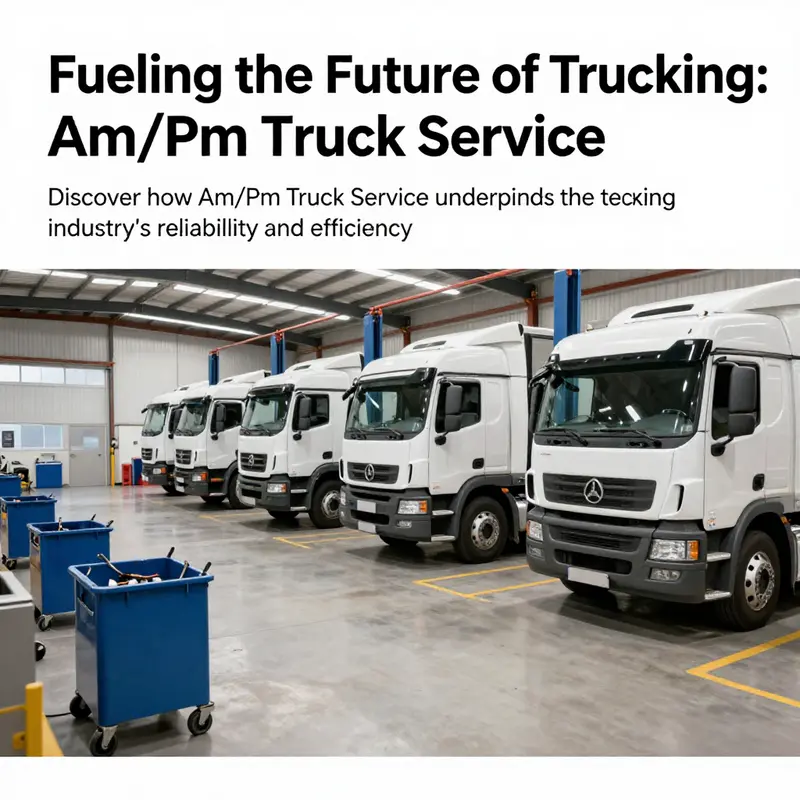
In the demanding world of trucking, maintenance and repair are not just services—they are lifelines. Am/Pm Truck Service, established in 2009, stands out as a family-owned venture committed to supporting long-haul truck drivers, fleet managers, and aspiring truckers alike. With its comprehensive offerings ranging from general diesel repair to specialized engine work, Am/Pm Truck Service is not just a repair shop, but a trusted partner. This article explores how their operations work, the diverse services they offer, how they engage with customers, and the greater impact they have on the trucking industry. By examining these aspects, we gain a holistic understanding of Am/Pm Truck Service’s vital role in ensuring smooth operations for truck drivers and companies.
null
null
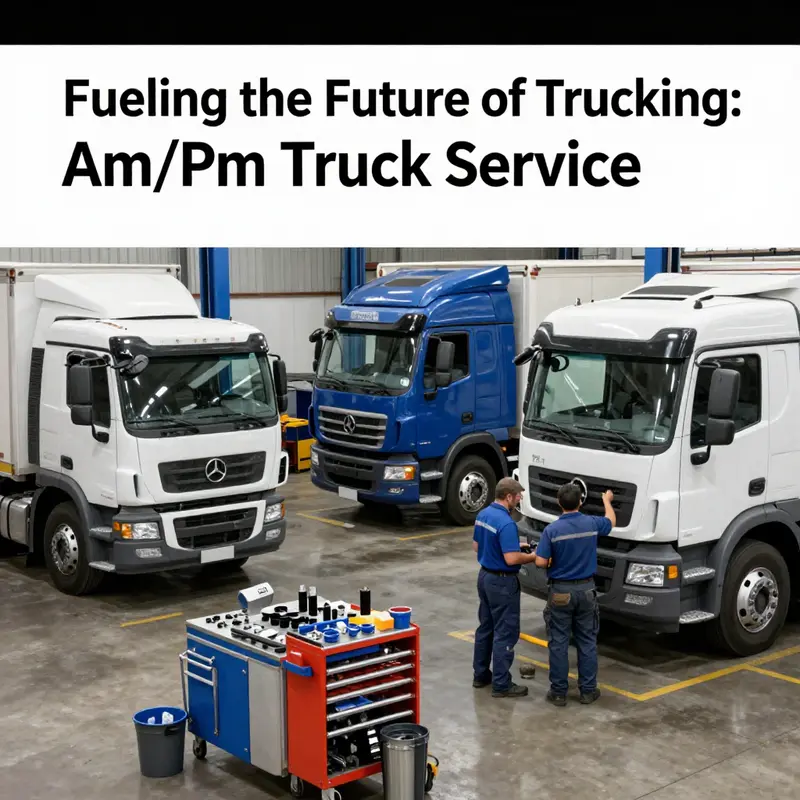
What Am/Pm Truck Service Offers: Practical, Reliable Support for Freight on the Move
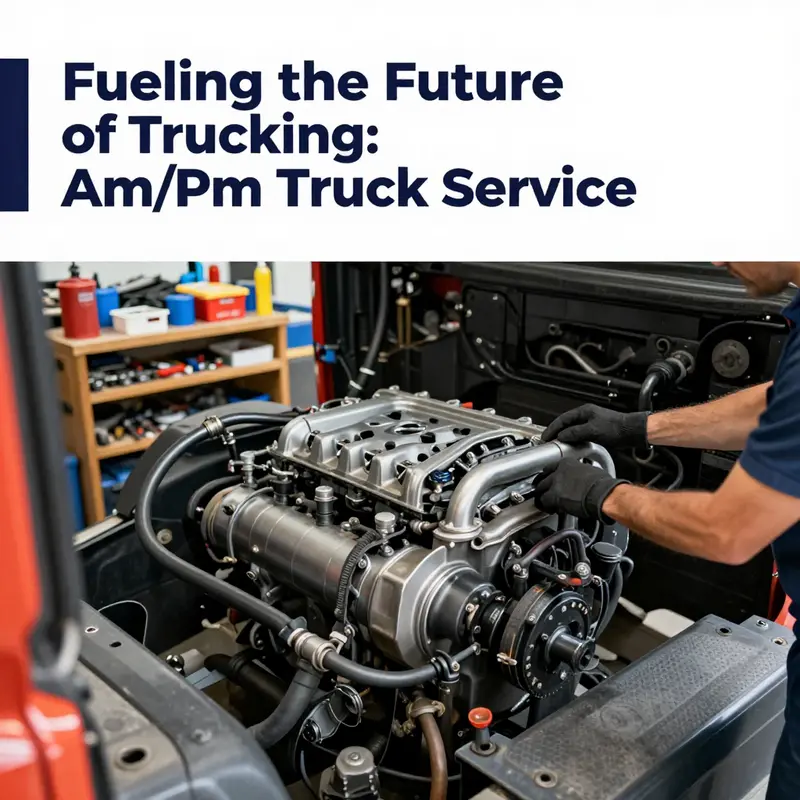
Comprehensive care delivered to keep trucks moving. Am/Pm Truck Service has built its reputation around a core promise: reliable, practical repair and maintenance that returns equipment to the road quickly and safely. As a family-owned and operated business established in 2009, the company positions itself as a partner to both fleet operators and independent drivers. That partnership mindset shapes how services are organized. Every intervention aims to reduce downtime, control operating costs, and preserve safety and compliance.
Maintenance and repair at Am/Pm are organized around predictable needs and urgent problems. Preventive maintenance is treated as the backbone of uptime. Scheduled inspections, oil and filter services, fluid analysis, and wear-item replacement are coordinated so trucks hit service intervals with minimal interruption to routes. These routines focus on longevity and reliability. They also surface wear before it becomes a failure, saving towing costs and lost revenue. Preventive programs are designed to be practical to follow. Records are kept, and recurring maintenance cycles are mapped to mileage and engine hours to match the rhythms of each truck.
When repairs are required, the facility emphasizes broad capability. General diesel repair covers the fundamentals: engine mechanicals, fuel systems, electrical diagnostics, driveline work, and brake systems. Technicians apply structured diagnostic processes to identify root causes, rather than chasing symptoms. That approach reduces repeat visits. Specialized repairs concentrate on the systems that most often cripple a vehicle on the road: engines, braking components, air systems, and critical electronics. Technicians trained in heavy-duty diesel work address each system with appropriate tools and testing equipment. The goal is durable repairs that restore safe operation and protect subsequent reliability.
Mobile repair is central to minimizing the cost of breakdowns. Whether a truck is stalled on a highway shoulder or disabled at a job site, a mobile unit brings diagnostic capability and many common parts to the location. On-the-spot repairs handle battery and starter replacements, fuel system fixes, cooling system repairs, and emergency brake interventions. When a repair requires a shop environment, technicians stabilize the vehicle and coordinate towing to avoid longer delays. Mobile response reduces the time a unit spends off the road and is especially valuable for small fleets and owner-operators who cannot afford extended downtime.
A practical service offering includes work that keeps fleets compliant with regulations. Inspections and corrective services align trucks with safety standards and local regulations. Brake repairs are performed with careful attention to serviceability and testability. Air systems, ABS components, and related sensors receive targeted diagnostics. Electrical systems are examined for reliability and for issues that can cause intermittent faults. Documentation is emphasized so fleets can demonstrate both routine maintenance and corrective action when regulators review records.
Parts sourcing and inventory practices affect both speed and long-term costs. A shop that supports heavy trucks maintains a selection of commonly used components. That stock reduces repair lead times. For less common items, efficient supply chains and vendor relationships shorten waiting periods. The shop also balances the choice between standard replacement components and remanufactured parts when appropriate. Decisions are made with durability, warranty coverage, and total lifecycle costs in mind. Transparent conversations with the customer explain options and performance expectations, allowing fleet managers to make informed choices.
Skilled technicians are the bedrock of reliable service. Am/Pm Truck Service emphasizes hands-on experience and continuous learning. Diesel technology evolves, and technicians must adapt to new engine controls, emissions systems, and telematics. Training that blends fundamentals with modern diagnostics ensures work is done right. When technicians document interventions, they create a knowledge base. That base improves future diagnostics and shortens repair times because history reveals patterns and recurring issues.
Communication practices separate a good shop from a great one. Customers receive clear estimates, realistic timelines, and updates on parts availability. Work scopes are explained in plain language, and repair options are discussed with cost and performance implications. In emergencies, effective communication about expected arrival times and interim safety measures helps drivers manage a stressful situation. For fleet managers, consolidated reporting and consistent invoices simplify accounting and build trust.
Service offerings are tailored by customer type. Independent owner-operators often need fast, affordable solutions and flexible scheduling. Fleet operators require scalable programs and predictable costs. The shop adapts by offering flexible appointment windows, mobile coverage for single trucks, and structured preventive maintenance plans for larger groups of units. Tailored plans align maintenance intervals with usage patterns, balancing cost and uptime. For customers with mixed duty cycles—regional and long-haul—the shop calibrates services to each truck’s duty profile.
The economic case for investing in regular service is straightforward. Well-maintained trucks consume less fuel, experience fewer on-road failures, and retain greater resale value. Preventive actions can prevent catastrophic component damage, which is often far more expensive than timely repairs. For fleets, scheduled maintenance reduces unplanned downtime and keeps delivery commitments on track. Investing in a trusted service provider therefore supports business continuity and helps control total cost of ownership.
Quality assurance and warranties play into repair decisions. A transparent shop outlines warranty coverage for parts and labor. When warranties are available, customers gain confidence that a repair addresses the true cause of failure. Follow-up procedures confirm that repairs resolved the problem. If an issue recurs, documented service histories enable a faster, more accurate response. That continuity matters for fleets that prize repeatability and measurable performance improvements.
Beyond mechanical work, many shops support operational readiness with additional value services. Record keeping, maintenance scheduling, and preventive planning keep fleets organized. Some facilities offer pre-trip inspection services that catch obvious faults before departure. Seasonal checks prepare cooling and heating systems for temperature extremes. Those value services reduce emergency callouts and strengthen a fleet’s ability to meet commitments consistently.
Choosing a service partner involves concrete questions. Ask about response times for both shop and mobile service. Confirm the scope of mobile repairs and the geographic coverage area. Inquire about parts inventory practices and emergency parts access. Verify technician training and the availability of modern diagnostic tools. Request examples of preventive maintenance plans and how service records are shared. A reliable partner will provide straightforward answers and support a plan tailored to operational needs.
Public information about any local service provider can be limited. Am/Pm Truck Service presents itself as a dependable partner with a focus on diesel repair, preventive maintenance, mobile repair, and specialized systems work. For customers who need more detail, visiting a company profile page can be useful. A profile lists contact details and locations and can help drivers confirm hours and services before calling for assistance. For a snapshot of contact and location information, see the company profile on MapQuest: https://www.mapquest.com/business/am-pm-truck-services-4531706
Practical service offerings translate into measurable benefits for operators. Fewer breakdowns improve on-time performance. Predictable maintenance budgets help business planning. Faster, more competent roadside support reduces catastrophic losses. And clear, consistent communication builds the trust necessary for a long-term partnership. Whether a truck needs routine attention or urgent intervention, a service provider that focuses on rapid, durable repairs and preventive planning becomes an extension of the operator’s maintenance function.
For additional perspectives on comprehensive service models used by reputable shops in the sector, consult resources that explore the service offerings of established operators. One practical overview of how a trusted shop organizes service and reliability is available in a profile about 5-Star Truck Inc., titled “discovering the unparalleled services of 5-Star Truck Inc.” which outlines service philosophies and operational approaches used across the industry: https://5startruckin.com/discovering-the-unparalleled-services-of-5-star-truck-inc/
All told, a service provider that blends strong preventive programs, capable diagnostic repair, mobile response, and transparent communication gives fleets and drivers the tools to manage risk and keep trucks where they belong—on the road delivering value.
Building Trust on the Road: Customer Engagement and Dependable Service at Am/Pm Truck Service

Building trust on every mile
Customer engagement and service reliability form the backbone of any successful heavy-duty repair operation. For a family-owned business focused on diesel truck repair and maintenance, these elements are not abstract goals. They are daily practices that shape how work gets scheduled, how technicians respond, and how clients decide where to park their trust. Focusing on clear communication, predictability, and technical competence creates a relationship where fleet managers and owner-operators know what to expect. When expectations align with delivery, uptime improves. When uptime improves, operational costs drop and reputations grow.
A dependable service model starts with a simple promise: be available, be skilled, and be honest. Availability means planned shop hours and mobile capability. Mobile capability reduces downtime by bringing repair expertise directly to the vehicle. Skilled technicians combine formal training with hands-on experience. Honesty shows in transparent estimates and realistic timelines. These three commitments, consistently applied, are the first steps toward meaningful engagement. Clients feel heard when timelines match reality and invoices reflect the work done. That feeling converts into repeat business and referrals.
Engagement is more than pleasant conversation. It is a structured approach that tracks fleet needs and priorities. One effective method is to treat each client as a portfolio rather than a one-off job. That portfolio includes vehicle histories, recurring faults, parts preferences, and service intervals. With that data, maintenance plans become tailored and efficient. Preventive maintenance schedules are no longer simple checklists. They become strategic interventions timed to preserve uptime and extend component life. This approach reduces emergency calls and cuts long-term repair costs for both independent drivers and large fleets.
Reliability also depends on how quickly and effectively a team can respond to unexpected problems. Rapid response requires logistical planning and the right inventory on hand. A shop that maintains common parts and critical components reduces the chance of multi-day repairs due to a missing item. Mobile repair units carry targeted stock and diagnostic tools to resolve common failures roadside. That preparation shortens service windows and restores vehicles to duty faster. A mobile-first mindset reflects the needs of the trucking industry, where delays translate into lost loads and missed deadlines.
Communication protocols make reliability visible. Clear intake processes, real-time status updates, and follow-up checks show clients that the work is under control. Intake begins with asking targeted questions about symptoms, previous repairs, and operating conditions. The answers feed into diagnostics and prioritize tasks. While the technician works, clients receive concise progress reports and revised timelines when necessary. After service, a quick follow-up call confirms performance and highlights any preventive steps to consider. These small touches reduce uncertainty and build trust across service cycles.
Technician expertise remains central to both engagement and reliability. Continuous training programs, access to modern diagnostic tools, and hands-on mentorship ensure the team can handle complex diesel systems. Diesel engines, brake systems, and air systems require careful calibration and testing. A culture that values learning helps technicians adapt to evolving technology and regulations. That culture also accelerates problem resolution. When a technician understands a system and its failure modes, diagnostics become faster and fixes more accurate. Clients immediately notice the difference in repair quality and repeatability.
Metrics provide a factual foundation for improvement. Key performance indicators such as average response time, mean time to repair, first-time-fix rate, and customer satisfaction scores quantify reliability. Tracking these metrics reveals patterns and gaps. If response time lags, staffing or dispatch protocols may need adjustment. If first-time-fix rates dip, parts sourcing or training might be at fault. Sharing select metrics with clients fosters transparency and accountability. Fleet managers appreciate data-driven partners who can demonstrate performance improvements over time.
Pricing transparency factors into customer engagement as well. Clear estimates and breakdowns of labor and parts prevent disputes. When prices change due to parts availability or unforeseen damage, immediate notification with justification preserves trust. Flexible payment and billing arrangements tailored to fleet cycles can also ease friction. For many clients, predictable monthly maintenance plans simplify budgeting and reduce the temptation to delay needed work. Predictability of cost pairs with predictability of service to form a compelling value proposition.
Safety and compliance cannot be separated from reliability. Properly maintained braking systems and emissions equipment directly impact legal compliance and roadworthiness. A shop that emphasizes safety checks and regulatory awareness protects both drivers and fleet owners. Routine inspections and documented repairs reduce roadside citations and costly downtime. The trust that grows from consistent safety performance strengthens long-term contracts and encourages word-of-mouth referrals.
Partnerships and community reputation widen the impact of strong engagement and reliability. A family-operated shop that invests in local relationships builds goodwill. Participation in industry networks and peer-to-peer recommendations extend reach. Working closely with vendors and parts suppliers stabilizes the supply chain and shortens lead times. Publicly visible acts, such as sponsoring local industry training or contributing to community initiatives, underline a commitment beyond transactions. These actions create a brand identity linked to stewardship and competence.
Technology enhances both customer engagement and reliability when used thoughtfully. Digital scheduling tools, service reminders, and electronic invoicing reduce administrative friction. Diagnostic platforms that integrate vehicle history with current fault codes speed up repairs. When clients can review service records online, they gain confidence in maintenance consistency. Integration with fleet management systems streamlines reporting and helps align repair work with operational planning. Technology works best when it supports human expertise rather than replacing it.
Continuous improvement completes the story. Regularly soliciting feedback and reviewing performance data leads to incremental gains. Simple mechanisms such as post-service surveys and periodic client check-ins reveal opportunities for change. Internal reviews of challenging repairs or missed expectations turn mistakes into lessons. A family-run operation that embraces feedback demonstrates maturity and a desire to evolve. Over time, this leads to a more resilient, trustworthy operation.
The combined effect of these practices is measurable. Fleets experience fewer unplanned stops. Drivers report higher confidence in their equipment. Shop teams work with clearer priorities and less firefighting. Transparency and competence reduce contentious billing disputes. These outcomes reflect the deep connection between customer engagement and service reliability. For a business focused on diesel repair and mobile assistance, that connection defines competitive advantage.
For those who want to explore similar approaches and philosophies in the trucking service sector, further context and examples are available in a discussion of quality service and reliability on the road. You can view a perspective on those themes here: quality service and reliability on the road.
For additional insight into the company’s operational standards and client-focused approach, visit the company profile on LinkedIn: https://www.linkedin.com/company/am-pm-diesel-services-inc/
Rounding the Clock: How AM/PM Truck Service Keeps Fleets Safe and On Time
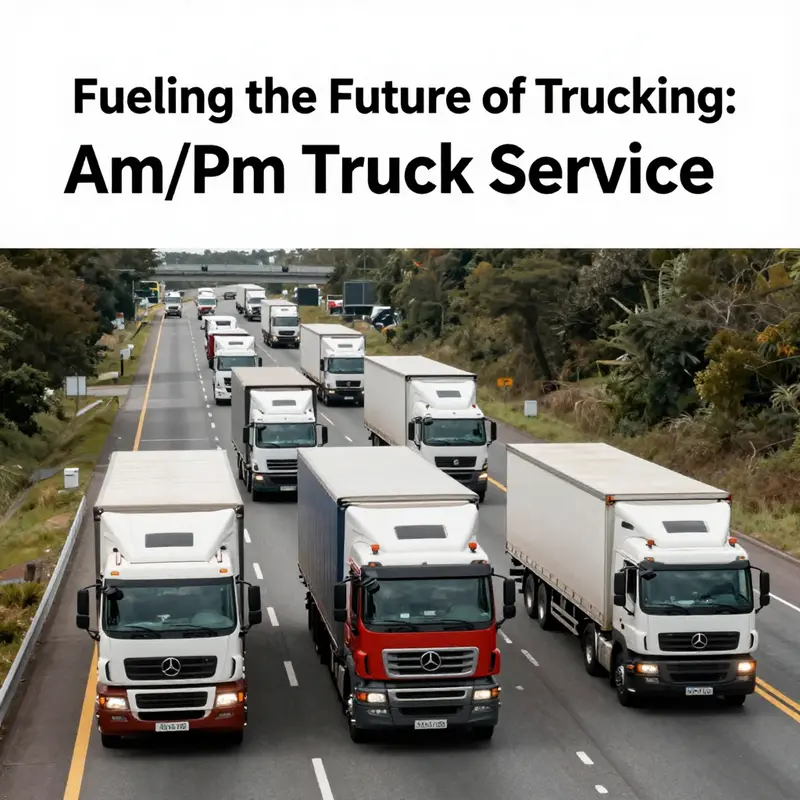
The road that carries everything from groceries to machinery rarely follows a clock, and neither do the needs of a modern fleet. AM/PM Truck Service positions itself not as a distant shop but as a partner that helps wheels turn through the gaps between day and night. Founded in 2009 as a family-run operation, they combine hands-on repair with practical reliability, offering general diesel repair, preventive maintenance, mobile on-site service, and expertise on engines, brakes, and critical subsystems. This is more than a service profile; it is a model for keeping uptime from becoming a costly disruption for fleets of all sizes. Small owner-operators and larger carriers depend on such responsive partners to minimize unplanned downtime on highways or during tight loading windows.
The rhythms of modern trucking push schedules toward irregular hours. AM/PM service recognizes this reality and builds it into operations: shifts that begin before dawn, stretch past midnight, or hop between late evening and early morning. This clock shift shapes a driver’s day, influencing sleep, family time, and attention on the road. With reliability and quick response at the core, the service offers fast roadside fixes, on-site diagnostics, and preventive maintenance that can prevent problems from becoming breakdowns. In this context, uptime becomes not just a measure of vehicle health but a factor in driver safety and well-being.
Research on shift work highlights how irregular hours can affect sleep, cognition, and performance. The National Institute for Occupational Safety and Health (NIOSH) emphasizes that chronic sleep disruption and circadian misalignment increase fatigue risk and impair reaction times. By reducing downtime and keeping vehicles in service, AM/PM truck service helps manage fatigue risk by minimizing the need for long delays and stressful breakdowns. The support provided by a dependable maintenance partner also shapes safer routes and more predictable rest opportunities, which helps drivers maintain vigilance on the road.
A key strength of AM/PM Truck Service is its mobile capability and flexible scheduling. Technicians can reach a depot, rest area, or highway shoulder, delivering diagnostics, parts, and expertise where the vehicle sits. Preventive maintenance programs become more effective when they can be performed during off-peak hours, lowering disruption to routes and preserving drivers’ rest opportunities. The outcome is a cycle where safety, uptime, and driver well-being reinforce one another, rather than competing for attention.
Beyond the mechanics, the human element matters. A family-owned business often brings a personal touch, building trust and continuity of care with fleets over time. Clear communication, a history of service, and a willingness to accommodate tight deadlines foster reliability and reduce the cognitive load drivers carry when something breaks. When a fleet knows its maintenance partner is invested in the same goal—keeping drivers safe and machines on the road—the decisions around routes, schedules, and fatigue management become aligned with safety and productivity.
For readers seeking further perspectives on health, safety, and industry practices, resources such as the NIOSH trucking page offer evidence-based guidance on how shift work intersects with fatigue management, rest facilities, and wellness programs. This ongoing dialogue among drivers, managers, and service providers helps shape resilient, safety-conscious trucking cultures.
Final thoughts
Am/Pm Truck Service exemplifies what it means to be a reliable partner in the trucking industry. Their commitment to comprehensive maintenance and repair solutions, backed by exceptional customer service, plays a crucial role in keeping vehicles on the road and businesses thriving. For long-haul truck drivers and fleet managers, having a trusted service provider like Am/Pm can make all the difference in operational efficiency and peace of mind. By investing in quality service, the trucking community ensures that they can continue to deliver goods without interruption, supporting the broader economy. As the demands of trucking evolve, so too will the innovative solutions that Am/Pm Truck Service provides, securing its position as a vital asset in the industry.