
Understanding Taxability in the Trucking Industry
Did you know that in 2023, the trucking freight bill in the United States totaled approximately $906 billion, with commercial trucks contributing a staggering $30.26 billion in federal and state fuel taxes? This remarkable figure underscores not only the vast economic influence of the trucking sector but also its complex tax environment. For long-haul truck drivers, trucking company owners, and fleet managers alike, navigating the intricacies of taxability is crucial for financial planning and compliance.
As we delve into the tax implications surrounding trucking services, it’s essential to consider both federal and state perspectives. Trucking services often face various taxes, depending on factors like vehicle weight and revenue, which can significantly affect operational costs. For instance, any business registering a heavy highway motor vehicle with a gross weight of 55,000 pounds or more must file IRS Form 2290, thus highlighting immediate tax obligations. Moreover, trucking companies are not just subject to federal taxes; states impose their own taxation frameworks, making it vital for industry professionals to stay informed about changes and nuances across different states.
Whether you are an experienced truck driver or an aspiring one looking to step into this lucrative industry, understanding these tax structures can help you make informed decisions. Let’s explore the various elements that determine the taxability of trucking services and see why this knowledge is indispensable for anyone in the trucking business. Discover the unparalleled services of 5-Star Truck Inc. and how they ensure compliance with all relevant regulations.
Are Trucking Services Taxable?
Tax implications in the trucking industry can be quite complex due to various taxes that truck drivers and trucking companies must deal with. Understanding these tax implications is essential for compliance and for maximizing potential deductions.
One area of focus is the Heavy Vehicle Use Tax (HVUT), which is required for every vehicle that has a gross weight of 55,000 pounds or more. Filing this tax is crucial, as failure to do so can result in penalties. Truck owners and operators must fill out Form 2290 to report and pay this tax.
Another aspect involves taxation based on the business structure of the trucking entity. Different structures, like S Corporations or LLCs, can lead to varying tax obligations and opportunities for deductions. As highlighted by tax professional insights, “Utilizing the appropriate business structure can significantly minimize tax liabilities for trucking businesses.”
“It’s essential for trucking operators to understand their tax structure to make the most of available deductions and avoid compliance issues,” emphasizes Jake Allen, a tax consultant specializing in transportation.
Apart from federal taxes, truckers may also face state sales taxes on materials and maintenance costs, and potential income tax liabilities depending on their domicile state and where they haul freight.
For more details on navigating the complexities of trucking taxes, consider checking out Tax Implications For Trucking Businesses which outlines the specifics regarding Form 2290 and compliance requirements. Additionally, you can learn about business entity structures and how they affect tax obligations in trucking.
Understanding these factors not only helps in compliance but can also lead to significant savings from tax deductions that trucking operators can leverage.
Common Trucking Services and Their Tax Implications
Understanding the tax implications for trucking services is a vital aspect for trucking company owners, long-haul drivers, and fleet managers. Here’s a breakdown of various trucking services and whether they are typically subject to sales tax:
-
Freight Hauling
Freight hauling involves transporting products from one location to another. Generally, in many states, freight hauling services are not subject to sales tax, as the tax is typically applied to tangible goods rather than the service itself. However, some exceptions exist depending on the state’s regulations. -
Logistics Management
This service encompasses planning, implementing, and controlling the flow of goods and services. In certain states, logistics management might face sales tax; therefore, it is advisable for providers to consult state tax regulations closely. -
Truck Maintenance and Repair Services
Maintenance and repair services are subject to sales tax in many states. Since these services are often considered tangible, many owners may find themselves responsible for collecting and remitting sales tax. Refer to your state regulations for specifics. Learn more about trucking services. -
Fuel Supply Services
Fuel services usually fall under fuel taxes, not sales tax, which is critical for trucking businesses. Fuel taxes are based on state and federal regulations and can affect profit margins significantly. -
Warehousing Services
Warehousing (storing products) may be taxable depending on the state. This service often attracts sales tax, especially if the warehousing is seen as part of a broader logistics service offering. -
Freight Brokerage
Freight brokerage services typically do not attract sales tax as this is a service for arranging the transportation of goods rather than a sale of goods or a direct physical service. However, regional differences in taxation laws can apply. -
Transportation Networking Services
These services, which connect drivers with loads via apps or digital platforms, can present various tax obligations. Some jurisdictions may impose sales taxes on these transactions, while others do not.
Conclusion
Navigating the tax implications of trucking services can be complex due to varying state regulations. Owner-operators and trucking companies should consult with a tax professional to understand their obligations fully. Any changes in legislation can have a significant impact on overall service costs and profit margins. For more insights into how to ensure compliance and maintain profitability in the trucking industry, consider exploring 5 Star Truck Inc.’s services.
Understanding State-wise Tax Regulations for Trucking Services
As trucking services are essential to the logistics and transportation sectors in the U.S., understanding state tax regulations is crucial for long-haul truck drivers, fleet managers, and company owners. Each state has its own set of tax regulations, compliance requirements, and varying levels of taxation that can significantly impact operations. This article will explore the major tax considerations for trucking services across the states, highlighting key variances that truck drivers and fleet managers must adhere to for tax compliance.
Overview of Trucking Taxes
In the U.S., taxes associated with trucking services generally include:
- State Income Tax: A variety of states impose an income tax on individuals and businesses, affecting net earnings from trucking operations.
- Sales Tax: Applicable on certain services and purchases related to trucks, such as fuel and maintenance.
- Fuel Tax: A significant cost for truckers – this tax varies by state and is a primary source of revenue for transportation infrastructure.
Upon entering the trucking industry, it is essential to recognize that the complexities of tax regulations can vary widely. Below is an overview of key tax variances by state.
State-by-State Tax Regulations for Trucking
The following table summarizes the major taxes and compliance requirements for trucking services in various states as of 2023.
| State | Key Taxes | Compliance Requirements |
|---|---|---|
| Alabama | State Income Tax, Sales Tax | Annual filing; licenses for trucking |
| Alaska | No State Income Tax, Fuel Tax | Permits required for heavy haul; safety regulations |
| Arizona | State Income Tax, Fuel Tax | IFTA license for interstate travel |
| Arkansas | State Income Tax, Sales Tax | Business registration; weight permits |
| California | State Income Tax, Fuel Tax | California Highway Patrol Inspection |
| Colorado | State Income Tax, Fuel Tax | IFTA registration; safety compliance |
| Connecticut | State Income Tax, Sales Tax, Motor Vehicle Tax | DOT registration for trucking; operational permits |
| Delaware | No State Income Tax, Fuel Tax | Federal compliance; vehicle registration |
| Florida | No State Income Tax, Fuel Tax | IFTA compliance; business licenses |
| Georgia | State Income Tax, Fuel Tax | Annual DOT company registration; permits |
| Hawaii | State Income Tax, Fuel Tax | Hawaii vehicle registration; safety checks |
| Idaho | State Income Tax, Fuel Tax | IFTA compliance; permits for longer haul |
| Illinois | State Income Tax, Fuel Tax, Sales Tax | Licensing through the Illinois DOT |
| Indiana | State Income Tax, Fuel Tax | CEI inspections; operating authority |
| Iowa | State Income Tax, Fuel Tax | Registration of vehicles and permits |
| Kansas | State Income Tax, Fuel Tax | IFTA compliance; USDOT number required |
| Kentucky | State Income Tax, Fuel Tax | Carrier licensing; vehicle inspections |
| Louisiana | State Income Tax, Sales Tax | Registration with the Louisiana DOT |
| Maine | State Income Tax, Fuel Tax | Compliance with weight stations |
| Maryland | State Income Tax, Sales Tax | Proclamation of business; permits |
| Massachusetts | State Income Tax, Fuel Tax | State truck permits; annual compliance |
| Michigan | State Income Tax, Fuel Tax | DOT registration; permits for overweight vehicles |
| Minnesota | State Income Tax, Fuel Tax | IFTA compliance; vehicle inspection |
| Mississippi | State Income Tax, Fuel Tax | Registration with state authorities |
| Missouri | State Income Tax, Fuel Tax | Licensing and registration; IFTA compliance |
| Montana | No State Income Tax, Fuel Tax | Operational and permits for commercial trucking |
| Nebraska | State Income Tax, Fuel Tax | Intrastate permits; compliance checks |
| Nevada | No State Income Tax, Fuel Tax | Business license and permits required |
| New Hampshire | No State Income Tax, Fuel Tax | DOT registries and safety ensures |
| New Jersey | State Income Tax, Sales Tax | Registration and insurance requirements |
| New Mexico | State Income Tax, Fuel Tax | IFTA compliance and weight permits |
| New York | State Income Tax, Sales Tax | Vehicle inspections; permits for commercial vehicles |
| North Carolina | State Income Tax, Fuel Tax | Fees for oversize loads; vehicle suitability section |
| North Dakota | State Income Tax, Fuel Tax | DOT requirements and safety regulations |
| Ohio | State Income Tax, Fuel Tax | Business registration; IFTA compliance |
| Oklahoma | State Income Tax, Fuel Tax | Operating authority required; permits for vehicles |
| Oregon | No State Income Tax, Fuel Tax | Business permits for transport operations |
| Pennsylvania | State Income Tax, Fuel Tax | Vehicle registration and inspections |
| Rhode Island | State Income Tax, Fuel Tax | Licensing through the Rhode Island DMV |
| South Carolina | State Income Tax, Fuel Tax | Motor carrier fees; safety inspections required |
| South Dakota | State Income Tax, Fuel Tax | USDOT registration; local permits required |
| Tennessee | State Income Tax, Fuel Tax | IFTA compliance and permits required |
| Texas | No State Income Tax, Fuel Tax | IFTA; safety regulations and vehicle inspections |
| Utah | State Income Tax, Fuel Tax | USDOT compliance; registration for state operation |
| Vermont | State Income Tax, Fuel Tax | Licensing and vehicle inspection |
| Virginia | State Income Tax, Fuel Tax | Requires registration and compliance evidence |
| Washington | No State Income Tax, Fuel Tax | IFTA registration and weight permits |
| West Virginia | State Income Tax, Fuel Tax | Requires business operational permits |
| Wisconsin | State Income Tax, Fuel Tax | Compliance checks for inspections |
| Wyoming | No State Income Tax, Fuel Tax | Trucking permits required for intrastate commercial use |
Major Variances Impacting Truck Drivers and Fleet Managers
While some states like Delaware, Florida, and Texas do not impose a state income tax, others like California and New York have relatively high tax rates. This can affect payroll for long-haul drivers significantly.
- Fuel Tax: States such as California and New Jersey impose higher fuel taxes, impacting operating costs. Truck drivers need to be aware of different fuel tax rates across states to manage their budgets effectively.
- Registration and Permit Requirements: For compliance, truck drivers must obtain various permits, especially in states with specific regulations on weight and size (e.g., Florida and California).
- State-Specific Compliance: Some states may require proof of insurance, safety checks, and special registrations for hazardous materials transport.
Conclusion
Understanding state-wise tax regulations is vital for compliance in the trucking industry. As these regulations vary significantly across states, trucking service providers must stay informed about their specific obligations to avoid penalties and ensure smooth operations. The IRS offers resources on federal tax responsibilities, and it is advisable for fleet managers to consult with a tax professional to comprehend the implications of state taxes on their business effectively. For more information about trucking solutions, explore 5 Star Trucking and how they can support your business needs efficiently.
The Impact of Taxes on Trucking Service Pricing
The trucking industry faces a myriad of challenges when it comes to pricing, and taxes play a crucial role in shaping the overall cost structure for trucking services. Taxes directly influence how trucking companies set their rates, impacting everything from operational costs to profitability.
Understanding Taxation in the Trucking Industry
1. Types of Taxes Affecting Trucking Services
Several types of taxes are particularly relevant to trucking businesses:
- Fuel Taxes: Most states impose fuel taxes, which can significantly add to operational costs.
- Heavy Vehicle Use Tax (HVUT): This federal tax is levied annually on heavy vehicles used on public highways.
- Income Taxes: State and federal income taxes on profits must also be considered when determining pricing.
These taxes ultimately affect how trucking companies calculate their prices to remain competitive while maintaining profitability.
How Taxes Influence Pricing Strategies
With ongoing changes in the regulatory environment and rising fuel prices, trucking companies must continuously monitor their tax obligations. The following insights present how taxes directly correlate with pricing decisions:
- Cost Recovery: To recover taxes imposed on fuel and vehicles, trucking companies often factor these costs into their pricing models. This not only helps cover tax liabilities but also ensures sustained profitability considering other overriding costs.
- Competitive Pricing: Companies must strike a balance between covering their tax liabilities and maintaining competitive pricing. If taxes raise costs too high, companies might lose clients to those who can afford to lower their rates due to lower operational costs or more efficient tax strategies.
Profit Margins and Operational Costs
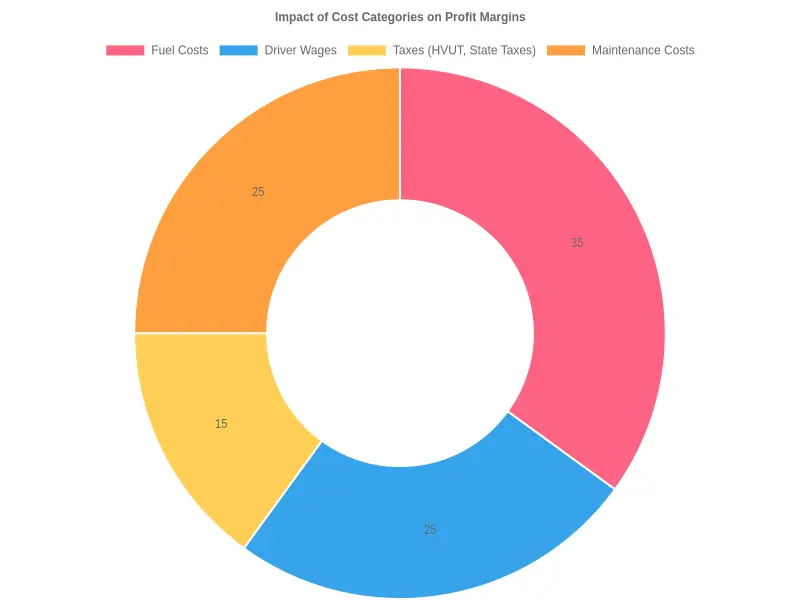
Taxes are a critical element of operational costs, which can squeeze profit margins. According to industry data:
| Cost Category | Percentage Impact on Profit Margins |
|---|---|
| Fuel Costs | 35% |
| Driver Wages | 25% |
| Taxes (HVUT, State Taxes) | 15% |
| Maintenance Costs | 25% |
Sources: FleetOwner, Trucking Research
Conclusion
Understanding how taxes impact pricing for trucking services is crucial for trucking company owners and fleet managers. With taxes representing a significant portion of operational costs, aligning pricing strategies to accommodate these taxes is vital for preserving profit margins. By optimizing their cost management strategies and remaining informed on tax regulations, trucking businesses can better navigate the complex financial landscape of the industry. For detailed insights into efficient operations, explore our premier trucking solutions.
| State | Sales Tax Rate | Fuel Tax Rate | Other Tax Considerations |
|---|---|---|---|
| California | 7.25% | $0.87/gallon | Local add-ons may apply. |
| Texas | 6.25% | $0.20/gallon | None specific to trucking. |
| Florida | 6.00% | $0.41/gallon | Additional fees for permits and vehicle sales. |
| New York | 4.00% | $0.47/gallon | State and city taxes may affect overall rates. |
| Illinois | 6.25% | $0.38/gallon | Various local taxes can also apply. |
In conclusion, understanding the taxability of trucking services is crucial for truck drivers, owners, and fleet managers alike. Throughout this article, we explored the various tax implications affecting the trucking industry, including different state regulations and how they apply to both local and interstate trucking operations. We highlighted that trucking services can be subject to sales and use tax in certain jurisdictions, which varies significantly from state to state. This inconsistency means that trucking services must remain compliant to avoid any penalties or back taxes.
It’s important for trucking professionals to stay informed about local tax laws, maintain accurate records, and consult with tax professionals when necessary. By doing so, they can ensure that their operations are compliant and that they are maximizing financial efficiency.
Furthermore, the complexity surrounding the tax implications of trucking services should be viewed not just as an obligation, but as an opportunity for better management of resources. As you navigate these regulations, be proactive in seeking advice or addressing any uncertainties in your tax obligations. For more insights on how to optimize your trucking operations and learn about premium solutions available in the industry, consider exploring 5-Star Truck Inc.’s services.
Proportions of Taxable and Exempt Trucking Services
A recent analysis indicates that approximately 70% of trucking services are subject to taxation, while 30% enjoy some form of tax exemption. This information is critical for fleet managers and trucking company owners to navigate their financial obligations effectively.
Here’s a visual representation of the percentages:
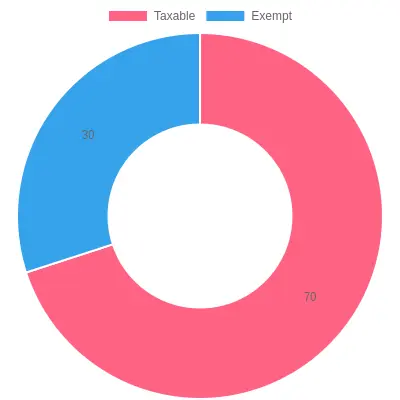
Understanding these ratios can help trucking professionals better plan for their tax liabilities and make informed decisions regarding their services.
Sources
Invest in Your Trucking Operations with Summit Fairings
As a trucking company owner, you understand that every investment counts, especially when it comes to optimizing your fleet’s performance and maintaining a strong image in the competitive trucking industry. Summit Fairings offers products that are designed specifically for companies like yours. With our advanced fairing solutions, you can significantly improve your truck’s aerodynamics, reducing fuel costs and increasing efficiency.
Why Choose Summit Fairings?
- Enhanced Efficiency: Our fairings are engineered to streamline your trucks, leading to better fuel economy, which translates into increased profits over time.
- Professional Image: The right accessories can elevate your company’s brand. By choosing Summit Fairings, you present a professional appearance that aligns with your commitment to quality and service.
- Durability and Quality: Our products are built to last, ensuring you won’t have to worry about frequent replacements. Investing in high-quality fairings is not just an expense; it’s a long-term savings strategy.
Explore Our Options
Click through to discover how Summit Fairings can align with your operational needs and image as a professional trucking service. Explore our wide range of products tailored to enhance the performance and appearance of your fleet. Learn more about our exceptional offerings and see how you can transform your trucking operations today!
Take the leap and invest in the future of your trucking company with Summit Fairings. Your vehicles deserve the best!