
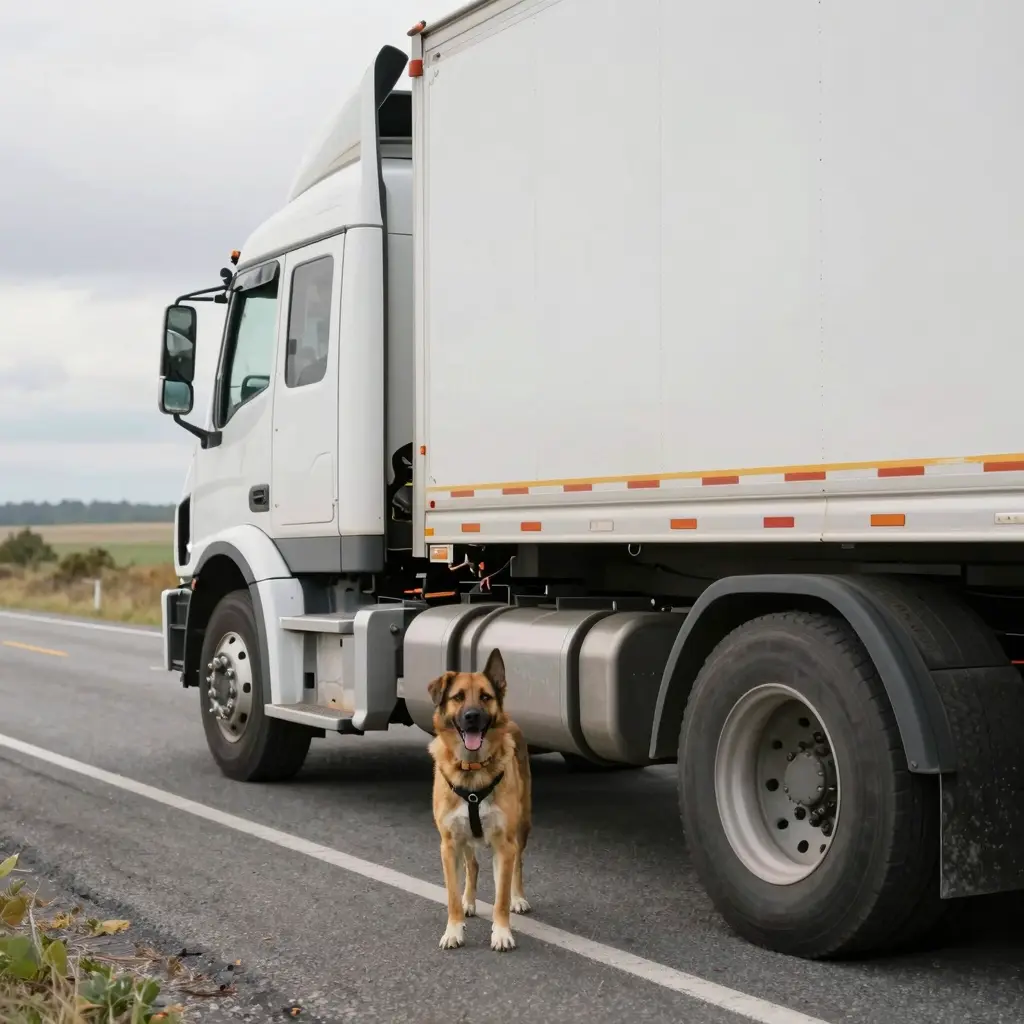
Can a Truck Driver Have a Service Dog?
As long-haul truck drivers navigate the open road, they often face unique challenges, including long hours of solitude and the physical toll of their demanding profession. One increasingly important question arises: can a truck driver have a service dog? This issue holds significant implications for drivers who may benefit from the companionship and assistance that service dogs provide. Not only can these dogs offer emotional support, but they can also help with specific disabilities, making life on the road more manageable. However, navigating the regulations and logistical considerations surrounding service animals in the trucking industry can be complex. In this article, we aim to explore the legalities, benefits, and best practices for truck drivers considering bringing a service dog along for the journey. Join us as we unpack this critical topic and provide insights tailored for trucking professionals and aspiring drivers alike. Learn more about excellence in trucking solutions and discover how incorporating a service dog can positively impact a driver’s life on the road.
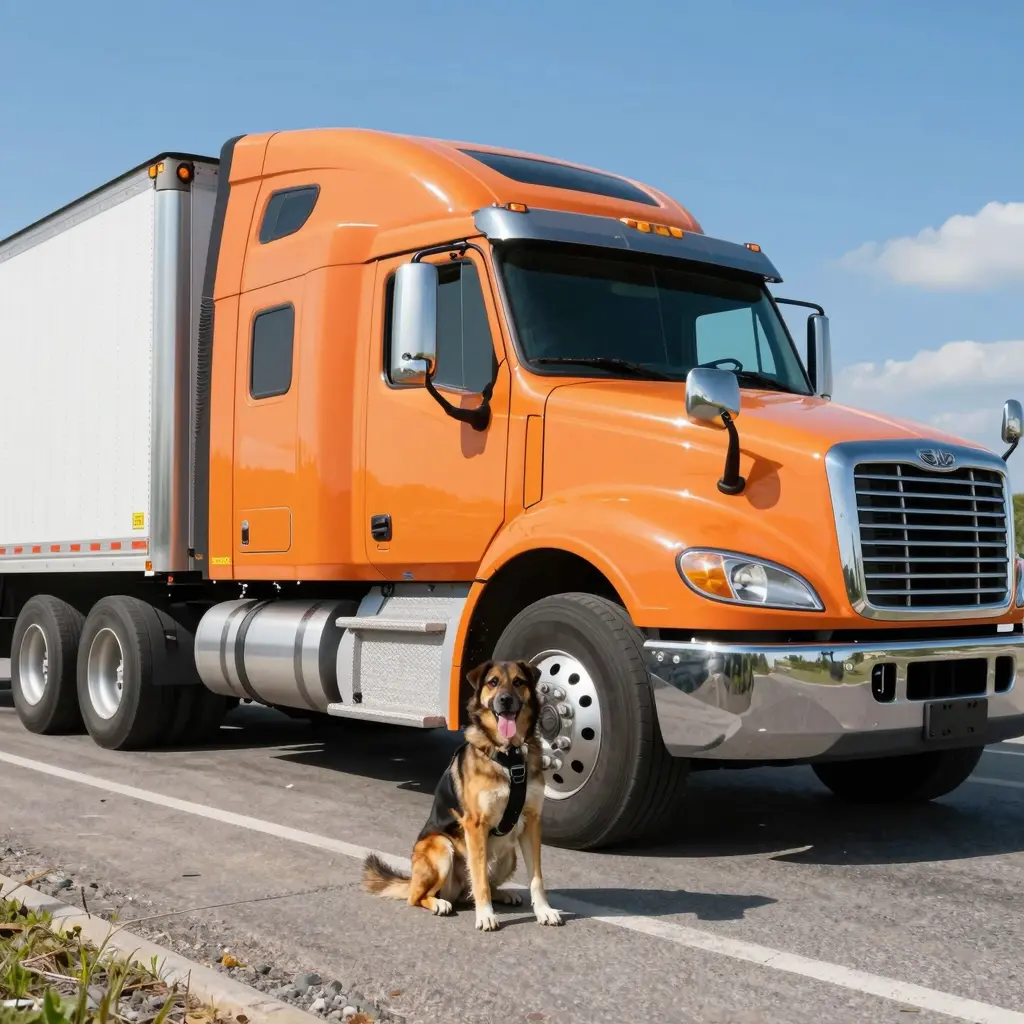
This image visually illustrates the connection between service dogs and truck drivers, helping to set the stage for discussing the role of service animals in the trucking profession.
Overview of Service Dogs and Their Roles
Service dogs are specially trained canines that assist individuals with disabilities, providing vital support tailored to their unique needs. These dogs perform specific tasks that enable their handlers to lead more independent lives. Unlike therapy dogs, which provide emotional support in various settings, service dogs are trained to execute particular functions that directly relate to their handler’s disabilities, such as guiding those who are visually impaired, alerting individuals to sounds, or assisting with mobility challenges.
Roles of Service Dogs
Here are some specific roles service dogs play:
- Guiding: For individuals with vision impairments, guide dogs help navigate obstacles and ensure safe travel.
- Mobility Assistance: Service dogs assist individuals with physical disabilities by providing stability, fetching dropped items, and opening doors.
- Medical Alert: Dogs trained to recognize medical conditions can alert their handlers to impending seizures or diabetic emergencies.
- Emotional Support: Providing comfort and emotional stability, particularly in stressful environments, which is crucial for individuals with PTSD or severe anxiety.
Importance for Truck Drivers
For truck drivers, the inclusion of service dogs can be particularly advantageous. Long-haul driving often leads to extended periods of solitude, which can amplify feelings of stress and loneliness. Having a service dog can:
- Enhance Mental Health: The companionship of a service dog can significantly reduce stress and create a more comfortable driving environment, thus enhancing focus and safety on the road.
- Improve Well-being: Service dogs are trained to detect signs of distress and provide comfort, which can help drivers cope with the demands of their job.
- Boost Job Satisfaction and Retention: Positive emotional support from service dogs can improve job satisfaction and retention, making them invaluable companions in the trucking industry. Research indicates that companies offering supportive measures, like allowing service dogs, may improve employee retention rates (learn more about employee benefits).
In summary, service dogs play crucial roles in the lives of individuals with disabilities, enabling them to overcome challenges and enhancing their quality of life. For truck drivers, in particular, these dogs not only serve as companions but also support their mental health and work performance, offering a unique advantage in the demanding environment of long-haul trucking.
Can a Truck Driver Have a Service Dog?
Truck drivers often face the challenge of balancing their profession with personal needs, such as medical conditions that may require the assistance of a service dog. Service dogs can provide vital support for individuals with disabilities, making them invaluable companions on long-haul journeys. However, regulations concerning service dogs vary significantly across states. To navigate this complexity, here is a breakdown of service dog regulations applicable to truck drivers in various states:
Summary of Service Dog Regulations by State
| State | Regulation Summary | Notable Restrictions |
|---|---|---|
| California | Service dogs are defined as dogs trained to perform tasks for individuals with disabilities. | Emotional support animals are not recognized as service dogs. |
| Texas | Service dogs are allowed in all public places; no certification or registration required. | Businesses can ask if the dog is a service animal and what tasks it performs. |
| Florida | Similar to Texas, but requires documentation from a doctor for emotional support animals. | Public places can deny access to improperly trained animals. |
| New York | Extensive protections for service dogs; requires specific task training for disabilities. | Emotional support animals are not covered under service dog laws. |
| Oregon | Any dog trained to assist a disabled person is considered a service dog. | Businesses cannot require proof of the service nature. |
| Illinois | Service dogs must be trained to assist with specific disabilities. | Emotional support animals have limited access. |
| Massachusetts | Service dogs are defined by their training to assist individuals with disabilities. | Public access may be restricted without appropriate training. |
Note: The information presented here is a general summary and can vary by region and circumstances. Truck drivers should always check with local laws and their employers regarding service animals in their vehicles.
For truck drivers looking for a reliable trucking solution that understands the importance of service animals, consider exploring the excellence of 5 Star Truck Inc. This company prioritizes quality service and the well-being of both drivers and their service animals.
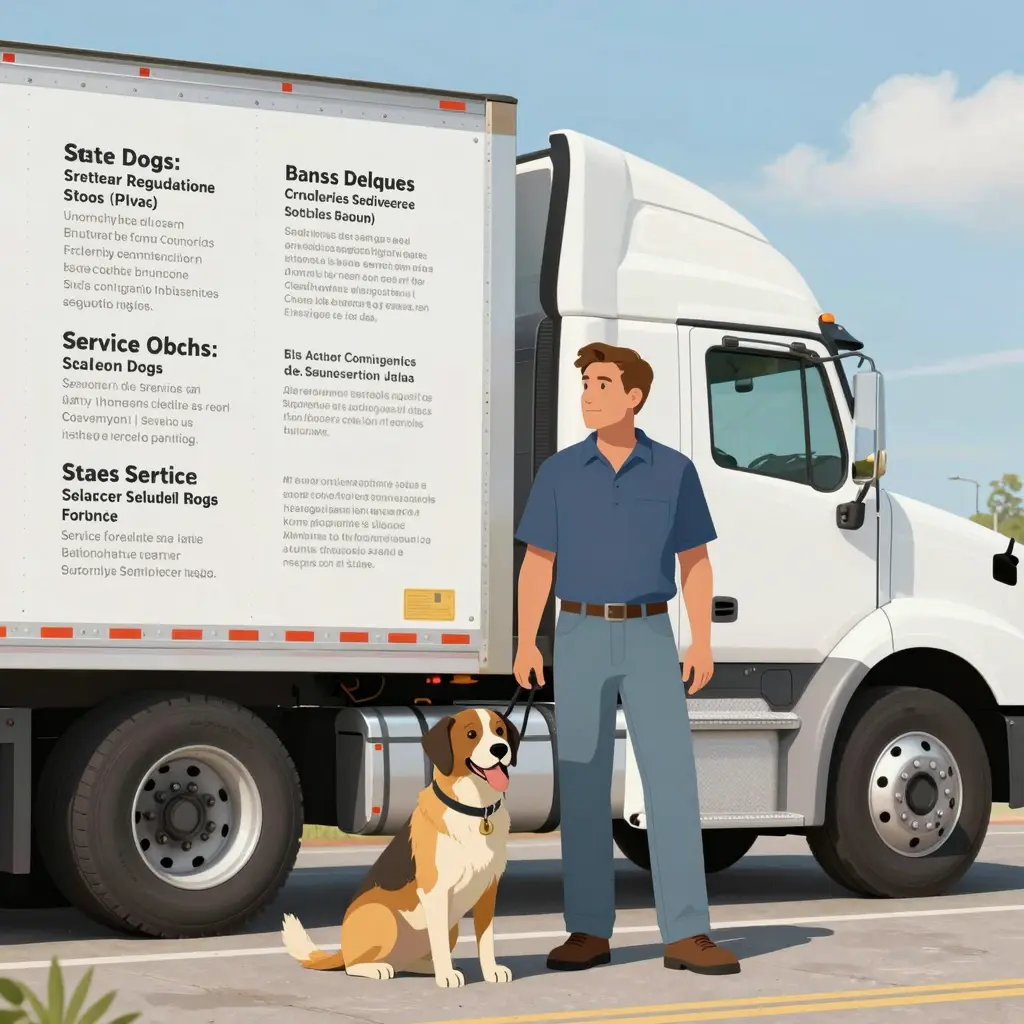
This image illustrates a truck driver with a service dog, reflecting the compliance and companionship aspects in trucking environments.
Benefits of Having a Service Dog as a Truck Driver
Having a service dog as a companion while on the road can provide long-haul truck drivers with significant mental and physical health benefits. These loyal partners can greatly enhance a driver’s quality of life, particularly in the grueling nature of truck driving.
Mental Health Benefits
Service dogs are known for their ability to provide emotional support. They can help combat loneliness, a common issue for truck drivers who spend long hours away from home. Here are some key mental health benefits:
- Companionship: Service dogs provide constant companionship, reducing feelings of isolation and depression. Interacting with a dog can be a great source of motivation and joy on the road.
- Stress Reduction: The simple act of petting a dog can lower cortisol levels, which are associated with stress. This can be particularly beneficial during tight schedules and demanding driving conditions.
- Routine and Structure: Having a dog establishes a normal routine for drivers, making it easier to manage their time and reduce anxiety. Routine can enhance overall emotional well-being and stability.
Physical Health Benefits
In addition to mental health, service dogs encourage a more active lifestyle, which can significantly improve a driver’s physical health. Consider the following:
- Encouragement to Exercise: Service dogs necessitate regular walks and play, leading drivers to be more active. Exercise is vital for maintaining physical health, especially during long periods of inactivity associated with truck driving.
- Improved Sleep Quality: The presence of a service dog can help reduce anxiety, thus improving sleep quality. Better rest can lead to higher alertness and concentration while driving, crucial for safety on the road.
- Enhanced Immunity: Regular interaction and exercise with a dog can boost immunity, contributing to better overall health and fewer sick days.
In summary, having a service dog can improve a truck driver’s life significantly. Not only do they offer companionship, but they also help manage stress and promote a healthier, more active lifestyle on the road. For those considering incorporating a service dog into their trucking life, it’s a step worth exploring for both mental and physical well-being.
Learn more about how trucking companies can provide support for your journey at 5-Star Trucking Solutions.
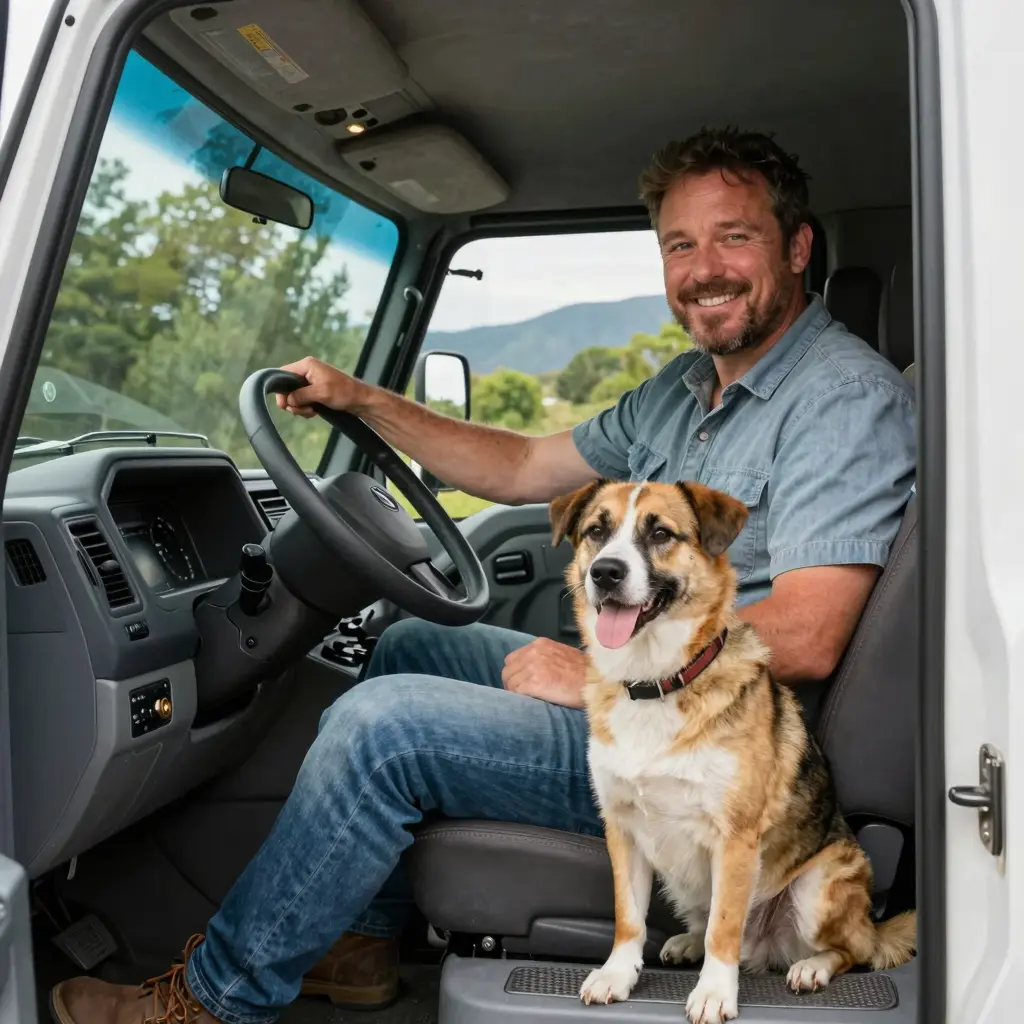
Top 5 Service Dog Breeds Suitable for Trucking
When considering a service dog for trucking, certain breeds stand out due to their traits, temperament, and trainability. Here are five breeds commonly recognized as effective service dogs for truck drivers:
-
Labrador Retriever
Known for their friendly and gentle nature, Labrador Retrievers are highly trainable and adaptable. They are great companions and can help reduce stress during long drives. -
Golden Retriever
Golden Retrievers are intelligent and eager to please, making them excellent service dogs. Their calm demeanor can bring comfort in the truck, and they are great with both their owners and others they meet on the road. -
German Shepherd
Highly trainable and loyal, German Shepherds are often used as service dogs. Their protective instincts make them excellent companions for safety-conscious truck drivers. -
Poodle
Poodles come in various sizes, from standard to miniature, making them adaptable to different living conditions. They are intelligent and hypoallergenic, making them a great choice for drivers who may have allergies. -
Boxer
Boxers are energetic and playful but also sensitive and affectionate. Their strong bond with their handler can provide emotional support during long hauls, and their playful personality can help ease the stress of the trucking lifestyle.
If you’re exploring how a service dog can enhance your trucking experience, learn more about our services at 5 Star Truck Inc. to see how we prioritize both safety and comfort on the road.
Legal Considerations for Service Dogs in Trucks
When it comes to long-haul trucking, the inclusion of service dogs is not merely a matter of convenience but one of legal importance. The Americans with Disabilities Act (ADA) outlines the criteria for service animals and sets the framework for how they can be accommodated in commercial settings, including trucking. Here’s a breakdown of the legal considerations:
Understanding Service Animal Definitions
According to the ADA, a service animal is defined as a dog that is specifically trained to perform tasks for individuals with disabilities, such as guiding individuals with visual impairments, alerting those who are deaf, or providing assistance during seizures. It’s vital to note that comfort animals do not fall under this definition and do not have the same legal access rights.
ADA Regulations Affecting Trucking
Under ADA regulations, service dogs are permitted to accompany their handlers in all areas where the public is allowed. This includes commercial trucks, meaning that drivers who have trained service dogs should be able to take their dogs on their routes without obstacles. Trucking companies and employers must understand that they cannot discriminate against staff or drivers using service animals for their disabilities.
Compliance with Trucking Regulations
In addition to federal regulations under the ADA, it’s essential for trucking companies to stay abreast of state laws that may impose additional requirements or protections concerning service animals. The law mandates that trucking operators make reasonable accommodations for service dogs, supporting the needs of drivers with disabilities.
Essential Takeaways
- Service Animal Definition: Only dogs trained to assist persons with disabilities qualify as service animals under the ADA.
- Public Access Rights: Service dogs must be permitted in all public areas of trucking operations.
- Company Policies: Trucking companies must create inclusive policies that recognize the rights of drivers with service animals to ensure compliance with ADA regulations.
For more on how ADA regulations affect trucking, you can learn more here and review the specific service animal FAQs. Understanding these legal frameworks ensures that both drivers and employers can navigate the integration of service dogs into the trucking environment effectively.
This commitment not only supports legal compliance but also fosters a more inclusive workplace and improves the overall well-being of drivers.
User Satisfaction Rates of Service Dogs in the Trucking Industry
Understanding how service dogs impact the lives of truck drivers is essential. A recent study indicated significant changes in satisfaction rates among truck drivers who adopted service dogs.
Satisfaction Rates Before and After Adoption
The following chart visualizes the differences in satisfaction rates of truck drivers before and after adopting service dogs:

| Phase | Satisfaction Rate (%) |
|---|---|
| Before Adoption | 40 |
| After Adoption | 85 |
As shown, satisfaction rates jumped from 40% before adoption to 85% after integrating service dogs into their routines. This substantial increase points to the positive effects that service dogs can have on the emotional and mental well-being of drivers.
For a deeper understanding, you may want to explore the excellence of 5 Star Truck Inc, your premier trucking solution.
Embracing service dogs not only fulfills a need for companionship but also enhances the overall job satisfaction for truck drivers, thereby promoting a healthier work environment.
The Importance of Service Dogs for Truck Drivers
“Having my service dog with me on the road has transformed my experience as a truck driver. She not only provides companionship during long hours alone, but also helps manage my anxiety, keeping me focused and calm. It’s incredible how much a four-legged friend can help make the journey smoother.”
As long-haul trucking can be a solitary occupation, many drivers find that having a service dog significantly enhances their mental well-being on the road. Service dogs are trained to assist with various disabilities, and for truck drivers, they can provide emotional support and companionship.
For more insights into the trucking industry and the importance of reliable services, you might want to check out exploring the excellence of 5 Star Truck Inc.
Conclusion
In conclusion, having a service dog in the trucking industry presents numerous benefits that positively impact both drivers and their work environment. Service dogs provide essential emotional support, boosting the mental well-being of long-haul truck drivers who often face isolation during extended journeys. They help alleviate stress, enhance focus, and serve as loyal companions on the road, leading to a more enjoyable driving experience. Additionally, understanding the legal rights associated with service dogs is vital for truck drivers, ensuring they comply with regulations while benefiting from their companionship.
The companionship of a service dog can dramatically transform a truck driver’s lifestyle, encouraging healthier habits and reducing fatigue. For fleet managers and trucking companies, considering service dogs as part of the work environment can enhance productivity and job satisfaction among drivers.
If you’re considering the introduction of service dogs into your trucking operation, it’s crucial to understand the regulations and rights associated with service animals. For reliable trucking solutions and to explore how service dogs can fit into your operations, learn more about Summit Fairings and their focus on enhancing driver well-being. Embrace the positive change that service dogs can bring to the trucking industry today!
Key Takeaways:
- Service dogs provide vital emotional and mental support for truck drivers.
- Understanding legal rights related to service animals ensures compliance and benefits.
- The incorporation of service dogs can lead to better productivity and a positive workplace culture.