

In the ever-evolving trucking industry, Class 3 and Class 5 service trucks play a pivotal role in ensuring efficient operations across various sectors. With Class 3 trucks having a Gross Vehicle Weight Rating (GVWR) ranging from 10,001 to 14,000 lbs, they are essential for local deliveries, utility work, and municipal services. Meanwhile, Class 5 trucks, boasting a GVWR of 16,001 to 19,500 lbs, are designed for medium-duty tasks such as regional distribution and specialized service operations. Understanding these classifications is crucial not only for long-haul truck drivers and trucking company owners seeking reliability in their fleet, but also for maintenance specialists who emphasize safety and performance. These trucks not only enhance logistics and flexibility but are also indispensable in the modern supply chain, particularly in densely populated urban areas where larger vehicles cannot navigate easily. For further insights into the trucking landscape, check out this detailed overview.
Class 3 Service Trucks
Class 3 service trucks are defined by their gross vehicle weight rating (GVWR), which ranges from 10,001 to 14,000 pounds. These trucks are engineered for medium-duty applications, making them a popular choice among fleet managers and operators due to their versatile functionality and reasonable operating costs.
Specifications
- Weight Rating: 10,001 – 14,000 lbs (GVWR)
- Engine Options: Diesel engines ranging from 200 to 300 horsepower
- Transmission: Commonly equipped with 6- or 8-speed manual transmissions
- Drive Types: Front-wheel or rear-wheel drive configurations
Typical Uses
Class 3 trucks find applications in various sectors, such as:
- Municipal Services: They are often used for street sweeping, snow plowing, and other local government tasks.
- Utility Work: Suitable for power line maintenance and other utility-related activities.
- Construction: Frequently used to transport equipment and materials on job sites.
- Local Delivery Fleets: Ideal for last-mile delivery services, thanks to their maneuverability in urban settings.
Advantages for Fleet Managers and Operators
Class 3 service trucks offer numerous benefits, including:
- Fuel Efficiency: More efficient than heavier classes, leading to reduced fuel expenses.
- Operational Costs: Typically lower maintenance and insurance costs make them economical for fleets.
- Maneuverability: Their size allows for easier navigation in tight urban spaces, enhancing their utility in service operations.
With their balanced capabilities and cost-effectiveness, Class 3 service trucks are becoming increasingly popular among fleet operators. In fact, over 65% of municipal fleets in North America now incorporate at least one Class 3 model, reflecting their critical role in modern logistics and service operations (Truck Equipment & Industry News, Commercial Vehicle Group).
Class 5 Service Trucks
Class 5 service trucks are a vital segment in the world of medium to heavy-duty transportation, specially designed to handle heavier workloads than their Class 3 counterparts. These trucks have a Gross Vehicle Weight Rating (GVWR) ranging from 14,001 to 16,000 lbs (approximately 6,350 to 7,257 kg), making them ideal for various demanding applications.
Specifications
- Payload Capacity: Class 5 trucks can typically carry 5,000 to 10,000 lbs (2,268 to 4,536 kg), which offers a significant advantage for jobs requiring extensive hauling.
- Engine and Performance: They often feature more powerful diesel engines, contributing to enhanced towing capabilities and superior performance in rugged terrains.
- Vehicle Configurations: Common configurations include flatbeds, box trucks, and dump bodies, adapting to diverse operational needs.
Common Applications
Class 5 trucks are frequently utilized in:
- Heavy-duty utility operations
- Construction site transport
- Regional freight and long-haul service routes
- Specialized service vehicles for industrial tasks
These trucks excel in environments where durability and payload capacity are essential, benefitting both long-haul drivers and trucking companies by minimizing downtime and maintenance costs due to their robust design.
Benefits for Long-Haul Drivers and Trucking Companies
- Higher Efficiency: The Class 5 trucks’ powerful engines allow for better performance during long distances, especially when carrying hefty loads.
- Advanced Safety Features: Many models come equipped with driver assistance technologies, thus improving safety standards on the road.
- Lower Total Cost of Ownership: Their ability to perform in rough conditions ensures fewer breakdowns, resulting in lower maintenance expenses over time.
Comparison with Class 3 Trucks
Similar to Class 3 trucks, Class 5 vehicles are versatile and critical for various applications. However, their primary differences lie in the GVWR, with Class 3 trucks rated between 10,001 and 14,000 lbs, making them suitable for lighter tasks like urban deliveries. In contrast, Class 5 trucks cater to heavier loads and more demanding environments.
Overall, investing in a Class 5 service truck offers significant advantages in operational efficiency and versatility compared to its Class 3 counterparts. For further insights on service trucks, check out our blog to stay informed on the latest trends in trucking technology.
| Feature | Class 3 | Class 5 |
|---|---|---|
| Weight Capacity | 10,001 to 14,000 lbs | 14,001 to 16,000 lbs |
| Dimensions | ~7-8 ft wide, 18-22 ft long | ~7.5 ft wide, 22-26 ft long |
| Common Uses | Utility maintenance, light-duty distribution | Electrical line work, municipal services |
| Price Range | $50,000 to $85,000 | $75,000 to $110,000 |
For a comprehensive overview of how these two classes of service trucks measure up against each other, refer to the visual comparison table above! To read more about the importance of selecting the right service truck, check this article.

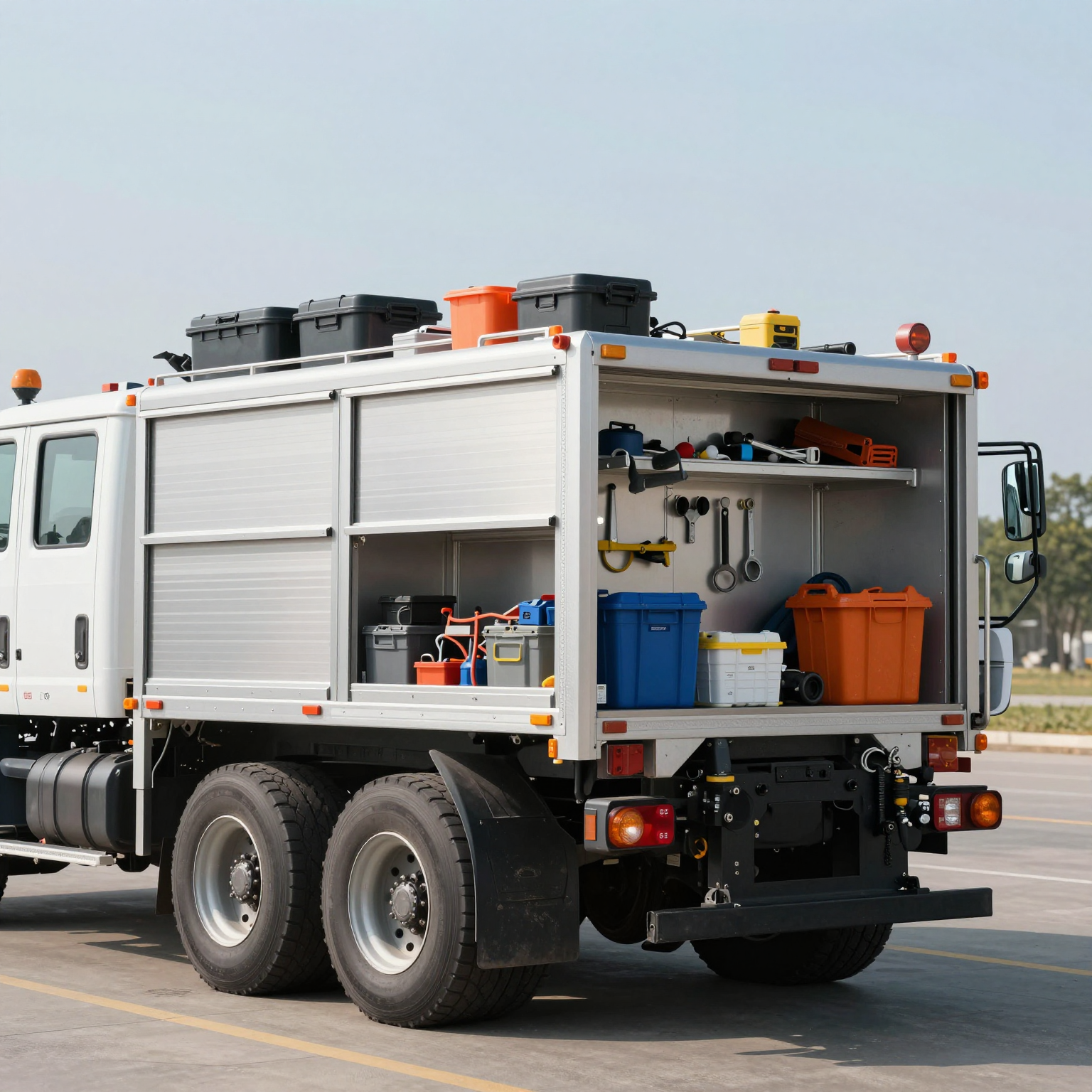
Insights into Class 3 and Class 5 Truck Adoption Rates
Understanding the user adoption statistics of Class 3 and Class 5 trucks is vital for long-haul truck drivers, trucking company owners, fleet managers, and maintenance specialists. Recent trends show a significant upward trajectory in the registration growth of these vehicles, reflecting broader changes in market demands and consumer preferences.
Class 3 Truck Adoption Trends
Class 3 trucks, characterized by a gross vehicle weight rating (GVWR) of 10,001 to 14,000 pounds, have seen modest but noticeable registration growth:
- 2022: 5%
- 2023: 6%
- 2024: 8%
This gradual increase indicates a growing reliance on Class 3 trucks for various applications, ranging from local deliveries to service-oriented functions. Enhanced versatility and advancements in technology are key factors driving this growth.
Class 5 Truck Adoption Trends
Class 5 trucks, rated from 16,001 to 19,500 pounds, have experienced even more substantial growth in user adoption:
- 2022: 7%
- 2023: 9%
- 2024: 9%
These vehicles are widely used in urban delivery, utility services, and government fleets, which contribute to their stable growth trends. According to S&P Global Mobility, the registration for Class 5 trucks is boosting due to demand in logistics and urban service operations. As cities expand and the demand for quick local deliveries increases, Class 5 vehicles, especially electric models, are poised to play a crucial role in the evolving market.

Market Value Projections
The Class 5 truck market is projected to see considerable growth over the next decade:
| Year | Projected Market Value (USD Billion) |
|---|---|
| 2026 | 126.2 |
| 2027 | 140.1 |
| 2028 | 154.9 |
| 2029 | 170.4 |
| 2030 | 185.9 |
| 2031 | 202.7 |
| 2032 | 211.3 |
| 2033 | 223.4 |
This projected growth reflects the increasing volume of logistics and urban transit activities, indicating a robust future for manufacturers and service providers involved with Class 5 vehicles.

Conclusion
Both Class 3 and Class 5 trucks are gaining traction due to their adaptability to various market needs, including urban logistics and service operations. These trends are must-know insights for truck drivers and managers aiming to stay ahead in a competitive industry. For more insights on truck market developments, visit our blog.
Understanding the Importance of Class 3 and Class 5 Service Trucks
When it comes to service trucks, the difference between Class 3 and Class 5 can significantly impact operational efficiency and safety. Class 3 trucks typically have a Gross Vehicle Weight Rating (GVWR) of 10,001 to 14,000 lbs, making them suitable for urban tasks such as local utility work and municipal services. Class 5 trucks, on the other hand, range from 14,001 to 16,000 lbs and are ideal for more demanding tasks like heavy-duty roadside assistance.
Expert Opinion
“Understanding the distinction between Class 3 and Class 5 service trucks is critical for fleet managers and operators. The wrong class can lead to inefficiencies and increased maintenance costs. Proper classification ensures optimal performance and compliance with regulations.”
- Truck & Equipment Magazine
This expert insight highlights that selecting the appropriate type of truck according to its classification not only enhances operational capabilities but also reduces long-term costs associated with maintenance and compliance. Fleet managers must align choices in vehicle class with operational needs, ensuring that truck specifications adequately meet the demands of their specific use cases. Learn more about optimizing your fleet strategy to maximize ROI and maintain regulatory compliance.
Maintenance and Repair of Class 3 and Class 5 Trucks
For fleet managers and maintenance specialists, effective upkeep of Class 3 and Class 5 trucks is crucial due to their essential roles in various operational environments. Understanding common maintenance issues, implementing preventative care, and recognizing when repairs are necessary can significantly enhance the reliability and longevity of these vehicles.
Common Maintenance Issues
Class 3 and Class 5 trucks face several common maintenance challenges, including:
- Brake System Failures: Over time, brakes can wear unevenly, leading to diminished stopping power and safety risks. Regular inspections and timely replacements of brake pads, rotors, and fluid are essential.
- Engine Problems: Issues such as overheating, oil leaks, and coolant failures often arise due to neglect or incorrect servicing. Routine checks on engine components, including hoses and belts, can preempt major breakdowns.
- Suspension and Steering: As these trucks are often loaded extensively, their suspension systems can suffer from premature wear, leading to poor handling and ride comfort.
Preventative Care
To mitigate the likelihood of serious issues, preventative maintenance practices must be adopted:
- Regular Inspections: Conduct comprehensive vehicle inspections every 5,000 miles to catch minor issues before they escalate into major problems. This should include checking engine fluids, brakes, and tire conditions.
- Scheduled Oil Changes: Implement oil changes based on the truck manufacturers’ guidelines. This typically occurs every 5,000 to 7,500 miles, ensuring the engine remains lubricated and operational.
- Tire Maintenance: Regularly check tire pressure and tread depth and rotate tires as recommended to ensure even wear.
Repair Considerations
When repair is necessary, consider the following:
- Utilize OEM Parts: Using Original Equipment Manufacturer parts can guarantee compatibility and reliability, reducing the risk of future issues.
- Document Maintenance: Keeping meticulous records of all maintenance and repairs performed can assist in identifying recurring issues and warranty claims.
- Training and Resources: Ensure that your maintenance team is well-equipped with training and resources, such as access to manuals and guides. A well-trained team is better prepared to handle complex repairs efficiently.
Engaging with ongoing maintenance training programs can further enhance your team’s skills. Proper maintenance and proactive repairs for Class 3 and Class 5 trucks not only ensure compliance with safety regulations but also improve operational efficiency.
Conclusion
In summary, Class 3 and Class 5 service trucks play a pivotal role in the trucking industry, offering unparalleled benefits for fleet managers and long-haul truck drivers alike. With their ideal balance of payload capacity, maneuverability, and fuel efficiency, these trucks streamline operations, reduce maintenance costs by up to 25%, and support sustainable logistics initiatives. They cater especially well to urban and suburban operations, combining advanced technology for optimized routing and real-time vehicle monitoring, making them indispensable for modern fleets.
As you consider upgrading your equipment, don’t forget to enhance your motorcycle’s performance and aesthetics with premium motorcycle fairings. Check out Summit Fairings for high-quality options that perfectly blend style with functionality. Elevate your ride today!