
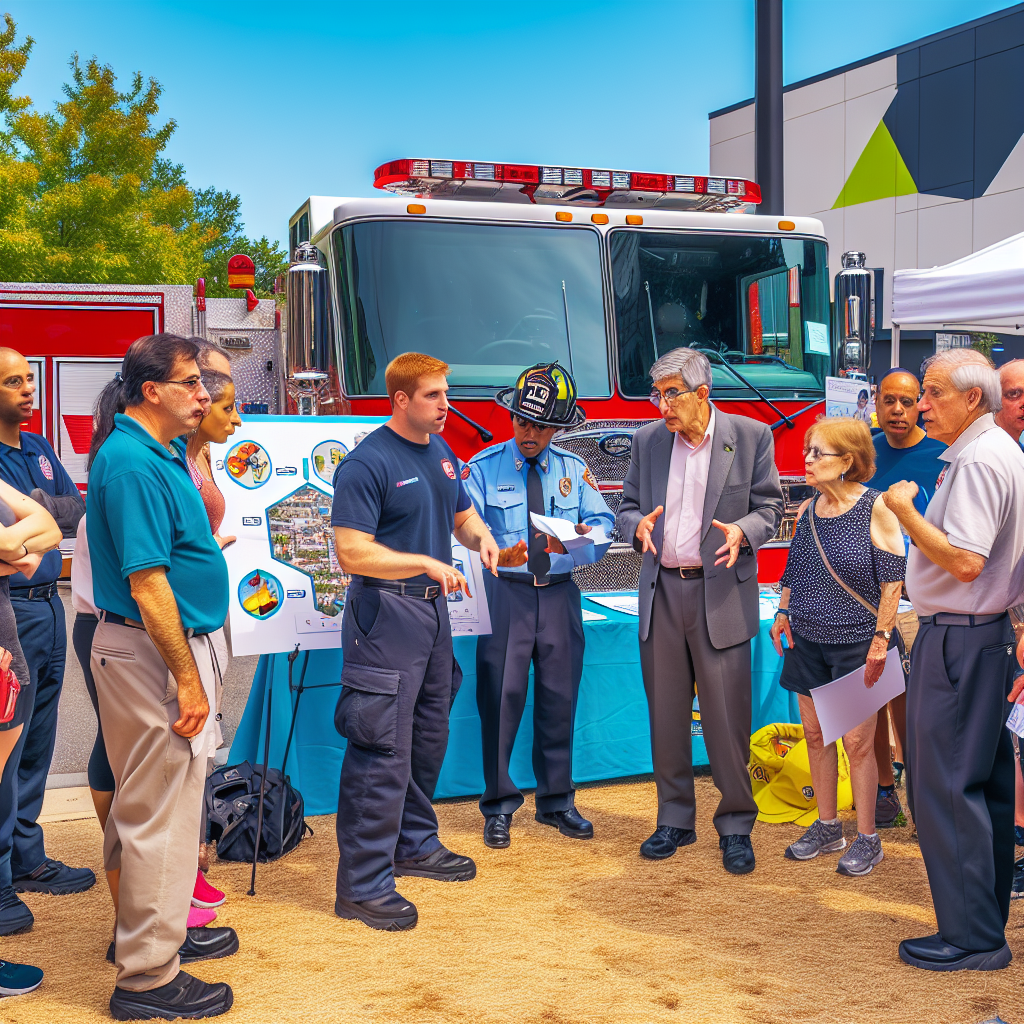
In the realm of public safety, the process of procuring fire trucks transcends mere logistics; it embodies a vital connection between local governments and the communities they serve. Particularly in Lexington County, the approach to fire truck procurement highlights the importance of community engagement. By actively involving residents in discussions about apparatus features, costs, and the overall procurement strategy, the Lexington County Fire Service cultivates a sense of ownership among the public.
This engagement not only fosters trust but also enhances transparency and accountability, ensuring that the needs and expectations of the community are met. When the public has a seat at the table, it strengthens the relationship between firefighters and the residents, ultimately leading to a more effective and responsive fire service.
The collaborative spirit that characterizes Lexington County’s fire truck procurement processes serves as a model for other jurisdictions, illustrating how proactive community involvement can lead to better decision-making and enhanced public safety outcomes.
The Role of Community Engagement
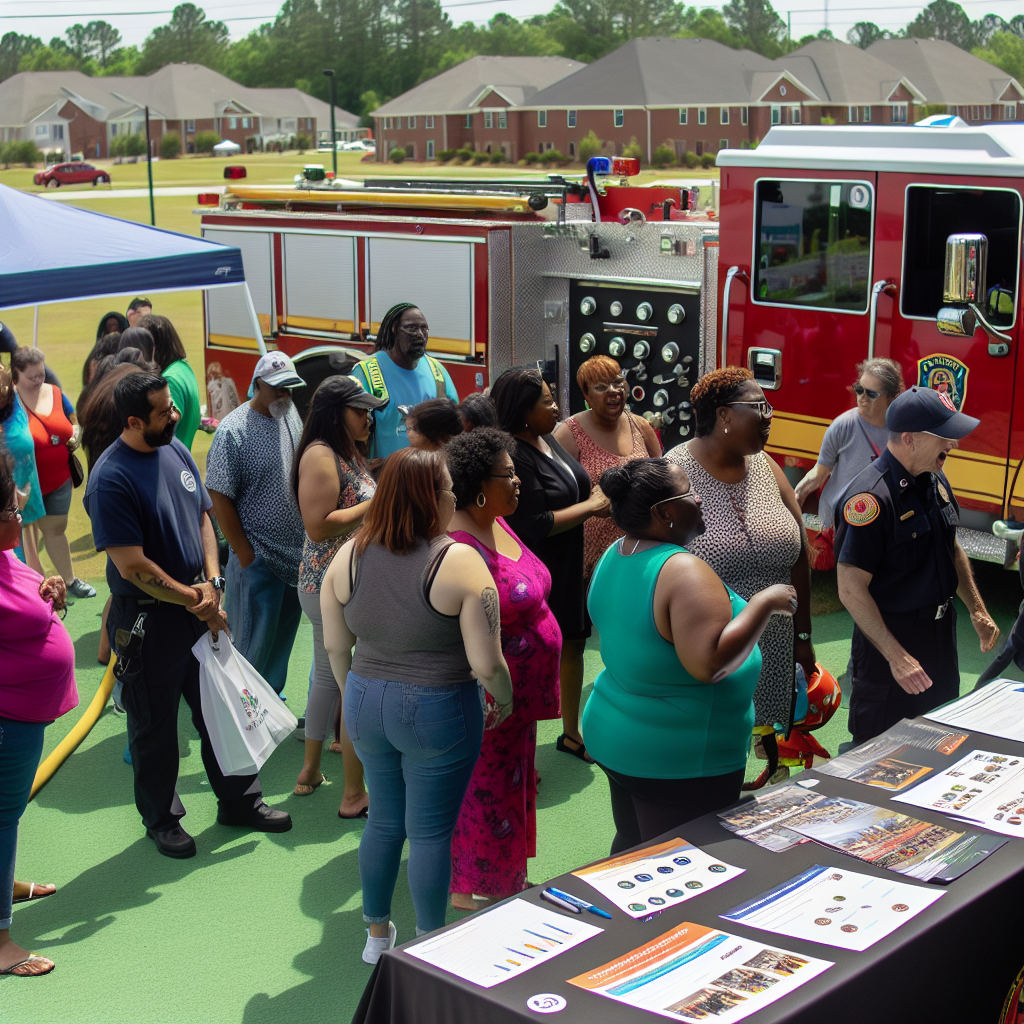
Community engagement is essential for building transparency and trust between the fire service and the public, as shown by the Lexington County Fire Service. Involving community members in discussions about fire truck procurement creates open dialogue on costs, features, and operational needs. This process simplifies decision-making and gives residents a stake in the fire service’s operations.
The Lexington County Fire Service encourages community participation by inviting residents to public meetings, workshops, and events related to fire apparatus procurement. These opportunities allow citizens to voice concerns, ask questions, and express their expectations directly to fire service professionals. Consequently, the fire service gains valuable feedback that shapes their procurement decisions, aligning them closely with community needs.
Transparency is also key in fostering trust. The Lexington County Fire Service shares detailed information about the procurement process. By openly discussing budget allocations, proposed features, and justifications for selections, the fire service alleviates skepticism about their fiscal responsibility. This transparency reassures the community that their resources are managed well and fosters public support during funding initiatives.
Creating a culture of partnership between the fire service and the community strengthens their relationship over time. As community members become more informed and engaged, they develop a sense of ownership over public safety initiatives. This collaborative effort ultimately leads to improved public safety outcomes, enhancing both the fire service and the community.
| Procurement Strategy | Lexington County | Other Approaches |
|---|---|---|
| Community Involvement | High emphasis on public engagement and feedback | Varies; often limited or informal community input |
| Transparency | Open discussions about costs and features | Often lacks detailed public communication |
| Committee Structure | Inclusive committees with community representation | Typically limited to internal stakeholders |
| Decision-Making Process | Collaborative, with community input heavily weighted | Often top-down decision-making without public input |
| Outcome Focus | Aligns closely with community needs and expectations | Outcomes may reflect organizational preferences more |
Committee Composition
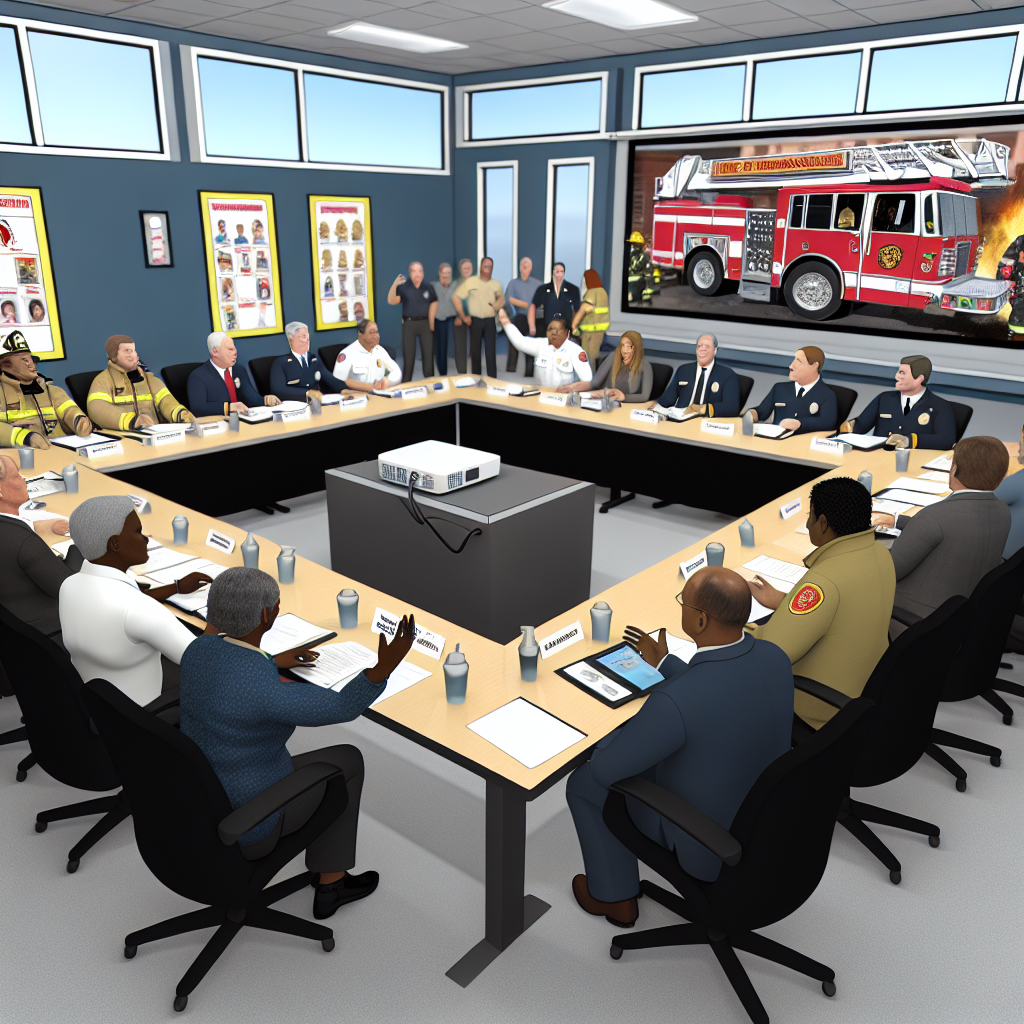
The fire apparatus procurement committee in Lexington County exemplifies a commitment to inclusivity and diverse representation, essential for fostering community trust and making informed procurement decisions. This committee serves as a collaborative platform where various stakeholders contribute their unique perspectives to the decision-making process.
The committee’s composition typically includes a well-rounded mix of members such as:
- Fire Service Professionals: Serving as the backbone of the committee, these individuals bring firsthand experience and insight into the operational needs and requirements of the fire department. Their expertise in equipment specifications and functionality is invaluable in determining the appropriate fire apparatus for the county’s needs.
- Community Representatives: Selected from various neighborhoods within Lexington County, these representatives ensure that the voices of residents are included. Their role is crucial in communicating the specific needs and expectations of the community regarding fire safety and apparatus capabilities.
- Local Government Officials: Members from the local government have a significant role in aligning the procurement process with legislative and budgetary frameworks. Their understanding of the legal and financial implications of fire apparatus purchases helps guide the committee towards fiscally responsible decisions.
- Industry Experts: Specialists from fire service equipment manufacturers and other relevant fields are often invited to share their knowledge about the latest technologies and innovations. Their input aids the committee in understanding emerging trends and industry standards, thereby facilitating more informed choices.
The committee places a high value on ensuring that every member’s voice is heard. Regular meetings are held to encourage open dialogue, allowing all stakeholders to express their opinions and suggestions. Mechanisms such as structured discussions, feedback sessions, and surveys are implemented to gather input effectively.
By bringing together a diverse group of individuals, the Lexington County fire apparatus procurement committee not only enhances the decision-making process but also fosters a sense of ownership among community members. This collaborative environment ensures that the procurement outcomes align closely with the evolving needs of the community, ultimately contributing to enhanced public safety and trust in the fire service.

User Adoption of Transparent Procurement Strategies in Fire Services
The adoption of transparent procurement strategies among fire services has been increasingly recognized as a critical component for ensuring community trust and enhancing public safety. Many fire departments have taken significant steps to involve the community in the procurement process, particularly in areas like budgeting, decision-making, and equipment specifications. Notable examples include:
- Los Angeles Fire Department (LAFD): LAFD engaged with community stakeholders through public forums to solicit feedback on fire apparatus needs. This inclusive approach resulted in a tailored procurement process that considers both operational efficacy and community priorities.
- Seattle Fire Department: Seattle has developed a robust public procurement policy, emphasizing transparency through digital reporting and open access to procurement data. This step facilitated greater community insight into the fire service’s operational expenditures and procurement rationale.
- Phoenix Fire Department: Phoenix Fire is known for its clear communication strategies, including public newsletters detailing procurement strategies and funding requirements. These communications have fostered positive engagement with the community, eventually leading to increased public support for fire safety budgets.
- Denver Fire Department: Denver conducted a survey campaign before major procurement decisions. They analyzed community feedback to inform which types of equipment and features were most desired by residents, leading to smarter investments aligned with community expectations.
These departments have demonstrated that transparent procurement not only builds trust among community members but also leads to more effective use of public funds. Key benefits observed include improved public relations, increased support for budgets through clear communication of needs and expenditures, and better alignment of fire service capabilities with community needs.
Best Practices for Transparent Procurement Strategies
In many cases, transparent procurement strategies have highlighted the importance of creating an inclusive environment where community voices are heard. Best practices that emerged include:
- Public Forums and Open Meetings: Conducting regular public forums allows firefighting agencies to present their procurement needs and gather community input, ensuring that the public understands and participates in the decision-making process.
- Engaging Stakeholders in Committees: Forming inclusive procurement committees that represent a cross-section of the community has resulted in better-rounded decisions and increased public trust.
- Clear Communication Channels: Utilizing various communication platforms (websites, social media, newsletters) not only informs the community but also provides updates on the procurement process, fostering transparency.
- Feedback Mechanisms: Implementing structured feedback mechanisms helps in assessing community priorities, allowing fire agencies to pivot their strategies based on direct input from residents.
Best Practices for Transparent Procurement Strategies
In many cases, transparent procurement strategies have highlighted the importance of creating an inclusive environment where community voices are heard. Best practices that emerged include:
- Public Forums and Open Meetings: Conduct regular public forums to present procurement needs and gather community input, ensuring public participation in the decision-making process.
- Engaging Stakeholders in Committees: Form inclusive procurement committees representing a cross-section of the community to promote well-rounded decisions and build public trust.
- Clear Communication Channels: Utilize various communication platforms (websites, social media, newsletters) to inform the community and provide updates on the procurement process, fostering transparency.
- Feedback Mechanisms: Implement structured feedback mechanisms to assess community priorities, allowing fire agencies to adjust strategies based on direct input from residents.
Community Feedback Mechanisms
Lexington County uses several robust mechanisms to gather community feedback during the fire truck procurement process. These methods not only provide valuable insight from residents but also foster transparency and build trust. Here are the primary feedback mechanisms in place:
- Public Meetings and Workshops: The fire department regularly conducts public meetings and workshops where community members are invited to discuss procurement plans. These gatherings offer a platform for residents to voice their opinions, concerns, and suggestions regarding the features and functionalities they desire in new fire apparatuses.
- Surveys and Questionnaires: Surveys are distributed to residents, either online or in print, allowing them to provide input on specific requirements for fire trucks. This method can also assess community awareness regarding operational needs and budget considerations, gathering quantitative data to better inform decision-making.
- Focus Groups: The procurement committee often establishes focus groups composed of diverse community representatives. These targeted discussions yield in-depth feedback and allow for exploration of nuanced community needs and preferences.
- Feedback Forms: After community events, feedback forms are available for residents to complete, ensuring that their thoughts and suggestions are formally documented and considered in the procurement process.
- Online Platforms: Utilizing social media and official county websites, the Lexington County Fire Service shares information about upcoming procurement decisions and invites input. This digital approach ensures that feedback can be collected from a broader audience.
Through these mechanisms, Lexington County not only collects essential information for making procurement decisions but also enhances community engagement and accountability. When residents feel that their voices are being heard, they are more likely to trust decisions made by the fire service, fostering better relationships and improved public safety outcomes.
Key Quotes from Stakeholders on Community Engagement in Fire Truck Procurement
In the fire service community, the importance of engaging stakeholders throughout the fire apparatus procurement process is emphasized in the following key quotes:
-
Importance of the Procurement Committee
“A strong, inclusive fire apparatus procurement committee is at the heart of every successful build.”
This quote underlines the criticality of a collaborative approach, involving various stakeholders to ensure that every aspect of the procurement process is well addressed. Inclusivity promotes better decision-making and ensures that diverse perspectives are incorporated into the final decisions. -
Public Engagement and Ownership
“These are your fire trucks. We want the public to be engaged.”
This statement reflects the commitment of fire service leaders to involve the community in discussions about fire apparatus. Engaging the public not only fosters trust but also ensures that the delivered apparatus meets community needs and expectations. -
Accountability Through Ownership
“Ownership drives accountability. It’s why Lexington County places such high importance on creating a collaborative fire truck procurement committee for each apparatus project.”
Highlighting the relationship between community ownership and accountability, this quote reinforces the idea that when residents feel a sense of ownership over the fire service’s equipment, they are more likely to engage and support the operations. -
Perception of Engagement Activities
“You walk in and people think it’s just dinners and factory tours, but it’s work.”
This observation acknowledges that while community engagement activities may appear casual, they are inherently serious efforts aimed at building relationships, gathering input, and ultimately enhancing the procurement process. -
Future Generations and Preconstruction
“We’re grooming the next generation to understand why preconstruction matters.”
This forward-thinking perspective demonstrates the fire service’s recognition of the importance of educating future community members about the significance of procurement processes. Understanding the rationale behind these decisions is vital for sustained support in future fire service initiatives.
These quotes encapsulate the perspective that successful fire truck procurement is not merely a transaction but rather a dynamic process steeped in community relationships, transparency, and mutual respect. Engaging the community at every level ensures that the fire service can better serve its residents while fostering a culture of collaboration and trust.
In conclusion, the community engagement process in fire truck procurement, as demonstrated by the Lexington County Fire Service, has highlighted the vital role of collaboration and transparency. By actively involving community members in discussions about fire truck features and procurement strategies, local fire departments foster trust and accountability. This inclusive approach not only ensures that the needs and expectations of the community are met but also empowers residents to take ownership of their public safety resources.
The insights from Lexington County serve as a powerful reminder that effective fire service operations depend heavily on public involvement. Each community has unique needs, and it is crucial for fire departments to engage with residents to tailor their procurement processes accordingly. As such, we encourage readers to advocate for similar community engagement strategies in their own local fire services. Whether it be through public meetings, surveys, or collaborative committees, your voice matters. By participating in fire truck procurement discussions, residents can play an integral role in shaping the safety and well-being of their communities.
Let’s champion transparency and community involvement in fire service operations, ensuring that every fire apparatus decision aligns with the needs of those it serves. Together, we can enhance public safety and foster a stronger partnership between fire services and the communities they protect!
In transitioning from the detailed comparison of procurement strategies to the composition of the committee responsible for making those decisions, it becomes clear that the effectiveness of any procurement strategy relies heavily on the structure and inclusivity of the committee involved. The collaborative nature of the committee plays a pivotal role in ensuring that the strategies employed are both reflective of community needs and supported by diverse voices.
Therefore, understanding the composition of the fire apparatus procurement committee sheds light on how these strategies are executed in practice and how community engagement continues to influence critical decisions regarding fire truck procurement.
Introduction
In the realm of public safety, the process of procuring fire trucks transcends mere logistics; it embodies a vital connection between local governments and the communities they serve. Particularly in Lexington County, the approach to fire truck procurement highlights the importance of community engagement. By actively involving residents in discussions about fire apparatus features, public safety funding, costs, and the overall procurement strategy, the Lexington County Fire Service cultivates a sense of ownership among the public. This engagement not only fosters trust but also enhances transparency and accountability, ensuring that the needs and expectations of the community are met. When the public has a seat at the table, it strengthens the relationship between firefighters and the residents, ultimately leading to a more effective and responsive fire service. The collaborative spirit that characterizes Lexington County’s fire truck procurement processes serves as a model for other jurisdictions, illustrating how proactive community input can lead to better decision-making and enhanced public safety outcomes.
User Adoption of Transparent Procurement
The adoption of transparent procurement strategies among fire services has been increasingly recognized as a critical component for ensuring community trust and enhancing public safety. Many fire departments have taken significant steps to involve the community in the procurement process, particularly in areas like budgeting, decision-making, fire apparatus features, and equipment specifications. Notable examples include:
- Los Angeles Fire Department (LAFD) engages with community stakeholders through public forums to solicit feedback on fire apparatus features and needs. This inclusive approach resulted in a tailored procurement process that considers both operational efficacy and community priorities.
-
Community Feedback Mechanisms
Lexington County uses several robust mechanisms to gather community feedback during the fire truck procurement process, emphasizing the importance of community input in defining operational needs and funding allocations. These robust methods not only provide valuable insight from residents but also foster transparency and build trust. Here are the primary feedback mechanisms in place:
Through these mechanisms, Lexington County not only collects essential information for making procurement decisions but also enhances community engagement and accountability. When residents feel that their voices are being heard, they are more likely to trust decisions made by the fire service, fostering better relationships and improved public safety outcomes.
Conclusion
In conclusion, the community engagement process in fire truck procurement, as demonstrated by the Lexington County Fire Service, has highlighted the vital role of collaboration and transparency. By actively involving community members in discussions about fire truck features, public safety funding, and procurement strategies, local fire departments foster trust and accountability. This inclusive approach ensures that the needs and expectations of the community are met while empowering residents to take ownership of their public safety resources.
The insights from Lexington County serve as a powerful reminder that effective fire service operations depend heavily on public involvement. Each community has unique needs, and it is crucial for fire departments to engage with residents to tailor their procurement processes accordingly. As such, we encourage readers to advocate for similar community engagement strategies in their own local fire services. Let’s champion transparency and community involvement in fire service operations, ensuring that every fire apparatus decision aligns with the needs of those it serves. Together, we can enhance public safety and foster a stronger partnership between fire services and the communities they protect!
Credible Source References
To support the assertions made about community engagement in fire service procurement, the following sources provide relevant studies and findings:
-
The Importance of Community Engagement
Research has shown that engaging community members in public safety decision-making significantly enhances trust and satisfaction among residents. A study published by the International Association of Fire Fighters highlights the positive correlation between community involvement and public trust in fire services. You can find more details in the report here. -
Community Engagement Best Practices
The National Fire Protection Association provides guidelines on best practices for community engagement, emphasizing the need for transparency and collaboration in procurement processes. Explore their resources for further insights here. -
Success Stories of Community Engagement
The U.S. Fire Administration highlights case studies of various fire departments that effectively utilized community feedback to improve their procurement strategies. Access examples of successful initiatives and their outcomes here.