
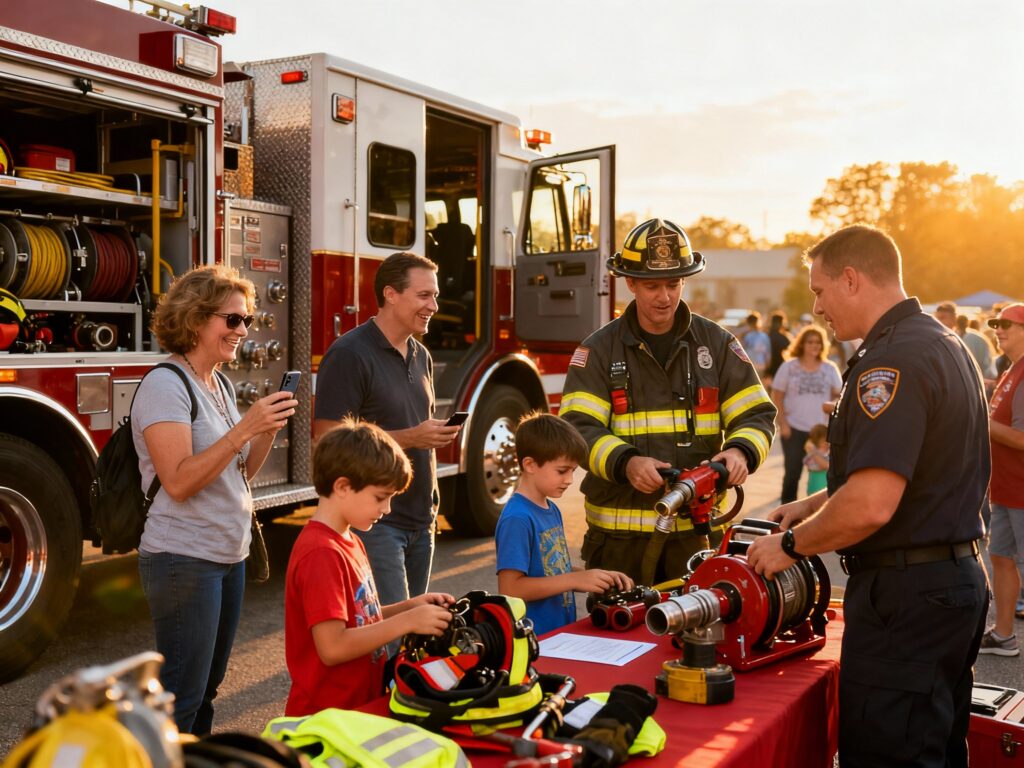
In the world of fire service, the procurement of fire trucks transcends mere purchasing; it embodies a commitment to community engagement and safety. As Fire Chief M. Kyle Minick of Lexington County Fire Service passionately emphasizes, the process begins long before the official signature on procurement papers. It hinges on the idea that these fire trucks are not just vehicles; they are vital tools designed to protect and serve the community.
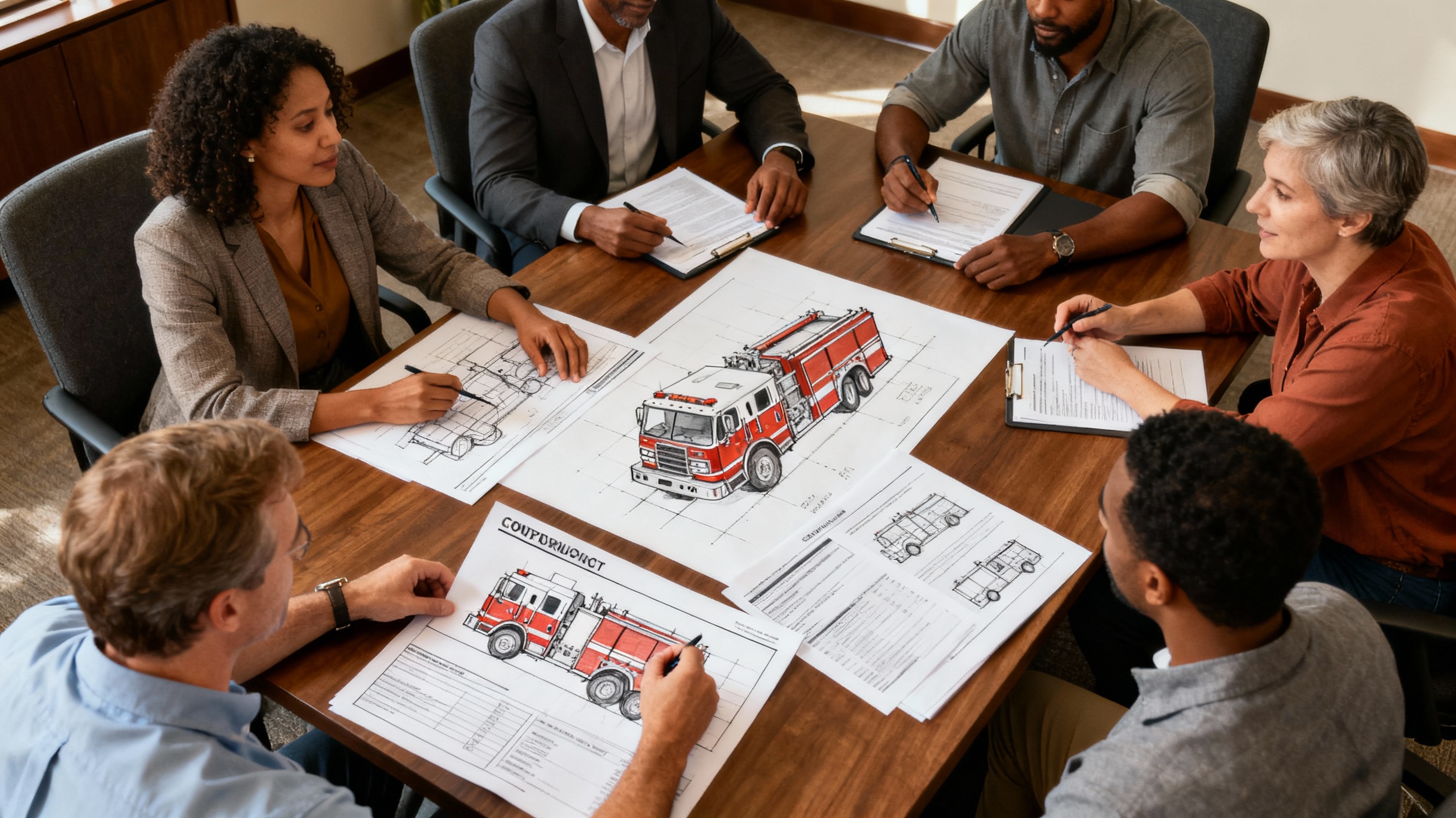
The formation of an inclusive procurement committee stands at the forefront of this effort, where diverse voices unite to shape decisions that affect local lives. This collaborative approach ensures that operational needs are met while fostering ownership among firefighters, ultimately enhancing community trust.
With an effective strategy grounded in transparency and teamwork, Lexington County is setting a new standard for fire apparatus procurement that prioritizes both firefighter input and community safety. This article delves into their journey, showcasing how proactive engagement leads to smarter decisions and better service outcomes.
The Importance of Community Engagement in Fire Apparatus Procurement
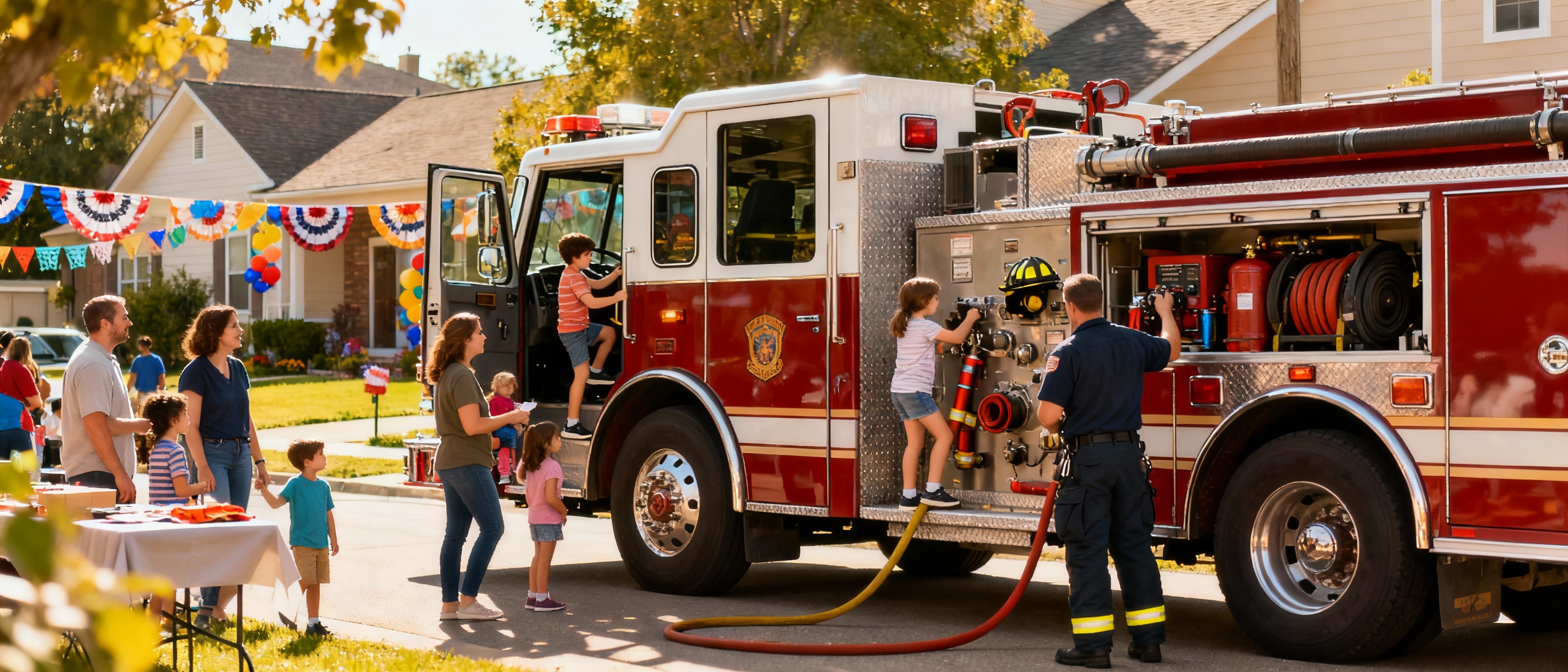
Community engagement plays a pivotal role in the fire apparatus procurement process, bridging the gap between fire services and the citizens they protect. As Fire Chief M. Kyle Minick asserts, “These are your fire trucks. We want the public to be engaged.” This statement highlights a fundamental truth: when the community is involved in decisions regarding fire apparatus, the outcome is not just a better purchase; it is a shared investment in safety and security.
Transparency is a cornerstone of effective community engagement. When fire departments are open about their procurement processes, they foster trust and accountability. This level of transparency invites community members to contribute their insights, express their concerns, and ultimately feel more connected to the safety measures in their communities. Chief Minick reiterates this sentiment, saying, “I can go out and buy a truck, but without the committee’s buy-in, they don’t take care of it and they’re not invested in it.” This statement underscores that true ownership does not merely lie with the fire department but extends to the community as a whole.
Engaging the community in the procurement process empowers citizens, creating a sense of ownership over the resources that serve them. This collaborative approach not only leads to better-informed decisions but also ensures that the fire apparatus meets the specific needs of the local environment. When firefighters and community members work together, they build a collective vision for safety and operational effectiveness, enhancing overall service delivery.
By prioritizing community engagement, fire departments like Lexington County Fire Service are setting a higher standard in fire apparatus procurement, creating a model that other departments can emulate. Involving diverse voices and fostering an environment of transparency ultimately leads to a more resilient and responsive fire service.
Conclusion
The involvement of the community in fire truck procurement is not just an ancillary aspect; it is fundamental to ensuring that the tools of fire protection meet the unique needs of each locality. As illustrated by the practices of the Lexington County Fire Service, when community members participate in the decision-making process, it leads to a more responsive and effective fire service. This collaborative model fosters trust, accountability, and a shared sense of ownership over public safety resources, resulting in better-suited fire apparatus that can truly serve the community’s needs.
The examples from various fire departments underscore the importance of engaging citizens, prioritizing transparency, and forming inclusive procurement committees. Such practices enhance operational effectiveness and involve citizens in a meaningful way, establishing a stronger bond between the fire service and the community it serves.
Call to Action
Now is the time for you to advocate for transparency and collaboration within your local fire departments. Attend public meetings, participate in community risk assessments, or even start conversations with other citizens about the importance of fire apparatus procurement in your area. By promoting community engagement, you contribute to a culture of safety and shared responsibility. Every voice counts in shaping a safer future. Get involved today and make your community’s fire service a proud part of your local public safety initiatives!
Best Practices in Fire Truck Procurement
The procurement of fire trucks has evolved significantly, emphasizing community engagement and transparency. Here are some key best practices that underline these principles:
- Establishing Inclusive Committees: As demonstrated by the Lexington County Fire Service, forming an inclusive procurement committee is essential. This committee should consist of firefighters, community members, and other stakeholders who can provide diverse perspectives on operational needs and community expectations. It ensures that decisions are made collaboratively, fostering a sense of ownership and commitment to the final decisions.
- Encouraging Community Involvement: Transparency is vital in the procurement process. Fire departments should actively seek input from the community to understand their needs better. This could take the form of public meetings, surveys, or dedicated outreach efforts. The goal is to make the community feel invested in the process—something Chief Minick of Lexington County understands well, stating, “These are your fire trucks. We want the public to be engaged.”
- Thorough Procurement Demand Surveys: Conducting comprehensive demand surveys ensures that the equipment being procured meets the specific needs of the community. By gathering input from various stakeholders, fire departments can avoid mismatched equipment, which is a common pitfall in procurement processes. The procurement committee should also utilize tools like Request for Comments (RFC) to refine specifications and eliminate unnecessary restrictions.
- Focus on Lifecycle Costs: It is critical to consider the total lifecycle costs of fire trucks, not just their purchase price. This includes maintenance, training, and operational expenses. By analyzing lifecycle costs, fire departments can make better-informed decisions that contribute to long-term fiscal responsibility.
- Optimization through Collaboration: Fire departments can benefit from collaboration with manufacturers and service providers. Engaging manufacturers early in the procurement process can streamline logistics, ensuring that the truck configurations align with operational needs. The Hubei Jiangnan and Dongfeng collaboration exemplifies this practice, as they worked together to optimize vehicle configurations and enhance procurement transparency.
- Performance Metrics Matching: Selecting the appropriate fire truck type based on performance indicators and community needs should be a priority. A structured approach can help match fire apparatus with specific scenarios, such as urban settings needing water tankers or foam trucks for industries. The procurement committee should focus on evaluating suppliers based on their performance metrics and service capabilities.
Conclusion
By implementing these best practices, fire departments, like Lexington County, can enhance their procurement processes. Engaging the community, being transparent, and encouraging collaboration can lead to more effective and efficient fire truck procurement, ultimately benefiting the entire community.
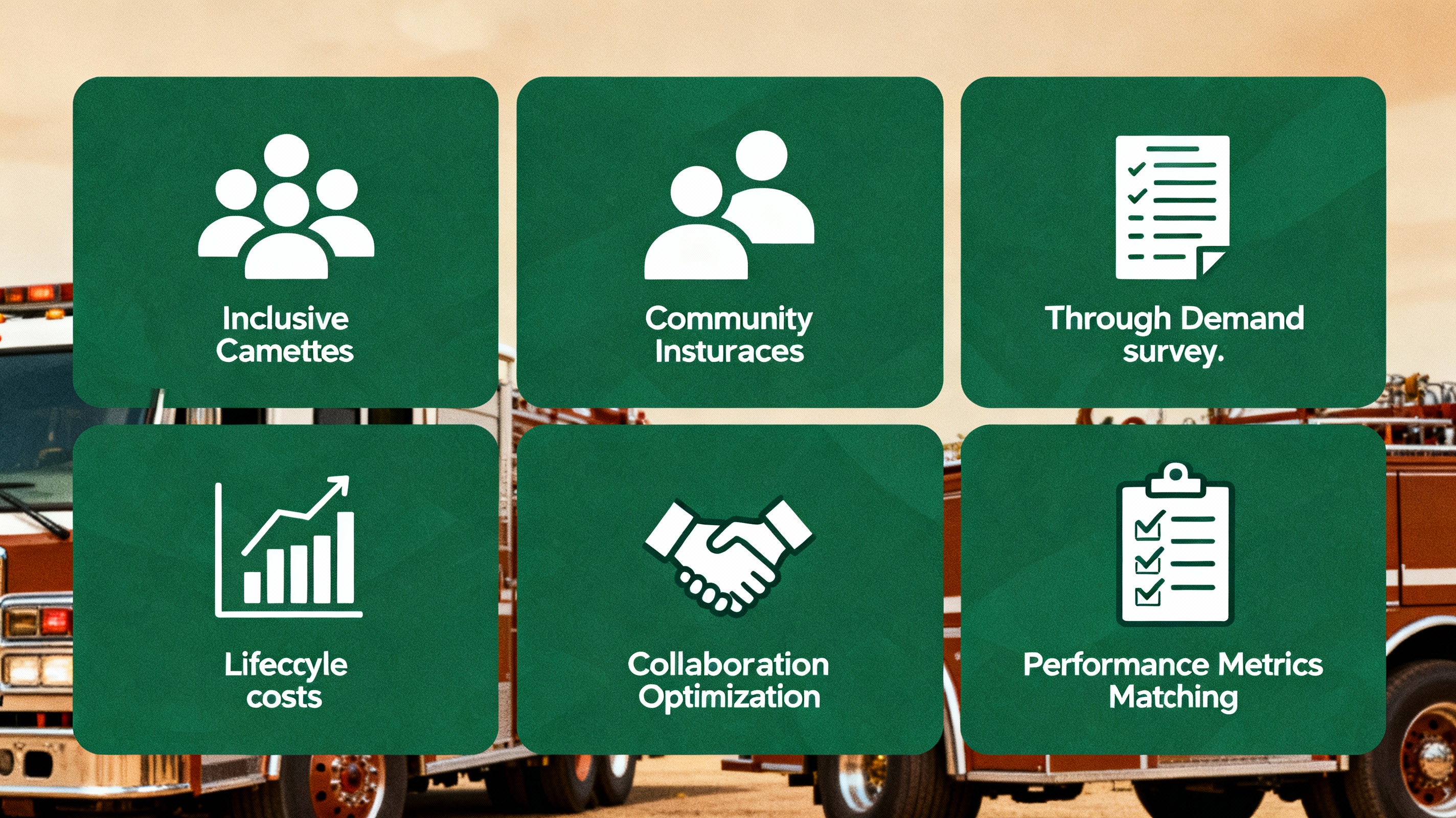
This graphic summarizes key best practices in fire truck procurement, emphasizing inclusive committees, community involvement, thorough demand surveys, lifecycle costs, collaboration optimization, and performance metrics matching.
| Fire Department | Community Engagement Level | Committee Involvement | Outcomes Achieved |
|---|---|---|---|
| Lexington County Fire Service | High | Strong cross-functional committee | Increased public trust and satisfaction, tailored fire truck specifications |
| Chicago Fire Department | Medium | Limited community input | Standardized procurement process, less tailored to community needs |
| Seattle Fire Department | High | Active community forums | Innovative solutions tailored to specific neighborhoods |
| Miami-Dade Fire Rescue | Medium | Advisory committees only | Efficiency in procurement but missed opportunities for community buy-in |
| Los Angeles Fire Department | High | Diverse stakeholder committees | Enhanced resource allocation aligned with community expectations |
| Fire Department | Average Budget (USD) | Procurement Timeline (Months) | Community Engagement Level | Outcomes Achieved |
|---|---|---|---|---|
| Lexington County Fire Service | 650,000 | 12 | High | Increased public trust and satisfaction, tailored fire truck specifications |
| Chicago Fire Department | 750,000 | 18 | Medium | Standardized procurement process, less tailored to community needs |
| Seattle Fire Department | 700,000 | 14 | High | Innovative solutions tailored to specific neighborhoods |
| Miami-Dade Fire Rescue | 800,000 | 16 | Medium | Efficiency in procurement but missed opportunities for community buy-in |
| Los Angeles Fire Department | 900,000 | 20 | High | Enhanced resource allocation aligned with community expectations |
The Role of Procurement Committees in Fire Departments
Procurement committees play a pivotal role in helping fire departments make informed purchasing decisions when acquiring fire apparatus. These committees are typically composed of a diverse group of stakeholders, including firefighters, administrative staff, community representatives, and technical experts. This diversity allows for multiple perspectives to be considered, ensuring that the procurement process aligns with the operational and community needs.
Responsibilities of Procurement Committees
- Needs Assessment: The first step for a procurement committee is to assess and identify the needs of the fire department. This involves gathering insights about current equipment performance, anticipated future challenges, and specific requirements based on community demographics and safety needs. Through discussions and data gathering, the committee ensures that purchases address both immediate operational needs and long-term strategic goals.
- Specification Development: Once the needs are identified, the procurement committee develops detailed specifications for the fire apparatus to be procured. This task requires collaborative input to ensure that the specifications are realistic, encompass necessary features, and reflect the department’s operational priorities. The committee must consider factors such as size, capacity, type of equipment, and technological advancements that can enhance operational effectiveness.
- Market Research and Vendor Evaluation: The committee is responsible for conducting thorough market research to understand available options and innovations within the fire apparatus industry. They evaluate different vendors and manufacturers based on the specifications created. Factors such as cost, reliability, warranty services, and previous experience with similar procurements are analyzed to ensure a fair and transparent selection process.
- Budget Oversight: Financial considerations are paramount in any procurement process. The committee reviews budgetary constraints and ensures that the procurement aligns with available funds while striving for the best value. Understanding total lifecycle costs— including maintenance, training, and operational expenses—is crucial at this stage to prevent unnecessary financial strain on the department and community.
- Community Engagement and Communication: A significant focus of procurement committees is on community engagement. They are tasked with keeping the public informed about the procurement process, which helps to build trust between the fire department and the community it serves. By organizing public forums, surveys, and meetings, committees solicit community feedback regarding fire truck needs and preferences, ensuring that purchases resonate with public expectations and enhance community safety.
Impact of Procurement Committees on Successful Fire Truck Procurement
The involvement of procurement committees profoundly impacts the effectiveness of fire truck procurement. Their collaborative approach ensures that the fire apparatus meets the needs not only of the fire department’s operational standards but also reflects public safety priorities. By engaging various stakeholders, procurement committees help create a sense of ownership regarding the selected equipment. When firefighters partake in the decision-making process, they are more likely to take pride in the equipment and maintain a commitment to its upkeep.
Moreover, involving community members fosters transparency and encourages public support for future initiatives. When stakeholders feel their voices have been heard, the department can cultivate a strong, trust-based relationship with the community. Overall, effective procurement committees contribute to the establishment of a fire department that is well-equipped to serve the public responsibly and efficiently, enhancing both safety and service delivery throughout the community.
Operational Needs and Safety
Community feedback plays an essential role in shaping the operational needs of fire departments, particularly in the vital area of fire truck procurement. Engaging the community in these processes not only ensures that the apparatus meets local safety demands but also instills a sense of shared ownership and responsibility for public safety.
As Fire Chief M. Kyle Minick of Lexington County aptly puts it, “These are your fire trucks. We want the public to be engaged.” This sentiment underlines the importance of involving community members in the decision-making that directly affects them. By actively seeking input from residents, fire departments can ensure that fire trucks are tailored to meet the unique challenges present in their communities.
For instance, departments can conduct community risk assessments to gather insights about local hazards, building types, and response expectations. According to an article from Fire Apparatus & Emergency Equipment Magazine, these assessments play a crucial role in influencing apparatus specifications, ensuring that new fire trucks are equipped with features that address specific local safety concerns rather than relying on standardized designs.
Community engagement also fosters a more profound understanding of operational challenges faced by the fire department. Research conducted by the National Fire Protection Association emphasizes that systematic community surveys and public feedback are instrumental in guiding fire department resource allocation decisions, including the procurement of fire apparatus. This process enables departments to adjust their specifications to address actual community needs, ultimately leading to more effective firefighting efforts.
An example of this can be found in how certain departments, such as those highlighted in FireRescue1, have adapted their fire truck features based on citizen feedback. For instance, rural fire agencies may opt for larger water tanks due to the lack of hydrants in their areas, while departments serving dense urban environments might require smaller vehicles to navigate narrow streets.
Moreover, incorporating feedback from community members can lead to the adoption of advanced safety features. A white paper from the Fire Department Safety Officers Association discusses how feedback can help translate community priorities into technical specifications, ensuring that fire apparatus not only meets performance standards but also prioritizes safety enhancements based on identified needs.
In conclusion, effective procurement processes directly benefit from a strong emphasis on community engagement. By valuing community input and integrating it into the fire truck procurement process, fire departments enhance their operational effectiveness and enhance safety measures. This collaboration not only leads to well-equipped fire departments but also builds public trust and support, which are vital for the continued success of fire services.
Conclusion
The involvement of the community in fire truck procurement is not just an ancillary aspect; it is fundamental to ensuring that the tools of fire protection meet the unique needs of each locality. As illustrated by the practices of the Lexington County Fire Service, when community members participate in the decision-making process, it leads to a more responsive and effective fire service. This collaborative model fosters trust, accountability, and a shared sense of ownership over public safety resources, resulting in better-suited fire apparatus that can truly serve the community’s needs.
The examples from various fire departments underscore the importance of engaging citizens, prioritizing transparency, and forming inclusive procurement committees. Such practices enhance operational effectiveness and involve citizens in a meaningful way, establishing a stronger bond between the fire service and the community it serves.
Call to Action
Now is the time for you to advocate for transparency and collaboration within your local fire departments. Attend public meetings, participate in community risk assessments, or even start conversations with other citizens about the importance of fire apparatus procurement in your area. By promoting community engagement, you contribute to a culture of safety and shared responsibility. Every voice counts in shaping a safer future. Get involved today and make your community’s fire service a proud part of your local public safety initiatives!
Call to Action
Now is the time for you to advocate for transparency and collaboration within your local fire departments. Attend public meetings, participate in community risk assessments, or even start conversations with other citizens about the importance of fire apparatus procurement in your area. By promoting community engagement, you contribute to a culture of safety and shared responsibility. Every voice counts in shaping a safer future.
Consider the insightful words from local community members that illustrate the impact of their involvement:
- Mary Johnson, a resident, remarked, “When the fire department asked us about the new truck, I never thought they’d actually listen. But our feedback about needing better accessibility for our narrow streets was incorporated. It shows they truly value our safety concerns.”
- Community leader in Colorado shared, “The transparency in the procurement process built incredible trust. When Chief Martinez explained why certain features cost more but would save lives in our specific terrain, we understood the investment. Our neighborhood association ultimately supported the budget increase because we saw our concerns addressed.”
Get involved today and make your community’s fire service a proud part of your local public safety initiatives!
The Importance of Community Safety in Fire Apparatus Procurement
Community engagement plays a pivotal role in the fire apparatus procurement process, bridging the gap between fire services and the citizens they protect. As Fire Chief M. Kyle Minick asserts, “These are your fire trucks. We want the public to be engaged.” This statement highlights a fundamental truth: when the community is involved in decisions regarding fire apparatus, the outcome is not just a better purchase; it is a shared investment in safety and security.
Transparency is a cornerstone of effective community engagement. When fire departments are open about their procurement processes, they foster trust and accountability. This level of transparency invites community members to contribute their insights, express their concerns, and ultimately feel more connected to the safety measures in their communities. Chief Minick reiterates this sentiment, saying, “I can go out and buy a truck, but without the committee’s buy-in, they don’t take care of it and they’re not invested in it.” This statement underscores that true ownership does not merely lie with the fire department but extends to the community as a whole.
Engaging the community in the procurement process empowers citizens, creating a sense of ownership over the resources that serve them. This collaborative approach not only leads to better-informed decisions but also ensures that the fire apparatus meets the specific needs of the local environment. When firefighters and community members work together, they build a collective vision for safety and operational effectiveness, enhancing overall service delivery.
By prioritizing community engagement, fire departments like Lexington County Fire Service are setting a higher standard in fire apparatus procurement, creating a model that other departments can emulate. Involving diverse voices and fostering an environment of transparency ultimately leads to a more resilient and responsive fire service.
Conclusion: Elevating Community Safety in Fire Truck Procurement
The involvement of the community in fire truck procurement is not just an ancillary aspect; it is fundamental to ensuring that the tools of fire protection meet the unique needs of each locality. As illustrated by the practices of the Lexington County Fire Service, when community members participate in the decision-making process, it leads to a more responsive and effective fire service. This collaborative model fosters trust, accountability, and a shared sense of ownership over public safety resources, resulting in better-suited fire apparatus that can truly serve the community’s needs.
The examples from various fire departments underscore the importance of engaging citizens, prioritizing transparency, and forming inclusive procurement committees. Such practices enhance operational effectiveness and involve citizens in a meaningful way, establishing a stronger bond between the fire service and the community it serves.
Best Practices for Community Safety in Fire Truck Procurement
The procurement of fire trucks has evolved significantly, emphasizing community engagement and transparency. Here are some key best practices that underline these principles:
- Establishing Inclusive Community Committees: As demonstrated by the Lexington County Fire Service, forming an inclusive procurement committee is essential. This committee should consist of firefighters, community members, and other stakeholders who can provide diverse perspectives on operational needs and community expectations. It ensures that decisions are made collaboratively, fostering a sense of ownership and commitment to the final decisions.
- Encouraging Community Involvement for Safety: Transparency is vital in the procurement process. Fire departments should actively seek input from the community to understand their needs better. This could take the form of public meetings, surveys, or dedicated outreach efforts. The goal is to make the community feel invested in the process—something Chief Minick of Lexington County understands well, stating, “These are your fire trucks. We want the public to be engaged.“
- Thorough Demand Surveys for Community Safety Needs: Conducting comprehensive demand surveys ensures that the equipment being procured meets the specific needs of the community. By gathering input from various stakeholders, fire departments can avoid mismatched equipment, which is a common pitfall in procurement processes. The procurement committee should also utilize tools like Request for Comments (RFC) to refine specifications and eliminate unnecessary restrictions.
- Focus on Lifecycle Costs for Long-term Community Safety: It is critical to consider the total lifecycle costs of fire trucks, not just their purchase price. This includes maintenance, training, and operational expenses. By analyzing lifecycle costs, fire departments can make better-informed decisions that contribute to long-term fiscal responsibility.
- Optimization through Collaboration for Community Safety: Fire departments can benefit from collaboration with manufacturers and service providers. Engaging manufacturers early in the procurement process can streamline logistics, ensuring that the truck configurations align with operational needs. The Hubei Jiangnan and Dongfeng collaboration exemplifies this practice, as they worked together to optimize vehicle configurations and enhance procurement transparency.
- Performance Metrics Matching to Community Needs: Selecting the appropriate fire truck type based on performance indicators and community needs should be a priority. A structured approach can help match fire apparatus with specific scenarios, such as urban settings needing water tankers or foam trucks for industries. The procurement committee should focus on evaluating suppliers based on their performance metrics and service capabilities.
Conclusion on Community Safety Engagement
By implementing these best practices, fire departments, like Lexington County, can enhance their procurement processes. Engaging the community, being transparent, and encouraging collaboration can lead to more effective and efficient fire truck procurement, ultimately benefiting the entire community.