

In the complex world of fire rescue, every second counts, and the reliability of fire apparatuses can mean the difference between life and death. Customized fire truck maintenance training is essential to ensure that these vital machines operate at their best.
Fire trucks are not only significant investments but also vital tools designed and manufactured to the unique specifications of each fire department. As stated,
“A fire apparatus is designed and manufactured to the unique specifications of a fire department — shouldn’t the service and maintenance training be customized for each apparatus?”
This question highlights the pressing need for tailored training that addresses the specific requirements of different fire apparatuses.
Such customized training ensures that firefighters and mechanics are equipped with the knowledge and skills necessary to maintain safety and efficacy in their operations. By prioritizing personalized training, fire departments can build a culture of safety and reliability, ensuring that when their apparatus is called upon, it operates flawlessly and helps save lives.
Customized fire truck maintenance training offers numerous advantages for fire departments, significantly enhancing their operational effectiveness and efficiency. With over two decades of experience since its inception in 1997, Pierce Manufacturing has established a comprehensive training program that caters to the specific needs of individual fire departments.
Here are some key benefits of customized fire truck maintenance training:
- Reduced Truck Downtime: Training personnel to diagnose issues and perform essential repairs ensures fire trucks remain operational. This leads to quicker response times during emergencies.
- Enhanced Performance and Lifespan of Apparatus: Regular maintenance training allows for preventative care, prolonging the life of fire trucks and creating a safer environment for firefighting personnel.
- Cost Savings: Conducting minor repairs in-house saves money over time. Understanding their specific apparatus allows for quicker identification of parts and maintenance tasks, ultimately reducing unexpected repair costs.
- Access to Expertise: Pierce Manufacturing provides ongoing support through a 24/7 hotline, ensuring fire departments have expert technical assistance whenever necessary, boosting confidence among teams handling maintenance tasks.
- Hands-On Experience: The training includes practical exercises that help mechanics and firefighters become familiar with their specific vehicle systems, enhancing their ability to perform inspections and repairs efficiently.
Pierce offers around 15 different training classes focused on various vehicle types and systems, most of which are conducted in a 16-hour, two-day format. This flexibility ensures fire departments receive comprehensive training without excessive disruption to their duties. Trained personnel are better equipped to ensure their fire trucks are always mission-ready.
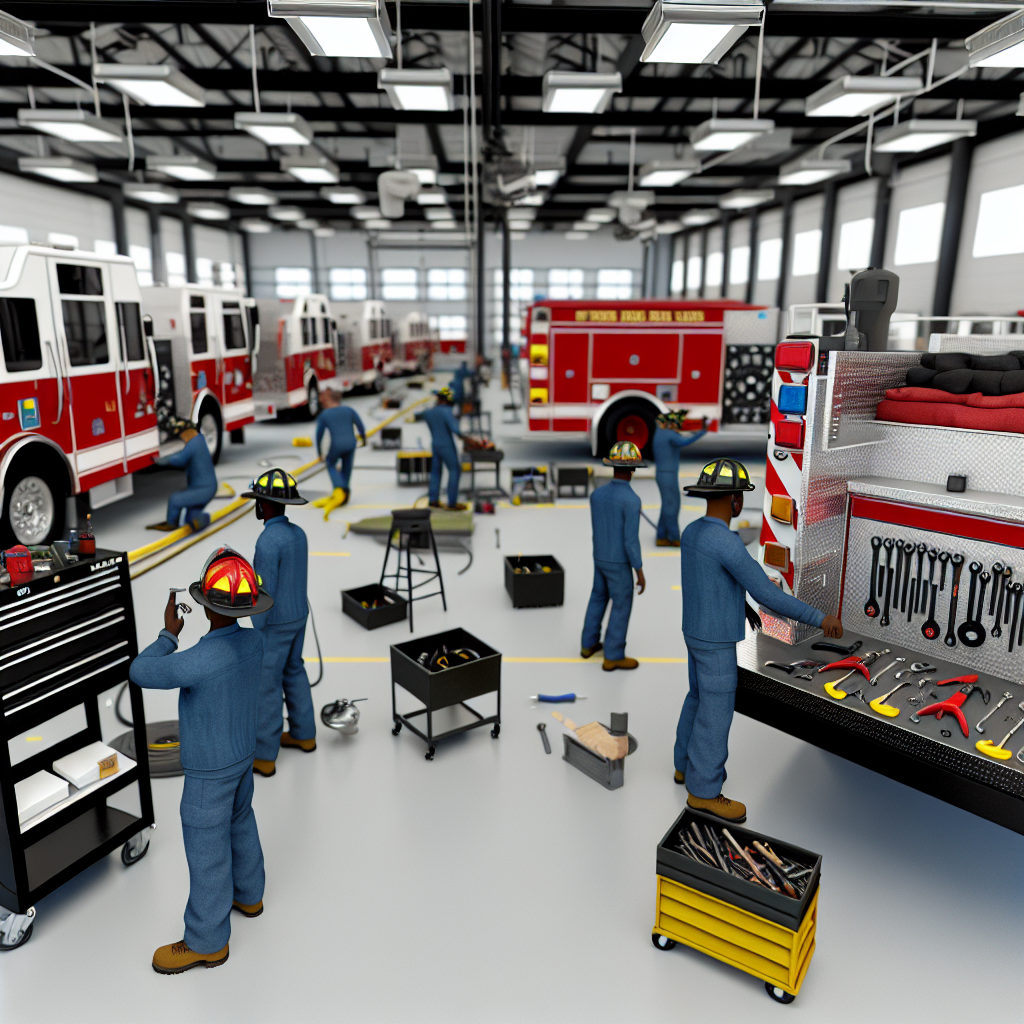
Pierce Manufacturing offers a comprehensive suite of fire truck maintenance training classes tailored to meet the diverse needs of fire departments. These programs encompass various vehicle types, employ multiple training formats, and are designed to enhance the operational readiness and longevity of fire apparatus.
Types of Vehicles Covered:
Pierce’s training curriculum addresses a wide array of fire apparatus, including:
- Chassis Systems: Courses such as Chassis Electrical Systems and TAK-4® Independent Suspension Maintenance focus on the foundational components of fire trucks.
- Aerial Devices: Training on Aerial Maintenance and the Ascendant Mid-Mount covers the intricacies of aerial ladders and platforms.
- Pump Systems: The Pierce PUC™ Pump Maintenance class delves into the operation and upkeep of pump systems.
- Foam and Compressed Air Foam Systems (CAFS): Courses like CAFS/Husky Maintenance provide insights into foam system operations.
Training Formats:
To accommodate various learning preferences and logistical considerations, Pierce offers multiple training formats:
-
On-Site Training: Conducted at the Pierce Training Center in Appleton, Wisconsin, these sessions combine classroom instruction with hands-on technical training.
Source -
Regional and Mini-Regional Training: To minimize travel and enhance accessibility, Pierce organizes regional training sessions in various locations across North America. These sessions have been held in cities such as Orlando, FL; Las Vegas, NV; Fort Worth, TX; Virginia Beach, VA; and Myrtle Beach, SC. Additionally, mini-regional training events are conducted at various locations across North America each year.
Source -
In-House Training Services: For departments requiring specialized instruction or aiming to train multiple personnel simultaneously, Pierce offers customized in-house training conducted by their representatives.
Source
Suitability for Fire Departments:
Pierce’s training programs are meticulously designed to cater to both novice and experienced technicians. The courses aim to:
- Reduce Apparatus Downtime: By equipping personnel with the skills to perform routine inspections and minor repairs, fire trucks can remain operational and ready for emergency responses.
- Enhance Preventative Maintenance: Understanding and implementing preventive maintenance procedures can extend the lifespan of fire apparatus and optimize performance.
- Achieve Financial Savings: Prompt attention to minor repairs can prevent more significant issues, leading to cost savings over time.
- Improve Customer Experience: Access to knowledgeable dealers, master technicians, and year-round hands-on training contributes to a positive ownership experience.
Source
Furthermore, Pierce’s Master Technician Program ensures that dealer technicians undergo rigorous training and certification, providing fire departments with highly skilled professionals capable of maintaining and repairing their apparatus effectively.
Source
In summary, Pierce Manufacturing’s diverse training offerings are structured to meet the specific needs of fire departments, ensuring that personnel are well-equipped to maintain and operate their fire apparatus efficiently.
| Training Format | Benefits | Best For |
|---|---|---|
| In-Person Training | Direct interaction with instructors; Hands-on practice; Immediate feedback on skills | Departments wanting immersive learning |
| Online Training | Flexibility of schedules; Accessible from remote locations; Wide range of resources | Departments with limited travel options |
| Hands-On Training | Practical experience; Exposure to real equipment; Reinforces learning through practice | Departments with technical staff needing practical skills |
| Regional Training | Reduced travel costs; Networking opportunities; Access to localized corporate standards | Departments spread across larger regions |
| In-House Training | Customized curricula; Convenience of training on familiar grounds; Group training | Departments with specific training needs |
Hands-on training is crucial in the field of fire truck maintenance, as it directly impacts the ability of personnel to effectively inspect, maintain, and repair apparatus. The importance of practical experience cannot be overstated. As highlighted by the quote, “Knowing that a fire truck comes with the support of knowledgeable dealers, master technicians, and access to year-round hands-on training can make a big difference in the fire apparatus selection process,” it is clear that having access to practical training resources is invaluable.
There are several reasons why hands-on training is essential for fire truck maintenance:
- Real-World Exposure: Hands-on training provides technicians and firefighters with the opportunity to engage directly with the equipment they will be working on. This firsthand experience fosters familiarity with the intricacies of various systems, ensuring that they are better prepared to handle real-life maintenance challenges.
- Skill Development: Practical exercises enhance critical thinking and problem-solving skills, allowing trainees to diagnose and fix issues efficiently. Mechanic trainees, for instance, learn to identify common problems quickly, resulting in substantial time savings during emergencies.
- Confidence Boost: Engaging in hands-on training allows individuals to practice their skills in a controlled environment, building their confidence before they are required to perform under pressure in the field. This confidence is vital when lives are on the line and split-second decisions are necessary.
- Enhanced Learning Retention: Studies consistently show that people retain knowledge better through experiential learning compared to traditional classroom settings alone. For instance, research indicates that interactive training methods can lead to knowledge retention rates as high as 90%, while traditional methods lag far behind, around 20-30%. By integrating practical training, fire departments can ensure that critical maintenance techniques are not just taught but retained and applied effectively.
- Collaboration and Teamwork: Hands-on training often involves working in teams, simulating the collaborative environment that personnel will encounter during actual emergency responses. This collaboration enhances communication skills and promotes a stronger working relationship among team members, essential for cohesive operation during alarm events.
- Improved Performance: Employees who undergo simulation-based training demonstrate a substantial improvement in task performance, noting up to a 30% increase compared to traditional methods. Reports indicate that practical and immersive training leads to higher engagement levels, with VR training causing 75% more engagement among participants.
In summary, hands-on training plays a vital role in equipping fire departments with the skills necessary for optimal fire truck maintenance. By ensuring that technicians receive continuous practical experience, departments can enhance their effectiveness, reliability, and ultimately, the safety of their communities.
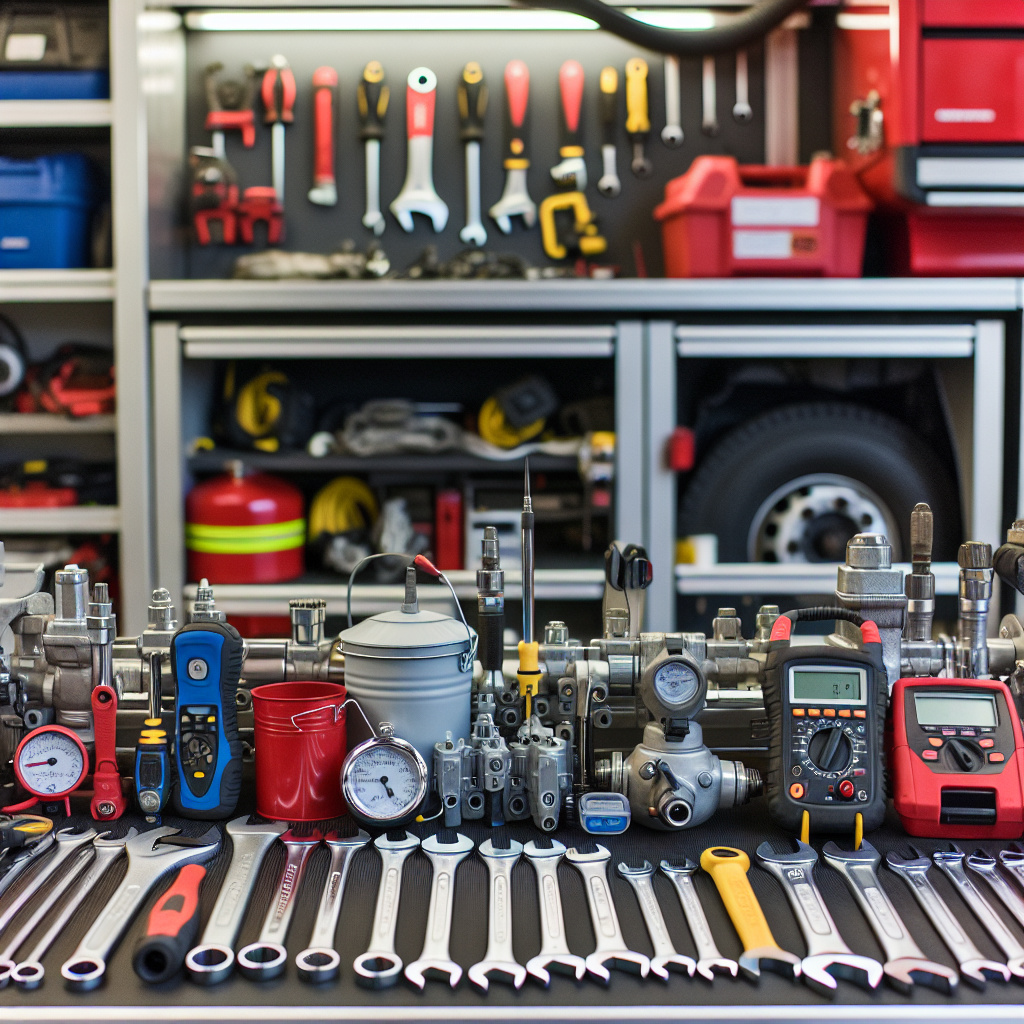
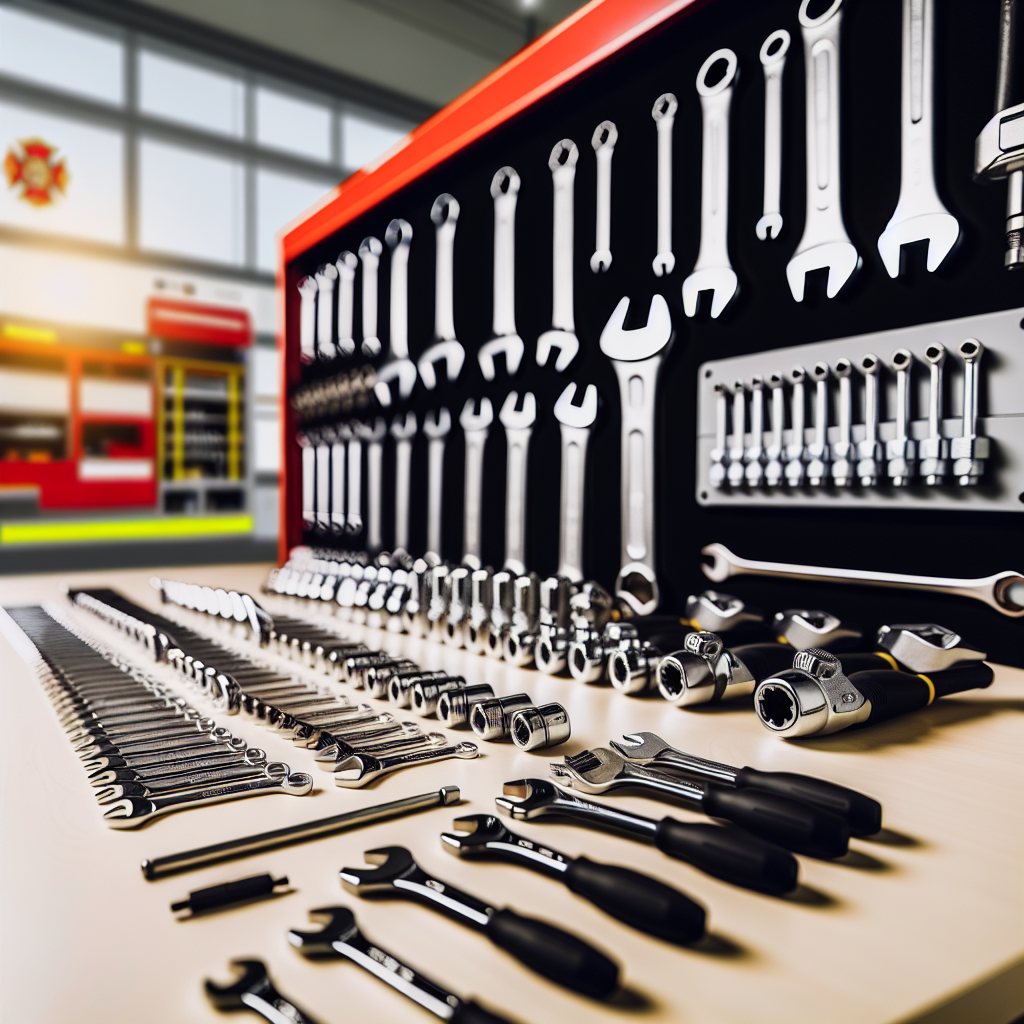
Customized training programs are gaining traction within the fire services sector, driven by technological advancements and the need for personalized learning solutions. A pivotal factor in this trend is the incorporation of advanced technologies such as Virtual Reality (VR) and Augmented Reality (AR), which simulate real-world scenarios and provide immersive training experiences without the associated risks. A notable study from 2025 revealed the development of a VR Fire Safety Training Application that enables trainees to practice critical skills like navigation and fire extinguisher usage in a safe, 3D environment. This methodology not only enhances engagement but also increases retention of skills learned during training sessions.
Further advancement comes from the use of Artificial Intelligence (AI) to customize training programs. AI analyzes individual performance metrics and identifies skill gaps, allowing for the development of tailored exercises that address specific needs. This personalized approach significantly boosts learning effectiveness and team preparedness.
Cloud-based training solutions are also becoming prevalent, providing remote access to training materials and progress dashboards. This flexibility is invaluable for fire departments with geographically dispersed staff, ensuring that every member can access learning opportunities anytime.
Moreover, the integration of Internet of Things (IoT) in fire training enhances real-time performance tracking, enabling trainers to monitor the usage and effectiveness of training equipment. The IoT devices facilitate data collection that aids in evaluating trainee performance and improving training outcomes.
According to data from the U.S. Department of Labor, around 60% of industrial safety training is projected to integrate virtual simulation by 2030, marking a significant shift towards customized training solutions in the fire services sector. These innovations not only make training more effective but also lead to a 40% improvement in knowledge retention compared to traditional training approaches, underscoring the growing trend towards personalized solutions in fire training.
In conclusion, customized fire truck maintenance training is essential for enhancing the safety and efficiency of fire departments. Throughout this article, we explored how this tailored approach addresses the unique specifications of each fire apparatus, facilitating quicker issue diagnosis, effective minor repairs, and preventive maintenance. With the focus on hands-on experience, fire departments can ensure their personnel are well-equipped to keep fire trucks operational, thus reducing downtime and enhancing performance.
Moreover, the robust support provided through ongoing training initiatives ensures that departments receive expert guidance whenever necessary, fostering confidence among teams during critical moments. By prioritizing customized training, fire departments not only improve their operational readiness but also significantly contribute to community safety.
Now is the time to act. Fire departments are encouraged to explore customized fire truck maintenance training programs. Investing in such training is a proactive step towards ensuring that every moment counts in emergency situations. Let’s work together to enhance the skills and safety of those who serve our communities.
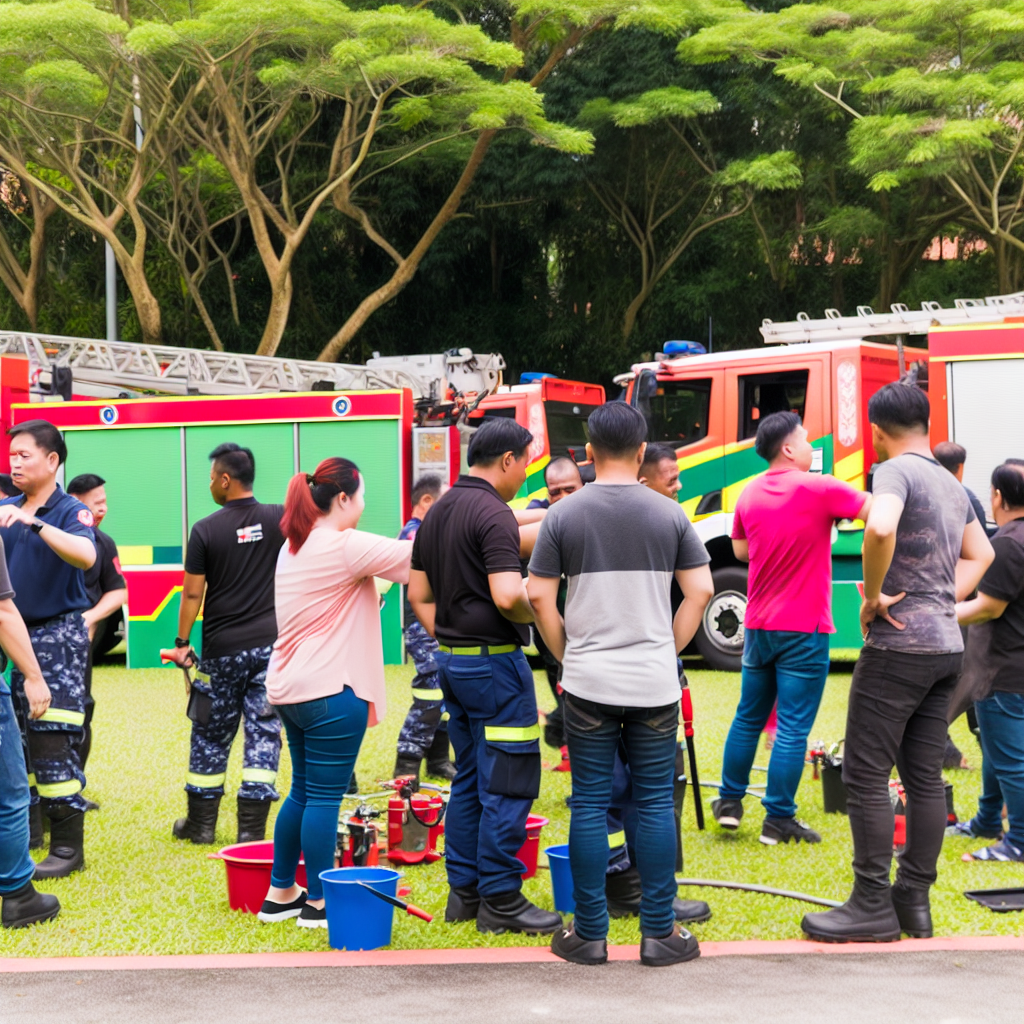
Introduction
In the complex world of fire rescue, every second counts, and the reliability of fire apparatuses can mean the difference between life and death. Customized fire truck maintenance training is essential to ensure that these vital machines operate at their best. Fire trucks are not only significant investments but also vital tools designed and manufactured to the unique specifications of each fire department. As stated, “A fire apparatus is designed and manufactured to the unique specifications of a fire department — shouldn’t the service and maintenance training be customized for each apparatus?” This question highlights the pressing need for tailored training that addresses the specific requirements of different fire apparatuses. Such customized training ensures that firefighters and mechanics are equipped with the knowledge and skills necessary to maintain safety and efficacy in their operations. By prioritizing personalized training, fire departments can build a culture of safety and reliability, ensuring that when their apparatus is called upon, it operates flawlessly and helps save lives.
Benefits of Customized Training
Customized fire truck maintenance training offers numerous advantages for fire departments, significantly enhancing their operational effectiveness and efficiency. With over two decades of experience since its inception in 1997, Pierce Manufacturing has established a comprehensive training program that caters to the specific needs of individual fire departments.
Here are some key benefits of customized fire truck maintenance training:
- Reduced Truck Downtime: Training personnel to diagnose issues and perform essential repairs ensures fire trucks remain operational. This leads to quicker response times during emergencies.
- Enhanced Performance and Lifespan of Apparatus: Regular maintenance training allows for preventative care, prolonging the life of fire trucks and creating a safer environment for firefighting personnel.
- Cost Savings: Conducting minor repairs in-house saves money over time. Understanding their specific apparatus allows for quicker identification of parts and maintenance tasks, ultimately reducing unexpected repair costs.
- Access to Expertise: Pierce Manufacturing provides ongoing support through a 24/7 hotline, ensuring fire departments have expert technical assistance whenever necessary, boosting confidence among teams handling maintenance tasks.
- Hands-On Experience: The training includes practical exercises that help mechanics and firefighters become familiar with their specific vehicle systems, enhancing their ability to perform inspections and repairs efficiently.
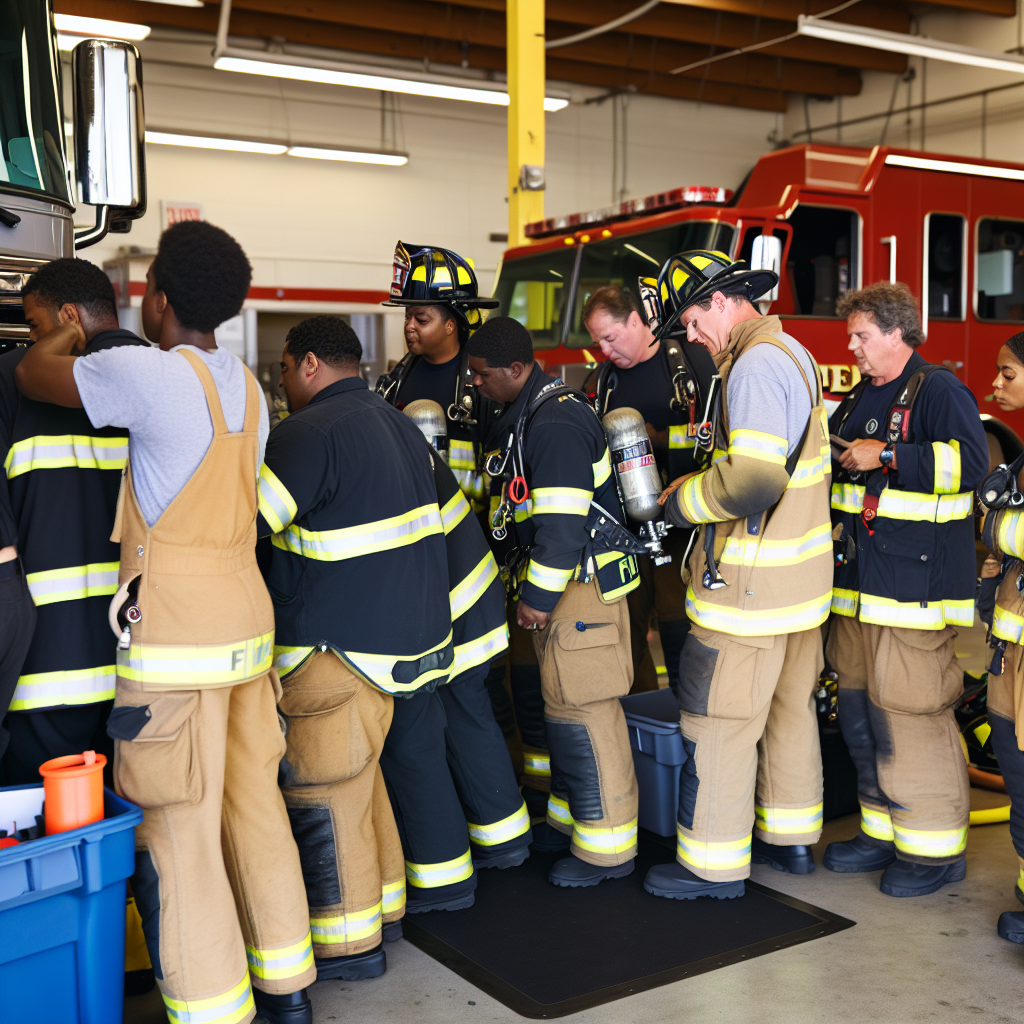
Pierce offers around 15 different training classes focused on various vehicle types and systems, most of which are conducted in a 16-hour, two-day format. This flexibility ensures fire departments receive comprehensive training without excessive disruption to their duties. Trained personnel are better equipped to ensure their fire trucks are always mission-ready.
Variety of Training Classes
Pierce Manufacturing offers a comprehensive suite of fire truck maintenance training classes tailored to meet the diverse needs of fire departments. These programs encompass various vehicle types, employ multiple training formats, and are designed to enhance the operational readiness and longevity of fire apparatus.
Types of Vehicles Covered:
Pierce’s training curriculum addresses a wide array of fire apparatus, including:
- Chassis Systems: Courses such as Chassis Electrical Systems and TAK-4® Independent Suspension Maintenance focus on the foundational components of fire trucks.
- Aerial Devices: Training on Aerial Maintenance and the Ascendant Mid-Mount covers the intricacies of aerial ladders and platforms.
- Pump Systems: The Pierce PUC™ Pump Maintenance class delves into the operation and upkeep of pump systems.
- Foam and Compressed Air Foam Systems (CAFS): Courses like CAFS/Husky Maintenance provide insights into foam system operations.
Training Formats:
To accommodate various learning preferences and logistical considerations, Pierce offers multiple training formats:
- On-Site Training: Conducted at the Pierce Training Center in Appleton, Wisconsin, these sessions combine classroom instruction with hands-on technical training. (piercemfg.com)
- Regional and Mini-Regional Training: To minimize travel and enhance accessibility, Pierce organizes regional training sessions in various locations across North America. These sessions have been held in cities such as Orlando, FL; Las Vegas, NV; Fort Worth, TX; Virginia Beach, VA; and Myrtle Beach, SC. Additionally, mini-regional training events are conducted at various locations across North America each year. (piercemfg.com)
- In-House Training Services: For departments requiring specialized instruction or aiming to train multiple personnel simultaneously, Pierce offers customized in-house training conducted by their representatives. (piercemfg.com)
Suitability for Fire Departments:
Pierce’s training programs are meticulously designed to cater to both novice and experienced technicians. The courses aim to:
- Reduce Apparatus Downtime: By equipping personnel with the skills to perform routine inspections and minor repairs, fire trucks can remain operational and ready for emergency responses.
- Enhance Preventative Maintenance: Understanding and implementing preventive maintenance procedures can extend the lifespan of fire apparatus and optimize performance.
- Achieve Financial Savings: Prompt attention to minor repairs can prevent more significant issues, leading to cost savings over time.
- Improve Customer Experience: Access to knowledgeable dealers, master technicians, and year-round hands-on training contributes to a positive ownership experience. (piercemfg.com)
Furthermore, Pierce’s Master Technician Program ensures that dealer technicians undergo rigorous training and certification, providing fire departments with highly skilled professionals capable of maintaining and repairing their apparatus effectively. (firehouse.com)
In summary, Pierce Manufacturing’s diverse training offerings are structured to meet the specific needs of fire departments, ensuring that personnel are well-equipped to maintain and operate their fire apparatus efficiently.
Training Format Comparison
| Training Format | Benefits | Best For |
|---|---|---|
| In-Person Training | Direct interaction with instructors; Hands-on practice; Immediate feedback on skills | Departments wanting immersive learning |
| Online Training | Flexibility of schedules; Accessible from remote locations; Wide range of resources | Departments with limited travel options |
| Hands-On Training | Practical experience; Exposure to real equipment; Reinforces learning through practice | Departments with technical staff needing practical skills |
| Regional Training | Reduced travel costs; Networking opportunities; Access to localized corporate standards | Departments spread across larger regions |
| In-House Training | Customized curricula; Convenience of training on familiar grounds; Group training | Departments with specific training needs |
Importance of Hands-On Training
Hands-on training is crucial in the field of fire truck maintenance, as it directly impacts the ability of personnel to effectively inspect, maintain, and repair apparatus. The importance of practical experience cannot be overstated. As highlighted by the quote, “Knowing that a fire truck comes with the support of knowledgeable dealers, master technicians, and access to year-round hands-on training can make a big difference in the fire apparatus selection process,” it is clear that having access to practical training resources is invaluable.
There are several reasons why hands-on training is essential for fire truck maintenance:
- Real-World Exposure: Hands-on training provides technicians and firefighters with the opportunity to engage directly with the equipment they will be working on. This firsthand experience fosters familiarity with the intricacies of various systems, ensuring that they are better prepared to handle real-life maintenance challenges.
- Skill Development: Practical exercises enhance critical thinking and problem-solving skills, allowing trainees to diagnose and fix issues efficiently. Mechanic trainees, for instance, learn to identify common problems quickly, resulting in substantial time savings during emergencies.
- Confidence Boost: Engaging in hands-on training allows individuals to practice their skills in a controlled environment, building their confidence before they are required to perform under pressure in the field. This confidence is vital when lives are on the line and split-second decisions are necessary.
- Enhanced Learning Retention: Studies consistently show that people retain knowledge better through experiential learning compared to traditional classroom settings alone. For instance, research indicates that interactive training methods can lead to knowledge retention rates as high as 90%, while traditional methods lag far behind, around 20-30%. By integrating practical training, fire departments can ensure that critical maintenance techniques are not just taught but retained and applied effectively.
- Collaboration and Teamwork: Hands-on training often involves working in teams, simulating the collaborative environment that personnel will encounter during actual emergency responses. This collaboration enhances communication skills and promotes a stronger working relationship among team members, essential for cohesive operation during alarm events.
- Improved Performance: Employees who undergo simulation-based training demonstrate a substantial improvement in task performance, noting up to a 30% increase compared to traditional methods. Reports indicate that practical and immersive training leads to higher engagement levels, with VR training causing 75% more engagement among participants.
In summary, hands-on training plays a vital role in equipping fire departments with the skills necessary for optimal fire truck maintenance. By ensuring that technicians receive continuous practical experience, departments can enhance their effectiveness, reliability, and ultimately, the safety of their communities.
User Adoption Stats
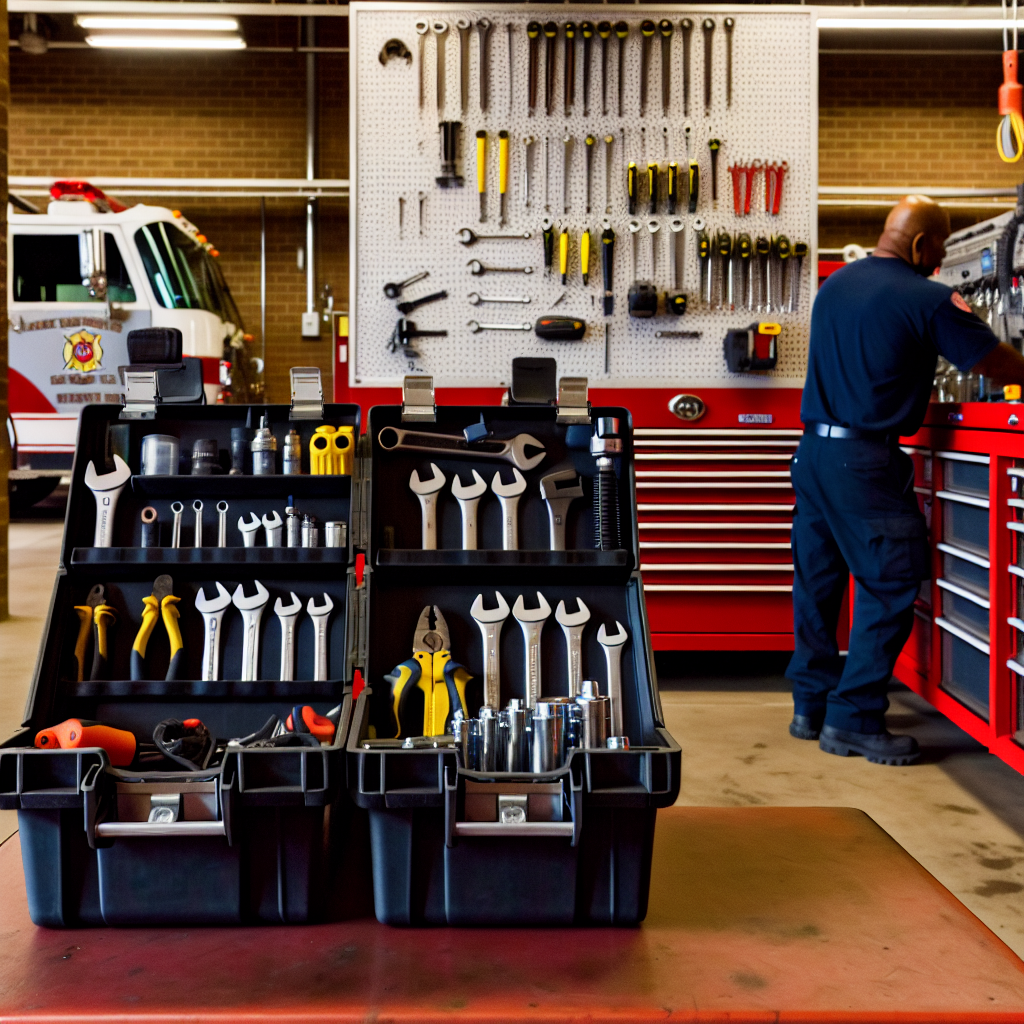
Customized training programs are gaining traction within the fire services sector, driven by technological advancements and the need for personalized learning solutions. A pivotal factor in this trend is the incorporation of advanced technologies such as Virtual Reality (VR) and Augmented Reality (AR), which simulate real-world scenarios and provide immersive training experiences without the associated risks. A notable study from 2025 revealed the development of a VR Fire Safety Training Application that enables trainees to practice critical skills like navigation and fire extinguisher usage in a safe, 3D environment. This methodology not only enhances engagement but also increases retention of skills learned during training sessions.
Further advancement comes from the use of Artificial Intelligence (AI) to customize training programs. AI analyzes individual performance metrics and identifies skill gaps, allowing for the development of tailored exercises that address specific needs. This personalized approach significantly boosts learning effectiveness and team preparedness.
Cloud-based training solutions are also becoming prevalent, providing remote access to training materials and progress dashboards. This flexibility is invaluable for fire departments with geographically dispersed staff, ensuring that every member can access learning opportunities anytime.
Moreover, the integration of Internet of Things (IoT) in fire training enhances real-time performance tracking, enabling trainers to monitor the usage and effectiveness of training equipment. The IoT devices facilitate data collection that aids in evaluating trainee performance and improving training outcomes.
According to data from the U.S. Department of Labor, around 60% of industrial safety training is projected to integrate virtual simulation by 2030, marking a significant shift towards customized training solutions in the fire services sector. These innovations not only make training more effective but also lead to a 40% improvement in knowledge retention compared to traditional training approaches, underscoring the growing trend towards personalized solutions in fire training.
Conclusion
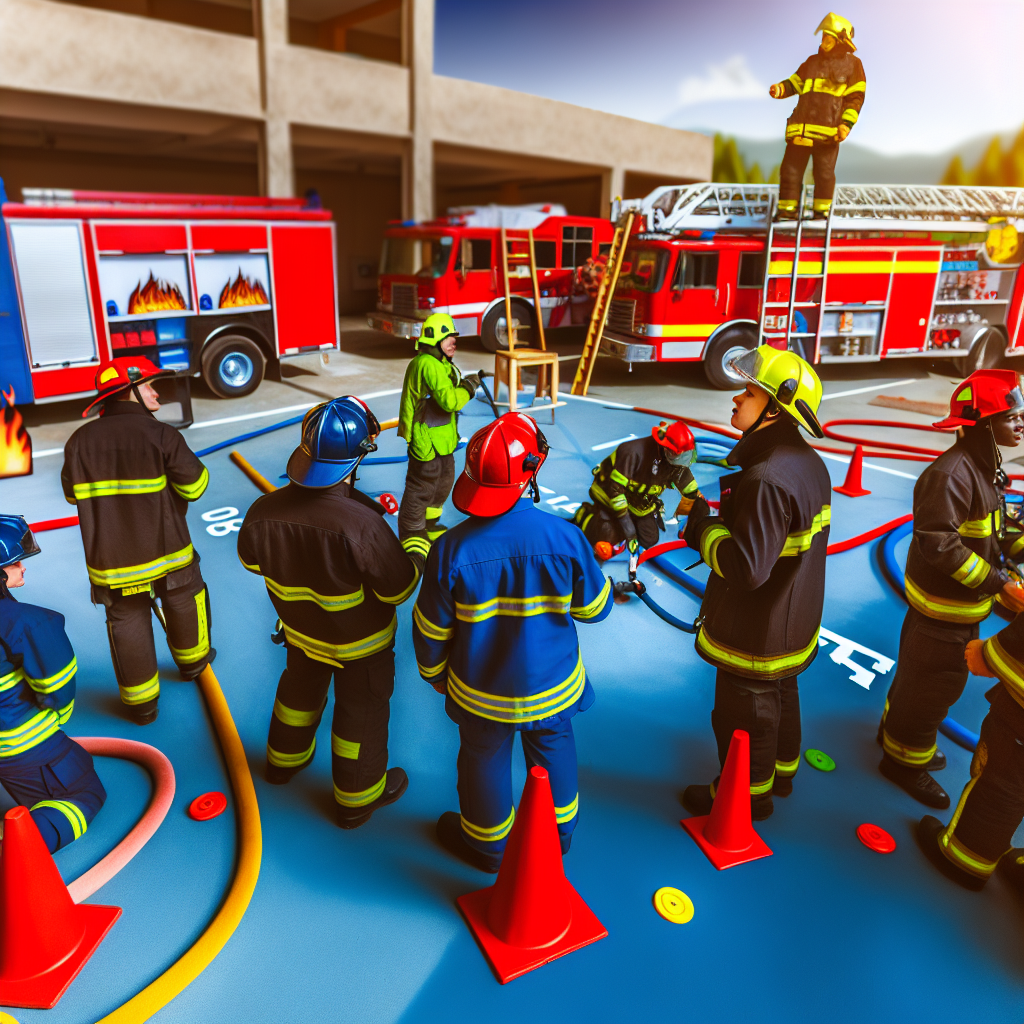
In conclusion, customized fire truck maintenance training is essential for enhancing the safety and efficiency of fire departments. Throughout this article, we explored how this tailored approach addresses the unique specifications of each fire apparatus, facilitating quicker issue diagnosis, effective minor repairs, and preventive maintenance. With the focus on hands-on experience, fire departments can ensure their personnel are well-equipped to keep fire trucks operational, thus reducing downtime and enhancing performance.
Moreover, the robust support provided through ongoing training initiatives ensures that departments receive expert guidance whenever necessary, fostering confidence among teams during critical moments. By prioritizing customized training, fire departments not only improve their operational readiness but also significantly contribute to community safety.
Now is the time to act. Fire departments are encouraged to explore customized fire truck maintenance training programs. Investing in such training is a proactive step towards ensuring that every moment counts in emergency situations. Let’s work together to enhance the skills and safety of those who serve our communities.
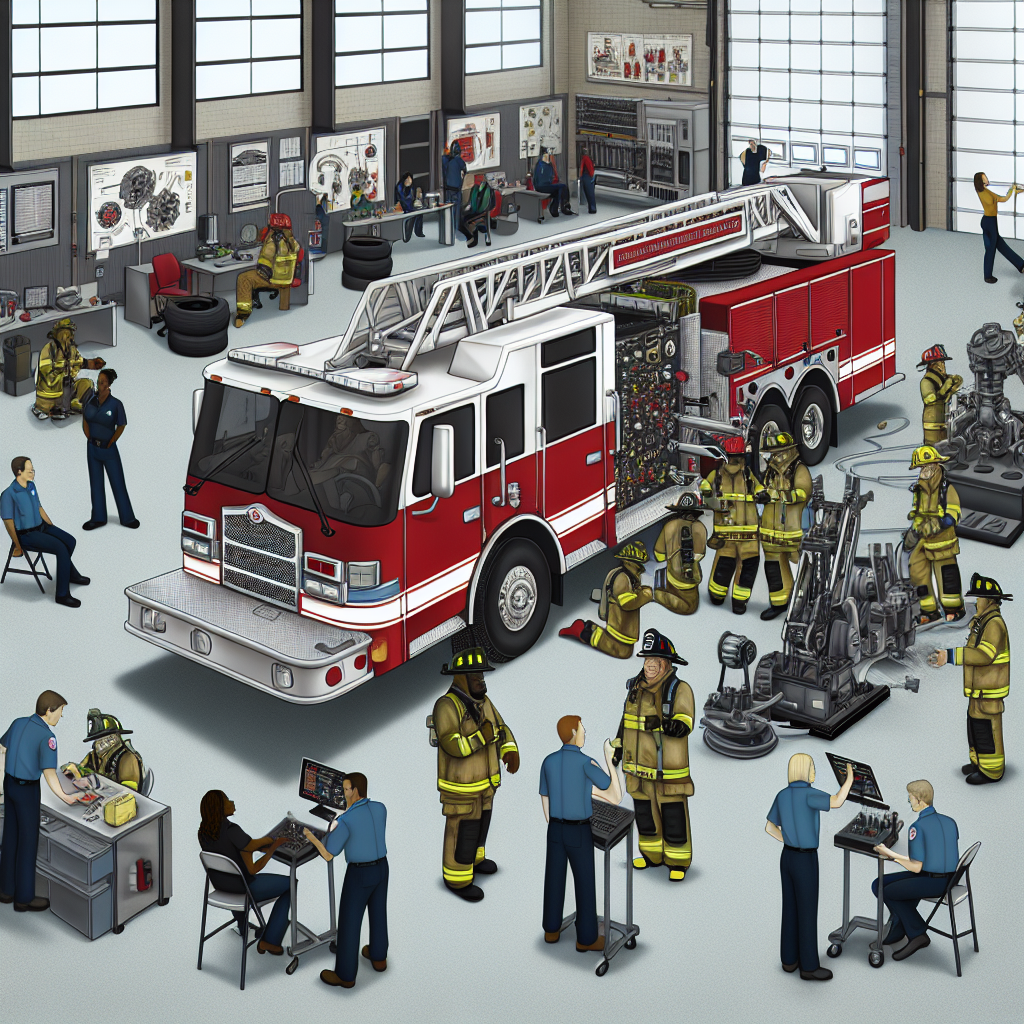
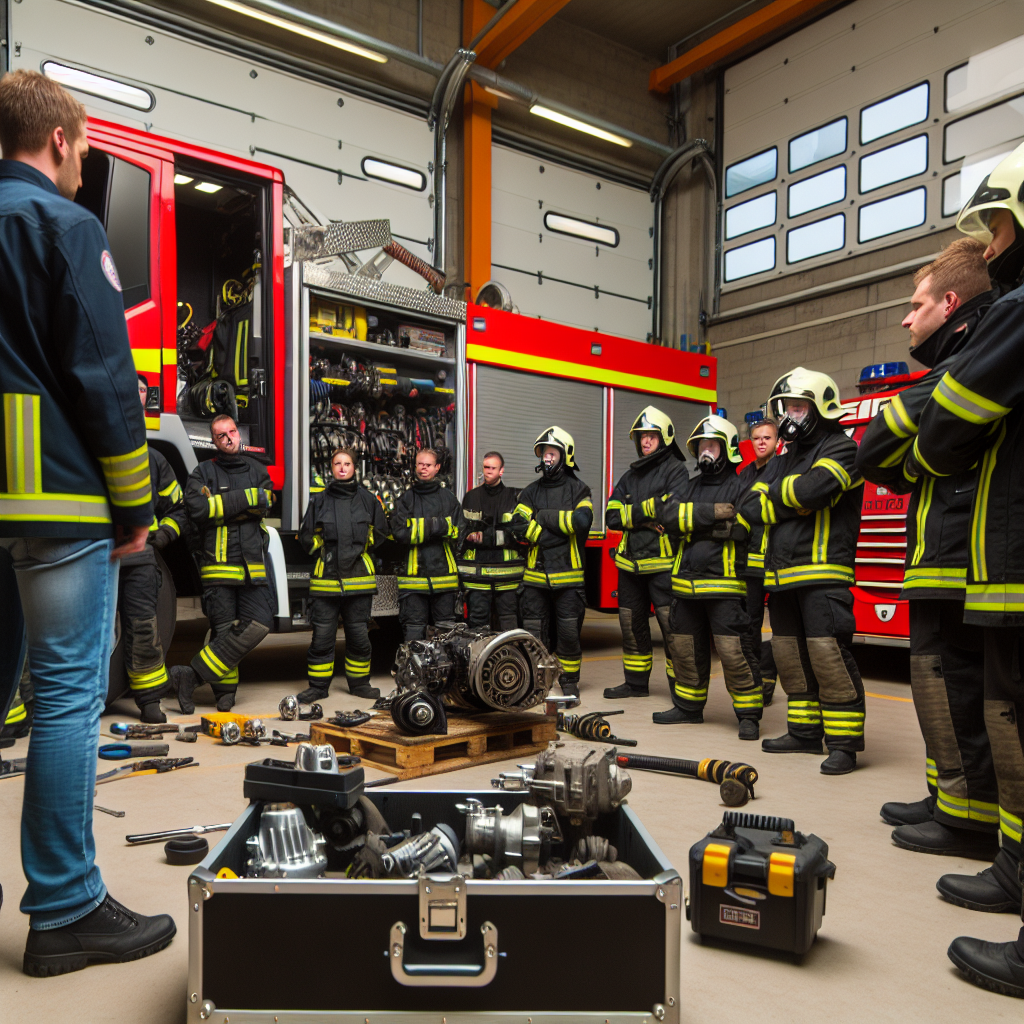
“The more you bleed in training, the less you bleed in battle!”
This emphasizes the importance of rigorous hands-on training for firefighters.
“If they can’t say it, and they can’t show it, they don’t know it.”
These insights underline that a comprehensive understanding and practical application are vital for firefighters to be completely prepared for emergencies.
These quotes serve to emotionally engage readers by illustrating how essential training is in ensuring the safety and effectiveness of firefighting operations. The experiences shared by firefighters stress that hands-on training not only builds technical skills but also fosters confidence in their ability to handle high-pressure situations.