
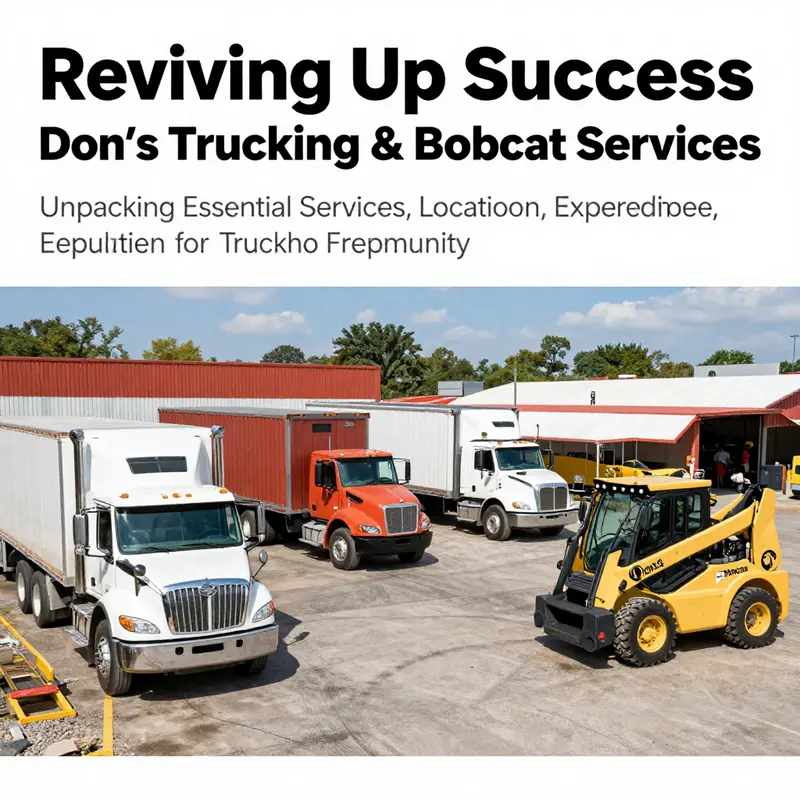
In today’s ever-evolving logistics landscape, reliable support services are crucial for long-haul truck drivers, fleet managers, and aspiring drivers. Don’s Trucking & Bobcat Services in Lonsdale, Minnesota, has made a name for itself by providing high-quality trucking and bobcat solutions tailored for both residential and commercial needs. This article dives into their comprehensive service offerings, convenient location, longstanding expertise, and the reputation they have forged within the industry. Through each chapter, we will explore how Don’s Trucking & Bobcat Services serves as a linchpin for trucking professionals and companies, ensuring seamless operations and satisfied customers.
Groundwork and Hauls: Reimagining Don’s Trucking & Bobcat Services in Lonsdale, Minnesota
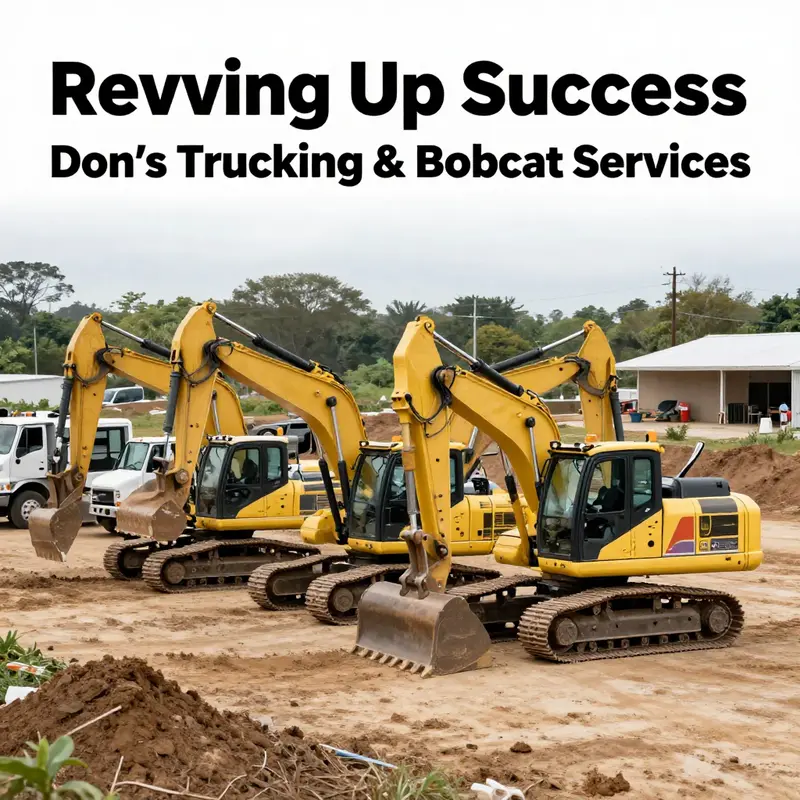
In a town like Lonsdale, Minnesota, the work of moving earth, transporting materials, and shaping the ground underfoot is more than a task; it is a decision that shapes the character of a neighborhood and the practicality of a home project. A local company operating from 9625 80th Street West, with a contact line that keeps doors open for homeowners and developers alike, sits at the intersection of two essentials: reliable transportation and responsive earthmoving. The promise such a business makes is straightforward on the surface—haul what is needed, move earth where it belongs, and prepare sites for construction, landscaping, or drainage improvements. Yet the reality of local service in the area around Lonsdale involves a careful dance between equipment, scheduling, permits, and the trust that a single crew can bring both speed and accuracy to a project that matters to a homeowner or a contractor alike. The absence of a complete menu of services in the public sphere does not diminish the importance of asking the right questions. It simply elevates the need for a thoughtful conversation: what is possible, what is essential, and what may require a collaboration with another tradesperson or a different firm altogether. In the context of this chapter, it is important to acknowledge that there has been some confusion in the record about Don’s Trucking & Bobcat Services and another similarly named entity, Don’s Stump Grinding & Bobcat Service. The latter has, in some references, described offerings such as clearing, shaping, filling land to meet customer requirements, and tree removal. That lineage of services belongs to a different business, and while it highlights the demand for earthwork and equipment-based solutions in the region, it cannot be assumed that Don’s Trucking & Bobcat Services offers exactly the same scope. That distinction matters because the strength of a local contractor or operator rests not merely on the presence of trucks or bobcats, but on a coherent, well-communicated service philosophy that aligns with a client’s timeline, budget, and site conditions. The gap in publicly available specifics for the trucking-and-bobcat entity in question invites a broader reflection on how residents and business owners in this part of Minnesota navigate choices about earthmoving, material transport, and site preparation. It is a reminder that reliability in this field emerges from more than equipment; it emerges from a disciplined approach to assessing site needs, coordinating with other trades, and delivering a scope of work that can be documented, measured, and adjusted as the project progresses. The most valuable practitioners in this space cultivate that discipline through experience, and they translate it into a practical, compliant, and communicative process that keeps projects on track from first contact to final finish. In this light, the chapter is less about cataloging a menu of services and more about understanding what a local trucking-and-bobcat operation can contribute to a project’s success in a climate and community where weather windows and soil conditions often dictate the pace of work. This perspective naturally leads to a broader look at what such a company can reasonably be expected to deliver, even when the exact lineup is not fully public. A typical residential or commercial project that calls on a trucking-and-bobcat partner in the region often begins with transportation and site access considerations. The truck fleet, supported by skilled operators, can handle material delivery—rubble, fill dirt, gravel, or engineered fill—enabling a site to take shape without bottlenecks caused by multiple subcontractors. This function is essential when driveways, foundations, or access roads must be created or improved. The bobcat, or skid-steer loader, complements that function by providing the ability to shape the ground in tight spaces, remove stumps, clear root balls, or refine slopes and drainage basins. When the two capabilities are integrated, a project gains continuity: material arrives, is placed, and is worked into the ground in a single, coherent sequence. The practical implications of such integration extend to grading and site preparation, where precise elevation control and compaction are prerequisites for long-term stability. In Minnesota’s climate, where freeze-thaw cycles can reorganize soil structure and affect drainage overnight, the value of good grading and robust compaction cannot be overstated. A thoughtful operator will not simply move dirt from point A to point B; they will read the soil, assess moisture content, and adjust the compacting effort to meet the soil type and intended use. If the project involves landscaping, the ground must not only be even but also appropriately prepared to hold the mulch, lawn, or plantings that will define the property’s character for years to come. In that sense, the work is as much about foresight as it is about force. A sense of forethought about future conditions—where water will flow, how runoff will be directed, and where roots will anchor—transforms a driveway widening, a yard slope, or a new patio pad from a one-time improvement into a durable contribution to the home’s value and livability. The discussion around a local operator’s capabilities is, at heart, a matter of trust earned through demonstrated reliability. Homeowners and project managers look for signs of a partner who can adapt to changing circumstances, whether those changes involve an unexpected obstruction in the soil, a tighter space than anticipated, or a schedule shift forced by weather or permitting processes. That flexibility is often underappreciated until it is needed. A dependable crew can recalibrate a plan while keeping the core objectives intact: a square footage for a parking area, a level threshold for accessibility, or a graded yard that sheds water away from a foundation. When such adaptability is paired with transparent communication, it reduces the anxiety around a project—especially in a small city where resources are finite and neighbors watch the progress with interest. The local context matters, too. Lonsdale’s surrounding landscapes, road networks, and municipal requirements shape how a trucking-and-bobcat operation must organize its work. It is not enough to have the right machines; the operator must understand the permits, the right-of-way considerations, and the safety protocols that govern how equipment moves on residential streets, across driveways, or near utility lines. An operator who communicates early about access points, staging areas, noise considerations, and dust control demonstrates respect for the community and for the client’s daily life. This is not a matter of branding; it is about reliability and responsibility. In the absence of a complete service catalog, what can be gleaned from a local provider is the willingness to engage in a conversation about needs and constraints. A thoughtful client will begin with a site walkthrough, perhaps accompanied by a soil sample or a preliminary grading plan, and will ask questions about equipment capacities, typical turnaround times, and the ability to scale up the effort if a project expands. The discussion then branches into practical questions: What is the load capacity of the truck fleet? How deep can the bobcat trench? What are the typical production rates for earthmoving in a given soil type? How will material waste be managed, and what costs are associated with additional hauling or disposal? These are not abstract concerns. They translate into the margins and schedules that determine whether a project stays on budget and on time. When a local operator can address them with clarity, a homeowner gains confidence that the relationship will endure beyond the initial estimate. The tangible details—office address, phone number, and online presence—play a role, too. The physical address anchors the business in the community, signaling a lasting commitment to the area. The phone line provides a direct line of accountability and responsiveness, while a website—though not always comprehensive—offers a channel for inquiries, project descriptions, and perhaps a portfolio of past work. For someone evaluating a local trucking-and-bobcat partner in Lonsdale, beginning with a direct conversation is prudent. A responsible operator will want to understand the scope of work, the timeline, and any constraints presented by the site. They will discuss how they approach safety and environmental considerations, how they manage traffic and neighbor concerns on a quiet street, and how they document progress to ensure that the client has a clear record of what was done, when, and why. The value of a thoughtful partnership emerges most clearly when a project involves coordination with other trades. A driveway installation, for instance, may require precise subgrade preparation, a textured surface, and a final grading pass that blends with adjacent lawns. A robust partner will anticipate these intersections and propose a plan for seamless collaboration with landscapers, masons, or drainage specialists. In a region where weather can shift rapidly, the ability to forecast and adapt—without sacrificing quality or safety—becomes an essential differentiator. It is helpful to consider the broader ecosystem of professional trucking and earthmoving services, including how local operators position themselves in relation to the realities of a small-town economy. For a homeowner or contractor, the path to selecting a partner often moves from curiosity to due diligence: confirmation of license and insurance, inquiries about safety performance, a request for references, and a transparent estimate that itemizes labor, equipment mobilization, and any permit or disposal fees. The aim is not merely to obtain a lower price but to secure the kind of working relationship that minimizes surprises. A reliable partner will offer a clear communication cadence, a realistic timetable, and a plan for addressing contingencies. They will also explain how they handle changes in scope, whether due to discovered soil conditions, design refinements, or new client directives. In this sense, the value of local trucking and bobcat services lies not only in what the machines can do but in how the service provider choreographs the entire process—from visit to final grade. The story of this particular operation—rooted in Lonsdale, anchored by a physical address, and connected to a willingness to engage with customers over the phone or online—invites a broader contemplation of what it means to hire a professional for earthworks and transport. It invites readers to imagine a project where the ground is not simply a surface to be moved, but a canvas where careful planning, disciplined execution, and collaborative problem-solving come together to create a stable, functional, and aesthetically pleasing result. For those who want to explore a wider horizon of industry perspectives and service models, consider this external resource that discusses the competencies and supports that elevate professional trucking services. discovery of unparalleled services in professional trucking. While it does not replace due diligence in a local context, it offers a broader lens on what effective partnerships look like when reliability and capability converge on a job site. In the end, the situation in Lonsdale is less about cataloging a rigid list of offerings and more about recognizing the value of an operator who can move material, shape terrain, and coordinate with homeowners in a way that keeps a project grounded and moving forward. The ideal partner will meet the moment with practical experience, a clear plan, and a willingness to adapt as the ground changes beneath the work. This is the essence of dependable groundwork and dependable hauls—the quiet backbone of every successful site preparation, landscaping, or construction project. As the chapter continues, the next sections will delve into planning how to bridge the gap between an initial inquiry and a finished, functional site, with attention to timelines, budgets, and the cadence of collaboration that makes any earthmoving endeavor a confident, well-managed venture.
null
null
Grounded by Experience: The Depth of Expertise Driving Don’s Trucking & Bobcat Services
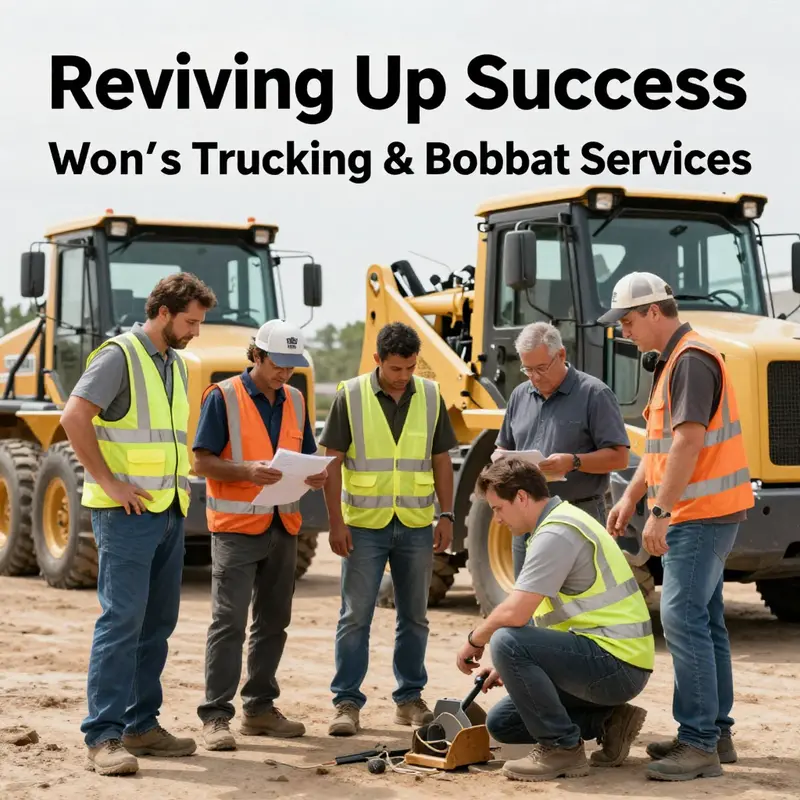
In the quiet corridors of Minnesota’s communities, where driveways meet open fields and commercial lots wait for transformation, a single team brings a steady, practiced hand to a broad range of earth-moving needs. Don’s Trucking & Bobcat Services—rooted in Lonsdale, Minnesota, and anchored by decades of hands-on work—offers more than a list of services. It delivers a philosophy shaped by time, terrain, and the practical needs of property owners. The story of this operation is less about numbers on a ledger and more about the quiet confidence that comes from years of solving problems on the ground. Over thirty years of field experience have rounded their approach into something dependable: an ability to evaluate a site, anticipate challenges, and apply a method that protects what surrounds the work zone while advancing the project.
The company distinguishes itself through a narrow but powerful focus: core earthwork and site preparation tasks that matter most in shaping a project’s success. Tree removal, stump grinding, and land clearing are not simply tasks; they are steps in a larger sequence that moves a project from idea to approved, graded, and ready-to-build or landscape. Each step requires careful coordination, not only of machines and manpower but of planning and communication. The team understands that a tree is more than wood and leaves; it is an anchor that holds a history of roots, a network of nearby utilities, and a rhythm that other work must respect. Their approach to tree removal starts with a measured assessment: access routes, property boundaries, and the potential impact on the surrounding lawn, driveway, or garden. The goal is to remove material safely and efficiently while preserving the integrity of the property and the neighbor’s space. Then comes stump grinding, a process that is often overlooked until the work commences. A well-executed stump grind is more than quick removal; it is a deliberate effort to restore a level, stable ground surface that can support future landscaping or construction. The team’s experience translates into a clean result—ground that drains properly, does not create trip hazards, and sets the stage for the next phase of a project, whether that be laying a new patio, planting a lush yard, or prepping a commercial lot for build-out.
Land clearing, the third cornerstone of their service bouquet, demonstrates the breadth of their capability. Clearing a site is not simply removing trees and brush; it is shaping a canvas for a project while respecting seasonal constraints and soil conditions. The process demands not just horsepower but a deep understanding of how different soils respond to disturbance, how grading will affect water flow, and how to preserve nearby woodlands, hedgerows, or wetlands where applicable. The Don’s team brings a disciplined, methodical approach to this work: they map the site, identify natural drainage paths, and plan a sequence that minimizes soil compaction and environmental disruption. This forethought is crucial when the ground is soft after a thaw or when weather patterns introduce unexpected mud and muck. The end result is a site that becomes an inviting stage for development, with a foundation that supports future projects rather than becoming a burden to remedy later.
The operational heart of the company lies in its heavy-equipment proficiency, especially with compact loaders and similar machinery designed to handle tight spaces with precision. In practice, this means a crew that can navigate a suburban backyard or a compact commercial lot without creating ruts or gouges. It means operators who read the ground with a tactile sense, adjusting speed, blade lift, and trajectory to the changing texture of soil, rock, and old root systems. Their capability emerges from experience, not just from equipment. An operator who has learned through years of close calls and careful planning understands how to work with grade, how to keep soil erosion at bay, and how to mitigate dust and noise in a neighborhood setting. The result is projects that stay on track, with safety and courtesy at the forefront of every decision. The team’s background in site preparation carries with it an implicit trust: clients know their property will be treated with respect, that work will march forward with minimal disruption, and that outcomes will align with the original design intent.
The story of expertise and experience is also a story of problem-solving. Minnesota sites rarely offer a perfectly flat stage. Slopes, uneven terrain, and hidden obstacles are common. The Don’s crew has learned to read the landscape in advance, not as a guess but as a plan. They anticipate drainage issues that can complicate future landscaping, and they map potential future maintenance needs. They consider how final grading will influence mowing patterns, irrigation layouts, or the placement of hardscape features. This foresight reduces the back-and-forth that clients often fear when hiring a contractor. It creates a smoother path from first consultation to completed project, a path where questions are answered before they become concerns and where the client’s daily life remains as uninterrupted as possible during the work window. The client is conveyed a sense of control that comes from clarity: a clear timeline, a transparent process, and a dependable pace.
The ethos of Don’s Trucking & Stump Grinding—and the broader service spectrum that grew from it—rests on the belief that experience is not simply a catalog of tasks completed; it is a cumulative ability to align resources with a client’s aspirations. Residential projects benefit from a quiet, precise touch that protects the lawn and ornamental plantings while reshaping the landscape for usability and beauty. Commercial projects gain from the reliability that comes from disciplined site management—accurate measurements, careful material handling, and a workflow that respects business hours, traffic patterns, and the surrounding infrastructure. The capacity to switch from a small-yard job to a larger commercial site without losing momentum is a hallmark of their practice. It reflects a philosophy of work that many builders—both near and far—recognize in outcomes that endure. The company’s roots in the community also matter. They are not seasonal strangers who roll in for a job and roll out again; they understand the rhythms of Lonsdale, the rhythm of Minnesota weather, and the way property owners rely on dependable partners to carry them through the lifecycle of a project—from planning through completion.
The value proposition is not merely the work that gets done but the confidence that comes with choosing the right partner. Clients may be starting with a dream for a landscaped backyard, a level building pad, or a cleared parcel ready for development. They want to know they can count on the crew to meet deadlines, protect their existing assets, and deliver a result that stands up to scrutiny. In such moments, the longevity of the company’s presence in the area matters. The ability to call on a local service with a deep reserve of experience translates into practical benefits: fewer delays waiting for back-and-forth decisions, fewer surprises on site, and more accurate budgeting that reflects an understanding of on-the-ground realities. The team’s approach to safety is integrated into every phase of the project, from initial assessment to final grading. They commit to standards that reduce risk on the job site and protect the surrounding environment, while still delivering fast, efficient results. It is this blend of careful planning, hands-on execution, and a respectful awareness of neighbors and ecosystems that gives the company its enduring character.
For readers seeking broader perspective, the standards of reliability and service that define Don’s operation sit within a wider industry conversation about professional trucking and heavy-equipment work. A broader discourse on trucking excellence emphasizes consistency, safety, and responsive client communication as pillars of quality. That conversation mirrors what clients experience when they work with the team here: a consistent commitment to doing the work right, a safety-first mindset, and a willingness to tailor the scope to fit a client’s budget and schedule. As one resource notes, examining the excellence in trucking demonstrates how dependable service providers become trusted partners in projects big and small. In the spirit of that broader conversation, Don’s crew frames their work around three pillars: attentive site assessment, disciplined operation of equipment, and a cooperative relationship with the client that keeps projects moving forward even when challenges arise. This triad—evaluate, execute, engage—underpins the chapter of a project that, on paper, is simply listed as a task but on the ground becomes a turning point for the property’s future use and value.
The human element remains central. Behind every shovel, blade, and wheel is a team member who has learned to translate theory into practice. The operators who master the ground are not merely technicians; they are stewards of a first impression—the impression that a space has been transformed responsibly, efficiently, and with an eye toward long-term usefulness. The company’s approach to training and ongoing skill development—whether formal sessions in safety protocols or hands-on coaching in technique—ensures that every job benefits from up-to-date practices and a culture of continuous improvement. The clients who hire them do not just receive a service; they receive the assurance that the work represents an investment made with care. The business remains accessible: the address is a tangible reminder of presence in the community, and a reachable phone line invites dialogue, questions, and adjustments that reflect the client’s evolving needs.
In short, the expertise and experience of this team emerge not as a single skill set but as a cohesive capability that integrates assessment, execution, and ongoing client partnership. The practical outcomes—clear sites, well-graded terrains, ready spaces for future development—stand as a tribute to decades of learning on Minnesota soil. The work speaks to the patient labor of people who know how to read a site, how to move earth without compromising what lies around it, and how to shepherd a project from concept through completion. It is a discipline forged through real-world challenges, refined by time, and anchored in a community that benefits from reliable, capable service when property and landscape demand a trusted hand. And it is precisely this blend of experience and focus that keeps Don’s Trucking & Stump Grinding not just a service provider but a dependable partner in building and renewing the places people call home and work sites that drive the local economy forward.
For readers who want to connect or learn more, the team’s roots and capabilities are evidenced by ongoing work across residential and commercial settings. They stand ready to discuss site needs, offer a clear plan, and provide a reliable timeline that respects both budget and ambition. The strength of this chapter is that it does not rest on reputation alone; it rests on the tangible outcomes delivered every day on the ground, a steady track record that continues to grow with each new project. In a landscape where plans can be ambitious and constraints real, this is the kind of experience that makes a difference when the clock starts ticking and a client’s property awaits transformation. The people who perform the work—operators, drivers, and project coordinators—bring a common sense approach to the job: careful evaluation, deliberate action, and clear communication. That is the backbone of the service and the reason clients return when a new phase of work begins. It is the daily testament to expertise—earned, proven, and offered with a readiness to help shape the next chapter of any property’s story.
External resource: https://www.donsstumpgrinding.com
exploring-the-excellence-of-5-star-truck-inc-your-premier-trucking-solution
Reading the Voice of the Community: Customer Reviews and the Reputation of Don’s Trucking & Bobcat Services in Lonsdale
In the world of trucking and bobcat services, reputation travels not only on the road but through the human channels that circle a small town and its surrounding farms and businesses. Don’s Trucking & Bobcat Services, stationed in Lonsdale, Minnesota, sits at the intersection of two realities that define local service providers: heavy equipment and people. The company’s physical presence—9625 80th Street West, a recognizable address in a region where driveways meet culverts and driveways end in clear, rutted lanes of rural commerce—offers more than a place to park a truck or bobcat. It signals a commitment to being part of the local landscape, a partner in projects that range from the practical to the ambitious. Yet in a field where a job can be as physically demanding as it is technically precise, the proof of a service’s value is often measured not in machines idling on a lot but in the quiet, meaningful notes that clients leave behind after the dust settles and the last chain is cleared from the ground.
The most direct evidence of customer sentiment for Don’s Trucking & Bobcat Services, as identified in the available research, comes from a single review on a business directory site. The reviewer paints a portrait of an owner who embodies what many clients crave in a service provider: accessibility and responsiveness. Described as “wonderful,” Don is praised for his communication, a quality that matters as much as the work itself in this industry. The reviewer notes that Don sent update texts before completing a large project, a gesture that can feel almost transactional yet lands with a tangible sense of care in a field where timing and progression are visible on the landscape—bulldozed stumps, cleared brush, stacked gravel, and graded soil. The closing judgment—“I could not have asked for more”—is not a boast about one moment of efficiency but a testament to a broader pattern of dependable, respectful service. In a business that often relies on the unpredictable variables of weather, soil conditions, and job scope, such a sentiment points toward a consistent thread of reliability that clients can count on.
The value of this single positive review goes beyond the anecdote itself. It crystallizes a core dynamic in service industries where the equipment and technique are visible but the experience hinges on human factors. The reviewer’s emphasis on communication highlights a fundamental demand from customers: to be kept informed, especially as projects grow in scale or complexity. When a large task begins with an honest prelude of updates, schedules, and potential contingencies, clients feel included in the process rather than sidelined as labor and machinery do their work. This sense of participation can transform a routine contractor-client relationship into a collaborative partnership. Yet it is also essential to acknowledge the limits of a lone review. A single favorable snapshot does not automatically certify a company’s entire practice across all clients and projects. It does, however, illuminate a potential baseline of performance that prospective customers might weigh alongside other factors—price, safety, reliability, and the ability to adapt when plans shift.
In a small-market setting like Lonsdale, reputation travels through word of mouth at a pace defined by daily life. A farmer finishing a field drainage project, a homeowner clearing brush for a new lawn, or a business owner grading a site for construction all contribute to the annals of local service. Don’s capacity to handle diverse requests—ranging from stump grinding to property clearing—places him within a demanding subset of skilled trades where visibility and accountability are critical. The nature of these jobs often makes outcomes highly tangible: cleared land, a neatly graded site, a driveway regraded to reduce runoff, or a foundation area prepared for concrete. Each outcome becomes a point of reference for future clients who may be comparing several providers. It is in this practical context that a reviewer’s words can carry more weight than glossy marketing; they reflect lived experience with equipment, timing, and the ability to navigate the specific terrain of Minnesota properties.
The observation that the reviewer specifically notes updated communication prior to completing a large job speaks to a broader expectation among clients today. People want to know when a crew is on site, how long a task might take, what changes might alter the plan, and what the end result should look like. In projects where the landscape bears the imprint of the season, weather windows and soil moisture levels can force modifications in scope or sequencing. A service provider who anticipates these shifts and communicates them clearly helps clients feel secure in what can otherwise be a stressful process. And the value of proactive updates extends beyond reassurance. It builds a working record of accountability. If a change occurs—say, a stump proves more resistant than anticipated or soil conditions slow progress—the client who has been kept informed is more likely to respond with flexibility and trust rather than frustration. This dynamic can become a constructive loop: clear communication fosters smooth execution, and smooth execution reinforces the trust that makes future referrals more likely.
The commercial and residential markets Don’s Trucking & Bobcat Services serves in Lonsdale further complicate the reputation equation. Residential customers often approach landscaping and site preparation with a vision, however rough or refined, for a future outdoor space. They invest not only money but also time and emotional energy into transformations that must balance aesthetic desires with practical constraints. In these contexts, the contractor’s willingness to listen, translate that listening into action, and deliver consistent results is as important as the technical skill applied to stump grinding or grading. Commercial clients, by contrast, may prize scalability, adherence to strict timelines, and the ability to coordinate with other trades. They may demand higher degrees of logistical discipline, as the site needs to remain operational or safe for workers and the public during a project’s progression. Don’s demonstrated capacity to manage such projects—whether the job is a straightforward clearing operation or a complex site preparation for a building footprint—will inevitably contribute to a sturdier reputation, one that can withstand the scrutiny that comes with larger-scale commitments.
A practical question for readers exploring this chapter is what a single positive review actually suggests about a company’s broader reputation. In Don’s case, the published testimonial provides a cautious but meaningful signal: the business appears to engage with clients in a way that makes them feel heard, informed, and satisfied with the result. The existence of this review warrants a closer look at how reputation functions at the local level and what it takes to sustain it. It is not a flawless certificate of perfection, but it is a credential of reliability that local clients seem to value deeply. It underscores that the moral economy of small-town service often rests on trust built through personal contact, consistent performance, and the sense that the contractor is paying attention to the specifics of each project. This reading aligns with a larger pattern observed in skilled trades where repeat business and referrals form a substantial share of revenue. People tend to return to service providers who have demonstrated competence and who treat them with respect, predictability, and courtesy.
In acknowledging the caveats that accompany a solitary positive evaluation, it is important to balance caution with the potential dynamics that might shape Don’s reputation in the years ahead. First, the limited number of publicly visible reviews means that a few additional client experiences could broaden or refine the narrative. A handful of new testimonials—one or two across residential, commercial, or mixed-project categories—could reveal strengths that are not yet documented or reveal areas for improvement that are not yet evident. The reality of the local market is that reputation is an evolving asset, one that grows with every completed project and is susceptible to misinterpretation in the absence of broader feedback. Second, the presence of similarly named businesses in different states is a reminder that readers must verify the details that anchor a reputation in a given place. The research notes the existence of other companies with similar names; in an era where online searches can blur distinctions, clients should confirm the exact business identity, location, and contact details before forming opinions or initiating engagements. This careful approach helps prevent confusion and ensures that the praise or critique a person reads is rightly applied to the correct firm.
What emerges from this examination is a portrait of Don’s Trucking & Bobcat Services as a locally grounded operation that, at least in one observed instance, places a premium on communication and dependable execution. The combination of a tangible service offering—ranging from stump grinding to site clearing—and a client-facing ethic that prioritizes updates and responsiveness creates a foundation for reputation that can weather the vicissitudes of weather, soil, and schedule. The story of a single glowing review thus becomes a lens through which new customers can begin to gauge what they might expect: a partner who treats the work as more than a job, who treats the client’s timetable as a consideration worth respecting, and who brings the right mix of equipment, skill, and attentiveness to transform a raw parcel of land into a prepared canvas for the next project.
For readers who want to place this reputation in a broader industry context, the chapter invites a comparative gaze toward the way quality and reliability are discussed in the wider trucking and heavy equipment sector. The reference points drawn from industry conversations—such as the emphasis on proactive communication, transparent progression updates, and the alignment of equipment capability with project needs—echo a universal standard: clients value a predictable, well-managed workflow as much as technical prowess. This alignment is the quiet engine behind a good reputation. It is why a client might choose a smaller, locally embedded operation over a larger competitor when the project requires nuance, local knowledge, and a willingness to adapt to the unique contours of a Minnesota site. It is also why Don’s approach, as reflected in the available review, resonates with a broad set of customers who want to feel confident they have chosen a partner who can translate intention into measurable results on the ground.
As the community continues to grow and as Don’s Trucking & Bobcat Services continues to complete projects—whether clearing a property for a new home, preparing a commercial lot for development, or simply removing an obstacle from a landscape—the narrative that surrounds the company will gradually accumulate more voices. Each new project, each update, and each completed job will contribute to a larger ledger of trust. In this process, a single positive review is not the final word, but it is a meaningful signal that the business has managed a human encounter well enough to inspire confidence. In a field where the proof of capability is written in soil and dust and where trust is built in conversations as much as in the work itself, that signal matters. It invites potential clients to inquire, observe, and then decide whether Don’s Trucking & Bobcat Services might become the reliable partner they need when the stakes are high and the ground is uncertain.
To readers who want to explore industry perspectives beyond this local context, a broader look at the literature around quality service and reliability in trucking and heavy equipment can offer useful parallels. One way to extend this line of inquiry is to consider how peer discussions frame expectations and measure performance in a field where outcomes are visible but often contingent on a range of variables outside a single crew’s control. This wider conversation does not diminish the value of Don’s local reputation; rather, it situates it within a professional ecosystem where consistency, clear communication, and dependable execution are the currency of trust. In a landscape where a landscape can be reshaped in a single morning, those attributes matter more than any single tool or technique. The bottom line is simple: reputation is earned daily through the small, consistent acts of reliability that clients notice, remember, and, ultimately, recommend.
Internal link note: readers curious about how industry conversations frame quality and reliability can explore related discussions in broader trucking contexts here: Exploring the excellence of 5-star Truck Inc.
External resource: for a broader perspective on consumer reviews and business reliability in service sectors, see https://www.yelp.com.
Final thoughts
As we navigate the complexities of the trucking industry, Don’s Trucking & Bobcat Services emerges as a key player, combining their expansive range of services with deep industry expertise and an excellent reputation among customers. Their commitment to reliability and quality not only supports drivers and fleet managers but also establishes a high standard in the marketplace. For anyone involved in trucking, having a dependable partner like Don’s Trucking & Bobcat Services can make all the difference in operational success and client satisfaction.