

In recent years, the introduction of electric fire trucks has marked a significant turning point for the firefighting industry, promising a more sustainable and efficient approach to emergency response. With the climate crisis looming, municipalities are increasingly seeking greener alternatives to traditional diesel-powered vehicles, making electric fire truck charging infrastructure not just a luxury, but a necessity for modern firefighting operations.
Moreover, as the demand for electric vehicles expands, the importance of developing comprehensive electric vehicle infrastructure becomes critical for supporting this transition. However, with this transformation comes a new set of challenges, particularly in developing the robust charging infrastructure that these trucks require. From ensuring access to adequate power supply, such as 480-volt three-phase power, to navigating the complexities of installation and ongoing management, fire departments must carefully strategize their infrastructure planning.
The opportunities presented by the integration of renewable energy options, combined with advancements in battery technology, can enhance operational efficiency and reduce long-term costs. As the industry moves towards a more environmentally responsible future, understanding the intricacies of electric fire truck charging infrastructure is vital for optimizing emergency response capabilities.
Infrastructure Planning
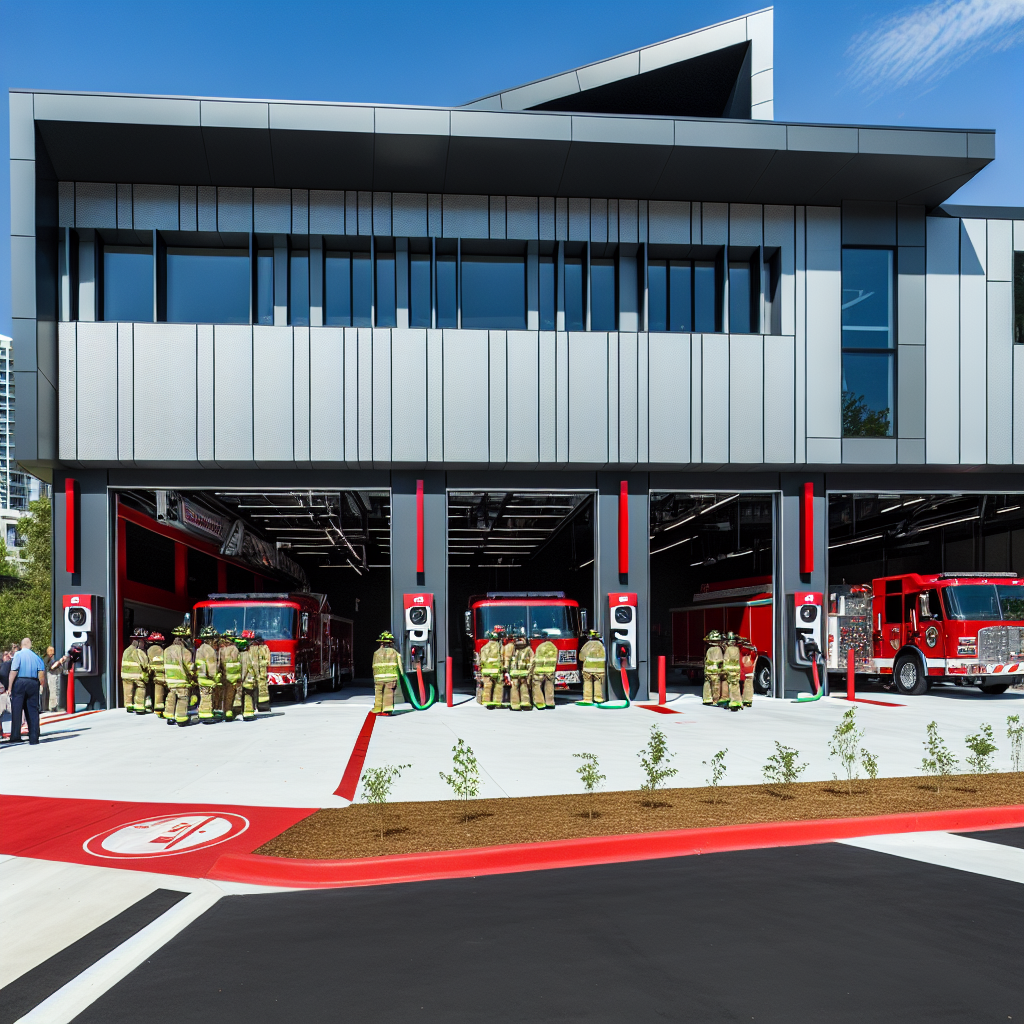
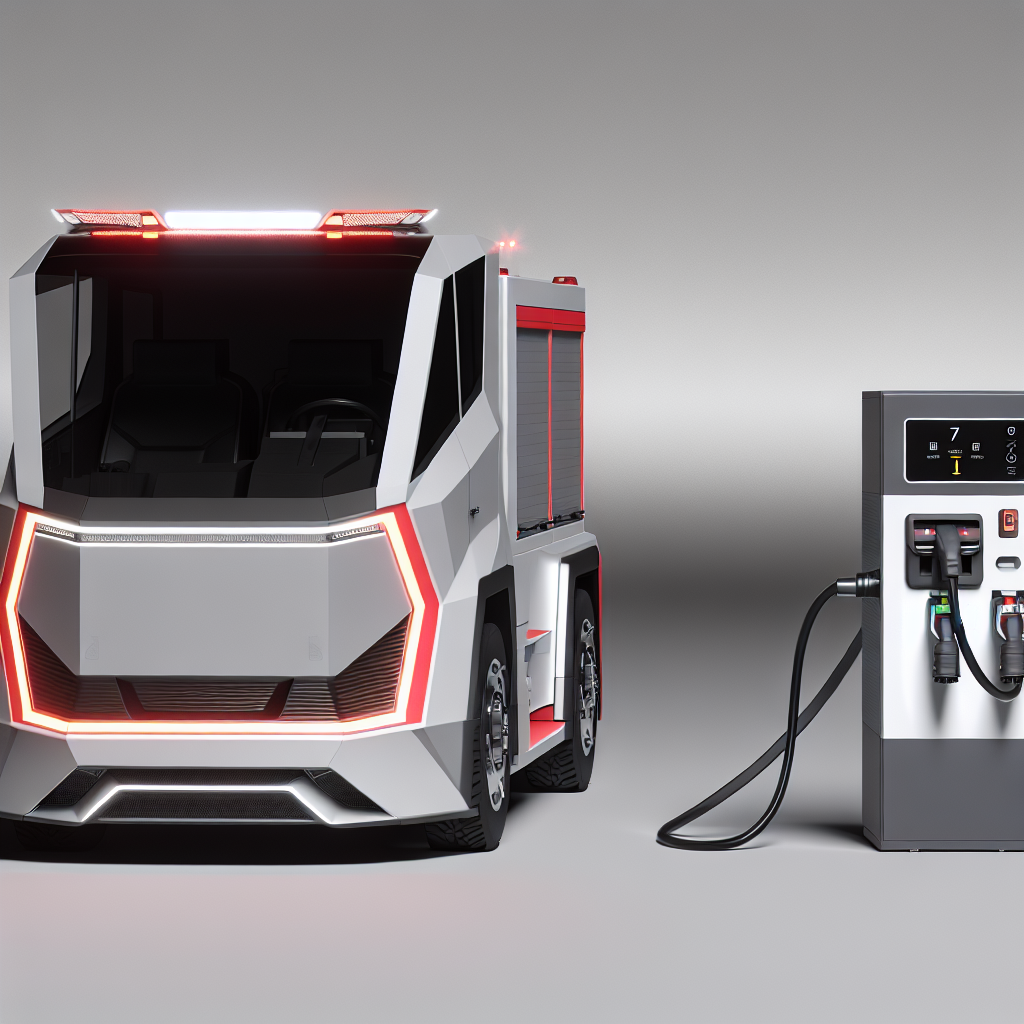
The successful integration of electric fire trucks into emergency response fleets hinges on meticulous infrastructure planning. One of the foremost considerations is the need for 480-volt three-phase power to support the substantial charging requirements these electric vehicles demand. This type of power supply is not only critical for ensuring efficiency during charging sessions but also necessary for maximizing the performance of the truck during operations.
Additionally, fire departments should recognize the importance of establishing a timeline for infrastructure development. Planning must begin 9 to 12 months ahead of the anticipated arrival of electric fire trucks. This forethought allows ample time to arrange for the installation of necessary equipment, conduct site assessments, and coordinate with energy providers. As noted in industry insights, “whenever a fire department is adding a truck to its fleet, there is preparation involved to ensure a new truck can be up and running as soon as it arrives.”
There are also logistical considerations, such as the physical layout of charging stations and their accessibility. Fire stations must ensure that the designated areas for charging do not hinder vehicle movement or compromise emergency response times. Furthermore, integrating renewable energy options into the charging infrastructure could contribute to reducing operational costs and enhancing sustainability efforts.
The transition to electric fire trucks represents a commitment to innovative firefighting solutions, and adequate infrastructure planning plays a pivotal role in this evolution. By addressing electrical requirements, timeline adherence, and overall site optimization, fire departments can maximize efficiency and reinforce their readiness to respond to emergencies swiftly and effectively.
Comparison of Electric Fire Truck Charging Options
| Charging Option | Description | Pros | Cons |
|---|---|---|---|
| Overhead Charging | Uses overhead infrastructure to charge the truck while parked. |
|
|
| Ground Charging | Involves ground-level connections for charging. |
|
|
Comparison of Electric Fire Truck Charging Infrastructure Costs
| Infrastructure Element | Description | Estimated Cost Range | Pros / Benefits | Cons / Challenges |
|---|---|---|---|---|
| Installation of Charging Stations | Fixed installation for ground or overhead charging. | $600 to $51,000 per station |
|
|
| Upgrading Electrical Supply | Enhancing existing electric supply to 480V three-phase. | $5,000 to $20,000 |
|
|
| Maintenance of Charging Systems | Ongoing maintenance required for chargers and power supply. | Up to $400 per charger annually |
|
|
Operational Cost Considerations
As fire departments move towards electric fire trucks, understanding the costs related to electric fire truck charging infrastructure is crucial. These costs can impact fire departments in many ways, with both challenges and benefits in the long run.
Initial Investment
The first major challenge is the high initial investment. Electric fire trucks typically cost between $1.6 million and $1.8 million, which is often nearly double the cost of traditional trucks. For example, the City of Denton, Texas, spent about $1.8 million for an electric fire truck. This price is roughly $600,000 more than a conventional diesel model. Along with the truck’s cost, the installation of the required charging infrastructure also involves significant expenses. According to the Alternative Fuels Data Center, the installation costs for charging stations can vary from $600 to $51,000. This range depends on the type of charger chosen, which adds to the initial financial burden.
Electricity and Maintenance Costs
Once electric fire trucks are operational, fire departments will face ongoing costs related to electricity. These costs can fluctuate based on the type of charger used and how often it is used. Charging infrastructure can be affected by electricity rate changes, making budgeting challenging. For instance, DC fast chargers usually have higher demand charges due to their intense power needs. Additionally, there are maintenance costs for charging systems. Regular checks and maintenance for critical charging infrastructure can lead to annual costs reaching up to $400 per charger. Therefore, effective financial planning is essential.
Logistical Challenges
Electric fire trucks also bring logistical challenges. Recharge times may delay fire departments’ readiness. This issue is especially present if the battery technology does not meet the high demands of extended service. During charging, the unavailability of trucks may necessitate staffing adjustments, which can lead to increased operational costs. Infrastructure limitations, particularly in rural areas where charging stations may be lacking, can exacerbate these challenges.
Potential Savings
Despite the challenges, there are also significant potential cost savings with electric fire trucks. For example, the City of Victoria found that switching to electric vehicles reduced energy costs by an estimated 88% and lowered CO₂ emissions by 134 kg per 100 km traveled. Additionally, the fuel savings can be substantial; operating on electricity is often cheaper than using traditional diesel fuel. This can lead to fuel cost reductions of up to $65.82 per 100 km. Furthermore, adopting electric fire trucks could make departments eligible for sustainability incentives that help ease financial pressures.
Real-World Examples
Real-world examples from departments like Portland Fire & Rescue and the Los Angeles Fire Department highlight these dynamics. For instance, Portland’s electric fire truck employs a dual-power system to boost operational efficiency while minimizing training needs. Similarly, St. Paul expects to save around $25,000 annually on fuel, despite facing some initial funding difficulties. These insights illustrate the complex landscape of operational costs related to electric fire trucks, emphasizing the importance of careful planning.
In conclusion, transitioning to electric fire truck charging infrastructure involves upfront investment and operational complexities. However, it also offers potential long-term cost reductions and emission benefits. By navigating these considerations wisely, fire departments can enhance their preparedness and align with emerging environmental standards.
In summary, the integration of electric fire trucks into firefighting operations represents not only a necessary adaptation to modern environmental demands but also a strategic opportunity for enhanced operational efficiency. As fire departments face the challenges of transitioning to electric vehicles, it becomes critical to prioritize careful infrastructure planning and resource allocation. By initiating this process 9 to 12 months prior to the expected arrival of new electric fire trucks, departments can ensure a seamless transition, preventing any disruption to their emergency response capabilities.
Embracing this proactive approach not only optimizes readiness but also embodies a commitment to sustainability and innovation in fire service. Ultimately, the foresight and preparation undertaken today will pave the way for more efficient, effective, and environmentally responsible firefighting tomorrow.
Renewable Energy Options for Charging Electric Fire Trucks
Integrating renewable energy sources like solar and wind into the charging infrastructure for electric fire trucks offers numerous benefits, including environmental advantages, cost savings, and enhanced energy resilience.
Environmental Benefits:
- Reduction in Carbon Emissions: Utilizing solar-powered charging stations significantly decreases greenhouse gas emissions by replacing fossil fuel-based electricity with clean energy. This shift contributes to combating climate change and promotes a transition to a low-carbon future. [cyberswitching.com]
Cost Savings:
- Lower Operational Costs: Solar energy is a renewable resource that, once the infrastructure is established, provides free electricity. This can lead to substantial reductions in operating costs compared to traditional grid-based charging stations. Additionally, users can benefit from lower electricity costs, incentivizing the adoption of electric vehicles. [cyberswitching.com]
- Managed Charging Strategies: Implementing managed charging—charging during off-peak hours or when renewable energy generation is high—can further reduce costs. Studies have shown that such strategies can save up to 30% in charging costs, lowering the cost per mile for electric trucks significantly compared to diesel equivalents. [rmi.org]
Energy Resilience and Independence:
- Enhanced Grid Resilience: Integrating microgrids with renewable energy sources at fire stations ensures that electric fire trucks remain operational during grid outages. For instance, the city of Fremont, California, installed microgrids at three of its fire stations, providing backup power and supporting critical services during emergencies. [microgridknowledge.com]
- Energy Independence: Solar-powered charging stations can operate independently of the grid, reducing reliance on centralized power systems and providing greater resilience during power outages or emergencies. This independence ensures that electric fire trucks are always ready for deployment. [cyberswitching.com]
Operational Efficiency:
- Vehicle-to-Grid (V2G) Capabilities: Electric fire trucks equipped with V2G technology can serve as mobile energy storage units, supplying power back to the grid during peak demand periods or emergencies. This capability enhances grid stability and provides additional revenue streams for municipalities. [universalvillage.org]
- Optimized Charging Infrastructure: Combining solar energy with battery storage allows for more flexible and efficient charging schedules. This setup can reduce peak demand charges and ensure that fire trucks are charged and ready for use when needed, without overburdening the grid. [rmi.org]
Financial Incentives:
- Government Support: Various federal and state incentives are available for renewable energy projects, including tax credits and grants. These incentives can offset the initial investment costs associated with installing solar panels and related infrastructure, making the transition to renewable energy more financially viable. [energy.gov]
By integrating renewable energy sources into the charging infrastructure for electric fire trucks, municipalities can achieve significant environmental benefits, cost savings, and enhanced operational resilience, ensuring that critical emergency services remain reliable and sustainable.
User Adoption Data of Electric Fire Trucks
The integration of electric fire trucks into firefighting fleets has been gathering momentum across various fire departments in the United States, driven by a combination of technological advancements, environmental mandates, and changing market conditions. Here’s a summary of current adoption trends, challenges faced by departments, and notable case studies:
Adoption Rates and Trends
- Electric fire trucks are poised to represent 50% of the fire truck market by 2030, reflecting significant growth as more manufacturers invest in electric technology.
- Urban fire departments lead the charge with over 62% of electric fire truck deployments located in metropolitan areas, often due to stringent emissions regulations and better infrastructure.
Challenges
- High Upfront Costs: Electric fire trucks, like the Pierce Volterra introduced in Denton, Texas, cost between 60-80% more than their diesel counterparts, with prices around $1.8 million.
- Charging Infrastructure: The successful adoption of electric fire trucks hinges on the establishment of robust charging systems, which can be particularly challenging for smaller departments.
- Training: There is a lack of technical training for maintenance and operations; less than 10% of U.S. public safety agencies currently have technicians certified to repair high-voltage electric vehicle systems.
Case Studies
- Denton, Texas: The state marked a pivotal moment by introducing its first electric fire truck in April 2025, emphasizing the shift towards sustainable emergency services.
- Los Angeles, California: The Los Angeles Fire Department became a pioneer in adopting electric fire trucks through the integration of a Rosenbauer model into its fleet.
- Mesa, Arizona: In January 2024, Mesa’s Fire Department embraced the E-ONE Vector, capable of pumping 750 gallons per minute for four hours on a single charge, showcasing the operational viability of electric fire trucks.
These statistics and anecdotes illustrate not only the growing adoption of electric fire trucks but also the complexities and anticipation surrounding their integration into firefighting operations.
Industry Perspectives on Electric Fire Trucks
Incorporating insights from industry leaders can significantly enhance the understanding of the future of electric fire trucks and their infrastructure. Here are powerful quotes from notable figures in the fire service and manufacturing sectors:
-
Bob Schulz, President of Pierce Manufacturing: “We are proud to demonstrate how Pierce’s cutting-edge technology is shaping the future of fire service.”
Source -
Fire Chief Butch Inks, St. Paul Fire Department: “I was blown away by its overall performance and how quiet the rig is. Communication on fire scenes is important and can be extremely difficult, especially when six or seven loud diesel engines are operating in high idle.”
Source -
Deputy Chief Jim Whitney, Redmond Fire Department: “We realized that while utility vehicles are great, we could make a bigger impact on carbon emissions by focusing on our engines. The Volterra is a game-changer for us.”
Source -
Fire Chief Mike Calderazzo, Boulder Fire-Rescue: “It was very intuitive, very easy to use, even for old-schoolers like me.”
Source -
Western Fire Chiefs Association: “Electric fire trucks present a mix of advantages and challenges that impact their adoption in the firefighting community.”
Source -
Lisa Barwick, Vice President of Marketing for Oshkosh Corporation’s Fire & Emergency Segment: “The Pierce Volterra pumper winning the Coolest Thing Made in Wisconsin 2022 recognizes our commitment to developing electric vehicle solutions which help first responders save lives and serve their communities.”
Source
These perspectives underscore the evolving landscape of firefighting technology, emphasizing both the promise and considerations associated with integrating electric fire trucks into service.
Summary Overview
In examining the financial and operational impacts of renewable energy options for charging electric fire trucks alongside user adoption data, several critical insights emerge.
First, integrating renewable energy sources, such as solar power, into the charging infrastructure offers substantial cost savings for fire departments. While the initial investment can be high—sometimes requiring up to $51,000 for charging stations—the long-term reductions in operational costs can be significant. For instance, utilizing solar charging can lead to free electricity after infrastructure setup, thereby decreasing ongoing expenses relative to traditional grid power.
Furthermore, the user adoption data illustrates a growing trend among fire departments to transition to electric fire trucks, with projections indicating that electric models may represent 50% of the market by 2030. This reflects a broader commitment to sustainability, driven by both financial incentives and regulatory pressures.
On a critical operational front, the successful integration of electric fire trucks hinges on the establishment of adequate charging infrastructure and the ability to manage transition challenges, such as high upfront costs and the need for training personnel on new technology.
Consequently, the convergence of renewable energy adoption and growing user engagement underscores the imperative for fire departments to invest strategically in both infrastructure and technology. This dual focus enhances firefighting readiness and optimizes operational efficiency, ensuring that departments remain prepared to respond effectively to emergencies while minimizing environmental impact.
Overall, the relationship between renewable energy charging solutions and increasing user adoption is a clear testament to the firefighting community’s shift towards innovative, sustainable practices that promise both economic and operational benefits.