
Introduction
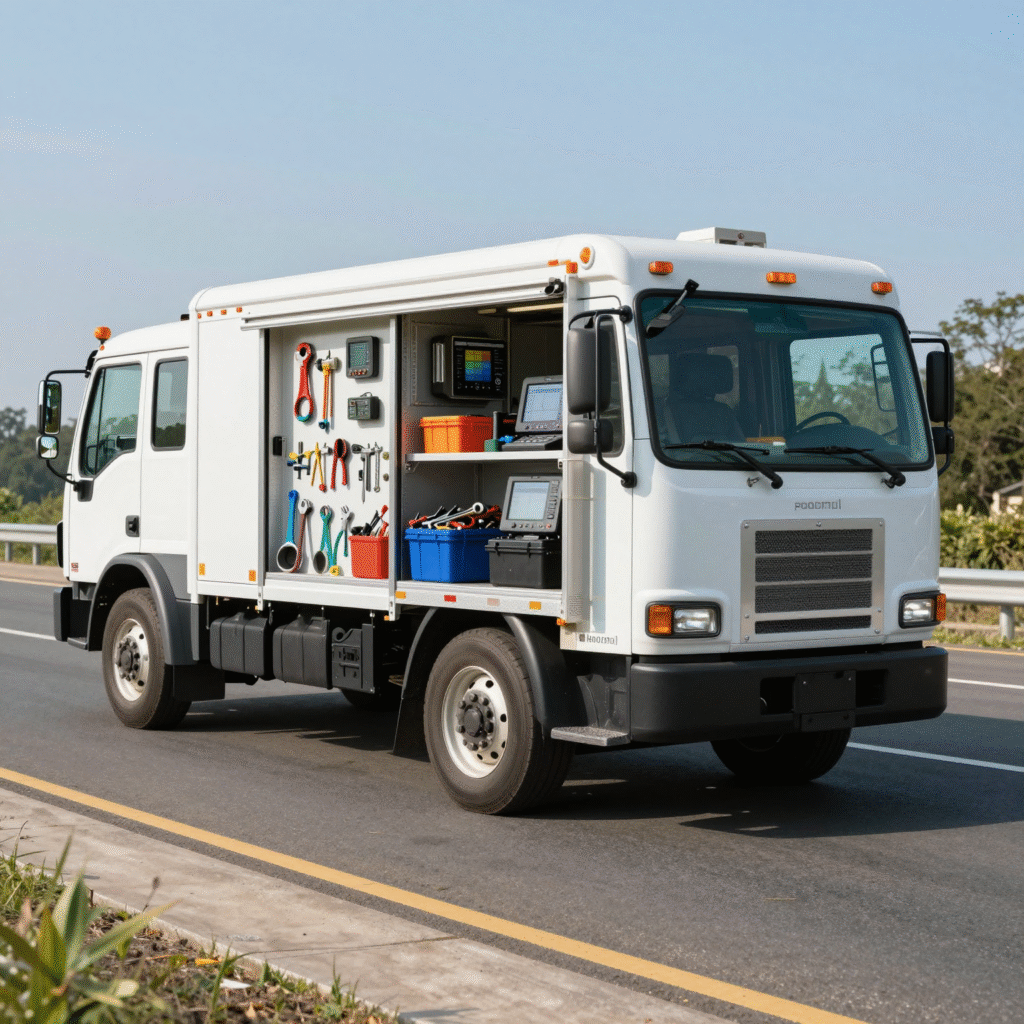
In the demanding world of long-haul trucking, the importance of a well-equipped service truck cannot be overstated. For truck drivers and fleet managers, having a reliable service vehicle is not just a convenience; it’s essential for ensuring operational efficiency and reducing downtime. Whether you are handling routine maintenance or unexpected breakdowns, a service truck tailored to your specific needs can make all the difference. Customizing your service truck not only maximizes the utility of the vehicle but also enhances productivity on the road. From specialized tool storage to advanced diagnostic equipment, every enhancement translates into quicker repairs and less time off the road, giving your fleet a competitive edge. Embrace the potential of your service truck and explore how the right setup can drive your success. To dive deeper into best practices for your service vehicle setup, check out our insights on optimizing fleet efficiency.
When setting up a service truck for long-haul maintenance, equipping it with the right tools and equipment is essential for efficiency and safety. Here’s a list of must-have items categorized for easy reference:
Hand Tools
- Wrenches (including torque wrenches)
- Screwdrivers (various sizes)
- Pliers (needle-nose, slip joint)
- Tire repair kits (including plugs and sealants)
- Hydraulic jacks
Diagnostic Tools
- Diagnostic scanners for fault detection
- Tire pressure gauges
- Engine diagnostic software
Safety Gear
- Fire extinguishers
- First aid kits
- High-visibility vests and warning triangles
- Portable jump starters
Equipping your service truck with these tools ensures you’re prepared for on-the-road repairs and emergencies. Learn more about setting up your service truck for optimal efficiency!
Planning the Layout of a Service Truck
When setting up a service truck, the layout is crucial for maximizing efficiency and ensuring safety. An ideal layout not only accommodates tools and equipment but also allows for quick access to what’s needed during operations. Here are some best practices for planning an effective service truck layout.
Modular Tool Storage Systems
Utilize modular tool storage systems that can be customized based on the specific needs of your service truck. This flexibility allows easy rearrangement of tools as jobs or user preferences change. For instance, adjustable shelving can be incorporated, offering versatility for different jobs like electrical, plumbing, or HVAC work. From a report published by the American Society of Mechanical Engineers, such custom layouts tend to enhance operational efficiency significantly.
Ergonomic Arrangements
Positioning frequently used tools at waist height reduces strain on workers and increases accessibility, thereby boosting productivity. Incorporate features such as built-in power outlets for tools that require power, and ensure that items are within arm’s reach to prevent unnecessary bending or stretching. NIOSH highlights that effectively designed vehicle placements can potentially increase working time by 20% while cutting injury rates by 30%.
Clear Labeling and Bins
Every tool and piece of equipment should have a designated place that is clearly labeled. Using color-coded bins helps differentiate tools and equipment types, which speeds up the process of locating items, making transitions smoother during operations. This practice not only aids in efficiency but also assists in maintaining a clutter-free workspace, as indicated in the best practices for service truck layout outlined by Fleet Complete.
Safety Considerations
Incorporating safety features into your layout is essential. Use non-slip flooring to minimize accidents, adequate lighting to enhance visibility, and proper ventilation to avoid exposure to harmful fumes. Additionally, creating designated pathways can minimize trip hazards throughout the workspace, further ensuring safety protocols are met.
Regular Audits and Feedback
Conduct regular audits of the truck layout and solicit feedback from users. This practice ensures that the layout evolves with changing job requirements or advancements in tools and equipment. As jobs and technologies progress, staying adaptable can lead to continuous improvements in efficiency and safety.
Conclusion
Designing an effective service truck layout is an ongoing process that requires attention to user needs, safety, and efficiency. By implementing ergonomic storage solutions and maintaining a high standard of organization, service technicians can work more effectively and safely, ultimately enhancing overall operational productivity.
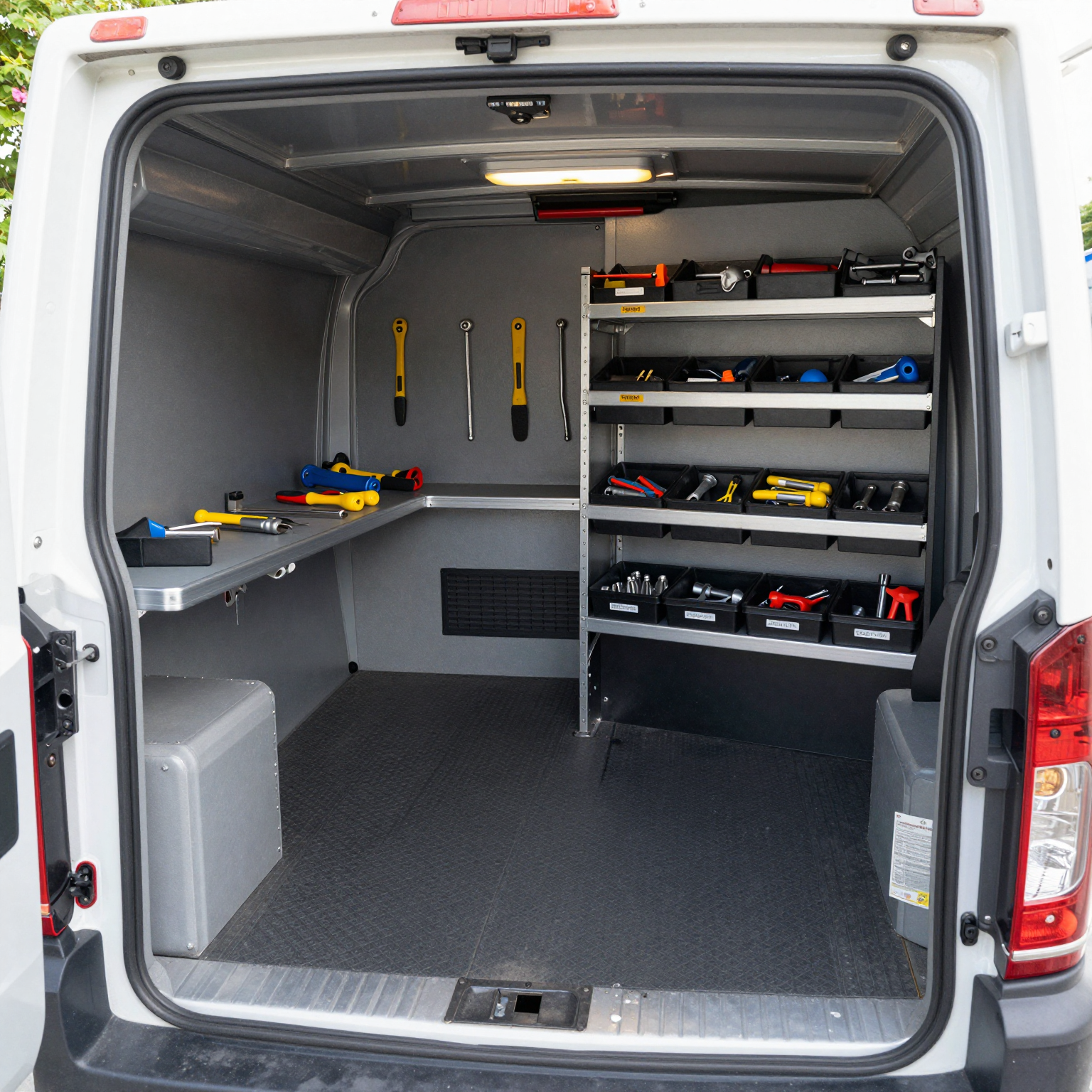
An example of an optimized service truck layout.
| Configuration | Size (ft) | Cost (USD) | Storage Capability (cu ft) | Ideal User |
|---|---|---|---|---|
| Standard Service Truck | 12-16 | 30,000 – 50,000 | 300 – 500 | Individual Drivers |
| Long Bed Service Truck | 16-20 | 40,000 – 60,000 | 600 – 800 | Fleet Operators |
| Compact Service Truck | 10-14 | 25,000 – 40,000 | 250 – 450 | Urban Drivers / Small Fleets |
| Heavy-Duty Service Truck | 20-25 | 60,000 – 100,000 | 800 – 1200 | Large Fleets / Specialized Operations |
Analysis of Configurations
- Standard Service Truck:
- Size is manageable for urban environments, supporting smaller operations. Cost-effective for individuals needing basic service tools.
- Long Bed Service Truck:
- Provides extensive storage ideal for large fleet operations and tasks requiring more tools and parts.
- Compact Service Truck:
- Great for city conditions where space is limited. Lower cost fits individual drivers needing mobility and versatility.
- Heavy-Duty Service Truck:
- Designed for rigorous tasks with high storage capacity, suited for large fleets requiring operational efficiency in demanding environments.
For those interested in setting up a service truck effectively, learn more here.
Customizing the Service Truck
Customizing a service truck is not just about aesthetics; it’s a functional enhancement that can greatly impact efficiency and user experience. For trucking professionals, a tailored truck can mean the difference between a smooth operation and a challenging day on the road.
Aesthetic Upgrades
Customization often begins with visual improvements-like customized paint jobs, decals, and branding elements. A well-branded truck not only represents the company but also enhances visibility, making it easier for clients to identify your services.
Functional Enhancements
Functional customization involves features that directly improve the utility of the vehicle:
- Tool Storage: Custom-mounted tool storage ensures that every tool has a designated spot, reducing time spent searching. Specialized compartments can also keep tools organized and easily accessible.
- Ergonomic Designs: Ergonomically designed workspaces inside the truck minimize physical strain on technicians. This is particularly important for long-haul drivers and maintenance crews who perform various tasks in the truck.
- Safety Features: Anti-slip flooring, built-in ladders, and customized access points reduce the risk of workplace injuries. According to the National Institute for Occupational Safety and Health (NIOSH), properly designed interiors lead to a 40% decrease in musculoskeletal injury claims.
Efficiency and Productivity
Overall, these customization options lead to improved operational efficiency. Companies report a 20-30% reduction in job completion times with upgraded, customized service vehicles, and many see lower maintenance costs as proper handling reduces wear and tear. By aligning the vehicle to specific operational needs, businesses can optimize asset utilization. Learn more about operational efficiency in service vehicles.
Conclusion
In summary, customizing your service truck is a worthy investment. Not only does it enhance the experience for drivers and technicians, but it also significantly boosts business efficiency. With the right upgrades, you can ensure that your service truck is not just another vehicle, but a powerful tool for your trucking operations.
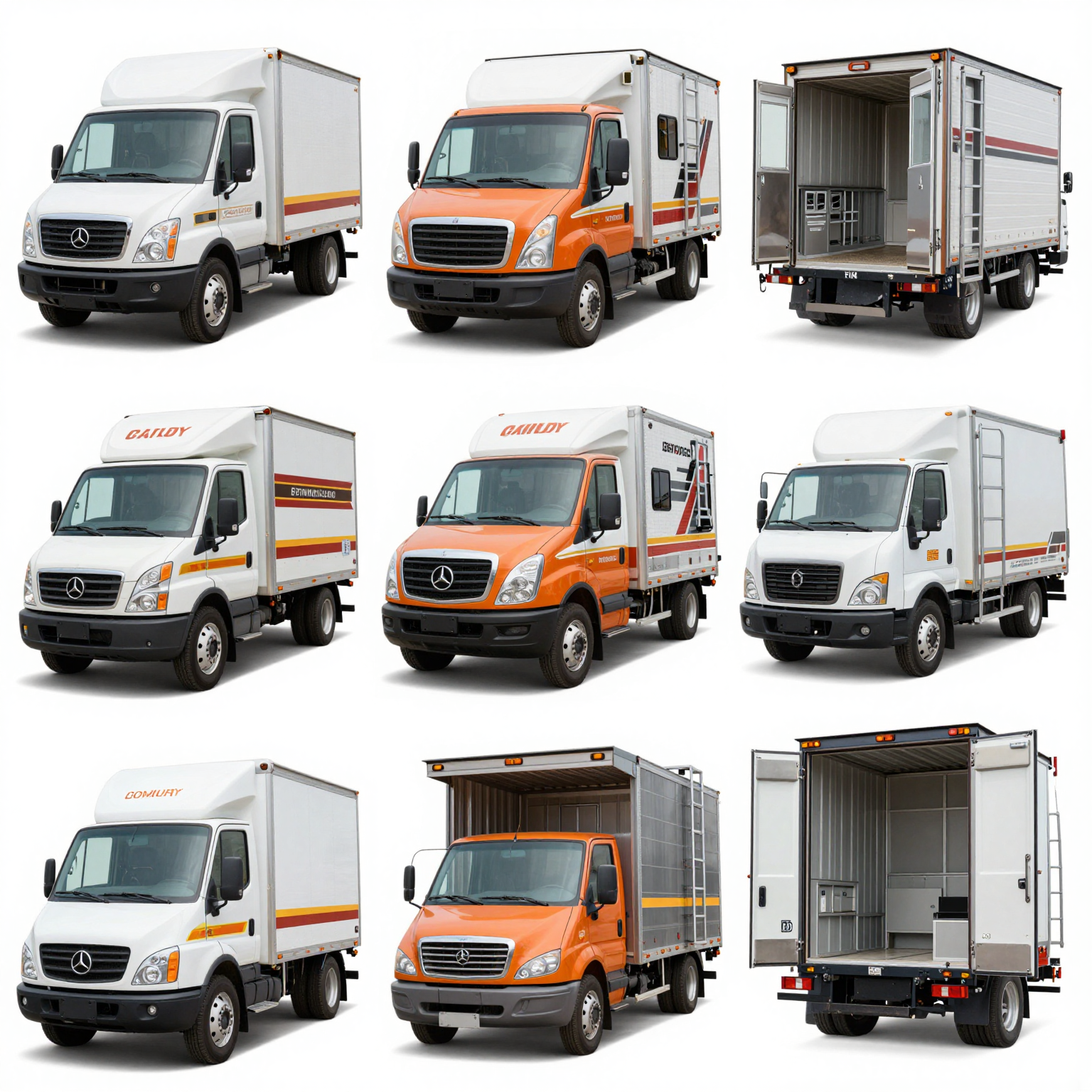
User Reviews on Service Truck Setups
When it comes to service truck setups, industry feedback from truck drivers and maintenance specialists paints a vivid picture of their experiences. Users have shared insights on various configurations, highlighting both strengths and areas for improvement.
Key Insights from User Reviews:
- Customization Is Key: Many drivers indicate that service truck setups are often tailored to specific job types. Modular tool cabinets and integrated hydraulic lifts receive particular praise for their efficiency during roadside assistance.
- Durability and Functionality: Maintenance specialists highlight durable materials, like 1.5 mm thick body panels and efficient tool storage solutions, as critical for on-site repairs. Some configurations even integrate a mobile welding station, which can reduce downtime by 35%.
- Ergonomics and Usability: Top-rated setups feature adjustable-height work surfaces and ergonomic seating. However, common complaints include inadequate spare parts storage and outdated designs lacking in ergonomics.
- Technology Integration: Many reviews celebrate advancements like LED-lit workbenches, smartphone-integrated maintenance logs, and anti-vibration tool storage racks, indicating a shift toward more user-friendly designs.
Conclusion
Truck drivers and maintenance professionals alike emphasize that the best configurations are those that promote efficiency, safety, and comfort. As the industry continues to evolve, prioritizing modular designs and digital integration will be essential for meeting the needs of modern service operations.
For more in-depth discussions on truck configurations, check out the community forum or explore recent studies from Fleet Maintenance Journal.
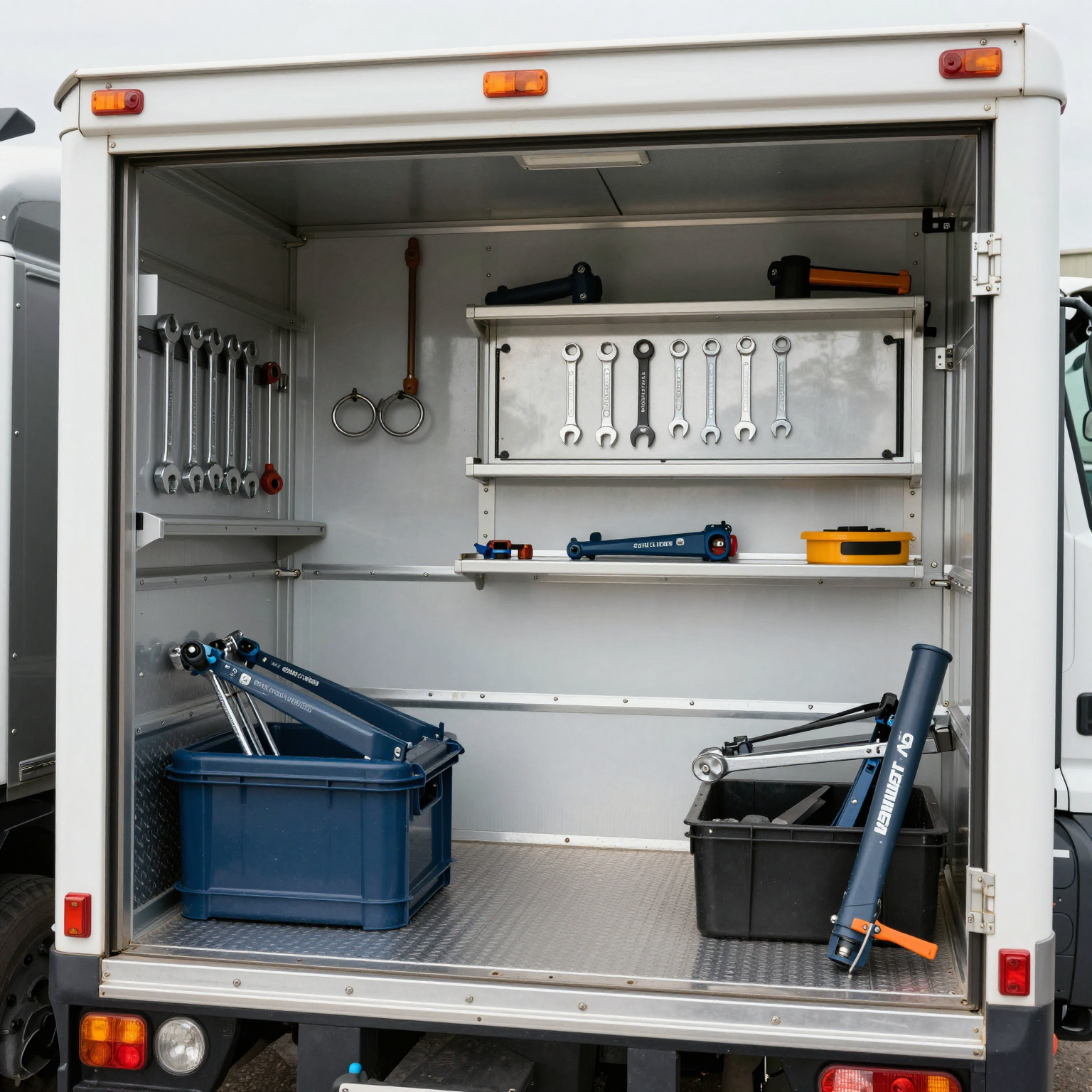
Safety Measures for Service Truck Operation
When operating a service truck, prioritizing safety is essential for protecting both personnel and equipment. Here are key safety measures and protocols to follow:
Securing Tools and Equipment
- Store Tools Properly: Ensure all tools are secured in designated compartments or locking storage areas to prevent shifting during transit.
- Use Safety Straps: Implement safety straps and tie-downs for larger tools and equipment to avoid movement that could cause accidents while on the road.
- Conduct Regular Inspections: Regularly check tool compartments and equipment for damage and ensure everything is in proper condition to use.
Handling Hazardous Materials
- Training and Compliance: All personnel involved in transporting or handling hazardous materials must receive thorough Hazmat training, including emergency response protocols. It is crucial to have valid Hazardous Materials Endorsements (HME) on drivers’ commercial licenses. Learn more about hazardous materials guidelines.
- Safe Packaging: Utilize approved containers and packaging for hazardous materials, ensuring they are clearly labeled and placarded as necessary.
- Emergency Preparedness: Equip the service truck with an Emergency Response Information (ERI) kit for quick access in case of a leak or spill.
General Best Practices
- Pre-Trip Inspections: Always perform a thorough pre-trip inspection of the service truck, checking fluid levels, brakes, and tire conditions to prevent breakdowns and ensure safe operation.
- Driving Protocols: Adhere to traffic laws and maintain safe driving speeds, especially in congested or hazardous areas. Utilize advanced safety technologies, such as collision avoidance systems, to enhance operational safety.
- Continuous Education: Encourage continuous safety education and training programs for drivers to reduce fatigue and stress, helping to maintain focus on the road.
By following these safety measures and protocols, service truck operations can minimize risks and protect both the operator and the public.
Cost-effectiveness of Service Truck Setups
Setting up a service truck requires careful consideration of various configurations and the associated costs. The long-term cost savings can significantly outweigh initial investments, especially when optimizing operational efficiency.
Here’s a chart that illustrates the cost-effectiveness of different service truck setups, comparing their initial investment with potential operational savings over time.

Key Takeaways:
- Efficient setups like high-efficiency power systems and lightweight bodies can offer significant savings.
- Intelligent fleet management systems can also lower costs by reducing operational inefficiencies.
- The payback period on these investments is typically between 2 to 3.5 years, leading to substantial long-term savings.
For more insights on setting up service vehicles effectively, you can read more about related topics.
Conclusion and Call to Action
Setting up an effective service truck is crucial for optimizing operations in the trucking industry. Key steps include equipping your vehicle with the right tools and parts, integrating tracking systems, and regularly training your staff on procedures. The benefits of a well-customized service truck extend beyond operational efficiency; they enhance brand visibility and improve customer recognition. Studies indicate that branded fleets can witness up to a 35% increase in customer recall, while also boosting employee morale within the organization.
For trucking companies looking to elevate their service offerings, consider Summit Fairings. Our expertise in customizing service trucks can help you create an effective, branded vehicle that not only meets your operational needs but also stands out on the road. Learn more about our customization options and see how we can help you drive success in your fleet operations!