
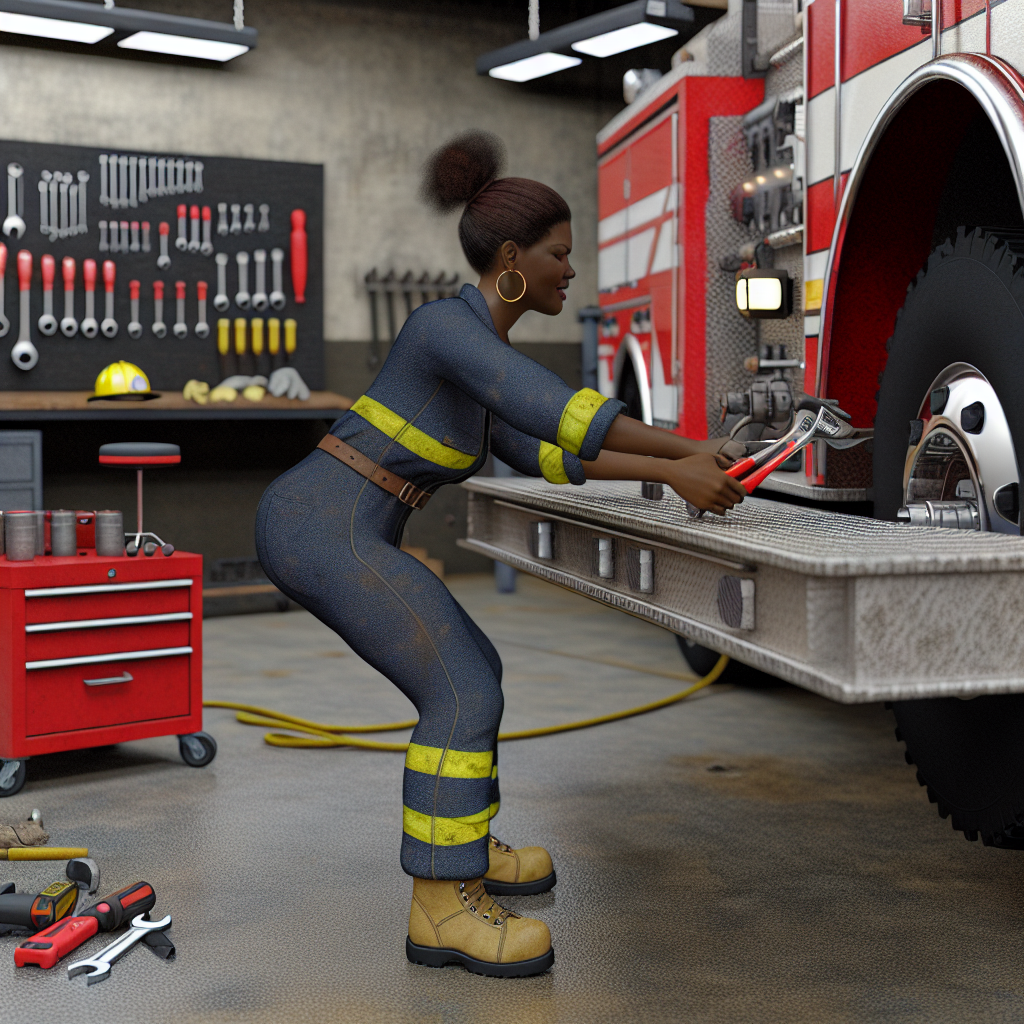
In the world of emergency response, the reliability and efficiency of fire trucks are critical. Fire truck maintenance and service training play pivotal roles in extending the longevity and performance of these vital vehicles. Regular upkeep not only enhances operational readiness but also minimizes the risk of breakdowns during critical emergencies.
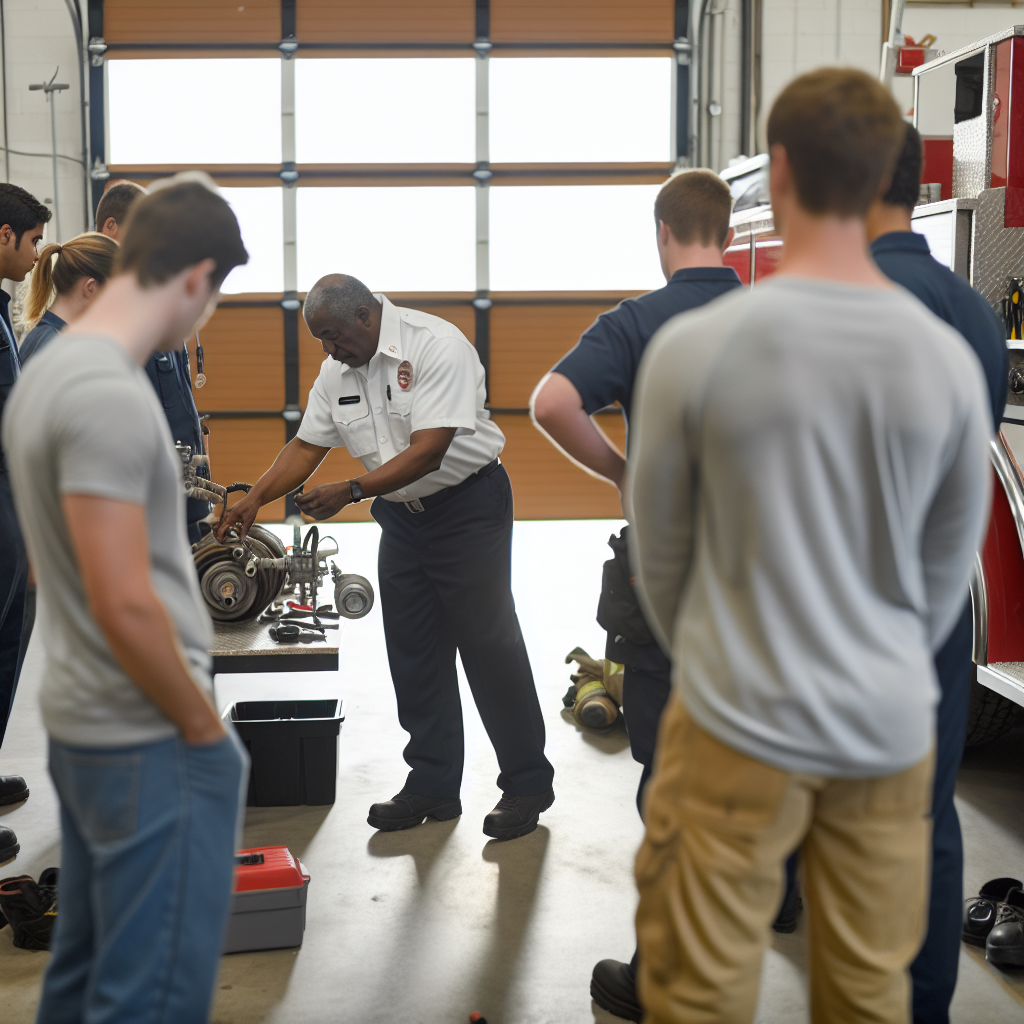
Training programs, such as those offered by Pierce Manufacturing, are essential for equipping technicians with the necessary skills to perform thorough inspections, routine maintenance, and effective repairs. With over 15 classes tailored to various vehicles and systems, Pierce Manufacturing ensures that fire department personnel receive hands-on support from master technicians, thereby promoting a culture of safety and preparedness.
These comprehensive training programs significantly contribute to reducing downtime and improving the overall effectiveness of fire service operations, making them indispensable for fire departments seeking to maximize their resources and capabilities.
Routine maintenance for fire trucks is not just a guideline; it is a necessity that directly affects operational readiness and safety. Regular inspections and maintenance checks are essential to ensure that these vital vehicles are ready to respond at a moment’s notice.
Key Maintenance Activities Include:
- Checking fluids
- Testing equipment
- Inspecting critical components for wear and tear
The safety implications of neglecting routine maintenance cannot be overstated. A failure in essential systems such as brakes, lights, or water pumps during an emergency could endanger not only the firefighters’ lives but also the public they serve. As highlighted earlier, Technicians should also understand how to perform inspections, routine maintenance, and repairs. This emphasizes the critical need for knowledgeable technicians to identify potential issues before they escalate.
In addition to safety, routine maintenance enhances the performance of fire trucks. By systematically addressing small problems, fire departments can extend their vehicles’ operational lifespan. This ongoing care helps to minimize downtime and unscheduled repairs, ensuring uninterrupted service to the community. Furthermore, effective maintenance practices contribute to better fuel efficiency and operational effectiveness—vital in emergency settings where every second counts.
Programs like those offered by Pierce Manufacturing equip fire department personnel with the essential skills needed for thorough inspections and maintenance practices. These training sessions reinforce the importance of routine care and its role in enhancing the overall performance of fire trucks, ensuring that they are always ready to protect and serve.
In Conclusion:
Routine maintenance is paramount for the safety, performance, and longevity of fire trucks. Departments prioritizing these practices and investing in training for their technicians are making a crucial commitment to the well-being of their staff and the communities they protect.
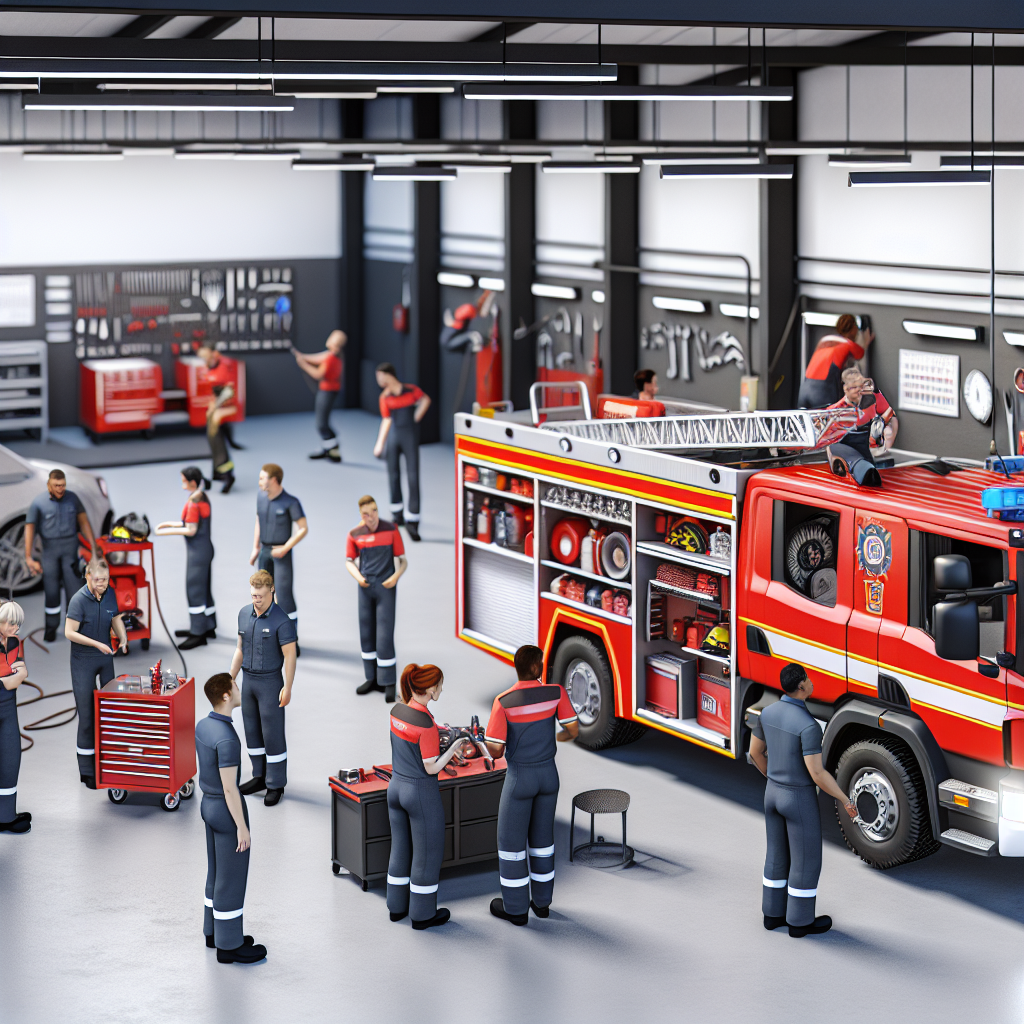
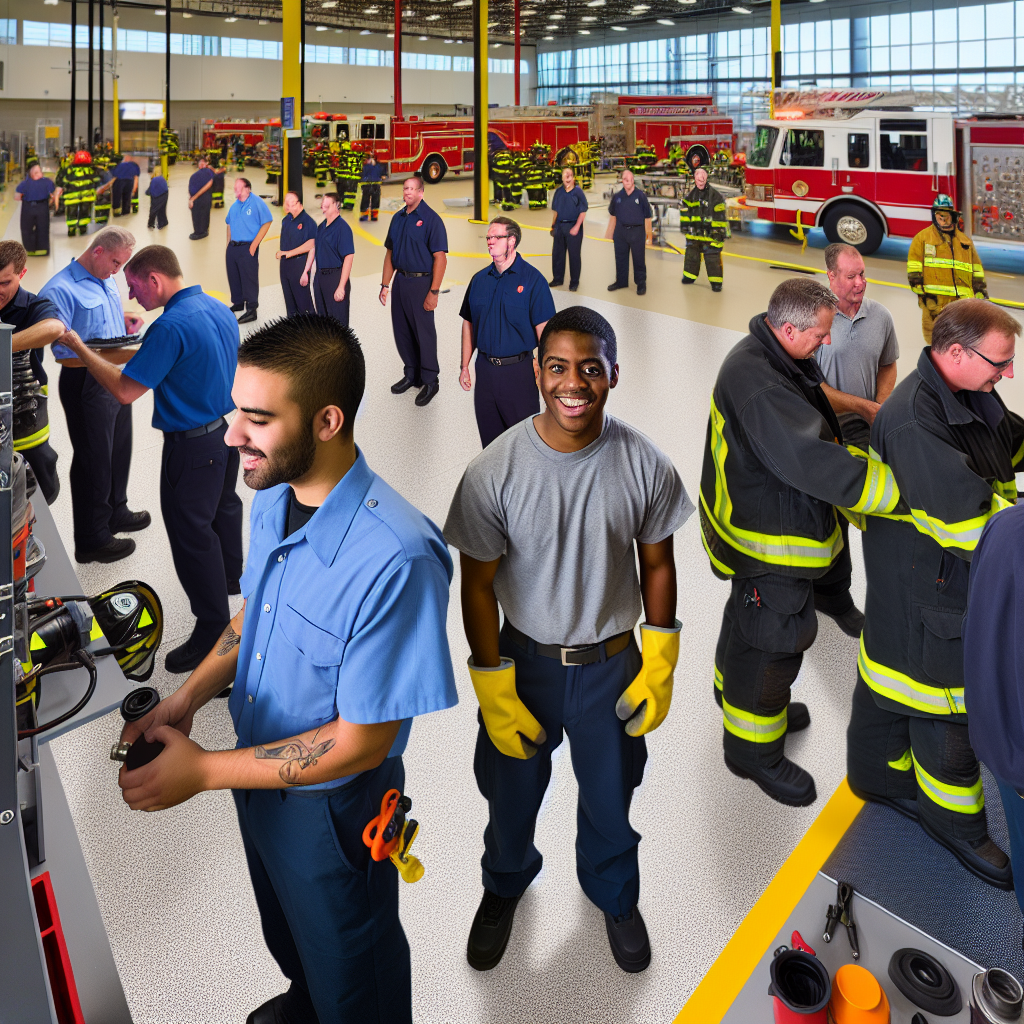
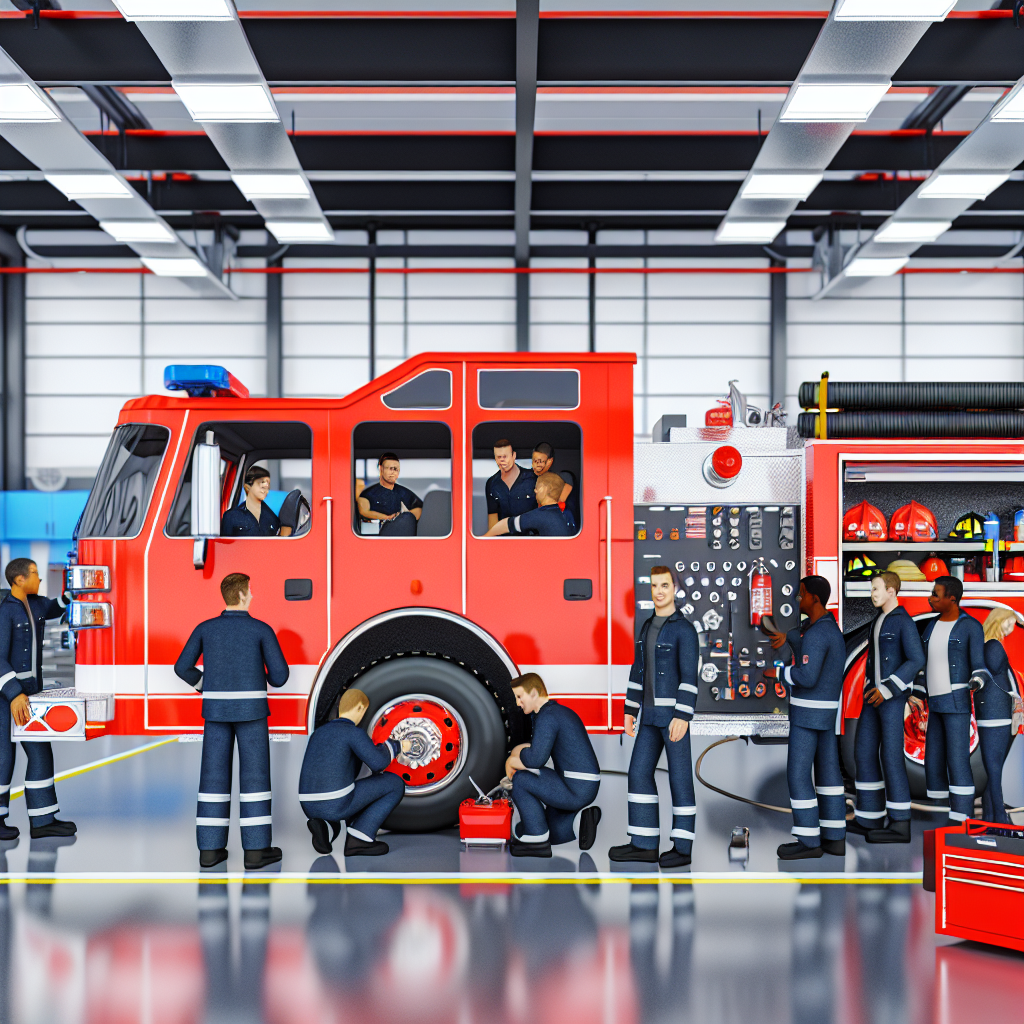
Fire Truck Lifespan and the Importance of Service Training
Fire trucks play a crucial role in emergency response, and their lifespan is significantly influenced by maintenance practices, operator training, and emergency vehicle inspections. On average, fire trucks have a frontline operational lifespan of 10 to 15 years, followed by 5 to 10 additional years in reserve, totaling about 15 to 25 years of service. Factors such as operational intensity, maintenance quality, and environmental conditions play pivotal roles in this lifespan.
- Operational Intensity: Fire trucks that serve in heavily populated urban areas typically experience higher usage rates and, consequently, accelerated wear compared to those in less busy rural settings. This increased operational demand can lead to more frequent maintenance and repair needs, affecting longevity.
- Maintenance Practices: Regular and thorough maintenance practices, including emergency vehicle inspections, significantly contribute to extending a fire truck’s life. This comprehensive approach includes routine inspections, preventive care, and timely repairs. Studies have shown that fire departments that prioritize maintenance and effective fire apparatus management can significantly increase the lifespan of their apparatus, often leading to fewer mechanical failures during emergencies.
- Environmental Conditions: Fire trucks exposed to harsh environmental conditions, such as extreme temperatures or corrosive coastal air, may face a shortened lifespan. Proper care and suitable protective measures can mitigate these effects, highlighting the importance of training operators to maintain their vehicles correctly.
Training’s Role in Longevity
While specific statistics directly correlating service training to fire truck longevity are scarce, it is evident that comprehensive training for operators and maintenance personnel is vital. Well-trained technicians and operators are better equipped to handle routine checks, preventive maintenance, and operational practices that align with manufacturer guidelines. This knowledge helps to reduce mechanical stress and minimizes the risk of premature wear, ultimately extending the life of the fire truck.
In summary, investing in robust service training programs not only enhances the skills of fire department personnel but also plays a major role in maximizing the reliability and lifespan of fire apparatus. By understanding and implementing effective maintenance strategies, fire departments can ensure their vehicles are always ready to protect their communities.
These insights reinforce that service training and emergency vehicle inspections directly influence the longevity and effectiveness of fire trucks, making it an indispensable investment for all fire departments.
| Class Name | Duration (Hours) | Topics Covered |
|---|---|---|
| Chassis Electrical | 16 | Non-multiplex electrical systems and components on Pierce chassis. |
| Command Zone™ Systems | 16 | Command Zone electrical systems, including Command Zone III features. |
| Preventative Maintenance | 16 | NFPA and DOT standards for fire apparatus maintenance. |
| TAK-4® Suspension Maintenance | 16 | Design principles, maintenance, and repair of TAK-4 Independent Front Suspension system. |
| CAFS/Husky Maintenance | 16 | Operation, maintenance, and repair of Pierce Husky Foam Systems and Hercules CAFS. |
| Aerial Maintenance | 16 | Repair and maintenance protocols for Pierce aerial ladders and platforms. |
| Air Brakes, ESC, ABS Troubleshooting | 16 | Theory and maintenance of chassis air brake systems. |
| Additional Courses (Optional) | Up to 24 | Extended courses for in-depth material available occasionally. |
Customized Training Programs for Fire Truck Maintenance
Customized training programs for fire truck maintenance and service offer numerous advantages, including reduced downtime, enhanced performance, and cost savings. Pierce Manufacturing exemplifies this approach by providing tailored training programs that address the unique specifications of each fire apparatus.
Benefits of Customized Training Programs:
- Reduced Downtime: Fire trucks can remain operational longer when personnel are trained to perform daily inspections and diagnose issues promptly. This proactive approach minimizes service interruptions and ensures readiness for emergencies. [source]
- Enhanced Performance: Preventive maintenance, guided by specialized training, improves the longevity and efficiency of fire apparatus. Understanding when and how to perform inspections and repairs optimizes fleet performance. [source]
- Cost Savings: Addressing minor repairs promptly through trained personnel prevents further damage and reduces unexpected maintenance expenses. [source]
Pierce Manufacturing’s Tailored Training Programs:
Since 1997, Pierce Manufacturing has offered customized service training covering a wide curriculum. Training options include sessions at the Pierce Training Center in Appleton, Wisconsin, regional training locations, and in-house training services tailored to specific department needs. [source]
In 2019, Pierce expanded its training facility to support production efficiencies, technological advancements, and quality control. The state-of-the-art center accommodates up to 25 students, offering both new and tenured team members opportunities to develop critical on-the-job skills and advance their careers. [source]
Industry Insights on Knowledgeable Dealers and Master Technicians:
Pierce introduced a master technician program over 15 years ago to provide customers with highly trained service technicians proficient in the technical aspects of each custom apparatus. Dealer technicians complete a series of foundational classes and must pass a comprehensive exam to earn the master technician title, with recertification required every five years. This program ensures that customers have access to expert support through local dealers and Pierce’s 24/7 hotline. [source]
Additionally, Pierce’s Youth Apprenticeship Program integrates school-based and work-based learning, allowing students to gain hands-on experience in various career sectors, including welding, assembly, and engineering. This initiative demonstrates Pierce’s commitment to fostering a skilled and prepared workforce through collaboration with local technical schools and dedication to creating pathways for students to succeed in the trades. [source]
These initiatives underscore the importance of knowledgeable dealers and master technicians in maintaining and servicing fire apparatus effectively.
In conclusion, the importance of fire truck maintenance and service training cannot be overstated. These training programs are instrumental in enhancing the operational efficiency and reliability of fire apparatus, ensuring that they are always ready for the next emergency. By equipping technicians with the skills to perform routine inspections, maintenance, and repairs, departments reduce the risk of mechanical failures that could jeopardize the safety of firefighters and the communities they serve.
Furthermore, customized training programs, such as those offered by Pierce Manufacturing, provide tailored learning experiences that directly address the unique needs of each fire apparatus. This personalized approach not only improves the technical proficiency of staff but also contributes to extended vehicle lifespan and performance. The emphasis on safety, expert knowledge, and preventive care leads to more effective emergency response operations, minimizing downtime and maximizing readiness.
Additionally, the support of knowledgeable dealers and master technicians ensures that fire departments have access to the expertise required to maintain their fleets properly. This commitment to continuous learning and adaptation within the realm of fire truck maintenance solidifies the role of training as an essential investment in public safety. By prioritizing ongoing education, fire departments can significantly enhance their service delivery, ultimately safeguarding their personnel and the communities they are dedicated to protecting.
Routine Maintenance Checklist for Fire Truck Technicians
To ensure optimal performance and safety, fire truck technicians should adhere to the following routine maintenance tasks:
- Daily Checks:
- Inspect fluid levels (engine oil, coolant, brake fluid, and transmission fluid).
- Verify the functionality of lights and sirens.
- Ensure the fire pump is operational.
- Weekly Maintenance:
- Test all emergency equipment and gauges.
- Clean exterior and check for any visible damage or wear.
- Inspect tires and check tire pressure for correct inflation.
- Monthly Inspections:
- Examine the battery condition and all electrical connections.
- Test and clean the air filter.
- Inspect and service hydraulic systems and connections.
- Quarterly Tasks:
- Check brake systems, including replacing pads if necessary.
- Conduct a full inspection of the suspension and steering components.
- Review maintenance logs and plan for upcoming service needs.
- Annual Maintenance:
- Conduct a thorough inspection of all systems as per NFPA and DOT maintenance standards.
- Perform a complete flush of fluids (brake, transmission, coolant).
- Schedule and conduct any needed repairs for equipment issues identified throughout the year.
By following this checklist, technicians can ensure that fire trucks remain reliable and ready for service, thereby safeguarding both firefighter and public safety.
Testimonials and Impact of Pierce Manufacturing Training Programs
While specific testimonials from technicians who have undergone Pierce Manufacturing’s fire truck maintenance training are not readily available, insights into the training programs indicate a robust structure designed to ensure technician proficiency and overall service effectiveness.
Operators and service technicians benefit from a multi-faceted training approach that includes a mix of classroom education and hands-on, practical experience. Courses cover critical topics such as electrical systems, pump and foam systems, and preventive maintenance practices. This comprehensive curriculum prepares technicians to manage various aspects of fire truck maintenance effectively, ensuring reliable performance in emergency situations.
The Pierce Manufacturing master technician program stands out as a significant component of the training framework. Established over 15 years ago, this program certifies technicians who demonstrate expertise in the technical features of Pierce apparatus. As part of this tiered training, candidates complete numerous foundational classes and must pass rigorous examinations to gain the master technician title, with ongoing recertification to maintain their qualifications.
From an organizational perspective, the benefits of these training programs are considerable. They lead to:
- Reduced Truck Downtime: Trained technicians can effectively perform routine inspections and assess potential issues, preventing unexpected operational interruptions.
- Improved Maintenance Protocols: Understanding and applying preventive maintenance measures enhances the performance and longevity of fire apparatus, leading to savings on repairs over time.
- Increased Technician Proficiency: Comprehensive training ensures that all technicians, whether new hires or seasoned professionals, remain up to date with industry best practices and technological advancements.
Furthermore, the establishment of a state-of-the-art training center in Appleton, Wisconsin, in 2019 expanded the capacity to accommodate ongoing training, thereby supporting both new and veteran personnel in developing critical skills that align with Pierce’s operational culture.
In summary, while direct testimonials might be scarce, the design and execution of Pierce Manufacturing’s training programs clearly demonstrate a commitment to producing highly competent technicians proficient in fire truck maintenance. The ongoing investment in training infrastructure ensures that personnel are well-prepared to meet the demands of their vital roles in emergency services.
Innovative Technologies in Fire Truck Maintenance
The landscape of fire truck maintenance is evolving rapidly, driven by innovative technologies that enhance both safety and efficiency. One significant advancement is the use of digital diagnostic tools, which allow technicians to perform thorough system checks and identify issues more promptly. These tools can streamline the maintenance process and significantly reduce the time it takes to address mechanical problems.
Additionally, telematics has gained traction, providing fire departments with real-time performance monitoring of their vehicles. This technology enables departments to anticipate maintenance needs based on actual usage data, rather than relying solely on scheduled service intervals. As a result, potential issues can be addressed proactively, reducing the risk of breakdowns during critical emergencies.
Drones are also making their mark in the realm of fire truck maintenance. They can conduct aerial inspections of fire trucks and relevant infrastructure, allowing technicians to identify hard-to-reach areas without the need for extensive scaffolding or equipment. This not only improves safety but also expedites the maintenance process.
Investing in these innovative technologies not only optimizes the maintenance routine for fire departments but also contributes to enhancing the overall reliability and safety of fire apparatus, ensuring they are always prepared to protect communities.
Smooth Transition to Testimonials
The effectiveness of Pierce Manufacturing’s customized training programs is evident not only in the enhanced skills of fire department personnel but also in the tangible results seen on the ground. For example, technicians report feeling significantly more confident in identifying and troubleshooting issues quickly after completing their training. One certified technician noted, “The comprehensive hands-on training I received gave me the tools I needed to perform maintenance and repairs with confidence—knowing that I’m prepared makes all the difference during emergencies.”
Another technician highlighted the importance of learning from experienced instructors, stating, “Having master technicians share their knowledge and real-world experiences during training enriched the learning experience. It’s reassuring to know I’m applying best practices every time I inspect a fire truck.”
These insights exemplify how the specialized training not only enhances the technical abilities of personnel but also fosters a deeper understanding of fire apparatus operations. This transition from theoretical knowledge to practical application illustrates the critical role of training in maintaining efficient and reliable fire trucks—a notion reinforced by the subsequent testimonials that showcase the transformational impact of such educational initiatives on fire service operations.
Testimonials and Impact of Pierce Manufacturing Training Programs
While specific testimonials from technicians who have undergone Pierce Manufacturing’s fire truck maintenance training are not readily available, insights into the training programs indicate a robust structure designed to ensure technician proficiency and overall service effectiveness.