
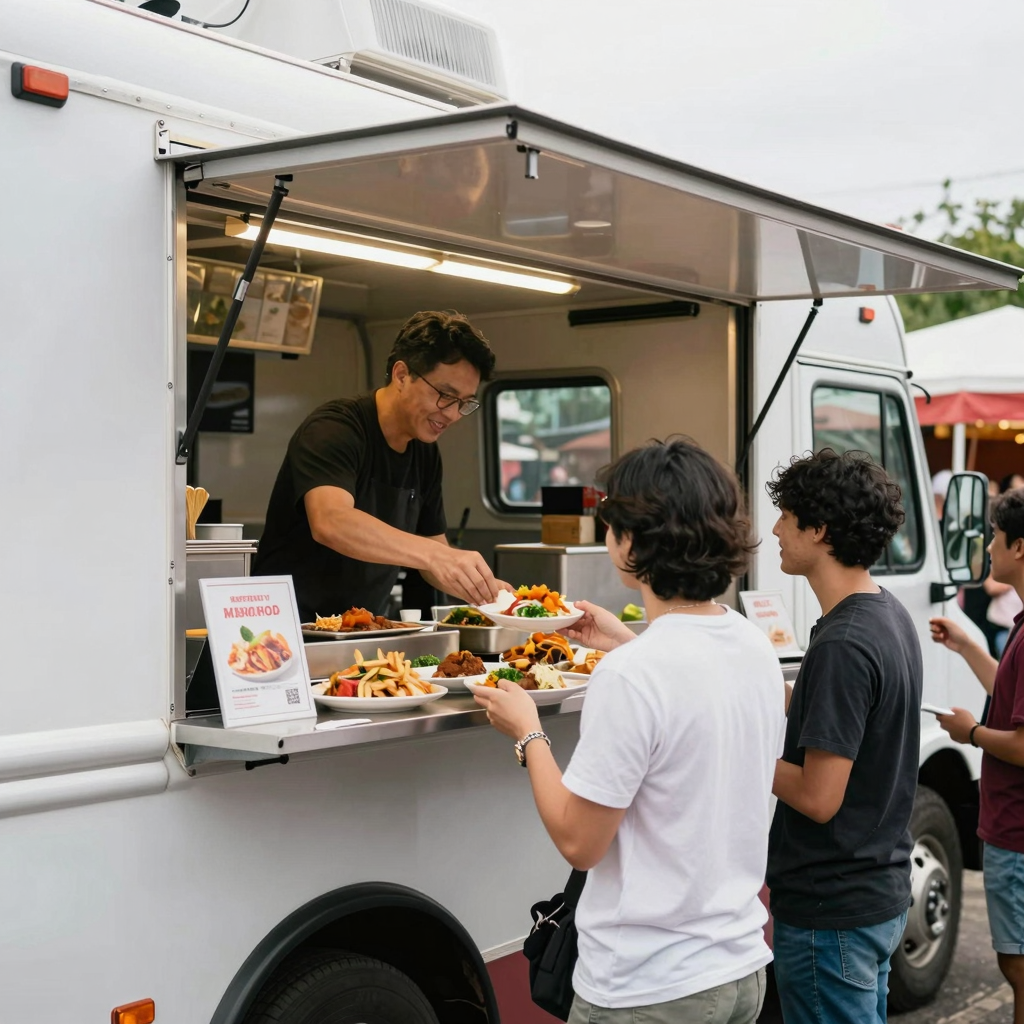
Introduction to Food Truck Drivers: Cooks, Entrepreneurs, or Truck Drivers?
Are food truck drivers cooks, entrepreneurs, or just truck drivers? This question sparks curiosity and debate within the vibrant world of the food service industry. As the popularity of food trucks continues to soar, transforming the culinary landscape, we find ourselves at the intersection of diverse roles and responsibilities. According to a recent report from Grand View Research, the U.S. food truck services market was valued at an impressive $9.5 billion in 2023 and is projected to experience a compound annual growth rate of 7.5% through 2033, propelled by a growing demand for fast food among younger consumers. The allure of food trucks is evident not only in their unique offerings-from gourmet tacos to artisanal burgers-but also in their significant presence at bustling events like food festivals and concerts.
Food truck drivers are often multi-faceted individuals, wearing many hats as they navigate the challenges of mobile food service. They are creators of culinary experiences, business operators, and sometimes even logisticians, ensuring that their products are delivered fresh and appealing. This dynamic role contrasts sharply with traditional food service employees, inviting further exploration into how these drivers fit into the broader food service framework. As we delve deeper into this subject, we will uncover the various dimensions of a food truck driver’s role and what it means for the industry as a whole.
The Roles of Food Truck Drivers
Food truck drivers play a crucial role in the mobile food service industry, blending several responsibilities that align closely with traditional food service employment. Their day-to-day tasks extend beyond just cooking; they encompass various critical functions that ensure the smooth operation of the food truck. Here are the primary responsibilities of food truck drivers:
- Cooking: Preparing food directly on the truck, ensuring quality, flavor, and presentation meet customer expectations.
- Customer Service: Engaging with customers to take orders, offer suggestions, and provide an overall positive experience, which is vital for repeat business.
- Inventory Management: Keeping track of food and supply inventory, ensuring that the truck is stocked with necessary items before serving and ordering new supplies as needed.
- Maintenance of the Truck: Regularly cleaning and maintaining the food truck to ensure compliance with health and safety regulations, as well as personal and customer safety. This can include basic mechanical checks and more extensive maintenance tasks.
These responsibilities closely resemble those of traditional food service employees. For example, just like a restaurant server, food truck drivers need to excel at customer interaction and service. They should possess knowledge about food preparation and safety, similar to the duties outlined in standard job descriptions for food service positions, such as Restaurant Server job duties.
Additionally, traditional roles often incorporate elements of teamwork and cooperation with kitchen staff, paralleling the food truck environment where drivers might also collaborate with additional team members involved in food prep or service. Job descriptions for food truck drivers may vary depending on the size of the operation and specific culinary offerings but generally encapsulate these core elements that form a foundation for food service excellence.
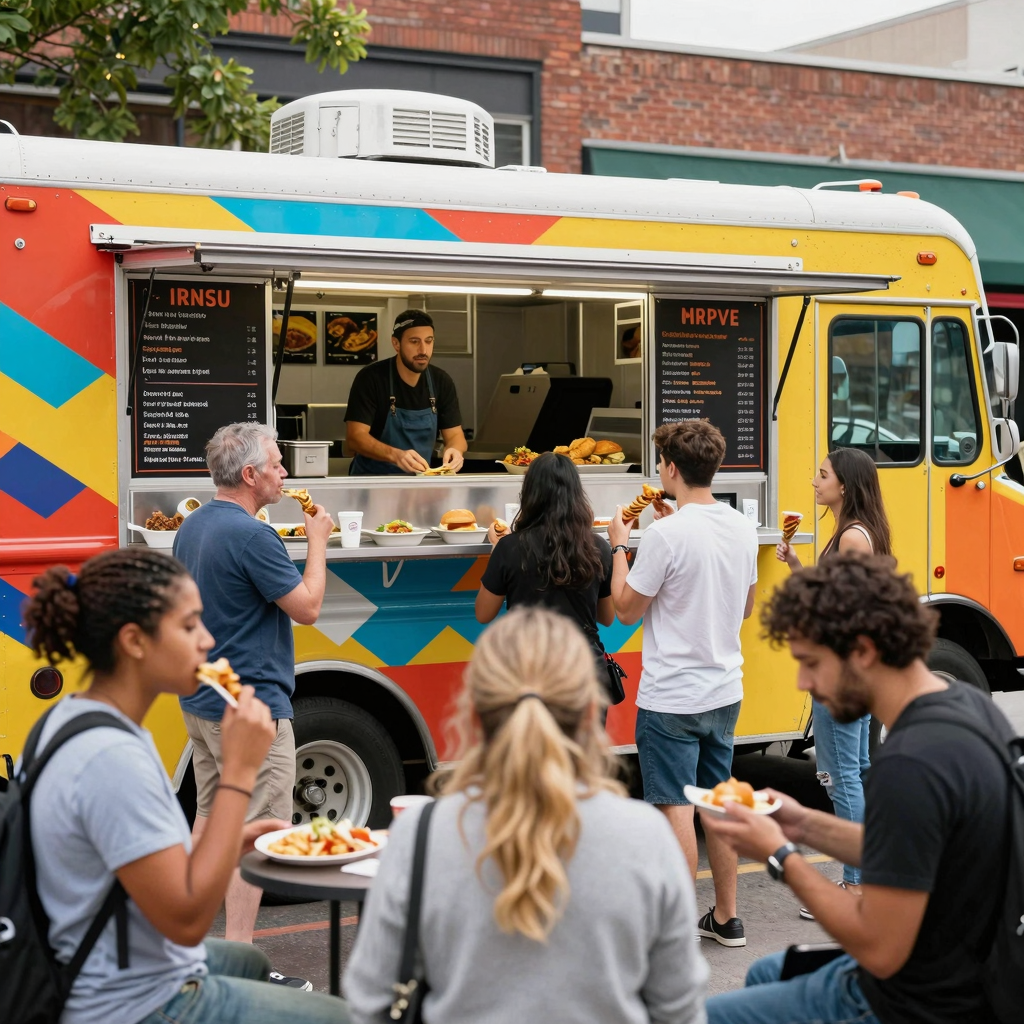
Comparison Table: Food Truck Employees vs. Restaurant Employees
| Feature | Food Truck Employees | Restaurant Employees |
|---|---|---|
| Roles | Multi-functional (cooking, serving, driving) | Specialized roles (chef, server, cashier) |
| Work Environment | Mobile, outdoor, dynamic, variable conditions | Fixed locations, indoor, stable environments |
| Required Skills | Multitasking, adaptability, strong communication | Teamwork, specific culinary skills, customer service |
| Job Expectations | Fast-paced service, handling real-time challenges, working in varying weather | Consistency, teamwork, adherence to procedures |
Insights
Both food truck and restaurant employees share a number of commonalities, such as:
- Strong customer service skills
- Adherence to food safety standards
- Capacity to perform well in high-pressure situations
- Need to remain on their feet for extended periods
- Unpredictable working hours, including weekends and holidays
Despite the differences in working conditions and expectations, both types of employees contribute significantly to the food service industry
For further insights on trucking solutions, you might want to explore the excellence of 5 Star Truck Inc. or discover the unparalleled services offered at 5 Star Truck Inc.
Legal Classifications of Food Truck Drivers
Food truck drivers often operate within a complex landscape of legal classifications that relate closely to food service employees. The legal definition of a food service employee typically includes individuals engaged in food preparation, serving, and sales in environments regulated by food safety legislation. According to various labor law guidelines, food truck operators are generally categorized as food service employees if they are involved in tasks such as cooking, serving, or selling food directly to consumers, as defined by the U.S. Department of Labor’s Wage and Hour Division. This classification emphasizes that these individuals are typically not independent contractors, especially if they are managed by a parent company that dictates their work schedules and operational methods.
Most food truck drivers, when employed by a food truck business, fall under the Fair Labor Standards Act (FLSA), which mandates minimum wage and overtime guidelines. For instance, drivers are entitled to at least the federal minimum wage of $7.25 per hour and must receive overtime pay if working over 40 hours per week. However, there is an ongoing discourse about the classification of food truck drivers, particularly in the gig economy, where some drivers-especially those who own their trucks-may classify themselves as self-employed to avoid the constraints of labor laws.
There are nuances within state regulations as well. States like California and New York provide additional protections and higher minimum wage standards for food service workers. Additionally, licensing requirements and health department regulations must be followed, which can also vary significantly from one region to another. These factors create a patchwork legal environment that affects how food truck drivers view their rights as employees and business owners. As we delve deeper into these issues, considering legal precedents and case studies could provide further clarity on the labor rights and protections available to this distinct category of workers. For those interested in the operational dynamics of food trucks, exploring the excellence of 5-Star Truck Inc. can provide valuable insights.
Testimonials from Food Truck Drivers
Food truck drivers are at the heart of a unique culinary movement, combining their passion for food with the freedom of entrepreneurship. Here are some heartfelt testimonials from actual food truck drivers reflecting on their experiences:
- Maria Lopez, Austin, Texas: “Every day is a battle against the weather, traffic, and long hours-but when I see someone smile after tasting my tacos, it’s all worth it.”
- James Carter, Portland, Oregon: “We’re not just vendors; we’re neighbors. We help each other during bad weather or low sales days.”
- David Kim, Los Angeles: “I started this business because I love cooking, but I didn’t realize how much mental strength it takes. You’re on your feet for 12 hours, dealing with customers, equipment breakdowns, and city permits-every single day.”
- Anonymous Driver, Denver, Colorado: “When sales dropped 70%, I thought about quitting. But then I saw a customer waiting in line in the rain, holding an umbrella for his kid. That moment reminded me why I do this-it’s about service, not just profit.”
These testimonials highlight not only the challenges of being a food truck driver but also the profound connections they form with their communities and customers. To dive deeper into the compelling stories of food service employees, explore the excellence of 5 Star Truck Inc.
Consider the resilience and passion that these culinary entrepreneurs exhibit daily, revealing that their roles transcend beyond mere food service-it’s about community and connection.
Growth of the Food Truck Industry
The food truck industry has experienced remarkable growth over the past decade, reflecting a significant shift in consumer preferences toward mobile dining. This growth underscores the importance of food truck drivers as essential contributors to the food service sector.
Industry Revenue Growth
- 2013: The estimated market size was around $2.7 billion.
- 2018: The market size had increased to approximately $4.0 billion, representing an average annual growth rate of about 7% from 2014 to 2018.
- 2023: Current projections estimate the market size to be over $4 billion, emphasizing the sustained growth trend in the industry.
Market Size Chart
Below is a line graph portraying the growth trajectory of the food truck industry over the past decade, highlighting key milestones:

Key Insights
- Growing Popularity of Gourmet Food Trucks: As consumer tastes diversify, food trucks are increasingly specializing in gourmet and niche cuisines, thus boosting revenue.
- Impact of Social Media and Marketing: Food trucks utilize social media for branding and customer engagement, significantly enhancing their reach and visibility.
Conclusion
The rise of the food truck industry showcases not just a niche market but an evolving segment within the larger food service industry. As consumer demand for convenient, diverse food options continues to grow, food truck drivers remain pivotal in shaping the culinary landscape.
For those interested in the evolving landscape of trucking services, consider exploring exploring the excellence of 5-Star Truck Inc..
References
- Market data drawn from recent industry analyses and reports on food truck trends.
Benefits and Challenges of Being a Food Truck Driver
Becoming a food truck driver has its own unique set of benefits and challenges. Here’s a quick reference to help you understand both sides of this rewarding yet demanding career.
Benefits of Being a Food Truck Driver
- Flexibility: Food truck drivers enjoy flexible hours that allow them to choose their work times, catering to peak customer activity.
- Creativity: Operating a food truck provides a platform to experiment with diverse menus and culinary styles, often leading to standout food options that draw customers.
- Lower Overheads: Compared to traditional restaurants, food trucks generally have lower startup and operational costs, allowing for higher profit margins on successful items. Learn more about benefits of food services
- Customer Engagement: Food trucks often foster strong connections with customers through social media and event participation, leading to loyal followings.
- Diverse Market: Mobility allows food truck drivers to explore various customer bases across different locations, adapting to market demands.
- Rising Demand: There’s a growing consumer interest in mobile dining, leading to a greater potential customer base for food truck operators. Discover more insights on food truck industry trends
Challenges of Being a Food Truck Driver
- Regulatory Hurdles: Navigating local zoning laws, acquiring permits, and health regulations can be complex and time-consuming, making compliance challenging.
- Unpredictable Weather: Weather can impact customer turnout significantly, which can lead to fluctuating sales on certain days.
- Long Hours: Many food truck drivers work extensive hours, with early mornings and late nights driven by event timings and customer demand.
- Limited Storage Space: Space is often at a premium in food trucks, which can restrict menu options and inventory.
- Intense Competition: In popular urban areas, competition from other food trucks and restaurants can make it difficult to attract customers.
- Operational Costs: Rising fuel prices and truck maintenance can drastically affect profit margins.
- Inconsistent Income: Sales can fluctuate significantly, leading to unpredictable income streams, especially during off-peak seasons or unforeseen circumstances like repairs.
By evaluating these benefits and challenges, aspiring food truck drivers can better prepare for the realities of operating in this dynamic food service sector.
Conclusion
In summary, food truck drivers are indeed classified as food service employees, embodying a multifaceted role that extends well beyond simply operating a vehicle. They are central players in the food service industry, responsible for various tasks that include food preparation, customer service, inventory management, and ensuring adherence to health and safety regulations. This diverse skill set positions them as not just employees but essential parts of the culinary landscape, particularly in the rapidly growing fast-casual and street food sectors.
Moreover, food truck drivers contribute significantly to urban food diversity and economic inclusivity; with over 35% of food trucks in the U.S. being independently owned, they foster entrepreneurship and innovation within the culinary world. By adapting to changing consumer preferences and embracing digital platforms, food truck operators continuously elevate customer experiences and drive operational efficiencies, enhancing the overall food service ecosystem.
As urban communities continue to evolve, the significance of food trucks-and their drivers-will likely increase, creating new opportunities for growth and entrepreneurship within the food service sector.
If you’re interested in exploring how food trucks can bring culinary experiences to your area, discover our premier trucking solutions or learn about the unparalleled services of 5-Star Truck Inc. today!
In the evolving culinary landscape, food truck drivers are becoming increasingly recognized for their vital contributions beyond mere food service. As Chef Roy Choi, a pioneer in the food truck industry, states:
“Food truck drivers aren’t just food providers; they are cultural innovators fostering a fusion of tastes. My experience with Kogi BBQ, blending Korean and Mexican cuisines to create the iconic Korean taco, illustrates how these drivers play a crucial role in cross-cultural culinary innovation and meet the diverse demands of consumers.”
This perspective emphasizes that food truck drivers significantly influence urban dining culture, adapting to emerging trends and consumer needs. By offering unique culinary experiences, they shape the future of the food industry, making them essential figures in the ongoing discussion about food service roles. Learn more about the culinary landscape brought by these mobile kitchens.