
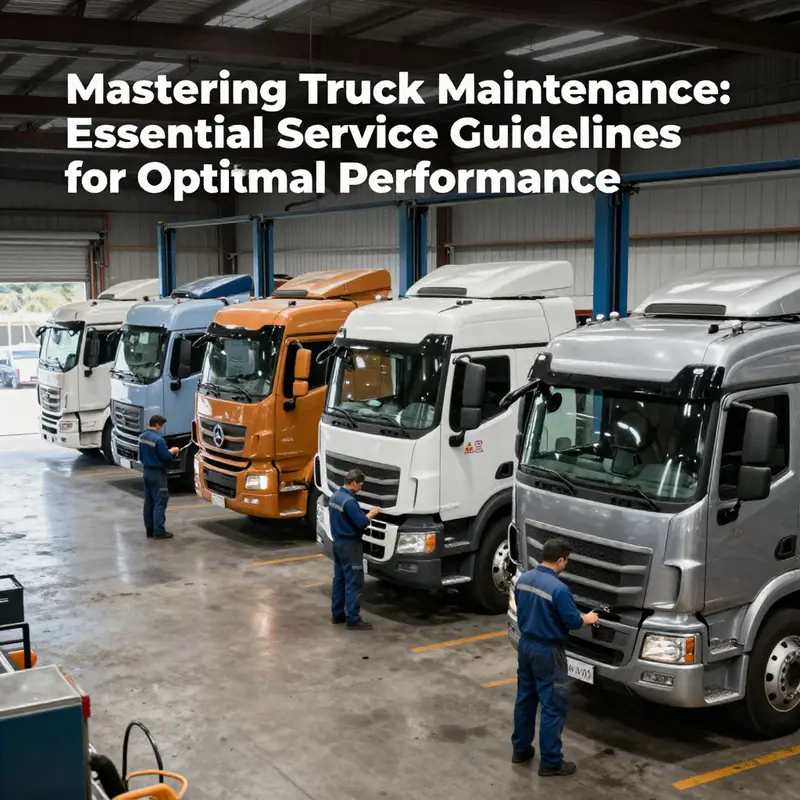
Service intervals for trucks can vary widely depending on usage factors, but understanding maintenance guidelines is crucial for long-haul truck drivers, trucking company owners, fleet managers, and aspiring drivers. Knowing when to service your vehicle not only enhances its longevity but also ensures safety on the road. This article explores general service recommendations for different truck types, special considerations for heavy-duty vehicles, maintenance needs for utility trucks, the importance of adhering to manufacturer recommendations, and how consistent servicing impacts your truck’s lifespan and safety on the job. Each chapter will provide specific insights tailored to your needs and foster a holistic understanding of truck service protocols.
Practical Service Intervals: How to Schedule Truck Maintenance for Safety and Uptime
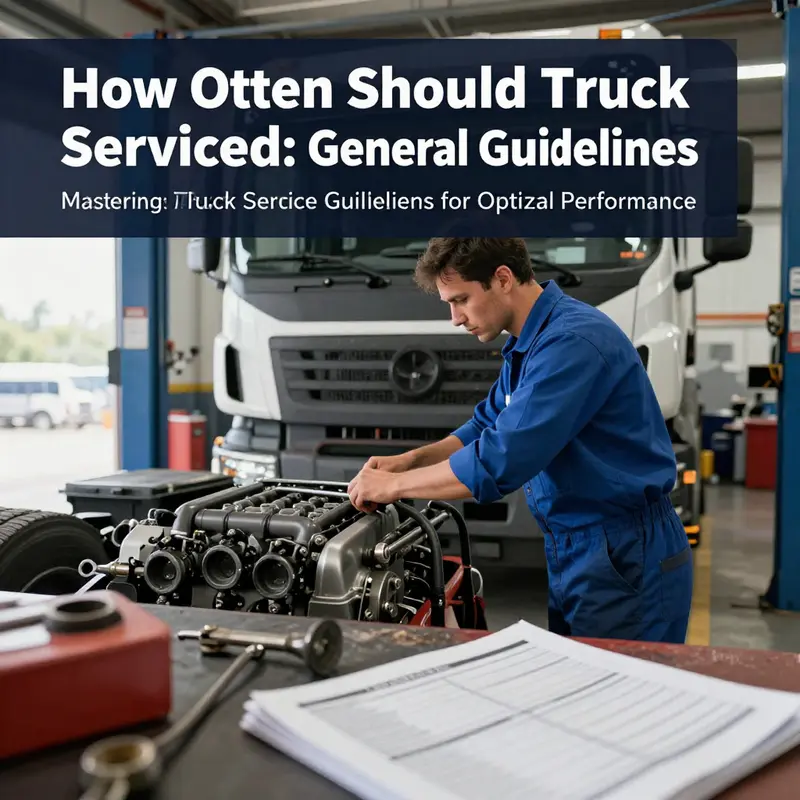
Finding the right service rhythm for a truck means balancing mileage, operating conditions, and manufacturer guidance. Not every inspection or tune-up is the same. Routine checks can be frequent and quick. Comprehensive services are deeper and scheduled farther apart. Understanding the difference and tailoring intervals to vehicle type and duty cycle keeps trucks safe, reliable, and cost-effective.
Start by separating maintenance into two tiers. The first tier is preventive, day-to-day upkeep and frequent inspections. These include oil and filter changes, basic fluid level checks, brake inspections, tire pressure and tread checks, and visual examinations of lights, wiring, and couplings. For many commercial trucks, these preventive tasks are performed every 3 to 6 months, or every 5,000 to 10,000 miles, whichever comes first. Vehicles that carry heavy loads or operate on rough terrain often need the shorter end of this range. Utility cargo trucks and field-service vehicles, for example, frequently benefit from checks every 3 months or every 3,000 to 5,000 miles.
The second tier is comprehensive service. This includes in-depth inspection and maintenance of major systems: transmission servicing, coolant system flushes, full brake overhauls, suspension alignment and bushings, and more extensive electrical diagnostics. These visits are typically scheduled less often, commonly every 12 to 24 months or at milestone mileages such as 50,000 to 100,000 miles. But these intervals apply when vehicles operate in normal conditions. Trucks working in harsh environments—heavy dust, severe heat, frequent stop-and-go hauling, or constant heavy loading—require compressed schedules. In such cases, targeted comprehensive inspections every 10,000 to 20,000 miles can prevent small problems from escalating.
A practical maintenance plan blends both tiers and adapts to the truck’s role. For local delivery and light-duty service trucks, a routine preventive inspection every 5,000 to 7,500 miles, coupled with oil changes every 15,000 to 30,000 miles, will usually suffice. Regional and long-haul tractors should follow a similar preventive cadence but place greater emphasis on scheduled transmission servicing and axle inspections as mileages climb. Heavy-duty vehicles, including dump trucks used on construction sites, must be inspected more often. For them, checks every 5,000 miles or sooner for brakes, hydraulics, tires, and chassis components are common practice.
Operational context matters as much as mileage. A truck idling in extreme heat accumulates more thermal stress than one cruising at highway speeds. Frequent short trips produce more start-stop wear on brakes and driveline components than long-haul runs. Road surface quality, exposure to corrosive materials, and even the quality of available refueling and lubricants affect how quickly components degrade. Because of this, time-based intervals are still useful. For many fleets, a quarterly check captures seasonal concerns and identifies slow-developing issues before they cause downtime.
Signs that a truck needs immediate attention should override any schedule. Unusual noises, persistent warnings on the dash, brake fade, rapid fluid loss, or visible structural damage all demand immediate action. Likewise, tires showing uneven wear, hydraulic leaks, or electrical faults must be addressed without delay. A maintenance program must empower drivers and operators to report these issues promptly and route the vehicle to service.
Recordkeeping is the backbone of an effective schedule. Track every inspection, repair, and replacement, including dates, mileages, and parts used. This data reveals patterns, highlights recurring faults, and informs whether intervals should be tightened or can be extended. Many modern fleets supplement manual logs with telematics. Real-time diagnostics and predictive analytics help detect problems earlier, allowing maintenance to move from reactive to predictive. Oil analysis, for instance, can point to bearing wear or coolant contamination long before catastrophic failure.
When building a maintenance program, consult the manufacturer’s maintenance manual first. It provides baseline intervals and service procedures tailored to the make and model. Use those recommendations as the starting point, then adjust for duty cycle. A layered schedule can help: short daily or weekly checks by drivers, a preventive maintenance visit every few months, and in-depth services at major mileages. For fleets, standardizing schedules across similar vehicle classes simplifies planning and parts stocking.
Training amplifies the effectiveness of any schedule. Technicians who understand heavy-duty systems, brakes, hydraulics, and electrical diagnostics complete repairs correctly and faster. Drivers trained in pre-trip inspections identify problems early. Consider formalized maintenance and inspection training to close the gap between operator observations and workshop action—this improves uptime and reduces avoidable repairs. For guidance on building training programs and maintenance culture, see resources on fire truck maintenance training, which emphasize consistent checks and team accountability.
Costs are a practical consideration. Regular preventive care reduces the frequency of expensive, unplanned repairs. A brake system failure during peak operations or a seized hydraulic pump on a busy site costs more in lost revenue than scheduled service. Factoring the cost of downtime, towing, and emergency repairs makes investment in regular service clearly economical. Plus, well-maintained trucks retain greater resale value.
Finally, keep compliance in view. Commercial and heavy vehicles may be subject to inspection and maintenance rules from regulatory authorities. Regular documented servicing helps meet those obligations and supports smooth audits. Safety is the core objective, but regulatory compliance is often the mechanism that enforces routine care.
A sensible rule of thumb emerges from these considerations: schedule preventive maintenance every 3 to 6 months or every 5,000 to 10,000 miles for most commercial trucks, shorten intervals for severe-duty vehicles, and plan comprehensive services at 12 to 24 month windows or major mileage milestones. Always tailor those benchmarks to the vehicle’s specific role. Combine clear inspection responsibilities, consistent recordkeeping, and targeted training to keep trucks on the road and productive. For a broader look at why truck maintenance matters, the Better Business Bureau provides an accessible overview on maintenance importance: https://www.bbb.org/business-matters/insights/why-truck-maintenance-is-so-important
Cadence of Reliability: Setting Service Intervals for Heavy-Duty Trucks

Heavy-duty trucks live lives of endurance. They haul loads across dusty worksites, freight yards, and rugged back roads, often under harsh temperatures and unforgiving terrain. Their purpose is straightforward yet demanding: keep moving when others would falter. Because uptime is central to the job, the rhythm of maintenance becomes almost as important as the rhythm of work. The question of how often a heavy-duty truck should be serviced is not a guess but a carefully calibrated cadence. It rests on a blend of field experience, manufacturer guidance, and the realities of the routes and duties the truck performs. In practice, the cadence is about prevention as much as it is about repair; it seeks to catch wear before it becomes failure, and to keep critical systems calibrated for safe operation long after the initial miles have been logged. The essence of this approach is simple: service at intervals that protect reliability, safety, and efficiency, while leaving room for adjustments prompted by real world usage and environmental stress.
The baseline for most heavy-duty trucks, including those that operate in construction and mining environments, centers on two practical benchmarks: mileage and time. The standard guidance tends to set a service window of every 5,000 to 10,000 kilometers, or every three to six months, whichever comes first. This interval is chosen because it aligns with the typical wear patterns of essential components and the general life cycle of lubricants, filters, and fluids. It provides a predictable rhythm that fleet managers can plan around, ensuring that key elements such as the engine, transmission, brakes, suspension, and hydraulic systems are inspected and serviced before creeping wear starts to undermine performance. For vehicles that work under heavier loads or in more extreme climates, those intervals are not a ceiling but a floor. They can and should be shortened when severity demands it, particularly when the machine is subjected to near constant loading, high ambient temperatures, or continuous off-road duty. In such cases, a 5,000-kilometer check can become a baseline, with more frequent attention to critical subsystems and fluid conditions.
The driver of a heavy-duty machine learns to read more than just the odometer. The operating conditions themselves drive the maintenance schedule. In severe operating environments, the pace of wear accelerates. If a tipper or dump truck is used on rough terrain, with frequent climbs and descents, or if it operates in heat and dust for long stretches, the maintenance interval should contract. The hydraulic systems that raise and lower the tipping body deserve particular attention because they endure dynamic stress with every operation. Any delay in inspecting hydraulic lines, seals, or the pumps can translate into slow unloading, unpredictable tilting, or even hydraulic failure at a critical moment. The same logic applies to the chassis and reinforcement members that bear loads and resist fatigue over time. A truck that regularly carries heavy payloads on demanding sites requires a more vigilant maintenance posture than one that runs coastal highways with light cargo. The aim is not to over-service but to maintain a margin of reliability that translates into fewer unplanned downtime events, smoother unloading cycles, and safer operation on dangerous job sites.
Within this framework, the inspection process becomes a narrative of priority and balance. At a typical service interval, the engine and transmission receive a thorough check for signs of abnormal wear, leaks, or performance decline. The air and fuel filtration paths are cleaned or replaced, the cooling system is evaluated for flow and heat rejection, and the lubrication regime is verified with attention to oil quality and levels. The braking system requires particular scrutiny in heavy-duty contexts because braking events accumulate wear at a faster rate than in lighter vehicles. Worn brake pads, deteriorated rotors, and drum wear can compromise stopping power and control under heavy loads. The suspension, with its springs, shocks, and bushings, must remain responsive to the pounding of rough surfaces, ensuring stability and ride quality that protect tires and driveline components. The driveline, including the drive shafts and universal joints, should be checked for vibration, bearing wear, and proper alignment, because any imbalance can ripple through the entire drive train. And since hydraulic systems play a central role in tipping operations, hydraulic fluid condition, line integrity, pump function, and control valves should be tested to confirm reliable operation and safe unloading. A concise way to frame this is that each service visit checks the critical heartbeat of the truck: engine health, transmission smoothness, braking reliability, suspension integrity, driveline alignment, and hydraulic readiness.
Beyond the obvious mechanical checks, there is a broader discipline of maintenance that safeguards reliability and efficiency. Tires are the most visible safety margin on any heavy-duty vehicle; their tread depth, sidewall condition, and inflation pressures influence handling, fuel economy, and wear patterns. Driveline components can drift quietly toward failure if left unchecked, especially when loaded heavily or operated off-road. The chassis itself bears the burden of fatigue and corrosion, and on heavier machines with reinforced frames, small signs of stress can escalate into costly repairs if not addressed promptly. The preventative maintenance schedule gains its value not merely from the components it guards but from the discipline of keeping detailed service records. When managers know exactly when, what, and why a particular truck was serviced, they can correlate wear patterns with duty cycles, routes, and environmental conditions. This historical memory is indispensable for predicting future needs and for building an optimized maintenance plan across a fleet.
A critical part of this discipline is reliance on the OEM maintenance manual for each make and model. The manual provides the manufacturer’s recommended intervals and the procedures that ensure proper inspection and servicing. In practice, OEM guidance is complemented by the fleet’s operational data and the insights of skilled technicians who interpret how a truck is actually used. The combination of manual instructions and field experience helps create a maintenance cadence that is both robust and flexible. In a modern setting, fleet management systems and telematics add another layer of nuance. They can flag abnormal engine or hydraulic behavior, track fluid temperatures and pressures, and monitor tire wear patterns in real time. When real-world data indicates that a particular truck or a specific duty cycle is wearing components faster than expected, the preventive plan can be adjusted accordingly. This approach keeps maintenance aligned with the realities of the work, rather than relying solely on generic mileage or calendar-based prescriptions. The result is a maintenance program that preserves uptime, supports safety, and extends the life of the vehicle.
For operators seeking practical guidance with hands-on grounding, a structured yet adaptable approach is essential. A preventive maintenance plan is not a rigid timetable but a living framework that accommodates changing conditions. It should include clear checkpoints for the engine, transmission, brakes, suspension, and hydraulics, along with corresponding fluid and filter change intervals, belt and hose inspections, and tire and driveline diagnostics. It should also emphasize the importance of keeping meticulous service records, with entries that note the observed conditions, the parts replaced, and the technician’s recommendations. When a plan is well documented, managers gain the capacity to forecast maintenance budgets, plan downtimes around production schedules, and ensure that critical tasks — such as hydraulic system checks during tipping operations — are not overlooked in the rush of daily work. In this sense, maintenance becomes a strategic asset that supports both safety and productivity on the job site.
To further illustrate the value of a disciplined maintenance cadence, consider the benefits that come from formalized training and knowledge sharing. A resource such as fire-truck maintenance training highlights the importance of standardized procedures, systematic inspections, and the vigilance required to keep critical systems in peak condition. While the equipment and duty cycles differ, the underlying principle is the same: consistent, documented maintenance routines save money and reduce risk over the long run. For readers seeking a concrete example of how maintenance training translates into better field performance, see the resource fire-truck-maintenance-training-importance. The emphasis on structured checks, repeatable procedures, and continuous improvement resonates across heavy-duty trucking, where every service interval is an opportunity to prevent a breakdown and protect a workforce on the move. This principle also aligns with the broader goal of aligning maintenance practices with OEM manuals and with the real demands of the duty cycle.
In sum, the heavy-duty maintenance cadence rests on a balanced calculation: service at intervals that preempt wear while preserving operational continuity, with adjustments driven by duty intensity and environmental stress. The baseline of 5,000 to 10,000 kilometers or three to six months offers a practical anchor, but the most effective programs tighten or loosen that cadence in response to off-road use, heat, dust, and heavy loading. The focus remains on the engine, transmission, brakes, suspension, and hydraulic systems, with particular attention to the tipping mechanism in tipper trucks. Tires, drivelines, and the chassis complete the picture, ensuring that every component works in harmony. In this way, the maintenance cadence becomes a steady, reliable metronome for the work that heavy-duty trucks perform, a rhythm that keeps fleets moving with safety, efficiency, and confidence.
External resource note: For more detailed guidance on service and maintenance practices for heavy-duty trucks, see Daimler Truck Service and Maintenance. https://www.daimlertruck.com/en/vehicles/heavy-duty-trucks/service-and-maintenance
Keeping the Field-Ready Fleet: Practical Servicing Frequencies for Utility and Field Trucks
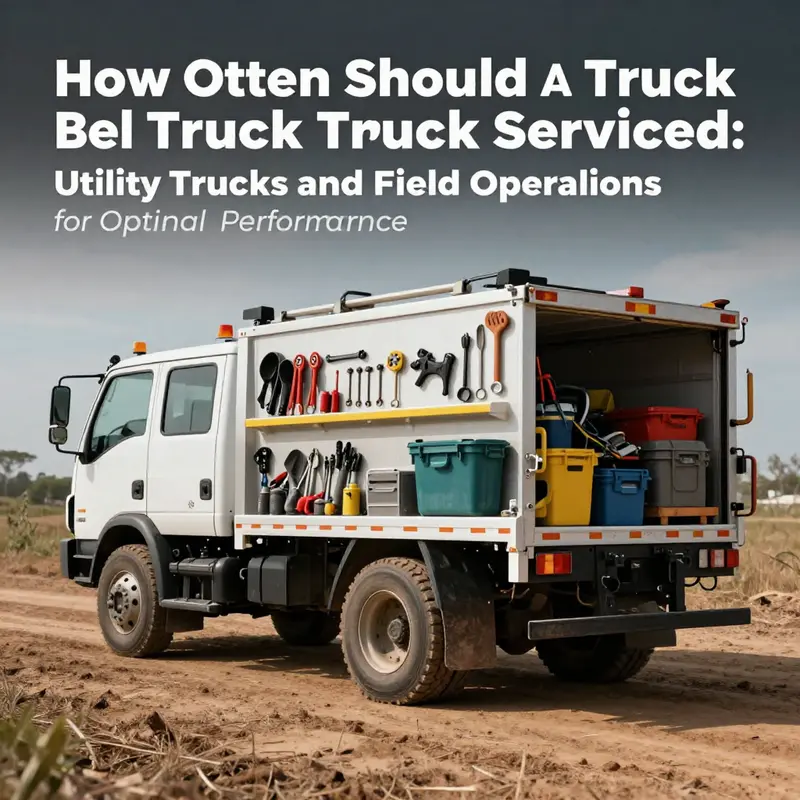
When fleets operate in the field, the rhythm of service becomes more than a routine task; it is the heartbeat of reliability, safety, and cost containment. Utility trucks—whether used to haul tools across rough terrain, support maintenance in remote sites, or power field operations—face stresses that are different from urban, highway-duty rigs. The load profiles, duty cycles, and environmental conditions they endure shape how often they should be serviced. A disciplined maintenance cadence is the difference between a few productive hours on a project and days spent waiting for a breakdown to be resolved. In practice, a thoughtful servicing schedule rests on three pillars: the vehicle type and its mechanical complexity, the intensity and nature of field use, and the manufacturer’s guidance that sets the baseline for inspection and replacement. When these elements align, a fleet can move with predictable uptime, lower operating costs, and a stronger safety record, even in harsh or remote environments.
Side tipper trucks and rear tipper trucks illustrate how usage patterns translate into service needs. The hydraulic systems that lift and dump the cargo bed are the lifeblood of these machines. For side tipper units, the hydraulic circuit, the dump mechanism, and the control valves demand careful attention because their performance directly influences the efficiency and safety of dumping operations. A prudent maintenance interval for these vehicles is typically between 5,000 and 10,000 kilometers, or roughly every six months, whichever comes first. This cadence acknowledges the cumulative wear from repeated lifting cycles, heat from hydraulic fluids, and the abrasion that can occur where moving parts contact rough loads. In many field settings, where clear space behind the dump bed is essential, ensuring that the hydraulic components operate smoothly is a safety-critical priority. Maintenance staff must check seals, hydraulic fluid levels, filter condition, hose integrity, and the mounting hardware that keeps the cylinder aligned under stress. The goal is not only to prevent leaks and poor response but also to avoid the kind of unexpected failure that can shift a project timeline from a planned day to an emergency shutdown.
Rear tipper trucks, by contrast, often carry heavier payloads and experience greater dynamic loads as the dump bed raises, tilts, and returns to rest. The structural elements—the dump body itself, the frame connections, and the rear hydraulic assemblies—tend to experience higher loads, more torque during dumping, and more dust and debris ingress in many field sites. For these machines, the maintenance schedule is typically more rigorous: servicing every 3,000 to 5,000 kilometers, or every three months under heavy-duty conditions. In practical terms, crews should prioritize structural inspections of the dump body and frame, look for signs of cracking or unusual flex at mounting points, and verify the hydraulic system’s performance with pressure and leak tests. The aim is to catch wear before it translates into costly downtime or compromised dumping accuracy, especially when the operation requires precise material placement or frequent multi-point dumps on rough terrain.
Over and above the hydraulic-centric focus, the general servicing framework shared by utility and field trucks should still anchor on engine, transmission, brake, steering, and tire systems. In field operations, where roads may be unpaved and grades varied, tire wear and suspension integrity become practical indicators of impending service needs. A truck that carries tools and equipment across uneven ground will accumulate wear more quickly on suspension bushings, leaf springs, and steering linkages. Regular inspection of brake components—friction material wear, rotor or drum condition, and hydraulic brake lines—helps prevent fade and unpredictable braking response when it is most needed. Engine oil, filters, coolant, and air systems must be replenished according to operating hours and mileage, with special attention paid to air intake cleanliness in dusty environments. The overarching principle remains simple: service early, service often, and tailor the exact timing to the job mix on the ground, not only to a calendar date.
In practical terms, this means planning maintenance around the realities of field work. The manufacturer’s maintenance manual remains the authoritative guide for each make and model, specifying intervals tied to engine hours, mileage, and critical component wear. When a truck routinely operates in harsh climates, heavy loads, or off-road conditions, it is prudent to shorten the interval within the recommended range. Conversely, in milder, highway-focused use, the upper end of the range can be sufficient, provided the operator maintains a vigilant log of miles and service actions. A preventive maintenance plan benefits from a structured approach: a calendar driven by the job schedule, but adjusted by actual usage logged in a simple or digital log, and verified by a service checklist that travels with the vehicle. In settings where downtime is costly, fleets increasingly rely on telematics to flag maintenance needs automatically, translating data from vibration sensors, oil temperature, and hydraulic pressure into proactive service alerts.
A consistent service cadence is also closely linked to safety on the job site. The more a truck and its hydraulic systems are trusted to perform under strenuous conditions, the more important it becomes to examine every linkage, pin, bolt, and weld that could influence stability or control during dumping. Operators should be trained to observe and report subtle indicators: unusual noises during hydraulic cycling, delayed return of the dump bed, or abnormal heat buildup in hydraulic hoses. Early reporting, followed by a targeted inspection, often prevents failures that could disrupt operations or put personnel at risk. This kind of vigilance is not merely a maintenance habit; it is a safeguard that preserves project momentum and protects workers who rely on these machines every day.
For teams looking to elevate practice, the human element should not be overlooked. Skilled maintenance personnel are essential for the more complex systems on side and rear tipper configurations. When handling a dump mechanism that includes hydraulic pumps, selector valves, and cross-members, trained technicians can diagnose issues that would escape a general service check. This is particularly true in field settings, where technicians may travel between sites or work in temporary workshops. Regular training supports consistent diagnostic outcomes and helps ensure that the first repair aligns with the intended design and safety standards. A practical aspect of this is to pair a scheduled service with a quick, on-site inspection protocol that can be performed between larger maintenance events. Such checks help confirm that critical wear points have not accelerated unexpectedly and that communication between operators and maintenance staff remains open and precise.
To connect these ideas to a practical pathway, consider the following approach: for side tipper operations, aim for a comprehensive service every 5,000 to 10,000 kilometers or every six months, whichever comes first. For rear tipper operations operating under heavy-duty conditions, schedule more frequent attention every 3,000 to 5,000 kilometers or every three months. Those intervals work well when paired with explicit checks on the dump mechanism, hydraulic lines, structural integrity, and the surrounding chassis. For utility trucks with lighter to moderate workloads, a middle-ground cadence—roughly every 3,000 to 5,000 kilometers or three months—can strike a balance between reliability and cost. Importantly, whenever a vehicle experiences a particularly dusty or demanding cycle, it is wise to shorten the interval even further for critical systems like brakes and hydraulics.
Within this framework, a robust preventive maintenance plan becomes more than a schedule. It becomes a living document that reflects field realities. Operators should keep a running log of miles, hours, loads carried, and any anomalies observed during use. Maintenance teams can then correlate that history with component wear and anticipated life cycles. The result is a more predictable uptime curve, fewer unscheduled repairs, and a safer work environment for crews who rely on these vehicles to support essential services. For teams seeking practical, step-by-step guidance that translates theory into hands-on practice, there is a wealth of resources focused on maintenance training that can help standardize the approach across a fleet. For instance, you can explore practical hands-on guidance in fire truck maintenance training, which covers many of the same principles of hydraulic integrity, chassis safety, and routine checks that apply to utility and field trucks as well. fire truck maintenance training.
Ultimately, the key is to view servicing as an integral part of project planning rather than a nuisance that interrupts workflow. By tying maintenance to actual use patterns, by prioritizing inspections of high-stress systems, and by leveraging targeted training, a fleet can sustain a high level of performance without succumbing to the fatigue of unexpected downtime. The manufacturer’s guidelines provide the baseline, but field realities demand a tailored approach that respects the unique demands of each job, each terrain, and each payload. In this way, the servicing schedule becomes a strategic asset—one that keeps utility trucks and field operations aligned with safety, reliability, and efficiency across the life of the fleet. For a broader regulatory and industry context that informs these practices, professionals may consult official resources such as the Federal Motor Carrier Safety Administration or national truck associations to ensure that maintenance programs also reflect evolving standards and best practices in fleet safety and compliance.
External resources and further reading can provide additional context for these practices. For a regulatory overview and industry best practices that underpin maintenance decisions, refer to the Federal Motor Carrier Safety Administration at https://www.fmcsa.dot.gov/.
Follow the Manual: Why Manufacturer Service Schedules Should Drive Your Truck Maintenance
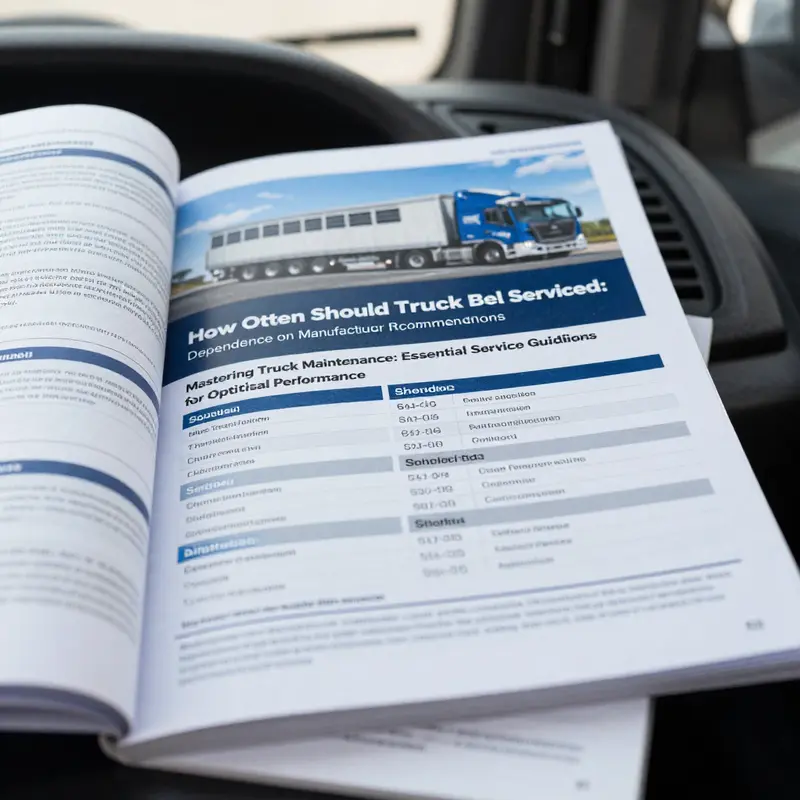
Why Manufacturer Schedules Matter and How to Apply Them
A truck’s maintenance rhythm should begin with the manufacturer’s service schedule. That schedule represents the distilled outcome of testing, engineering judgment, and field experience for a specific model and its engine. It sets the baseline for oil changes, filter replacements, brake inspections, transmission servicing, and more. When fleet managers and drivers align day-to-day care with that baseline, they reduce the likelihood of surprise failures and protect both warranties and resale value.
Manufacturer intervals are not arbitrary. They reflect how components wear under controlled loads, typical duty cycles, and the recommended service procedures. Those intervals assume standard operating conditions. When your truck works harder than the baseline, you adjust the intervals downward. When conditions are gentler, you may safely extend some intervals, if the manual allows. The manual also identifies critical inspections that are not mileage-driven. Those checks often use time, calendar, or operating-hour thresholds, and they are essential for hydraulic systems, chassis components, and other parts that deteriorate irrespective of miles traveled.
Interpreting the manual requires a practical eye. Start by locating the sections that cover scheduled maintenance and preventive checks. Look for entries keyed to mileage, engine hours, and months. Pay attention to footnotes that describe severe-use conditions. These notes typically list examples such as heavy loads, frequent short trips, dusty environments, sustained idling, towing, or operation on steep grades. If your truck meets any of those conditions, the manual usually recommends more frequent service. Treat those recommendations as triggers, not suggestions. They are designed to keep safety-critical systems like brakes and steering within acceptable performance margins.
A robust preventive maintenance program marries the manual with actual duty. Create a baseline schedule from the manufacturer’s intervals. Then document how your trucks are used. Are they each hauling heavy loads every day? Do they work off-road or on construction sites? Do they idle for long periods or average short, stop-start trips? Those usage patterns should move items from the baseline list into a more frequent inspection cadence. For example, in heavy-duty hauling or off-road operation, check drivetrain seals, suspension mounts, and hydraulic fittings more often. In stop-start urban service, monitor brake linings and cooling systems closely.
Recordkeeping makes manufacturer recommendations actionable. Track each service with date, mileage, and the specific tasks completed. Keep separate logs for inspections and repairs. Clear records prove compliance with schedule requirements and help identify trends. When a particular engine starts burning oil sooner than expected, records reveal whether the issue is new or recurring. Good data lets you adjust service protocols before failures occur. It also preserves warranty claims. Manufacturers often require proof of routine maintenance to honor warranty coverage.
Warranties and liability hinge on adherence to the recommended schedule. Ignoring prescribed inspections or skipping service intervals can void warranty terms. That exposes operators to avoidable repair costs. It also raises safety and compliance issues. Regulatory agencies and insurers expect documented maintenance. In fleet operations, consistent adherence to the manual reduces both repair risk and legal exposure. Treat the manufacturer’s schedule as a contractual safety net. Protecting that net requires following specified fluids, parts, and service procedures.
Routine inspections guided by the manual catch wear before it becomes failure. A visual check of the braking system and suspension often reveals issues that short trips and heavy loads accelerate. Fluid analysis, another manual-recommended practice, detects internal wear and contamination early. Engine oil analysis can reveal coolant intrusion, abnormal metal particles, or fuel dilution. These signs warrant early intervention. Addressing a developing problem is almost always cheaper than fixing a sudden breakdown.
Calibration and adjustments are as important as replacement. Some service items do not wear out but fall out of specification. Brake adjustments, wheel alignment, and valve and belt tensions affect fuel efficiency and component lifespan. The manual specifies how to measure and set those parameters. Use those values during scheduled maintenance. Proper adjustments reduce uneven tire wear and improve handling. They also reduce stress on the powertrain and chassis.
Use quality parts and approved fluids. The manual usually lists acceptable specifications and part numbers for filters, lubricants, and service parts. Substituting lower-grade items can shorten service intervals and, in some cases, cause harm. Use the recommended oil viscosity and transmission fluid specification. When parts require replacement, choose components that meet or exceed manufacturer ratings. This approach maintains designed tolerances and prevents cascading failures.
Technology can make adherence easier and smarter. Telematics and engine-hour tracking systems provide real-time insight into vehicle usage. They can trigger maintenance reminders when a truck hits an interval or when its operating profile crosses a severity threshold. Combine telematics data with the manual to drive condition-based maintenance. That reduces unnecessary service while keeping safety margins. It also supports predictive planning for parts inventory and technician scheduling.
A final practical point: apply the manual’s spirit, not just its letter. Manufacturers write schedules to cover a range of use cases. Treat the manual as a living guide that interacts with operational realities. Communicate with technicians and drivers about how the vehicle is used. If the company shifts a truck to heavier work, update the service plan immediately. If the vehicle spends more time idling or in dusty conditions, change the inspection cycle. The manual provides the benchmark and the rationale; your job is to adapt it intelligently to real operations.
For fleets focused on uptime and safety, manufacturer guidance is the backbone of a good maintenance program. Align services with both mileage and usage, keep accurate records, use correct fluids and parts, and leverage telematics where possible. That approach prevents preventable breakdowns. It preserves warranty rights. It saves money over the vehicle life.
For the most accurate service intervals and procedures, consult the official service manual for your truck model: https://www.toyota.com/vehicles/service/manuals
For practical training resources that help technicians apply manufacturer guidance in field settings, consider the available maintenance training materials at this source: fire truck maintenance service training.
null

null
Final thoughts
In conclusion, understanding how often trucks should be serviced is vital for anyone involved in the trucking industry. Regular maintenance not only prevents breakdowns and prolongs vehicle life but also ensures safer operations on the road. Whether you’re managing a fleet or just starting your journey as a truck driver, adhering to tailored service schedules based on vehicle type and manufacturer recommendations will set the stage for success. Invest in your fleet, prioritize safety, and drive with confidence knowing your trucks are always ready for the road ahead.