
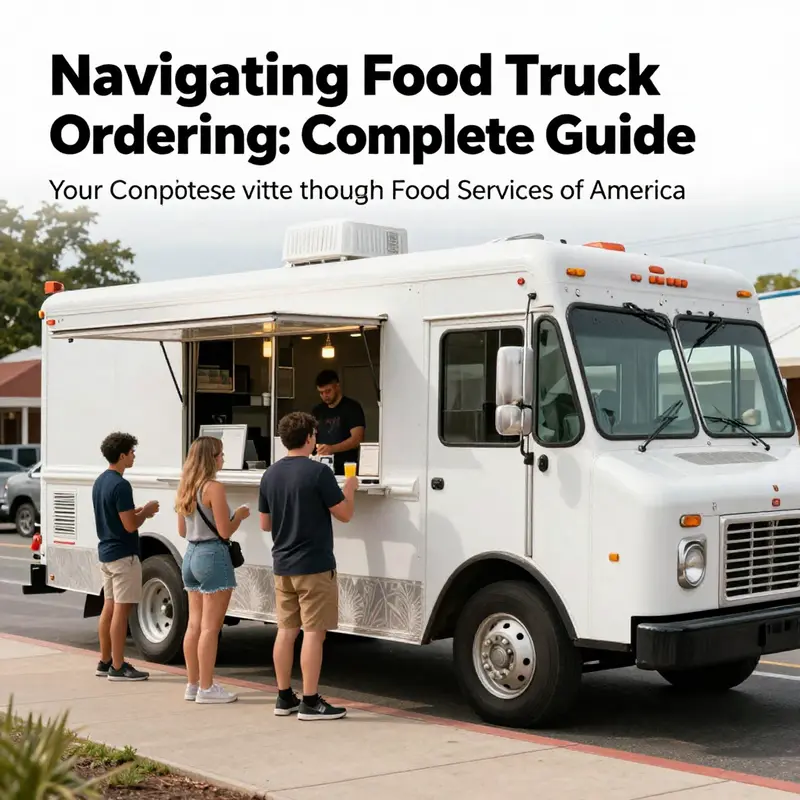
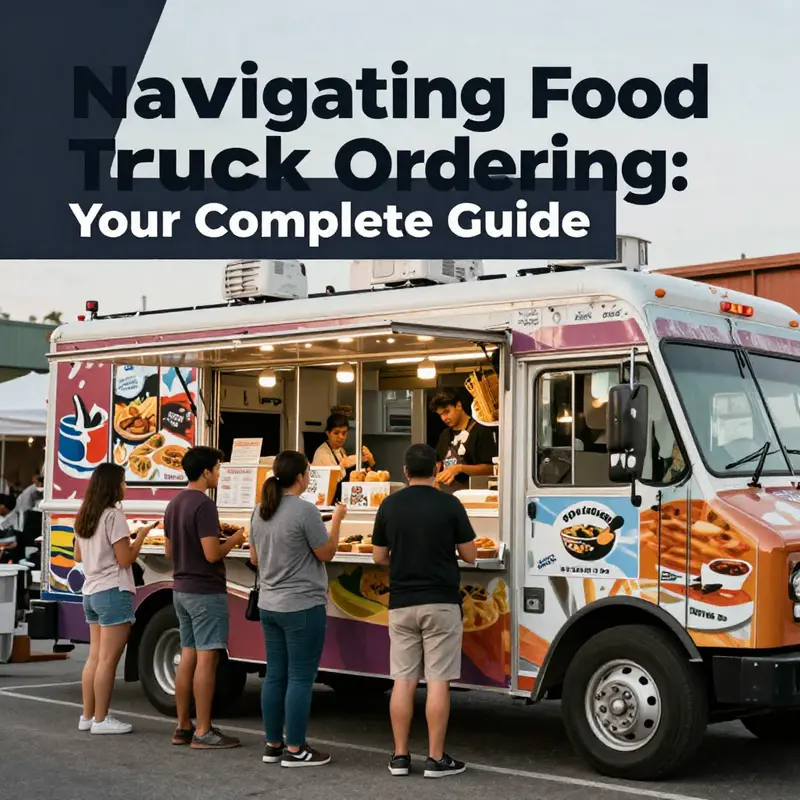
Finding the perfect food truck can be a daunting task, especially when you’re part of the trucking industry. Whether you are a long-haul truck driver, a trucking company owner, or a fleet manager, it’s essential to know the ins and outs of ordering a food truck that suits your needs. This article aims to simplify the order process with Food Services of America by breaking it down into manageable sections. We’ll cover a step-by-step guide to ordering a truck, explore the diverse range of trucks available, discuss compliance and regulations to consider, and review current market trends affecting the food truck service industry. Each chapter is designed to equip you with the knowledge you need to make informed decisions while navigating your food truck journey.
From Concept to Road: A Practical, Confident Guide to Ordering a Food Truck
When people set out to launch a mobile kitchen, they often encounter a name in the marketplace that doesn’t turn up in official directories. In this context, the goal isn’t to prove a specific company exists or to chase a brand that may not be well defined. The real aim is to translate a cooking concept into a physical, road-ready vehicle that meets health and safety standards, fits the intended service pattern, and can be turned into a dependable revenue stream. This chapter navigates that terrain by outlining a practical, end-to-end approach to ordering a food truck from a major supplier—one that emphasizes clarity, compliance, and customization. It is designed to be useful whether you want a compact trailer for weekend markets, a full-service kitchen on wheels for downtown service, or a turnkey package ready for rapid deployment at events. While the exact supplier name may vary from region to region, the core steps remain consistent across reputable providers: define the concept, select a capable partner, customize thoughtfully, secure the necessary permits, finalize the purchase, and then launch with a strong brand and a solid operating plan. The map below is not about chasing a single brand; it is about building a robust pathway from idea to the first bite served on wheels.
First, define the concept with clarity. Before any quote is requested, take stock of what you want to achieve on the curb or in the festival lot. What cuisine will you offer, and where do you plan to operate most—urban streets, office districts, waterfronts, or large events? Will you need a fully equipped kitchen with fryers, grills, and a commercial sink, or will a simpler trailer suffice for pre-prepared items and cold holding? These questions matter because they determine the overall footprint, power and water needs, and the level of equipment that must be installed inside the mobile unit. A practical thought experiment helps here: imagine a 13-foot mobile kitchen, roughly 400 by 200 by 230 centimeters, that can house a compact but complete cooking setup. That size is a common sweet spot for many operators because it balances maneuverability with capacity. It can support a range of configurations—from ice cream carts with a dipping cabinet to taco trucks with a small griddle, or a grab-and-go concept built around fresh, prepped components. The important point is not the exact dimension but the mindset: envision how staff will move, how customers will be served, how you’ll clean, and how the space will be organized for safety, efficiency, and speed during peak hours.
With the concept in mind, the next step is choosing a supplier who can translate that concept into a real vehicle. A reputable partner is characterized not only by a catalog of trailers and trucks but by a capability to customize, test, and deliver a turnkey solution. Look for providers that emphasize interior layout design, durable commercial appliances, electrical and plumbing readiness, and compliance with relevant safety standards. In this arena, the most important assurances relate to mobility safety, food safety, and the ability to scale the business as demand grows. A robust supplier will typically offer design-build services, which means they help you from the initial drawing board through the final delivery, rather than merely selling an empty shell. They should also provide options for branding and exterior finishing so your vehicle can become a moving billboard as well as a kitchen. It’s worth noting that market analyses describe a vibrant trajectory for U.S. food trucks and mobile kitchens, with continued growth and consolidation over the next several years. That context matters because it signals a shift toward turnkey, design-to-delivery models that reduce friction and speed time to market. When evaluating potential partners, ask about the range of configurations they support, the kinds of certifications their builds meet, and whether they offer post-delivery services such as warranty coverage, maintenance support, and upgrades.
Once a supplier is identified, the process of turning your concept into a quote is where customization begins in earnest. You’ll want to collaborate with a salesperson or project manager who can translate your culinary concept into a practical layout, with clear tradeoffs between space, equipment, and cost. Start by selecting the truck size and configuration, then move into interior features: refrigeration units, worktables, sinks, cooks’ lines, and exhaust systems. The decisions here should reflect both the menu and the service style you envision—offering a high-volume, fast-turnover stream for events may justify a broader cooking area, while a specialty concept might prioritize display space, cold-holding capacity, and branding opportunities. In parallel, you’ll want to think about branding from the outset. Custom paint, signage, and vehicle graphics contribute to recognition and trust. The supplier should be able to provide a cohesive package that integrates the kitchen with the exterior aesthetics, so what you see in the final unit aligns with your business identity.
A crucial part of the customization conversation concerns compliance and safety. Food truck operations are subject to local health departments, state or provincial regulations, and, if you will cross borders, federal standards. The truck must be designed and built to accommodate safe food handling, electrical safety, water supply and waste management, and proper venting. Many operators forget that DOT and CE certifications—while sometimes associated with vehicle and equipment safety—also signal a readiness to operate across multiple jurisdictions. If your plan includes interstate activities or long-distance events, verify that the build aligns with the requirements for mobile food units traveling between states or provinces. While not every supplier carries the same certifications, the prudent approach is to request documentation that shows the build adheres to applicable codes and testing standards. This kind of diligence is not a barrier to entry but a safeguard for longevity; it helps avoid expensive retrofits after delivery and ensures that your first service runs smoothly without compliance hiccups.
After designs and features are settled, the discussion moves into the practical mechanics of finalizing the order. A quote will typically outline the base price for the chosen configuration, the cost of customization, and any add-ons such as branding, extended warranties, or on-site training. A realistic payment schedule commonly includes a deposit—often in the range of twenty to thirty percent—followed by staged payments aligned with key milestones: fabrication, pre-delivery inspection, and final delivery. It is common for suppliers to offer training on equipment operation, basic maintenance, and safety procedures as part of the package, recognizing that a well-trained team is essential to maximizing the return on the investment. Delivery logistics deserve careful attention too. Confirm a reasonable delivery date, arrange for transport if the unit is large or involves specialty routes, and clarify who will provide startup consumables, connectors, or temporary utility hookups if needed. If you operate in a city with strict street-closure scheduling or environmental constraints, working with the supplier to plan for a seamless handover during a busy period can help avoid delays that ripple into opening hours and customer experience.
With the truck in hand, the next stage is the moment of truth: launching. A smooth launch hinges on several parallel streams. First, ensure your vehicle is branded consistently with your concept. That means not just a striking color scheme but coherent messaging—how you describe your menu, how you present your staff, and how you share your value proposition with potential customers. Second, set up your point of sale and ordering workflow. Whether you choose a traditional cash register, a modern POS system, or a mobile payment solution, the workflow should be intuitive for staff and fast for customers. Third, train your crew thoroughly. Even the best equipment can underperform if staff are unsure how to operate a fryer, a refrigeration air handler, or a three-compartment sink. The more you practice before your first event, the higher your service level will be from day one. Fourth, curate a soft launch strategy that tests the concept while managing risk. A carefully chosen mix of smaller events can provide invaluable feedback on food quality, service speed, and queue management. Finally, develop a simple yet effective marketing plan. Use social media to announce locations, post menu updates, and capture feedback. Incentives like loyalty stamps or limited-time offerings can create momentum in the early weeks and help you establish a steady customer base.
Throughout this journey, it is important to stay mindful of the broader industry context. The meal-pedaled world of mobile food service is increasingly sophisticated. Buyers now expect not just a kitchen on wheels but a system that links design, build, delivery, and ongoing support into a single experience. A turnkey approach—where a supplier can handle the concept-to-delivery arc, including interior layouts, equipment sourcing, and pre- and post-delivery training—appeals to busy entrepreneurs who want to minimize friction and launch quickly. It also reflects a market trend toward packaged solutions that can be scaled or adapted as the business evolves. If you are comparing options, a useful metric is the level of post-sale support: does the supplier offer maintenance guidance, replacement parts, and knowledge resources? Does the package include a plan for future upgrades, should you decide to add new equipment or expand to a larger vehicle? These questions help ensure that your initial purchase remains a sound investment as your menu and service footprint grow.
There are practical caveats to remember along the way. First, the specific company name may not be a fixed fixture in every market, and that reality should not deter you from pursuing a solid, compliant, and high-quality mobile kitchen. The ordering journey remains fundamentally the same: you translate a culinary concept into a vehicle that can operate legally and profitably in your target environments. Second, the perceived ease of ordering can mask the importance of careful due diligence. Ask for reference projects, request visitable show units if possible, and require clear documentation about safety certifications and warranty terms. Third, do not underestimate the importance of permits and inspections. A licensed mobile vendor is far more likely to enjoy a smoother launch and ongoing operation than a newcomer with a glossy truck but inadequate regulatory readiness. Finally, remember that the unit is only one part of the business system. Staffing, supply chains, menu engineering, pricing strategies, and customer experience design all determine the ultimate success of the venture.
In closing, the journey from concept to road involves a blend of imagination, technical knowledge, and disciplined procurement. The core sequence—define the concept, select a capable supplier, customize with intention, secure permits, deliver the vehicle, and launch with a brand-forward strategy—remains a reliable blueprint for turning a food idea into a thriving mobile business. If you are seeking regulatory guidance as you gather permits and finalize designs, refer to official sources that outline mobile food service guidelines and health inspection expectations. A useful external resource that provides regulatory context for mobile food operations is available here: https://www.usda.gov/web/wps/foodservice/mobilefoodservice_guidelines. This material does not replace local requirements, but it offers foundational information about how mobile kitchens fit into broader food safety and public health frameworks. As you move forward, keep the stance that your truck is not just a vehicle but a platform for serving your community through consistent quality, safe practices, and a compelling, well-executed service experience.
If you’d like help translating your concept into a concrete project brief or identifying a reputable supplier in your area, I can help you map the questions to ask, the documents to request, and the milestones you should track from first contact to your first service day.
Charting the Right Path: How to Order the Right Truck from Food Services of America for Mobile Catering Success
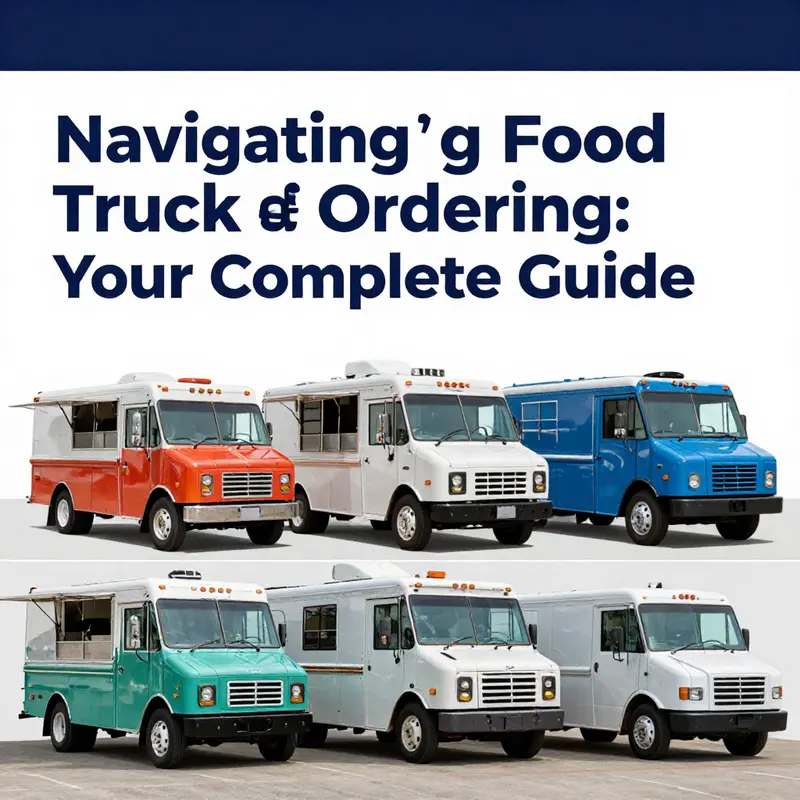
The leap from idea to on-the-road operation begins long before a truck pulls away from the showroom. It starts with a clear picture of what your mobile service needs to deliver: how many meals you aim to ferry each hour, where you plan to operate, the temperatures required to keep foods safe from kitchen to customer, and the level of reliability your brand must demonstrate in every delivery window. When a business commits to ordering a truck through a provider like Food Services of America, it steps into a process that blends culinary service requirements with transport engineering. The goal is not merely to own a vehicle but to own a platform that preserves the integrity of every item you serve, from a hot meal to a chilled symbol of freshness, during transit and at the point of service. In this landscape, the fleet you choose is as much a kitchen as a rolling shopfront, and the choice hinges on a careful alignment of form, function, and compliance with safety standards that govern mobile food service today.
Food Services of America, anchored in Auburn, Washington, positions itself as a provider of mobile food service solutions designed to meet a spectrum of delivery and catering needs. While the public-facing portfolio of the company may not disclose every nuance of its fleet, the core principles that drive successful truck procurement remain consistent across reputable mobile-food equipment providers. The emphasis is on temperature control, reliability, and adaptability. Temperature control is not a luxury in this business; it is a safety imperative. The trucks used for transporting prepared meals are equipped with systems that maintain serving temperatures at or above 140°F (60°C). That threshold is not arbitrary. It reflects established food safety guidelines that ensure hot foods stay out of the danger zone, minimizing the risk of bacterial growth during short hauls from kitchen to curbside or event site. For operators, that means peace of mind that a freezer or warmer will not fail mid-transit and that the customer will receive meals at a consistent quality, every time. The operational capacity of these vehicles is framed around the realities of delivery routes that can include remote or outdoor locations. The trucks must be capable of adapting to varied terrain and weather conditions, keeping food secure and properly insulated while preserving the sensory attributes that define your brand.
This holistic view—where the kitchen, the vehicle, and the route form a single system—helps explain why choosing the right truck goes beyond selecting interior equipment or a color scheme. The correct configuration answers practical questions: What footprint fits your operation in a city with narrow streets or limited loading zones? How much cold or hot storage do you need to cover peak service times? Will you require a vehicle designed primarily for catering events, or one optimized for steady, high-volume deliveries to institutions or workplaces? These considerations are central to the ordering process and, in practice, they shape the conversation you have with the provider’s sales team. It is in that dialogue that the plan becomes concrete.
To begin, an ordering journey usually starts with a careful inventory of your own operational targets. You are asked to describe the volume of meals, the types of menus you plan to carry, and the service windows you anticipate in a given day or week. A good representative will guide you through a discovery phase that translates those targets into tangible truck specifications. The discussion covers unit size and configuration ideas that reflect real-world usage. A common example in the market is a compact yet robust footprint around 400 cm by 200 cm by 230 cm, a size that has proven versatile for outdoor events, catering, and street vending. Yet, the real value lies not in chasing a single “standard” model but in aligning the platform with your business’s rhythm. For startups, that could mean opting for a modular approach that allows you to reconfigure shelving, cooking equipment, or delivery temperature zones as your menu evolves. For established brands, the focus tends to be on durability, uptime, and a seamless handoff between kitchen and truck to keep service times tight and predictable.
The design conversation also touches on the fleet’s technology spectrum. Modern mobile food trucks may incorporate varied heating technologies—electric, gas, or propane—each chosen to maximize reliability in diverse environments. The decision affects not only performance but also maintenance demands, fuel economics, and regulatory compliance. A well-designed truck maintains internal temperatures without overburdening the generator or obstructing kitchen workflows. It should allow the cook to access equipment with minimal steps, reducing the risk of heat exposure or cross-contamination during busy service intervals. The interplay between the vehicle’s thermal system and the kitchen layout inside the trailer drives the ergonomic choices that ultimately determine how efficiently you can operate during peak hours. In short, the truck is the bridge between your menu and your customers, and its design must support the speed, safety, and hospitality your brand promises.
Beyond the physical and thermal features, the procurement path involves a rigorous evaluation of safety and regulatory compliance. In the United States, food transport vehicles must meet specific health and transportation standards that reduce risk to both workers and the public. While the details of DOT and CE certifications may vary depending on jurisdiction and intended use, providers of mobile food units typically ensure the vehicles meet recognized safety norms. The procurement conversation should therefore include a review of these standards, the certifications currently held by the platform you’re considering, and any additional steps required to obtain or transfer compliance for your operation. The goal is not to delay deployment but to establish a clear, auditable trail from design through delivery and use. A seller who can articulate a transparent compliance plan—how the truck’s heating and insulation systems are tested, how temperature logs are generated and stored, and how maintenance schedules align with food safety requirements—will help you move from a purchase concept to an operational fleet with confidence.
Market dynamics reinforce why buyers take this thorough approach. Industry analyses show the U.S. food truck market expanding rapidly, signaling a shift toward turnkey solutions that offer design, build, and delivery under one roof. The trend toward greater integration means a customer can begin with a basic specification and, as needs grow, scale up through a suite of add-ons and upgrades without the risk of misalignment between kitchen and vehicle. This is especially important for operators who anticipate seasonal demand or new revenue channels, such as corporate catering or expanded outdoor service. In practice, a trusted truck provider will present a range of configurable options rather than a fixed product line. They will discuss layout options, equipment packages, and temperature-control hierarchies that fit the anticipated menu and service model. They will also offer a transition path—from a standard delivery vehicle to a customized mobile kitchen—that preserves uptime and reduces the friction of scaling.
The overarching strategy, then, is to treat the purchase as a program rather than a one-off transaction. You begin with a needs analysis that maps your service model onto a vehicle architecture. You compare configurations not only on initial cost but on lifetime value: fuel efficiency, maintenance costs, uptime guarantees, and the ease of obtaining replacement parts and service. That programmatic mindset helps you select a unit that remains flexible as your business evolves. It also encourages you to leverage the provider’s experience with mobile food service fleets, which often translates into design insights you might not uncover in a purely kitchen-focused briefing. The emphasis on practical reliability—the assurance that a truck will perform under diverse weather conditions, across long-haul routes, and during high-demand periods—becomes the anchor of your decision process.
In translating needs into a specification, the role of the sales and engineering team cannot be overstated. A strong partner will listen first, then translate your menu, service window, and route geography into a truck that makes sense operationally. They will help you choose between options such as refrigeration vs. heating modules, insulation thickness, door placements, and internal workflow pathways. They will discuss power and fuel strategies—whether you operate primarily on shore power at events or rely on on-board generators—and how those choices affect overall operating costs. They will also discuss service, maintenance, and uptime support, because a kitchen on wheels spends more days in motion than in the shop. The value of this partnership is magnified for operators who must adhere to strict timelines and consistent quality, where a delay or temperature excursion can ripple into customer dissatisfaction, reopened orders, or compromised brand trust.
To connect these considerations to action, imagine stepping into a first consult with a provider. You describe your typical event cadence, the geographic footprint, and the scale of meals per service. The representative translates this into a recommended truck configuration, with a clear rationale for why the proposed size supports your service plan. They outline the engineering trade-offs—perhaps a larger footprint could deliver more cold storage at the expense of maneuverability, or a more robust heating system might add weight but improve reliability during winter routes. They then present a staged procurement path: a design review, a prototype or pilot unit if available, a binding quote, and a production timeline. The timeline is not merely a date; it is a plan for installation, calibration, and staff training so your team can operate with the same fluency as if the kitchen were stationary. At this juncture, you are not just buying a vehicle; you are adopting a fully integrated platform that will support your culinary ambitions in every mile you travel.
An essential practice during this process is to anchor decisions in data and testable requirements. You should request a thorough bill of materials and an equipment list that pairs your menu with storage configurations, cold and hot zones, and access points for ingredients, prep, and serving. If you anticipate outdoor events, you may want to consider features like weatherproof enclosures for electrical components, secure mounting for portable cooking equipment, and additional lighting that helps staff work safely after sunset. A disciplined approach also encourages you to factor in training and handover—how operators and crew will learn the layout, how to interpret temperature logs, how to perform routine maintenance, and how to handle minor repairs without disrupting service. In other words, the moment you place the order, you begin a collaboration that aims to maximize uptime and minimize disruptions in service.
The path to ordering through a provider like Food Services of America is not a straight line but a guided route. It requires curiosity, honest disclosure about your current capabilities, and a willingness to adapt as your business grows. When you articulate a clear service model, the provider can tailor a truck that aligns with your menu, your location strategy, and your customer promise. It is also worth recognizing that procurement in this space benefits from a mindset borrowed from broader fleet management. The same rigorous, evidence-based approach used in specialized fleet procurement—think through the lifecycle, quantify the total cost of ownership, and forecast maintenance needs—applies to mobile food units just as surely as it does to any other critical service vehicle. This is where the practice of fire-apparatus-procurement offers a helpful mental model. The core idea is to treat the truck as a procured asset with defined performance metrics, an installation plan, and a support network that can deliver uptime when it matters most. If your team embraces that mindset, you will find the ordering experience smoother, more transparent, and more aligned with long-term business goals.
As you progress through the ordering journey, the market signals that surround mobile food service should inform and reassure your decisions. The sector is evolving toward more turnkey, design-forward, and commercially viable solutions that can scale with demand. This evolution benefits operators who begin with a well-structured plan and then grow into a platform that handles rising orders, expanding menus, and increasingly diverse event formats. The right truck is not a gadget; it is a strategic lever that makes your culinary craft portable, dependable, and scalable. When you couple a clear operational vision with a thoughtful configuration and a robust support model, you are building a foundation for consistent service excellence, day after day and mile after mile.
In closing, ordering a truck through Food Services of America or a similar provider represents a staged, collaborative journey rather than a single purchase. It is a journey that begins with questions about capacity, weathering the elements, and maintaining the temperature of every dish from kitchen to customer. It asks you to balance size with maneuverability, cost with reliability, and current needs with future growth. It asks you to partner with a team that understands how a mobile kitchen operates as part of a broader foodservice strategy. If you approach the process with that mindset, you will not only select a vehicle that carries your brand forward but also secure a platform that upholds the safety, quality, and service expectations that define your business today and into the years ahead.
External reference for industry context: https://www.gettyimages.com/detail/news-photo/truck-food-service-of-america-food-delivery-truck-auburn-news-photo/145861452
Compliance as Compass: Navigating Regulations When Ordering a Food Service Truck
Compliance is more than a hurdle to clear; it is the backbone that supports every service you will offer from a mobile kitchen. When you set out to order a food service truck through a provider, the path toward launch is framed not just by design and price, but by a complex ledger of rules that vary by state, county, and city. The discipline of ordering a mobile unit that will operate under food safety and transportation standards requires a careful blend of foresight, diligence, and practical planning. The aim here is not to overwhelm with red tape but to illuminate how the regulatory landscape shapes every major choice in the procurement and early operation of a food truck. In practice, this means recognizing that the truck you decide on is not just a vehicle with a kitchen inside; it is a compliant platform that must harmonize with a mosaic of health codes, safety standards, and local ordinances before it is allowed to serve customers.
Across the United States, the core reference for food safety is the FDA Food Code, a model set of provisions that states adopt and adapt to their own contexts. The Food Code offers foundational guidance on how foods should be stored, handled, cooked, and cooled, and it translates directly into the daily routines you will implement on the truck. But states do not implement the Code verbatim; they select chapters, modify thresholds, and add local requirements based on public health priorities and community needs. That means your planning cannot stop at a generic checklist. It must extend to the specific regulatory matrix that governs where you intend to operate. To locate the most accurate, up-to-date state requirements, you will want to consult the FDA’s state-by-state resource on retail and food service codes and regulations. This external reference is your map for understanding who licenses, inspects, and enforces mobile vending in your jurisdiction. The link provided in the closing notes points to the FDA’s comprehensive state directory, which helps you connect the dots between national standards and local practice.
The ordering process itself, when undertaken with a reputable provider, should begin with a candid discussion about regulatory compliance as a shared objective. A responsible vendor will not merely supply a truck; they will help you anticipate the compliance tasks that follow delivery. In practice, this means discussing how the vehicle will be built to meet health department expectations, how waste and sanitation systems will be configured, and how the design will support ongoing recordkeeping. You should expect to receive detailed specifications about the truck’s food preparation surfaces, storage configurations, and handwashing facilities that align with recognized sanitation standards. You may also need to consider how the truck’s electrical and gas systems are installed and tested to ensure safety during operation, and whether components bear appropriate markings or certifications that are recognized in your jurisdiction. For prospective operators, this kind of collaboration can dramatically reduce the friction of final permitting and inspection, while also clarifying what forms of documentation will be necessary when applications are submitted.
Vehicle safety and regulatory compliance intersect in several fundamental areas. First is equipment and design. A compliant mobile kitchen must be laid out to prevent cross-contamination, with clear separation between raw and ready-to-eat foods, appropriate storage temperatures, and reliable sanitation fixtures. The choice of refrigeration units, hot holding equipment, and handwashing stations must conform to regulatory expectations and industry best practices. Beyond sanitation, there is the safety of the shell itself: interior surfaces must be easily cleanable, non-porous, and resistant to corrosion; electrical panels and gas lines must be concealed and protected; and emergency shutoffs or fire suppression components should be properly installed and accessible. While the exact configurations can vary by jurisdiction, the underlying principle is universal: the truck must support safe, consistent food preparation and lawful operation.
Second is licensing and permitting. The journey from order to opening begins with securing the essential permits that authorize daily activity. Most jurisdictions require a business license, a state or local tax permit, and a health department permit for mobile food operations. In many places, a separate fire department permit is needed if the unit carries flame-based cooking or gas-fired equipment. Some communities also require zoning clearances, sign permits, or event-specific permits for temporary or recurring locations. The process typically includes a plan review, where the health or fire official will assess your equipment layout, dishwashing arrangements, drainage, and waste water disposal planning. These reviews are designed not to stall entrepreneurship but to ensure that the mobile operation will not create health hazards, environmental concerns, or safety risks for the public. When you order through a provider, ask for a checklist that identifies the anticipated permits and the typical timelines for your jurisdiction. Planning around those milestones is essential to avoid delays.
Another layer of compliance concerns the physical vehicle and its compliance status for transport and operation. Some operators will find that their unit must satisfy state motor vehicle codes or local transportation requirements because the truck is a commercial vehicle used for food service. This may involve registration categories, fleet insurance, and inspection regimes distinct from standard passenger vehicles. In certain cases, equipment or components added to the truck—such as specialized electrical systems, gas installations, or heavy-duty refrigeration—might carry performance and safety certifications. While these specifics can differ, the refrain remains constant: the truck is a regulated object whose design, installation, and ongoing maintenance must align with the expectations of regulatory agencies.
Zoning and site rules further shape how and where a truck operates. Local ordinances can restrict operating hours, define permissible locations, and determine the distances from residential areas or schools. They may require operators to provide a waste disposal plan, grease management, and third-party inspections of certain systems. Even the practical details of where the truck can park or set up for service may hinge on municipal rules about signage, amplified sound, or outdoor dining footprints. It is prudent to incorporate a site assessment into your ordering process, ideally in collaboration with the vendor’s project team who understands typical municipal expectations and common hurdles. Doing so reduces the risk of selecting a configuration that would be legal in theory but impractical in reality given your intended locations and events.
Documentation and traceability play a pivotal role in compliance. You should not assume that a signed contractor warranty or a spec sheet is sufficient for the health department’s files. Expect to assemble a comprehensive dossier that includes equipment specifications, supplier certifications, service records, and proof of proper installation. Health inspectors often require a documented sanitation plan that describes cleaning schedules, sanitizer concentrations, and corrective actions for temperature excursions. If your operation involves refrigeration, you should maintain continuous temperature logs and calibration records for thermometers. Fire safety expectations may demand periodic inspection certificates for suppression systems and extinguishing devices. A proactive approach to recordkeeping not only speeds up the inspection process but also reduces the likelihood of regulatory surprises once the unit is in service. It also creates a verifiable trail that can help you verify that standards were met at the outset and that you maintain compliance over time.
Given the regulatory diversity, the role of staff training cannot be overstated. Food safety training should be completed by you and your team in advance of opening. Training modules typically cover personal hygiene, cross-contamination avoidance, safe cooking and cooling practices, and correct cleaning and sanitation procedures. In many jurisdictions, proof of training must accompany permit applications or be presented during inspections. The line between preparation and compliance is direct: trained personnel are less likely to introduce risky handling practices, and well-documented training supports audits and complaints resolved in a timely manner. Even if you are ordering a turnkey truck from a provider who claims to handle most setup tasks, you still bear responsibility for ensuring that the team understands the operating standards that regulators expect. The vendor’s role is to deliver a compliant platform; your role is to sustain compliance through disciplined practice and ongoing oversight.
It is also essential to recognize the intersections of compliance with broader business planning. When evaluating a truck order, you should consider certifications or documentation that may be required not just at launch but as you scale operations. For example, if you intend to participate in large outdoor events or operate in multiple municipalities, you might encounter variance in permit categories or in the thresholds for inspections. A cautious approach is to map out your desired operating footprint and then align the truck’s design and configuration with the most stringent jurisdictional expectations you anticipate. This approach helps avoid backtracking and costly redesigns should you relocate or expand to new areas. In practice, this means asking the vendor for a flexible configuration that can accommodate regional adjustments, and confirming whether the design supports straightforward updates to meet new regulatory requirements.
Finally, the principle of due diligence extends to the vendor relationship itself. When ordering through a platform that offers design, build, and delivery services, insist on transparent documentation that demonstrates compliance considerations have been integrated from the ground up. Request references or case studies that illustrate how similar operators navigated regulatory hurdles and how inspections were navigated successfully. While the focus will naturally be on the unit’s specifications and price, a truly compliant path to operation requires a clear, proactive dialogue about regulatory expectations and the practical steps needed to meet them. If possible, engage with professionals who specialize in mobile food regulation within your target jurisdictions. They can provide a level of specificity that reduces guesswork and aligns your planned operations with the regulatory reality you will face once the truck hits the road.
To summarize, ordering a food service truck through a provider is best viewed as a regulatory-adjacent project. The truck is a platform that must be engineered to support safe, sanitary, and compliant operation, while the permitting, inspections, and ongoing governance are the processes that will put it to work in the real world. The FDA’s guidance, while broad, anchors your compliance strategy by establishing the baseline expectations for food safety. State and local authorities, with their own nuanced codes, carry the practical weight of what is permissible and what remains prohibited. Your job as an operator is to harmonize three strands: the vehicle’s design and installation, the permitted workflows and sanitation protocols, and the administrative rhythm of licenses, permits, and inspections. When these strands are braided together, you gain a durable, legitimate platform ready to serve customers, withstand regulatory scrutiny, and adapt as rules evolve. A thoughtful, compliance-forward approach at the ordering stage not only reduces risk but also sets a foundation for reliable operations, predictable inspections, and consistent food safety practices for every customer who sits at your service window.
External resource for reference and deeper guidance: The FDA hosts a state-by-state directory of food service codes and regulations, including mobile vending considerations. For operators seeking a definitive map of regulatory expectations, consult the FDA page on State Retail and Food Service Codes and Regulations by State. This resource provides a comprehensive overview of how codes vary and what to look for when planning a mobile food operation across multiple jurisdictions. https://www.fda.gov/food/federal-food-code/state-retail-and-food-service-codes-regulations-state
null
null
Final thoughts
Divining the intricacies of ordering a food truck through Food Services of America is essential for professionals in the trucking industry. With a thorough understanding of the ordering process, a range of options available, and knowledge of compliance requirements, you’re poised to make informed decisions. Moreover, staying updated on market trends equips you with insights needed to navigate this evolving landscape. As you embark on this journey, remember to leverage the available resources to maximize the benefits and operational efficiencies of your food truck venture.