
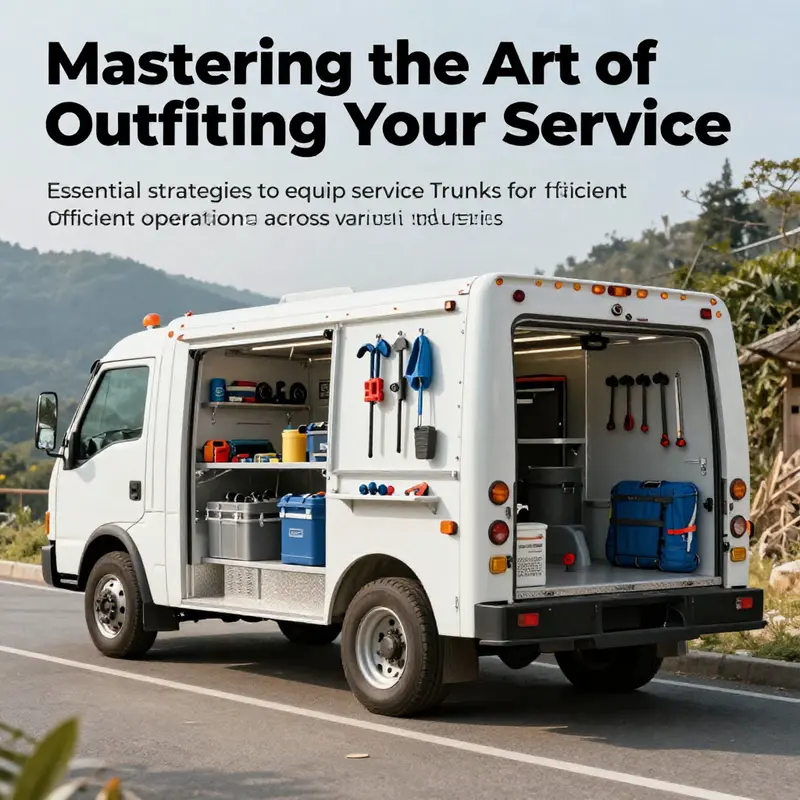
Outfitting a service truck is no small feat; it requires meticulous planning and consideration of the unique demands of different roles. Whether you’re a long-haul truck driver, trucking company owner, fleet manager, or a maintenance specialist looking to optimize your vehicle for roadside assistance or on-site services, the right equipment can make all the difference. This guide will explore essential tools and safety gear necessary for any service truck while providing specialized insights tailored to areas such as roadside car rescue, heavy-duty vehicle support, electrical or plumbing services, waste management, and emergency response units. By ensuring that your service truck is fully equipped with the right tools and following best practices, you can enhance your operational efficiency and ensure safety on the road.
Foundations in Motion: Mastering the General Essentials That Make Any Service Truck Ready for Action
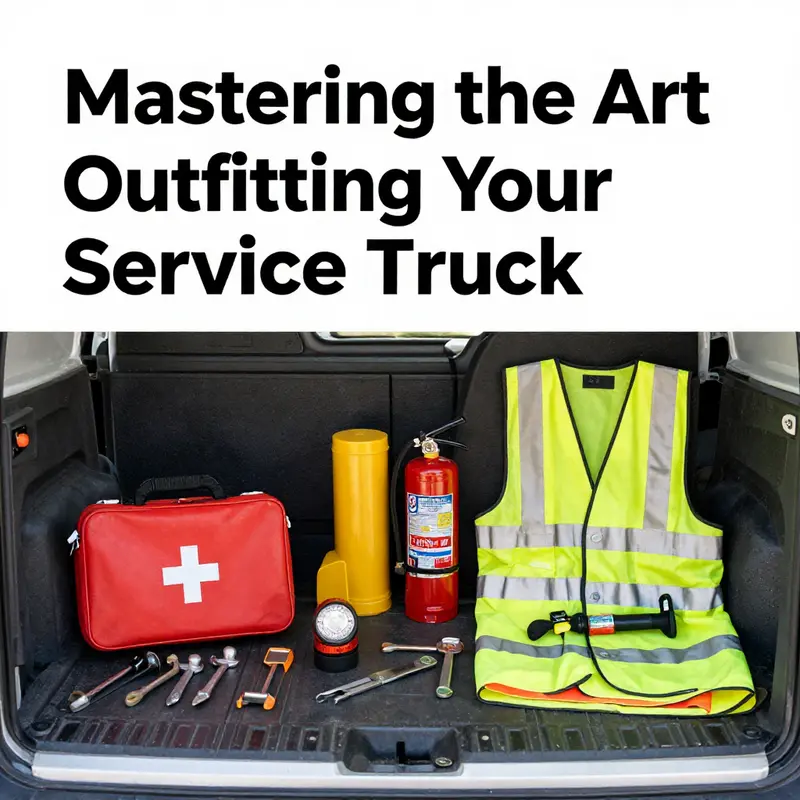
A service truck is more than a toolbox on wheels; it is a compact, mission-ready workshop that must perform reliably in a dozen places a day. The general essentials form the backbone of every fleet, regardless of the specific trade or specialty. When these elements are chosen with care and arranged for quick access, they convert a potentially chaotic day into a smooth sequence of efficient, safe, on-site interventions. The aim is not to overwhelm with a long list of gadgets but to create a compact, modular system that can weather varying jobs, weather, and workloads. In this spirit, the foundational kit starts with safety, extends through diagnostics, power, organization, communication, and maintenance, and all of it comes back to a single principle: readiness that minimizes downtime and protects the workers who rely on it.
At the heart of any well-outfitted truck is safety. Safety gear and PPE aren’t optional add-ons; they are the first line of defense in every on-site scenario. Every technician should start the day with properly fitting, ANSI-compliant eyewear, hearing protection, and sturdy gloves. Foot protection with steel toes is non-negotiable for most field conditions, and high-visibility vests or jackets keep crews conspicuous around traffic or in dim work zones. Depending on the job, sites may demand respirators, face shields, or arc-flash protection. While rules vary by jurisdiction and trade, the underlying idea remains constant: PPE protects the person so they can focus on the task at hand. The first-aid kit is the second pillar of safety. A fully stocked kit with bandages, antiseptics, gauze, scissors, gloves, and pain relievers reduces the chance of minor injuries becoming major problems. On longer routes, a compact, dedicated emergency kit adds warmth and basic supplies in case a driver is stranded, underscoring the broader commitment to crew welfare.
Next comes fire safety and emergency readiness. A mounted fire extinguisher appropriate to vehicle and electrical risks, along with triangular warning signs and portable cones, helps create a safer work zone for the crew and the public. Emergency lighting—high-lumen LED work lights, flashlights, and headlamps—ensures visibility when power is scarce or when jobs spill into early mornings, late nights, or tunnels. With lighting comes the need for reliable communication. Two-way radios or mobile devices with backup power help teams stay coordinated when cell coverage is imperfect. The ability to send a quick status update or request backup can be the difference between a smooth operation and a costly delay. The overall layout should reflect a single, disciplined workflow, so nothing slows the crew when time is critical. For those planning the truck’s interior, a thoughtful layout also reduces fatigue and supports safer movements around tools and equipment.
Central to every expedition on the road is the set of general tools that do the heavy lifting in the shop on wheels. Basic hand tools—adjustable wrenches, combination wrenches in several sizes, pliers (needle-nose, slip-joint, and locking), screwdrivers, hammers, chisels, and a reliable tape measure—form the spine of field repairs. These are the tools technicians reach for first, often before power tools or specialty gear, because they cover the widest range of tasks. The goal is not to amass a wall of gadgets but to furnish a practical suite that stays organized and easy to locate. In practice, this requires modular storage with labeled compartments and a layout that places frequently used items within a short, deliberate reach. The right arrangement means fewer climbs into the cab, less rummaging in drawers, and more time devoted to the job at hand.
Diagnostics and testing are the other half of practical on-site capability. A solid multimeter remains indispensable for electrical troubleshooting, letting technicians verify voltage, current, and resistance with confidence. In HVAC and plumbing contexts, a digital pressure gauge becomes a daily companion, revealing leaks, blockages, or improper pressure quickly. A cable tester protects communication lines and data connections, ensuring that a problem isn’t in the cable but in the component it serves. Adding a battery-powered flashlight with a built-in laser level can sharpen precision—especially in cramped spaces or when aligning components at awkward angles. The intent is to equip the truck with diagnostic tools that enable rapid problem identification, reducing the guesswork that can waste both time and materials.
Beyond tools, the vehicle itself must be a reliable partner. Power and lighting solutions are crucial when outlets are scarce or absent. A portable generator or a high-capacity jump starter keeps tools and diagnostic devices humming. Integrated LED lighting mounted on the truck bed or inside the cab delivers consistent illumination for night work or dim interiors, helping technicians maintain accuracy and reduce misreads on gauges and markings. These power and lighting choices are not just about brightness; they’re about predictability. A predictable power source translates to fewer interruptions and a more precise execution of tasks—from cutting and threading to testing and measuring.
Organization and storage tie everything together. An orderly truck is a force multiplier. Custom-built toolboxes with clearly labeled compartments, modular storage bins, and overhead racks create a cockpit where everything has a place and every place has a name. Organization reduces search time and the cognitive load of working in a cluttered space. It also minimizes the risk of misplacing critical items or transporting damaged tools. Investment in smart, modular storage often pays dividends in uptime and workflow efficiency. When tools and parts are stored by function and frequency of use, technicians can focus on the job instead of rummaging through a jumble of drawers. A well-considered organization system also makes training easier: new team members learn the layout quickly, which accelerates onboarding and reduces the chance of mistakes on the job.
Communication and navigation devices complete the triad of readiness. A rugged device with GPS navigation helps technicians reach a job site quickly and with fewer detours. Real-time communication with dispatch or the rest of the crew is essential, especially in areas with spotty cell coverage. A reliable handheld or vehicle-based device can keep the crew connected, share job status, and request support promptly. In addition to locating and messaging, the ability to log job details digitally supports post-job reviews and maintenance planning. A cohesive communications strategy keeps the team in sync, even when lines of sight are blocked or when the terrain changes mid-mission.
The final pillars of the general essentials focus on health, maintenance, and the trunk-line that sustains a day of field work: vehicle maintenance and troubleshooting tools. A tire inflator, a spare tire, a jack, and a lug wrench are the most basic safety nets for roadside reliability. Including a small set of fluid test strips for oil, coolant, and other fluids provides a snapshot of vehicle health at a glance. Routine checks and simple diagnostics extend the truck’s life, reduce the risk of breakdowns, and keep response times consistent. These maintenance assets are not a luxury; they are a practical investment in uptime. The more durable and self-reliant a service truck is, the more predictable the service it can deliver to customers who depend on timely repairs and installations.
With these essentials in place, the truck becomes less a collection of gear and more a cohesive, responsive platform. The goal is a design that treats every tool, every spare part, and every bit of PPE as a component of a single operating system. A well-planned interior supports rapid access to what is needed while protecting workers from the hazards they face. It also enables a scalable approach: as the business grows or shifts focus, the same core framework can accommodate additional tools, storage modules, or diagnostic devices without sacrificing safety or efficiency. In practice, this means thinking through the sequence of steps technicians take on each job and organizing the truck around that sequence. For example, having a dedicated drawer for electrical components next to the multimeter and testing leads reduces back-and-forth trips. Placing a portable power station near the where a long session will occur helps ensure that no tool loses power mid-task. Small decisions like these compound over the course of a workday to produce measurable gains in speed, accuracy, and safety.
A prudent outfitting plan also considers regulatory and safety compliance. OSHA, local regulations, and industry-specific rules set minimum requirements for PPE, vehicle maintenance, and signaling for roadside work. The integration of safety and efficiency is not a contradiction but a mutual reinforcement. The more a truck adheres to recognized standards, the greater the confidence of technicians and client stakeholders alike. In addition to compliance, a disciplined approach to record-keeping—maintenance logs, inspection dates, and inventory updates—supports accountability and planning. It also helps in audits and when upgrading equipment, providing a clear narrative of what was deployed, when, and why. This record-keeping culture helps sustain uptime and safety across shifts and seasons.
The practical impact of these general essentials extends beyond one trade and one client. It shapes how a service operation handles variation—different job types, varying weather conditions, and fluctuating workloads. With a robust toolbox, a disciplined layout, and dependable power and lighting, technicians can respond with confidence rather than improvisation. The results show up as faster turnaround times, higher first-time fix rates, and, most importantly, safer work sites. When a truck is built to anticipate needs rather than react to problems, the whole service operation gains a degree of predictability that reduces stress on the crew and improves outcomes for customers. For those who plan future investments or fleet upgrades, prioritizing these general essentials is a strategic choice that pays off as the business scales.
To connect this approach to broader principles of efficient design in emergency services, consider how the layout and organization translate into real-world gains. A well-thought-out truck frame supports rapid, low-effort access to the most-used tools, minimizing fatigue and the risk of handling errors. The emphasis is on dependable, repeatable performance in every shift, not on novelty or gadgetry. That perspective—treating the vehicle as a compact, disciplined workspace—guides decisions about where to place equipment, how to secure tools, and how to deploy PPE and safety gear. It also informs training practices, ensuring crews consistently apply the same routines for donning PPE, performing safety checks, and starting diagnostic sequences. The end result is a service truck that does not merely carry gear but embodies a reliable workflow that technicians can trust.
Integrating the concept of design efficiency into emergency-service philosophy, the department of planning would emphasize modularity, standardized mounting points, and repeatable layouts across different trucks. When a technician moves from one job to another, the familiar cadence of opening the same drawers, grabbing the same tool sets, and following the same safety checks reduces cognitive load and speeds execution. This continuum—from PPE to diagnostics to organization—becomes more than a checklist; it becomes a discipline. A single, well-structured truck can serve a wide range of tasks with minimal reconfiguration, while a more modular fleet can rotate configurations for specialized teams without losing the core advantages of consistency and safety. In practice, this translates to investments in shared mounting rails, uniform labeling, and scalable storage modules that can be swapped or upgraded as needs evolve. Such an approach saves time, lowers training costs, and increases uptime—a compelling logic for any fleet manager seeking to balance flexibility with reliability.
For readers seeking deeper alignment with broader efficiency paradigms, a useful resource on design efficiency in emergency services offers extended guidance on layout principles, workflow optimization, and integration with incident management systems. design efficiency in emergency services provides a practical blueprint for translating these general essentials into actionable, scalable truck configurations. By tying the day-to-day realities of an outfitted service truck to a larger framework of operational efficiency, readers can approach upgrades and maintenance not as isolated improvements but as elements of a cohesive, high-performance ecosystem. This perspective helps ensure that every dollar invested in PPE, tools, and storage yields maximal return through safer crews, faster service, and fewer disruptions on the road.
As the chapter closes on the essentials that underwrite every service truck, the message remains clear: safety, diagnostics, power, organization, communication, and maintenance are not discrete items but a connected system. Each piece reinforces the others. Proper PPE supports safer handling of tools; reliable power keeps diagnostics precise; a well-organized interior reduces the likelihood of misplacement and errors; and a disciplined maintenance routine preserves road readiness. When treated as an integrated system, the general essentials become a powerful enabler of professional service, ensuring that every day on the job proceeds with confidence, speed, and safety. For fleet leaders and technicians alike, this is the foundation upon which successful, scalable field operations are built.
External resource: NIOSH safety guidelines provide additional context on best practices for field operations and worker protection in mobile work environments. NIOSH safety guidelines.
Designing the Roadside Rescue Rig: A Cohesive Outfit for Tow Trucks and Rapid Response
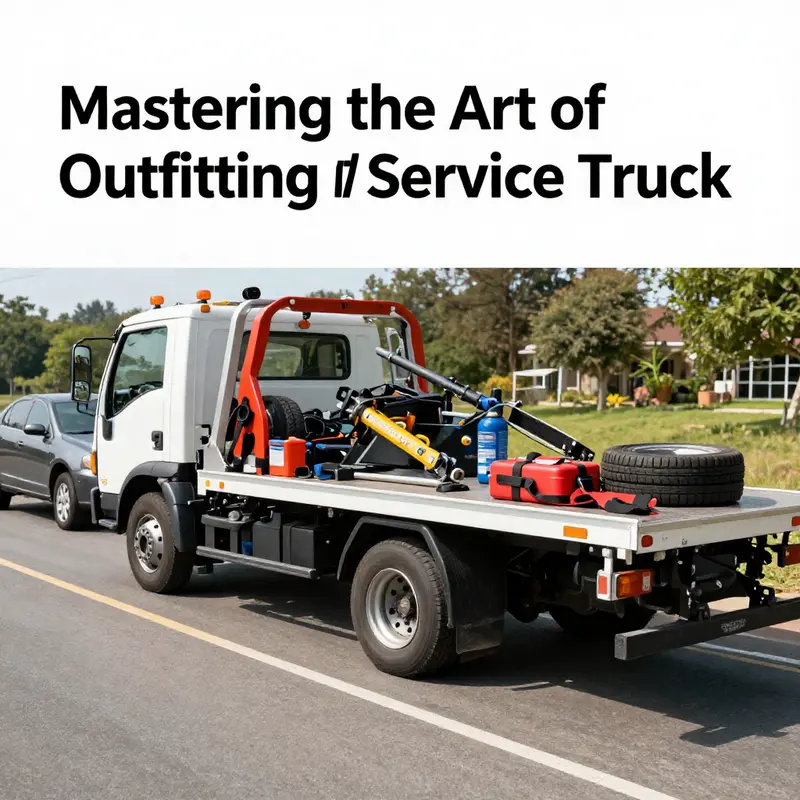
A roadside rescue or towing service truck is more than a vehicle with tools slung in the back. It is a mobile workshop, command post, and safety buffer all rolled into one. The goal of outfitting such a truck is to create a compact, well organized, and highly reliable system that lets a single crew operate with speed and clarity under pressure. The process begins with thoughtful planning of the vehicle itself. Age and condition matter, not only for reliability but for compliance with modern safety and emissions standards. In practical terms, many fleets aim for vehicles no more than a decade old, with clean service records and a clean bill of health from regular inspections. Emissions compliance is not just about air quality; it also keeps the unit in step with local regulations that can affect road readiness and access to certain lanes or zones. Towing and payload capacity form the next layer of consideration. The truck must have traction and structural strength matched to the kinds of rescues it will perform. A medium recovery scenario, for instance, may demand a minimum 30 ton towing capacity, while smaller, urban tow jobs call for stable, predictable handling and a robust flatbed platform at or above five tons. These figures are not arbitrary. They shape how equipment is mounted, how weight is distributed across axles, and how much space is left for essential safety gear. Size matters too. The layout should stay within legal road dimensions and keep the center of gravity low enough to reduce sway, especially when lifting or winching vehicles in off-nominal conditions. In some jurisdictions, exceptions exist for oversized vehicles, but they require advance authorization and a clear demonstration of safety and visibility. Once the base vehicle is chosen, the outfitting layer takes over. The core philosophy is simple: keep the most frequently used tools within arm’s reach, secure them so they survive rough road travel, and design the storage so that a single operator can access what they need without unnecessary rummaging. This is where modular storage systems shine. Drawers and boxes should be labeled and grouped by function—towing components in one region, hydraulic tools in another, and medical and safety essentials in a weatherproof cabinet near the cab. A well thought out interior reduces downtime, minimizes tool loss, and helps prevent injury during retrieval in difficult conditions. The same principle applies to equipment placement with attention to center of gravity and safe operating limits. Heavy items should ride low and toward the vehicle’s core. A crane or lifting system, if included, must be integrated with careful consideration of the vehicle’s frame and hydraulic circuits. The aim is to preserve driving stability even when the truck is loaded to capacity with heavy gear and a vehicle in distress. Alongside the physical configuration, safety and visibility are non negotiables. Roadside work demands high visibility and clear signaling, especially in busy traffic corridors, at night, or in adverse weather. The truck should feature uniform body markings and reflective strips that hold up under a range of lighting conditions. Flashing warning lights and a loud, controlled siren are reserved for emergencies or when the vehicle needs to hold a lane or block a hazard for an extended period. An effective on board communication system guarantees real time updates to dispatch and to the customer when appropriate. This is not just about staying connected; it is about creating a thread of accountability that follows every rescue from dispatch to completion. GPS tracking supports accurate ETA reporting and helps field teams coordinate with ground units and hospital networks, if needed. The operator’s tools also extend to warning devices such as traffic cones, triangle signs, and portable lights that can illuminate a scene without endangering responders or bystanders. The human element is critical here too. Training and qualifications shape how a crew negotiates difficult scenes and makes split second decisions. A driver who can maneuver a heavy recovery rig with precision reduces the risk of secondary crashes and road hazards. Operators should hold licenses appropriate to the vehicle class and be certified in rescue procedures relevant to the scenarios they are likely to encounter. In many places, ongoing training in safety procedures and equipment use is as essential as the initial licensing. The tools themselves deserve equal attention. Basic towing tools for roadside rescue include heavy duty tow ropes and winches, as well as an integrated towing system that can be deployed smoothly without twisting or binding. The ability to stabilize and reposition a vehicle safely is often a matter of a few inches, and the reliability of the winch or lift system under load is non negotiable. A robust wheel recovery kit, a portable air compressor, a tire pressure gauge, and spare tires must be carried, but they should be stored in a way that makes them quick to locate and use. For heavier scenes, specialized rescue gear becomes indispensable. Hydraulic cutters and spreaders can help extricate occupants from a wreck in a controlled, staged manner when doors and dashboards are compromised. Airbags and cribbing materials provide stabilization, while a crane or lifting jack system offers capacity to lift heavy components or stabilize an overturned vehicle during a complex recovery. The medical kit deserves a place of honor, not tucked away in a corner. A mobile unit should carry a basic, well stocked kit capable of addressing cuts, burns, and other common injuries. This is not a substitute for professional medical care, but it can stabilize a patient while awaiting EMS arrival. With these tools comes a need for discipline in maintenance. A smart schedule of inspections ensures that brake systems, winches, hydraulics, and tires are always ready for service. The same attention should be given to lights, radios, and recording devices that document the scene for accountability. A clear and concise daily routine for vehicle readiness becomes part of the crew’s standard operating procedure. In practice, the outfitting plan often mirrors the service’s typical daily rhythms. If the work leans toward rapid response and quick turnover, the interior should prioritize speed and accessibility. If the job includes more complex recoveries or long static scenes, the vehicle may need additional stabilizing gear, larger lighting arrays, and an extended suite of safety devices. The design should also anticipate growth. As a fleet expands, the truck should allow for modular upgrades. A space designed for an extra winch, an additional crane capacity, or a larger medical kit makes future upgrades feasible without a complete rebuild. This kind of scalability reduces downtime and keeps the fleet aligned with evolving regulatory requirements and customer needs. The narrative above is not merely about packing in gear. It is about shaping a workflow that respects the realities of roadside response—from the moment a call is received to the time the vehicle leaves the scene with a completed job. It is about making sure the right tool is in the right place when speed and accuracy matter most. To reflect this ethos, many operators reference the principle of design efficiency in emergency services, a concept that is mirrored in evolving standards and best practices across the field. For further insight into that approach, see the resource on design efficiency in emergency services: design-efficiency-in-emergency-services. This reference underscores how layout, access, and modularity translate into real world outcomes on busy highways and quiet back streets alike. As the chapter moves toward the next stage of outfitting, the emphasis remains clear: the truck must be a trusted extension of the operator, delivering reliability, safety, and speed when every minute counts. The incremental choices—the weight distribution, the choice of a crane versus a lift, the placement of the medical kit, and the configuration of the electrical system—merge into a cohesive system. The goal is not to overfill the vehicle with gadgets but to harmonize tools with routines, so responders can perform under pressure without searching or guessing. In this sense, the roadside rescue rig becomes more than a collection of equipment; it becomes a disciplined platform that supports strategic decisions, a vehicle that can adapt to landscapes as varied as urban corridors and remote rural lanes, while maintaining a standard of safety that protects the crew, the public, and the roadside environment. The result is a gear layout that respects weight, accessibility, and legibility, coupled with a safety-first mindset that guides every deployment. When the truck is finally out on the road with its drawers closed and tools secured, it embodies a promise: rapid, capable assistance delivered with precision, restraint, and accountability. The preparation is not passive; it is an active system of checks and balances that keeps the operation predictable, even in chaos. And for the rest of the fleet, the lesson remains consistent: invest in layout, train rigorously, maintain diligently, and design for the worst case while hoping for the best outcome. The road will always demand more than speed; it will demand the kind of reliability that only comes from a carefully engineered, well tuned rescue rig. External safety reference: https://www.osha.gov
null
null
Power, Pipes, and Precision: Outfitting a Service Truck for On-Site Electrical and Plumbing Excellence
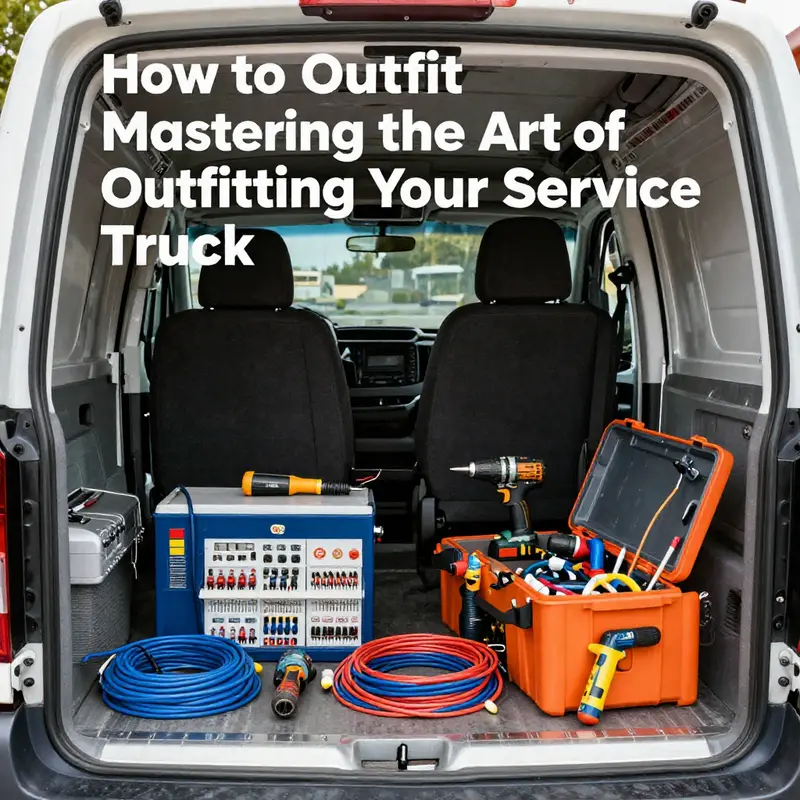
A service truck that handles electrical and plumbing on the go is more than a toolbox on wheels. It is a compact, carefully designed workshop where tools, materials, and safety gear live in harmony so a technician can diagnose, plan, and execute with minimum delay. The challenge is not merely packing the most useful gadgets, but shaping a layout that supports fast, safe work in a variety of environments—from cramped basements to windy exterior jobs and confined crawl spaces. The goal is a mobile workspace that reduces walking time, keeps components protected, and makes every tool instantly accessible. In practice, that means a deliberate blend of space planning, rugged storage, robust power and lighting, and a safety-first mindset. When these elements come together, the truck becomes a reliable partner rather than a burden, enabling skilled professionals to deliver consistent results no matter the site conditions.
Planning starts far before the first tool is loaded. It begins with understanding typical tasks and the flow of a workday. Electrical tasks demand different gear than plumbing, and yet both share a core need: organization. A well-designed truck allocates dedicated zones for each trade without siloing them so tightly that shared tools become elusive. The best layouts feature modular storage that can be reconfigured as service needs evolve. Drawers and bins should be labeled, but the labels must be legible at a glance, even in dim light. A foldable workbench or removable table adds a stable surface for assembling parts or testing circuits, while a protected, ventilated space keeps fumes, dust, and moisture from contaminating sensitive components. The driver’s cabin should remain contiguous with the workspace, allowing quick movement between planning, tool selection, and the vehicle’s controls. This cohesion matters for safety, too; frequent back-and-forth trips between cabin and cargo area can cause distractions or fatigue, especially on long days.
Safety is the bedrock of any outfitting project. On every job site, PPE is non-negotiable. For electrical tasks, insulated gloves, safety glasses, and a hard hat are standard; for plumbing scenarios, chemical-resistant gloves and sturdy boots may take precedence. Yet the PPE philosophy goes beyond individual protection. The truck itself should reinforce safe work practices. That means secure storage that prevents heavy items from shifting during transit, anti-slip mats for wet floors, and robust floor mats to withstand chemical spills. It also means predictable power and lighting. Inadequate lighting forces technicians to improvise, often taking riskier steps. High-visibility indicators, well-placed work lights, and back-up lighting should illuminate work zones without creating glare on reflective surfaces. Fire safety gear, a first-aid kit, and accessible emergency communications reinforce readiness for the unexpected. A simple, overlooked but powerful safety tactic is to equip the vehicle with quick-access lockout-tagout tools and a clear, laminated procedure card that stays in each toolbox drawer. This approach transforms safety from a checkbox into a practiced habit.
Electrical work inside a service truck leans heavily on precise, portable power and diagnostic capability. The core tools—multimeters, circuit tracers, wire strippers, and conduit bending tools—must be organized so a technician can reach the right tool in seconds. A dedicated electrical toolbox system can include a labeled set of common sizes and types to minimize guesswork. For diagnostics, a compact digital multimeter, a non-contact voltage detector, and a reliable circuit tracer help identify live circuits and verify proper connections without guessing. The challenge is powering these tools in environments where outlets may be scarce. Therefore, a purpose-built power plan is indispensable. A compact generator paired with a silent inverter, or a robust onboard battery system, can provide reliable AC power for testing outlets, running a compact drill, or powering a portable lamp. When selecting power solutions, the key is balance: enough capacity to cover typical jobs without creating excessive weight or fuel consumption. It’s also essential to shield sensitive electronics from power spikes and to incorporate GFCI protection in the truck’s outlets to prevent shock hazards in damp spaces.
Plumbing tasks bring a complementary set of considerations. Core items include pipe wrenches, adjustable wrenches, tubing cutters, and a drain snake, all arranged in a way that allows rapid access while keeping smaller fittings organized. A practical approach is to compartmentalize plumbing gear by project phase: cutting and threading, assembly and testing, and leak checking. PTFE tape, thread sealants, putty, and sealants should be stored in moisture-controlled drawers so tank residues or humidity don’t degrade their performance. A pressure test kit helps verify that newly installed lines hold up under pressure, preventing callbacks from leaks. Drain snakes may require more than one size, so keeping them in a dedicated vertical rack or a protected tube can prevent tangling and damage. For the water system itself, a compact pressure gauge and flow meter enable quick diagnostics on site, ensuring that a newly installed faucet, valve, or line performs as intended before finalizing the job. Like electrical gear, plumbing tools benefit from a mobile workspace that can transition between on-wall storage and a portable bench for assembly or measurement tasks. Protective covers on sharp or hot tools reduce the risk of accidental injuries during transit or in tight work areas.
The intersection of electrical and plumbing work on a single truck demands thoughtful organization that minimizes cross-contamination and cross-referencing mistakes. A centralized labeling system, with color-coded bins and clearly visible identifiers, keeps similar components—such as fittings, valves, connectors, and adapters—where they belong. A mobile work surface with integrated measurement markings supports precise cutting and alignment of pipes or conduits. A compact power distribution panel—carefully wired and labeled—helps manage the demand from cordless tools, diagnostic devices, and lighting while protecting delicate circuits from overload. When possible, use modular components that can be swapped or upgraded; this keeps the truck adaptable as codes change or as the business adds new service capabilities. The built-in logic of the layout should anticipate common job sequences, so technicians can move from assessment to repair with minimal walking, reaching, or reconfiguration. Even the approach to waste and cleanup deserves attention. Separate bags or bins for scrap metal, plumbing waste, and electronic debris prevent cross-contamination and make post-job cleanup faster and cleaner.
A practical thread that runs through both electrical and plumbing outfitting is the emphasis on power management and lighting. Portable LED lights, headlamps, and rechargeable battery packs extend visibility to dim corners, crawl spaces, and attics. A compact generator or inverter system should be quiet enough to operate near occupied spaces and out of the way of traffic lanes. Adhering to best practices means selecting weather-resistant cords and extension reels that incorporate GFCIs and proper strain relief to reduce wear. When power is accessible, outlets in the truck must be protected from moisture and dust, with splash guards and weatherproof covers. The aim is to maintain a steady, safe supply of electricity for diagnostic tools, lighting, and small power tools without compromising the truck’s electrical safety or the operator’s safety.
The human element remains central. Training, ongoing safety briefings, and a simple but rigorous process for equipment inspection keep the outfitting from becoming a static purchase. A well-run program includes routine checks of batteries, fuses, and cords, plus calibration or test checks for meters and testers. Documenting usage and maintenance provides a trail that supports accountability and helps plan replacements before failures disrupt service. A digitally enabled workflow—where job details, parts lists, and diagnostic results are captured in a mobile device—reduces paperwork and keeps the team aligned between dispatch and field work. This is where the truck becomes more than a storage space; it becomes a mobile, intelligent workspace that anticipates needs and mitigates downtime. To round out the toolkit, a careful inventory management approach—replacing worn bits, updating connectors, and refreshing consumables like thread sealant and PTFE tape—keeps the truck ready for the next call.
A final note of practicality ties everything together: compliance and licensing. Every installation or repair activity has code implications, and staying within the letter of electrical and plumbing regulations reduces risk for the worker and the business. OSHA and NFPA guidelines provide a framework for safe practice, and the truck’s outfitting should reflect those standards in a tangible way—through proper PPE, documented inspections, and a culture of safety that permeates every job. In the end, an effectively outfitted service truck for on-site electrical and plumbing work is not merely a collection of tools; it is a disciplined, adaptable, and highly portable workshop. It supports precision, speeds up service, and builds trust with customers who rely on expertise delivered with confidence.
Outfitting Waste and Sanitation Service Trucks: Designing Odor-Controlled, Efficient, and Compliant Fleets
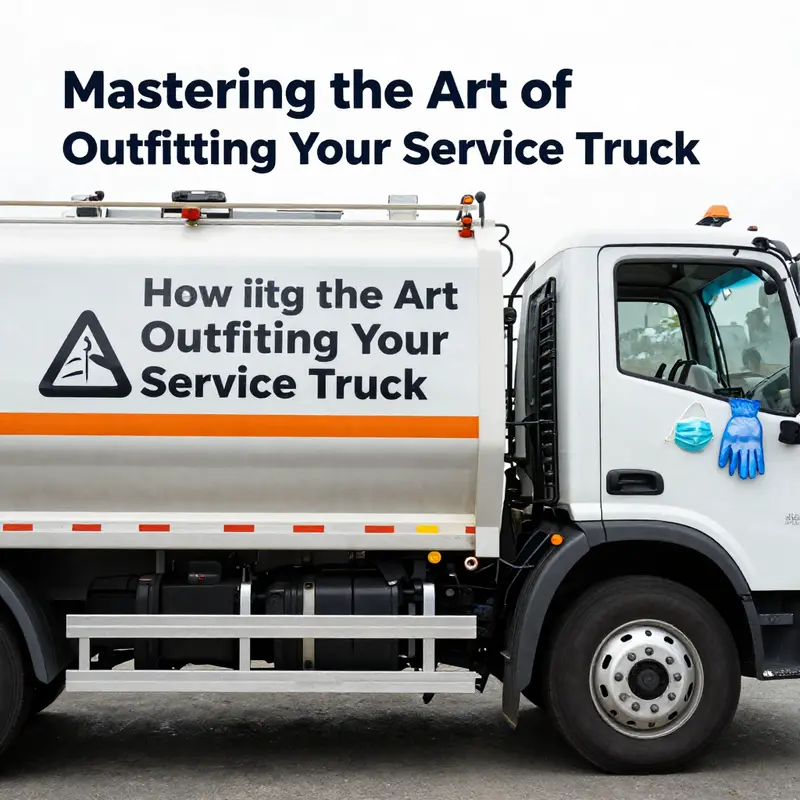
Outfitting waste and sanitation service trucks demands more than mounting a toolbox and a hydraulic lift. It is a full-spectrum design problem that blends vehicle selection, containment engineering, odor management, and smart operations into a cohesive, service-ready platform. The goal is to create a unit that can handle two realities at once: the heavy physical work of collecting and compacting refuse, and the logistical precision required to keep routes predictable, regulatory compliance intact, and crews safe. This means thinking from the ground up about the kind of waste you will handle, the volume you must carry, the environments you will navigate, and the data you must collect to run an efficient fleet. When you approach outfitting with that mindset, the truck becomes an adaptable tool rather than a fixed machine, capable of evolving as regulations tighten, routes lengthen, and volumes rise. The core decision starts with vehicle type, which must align with the waste stream and operational philosophy of the city or contractor. For general municipal solid waste, a compressor truck might be the backbone, offering the ability to compact material and increase payload per trip. Front-end loaders excel where bulky commercial and industrial waste items are common, allowing efficient handling of larger loads with minimal manual manipulation. Side-loaders thrive in residential areas, delivering an efficient curbside experience with limited manual labor, while automated side-loaders push safety and speed even further by using robotic arms to lift and empty bins. Specialized blue-plate haulers, designed for food waste and organics, bring the added challenge of odor control, leak prevention, and sometimes pre-processing features to separate liquids from solids. Recyclables collection trucks typically stay non‑compressing to preserve material purity, a design choice that supports downstream sorting. And for hazardous waste streams, containment systems and secure loading mechanisms become essential to prevent exposures and contamination. As these roles vary, the outfitting strategy must account for the entire ecosystem surrounding the vehicle, including bins, routes, processing needs, and public expectations. The choice of enclosure and sealing is one of the most critical aspects of this ecosystem. Every waste-collection vehicle should be fully enclosed and sealed to prevent spillage, odor release, and environmental leakage. Tight-fitting doors and seals are not cosmetic details; they are operational lifelines that protect workers and the community. Self-closing lids and automatic door locks reduce the risk of exposure during loading and unloading, while a tank that is watertight and corrosion-resistant prevents leachate intrusion into the vehicle structure and, in the case of organic waste collections, minimizes odors during long hauls. For food waste streams, insulation and, if practical, cooling systems slow microbial degradation and make the interior more manageable for crews during hot-weather days or long routes. The sealing strategy extends to hatches, inspection ports, and any service openings, which must be designed to minimize odors and deter seal degradation from road debris and frequent use. When on-board processing features are considered, some fleets deploy integrated solid-liquid separation systems that mechanically extract liquids from wet waste. This can significantly reduce the volume inside the tank and curb the formation of putrefactive byproducts, alleviating odor and reducing weight. In the most advanced configurations, in-tank mixing or limited aerobic aeration may be used in very specific applications to maintain a more stable microbial environment, though these options add cost and require more robust maintenance. The operational benefits are clear: less waste volume translates to fewer trips, reduced fuel consumption, and easier management of odors at transfer points. Of course, every enhancement must clear the hurdle of regulatory compliance. National and local standards guide not only vehicle safety but also environmental stewardship. In many jurisdictions, vehicles must meet registration and certification requirements, with particular attention to containment, tank construction, and emissions. For facilities that carry or process food waste or organics, certain regions mandate blue-plate or specific permit categories that reflect the specialized nature of the work. Emission controls and alternative powertrains are increasingly common, with many fleets adopting low-emission engines, compressed natural gas, or electric powertrains to meet air quality goals. Compliance extends to appearance and labeling as well. The appearance guidelines—color coding, branding, and warning markings—help the public understand what is collected and how to interact with the fleet safely. Color schemes typically map to waste types, with greens, blues, reds, and grays communicating organics, recyclables, hazardous waste, and residuals respectively. Clear logos and labels identify the waste stream, while placement guidelines ensure that the information remains legible and compliant under varying light conditions and distances. Technology is the backbone that binds these physical features to real-world efficiency. Modern waste fleets increasingly rely on RFID tagging for bins, GPS tracking and telematics for routes, and onboard sensors that measure payload weight. Weighing sensors, or load cells, feed data that improves billing accuracy, informs maintenance needs, and supports performance metrics across the fleet. Centralized management software brings it all together, offering a single pane of glass to plan routes, dispatch, monitor bin statuses, and analyze throughput. The integration of this digital layer is about much more than fleet visibility; it supports environmental goals, driver safety, and customer service. Safety equipment and training remain non-negotiable. Fire extinguishers, safety hammers, hazard warning signs, and PPE fortify the crew against the realities of a high-volume waste operation. Regular training in safe handling of waste, spill prevention, and emergency response ensures crews know how to act when a situation arises. The old adage about “as full as possible, as soon as possible” is still relevant here, but with nuance: crews should maximize capacity without delaying routes or compromising safety. Cleanliness and hygiene are equally critical. Daily interior and exterior cleaning, thorough inspection routines, and prompt replacement of worn seals, pumps, and tires prevent small issues from spiraling into costly downtime. A habit of meticulous maintenance underpins reliability, especially when the fleet operates in challenging conditions like heavy rain, winter roadways, or high-traffic urban corridors. Route planning and operational efficiency are not afterthoughts but core design considerations. Fleets aim to minimize fuel use, reduce emissions, and prevent unnecessary trips by aligning collection schedules with bin fill levels and traffic patterns. Real-time data from smart bins and route optimization software helps determine the most efficient sequences, balancing the urgency of pickups with constraints such as time windows, access restrictions, and street parking regulations. The perceptual benefit of a well-outfitted truck is more than practical; it builds public trust. Clear labeling and consistent color usage communicate the city’s commitment to safe, respectful, and environmentally responsible waste management. For crews, the right combination of compartmentalized storage, durable materials, and efficient tooling makes daily tasks less fatiguing and more predictable. Storage design is a silent partner to safety: modular drawers and shelves keep tools, seals, spare parts, and PPE accessible without clutter that could hinder movement or snag a uniform. This is where the fleet becomes a living system, capable of evolving as new waste streams emerge or as regulatory expectations tighten. If you want a concise anchor for practical implementation, consider expanding knowledge through the company’s resource hub, which hosts guidance and case studies that translate these principles into actionable steps. For example, the 5Star Truck Blog provides additional perspectives on fleet design and maintenance that align with the broader philosophy of smart outfitting. See the blog for ongoing ideas and field-tested practices. As you plan, it’s important to keep a clear linkage between the physical build and digital oversight. RFID tagging tied to a centralized software platform enables automatic reconciliation of bin pickups with route metadata. Weight sensors inform billing and performance analytics, while telematics monitor engine load, fuel economy, and idle time. The result is not just a truck that can collect waste, but a fleet that can be steered with data, governed by standards, and tuned to community expectations. The design should also consider public outreach and education. Layouts that emphasize legibility and safety help pedestrians understand where and when waste collection occurs. Color-coded bodies, legible labels, and conspicuous safety equipment reduce the risk of misunderstandings and enhance overall safety. In many markets, authorities publish guidelines for vehicle appearance and identification to ensure consistency across fleets and to support compliance with environmental and safety regulations. Designers who study these guidelines will often produce layouts and labeling schemes that are both compliant and visually coherent. To access authoritative benchmarks for vehicle appearance and labeling, refer to the official guidance that outlines color applications, logo placement, and structural requirements—an essential companion to the physical outfitting described here. External reference: https://www.moe.gov.cn/zhengce/gongkai/ghgj/202603/t20260312_1000000.html
Final thoughts
Outfitting a service truck is crucial for maximizing safety, efficiency, and productivity across various operational contexts. By following the outlined chapters, professionals from different fields — be it roadside rescue, heavy-duty towing, electrical work, plumbing, or waste management — can ensure their vehicles are equipped to meet the demands of their jobs. Regularly maintaining these tools and reviewing safety protocols not only protects workers but also enhances service delivery and customer satisfaction. The right equipment transforms how service delivery is conducted on the road and in the field, paving the way for success in the trucking industry.