
Servicing a truck is an essential aspect of ensuring safety, efficiency, and durability, especially for long-haul drivers, trucking company owners, and fleet managers. Understanding the nuances of truck maintenance can drastically reduce operational costs and extend the life of your vehicles. This guide provides a clear roadmap, beginning with regular maintenance checks to keep your truck in peak condition and moving toward comprehensive inspections and professional repair techniques. Each chapter lays the groundwork for effective servicing, empowering all stakeholders in the trucking industry to take proactive measures that enhance both safety and performance.
Thorough Regular Maintenance: The Art and Science of Thorough Truck Servicing for Safety, Longevity, and Uptime
A truck’s best defense against unexpected failure is a disciplined, thorough maintenance routine that treats every system as a spoke in a single, robust wheel. When a driver or fleet manager commits to a methodical service cadence, the payoff shows up as fewer breakdowns, steadier performance, and lower operating costs over time. This chapter presents a cohesive view of how to service a truck in a way that goes beyond the basics. It weaves preventive maintenance with disciplined inspections, precise diagnostics, and the practical realities of use, manufacturer guidance, and fleet needs. The aim is not merely to fix what’s broken but to anticipate what could fail and to maintain the vehicle so it remains safe, efficient, and available when needed most. The cadence starts with regular maintenance checks, but it flows naturally into deeper inspections, targeted repairs when necessary, and the kind of proactive management that supports a fleet’s uptime and a driver’s peace of mind.
At the heart of any solid service program is a clear discipline around fluids and filters. The engine oil and filter deserve prime attention because oil performs multiple roles: lubrication, cooling, cleaning, and sealing. The correct grade and specification are non-negotiable. Checking the oil level should be a calm, routine action performed with the engine cold and on level ground. The dipstick is the safe, simple gauge; the mark between the “MIN” and “MAX” lines tells you whether you’re in the right range. When the time comes for an oil change, the interval will typically lie in the 15,000–25,000 miles band or whatever the manufacturer prescribes for your specific engine and operating profile. Never overfill. Excess oil can foam, raise pressure, and create mischief inside the crankcase. The filter should accompany the oil change because new filters remove particulates and contaminants that would otherwise compromise lubrication. A combined approach—oil and filter on schedule—keeps the engine clean enough to run reliably under heavy loads and long hours.
Cooling is another pillar of a healthy truck. The coolant level should be checked in the reservoir, not the radiator, and only when the engine is cool. The range between the “MAX” and “MIN” marks is your guideline. Use high-quality coolant that matches the maker’s corrosion inhibitors and thermal properties. Plain water is a risk; it can reduce protection and invite rust or scale buildup. Flushing and replacing coolant is not a weekly chore, but a scheduled maintenance item typically every two to three years or within a mileage window like 60,000–100,000 miles, depending on the coolant’s formulation and the engine’s exposure to heat and contaminants. Proper coolant management minimizes overheating risks and keeps the cooling system components from deteriorating prematurely.
The air intake and filtration system also demand regular attention. A clean air filter safeguards the engine from dust, debris, and corrosive particles that erase fuel economy and performance. In dusty environments or long stretches of poor air quality, replacement frequency rises. Don’t overlook the intake hoses; cracks, leaks, or loose clamps can undermine the filter’s effectiveness. Periodic inspection and replacement, paired with a check of the intake manifold for carbon deposits, keeps the engine breathing freely and running efficiently. A clean air path supports better combustion and reduces unneeded strain on the turbo or intake system, which translates to smoother operation over thousands of miles.
Braking is fundamental to safety and should be reviewed with care. For lighter trucks with hydraulic brakes, monitor the brake fluid level monthly. A low level suggests a potential leak, and moisture from the environment can compromise braking performance. Brake fluid should be changed on a set schedule, typically every two years, to mitigate moisture buildup that can corrode lines and degrade stopping power. If air has entered the hydraulic system, bleeding may be necessary to restore proper pedal feel and braking response.
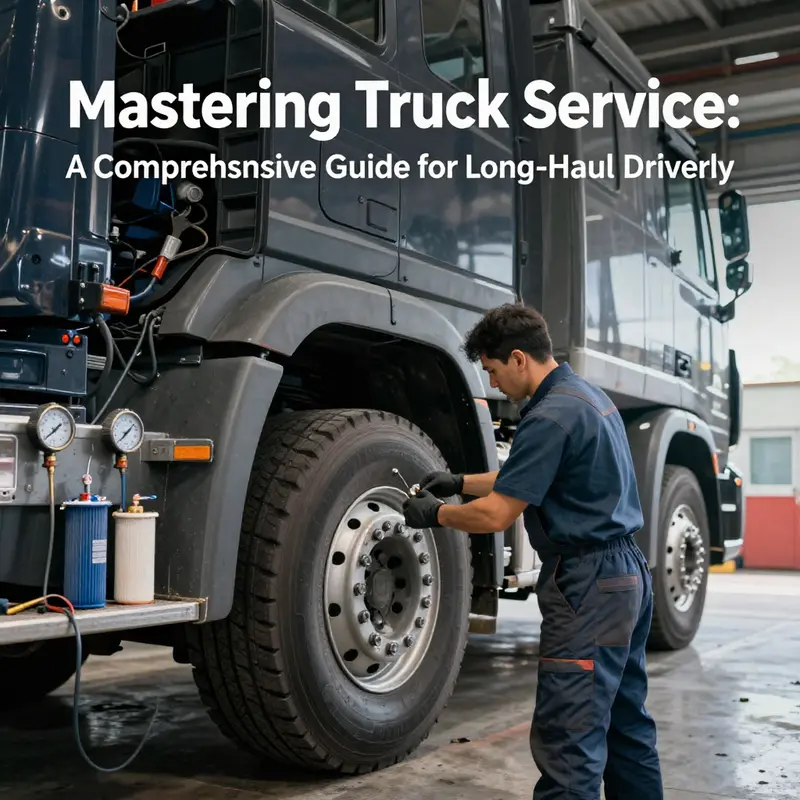
Heavy-duty trucks with air brakes require a slightly different rhythm. Drain the air tanks daily to remove water and contaminants. The air dryer desiccant cartridge should be inspected and replaced regularly, usually every one to two years, as moisture exposure can degrade system efficiency and cause brake failure in extreme conditions. Beyond the air system, inspect the linings or pads for wear and ensure correct adjustment. Leaks in hoses and fittings should be identified and repaired promptly. The brake system deserves a careful, routine check that aligns with the vehicle’s duty cycle and operating environment. A robust braking program reduces the chance of incidents and guards against progressive wear that could lead to costly repairs later.
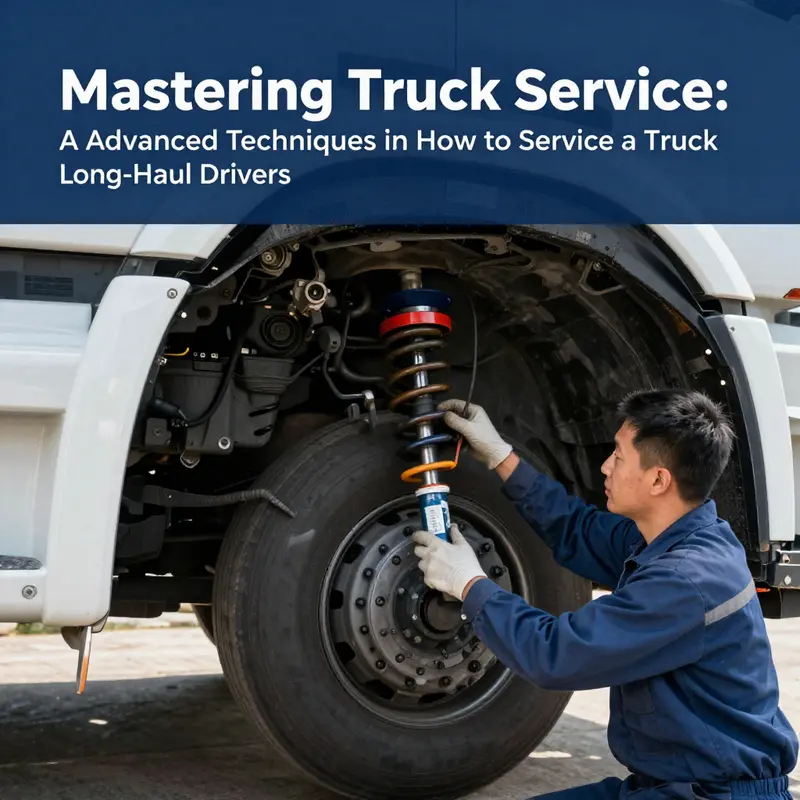
The steering and suspension assemblies deserve equal attention because driver control and ride quality hinge on their integrity. Steering fluid levels, if applicable, should be checked for proper range and signs of contamination. Leaks around the reservoir, hoses, or pump are red flags and should be addressed immediately. Suspension components—shocks, struts, springs, control arms, tie rods, ball joints—should be examined for wear or looseness. If a vehicle pulls to one side or shows uneven tire wear, a wheel alignment may be required. Fasteners like U-bolts and bushings should be inspected for cracks or looseness. Tire and wheel care is inseparable from steering and suspension health. Before each trip, verify tire pressures against the manufacturer’s recommendations, allowing a small tolerance for temperature changes. Inspect tread depth and wear patterns, and look for cuts, bulges, or embedded objects that could compromise the sidewall. The minimum tread depth for safety is a practical limit you never want to cross. Rotating tires every 10,000–15,000 miles helps even out wear and preserves grip. In winter, the choice of snow chains or winter-specific tires may be warranted to maintain traction. A critical safety reminder: never drive with tires at or below 80 percent of the recommended pressure; underinflation can lead to heat buildup, degradation of the sidewall, and, in the worst case, a blowout on the highway.
Electrical and lighting systems tie safety, visibility, and reliability together. A truck’s lights—headlights, brake lights, turn signals, hazard lights—must function flawlessly. Replace any burnt-out bulbs without delay and ensure the light covers are clean and intact to prevent moisture ingress that can corrode wiring and dim light output. The battery and cables deserve steady attention. Clean terminals to prevent corrosion and ensure connections are tight. Battery health can be tested by measuring voltage: around 12.6 volts when the engine is off, and roughly 14.2–14.7 volts when the alternator is charging. If voltage is consistently outside those ranges, the charging system or battery may require service.
Beyond the core systems, a suite of smaller, often-overlooked checks contributes to reliability. The fuel system should be inspected for leaks, cracks, or deterioration of lines that could lead to dangerous fuel exposure or performance issues. Use clean, high-quality fuel from reputable sources to prevent injector clogging and unnecessary deposits in the fuel rail. For diesel engines, the DEF or urea system deserves particular attention. Keep the DEF level topped up before long trips, and ensure the tank remains sealed and free from contamination that could trigger derates or shutdowns, especially if the truck relies on emissions-compliant operation.
In any modern truck, the tubes, hoses, and belts carry a telltale role in reliability. Drive belts such as the serpentine belt should be inspected for cracks, fraying, or glazing. Hoses should be checked for bulges, cracks, or leaks that could herald a failure. A timely replacement of worn belts and aged hoses can prevent sudden belt failure or engine overheating. Cab and safety features, too, require routine checks. Seat belts should latch and release smoothly, with no fraying or wear that could compromise restraint. The cab tilt mechanism should operate without strange noises or resistance. Windshield wipers and washer fluid deserve a regular once-over, as visibility is non-negotiable in poor weather.
In practice, a thorough service visit is more than a menu of tasks. It is a disciplined sequence that aligns with how the truck is used. Fleet operators often formalize this with a preventive maintenance plan that maps out service intervals, leverages diagnostic tools, and records every action. The diagnostic landscape has evolved to rely on onboard computers, with technicians using specialized scan tools to read error codes from ECUs. When a fault is detected, a precise path to repair emerges, from simple sensor replacements to more complex engine or emission system work. The diagnostic process makes it possible to catch issues before they become multiple-event failures that cause downtime. When complexities arise, certified technicians—who have training and hands-on experience with the manufacturer’s systems—are the best resource to ensure repairs are performed correctly and safely.
A comprehensive maintenance routine goes beyond the shop. Service networks and support channels are an essential part of keeping a truck on the road. Many manufacturers operate authorized service centers that provide genuine parts, factory diagnostics, and trained technicians. These networks reduce guesswork and ensure that maintenance milestones are met with consistent quality. In addition to formal centers, modern fleets often rely on digital platforms for scheduling maintenance, tracking service history, and ordering parts. These platforms extend the reach of the service process, letting fleets stay ahead of wear and plan downtime around operations rather than around surprises.
The practical value of all this work becomes evident when you consider downtime and life-cycle costs. Regular maintenance is not a cost center; it is a strategy for uptime and reliability. Industry guidance emphasizes that disciplined maintenance reduces the likelihood of major failures and improves fuel economy, while also extending engine life and protecting resale value. When maintenance becomes part of the daily rhythm of a fleet, drivers benefit from fewer breakdowns, and managers gain a measurable improvement in on-time delivery and asset utilization.
Proactive fleet management adds a layer of intelligence to this approach. Telematics systems monitor vehicle health in real time, flagging anomalies before a breakdown occurs. Predictive maintenance can be scheduled at optimal times, for instance during a planned downtime or a rest stop, rather than as an urgent response to a fault. Driver training ties directly into this toolbox. When drivers know how to perform basic checks—fluid levels, tire pressures, lights, and quick visual inspections—they act as the first line of defense. The outcome is a cycle of continuous improvement: better data, better decisions, and fewer surprises on the road.
To cap this discussion with a practical takeaway, create a maintenance log that covers all inspections, replacements, and diagnostics. A well-maintained log becomes a living document that supports warranty claims, parts ordering, and resale value. It also helps new operators understand how the truck has been cared for over time. For technicians seeking structured training and a broader view of maintenance philosophy, see fire-truck-maintenance-training-importance. The slug behind that link signals a resource focused on disciplined maintenance training, which translates well to any heavy-duty vehicle program. fire-truck-maintenance-training-importance
In sum, a thoroughly serviced truck is the product of a holistic approach. Regular maintenance checks establish the baseline for safe operation and efficient performance. Comprehensive inspections extend that baseline into a robust, preventative shield against wear and failure. Diagnostics and professional repairs handle the hard problems with precision. A strong service network and proactive fleet management keep the process resilient, scalable, and aligned with the realities of commercial operation. By combining routine fluid and filter care, precise brake and steering maintenance, reliable electrical systems, careful attention to DEF and fuel quality, and a disciplined approach to tires, belts, and hoses, you build a maintenance culture that travels with the truck. It is not simply about fixing what is broken; it is about building a dependable, high-uptime machine that supports safe driving, consistent performance, and enduring value for the fleet and the driver alike.
External resource for further depth: for a practical reference on structured maintenance checklists and best practices, see https://www.fleetowner.com/truck-maintenance-checklist
null
null
Diagnostics-Driven Truck Service: Reading Codes, Rebuilding Confidence, Restoring Performance
When a truck rolls into the shop with a hesitation, a stumble, or a warning light, it typically sends a message that goes beyond the surface symptom. A professional repair and diagnostics approach treats the vehicle as a system with interlocking parts, signals, and constraints. The aim is not to rush to a quick part swap, but to translate a set of symptoms into a precise, testable hypothesis about root cause. This is the heartbeat of modern service work: using method, data, and discipline to return the vehicle to safe, dependable operation while extending its life. In practice, the process begins with a calm, structured inspection that looks across the engine bay, the drivetrain, the brake and suspension geometries, the electrical nervous system, and the exhaust pathway. Each area is checked not in isolation but in the context of the truck’s history, its loads, and the demanding demands of the route it travels. In a profession where a misstep can ripple into downtime, safety risk, or worse, a misdiagnosis becomes an expensive mistake. The diagnostic mindset—curiosity paired with rigor—keeps the shop in control when the data stream grows noisy and the fault tree becomes tangled.
A thorough inspection is more than a checklist. It is a narrative the technician builds in real time, reading clues from oil leaks that betray gasket failures, from coolant stains that hint at water pump or radiator issues, and from the feel of the driveline under load that can reveal bearing wear or misalignment. The engine compartment tells a story about health when the hoses hold and the belts stay tensioned, but it also reveals fragility when heat has begun to warp surfaces or an alternating current breathes irregularly through a compromised wiring loom. The inspection extends to the transmission where fluid color and smell can reveal slipping clutches or overheated bands, and to the brake system where rotor wear, pad thickness, and line integrity map out a braking history that must always be compatible with the vehicle’s weight and load profile. Tires, wheel assemblies, and suspension components are checked with the same eye for pattern and possibility. Proper lug nut torque, crack-free rims, and intact bushings are not merely maintenance items; they are essential predicates of controlled, predictable handling on the road. The goal of this comprehensive check is not to chase a single faulty part, but to establish a baseline of health and to identify anything that could become a hazard under the next heavy-duty movement from city streets to open highways.
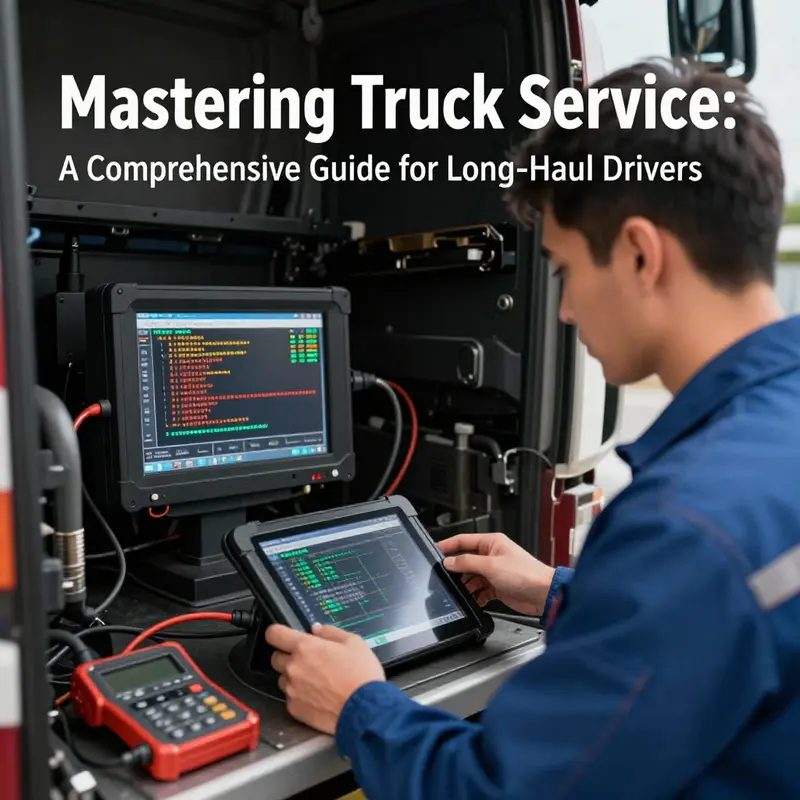
Once the surface-level inspection is complete, the diagnostic phase picks up pace. Modern trucks rely on onboard computers that monitor thousands of parameters in real time. An OBD-II scanner becomes the technician’s compass, translating blinks and flash codes into readable data. But the value of diagnostics goes beyond decoding a single fault. The best diagnosticians view codes as starting points, then corroborate them with live data streams: engine RPM, sensor voltage curves, fuel trims, coolant temperature, exhaust gas recirculation behavior, and transmission shift patterns. A misfire may light a code for cylinder 3, yet the diagnostic path demands quick verification that the misfire is not caused by a wiring fault or a faulty coil pack. A codes-only approach frequently misses context; a well-executed diagnostic explores the symptom in motion, watching fuel trim adjustments as the engine runs through idle, acceleration, and steady-state cruising. Live data becomes a reference map, guiding the technician from correlation to causation.
This diagnostic discipline also respects the manufacturer’s service intervals and specifications. Maintenance schedules are not relics of the old days; they are living documents that reflect earned knowledge from countless trucks, engines, and operating conditions. When a fault is identified, technicians compare current readings to the manufacturer’s acceptable ranges and use the service manual as a compass for what to test next, what tolerances are permissible, and what tools or adapters are required to access hidden parameters. Oil and filter changes, coolant and transmission fluid replacements, air and fuel filter inspections, and belt conditions are not optional steps to be bypassed during a diagnostic chase. They are the baseline practices that maintain the integrity of the engine and its supporting systems, preserving lubrication, removing contaminants, and ensuring that hydraulic and cooling circuits perform under load. The timing and sequencing of these tasks matter because fluids, filters, and gaskets age differently under varying duty cycles. A technician who follows the exact service intervals, while cross-checking with diagnostic findings, is much better prepared to separate a temporary anomaly from a chronic failure.
When the fault extends beyond a simple replacement, the work shifts toward controlled repairs that respect system architecture and the sequence of operations that keep a vehicle reliable. Take a timing belt replacement as a representative example of the complexity involved. It is not a matter of unbolting one part and sliding another into place. The timing belt sits within a tightly choreographed environment where the interaction of the camshafts, crankshaft, water pump, and tensioners governs valve timing and engine life. To perform this repair correctly, obstructing components such as the radiator, the water pump pulley, or the alternator must be moved or removed in a precise order. Each removed piece must be labeled or photographed, its mounting orientation recorded, and the torque specs for reassembly respected to the last decimal point. A misalignment can lead to poor performance or catastrophic engine damage. This is why professional repairs demand not only the right parts but also the right sequence, the right tools, and the right documentation. Recording the steps with notes and images creates a chain of custody that protects the technician, the fleet, and, ultimately, the driver who relies on the truck to be ready for the next shift.
The documentation aspect of professional repair is often undervalued, but it is a critical discipline. Every diagnostic code, test result, and adjustment should be logged in a service history that travels with the vehicle. Accurate records help future technicians avoid repeating tests and enable fleet managers to track the health trajectory of individual units or entire cohorts of vehicles. This history informs predictive maintenance decisions, guiding where to focus inspections next and when to preempt a failure before it becomes a breakdown on the highway. Clear notes about parts replaced, fluid changes performed, and any calibrations that followed a repair are an invaluable asset for audits, warranties, and ongoing safety reviews. Documentation also reinforces safety practices by providing a traceable checklist that can be reviewed during subsequent service events, ensuring that critical steps such as secure grounding, PPE usage, lockout/tagout procedures, and proper lifting methods were observed.
Of course, the diagnostic journey does not happen in a vacuum. It is supported by a network of skilled technicians who bring a blend of formal training, hands-on experience, and access to a full set of diagnostic tools. Complex repairs, particularly those involving electronic control units, emissions systems, or hybrid-electric components, demand certified technicians who understand the intricacies of modern powertrains. Certification programs, ongoing training courses, and manufacturer-specific diagnostics are not luxuries; they are prerequisites for maintaining the integrity of the repair work and for ensuring compliance with safety standards. In the field, a technician may rely on factory manuals, service bulletins, and specialized diagnostic software to interpret fault codes, monitor live parameters, and verify that repairs meet the exact tolerances set by the vehicle’s engineering team. This is a collaborative process, where the technician translates the vehicle’s language into actionable steps, and where the service advisor translates those steps into a credible plan for the fleet owner and the driving crew.
The post-diagnosis phase is as important as the diagnosis itself. After a repair or a significant adjustment, technicians recheck the system through functional tests and road tests to confirm the fault is resolved and that no new issues have emerged. This includes verifying that fault codes do not reappear, confirming fuel economy expectations, checking for abnormal noises, vibrations, or leaks, and ensuring that the vehicle’s response is consistent with the driver’s expectations. A responsible repair ends with a robust verification that the truck is safe, road-ready, and able to perform its assigned duty without surprises.
Parallel to hands-on repair work, the broader service ecosystem supports quality outcomes. Manufacturer service centers, independent shops with calibrated equipment, and remote diagnostic capabilities all contribute to uptime and reliability. Access to genuine parts, factory-approved diagnostics, and structured maintenance programs can reduce the time a truck spends out of service. Many fleets increasingly rely on telematics and real-time health monitoring to flag potential issues before they become disruptive, enabling a shift from reactive to proactive maintenance. This evolution is not a luxury; it is a practical response to the heavy-duty rhythms of commercial operation, where every hour of uptime translates into heightened efficiency and safety for drivers and the communities they serve.
For technicians who seek to stay sharp, continual learning is a sine qua non. There is a steady stream of resources, seminars, and hands-on workshops designed to deepen diagnostic acumen and repair proficiency. Even with all the digital tools at a technician’s disposal, the human element remains essential: disciplined problem-solving, careful observation, and an insistence on safety. A good diagnostician does not settle for the first plausible explanation; they pursue multiple lines of inquiry, verify assumptions with data, and keep a keen eye on the consequences of every repair choice. When technicians combine a structured diagnostic workflow with a disciplined repair process, the probability of a successful outcome rises dramatically. The truck returns to service with a clean bill of health, the fleet manager enjoys lower total cost of ownership, and the driver experiences fewer surprises on the road.
To support this approach within the fleet ecosystem, many operators incorporate dedicated training and reference resources. For ongoing skill development, fleets frequently rely on resources such as fire-truck-maintenance-service-training. This kind of targeted training helps keep teams aligned on best practices for diagnostics, abnormal-condition detection, and safe, repeatable repair methods. By cultivating a culture of meticulous evaluation, precise execution, and thorough documentation, the service organization creates a durable baseline of reliability that benefits every stakeholder. The end result is a truck that not only meets the road-ready standard but does so with a demonstrable record of safety, efficiency, and longevity. For professionals, this is the practical manifestation of treating servicing as a system rather than a series of isolated fixes.
External perspectives can also illuminate the path to better maintenance practices. A respected industry resource highlights practical maintenance tips, reinforcing the idea that regular checks, competent diagnostics, and timely repairs are the foundation of reliability. Reading these external perspectives helps technicians and fleet managers alike refine their approach, validate their diagnostic instincts, and remain curious about how evolving technologies will shape the service landscape. For those who want to explore broader guidance on truck maintenance techniques, the following external resource offers valuable context and current best practices: https://www.autoblog.com/truck-maintenance-tips-2026.
In sum, professional repair and diagnostics anchor the discipline of how to service a truck. The process is bigger than replacing worn parts; it is a disciplined investigation that starts with a comprehensive inspection, continues through careful interpretation of diagnostic data, and culminates in repairs carried out with precision, safety, and thorough documentation. When this approach is embraced, the result is more than a momentary fix. It is durable performance, sustained uptime, and a fleet that can meet the demands of modern transportation with confidence. The chapter you just read is meant to sit beside the other essential elements of servicing—a holistic perspective that recognizes diagnostics as the gateway to reliability, safety, and long-term value for every truck on the road.
Rolling Toward Uptime: Building an Integrated Service Network That Keeps Your Truck on the Road
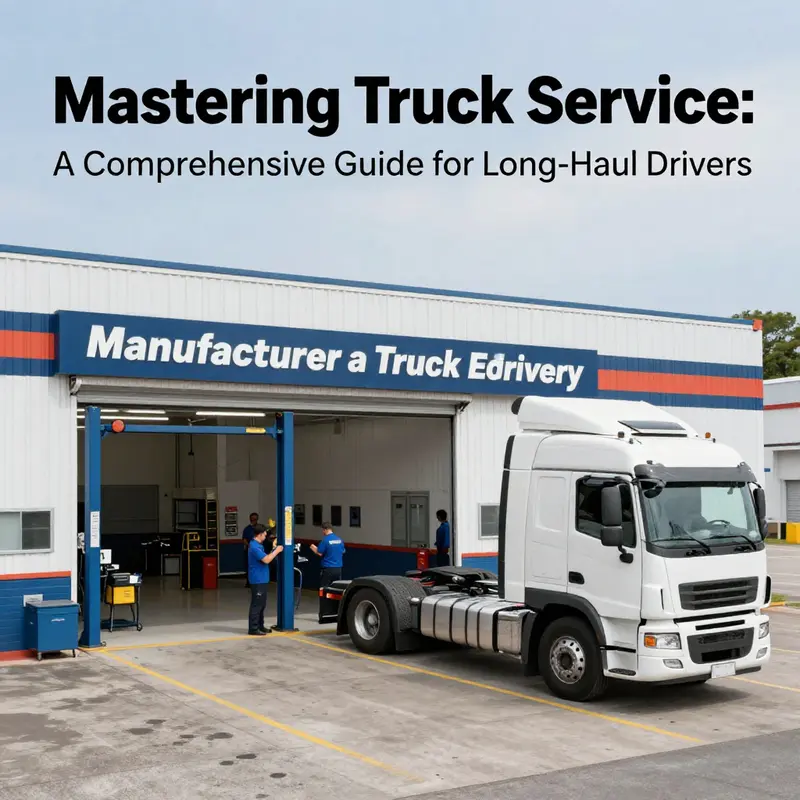
A truck does not become reliable by chance. It becomes dependable through a coordinated ecosystem that blends precise workflows, intelligent technology, solid parts and logistics, skilled people, and a culture that puts the driver’s safety and productivity at the center. Servicing a truck, therefore, is not a single task but a collective discipline. The goal is uptime: keeping the vehicle ready to perform when the road calls, while preserving its longevity and reducing the risk of costly failures. When fleets think in terms of a service network rather than a collection of repairs, the work transforms from firefighting to a managed rhythm. It begins with disciplined process design, but it grows into a living system that learns from every service event, every diagnostic readout, and every mile driven. In this chapter, we explore how an integrated service network becomes the backbone of effective truck maintenance, tying together standardized procedures, digital intelligence, robust back-end support, and humane, driver-centered care that sustains performance over the long haul.
To see how this works in practice, imagine a typical service cycle as a flowing sequence rather than isolated touchpoints. A truck comes in for routine preventive maintenance, and the process unfolds with a clear dispatch protocol, a documented scope of work, and a standardized classification of repair tasks. The fleet management system assigns the job not by whim but by a quantified set of criteria: the vehicle’s age, its duty cycle, the last service date, the detected wear patterns, and the criticality of each subsystem. Standardization here matters as much as speed. By defining five repair categories—maintenance, minor repair, moderate repair, major repair, and critical repair—and publishing the expected turnaround for each, the organization creates transparency. The technician begins with a well-scoped work order, the parts team confirms availability, and the driver receives a precise appointment window. This is not a rigid assembly line, but a lean framework where every task has a defined duration and a measurable outcome. A well-designed flow minimizes human error, reduces wait times, and makes the service experience predictable for drivers and their managers alike.
The true power of this approach shows up in the digital layer that sits on top of the physical work. Modern service networks rely on telematics, cloud diagnostics, and real-time data to locate faults, anticipate wear, and guide technicians to the exact repair path. A cloud-based diagnostic system can scan the vehicle’s ECUs, pull fault codes, and compare current readings with historical baselines gathered across the fleet. The result is faster fault localization, less trial-and-error, and higher repair first-time success rates. But data is only as good as the actions it enables. The most effective networks translate diagnostic insights into prescriptive maintenance plans, delivering technicians with recommended service actions and the required parts before the vehicle arrives at the shop. In the best systems, technicians are supported by a digital knowledge base that is continuously updated with new repair procedures, learning modules, and repair notes from recent jobs. In practice, this combination of remote insight and on-site expertise shortens downtime, increases first-time fix rates, and gives drivers confidence that their vehicle will be ready when promised.
Alongside diagnostics and scheduling, the back-end technology that underpins the service network is equally critical. A robust parts ecosystem ensures that the right parts are available at the right time and in the right quantities, close to where the truck operates. A mature network stocks essential components across regional hubs, with intelligent replenishment that anticipates demand based on usage patterns, seasonality, and known failure modes. When a part is needed, the system can orchestrate a rapid replenishment cycle, enabling the regional center to deliver within a day to the nearest service point. This tight integration of parts and service is what prevents the truck from sitting idle while waiting for a single component. If a part is temporarily unavailable, the system can present a curated set of acceptable alternatives or prioritize a pull-from-stock option that minimizes downtime. In this sense, the service network becomes a logistics engine as much as a maintenance organization.
A strong service network also depends on people who are not only technically capable but also aligned with a culture of service excellence. The technicians who work in the field are the face of the operation. Their skill level, certification pathways, and ongoing training determine how reliably a vehicle is serviced and how quickly issues are resolved. A mature program treats technician development as a long-term investment. It offers structured learning paths, hands-on practice with the latest diagnostic tools, and opportunities to advance to higher levels of technical responsibility. Regular, high-quality training helps maintain a high first-diagnostic-pass rate and ensures technicians stay current with evolving drive trains, transmissions, and electronic control systems. In this respect, a service network that prioritizes skill development reinforces the entire ecosystem, because competent technicians reduce cycle time, improve repair quality, and build trust with drivers and fleet managers.
The human element extends beyond the shop floor into the driver’s experience as well. A truly integrated network recognizes the driver as a crucial stakeholder in uptime. It places emphasis on clear communication, accessible support channels, and a welfare framework that helps drivers manage the stresses of long-haul operations. In some regions, service ecosystems have built or funded dedicated driver hubs or rest areas that provide practical amenities—safe parking, reliable Wi-Fi, hot meals, clean showers, and charging facilities for electric vehicles. These spaces are more than comfort zones; they become operational nodes where drivers can report issues, obtain basic troubleshooting assistance, and coordinate with service providers without disrupting their schedules. The presence of such hubs signals a broader commitment to driver well-being, which in turn contributes to safer driving and higher uptime.
In the best practice models, communication channels are streamlined so drivers and fleet operators never feel out of the loop. A central help desk or digital portal shoulders the responsibility of triaging calls, tracking the status of open repairs, and ensuring that issues are resolved promptly. A well-designed system offers a single source of truth: a vehicle’s service history, current fault codes, upcoming maintenance requirements, and the predicted maintenance window based on usage and wear data. This transparency is not merely administrative; it informs decision-making for dispatching, spare-parts planning, and fuel strategy. It also creates a powerful feedback loop. When a driver experiences an issue, the service network logs the event, analyzes the root cause, and updates the maintenance plan to prevent a recurrence. In this way, every service interaction contributes to a more reliable fleet.
The ecosystem described here is not a theoretical ideal. It translates into tangible benefits for fleets of all sizes. Predictive maintenance, powered by telematics and analytics, allows operators to address issues before they escalate into costly breakdowns. A robust service network can offer tiered service contracts that guarantee rapid response, prioritized scheduling, and streamlined roadside assistance. While the exact terms vary, the underlying principle remains constant: uptime is a product of proactive planning, swift execution, and a culture that treats maintenance as a core competency rather than a necessary interruption. This approach also enables better capital and operations planning. When maintenance events are predictable and controllable, budgeting for parts, labor, and downtime becomes straightforward, and the opportunity to optimize route planning and fleet utilization increases significantly.
From a governance perspective, establishing such a network requires clear standards and measurable performance. Firms design dashboards to monitor service timeliness, repair quality, parts availability, and driver satisfaction. Publicly accessible performance indicators create accountability and provide a basis for continuous improvement. A standardized, transparent approach also supports regulatory compliance and safety initiatives by ensuring that critical inspections and repairs meet code requirements and manufacturer guidelines. The net effect is a service environment in which maintenance is continual, evidence-based, and aligned with the operational realities of modern trucking.
Within this framework, it is common to find an approach that blends online and offline learning, giving technicians access to digital training platforms that complement hands-on practice. A typical program might offer online modules covering diagnostic logic, electrical troubleshooting, and emission-control systems, paired with on-site workshops that reinforce practical skills under real-world conditions. The result is a workforce that can adapt to new vehicle architectures and evolving technologies without sacrificing quality or speed. For fleets committed to ongoing improvement, these training ecosystems become a core component of the service network, as essential as inventory management or route optimization. A path for continuous skill advancement helps retain talent, reduce turnover, and keep maintenance standards high even as fleet complexity grows.
For fleets seeking to anchor this high-functioning network in concrete actions, a practical entry point is to map the end-to-end service journey with the clock as a central metric. From the moment a vehicle requests maintenance to the moment it returns to the road, define the exact steps, responsible parties, and expected durations. Publish these standards so every stakeholder can align around them. Then invest in the digital tools that enforce these standards—an integrated platform that streams fault codes to technicians, tracks parts availability, and notifies drivers of changes in the service window. Finally, commit to continuous improvement by reviewing performance data, soliciting driver feedback, and adjusting the workflow to close gaps. When the network operates as a coherent system, uptime becomes less a lucky break and more a reliable outcome.
For readers who want to explore the human side of this work, consider the long-term value of formalized driver engagement and ongoing maintenance education. A case can be made for integrating driver feedback into the service design itself, turning everyday servicing into a collaborative process that drivers understand and value. When drivers see that their input leads to tangible improvements—shorter wait times, clearer explanations, more transparent pricing—their cooperation strengthens the entire cycle. If you are curious about the practical training dimension, you can explore a dedicated resource on fire-truck maintenance training, which demonstrates how hands-on practice complements digital diagnostics in building durable, field-ready teams. fire-truck maintenance training.
As this overview suggests, a service network designed with standardization, digital intelligence, and people-centered care at its core yields real, measurable uptime gains. It is not merely about fixing what breaks; it is about creating a resilient ecosystem that anticipates wear, streamlines repairs, and supports the driver who carries the fleet forward. In the next section, we will look at how this network integrates with broader fleet-management practices—telematics, predictive maintenance, and proactive driver training—to sustain performance in an ever-changing operating environment.
External resource for broader industry standards and practice can be found here: https://www.nhtsa.gov
Final thoughts
Servicing a truck is a multifaceted process that integrates regular maintenance checks, detailed inspections, professional repairs, and access to a robust support network. By applying these techniques, long-haul drivers, fleet managers, and maintenance specialists can ensure their vehicles deliver optimal performance and safety. Investing in proactive servicing not only minimizes downtime but also promotes a culture of safety and reliability across the trucking industry. Embrace these best practices and contribute to a more efficient and responsible trucking environment.